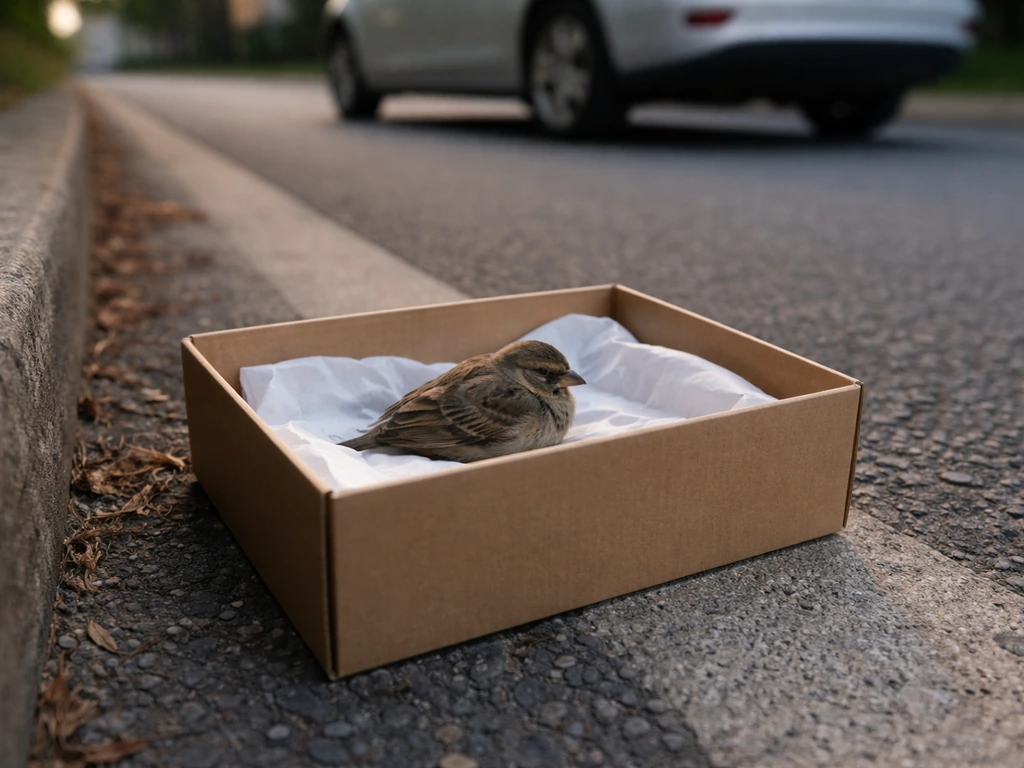
Yes, hitting a bird can damage your car, and how bad it gets depends almost entirely on your speed and the size of the bird. At highway speeds, even a mid-sized bird like a crow or pigeon carries enough kinetic energy to crack a windshield, chip paint, dent a hood, or shatter a headlight cover. At slower city speeds, you're more likely to walk away with just blood and feathers on the grille. But even a strike that looks minor deserves a close inspection before you assume everything is fine.
Can Hitting a Bird Damage Your Car? What to Do Right Now

Maya Chen
24 May 2026
How bird strikes actually damage cars
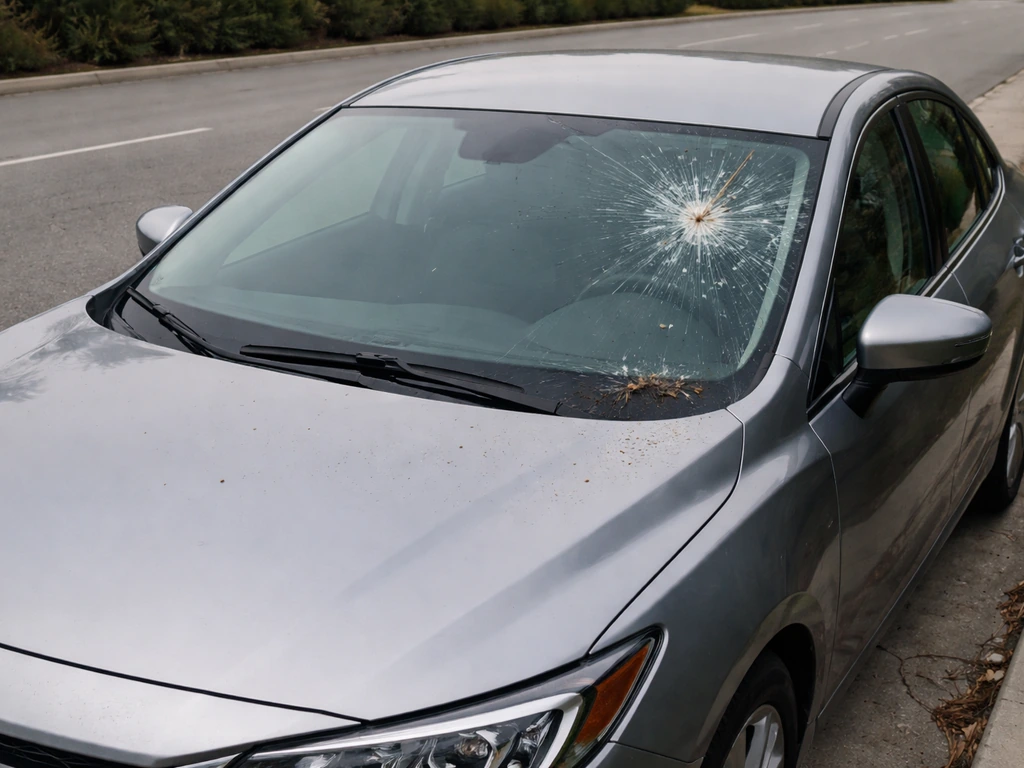
The physics here are straightforward. A bird weighing even a pound hits with significant force when you're doing 65 mph. The impact is sudden and focused, which is why windshields, headlights, and hood leading edges are the most common casualties. Paint can chip or scratch when feathers and bone scrape across a panel at speed. In rarer cases with larger birds like geese or hawks, hood dents, cracked bumper covers, and even damaged grille components are real possibilities.
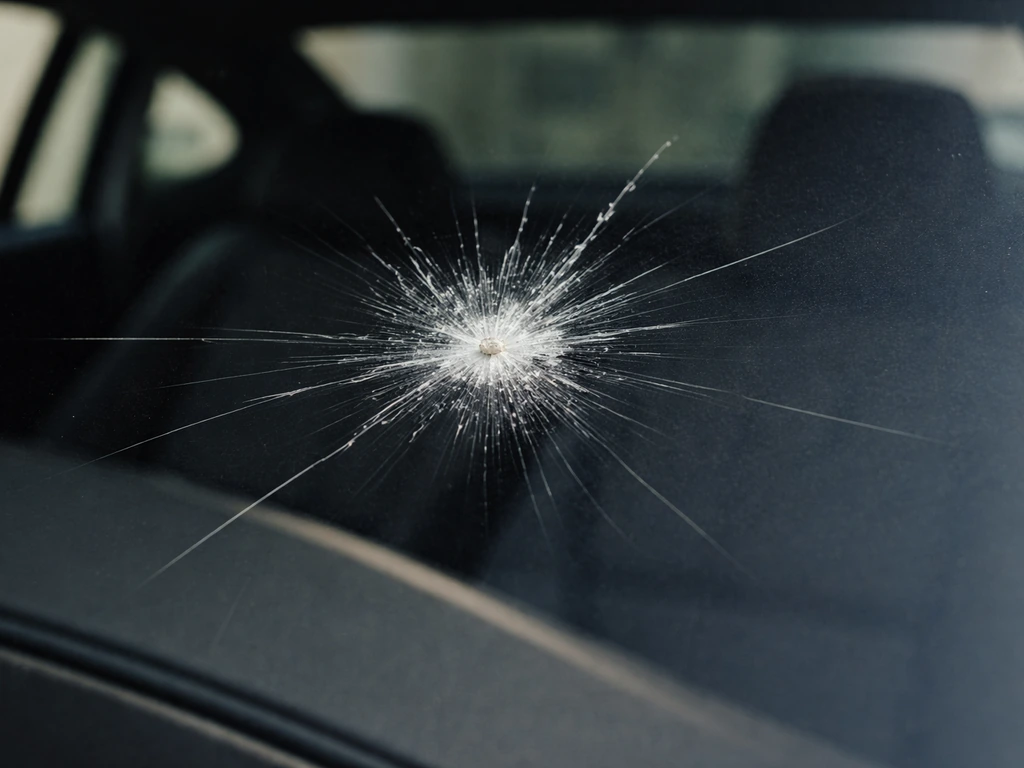
The windshield is where things get most concerning. U.S. windshields are laminated safety glass, meaning two glass plies bonded to a plastic interlayer. That design keeps the glass from shattering into your face, but it doesn't make it indestructible. A bird strike can crack or chip the outer layer, and here's the part most people miss: what looks like a small chip can have underlying fractures that aren't visible to the naked eye. NHTSA also explains that even after initial cracking, the plastic interlayer in laminated windshields helps retain the glass rather than letting it fall away what looks like a small chip can have underlying fractures that aren't visible to the naked eye. Heat, cold, defroster use, and vibration from driving can all turn a small chip into a full crack that spreads across your field of view.
What to do immediately after hitting a bird
Your first priority is your safety and the safety of other drivers, not the car. If you're on a highway, don't swerve or slam the brakes. After a bird strike, knowing what to do next can help you avoid more damage and keep traffic moving safely what to do if you hit a bird while driving. Birds are small enough that a controlled, slight reaction is enough. After the strike, if you're unsure of the damage or visibility is affected, put on your hazard lights and pull off safely at the next exit or a wide shoulder.
- Signal and pull over safely if you notice any obstruction to your vision, hear unusual sounds, or feel any change in how the car handles.
- Turn off the engine and do a full walk-around inspection before continuing.
- Check the windshield first, then headlights, hood, grille, and roof if the bird was large.
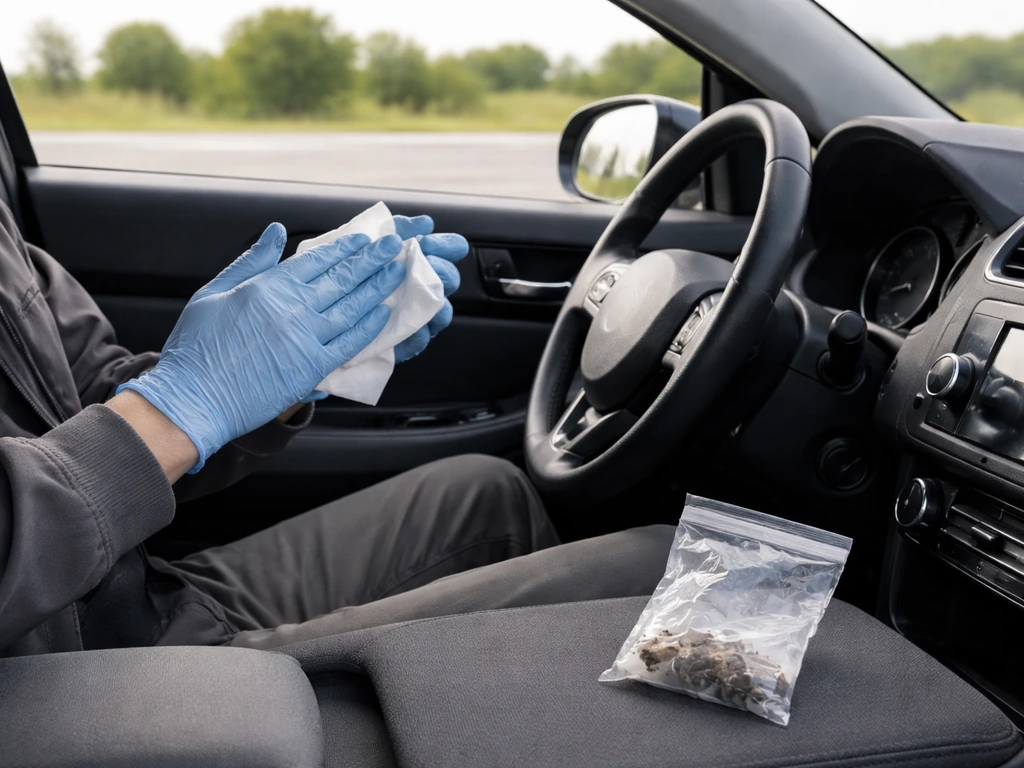
- If there are remains on the car, avoid touching them with bare hands. Use gloves from a first aid kit, plastic bags over your hands, or wait until you can get disposable gloves.
- Take photos of all damage before cleaning anything, including any remains. You'll want this for insurance purposes.
- Wash your hands thoroughly with soap and water after any contact with the bird or contaminated surfaces.
Disease risk from a road bird strike: real concern or mostly folklore?
This is one of the most common worries people bundle with a bird strike, and it's worth being honest about. The realistic risk of catching a disease from a bird your car hit at highway speed is low for the average driver. The same idea applies to the bird itself: even at the moment of impact, a car strike can be fatal depending on speed and the bird’s size a bird survive being hit by a car. You're not handling a sick bird from a flock, you're dealing with remains from a brief road collision. That said, "low risk" is not zero risk, and the CDC's guidance on handling dead birds is worth following regardless of the situation.
The two diseases most commonly cited in this context are avian influenza (bird flu) and West Nile Virus. The CDC recommends using disposable gloves and, in situations where you might contact body fluids or aerosolized material, a mask and eye protection. For a roadside cleanup after a collision, that means: don't touch remains with bare hands, avoid rubbing your eyes or face, use a plastic bag as a barrier if you have nothing else, and wash your hands well afterward. Discard any gloves or improvised barriers you used.
The fear that feathers or dried blood on your car will make you sick is mostly unfounded if you take basic precautions. Feathers on a dry bumper pose far less risk than handling a freshly killed bird with body fluids. Use gloves, wash up, and move on. The bigger concern after a bird strike is almost always the car, not your health.
The specific spots to inspect on your car
Once you've pulled over safely and have gloves on if needed, here's what to look at closely:
| Damage Point | What to Look For | Why It Matters |
|---|---|---|
| Windshield | Chips, cracks, starred impact points, any crack in your direct line of sight | Chips can spread; cracks in view are illegal and unsafe in most states |
| Headlights and taillights | Cracked or shattered lens covers, broken housing | Broken lights are a safety and legal issue; water intrusion can kill the bulb |
| Hood and front bumper | Dents, deep scratches, paint chips, cracked bumper cover | Mostly cosmetic but can affect aerodynamics and resale value |
| Grille and air intake | Lodged remains, bent grille slats, cracked plastic | Blocked airflow can cause overheating; sharp debris can damage cooling components |
| Roof and A-pillars | Dents or scrapes (if it was a large bird or a collision at an odd angle) | Worth checking especially after goose or raptor strikes |
| Windshield camera/sensors | Any obstruction or damage near forward-facing cameras mounted behind the windshield | ADAS cameras need a clear, undamaged sight line; replacement may require recalibration |
Modern vehicles with advanced driver assistance systems (ADAS) add a wrinkle here. If your car has a forward-facing camera mounted near the rearview mirror, even a crack that doesn't seem to be in your visual field might be in the camera's line of sight. A windshield replacement in that situation will also require camera recalibration, which adds cost but is necessary for the safety systems to work correctly.
When to stop driving vs when it's safe to keep going
The honest answer is: if there's any windshield damage at all, get a professional opinion before assuming it's safe to ignore. What looks like a small chip can be worse underneath, and driving vibration, temperature changes, and defroster use can all cause that chip to spread into a crack that crosses your field of view.
For a clear legal and practical threshold: federal commercial vehicle guidelines flag chips or cracks larger than 3/4 inch in diameter, any intersecting cracks, or any damage in the driver's critical viewing area as reasons to address the windshield before driving. Most states apply similar reasoning for passenger vehicles. If the damage sits in the area you look through to drive, it's technically illegal to keep driving in most places and genuinely unsafe in all of them.
- Stop driving and call roadside assistance if: the windshield crack is in your direct line of sight, the glass is bulging or feels soft, a headlight is broken and it's dark, or you notice handling changes that weren't there before the strike.
- It's probably okay to continue with caution if: there's only paint transfer or light scratching, the windshield has a very small chip well outside your sight line, and you're heading directly to a shop to have it evaluated.
- Don't wait if the crack is spreading. Temperature changes happen fast, and a repairable chip can become a full replacement in a matter of hours.
Documenting damage and sorting out repairs and insurance
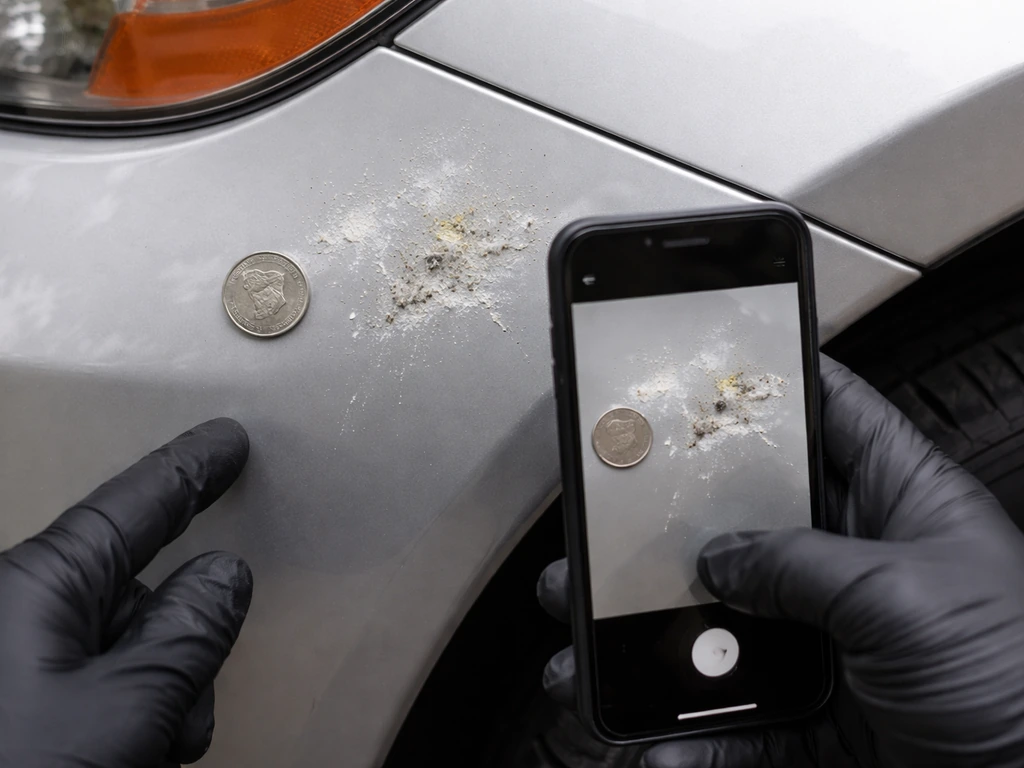
Before you clean the car or move on, photograph everything. Get close-up shots of every damage point, wider shots showing placement on the vehicle, and a few photos with something for scale if there's a dent. This documentation protects you when filing an insurance claim and helps the repair shop understand what happened.
Bird strikes generally fall under comprehensive auto insurance coverage, not collision coverage. If you want to know whether your specific policy pays for bird damage, check whether the damage is considered comprehensive and confirm your deductible and claim limits comprehensive auto insurance coverage. Comprehensive covers damage to your car from events outside your control, which includes animals and birds. Whether it's worth filing depends on your deductible. If the deductible is $500 and the windshield repair is $150, pay out of pocket. If you're looking at a full windshield replacement plus camera recalibration, that can easily run $400 to over $1,000 on newer vehicles, which makes a claim worth considering. blank" rel="noopener noreferrer">Chips smaller than a dollar bill are often repairable rather than requiring full replacement, which is cheaper and usually faster.
Contact your insurer's glass claims line or app directly. Most major insurers have dedicated glass claim processes that can schedule a repair technician to come to you, sometimes the same day. Whether the damage is covered by homeowners insurance (if the bird was sitting still, like on your parked car) is a separate question worth checking depending on your situation.
How to reduce your chances of hitting a bird in the future
Birds are most active and most likely to cross roads at dawn and dusk. Those are also the times when glare makes them hardest to spot. Slowing down slightly in low-light conditions near fields, tree lines, wetlands, or any area with visible bird activity genuinely reduces both the chance of a strike and the severity of one if it happens.
- Reduce speed in known high-bird areas, especially at dawn and dusk when birds are feeding and most active.
- Stay alert near open fields, water, tree lines, and anywhere you see birds congregating near the road.
- Keep your windshield clean. A dirty windshield reduces contrast and makes it harder to spot birds in time to react.
- Don't tailgate large vehicles. If a large truck flushes a flock of birds, you want enough distance to react.
- If you drive regularly in rural or wooded areas, consider reflective deterrent tape or similar products on your grille guard if you have one, though evidence for their effectiveness on roads is limited compared to static installations.
- In areas where large birds like geese or hawks are common roadside hazards, treat them the way you'd treat deer: slow down, expect the unexpected, and don't swerve sharply.
There's no foolproof way to avoid every bird strike, but most happen at speed on open roads or highways where birds cross without warning. Keeping your speed reasonable in high-risk zones and staying aware of your surroundings is the most practical prevention available to everyday drivers.
FAQ
Should I clean the bird remains off my car immediately, and does that affect damage risk?
Do not wash the area with a garden hose or wipe aggressively before inspecting, especially on or near the windshield. A quick visual check first, then rinse with light water only if you have to, helps you avoid spreading residue into cracks or scratching paint. If you see any windshield crack growth, stop cleaning and get the glass examined.
How do ADAS features and the forward camera change what I should do after a bird strike?
If the windshield chip is in the same general zone as your lane of travel or your forward camera view, treat it as higher risk. Even when the chip looks small, modern camera systems can require calibration after windshield replacement, so ask the shop whether any ADAS sensors are involved before authorizing a repair or driving away.
Why might windshield damage be harder to spot at night, and what should I check?
Yes. At night, headlight glare and reflections can make a small chip or crack hard to notice but more noticeable when driving, and a crack that is barely visible in daylight can distort the driver’s view at speed. If you have any doubt, check again in your mirrors and by viewing the windshield from different angles with the headlights off, then decide whether to get it inspected.
Besides the windshield, what other parts should I inspect for hidden bird-strike damage?
Even if the car looks fine, check the headlight area and hood leading edge, because birds can crack covers or dent mounting points without obvious alignment problems. Look for moisture inside the headlight housing, misalignment gaps, or a hood that sits unevenly, then confirm the hood fully latches.
When is it better to pay out of pocket instead of filing an insurance claim?
If you only see paint transfer or small scrapes on a bumper or hood at city speeds, you may be able to skip the insurance process and do a spot repair or paint touch-up. But if the strike caused any windshield chip, cracked headlight cover, or structural dent, it is often worth getting an estimate before deciding, since repairs can become more expensive if a chip spreads.
If the bird hits my parked car, does the coverage type change?
If you are parked and the bird strike happened while you were not driving, it can still be “comprehensive,” but the insurer may ask for proof of timing and circumstances. Take dated photos, note where the car was located (driveway, street, parking lot), and consider asking the claims line whether homeowners coverage applies in your specific situation.
Can every windshield chip be repaired, or do some cases require replacement?
Yes, particularly if you have any crack on the windshield at all. A windshield repair uses resin for small chips, but larger or spreading cracks usually require replacement, and replacement may trigger camera calibration costs. Ask the shop to show you where the crack terminates and whether it is in the repairable range.
What if I can still see to drive, can I wait to get the windshield fixed later?
If the damage affects your critical viewing area, do not keep driving to “test it,” because vibration and temperature changes can make cracks propagate faster. A safer option is to pull over, minimize highway driving, and arrange service, especially if you notice wiper streak distortion, reduced visibility, or glare from the crack.
What information should I gather for insurance or a glass shop besides photos?
Documenting helps, even if you think it will not be a claim. Use photos of the exact chip/crack location, dents, and headlight damage, then note the time, speed estimate (for example, highway vs city), and weather or lighting conditions (dawn, dusk, rain). This can speed up underwriting and repair approval.
Does bird damage always go under comprehensive, and what deductible details should I verify?
No, not by default. Comprehensive is the usual category for bird strikes, but your policy and deductible can make a claim uneconomical. Before filing, confirm whether glass repair or replacement is handled as a “glass” benefit with lower paperwork, and verify whether your deductible applies to windshield replacement.
What’s the safest roadside procedure if I cannot exit quickly after a bird strike?
Yes. If you happen to be in a remote area or traffic is heavy, hazards are not enough on their own. Move to the widest safe shoulder, turn on hazards, and if visibility is limited, stay inside the vehicle with seatbelt until a safe gap opens. If you must exit, avoid traffic lanes and do not stand near the center of the roadway.
Next Article
Can a Bird Survive Being Hit by a Car? What to Do Now
Can a bird survive a car hit? Learn odds and a step-by-step emergency triage for injured birds.