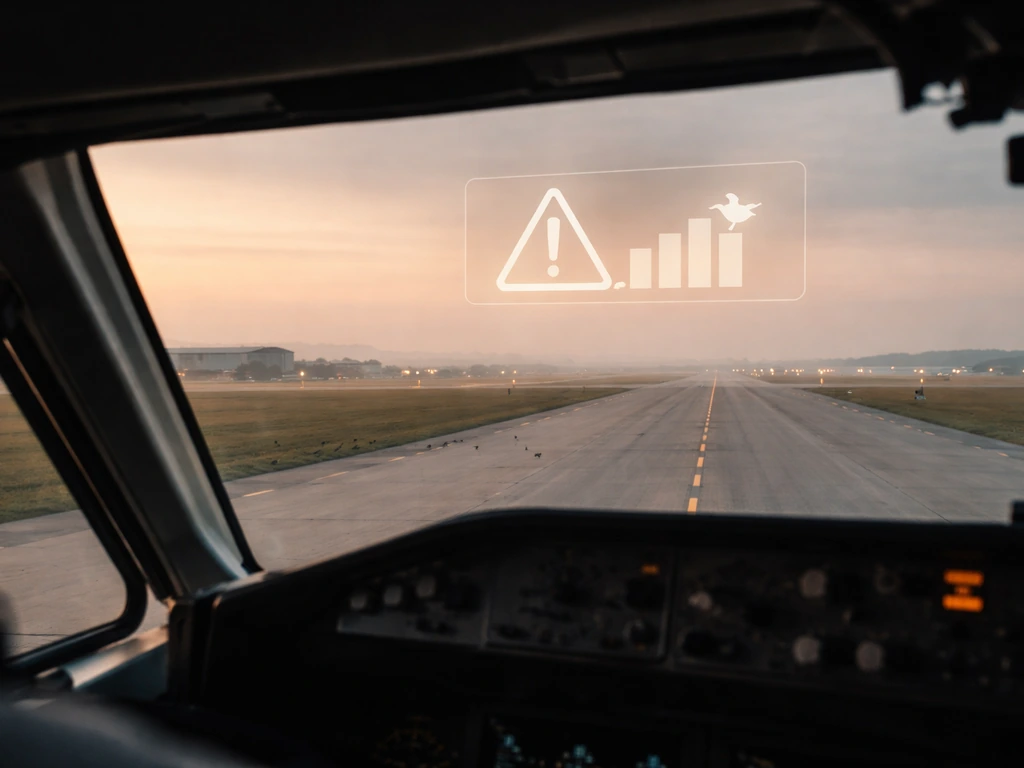
A bird strike can qualify as an extraordinary circumstance under airline passenger rights rules, but it doesn't automatically do so. Under EU Regulation 261/2004, the legal standard requires the airline to prove two things: the bird strike caused the delay or cancellation, and no reasonable measures could have prevented it. Courts have confirmed bird strikes can meet that bar, but airlines still lose claims when they can't show they took appropriate steps afterward. If you're dealing with a flight delay, a cancelled trip, or an insurance claim, the bird strike is the starting point, not the finishing line.
Is a Bird Strike an Extraordinary Circumstance? Guide

Maya Chen
19 May 2026
What 'extraordinary circumstance' actually means
The phrase comes from Article 5(3) of EU Regulation 261/2004, which lets airlines avoid paying compensation for delays or cancellations if they can prove the disruption was caused by extraordinary circumstances that couldn't have been avoided even if all reasonable measures had been taken. The regulation itself doesn't define the term, which is why it has been interpreted through court cases over the years.
The UK Civil Aviation Authority follows the same framework and describes extraordinary circumstances as situations that are genuinely not the airline's responsibility and couldn't realistically be prevented. Think severe weather, political instability, hidden manufacturing defects, or, as confirmed by the Court of Justice of the EU, a bird strike. The key point is that the event needs to be outside the normal operating risks the airline manages every day, and it has to be the actual cause of your disrupted trip.
In insurance contexts, the logic is similar but the exact language depends on your specific policy. Aviation insurers like Zurich base outcomes on documented circumstances and specific policy wording, not on whether 'bird strike' appears in the incident report. Expert assessment of what happened, what damage resulted, and what the operator did about it all feed into the coverage decision.
When a bird strike is (and isn't) treated as extraordinary
The landmark ruling here is Pešková & Peška (CJEU case C-315/15, decided May 4, 2017). The court confirmed that a bird collision is an event not intrinsically linked to the normal operation of an aircraft, so it can qualify as an extraordinary circumstance.
Bird & Bird notes that in Pešková the bird strike and its consequences were treated as extraordinary circumstances when the disruption was not intrinsically linked to the aircraft’s operating system, while also emphasizing that the airline must still demonstrate it took reasonable measures after the collision Pešková treated the bird strike and its consequences as extraordinary circumstances. However, the case also revealed where airlines trip up: the court examined whether specific post-collision checks were a '[reasonable measure](https://eur-lex.
europa. eu/legal-content/EN/SUM/? uri=celex%3A62015CJ0315)' and found that a second inspection wasn't necessarily required once a qualified expert had already cleared the aircraft. That nuance decided whether the resulting delay was attributable to the extraordinary circumstance or to the airline's own decisions afterward.
So a bird strike is more likely to be treated as extraordinary when the collision was genuinely unforeseeable at that location and time, no relevant mitigation measures were ignored or skipped, the damage or operational check caused the delay directly, and the airline responded in a proportionate and documented way. It is less likely to be treated as extraordinary when the airport had a known, documented bird hazard that wasn't being managed properly, the airline's response after the strike (not the strike itself) caused most of the delay, or the airline cannot produce records showing what actually happened and what steps were taken.
Airline operations vs. private flights vs. property damage: your scenario matters

Commercial flight passenger (EU/UK 261 claim)
This is where the extraordinary circumstances argument is most commonly made. If your flight was delayed three or more hours or cancelled and the airline cites a bird strike, they carry the burden of proving it. You're entitled to ask for documentation: the incident report, the maintenance log, the inspection outcome, and an explanation of how the strike caused your specific delay. Don't just accept 'bird strike' as a complete answer. Ask the airline what happened after the strike and whether a replacement aircraft was available.
Private or general aviation (GA) flight
For privately owned or charter aircraft, the extraordinary-circumstances framing is less about passenger rights and more about insurance coverage and liability. Zurich and similar aviation insurers use independent expert assessments to evaluate claims. The evidence standard is similar: you need documentation of what was struck, what damage occurred, and what the pilot and operator did in response. In the US, you'd file an FAA Form 5200-7 (Bird and Other Wildlife Strike Report), which collects species, location, number of birds, aircraft phase of flight, and damage details. That form becomes part of the FAA Wildlife Strike Database and can support your claim.
Property or vehicle damage
If a bird struck your vehicle, a building, or other property (from a low-flying aircraft collision or a direct bird impact), the 'extraordinary circumstance' framing is handled entirely by your insurer under your specific policy. There's no standardized regulatory definition applying here. Document everything: photos of the damage, time and location, any witnesses, and the type of bird if you can identify it. The question for your insurer is whether the event was accidental, sudden, and outside your control, which a bird strike almost always is.
Evidence and documentation that actually moves a claim forward
The difference between a successful and unsuccessful claim usually comes down to documentation. Here's what typically matters in both regulatory and insurance contexts:
- Official bird strike report: In the US, FAA Form 5200-7 (revised August 2024) captures species, size, number of birds, location, aircraft details, phase of flight, and damage outcome. In the EU and UK, reports feed into ECCAIRS-compatible databases (aligned with the ADREP taxonomy under Regulation 376/2014). These records are the backbone of any downstream determination.
- Maintenance and inspection logs: Post-strike aircraft inspections and their outcomes, signed off by qualified engineers, are critical. The Pešková ruling specifically scrutinized whether a second inspection was reasonable, so the log entry from the first qualified inspection is important.
- ATC (air traffic control) records and communications: ATC logs can confirm the time and circumstances of the bird strike report, any emergency declarations, and coordination with the airport. SKYbrary's guidance for controllers includes a checklist of actions after a strike report, which means this record should exist.
- Airport wildlife hazard management records: Under US 14 CFR § 139.337, certificated airports must maintain a wildlife hazard management plan. If you're arguing (or the airline is arguing) that bird activity at the airport was beyond normal, these records show what mitigation was or wasn't in place.
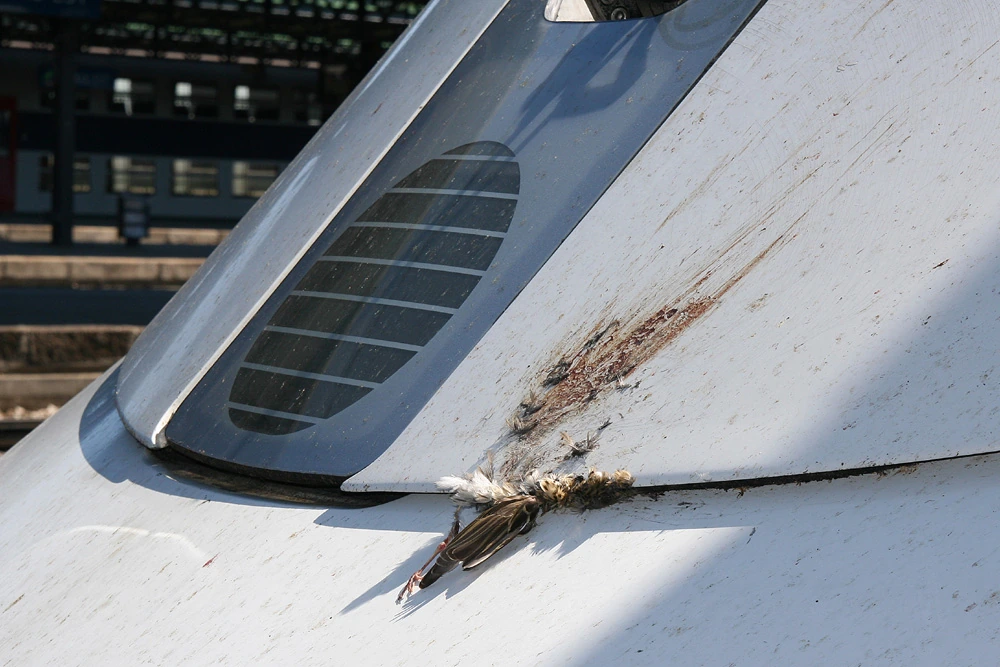
- Photographs and physical evidence: If feathers, blood, or impact marks are on the aircraft, document them before cleaning. These support the causal chain between the bird strike and the damage.
- Time, location, and species data: ICAO's standardized bird strike reporting form includes fields for altitude, flight phase, light conditions, and wildlife details. Waterfowl, for example, cause damage in a much higher proportion of strikes than smaller birds, so species matters to severity classification.
- Passenger and crew statements: First-hand accounts of when the impact occurred, what was heard or felt, and what announcements were made can support or contradict the airline's account of events.
Common misconceptions about bird strikes and risk
One of the most widespread myths is that all bird strikes are equally rare and catastrophic. They're not. Around 50% of bird strikes result in some damage, but many are minor impacts with no operational consequence. The vast majority don't make headlines. A seagull hitting a winglet is a different category of event from waterfowl being ingested into a turbofan engine at rotation.
Another common misunderstanding is that 'bird strike' on an incident report automatically settles the extraordinary-circumstances question in the airline's favor. It doesn't. Courts and regulators look at what followed the strike, how the operator responded, and whether the disruption to passengers was actually caused by the bird strike or by operational decisions made afterward.
People also sometimes assume bird strikes are always unpredictable and unpreventable. In reality, airports in high-risk areas (near wetlands, migration corridors, or agricultural land) are expected to have active wildlife hazard management programs. FAA guidance specifically covers habitat manipulation, predator controls, and dispersal methods. If an airport had a documented, unaddressed bird hazard and a strike occurred, the 'beyond anyone's control' argument weakens considerably. This connects to how dangerous a bird strike actually is in a given context, which depends heavily on species, aircraft type, and phase of flight rather than the event category alone.
What happens right after a bird strike: safety, reporting, and claims steps
Immediate safety response
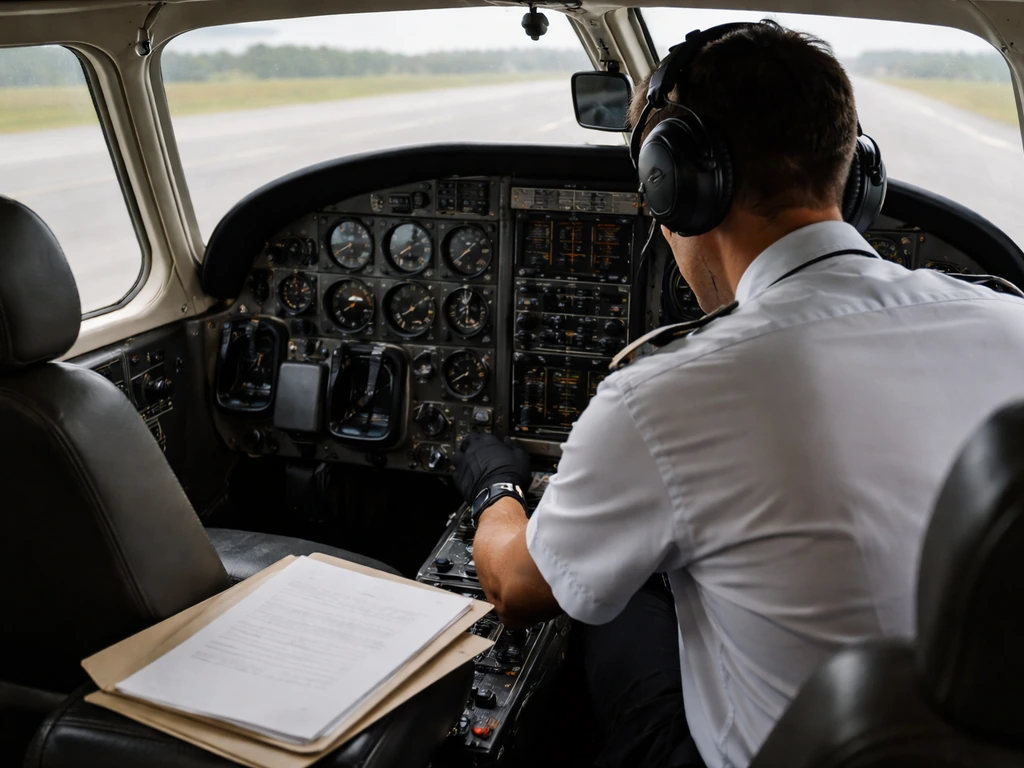
The pilot's first responsibility is aircraft safety. Bird strikes can cause engine thrust loss from ingestion, structural damage, or windscreen penetration in more serious cases. The crew assesses damage, declares any emergency if needed, and follows standard procedures, which may include returning to the departure airport, diverting, or continuing if the aircraft is confirmed airworthy. ATC is notified. The airport operator is typically informed so dispersal actions can be taken to protect other aircraft.
Reporting obligations
In the US, reporting to the FAA via Form 5200-7 is strongly encouraged and feeds into the national Wildlife Strike Database. If you want a clear example of a bird strike warning process, U.S. crews report strikes to the FAA using Form 5200-7, which helps track wildlife hazards and supports safety alerts. In the EU, bird strikes are mandatory occurrences under Regulation 376/2014 and must be reported into ECCAIRS-compatible systems. ICAO requests member states to report strikes into the blank" rel="noopener noreferrer">ICAO Bird Strike Information System (IBIS) using the standardized ICAO reporting form. These reports create the official record that regulators and insurers will look at later.
Starting your claim
- Request the incident or occurrence report from the airline or operator in writing as soon as possible.
- Ask for the maintenance inspection log and any engineer sign-off related to the event.
- Collect your own documentation: boarding passes, booking confirmation, receipts for any costs incurred due to the delay.
- If you're in the EU or UK and the delay was three or more hours, submit a formal EU 261 compensation claim to the airline. State clearly that you want documentation of the extraordinary circumstance defence if they intend to use it.
- If the airline rejects your claim citing bird strike, escalate to your national enforcement body (National Enforcement Body in the EU, the CAA in the UK, or the DOT in the US for relevant protections).
- For insurance claims on private aircraft, contact your insurer promptly and provide all documentation before anything on the aircraft is repaired or altered.
How regulators and insurers typically decide: outcome patterns
Based on how courts and regulators have approached these cases, there are recognizable patterns in how outcomes fall:
| Scenario | Likely outcome | Key factor |
|---|---|---|
| Commercial flight delay, bird strike confirmed, airline shows post-strike inspection caused minimal additional delay | Extraordinary circumstance upheld, no compensation owed | Documented, proportionate response by airline |
| Commercial flight delay, airline cites bird strike but can't explain why replacement aircraft wasn't sourced | Extraordinary circumstance defence may fail | Airline's operational response, not just the strike itself |
| Second post-strike inspection ordered despite qualified engineer already clearing aircraft | Delay from second check may not be covered by extraordinary circumstances (per Pešková) | Reasonableness of specific post-strike decisions |
| Airport with documented, unmanaged bird hazard, strike occurs in known high-risk zone | Weaker extraordinary circumstance argument for airline or airport operator | Foreseeability and mitigation program adequacy |
| Private aircraft claim, documented strike, damage confirmed by independent expert, WHMP compliance evident | Insurance claim likely proceeds normally | Quality and completeness of documentation |
| Property damage from bird impact, sudden and accidental, photographs and report provided | Typically covered under standard accidental damage provisions | Policy wording and proof of sudden, uncontrolled event |
The consistent thread across all of these is that the word 'bird strike' alone doesn't determine anything. On that score, you still need to look at whether the event is treated as an incident for the purpose of the relevant claim and evidence standards is a bird strike an incident. What matters is causal evidence, documentation of the response, and whether anyone with responsibility over the aircraft or airport took (or failed to take) the measures expected of them. Whether you're a passenger pursuing EU 261 compensation or an operator filing an insurance claim, the strength of your position is almost entirely a function of what's in the paperwork.
FAQ
If the airline says the delay was caused by a bird strike, what proof should I specifically ask for?
Ask for documents that link the strike to your exact flight disruption, not just the word “bird strike.” Request the incident report, maintenance/inspection records (including what was checked and what was found), the aircraft release or return-to-service note, and a written explanation of how those steps created the timing of your delay or cancellation.
Does it matter if the damage was minor, or will a minor bird impact still be treated as extraordinary?
Minor impacts can still qualify, but they often fail the causation test because the airline may not be able to show they had to take operational steps that meaningfully delayed the flight. If there was no meaningful inspection, no engine or structural concern, and the aircraft was cleared quickly, the airline may struggle to prove the disruption resulted from the extraordinary event.
How do I handle it when the airline blames a bird strike but also mentions maintenance, crew issues, or ATC flow delays?
Treat it as a multi-cause problem. Ask the airline to break down the timeline (when the strike occurred, when the inspection began and ended, what maintenance actions were required, and what caused the remaining delay). If other causes clearly took over after the strike, your argument shifts from “strike caused everything” to “the rest was ordinary operational management,” which may reduce or eliminate compensation.
Is a replacement aircraft availability relevant to whether the disruption is considered extraordinary?
Yes, it can be. Courts and airlines may distinguish between the event itself and the practical response afterward, including operational mitigation like aircraft swaps or reroutes. If a replacement aircraft was available and the airline still chose not to use it, the airline’s “no reasonable measures” argument weakens.
What if the bird strike happened earlier, and my flight later had symptoms or required checks?
Timing matters. Ask whether your aircraft or crew were actually affected by that particular strike and whether the documented checks were triggered by the strike that day. If the airline cannot connect the cause to your specific aircraft and disruption, the extraordinary-circumstances defense is harder to support.
Does “bird strike” qualify automatically for EU261 compensation, even if it was unplanned?
No. Even if the collision is the type of event that can be extraordinary, the airline still must prove it could not have been prevented and that it was the actual cause of your delay or cancellation. If the airline cannot show adequate procedures or the causal chain is weak, compensation can still be due.
How soon should I report the strike or request paperwork as a passenger?
Request records promptly, ideally while the incident is still fresh. Airlines and airports may close out maintenance and operational documentation internally, and access can become harder later. If possible, keep your boarding pass, emails, and any delay communications, and make a written request that names the specific documents you want.
What if I only have the passenger-facing email stating “bird strike,” but no incident number or dates?
Ask for the incident reference or the maintenance/inspection identifiers linked to your flight and aircraft registration. Without that, it is difficult to verify what happened (phase of flight, area hit, inspection outcome). You can also ask for the aircraft tail number, flight number, and UTC time window to match the airline’s records.
Can habitat management failures at an airport defeat the extraordinary-circumstances argument?
Potentially yes. If an airport has a documented wildlife hazard environment (for example, near wetlands or migration routes) and the operator did not manage it in a reasonable way, the “could not have been avoided” logic becomes harder for the airline to rely on. In practice, you would look for evidence about hazard management status and whether it was followed.
Does species identification or the number of birds change the legal or insurance outcome?
It can, especially for risk and damage evaluation. Identifying the bird species, number of birds, and aircraft phase of flight helps explain the likelihood and severity of the event. For insurance decisions, this information supports expert assessment of damage mechanisms and whether the response was appropriate.
For US insurance or liability, is the FAA bird strike report enough to get paid?
It helps, but it usually is not the only deciding factor. Insurers typically require evidence of what damage occurred, when it occurred, and how it was handled afterward. A report supports the existence of a strike, but coverage often depends on your policy terms and the documented causation and response.
If a strike happens to a building or vehicle on an airport, does it follow the same extraordinary-circumstances rules as passenger flights?
Not in a standardized way. The regulatory framework you are thinking about is typically tied to passenger compensation rules for airline disruptions, while non-aircraft property damage is handled under your specific insurance policy and liability analysis. Expect the insurer to focus on suddenness, accident characteristics, and documented damage rather than EU flight compensation standards.
Next Article
What Is a Bird Strike Warning and What to Do
Understand what a bird strike warning means, why it’s issued, and exactly what to do for safety and reporting.