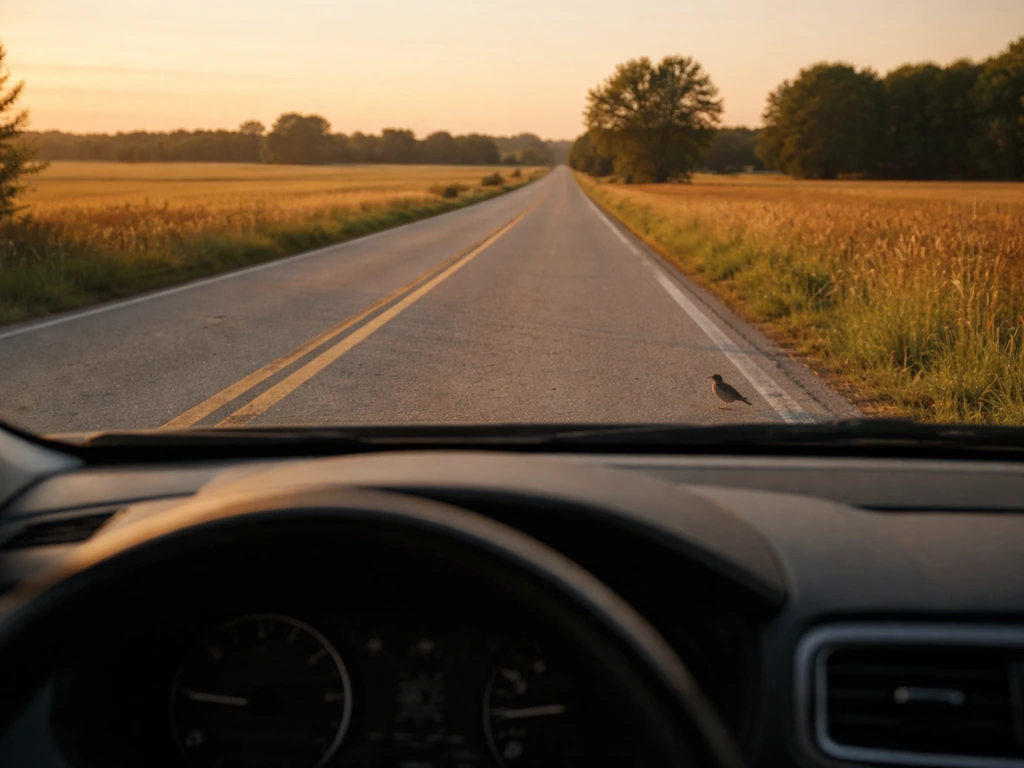
No, a bird hitting your windshield is not bad luck. It is a predictable collision that happens because birds genuinely cannot recognize glass as a solid barrier. When they see a reflection of the sky or trees in your windshield, they fly straight toward what looks like open space. That is physics and bird biology, not fate or an omen.
Is It Bad Luck If a Bird Hits Your Windshield? What to Do

Maya Chen
23 Apr 2026
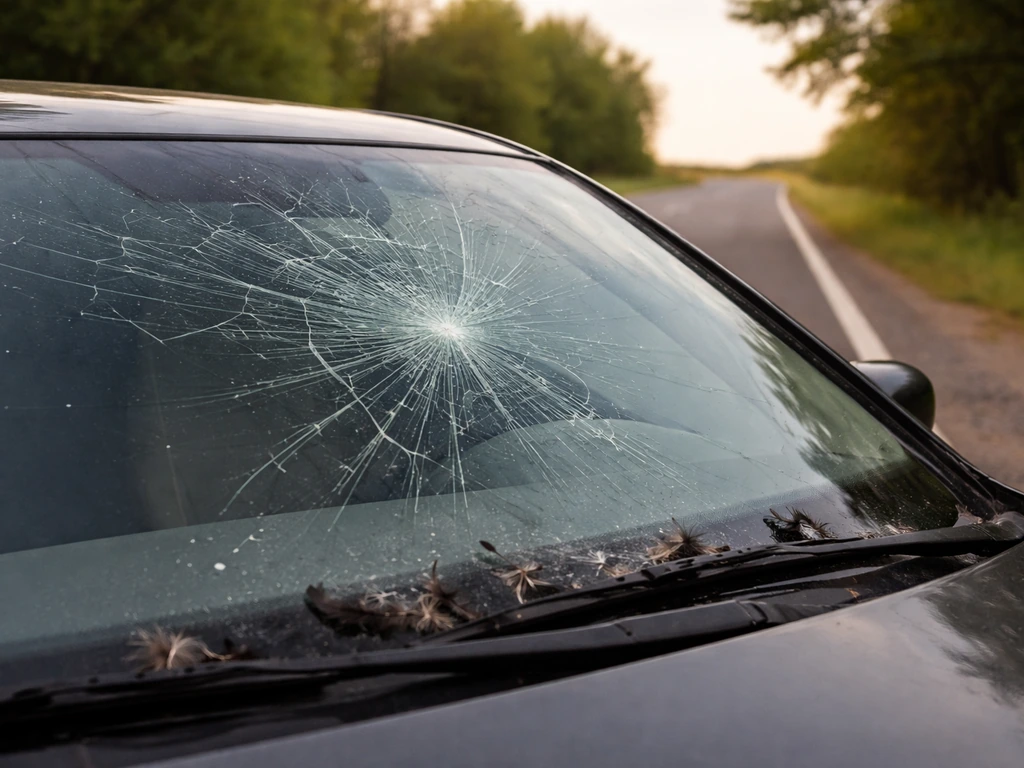
Bad luck vs. what actually causes windshield strikes
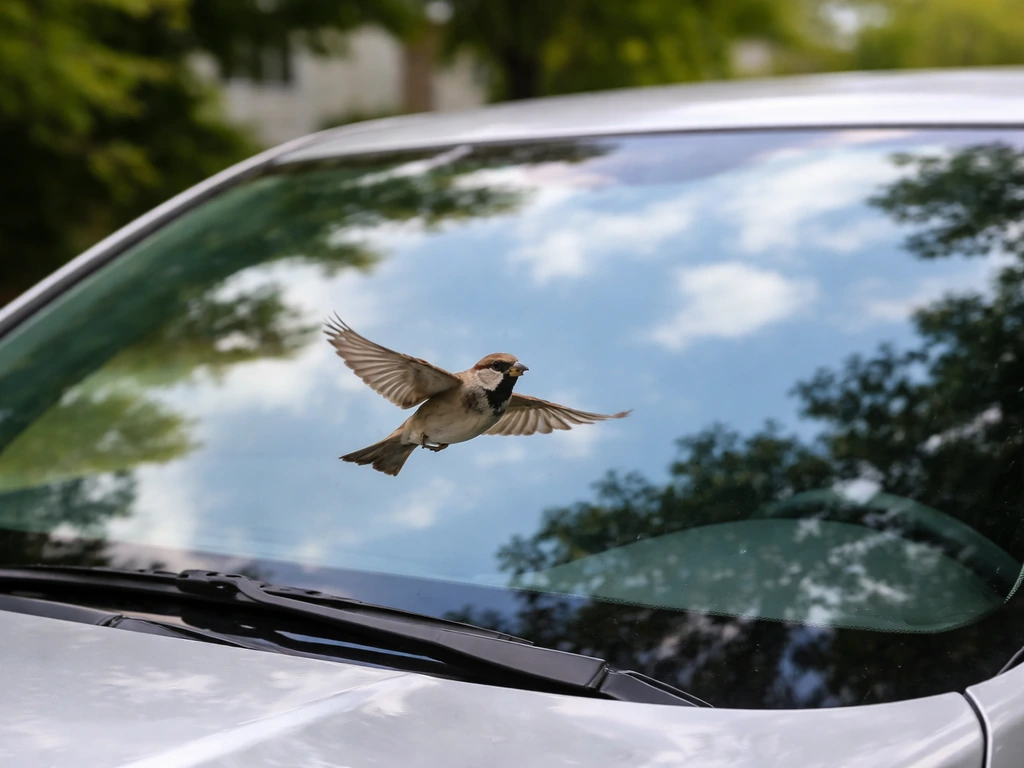
The superstition around birds hitting windows goes back centuries and spans many cultures, but the real explanation is far less dramatic. Birds lack the ability to perceive glass as a solid surface. A windshield or car window reflects whatever is behind the bird: sky, trees, hedges, powerlines. To the bird, that reflection looks like a flyable corridor. The American Bird Conservancy estimates that up to one billion birds die from window collisions in the U.S. every year, and car windshields and side windows are a significant contributor. That scale alone tells you this is a widespread environmental hazard, not a personal sign from the universe.
The conditions that set up a windshield strike are specific and predictable. Glare from sunlight, parking near trees or shrubs, bright reflective coatings on glass, and driving at dawn or dusk when birds are most active all raise the risk. Migratory season (spring and fall) brings even higher bird traffic. If a bird has hit your car more than once in the same spot or same parking area, that tells you the environment near that location is the issue, not your luck.
The superstition angle comes up in related questions too, like whether hitting a bird while driving or a bird hitting your house window means something ominous. To understand the odds, you can focus on factors like time of day, nearby vegetation, and glare that increase the chance of a windshield strike odds of hitting a bird while driving. The evidence-based answer is the same across all of them: these are collision events caused by glass reflection and bird behavior, full stop.
What to do right now (while driving or right after)
Your first priority is your own safety and the safety of other drivers, not the bird. A sudden impact on a windshield can be startling, and jerking the wheel in response is the most common cause of secondary accidents in these situations. Keep both hands on the wheel, breathe, and maintain your lane.
- Stay calm and keep the vehicle under control. Do not swerve.
- Check that your windshield is intact. A bird strike can crack or chip glass, especially at highway speed. If visibility is compromised, signal and move to a safe stop.
- Pull over only when it is safe to do so. A parking lot, rest stop, or wide shoulder is far better than stopping on a busy road.
- Turn on your hazard lights once stopped.
- Only then, look for the bird. It may have bounced off and landed nearby, or it may be lodged under a wiper or in the hood area.
Do not rush to inspect the car or the bird while traffic is moving around you. A minute of patience here is worth it.
If the bird is alive: how to handle it safely
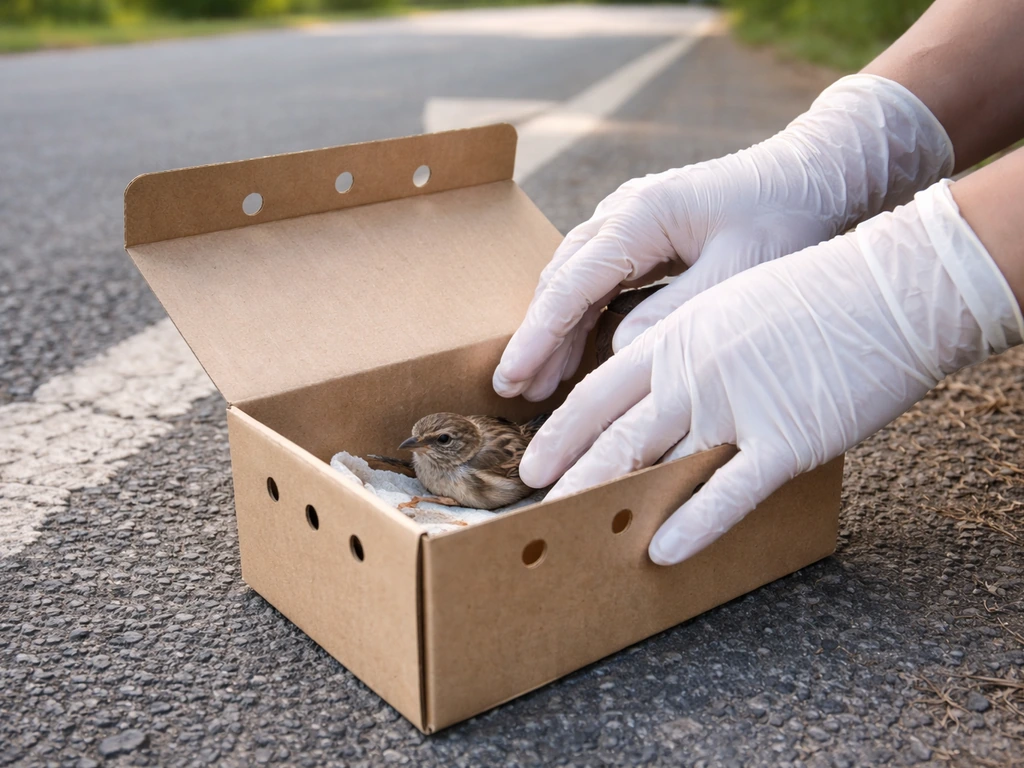
A stunned bird on the road or shoulder is in immediate danger from cars and predators. You can move it, but do it right. Do not pick it up with bare hands. Use gloves if you have them, or wrap the bird loosely in a cloth, jacket, or paper bag from your car. The goal is to move it to a safe, quiet spot off the road, not to treat or rehabilitate it yourself.
Place the bird gently in a ventilated box or paper bag (never plastic, which causes overheating and suffocation) in a dark, quiet spot. Many stunned birds recover from window strikes within 15 to 30 minutes once they are away from stress and danger. If you are near home, you can monitor it. If you are on the road, moving it off the asphalt to a soft surface under a bush is genuinely helpful and about the most you can reasonably do.
Wash your hands thoroughly after any contact with the bird, even if you used a barrier. Wash your hands for at least 20 seconds with soap and water after contact with contaminated material, following CDC food-safety prevention guidance. Wild birds can carry Salmonella, Campylobacter, and other pathogens on their feathers and in their droppings. The risk from a brief, gloved handling is low, but hand washing is a non-negotiable step.
If the bird is dead: cleanup, disposal, and health precautions
If the bird did not survive the strike, handle remains with the same level of care. Wear disposable gloves or use a plastic bag inverted over your hand. Place the bird in a sealed plastic bag and dispose of it in an outdoor trash bin. Do not bury it near a water source, and do not leave it on the roadside if you can help it, since it becomes a hazard for scavenging birds of prey that may then get struck by vehicles themselves.
The realistic disease risk from a dead bird is low for healthy adults who take basic precautions. The main concerns are Salmonella from fecal contamination and, in rare circumstances, West Nile virus (though this is transmitted by mosquitoes biting infected birds, not by touching a dead bird directly). Wash hands with soap and water for at least 20 seconds after handling any remains or contaminated debris, and avoid touching your face before doing so.
If the bird is a protected species, such as a raptor, migratory songbird, or owl, check with your local wildlife authority before disposing of it. In the U.S., the Migratory Bird Treaty Act covers most wild bird species, and some states have specific reporting requirements for dead raptors or other protected birds.
Cleaning the windshield safely
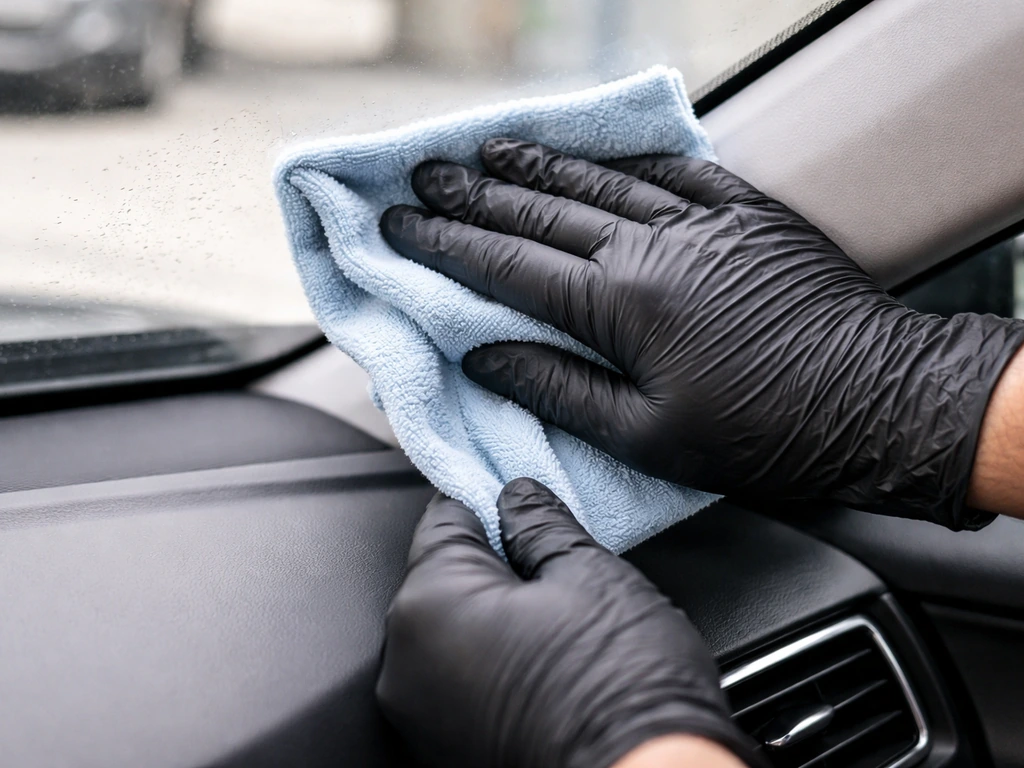
Blood, feathers, and fecal matter on your windshield need to be cleaned promptly, both for visibility and hygiene. Do not use your bare hands or a dry cloth to brush debris off. Dry brushing can aerosolize contaminants and feather particles, which you do not want near your face.
- Wear gloves before touching any debris on the glass.
- Use a wet cloth or paper towels to wipe away solids first, then follow with a standard glass cleaner.
- Bag and seal the used towels or wipes immediately.
- Wash your hands thoroughly after, even if you wore gloves.
- If there is a crack or chip in the windshield from the impact, have it inspected by a glass repair professional. Small chips spread quickly, especially with temperature changes and highway vibration.
Do not use your car's windshield washer fluid alone to deal with biological material. It dilutes but does not remove solid debris, and smearing it across the glass with wipers reduces visibility and spreads contamination further across the surface.
How to prevent future bird strikes on your vehicle
Prevention is genuinely practical here. The same principles that reduce window strikes at home apply to parked vehicles, and a few driving habits can help on the road. Upgrading your window glass with bird-safe film can further reduce the chance of future strikes reduce window strikes at home.
When your car is parked
- Avoid parking directly under or next to dense trees and shrubs, which are flight corridors for birds.
- Use a car cover if you park in the same spot regularly and have had repeated strikes. It eliminates the reflective surface entirely.
- Apply anti-reflective window film to your car windows. This reduces the mirror-like reflection that confuses birds without significantly affecting your visibility.
- Move bird feeders well away from your driveway and parking area. Feeders concentrate bird activity and increase strike risk on nearby surfaces.
- If your car is near a building window that also has strikes, the two surfaces may be creating a visual corridor that funnels birds into a hazardous path. Address both.
While driving
- Slow down in areas with dense roadside vegetation, especially at dawn and dusk during spring and fall migration.
- Be extra alert near open fields, wetlands, and forest edges where bird density is high.
- Avoid following vehicles closely near those areas, since birds flushed by the car ahead may fly directly into your path.
When to call a wildlife rehabilitator or authorities
Contact a licensed wildlife rehabilitator if the stunned bird has not recovered within an hour, is visibly injured (broken wing, unable to hold its head up, bleeding), or is a protected species you are not sure how to handle. You can find your nearest rehabilitator through the National Wildlife Rehabilitators Association directory or by calling your state's fish and wildlife agency. Most rehabilitators will advise you on exactly what to do over the phone and whether it is worth transporting the bird.
Call your local animal control or wildlife agency if the dead bird appears to be a raptor (hawk, eagle, owl) or another federally protected species. In those cases, disposal without reporting could technically put you in conflict with federal law, and authorities can tell you quickly whether a report is needed in your state.
If you notice multiple dead birds in the same area over a short period, that is worth reporting to your state wildlife agency or the USGS National Wildlife Health Center. A single strike is a collision. A cluster of deaths is a different kind of problem and warrants professional attention.
Bottom line: a bird hitting your windshield is a common, explainable event rooted in how birds perceive glass. If you are wondering whether is killing a bird bad luck, the evidence points to cause and behavior, not an omen. Handle it calmly, clean up with basic precautions, and take a few practical steps to reduce the chances of it happening again. That is the whole job here.
FAQ
If a bird hits my windshield while I’m driving, should I pull over immediately even if traffic is moving fast?
Yes, pull over only when it is safe and predictable. The priority is avoiding a secondary crash, so signal and move to the shoulder or a parking area rather than stopping in a lane. If you are in heavy traffic, keep driving carefully until you can reach a safe spot.
What’s the safest way to check whether the bird is alive after a collision without putting myself at risk?
Before stepping out, scan for traffic and keep your distance from the roadway edge. Wait until your vehicle is fully parked in a safer location, then look from a stable position. If the bird is on the road, do not attempt to herd it toward traffic.
Is it okay to use a paper towel or rag to wipe blood and feathers off the windshield right away?
Use disposable items only, and avoid dry wiping. Spray the area lightly with water or a glass cleaner to reduce airborne particles, then wipe with a disposable towel you can discard. Wear gloves if you have them, and wash your hands afterward.
Can I drive with a cracked windshield if a bird strike caused damage?
You should treat windshield cracks as urgent even if they seem small. Cracks can spread from vibration and reduce driver visibility, especially at night or with glare. If the crack is in your line of sight, the safest move is to delay driving until the glass is inspected or replaced.
Does windshield impact mean the bird will die later even if it flies away?
Not necessarily, some birds can fly off after a window hit but still have internal injuries or head trauma. If you can see it clearly, watch from a distance for 10 to 15 minutes. If it appears unsteady, grounded, or unable to fly, contact a wildlife rehabilitator.
What should I do if multiple cars nearby have birds hitting the same intersection or parking lot?
That pattern often points to local attractants like reflective surfaces, nearby trees, water, or insects. Report it to local wildlife or the property manager, and consider documenting dates and times. Those details help agencies decide whether to recommend bird-safe film or lighting changes.
Is it bad luck if a bird hits my windshield more than once at the same location?
No, repeat hits at the same spot usually mean the environment stays risky, like consistent glare at certain times, a nearby tree line, or a reflective surface. Change the variable if you can, park farther from vegetation, shade the windshield, or switch to a route or time window with less bird activity.
Should I attempt to feed a stunned bird or give it water?
Generally no. A bird that is stunned needs low stress and warmth, not food or drink immediately. Keeping it in a quiet, ventilated container and contacting a rehabilitator is safer, since feeding can lead to aspiration if the bird’s swallowing is impaired.
If the bird is protected, does that change what I should do on the spot?
Yes. Avoid prolonged handling and do not dispose of the bird yourself if you are unsure. Contact your local wildlife authority or animal control for guidance on reporting and permitted disposal methods.
Is West Nile virus a concern from touching the bird itself?
The risk from direct contact is low for most situations, because the virus is transmitted by mosquito bites rather than by touching a dead bird. The higher, practical concern is bacterial contamination from feces or body fluids, so gloves and thorough hand washing are the key steps.
What if I used windshield washer fluid and some feathers or blood got smeared across the glass?
Don’t rely on wipers alone. After you park, wipe with a proper cleaner and disposable towels to remove solids, then rinse and re-clean to prevent streaking and lingering contaminants. Finally wash hands with soap and water for at least 20 seconds.
When should I stop trying to manage the bird myself and call a rehabilitator or animal control?
Call promptly if the bird is visibly injured, bleeding, unable to stand or hold its head up, or if it has not improved within about an hour. Also call sooner if you are dealing with a raptor or an unknown protected species.
Next Article
What Are the Odds of Hitting a Bird While Driving?
Practical, evidence-based odds of bird strikes by conditions, plus what to do after impact and how to prevent them.