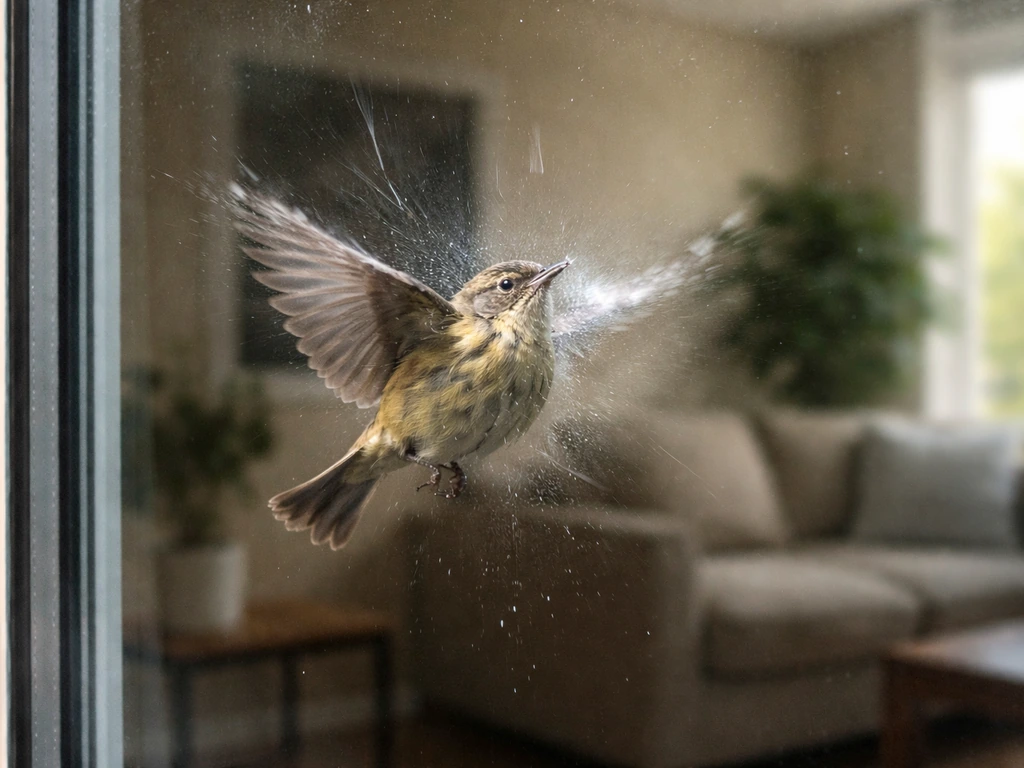
No, killing a bird is not bad luck. That idea comes from folklore, not from anything observable in the real world. What you should actually care about after killing a bird is your health, the legal side of things (which does matter depending on the species), and how to handle the situation practically. This guide covers all of that.
Is Killing a Bird Bad Luck? Health, Legal, and What to Do

Maya Chen
17 Apr 2026
Myth vs. reality: what "bad luck" actually means
The belief that harming a bird brings misfortune is ancient and genuinely widespread. Ornithomancy, the practice of reading omens from birds, has roots in ancient Greece and even earlier in Hittite Anatolia, which tells you just how deeply humans have projected meaning onto birds across cultures. In Welsh tradition, a creature called "Aderyn y Corff" (roughly, the corpse bird) was said to portend death. In Britain, the magpie counting rhyme "one for sorrow, two for joy" appears to go back at least to the early 16th century. Even the ritual of Wren Day, once practiced in parts of Ireland and Britain, tied the killing of a wren to specific beliefs about luck.
These traditions are fascinating, but they share a common thread: they are cultural stories, not documented cause-and-effect relationships. No peer-reviewed study has ever found a statistical link between killing a bird and negative life outcomes. People who've accidentally run over a bird and then had a bad day would have had that bad day regardless. Our brains are good at finding patterns, especially emotionally charged ones, but confirmation bias does the heavy lifting here, not fate.
If you're reading this because you hit a bird with your car or found one dead in your yard, you can set aside any worry about curses. The genuinely important questions are whether you're at any health risk, whether the situation has legal implications, and what to do next.
Bird welfare and legal/ethical considerations
Here's where things get real: killing certain birds is actually illegal in many countries, and this is worth understanding even if what happened was an accident.
In the United States, the Migratory Bird Treaty Act (MBTA) protects most wild native bird species, including common ones like robins, sparrows, and hawks. Intentionally killing a protected migratory bird can result in fines or criminal charges. Canada, the UK, and Australia have similar legislation. Species that are generally not protected under these laws include common invasive species like European starlings, house sparrows, and rock pigeons, but the details vary by jurisdiction.
If you accidentally killed a bird, for example by hitting one while driving (which happens far more often than most people realize), you are generally not liable under these laws. Accidental deaths are treated very differently from intentional ones. That said, if you intentionally killed a wild bird without a permit, especially a raptor, songbird, or any protected species, it is worth knowing your local laws before the situation escalates.
Ethically, even when it's legal, it's worth thinking about impact. Wild bird populations face real pressure from habitat loss, pesticide use, and collisions with human structures. Individual birds matter to those ecosystems. That's not about superstition, it's about a responsibility that comes with sharing the environment with wildlife.
If you already killed a bird: what to do next
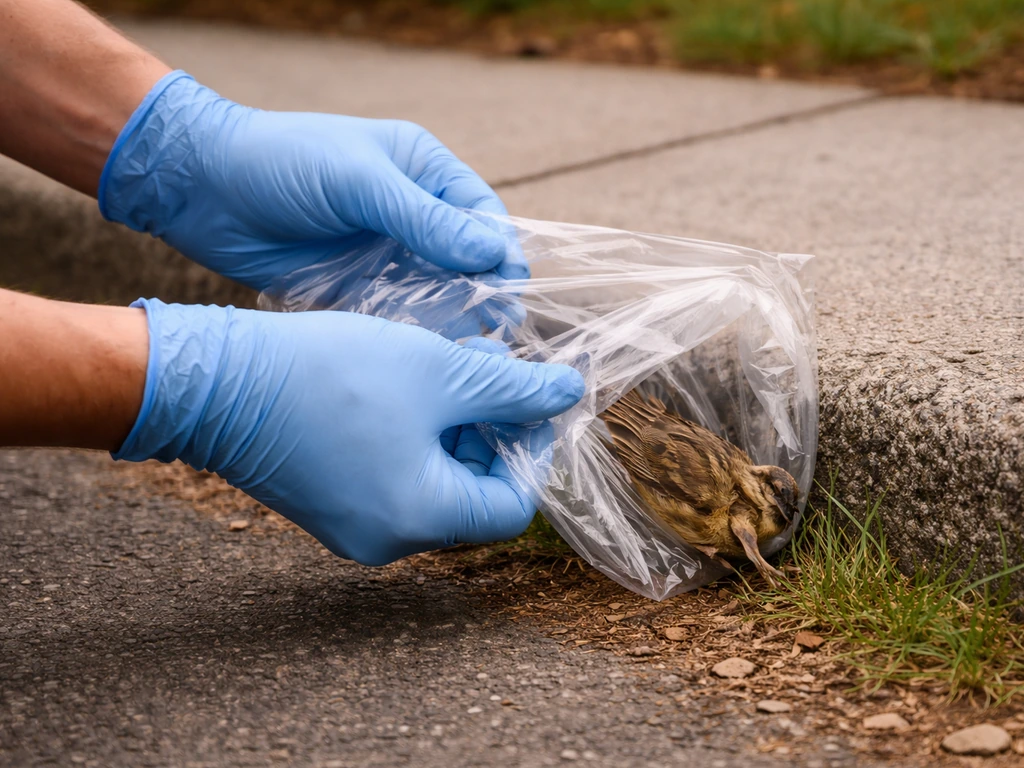
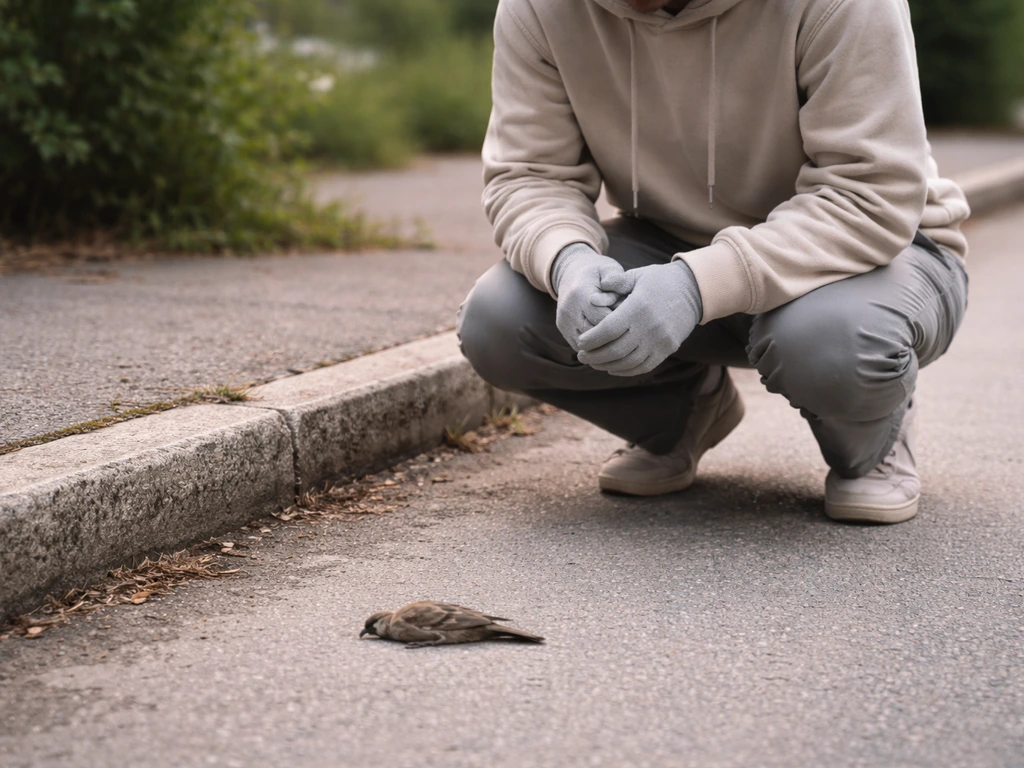
The first thing to do is not touch the bird with your bare hands. Wear gloves, or blank" rel="noopener noreferrer">use a plastic bag turned inside out as a makeshift barrier. This protects you from potential pathogens and parasites (more on those below).
- Put on disposable gloves or use a plastic bag over your hand before touching the bird.
- Place the bird in a sealed plastic bag. Double-bag it if you have concerns.
- Dispose of it in a covered outdoor trash bin. Do not leave it in an open area where scavengers or pets could access it.
- Wash your hands thoroughly with soap and water for at least 20 seconds, even if you wore gloves.
- Clean any surfaces, tools, or vehicles that came into direct contact with the bird.
- If the bird was a protected species and the death was accidental, note the location and circumstances in case you're later asked about it by wildlife authorities.
If you hit a bird while driving, pull over safely when you can and follow the steps above. You don't need to stop immediately in traffic. The odds of hitting a bird while driving are actually higher than most people think, particularly during migration seasons, so it's good to know this procedure in advance.
Health and safety risks from contact with a dead bird
Dead birds can carry pathogens and parasites that pose real, if usually modest, risks to humans. The most commonly cited concerns are:
- Salmonella: Found in many wild bird species, especially songbirds that congregate at feeders. Transmission to humans typically requires ingesting contaminated material, but hand-to-mouth contact after handling a bird is a real route of exposure.
- Avian influenza (bird flu): Most strains do not infect humans, but certain strains (like H5N1) can. The risk from a single dead backyard bird is extremely low, but it's a reason not to handle birds with bare hands.
- Chlamydiosis (psittacosis): A bacterial infection spread through dried droppings or respiratory secretions. More relevant with parrots and pigeons than most backyard birds, but worth knowing about.
- Mites and lice: Bird parasites generally don't thrive on humans, but brief exposure can cause temporary skin irritation. They don't persist on humans long-term.
- West Nile Virus: This is transmitted by mosquitoes that fed on infected birds, not by direct contact with a dead bird. However, dead crows and jays are often used as sentinel animals for tracking West Nile outbreaks, so reporting a dead crow in your area can be genuinely useful public health information.
The practical takeaway: gloves and handwashing are not overkill. They're a quick, effective barrier against all of the above. If you had significant unprotected contact with a dead bird and later develop flu-like symptoms, respiratory issues, or a rash, mention the exposure to a doctor.
When it's more serious: contacting wildlife authorities
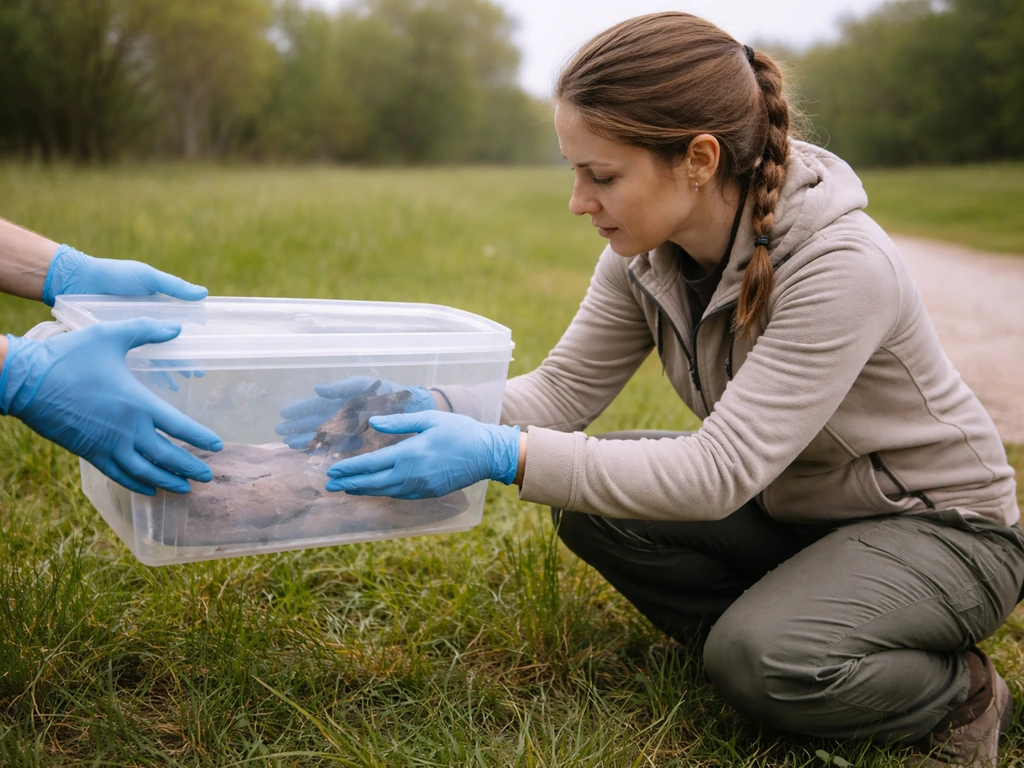
Some situations go beyond what you should handle alone. Contact your local wildlife agency or a licensed wildlife rehabilitator if:
- The bird you killed or found is a raptor (hawk, owl, eagle, falcon). These are strictly protected and some require reporting even for accidental deaths.
- You found multiple dead birds in the same location in a short time. This can indicate a disease outbreak or poisoning event that public health officials need to know about.
- The bird appeared sick before it died, showing neurological symptoms, difficulty breathing, or unusual behavior. This warrants a report to your state or provincial wildlife agency.
- You're unsure whether the species is protected and the death was not clearly accidental.
- A wild bird is injured but still alive. A licensed wildlife rehabilitator can take it in, which is usually your best option since keeping wild birds without a permit is illegal in most places.
In the US, you can contact your state's Fish and Wildlife Service office or the US Fish and Wildlife Service directly. In the UK, the RSPCA and RSPB both have guidance lines. In Canada, contact your provincial Ministry of Natural Resources. Most jurisdictions also have online tools to locate the nearest licensed wildlife rehabilitator.
Prevention going forward
The most common ways people accidentally kill birds are window collisions, vehicle strikes, and outdoor cats. All of these are largely preventable with some straightforward changes.
Window collisions
Birds cannot perceive glass as a barrier, especially when it reflects sky or vegetation. In the US alone, an estimated 600 million to 1 billion birds die from window strikes every year.
You can dramatically reduce collisions by applying window films with a UV-reflective pattern, using external screens or netting, moving feeders to within 3 feet of the window (so birds can't build up fatal speed) or further than 30 feet away, and applying tape or decals in a pattern with gaps no larger than 2 inches by 4 inches. A single hawk silhouette sticker does not work. Coverage matters.
If you've ever wondered whether it's bad luck if a bird hits your window, the short answer is the same: it's not luck, it's physics, and it's preventable.
Vehicle strikes
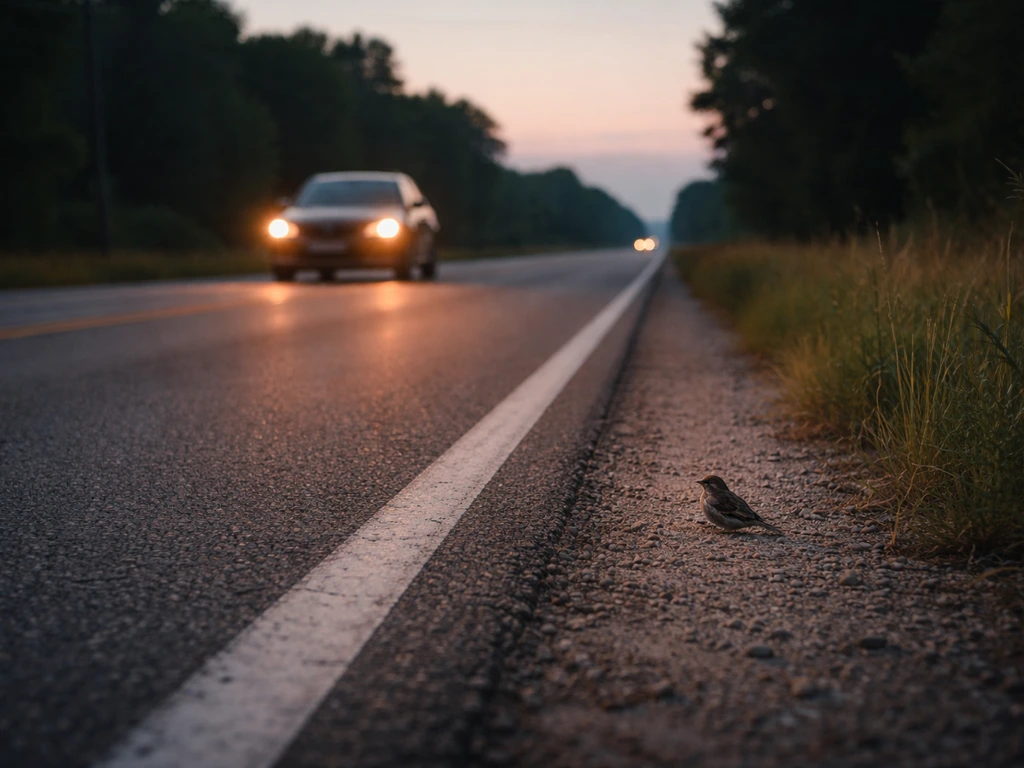
Birds are most vulnerable along road corridors, particularly at dawn and dusk during migration. Slowing down when you see birds on the road or shoulder and keeping headlights in good working order reduces the chance of a strike. If a bird suddenly appears in your path, swerving is often more dangerous to you than the alternative. Hitting a bird while driving is something most drivers will experience at some point, and knowing how to handle the aftermath calmly is more useful than worrying about omens. Similarly, when a bird hits your windshield, the bird rarely survives, but you can minimize the frequency of these events by being alert in areas with heavy bird activity.
Outdoor cats
Domestic and feral cats kill an estimated 1.3 to 4 billion birds in the US annually, making them the single largest human-related source of bird mortality. All About Birds (Cornell Lab) estimates that cats kill about 1.3 to 4 billion birds each year in the United States and compares cat predation to other major causes like windows and automobiles 1.3 to 4 billion birds in the US annually. Keeping cats indoors, or providing an enclosed outdoor "catio," is the most effective individual action you can take for bird conservation. Bell collars reduce (but don't eliminate) predation. Trap-neuter-return programs for feral cats have mixed evidence regarding their effectiveness at reducing bird mortality at the population level.
Other common hazards
Pesticides and rodenticides kill birds directly and through secondary poisoning when birds eat affected prey. Using integrated pest management instead of broad-spectrum poisons helps. Keeping feeders clean reduces disease transmission among wild bird populations. These are small changes with real, documented effects.
The bottom line
If you killed a bird, bad luck is not something you need to worry about. What does matter: handle any remains safely with gloves and wash your hands, know that protected species have legal standing even in accidental deaths, report unusual bird die-offs to wildlife authorities, and take practical steps to prevent future incidents. CDC advises that if birds are sick or dead, people should avoid touching them, their feces, or contaminated surfaces or water without appropriate protective equipment (PPE), including disposable gloves handle any remains safely with gloves and wash your hands. The focus should be on your health and the welfare of birds, not folklore.
FAQ
If I find a dead bird, can I take it home or keep it as a keepsake?
No. You should not keep or transport a dead bird unless you have explicit permission from your local wildlife authority (and the right permits). Many protected species are covered by laws, and even possession after an accidental death can create a compliance problem.
What’s the safest way to dispose of a dead bird I found in my yard or on the sidewalk?
After gloves-on handling, bag the remains and wash your hands with soap and water. If it was a vehicle strike, avoid sweeping or dragging the bird through other areas, because you can spread contaminants. If you can’t safely bag it where you found it, contact a local wildlife service for guidance.
What should I do right after a bird hits my windshield or comes onto the hood?
If the bird hit your car windshield, the bird often dies and remains may be on the glass or hood. Wear gloves when wiping, use paper towels for cleanup, then wash hands. Check for sharp debris before you step back into the area, and avoid spraying unknown fluids onto the bird tissue or your skin.
If it was an accident, am I still breaking the law if I killed a protected bird?
Legality turns on intent, the species, and whether a permit applies. In many places, accidentally striking a bird while driving is treated differently from intentionally killing one, but you should still follow reporting and cleanup expectations, especially for raptors, songbirds, or any species that appears rare in your area.
When should I worry about disease after touching a dead bird, and should I see a doctor?
If you have significant exposure (for example, no gloves during removal, visible contact with blood or tissue, or you’re immunocompromised), call a clinician for advice. If symptoms develop, mention the bird exposure and timing. Most people will not get seriously ill, but it’s smart to be specific rather than guessing.
What counts as a “reportable” bird die-off, and who should I contact?
If you’re seeing multiple dead birds, injured birds that can’t fly, or unusual die-offs over a short period, report it. Provide location, dates, and species if you can identify them. Wildlife agencies may need this for disease surveillance or hazardous material checks.
My cat caught a bird but it might still be alive, what should I do next?
Not always. Some cats hunt without killing, and some may bring birds home alive. Don’t handle a live bird with bare hands, and don’t release it without guidance if it seems injured. Contact a local wildlife rehabilitator, because they can advise on whether to keep it contained and how to transport safely.
Why don’t simple bird stickers always prevent window strikes?
To reduce window collisions, aim for full-pattern coverage rather than a few stickers. Use UV-reflective window film, or place decals with consistent gaps small enough that birds cannot “see” a clear path through the glass. Also consider moving feeders to reduce speed building and placing them where birds are unlikely to repeatedly approach the same strike zone.
If a bird crashes into my window and seems stunned, do I just wait?
If a bird hits your window, it’s common for the bird to recover after rest. Keep pets away, turn off exterior lights if possible, dim nearby indoor lights, and give the bird time. If it’s clearly grounded, bleeding, or not improving, contact a wildlife rehabilitator rather than trying to feed or medicate it.
Can I try to “help” a dead or injured bird myself instead of calling a rehabilitator?
Generally, better not. Handling wildlife without training can worsen injuries and increase your exposure risk. Use gloves, keep a barrier between you and the bird, and transport only if local guidance tells you to, ideally in a ventilated container. Otherwise, call a licensed wildlife rehabilitator.
Next Article
Is It Bad Luck If a Bird Hits Your Window? What to Do
Debunk bird-window superstition and get step-by-step help after a strike, plus prevention tips to stop repeat collisions