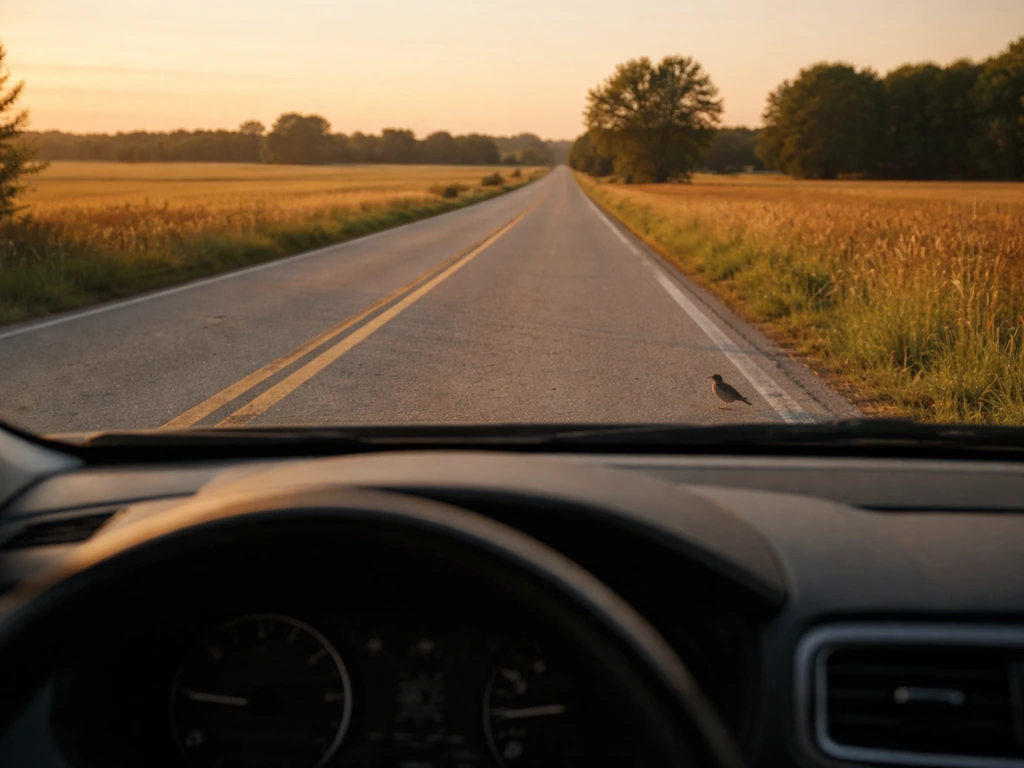
The odds of hitting a bird while driving are higher than most people expect. Estimates from U.S. Fish & Wildlife Service research put annual vehicle-bird collisions somewhere between 89 million and 340 million birds killed on U.S. roads every year. That is a staggering range, but even the low end works out to roughly one bird strike every few seconds somewhere in the country. For any individual driver, the risk on a given trip is low, but over years of driving, especially in certain regions and seasons, hitting a bird is more of a "when" than an "if."
What Are the Odds of Hitting a Bird While Driving?

Maya Chen
19 Apr 2026
How likely are you to hit a bird? The real odds
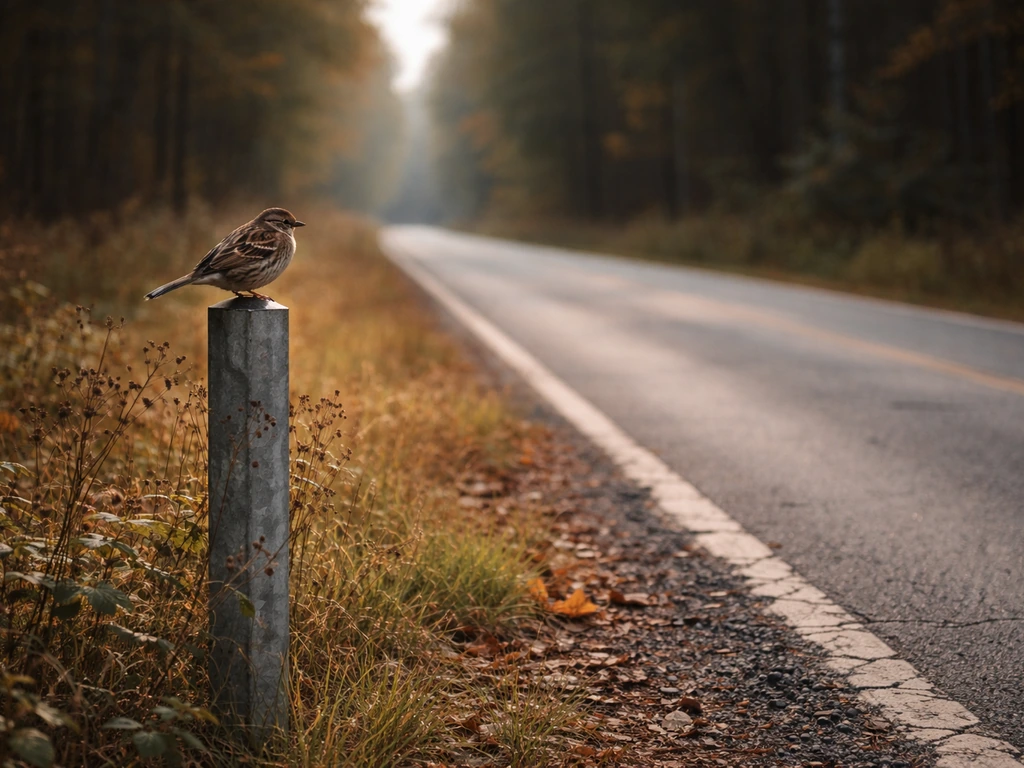
Collision rates vary a lot depending on where and how you drive. Research published in the Journal of Field Ornithology found that rural roads in certain categories see collision rates as high as 60 collisions per million kilometers traveled, while rural paved multi-lane highways sit closer to 12 per million km, and urban roads land around 14 per million km. In plain terms: slower, narrower rural roads where birds forage close to the pavement are actually more hazardous than the highway.
Risk is not evenly spread across the year or the day either. Spring and fall migration seasons push enormous numbers of birds into unfamiliar airspace, many of them flying at night or at low altitudes. Dawn and dusk are peak movement times for many species, which aligns badly with commuting hours. Weather adds another layer: USFWS research notes that certain wind directions combined with road position substantially increase waterbird collision risk, so a windy morning near a lake or marsh is genuinely higher risk than a calm afternoon drive through a suburb.
Habitat matters too. Roads that cut through or border agricultural fields, wetlands, open grasslands, or forest edges see far more bird activity than roads through dense urban cores or industrial zones. Speed compounds everything. At 70 mph, a driver simply has less time to react and a bird has less time to clear the vehicle.
| Risk Factor | Lower Risk | Higher Risk |
|---|---|---|
| Road type | Urban roads, highways | Rural unpaved/narrow roads |
| Season | Mid-summer, mid-winter | Spring/fall migration |
| Time of day | Midday | Dawn, dusk, night |
| Habitat | Dense urban, industrial | Fields, wetlands, forest edges |
| Weather | Calm, clear | Windy, foggy, low visibility |
| Speed | 25–35 mph | 55–70+ mph |
What actually happens when a bird hits your car
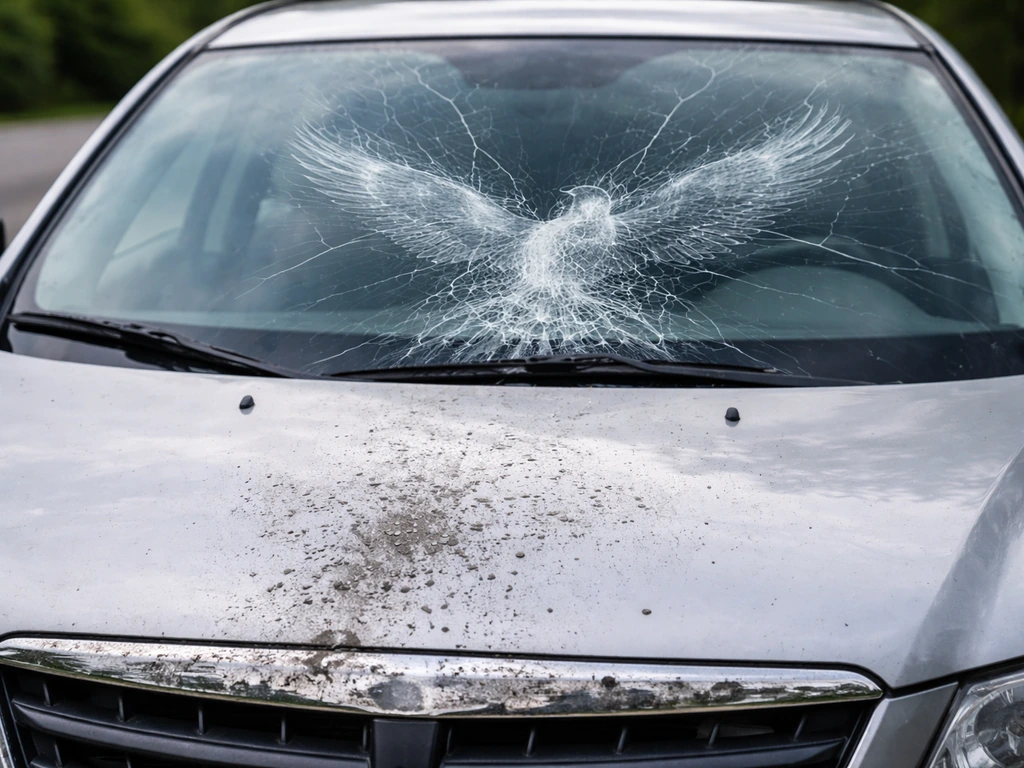
The outcome depends heavily on speed, bird size, and where the impact lands. A small sparrow hitting a bumper at 30 mph usually leaves a small dent or smear and nothing more. A large bird like a goose, heron, or turkey vulture at highway speed is a different situation entirely, with potential for real windshield damage, hood dents, or even broken glass.
Modern laminated windshields are built to absorb and contain impact energy. Research on bird-strike windshield mechanics confirms that laminated glass construction, where glass layers are bonded to a plastic PVB interlayer, is specifically what keeps broken pieces from flying into the cabin. The glass may crack or shatter, but the shards adhere to that inner layer rather than becoming projectiles. This is why most windshield bird strikes result in a replacement cost rather than a penetrating injury.
The secondary hazards are worth thinking about. Even when beliefs say things like "is killing a bird bad luck," the practical reality is that bird strikes are mainly about risk and physics on the road, not supernatural consequences. A large bird impact can startle a driver badly enough to cause a swerve, brake hard, or drift from the lane.
That reaction is often where real danger lies: overcorrecting at highway speed, swerving into oncoming traffic, or hitting the brakes suddenly in dense traffic. Feathers and debris on the windshield can also briefly obstruct vision. If the bird hits a tire, handling can be affected momentarily. None of these are routine, but they are the mechanisms behind serious accidents when bird strikes go wrong.
Bird strikes and disease: what is actually worth worrying about
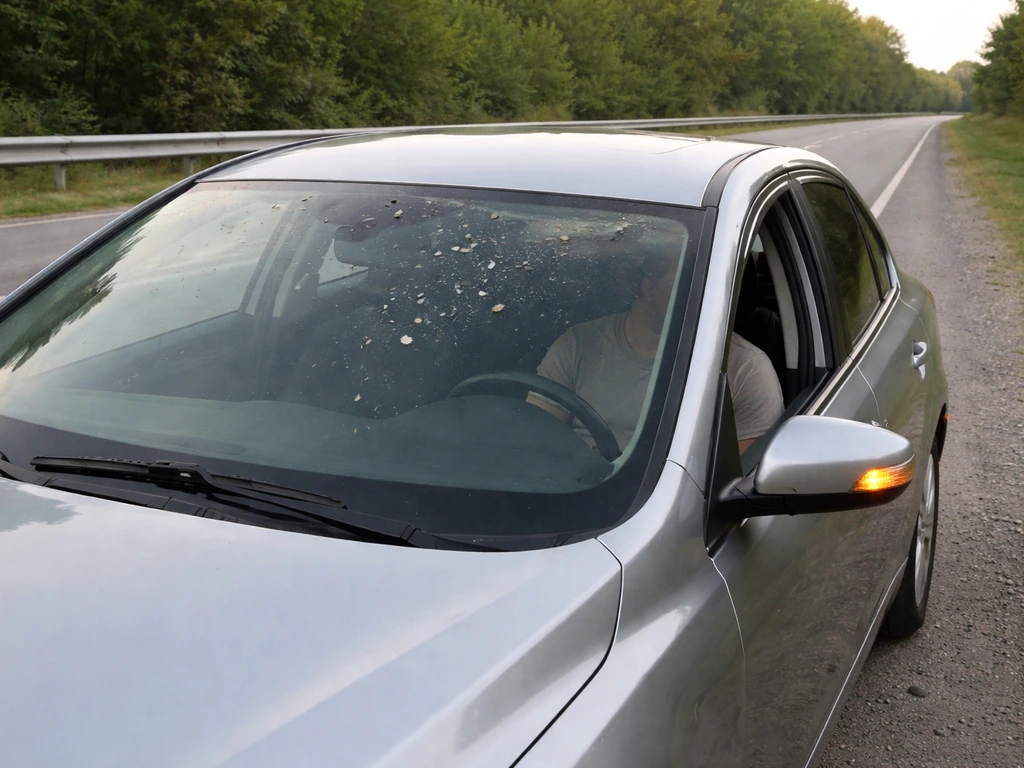
Most drivers' first worry after a bird strike is whether they could catch something from the bird or its remains. The honest answer is that the risk is genuinely low for casual contact, but it is not zero, and it depends entirely on what you do next.
West Nile virus is the disease most associated with dead birds in North America. CDC guidance acknowledges the risk is difficult to quantify but frames it as situation-dependent: handling a dead bird with bare hands is more concerning than, say, having feathers hit your closed window. The risk rises if there is wet material, aerosolization, or broken skin involved. For avian influenza (bird flu), CDC states that human infection is mostly linked to people with prolonged close contact with infected birds, not to a passing roadside encounter. The current public health risk from H5 bird flu to the general public is described by CDC as low, and transmission from casual contact with a dead bird is rare.
The more practical concern after a strike is not disease from the impact itself, but from any subsequent handling of the carcass if you stop to remove it. That is where proper precautions matter, and it is covered in the handling section below.
Separating myth from fact
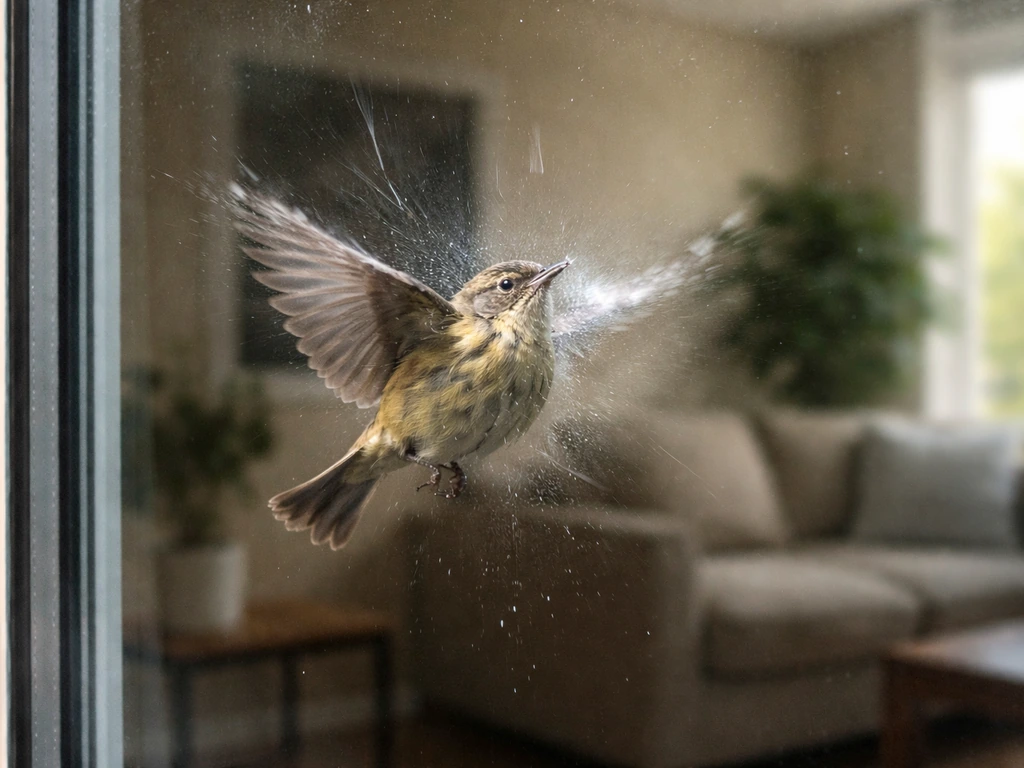
There are a few persistent misconceptions worth addressing directly, especially since this topic overlaps with a lot of folklore around birds hitting vehicles and windows. Many drivers also wonder, "is it bad luck if a bird hits your windshield," but the answer is more about myth than evidence. Many people wonder if hitting a bird is bad luck, but it is far more helpful to focus on safe driving and what to do next after the strike is hitting a bird bad luck. If you have ever wondered “is it bad luck if a bird hits your window,” that same folklore is what this section is helping you sort through.
- Myth: Hitting a bird while driving is rare. Fact: With somewhere between 89 million and 340 million birds killed on U.S. roads annually, it is one of the leading sources of bird mortality. Frequent drivers, especially in rural areas during migration, will encounter this sooner or later.
- Myth: Any bird strike is a serious safety event. Fact: The vast majority involve small birds at moderate speeds, resulting in no driver injury and minor or no vehicle damage. The real risk is the driver's reaction, not the impact itself.
- Myth: You will definitely catch a disease from a bird that hits your car. Fact: If you do not handle the bird, your disease exposure is effectively zero. Even handling a carcass carries low risk with basic precautions like gloves and hand washing.
- Myth: A bird hitting your windshield always shatters the glass dangerously. Fact: Modern laminated windshields are engineered to crack without sending shards into the cabin. The result is almost always a crack or chip requiring repair or replacement, not a penetrating injury.
- Myth: Bird strikes while driving carry supernatural bad luck. Fact: This is folklore. As with the related beliefs about birds hitting windows, there is no evidence that a bird collision predicts misfortune. It is a road hazard, not an omen.
It is worth noting that the "bad luck" angle comes up often in searches about birds hitting windshields or windows, and while those beliefs are covered in more depth elsewhere on this site, they do not apply to road collisions any more than a deer strike or a stone chip would. If you're wondering whether a bird strike means anything supernatural, the short answer is that it is not bad luck, it is just wildlife colliding with a car.
What to do immediately after hitting a bird
Stay calm and keep control of the vehicle first. That is the only priority in the first second or two. Do not overcorrect or brake sharply unless you genuinely need to avoid an immediate hazard.
- Pull over safely: Find a safe spot to stop, away from traffic. Turn on your hazard lights as soon as you pull off the road.
- Check for visibility issues: If feathers or debris are on the windshield and impairing your view, address that before driving on. Use your wipers or washer fluid if needed.
- Inspect the vehicle: Walk around and look for windshield cracks, hood damage, grille blockage, or anything lodged near the wheels or undercarriage. A large bird can cause meaningful structural or mechanical damage.
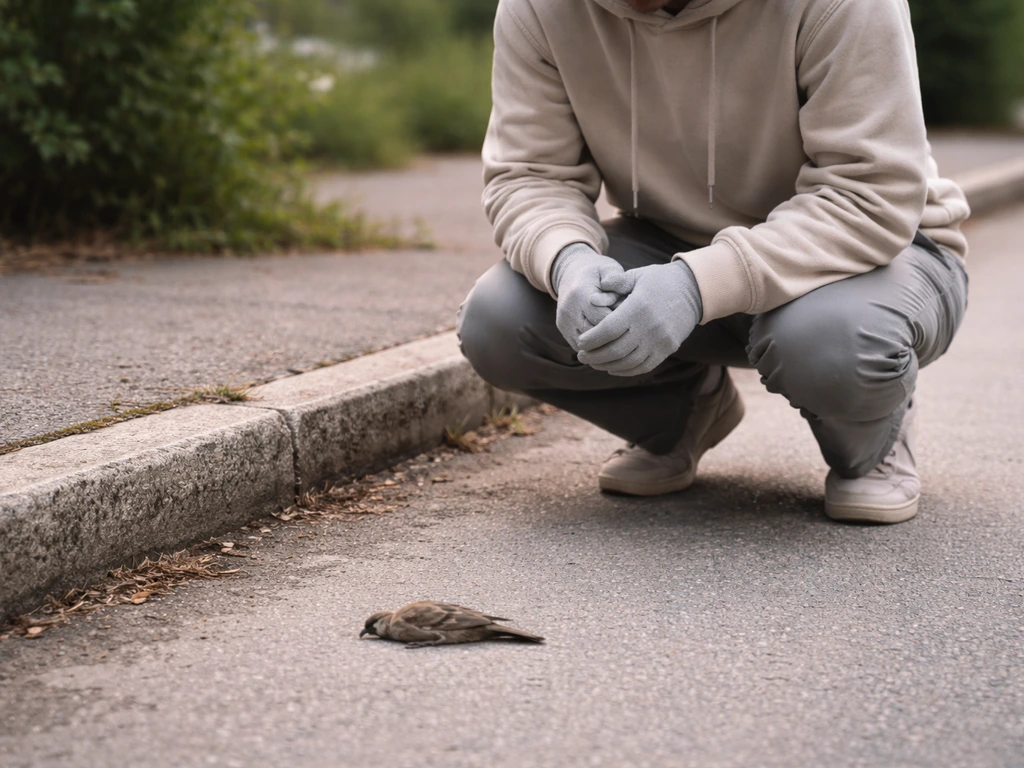
- Do not handle the bird with bare hands: If the bird is on your vehicle or on the road nearby, do not pick it up without gloves. Avoid bare-skin contact with blood, fluids, or feathers.
- If you must move the bird: Use doubled plastic bags as makeshift gloves, or carry disposable gloves in your car for exactly this situation. CDC guidance recommends double bagging any dead bird carcass and washing hands thoroughly afterward, even after removing gloves.
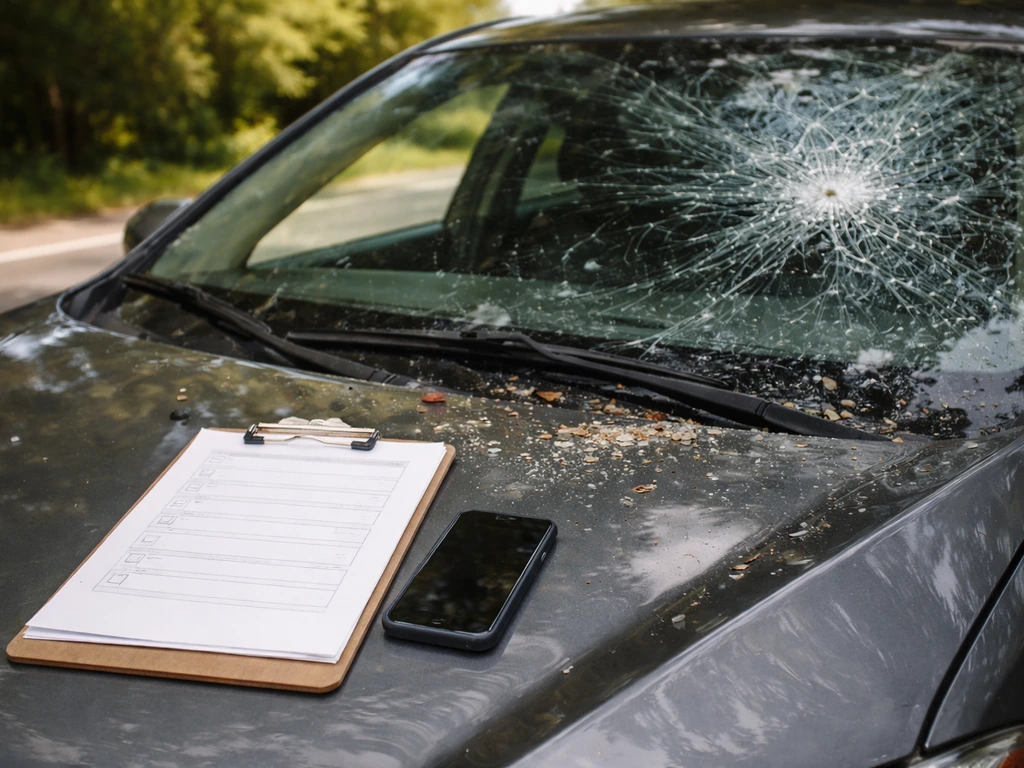
- Photograph the damage: Before cleaning anything, take photos for insurance documentation.
- Clean any biological material from the vehicle: Use disposable gloves and discard materials safely. Wash hands thoroughly after.
- Monitor yourself: If you had direct contact with blood or fluids from the bird, note it and watch for any flu-like symptoms over the following days. Contact a healthcare provider if you develop symptoms, and mention the exposure.
How to reduce your chances of hitting a bird
You cannot eliminate the risk entirely, but you can meaningfully reduce it with a few consistent habits.
Driving habits that make a difference
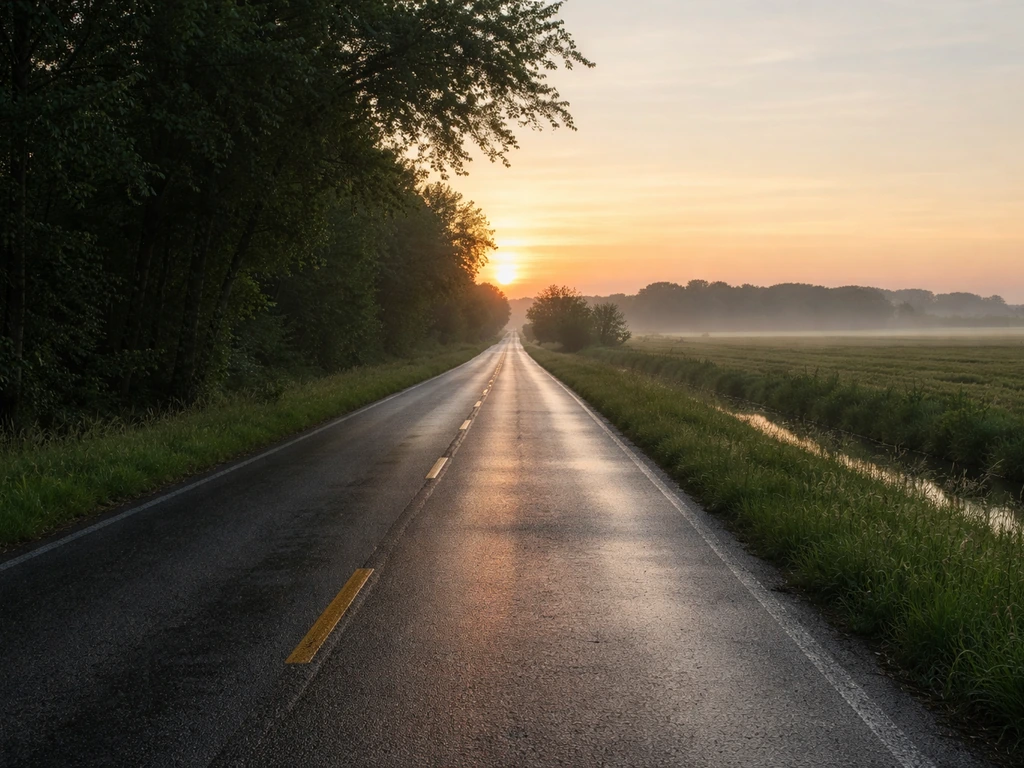
- Slow down on rural roads, especially near fields, water, and woodland edges. The data shows rural 'other' roads have much higher collision rates than highways. A lower speed gives both you and the bird more reaction time.
- Use your headlights during dawn and dusk, even in daylight. Many birds do not respond to approaching vehicles the same way they respond to light, and headlights can give just enough additional cue for a bird to flush earlier.
- Be especially alert during spring (April to May) and fall (August to November) migration. Bird density near road level is highest during these windows.
- Avoid unnecessary braking or swerving if a bird is ahead. A steady, slowed approach often gives birds enough time to move. Sudden moves at highway speed can be more dangerous than the strike itself.
- Scan further ahead on roads that cross fields or wetlands, particularly around dawn and dusk. Birds often sit on warm asphalt after cold nights and may not flush until you are very close.
Route and timing considerations
- If you have flexibility, avoid roads that cut through prime bird habitat during peak migration hours. This is most relevant for early-morning commuters in rural or semi-rural areas.
- Night driving during migration season increases your exposure to nocturnal migrants flying at low altitude. If you drive at night during migration, reduce speed on roads passing through fields or near water.
- Windy conditions push birds low and off course, particularly waterbirds near lakes, rivers, and coastal areas. Factor weather into your alertness on those roads.
Reporting, insurance, and when to get medical advice
Reporting the bird
Reporting a dead bird is not legally required for drivers in most U.S. states, but it can contribute to wildlife disease surveillance. Many state health departments, including programs tracking West Nile virus, accept dead bird reports from the public. Some states have hotlines or online forms specifically for this. If you want to report, contact your state's department of health or fish and wildlife agency. Some states, like South Carolina, have specific guidance for residents to contact local health departments when submitting birds for testing.
Insurance and vehicle damage
A bird strike is typically treated similarly to other animal collisions by auto insurers. If you have comprehensive coverage, windshield damage or body damage from a bird strike is generally covered under that portion of your policy, often with a deductible. Windshield-only claims may be handled separately depending on your insurer and state. Document all damage with photos before any repairs, and file a claim promptly if the damage is significant. You generally do not need a police report for a bird strike, but check your insurer's requirements.
When to seek medical advice
If the bird impact caused any physical injury to you or a passenger, seek medical attention as you would for any accident-related injury. For disease exposure, the threshold is lower than most people think: if you had direct skin contact with blood or fluids from the bird, especially if you have any cuts or abrasions, it is worth mentioning to a doctor.
If you develop fever, respiratory symptoms, or flu-like illness within a week or two of handling a dead bird, tell your healthcare provider about the exposure. This does not mean you are definitely sick, but it gives them context. For most drivers who had a bird hit their vehicle and did nothing more than drive on, no medical follow-up is needed.
FAQ
Does the risk change if I drive faster on the same route, or is the main factor location and time of year?
Speed changes both the likelihood of a hit and the severity. Even on the same road, higher speed reduces your reaction margin (less time for a bird to move out of the lane), and impacts are more likely to involve windshields or larger body damage. If you can reduce speed near wetlands, fields, or known bird-heavy stretches, you meaningfully cut consequences even when you cannot eliminate collisions.
If a bird hits my hood or windshield but I continue driving, should I pull over immediately to check the vehicle?
Check when it is safe, especially if you hear cracking, see spidering, or notice debris on the glass. Pull over only if your next few seconds of driving are not affected, then look for windshield delamination (layers separating), loose trim, or damage to wiper motors and washer lines. If the windshield shows spreading cracks or you cannot see clearly, treat it as a safety issue and avoid driving until assessed.
What if the bird strike leaves no visible damage, but I’m worried about disease exposure?
If there is no blood, wet fluid, or broken skin contact, the exposure concern is much lower. Focus on whether any material got on your skin or in your eyes or mouth. If feathers or residue were wiped off with bare hands, wash with soap and water and avoid touching your face afterward. Consider gloves and eye protection if you need to clean more than light debris.
Is it safer to remove the bird yourself at the roadside, or should I wait and call someone?
If the scene is active traffic, waiting may be safer than stepping out. If you do remove it, wear disposable gloves, avoid spraying it, and use paper towels to bag it, then disinfect the contact surfaces. If you cannot do it safely, or you have significant cleanup needs (for example, fluids spread widely, strong odors, or shattered glass), call local services or a wildlife or cleanup resource.
Do I need to report a bird strike to an insurance company even if I only have minor specks or a small chip?
Usually only if the damage affects safety or visibility, or if it will likely spread. Many comprehensive claims involve a deductible, and small chips are sometimes handled as windshield repair rather than full replacement. Photograph the damage first, then ask your insurer whether repair is eligible under windshield-specific procedures and whether filing a claim could affect future premiums.
How can I tell whether a windshield bird strike requires repair or full replacement?
A key decision is whether the damage is limited to a small impact area versus cracking that reaches the field of view or spreads across the windshield. Also check for distortion and whether the crack patterns interfere with visibility when driving. The correct call is made by the glass professional after evaluating size, location, and depth, but if the crack is large or in your direct line of sight, replacement is more likely.
If the bird hit near the tires, should I get the car inspected the same day?
Yes, if there was any handling change or you suspect wheel or suspension contact. Inspect for tire sidewall damage, a damaged wheel, vibration, or a pulling sensation after the strike. If you feel shaking, hear rubbing, or see uneven tire wear, stop driving and have the tire and suspension checked promptly.
Are there best practices for preventing bird strikes without slowing down everywhere?
You cannot target every bird, but you can reduce risk in the high-probability conditions. Slow down slightly near dawn and dusk routes that run along fields, wetlands, or forest edges, keep a larger following distance (so you can react without overcorrecting), and use full headlights or appropriate lighting to improve your ability to detect birds early. Avoid sudden braking for a single “near miss,” because abrupt maneuvers can create secondary hazards.
What should I do if I hit a bird but it flies off, and I never see remains?
If you cannot confirm debris and there is no sound or visible damage, treat it as a routine drive, but still do a quick check when safe for loose glass, feathers, or fragments on the windshield and in the engine bay. If you suspect windshield damage from a strike sound (even when the glass looks fine), have it inspected, because small chips can grow from vibration and temperature changes.