Giant centipedes can absolutely bite birds, and in rare cases a large species like Scolopendra gigantea has been documented killing sparrow-sized birds. But for most birds in most situations, a centipede encounter is painful and stressful rather than immediately fatal. What matters most right now is identifying which centipede you're dealing with, watching your bird closely for specific warning signs, and knowing the handful of steps that actually help in the first hour.
Giant Centipede vs Bird: Real Risks and What to Do

Maya Chen
21 May 2026
What 'giant centipede' actually means and where the real risk comes from
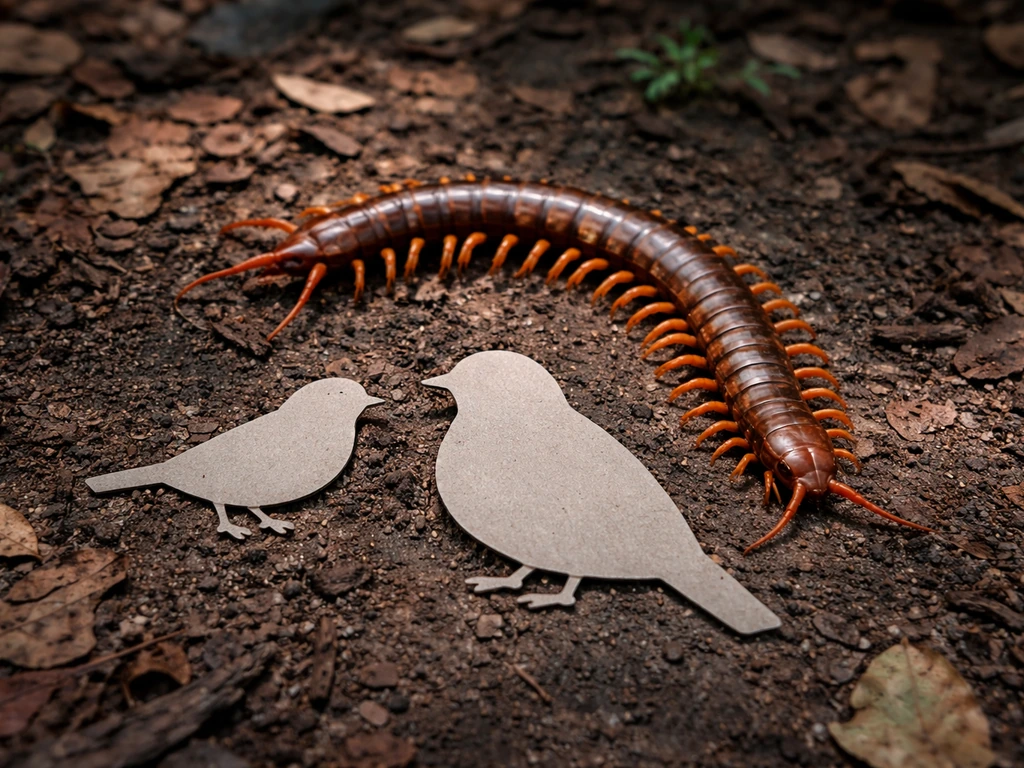
People use 'giant centipede' to describe several different species, and the species matters. The three you're most likely to be dealing with are Scolopendra gigantea, Scolopendra heros, and Scolopendra morsitans, each with a different size, range, and venom potency.
| Species | Common Name | Size | Range | Known Bird Risk |
|---|---|---|---|---|
| Scolopendra gigantea | Amazonian giant centipede | Up to 280 mm (11 in) | Northern South America, Caribbean | Documented predation on sparrow-sized birds |
| Scolopendra heros | Giant desert / redheaded centipede | Avg. 6.5 in, up to 8 in | SW United States, N. Mexico | Venom is potent; bird predation plausible but less documented |
| Scolopendra morsitans | Tanzanian blue-ringed centipede | Smaller than the above | Africa, most of continental Australia | Low predation risk to birds; painful bite possible |
S. gigantea is the one with confirmed bird-killing records. It reaches about 11 inches, hunts at night, and has been observed catching bats and small birds in caves and forest environments. S. heros is the giant you're most likely to encounter in the American Southwest, and its venom contains serotonin, histamine, cardiotoxic proteins, and a cytolysin that can interfere with the autonomic nervous system of vertebrates. That's serious chemistry for a small bird. S. morsitans is wide-ranging but smaller and generally less dangerous to birds.
The venom is delivered through forcipules, which are modified front legs that work like pincers. This is not a stinger and not a bite from the mouth. The forcipules puncture the skin and inject venom directly into the wound. There's no mechanism for spraying venom at a distance, so a bird standing near a centipede is not at risk unless direct physical contact happens.
Can centipedes actually attack or kill birds? Myths versus what we know
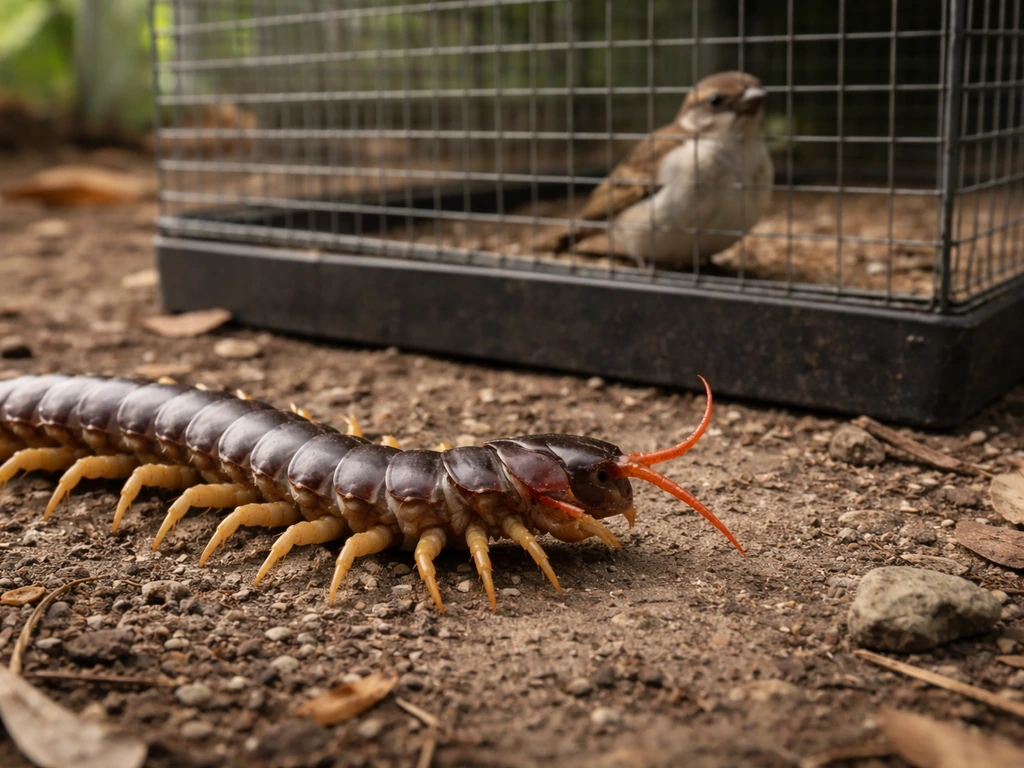
The myth that giant centipedes routinely hunt and kill birds is exaggerated for most species and most bird sizes. The documented cases involve S. gigantea taking small sparrow-sized birds, typically in enclosed environments like caves where prey can't easily escape. The key takeaway is that it is specific species, size, and environment that determine whether a bird can actually be killed kill small birds. A free-flying adult bird in an open space has a significant advantage. The myth that centipedes swarm or coordinate attacks is simply false. They are solitary hunters.
That said, dismissing centipedes entirely around birds is also wrong. A large Scolopendra can absolutely overpower a nestling, a grounded fledgling, a clipped pet bird, or a bird that is already injured or confined in a small cage or enclosure. The risk is real in those specific scenarios. It scales with the size mismatch: a fully grown parrot and a 6-inch centipede are not a fair contest in the centipede's favor, but a newly hatched chick in a nest box or a small finch in a cage with a gap in the base is genuinely vulnerable.
Venom 'poisoning from a distance' is not a thing. If your bird hasn't been physically grabbed and punctured by the forcipules, it has not been envenomated. Seeing a centipede near your bird's enclosure is alarming but not automatically a medical event.
What to expect if a bird is actually bitten
In humans, centipede envenomation typically causes intense burning pain, swelling, and redness at the bite site, sometimes spreading up the affected area and persisting for several days. Systemic effects like muscle breakdown (rhabdomyolysis) and kidney injury have been reported in rare human cases involving S. heros, but these are unusual. Local tissue damage and pain are far more common than systemic collapse.
Birds are physiologically different from mammals, and there's limited direct research on centipede envenomation in birds specifically. What veterinary and wildlife medicine literature does say is that small animals may experience clinical signs similar to humans, but the severity relative to body size is the key variable. A small bird receiving a full dose of venom from a large Scolopendra is at higher proportional risk than a large dog would be.
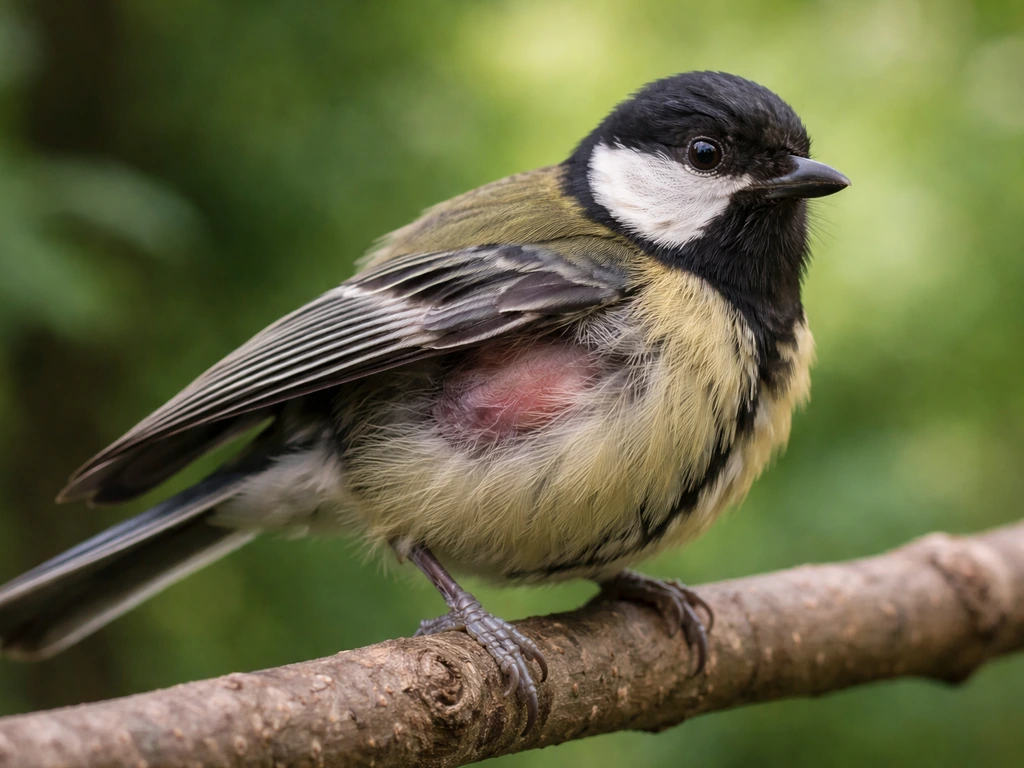
Expect to see some combination of the following signs if your bird was bitten:
- Visible puncture wound or small paired marks at the site (often on a foot, leg, or exposed skin near the face or crop)
- Swelling around the bite area
- Feather ruffling and hunched posture (a classic sign of pain or illness in birds)
- Reluctance to put weight on the affected leg
- Rapid breathing or open-mouth breathing
- Weakness, inability to perch, or falling off the perch
- Vocalizing in distress or unusual silence
- In severe cases: collapse, unresponsiveness, or seizure-like tremors
Secondary infection is a real concern even if the venom itself doesn't cause severe systemic effects. Centipede forcipules are not sterile instruments. Any puncture wound in a bird carries a risk of bacterial infection that can become serious within 24 to 48 hours.
Immediate first aid steps for a potentially bitten bird
Move quickly but stay calm. Stressing a bird further when it's already in pain can cause serious harm on its own. Here's the sequence that makes sense right now:
- Remove the centipede from the environment first. Use gloves or a container. Don't handle it with bare hands.
- Gently restrain the bird using a light cloth or small towel. Wrap it loosely to reduce flapping without compressing the chest, which would prevent it from breathing.
- Examine the bird carefully for the bite site. Part the feathers gently around the legs, feet, and any exposed skin areas. Look for two small puncture marks close together, swelling, or blood.
- If you find a wound, flush it gently with sterile saline. This is the safest option. Sterile saline is recommended for minor bird wounds and is gentle on tissue. Do not use hydrogen peroxide, alcohol, or thick ointments, as these damage tissue or interfere with feather insulation.
- Do not apply styptic powder if there is any chance the bird could peck the wound, as styptic powders can be toxic if ingested.
- Place the bird in a small, clean box lined with a soft cloth. Keep it dark, quiet, and warm (around 85-90°F for a small bird, or body-temperature warm to the touch). Darkness reduces panic.
- Do not offer food or water immediately, especially if the bird is weak or showing neurological signs. Aspiration risk is real in a compromised bird.
- Contact an avian vet or wildlife rehabilitator immediately and describe exactly what happened, what species the centipede was (or your best estimate), and what signs you're seeing.
When to call an avian vet or emergency wildlife care right now
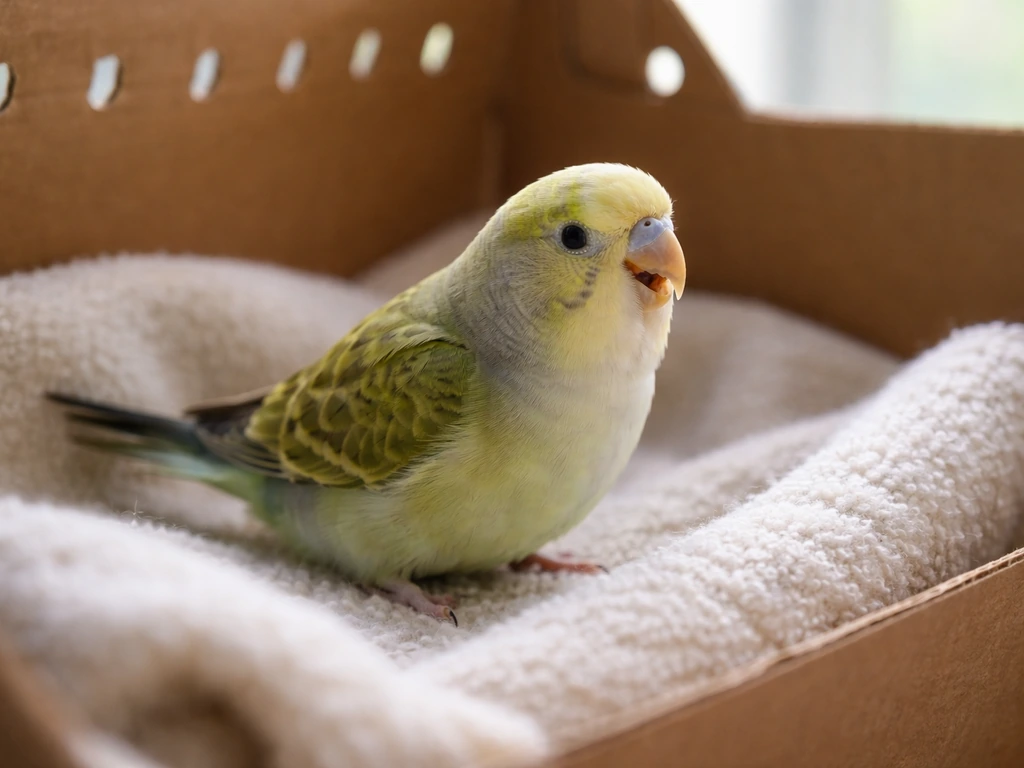
Some situations are urgent enough that you should be making the call while the bird is in the box, not after you've watched it for an hour. Call immediately if you see any of these:
- Trouble breathing, open-mouth breathing, or tail bobbing with each breath
- Unresponsiveness or inability to right itself
- Lying on its side
- Seizures or tremors
- Profuse bleeding from the bite site that doesn't stop with light pressure
- Rapid visible swelling of the face, neck, or throat
- The bird is a very small species (finch, canary, parakeet) and you saw a large centipede (over 4 inches)
If the bird is alert, perching, and eating after the initial shock, that's a better sign. But even a bird that looks okay right after a bite can decline over the next 12 to 24 hours as venom spreads or infection sets in. Getting a same-day veterinary assessment is still the right call if you have confirmed or strongly suspect envenomation.
If it's a wild bird and you don't have access to a vet, contact a licensed wildlife rehabilitator in your area. They are equipped and trained for exactly this scenario. Keep the bird contained, warm, and quiet until you can hand it off.
Preventing centipedes around your birds: practical steps that actually work
Centipedes come inside and into outdoor enclosures looking for moisture, prey (insects), and shelter. Cutting off those attractants is the most effective long-term control strategy.
For indoor birds and aviaries
- Seal gaps in cage bases, floors, and walls. Centipedes can squeeze through surprisingly small openings. Check weekly for new cracks or gaps, especially in wood framing.
- Fix any moisture issues. Centipedes thrive in damp environments. A leaking water dish, wet substrate, or poorly ventilated bird room creates perfect habitat.
- Reduce the insect population inside. Centipedes follow their food. A fly or cricket problem will attract centipedes. Clean up food debris daily.
- Use physical barriers like door sweeps, caulk, and weatherstripping on any door or window near the bird room.
- Check substrate and bedding before adding it to enclosures. Centipedes can hide in wood chips, bark, or leaf litter.
For outdoor birds and nest boxes
- Elevate nest boxes on smooth metal poles with a baffle, which also deters snakes and rodents.
- Keep the area around the enclosure clear of wood piles, leaf piles, rocks, and debris. These are prime centipede shelter.
- Avoid overwatering garden areas immediately adjacent to aviaries.
- Inspect nest boxes at the start of each season and seal any gaps in the floor or base where a centipede could enter from underneath.
A note on pesticides
Be very careful with chemical controls around birds. Many insecticides toxic to centipedes are also toxic to birds through inhalation, skin contact, or drinking contaminated water. If you use any pesticide near a bird enclosure, read the label carefully for poultry and avian warnings, and do not apply inside or directly adjacent to the enclosure. Physical exclusion and habitat modification are far safer first steps.
How to judge your actual risk level and what information to gather
Not every situation is the same, and the details you have right now change your decision-making. Work through these questions:
- What species is the centipede, or how large is it? If it's over 6 inches and you're in the American Southwest or South America, treat it as a high-risk species (S. heros or S. gigantea). If it's under 4 inches, risk is lower but not zero.
- Did the bird actually make physical contact with the centipede, or just share the same space? Physical contact, especially if the bird was grabbed or pinned even briefly, means possible envenomation. Proximity alone does not.
- What is the bird's size? A large parrot or chicken has a very different risk profile from a small finch or canary. Smaller body mass means higher proportional venom dose.
- Is the bird showing any symptoms right now? Even mild symptoms in a small bird warrant veterinary contact. No symptoms at all after confirmed contact still warrants monitoring for 24 hours.
- What is your geographic location? S. gigantea is primarily a South American and Caribbean species. S. heros is Southwestern North America. If you're in Australia, S. morsitans is more likely. If you're in Europe and saw a large centipede, it may be a different Scolopendra species or even a non-Scolopendra species misidentified.
- Do you have a photo of the centipede? A clear photo can help an avian vet or wildlife rehabilitator narrow down the species and advise on venom potency. Take one if you can do it safely.
If you can't identify the centipede at all, err on the side of caution. Treat the situation as potentially high-risk, monitor closely, and get veterinary input. The cost of a precautionary call to a vet is nothing compared to the cost of waiting too long.
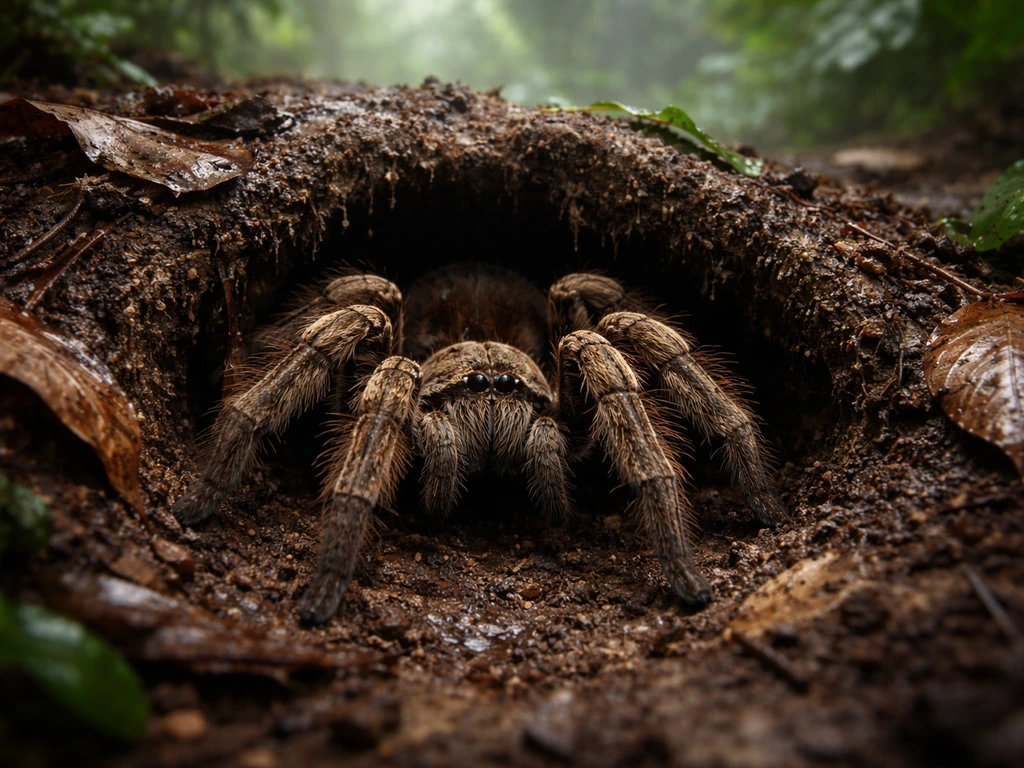
It's also worth knowing that interest in large arthropods and birds often overlaps with concerns about spiders. Bird eating spiders can also come up in this same kind of concern, but the danger to humans is generally low. If you've been researching goliath bird-eating spiders or bird-eating spider species alongside centipede questions, those involve different venom profiles and different risk levels. Centipedes inject venom mechanically through forcipules and are active hunters, while large tarantula-type spiders generally pose a lower direct threat to birds than their name implies.
The bottom line: giant centipedes are not folklore. The largest species can and do take small birds. But with the right information, fast action, and a clear head, you can assess the real risk, give your bird the best immediate care, and know exactly when to hand things over to a professional. In a similar way, questions like whether a goliath bird-eating spider can kill humans often come down to species-specific behavior and reliable medical reporting rather than dramatic rumors.
FAQ
If I saw a giant centipede near my bird but couldn’t confirm a bite, should I treat it like envenomation?
No. Venom matters only if the forcipules actually puncture the bird’s skin. If you only see a centipede near the cage or on the floor without a visible puncture or immediate behavior change, it is more of a monitoring and prevention situation than an emergency envenomation case.
What specific signs in birds mean the bite might be more than just stress?
For pet birds, look first for quiet breathing changes, persistent mouth gaping, inability to perch, unusual weakness, or repeated attempts to hide. Then check the skin at the likely contact points (feet, toes, ventral belly, base of the wing) for tiny punctures, swelling, or a rapidly worsening area of redness.
Can a centipede bite look mild at first and then get worse later?
Yes, and it can show up even when the bird seems “fine” for a while. Bird puncture wounds can become infected quickly, so reassess at 6 to 12 hours and again by 24 hours for increasing swelling, discharge, lethargy, or a sudden drop in eating.
What should I put on the puncture wound, and what home treatments should I avoid?
Do not attempt home “venom neutralization” like vinegar, baking soda, alcohol, or electric shock. Clean gently with sterile saline if you can do it safely without squeezing the bird, then get same-day veterinary guidance. Harsh chemicals and vigorous cleaning can worsen tissue injury.
If the bite is on the foot or leg, how do I prevent additional damage while waiting for care?
If the puncture is on a toe or leg, keep the bird from hopping or gripping hard. Use a familiar perch-free setup (soft, stable surface), limit movement, and prevent pooling water near the injury so you do not contaminate the wound.
How urgent is care for a baby bird compared with an adult?
Especially for nestlings, fledglings, and small cage birds, time matters because a small body receiving a large venom dose is the key risk multiplier. If you have confirmed contact or a suspected bite with any punctures, aim for same-day veterinary or wildlife rehab contact rather than “watch and wait” overnight.
What’s the safest way to handle the centipede right after I find it near the bird?
If the centipede is still in the room, do not try to capture it bare-handed to “remove it.” Instead, move the bird to a secure container, then use a tool-based method (container and gloves or a rigid scooper) to remove the centipede. Your goal is safety first, because another contact can compound injury.
Can I use pesticide or insecticide to prevent future centipede visits around a bird cage?
Avoid adhesive traps, powders, and foggers near enclosures unless the label explicitly states safe use around birds. Many products that kill arthropods can harm birds via inhalation or contaminated water, even if the centipedes are removed.
What prevention steps work best if I want to stop centipedes from entering the bird’s area?
Yes. Start with physical exclusion: seal gaps, tuck door sweeps, fix torn screens, and remove crawl-space hiding spots near the enclosure. Next reduce attractants by managing standing moisture and keeping insect prey levels down (for example, using covered feeders and reducing standing water), because centipedes follow those resources.
What information should I share with the vet or wildlife rehabilitator to speed up the decision?
If you know the bird’s species and size and you can safely take a clear photo from a distance, that helps. When possible, note the time of suspected contact, whether you saw punctures, and the bird’s behavior before and after. Do not delay care trying to photograph up close.
Next Article
Can a Goliath Bird-Eating Spider Kill Humans? Facts
Can a goliath bird-eating spider kill humans? Evidence, bite risk, symptoms, first aid, and when to seek emergency care.