
The birds most likely to kill pigeons are peregrine falcons and Cooper's hawks. Peregrines are probably the single biggest avian threat to pigeons in urban and suburban areas, and Cooper's hawks are a very close second in neighborhoods and parks. Sharp-shinned hawks kill pigeons occasionally but more often go after smaller birds. If you're losing pigeons and suspect a bird of prey, one of those three species is almost certainly responsible.
What Bird Kills Pigeons? Identify Predators and Stop It

Maya Chen
16 May 2026
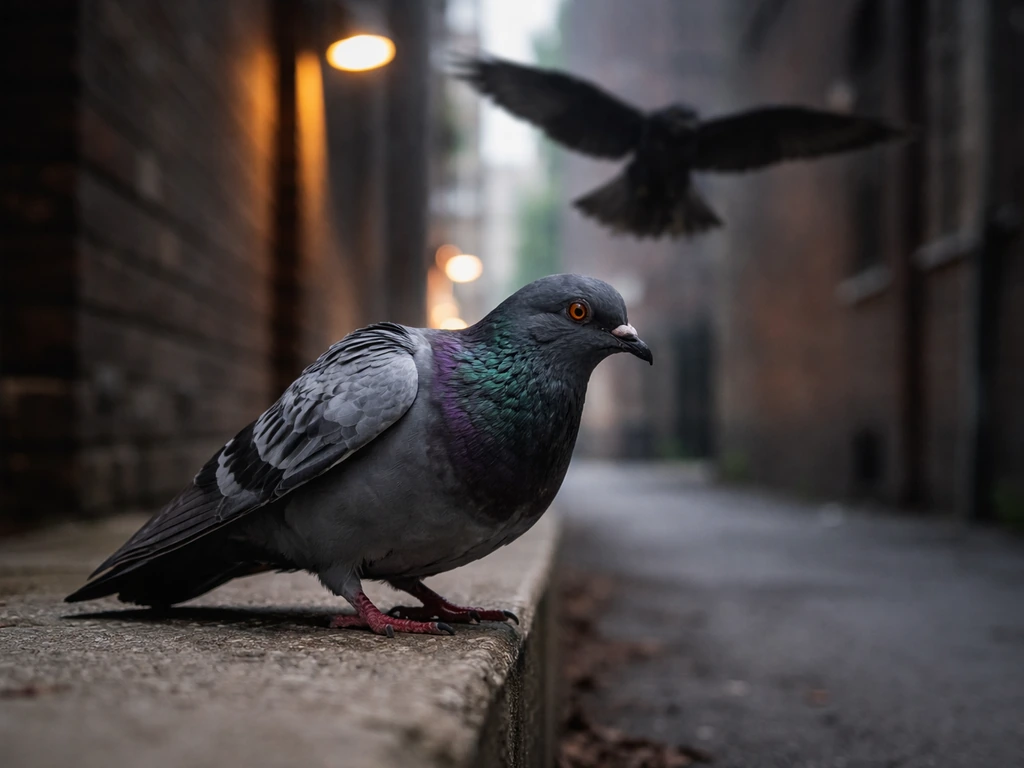
The birds most likely to be killing your pigeons
Peregrine falcon
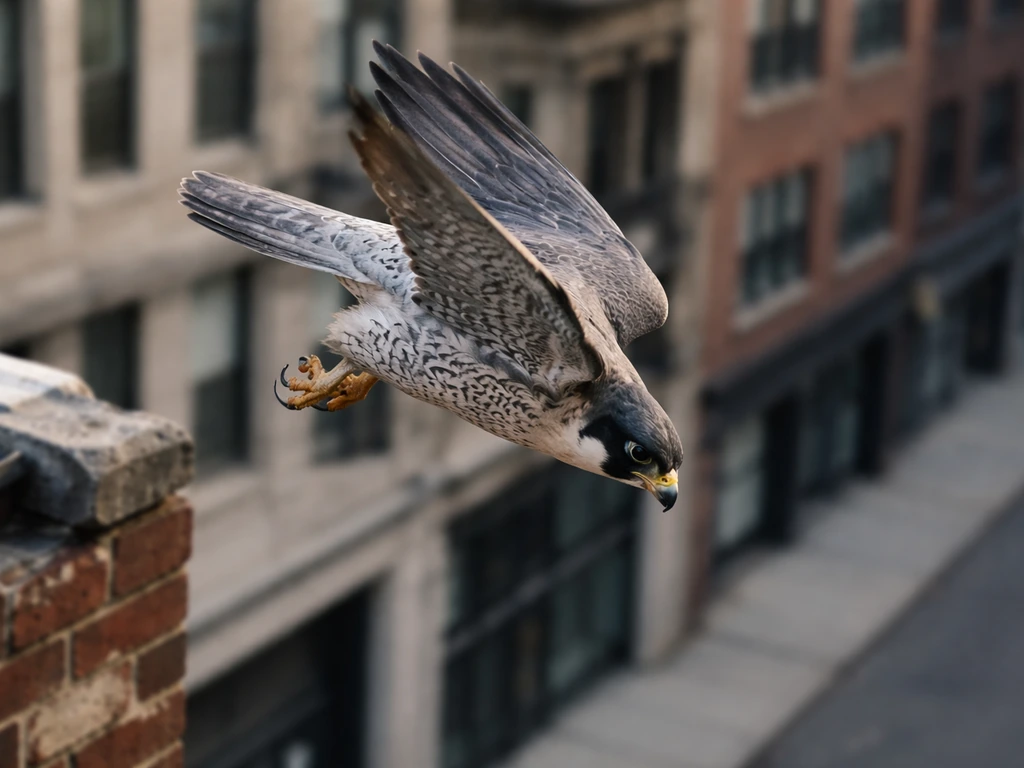
Peregrines are the most efficient pigeon killers on the planet. In some urban populations, pigeons (rock pigeons/feral pigeons) make up 80% or more of a peregrine's diet. They hunt by climbing high above their target and then diving at speeds that can exceed 200 mph, striking the pigeon mid-flight. The Pennsylvania Game Commission notes that peregrine falcons hunt smaller birds by flying above their prey and then diving and striking them in full flight diving at speeds that can exceed 200 mph, striking the pigeon mid-flight.. The impact is usually lethal immediately. The Iowa DNR explicitly lists pigeons among the primary prey items for this species, and their presence in cities has grown steadily as peregrine populations have recovered.
Cooper's hawk
Cooper's hawks are the most common raptor predator of pigeons at the neighborhood level. They're built for chasing birds through tight spaces, with short rounded wings and a long tail that gives them exceptional maneuverability. The Iowa DNR notes that Cooper's hawks specifically prefer pigeons, along with robins, doves, and jays. Unlike peregrines, they don't need an open sky to attack. They'll fly low through yards and alleyways and hit a pigeon on a rooftop or at a feeder. Wikipedia documents observations of Cooper's hawks performing open-air stoops to catch feral pigeons in urban settings.
Sharp-shinned hawk
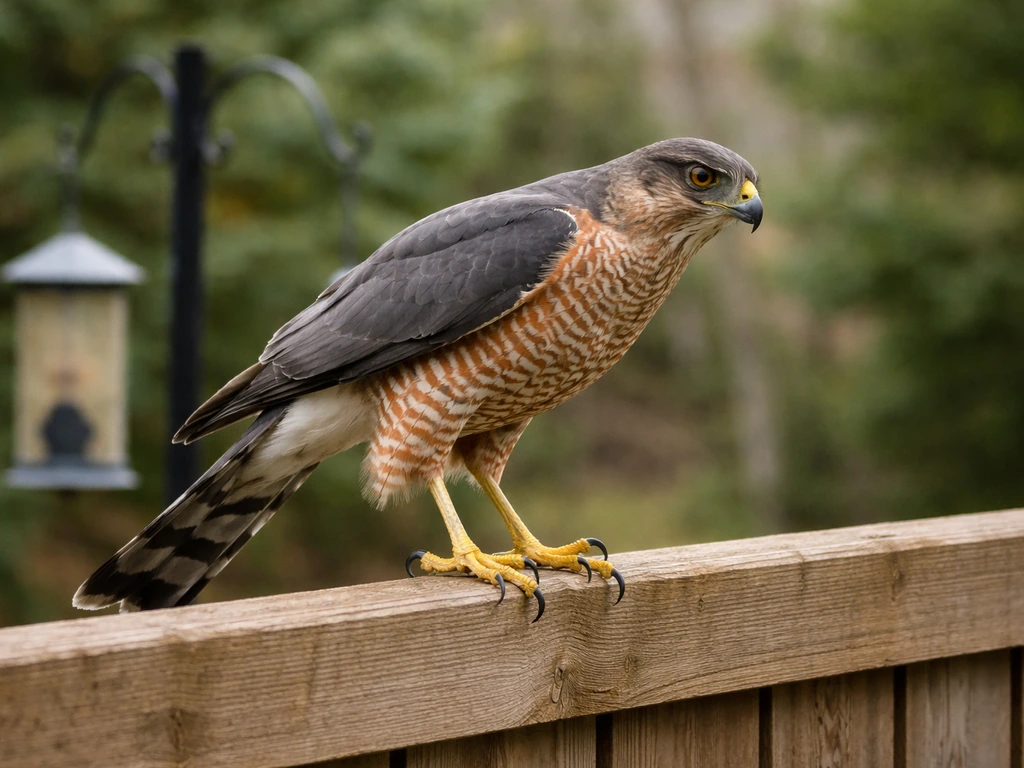
Sharp-shinned hawks are smaller than Cooper's hawks and mainly target birds at backyard feeders, but they do show up in urban and suburban areas regularly and will take a pigeon if the opportunity is right. The US Forest Service FEIS review for the sharp-shinned hawk (Accipiter striatus) notes that this species occurs across a range of habitats, including urban areas. They're more commonly a threat to smaller birds than to adult pigeons, but they shouldn't be completely ruled out, especially if the pigeon in question was young, sick, or cornered.
What about owls and eagles?
Great horned owls will absolutely kill pigeons, primarily at night or at dusk. If you're losing birds after dark, owls move to the top of the suspect list. Eagles are capable of killing pigeons but rarely bother with them. A common question is what bird can kill an eagle, but for pigeon owners the more relevant issue is which predators are actually hunting in your area. A pigeon is a small, low-effort meal relative to what a bald eagle or golden eagle normally pursues, and eagle encounters with pigeon flocks are uncommon in most everyday settings.
How to tell predation apart from other causes of death
This is where a lot of pigeon owners go wrong. A dead pigeon in your yard doesn't automatically mean a hawk was involved. When you’re trying to figure out what caused the death, it also helps to understand common nest threats, like what animal destroys bird nests. If you are wondering which bird can kill a lion, the answer is not the same as the raptors that target your pigeons. There are several other causes that look similar from a distance, and misidentifying the cause leads to wasted effort and the wrong response.
| Cause | Typical signs | Key difference |
|---|---|---|
| Raptor predation | Feathers scattered, plucked cleanly at base, partial carcass or missing body | Feathers pulled out with smooth/clean quill base; body may be partially or fully consumed |
| Cat attack | Puncture wounds, feathers torn roughly, carcass often left whole or barely eaten | Cats usually don't pluck; they may leave the body with claw/bite marks |
| Window strike | No external wounds, bird found below glass, may be alive but dazed | No feather scatter, no predation marks; bird found directly under window |
| Disease or poisoning | Bird found dead without injury, possibly multiple birds affected | No feather scatter, no wounds; look for other sick or dead birds nearby |
| Dog attack | Crushed or torn body, feathers scattered but roughly pulled, trauma marks | More crushing damage than a raptor; often leaves more of the carcass |
| Vehicle strike | Broken bones, road location, sometimes blood | Found near road; broken wing or leg, blunt trauma pattern |
The core thing to remember: a raptor kill has a distinct signature. The pigeon will be plucked, not just mauled. Multiple causes of pigeon deaths, including window collisions, poisoning, and vehicle strikes, produce deaths that have nothing to do with a bird of prey, and blaming a hawk in those situations won't solve anything.
Clues at the scene: what to look for
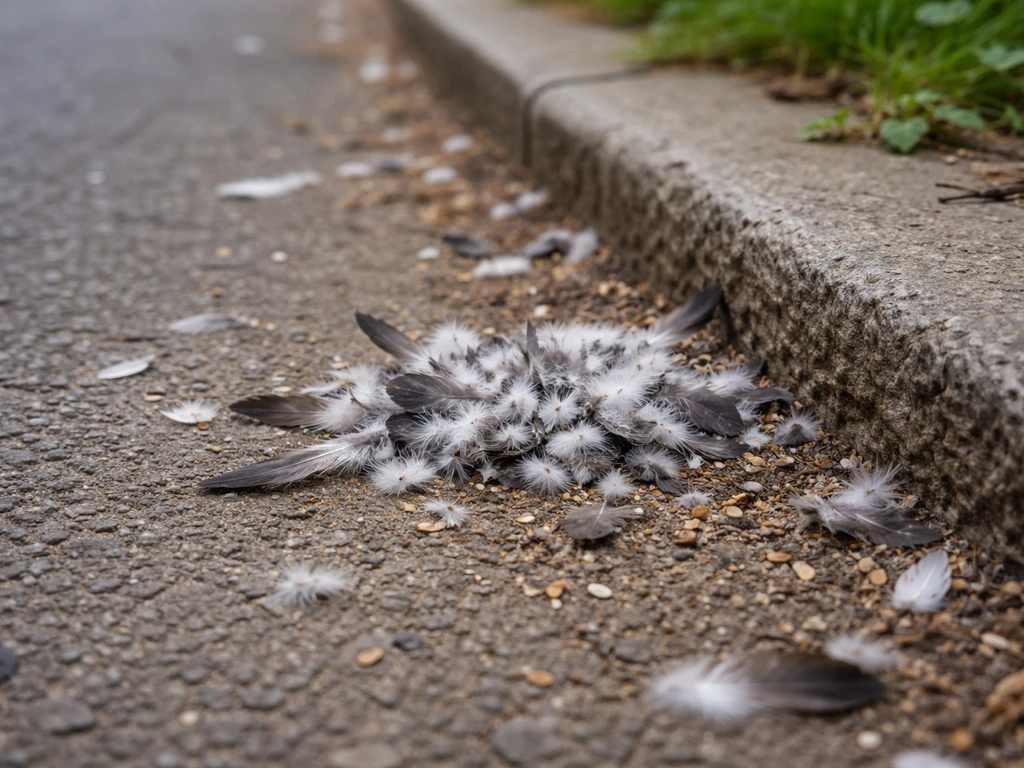
When you find a dead pigeon, take a few minutes to examine the scene before touching or moving anything. The physical evidence left behind tells you a lot about what actually happened.
- Feathers plucked in a cluster: Raptors pluck feathers before eating. If you find a pile of feathers with clean, smooth quill bases (not torn or chewed), that's a strong indicator of raptor predation. A rough, chewed base suggests scavenging after death, not an active kill.
- Partially eaten carcass: Raptors typically eat the breast meat and organs first. USDA-APHIS guidance notes that raptors often feed on the head and neck area, and the remaining carcass may be missing specific parts while others are left intact.
- Location of remains: A kill site scattered over several square feet of open ground suggests a falcon or hawk that pursued and struck in open space. A pigeon found in a sheltered spot (under a bush, near a wall) may point to an owl or a Cooper's hawk that chased it into cover.
- Feathers at elevation: If feathers are found on a rooftop or fence post along with remains, the bird of prey likely used that spot as a plucking post before eating.
- No external wounds but bird is dead: If there are no feathers scattered and no wounds visible, predation is unlikely. Consider window strike, poisoning, or disease instead.
- Multiple birds dying at once: Raptor predation almost never kills multiple birds simultaneously. Simultaneous or clustered deaths strongly suggest disease, poisoning, or a toxic substance.
If you find a feather you don't recognize and want to confirm whether a raptor was present, the USFWS Feather Atlas is a free online tool that lets you match feather patterns and colors to a reference database of species. It's a practical way to identify whether that feather came from a Cooper's hawk, a peregrine, or something else entirely.
Common misconceptions about what's killing pigeons
A lot of birds get blamed for pigeon deaths without justification. Here's where the folklore breaks down.
- Crows and ravens: Crows will harass pigeons and steal food, and they'll scavenge a dead pigeon, but they're not realistic killers of healthy adult pigeons. If you see crows near a dead pigeon, they almost certainly arrived after the pigeon was already dead.
- Seagulls: Seagulls are opportunistic feeders but aren't built to hunt and kill adult pigeons. Like crows, they may scavenge rather than hunt. Seagull predation on other birds is a separate topic, but pigeons aren't their target.
- Mockingbirds and other small birds: These birds will mob raptors aggressively, which sometimes makes people think they're the aggressor. They are not capable of killing a pigeon.
- Merlins: Merlins do hunt smaller birds by diving from above (similar to peregrines), and the Pennsylvania Game Commission groups them with peregrines as aerial hunters. But merlins are small and typically take birds smaller than pigeons. Not impossible, but not the likely suspect.
- Any scavenging bird as the killer: Finding a bird eating a dead pigeon does not mean that bird killed it. Scavenging is common. The plucking condition of feathers (smooth vs. chewed base) is the key to separating a predator from a scavenger.
It's also worth noting that raptors are protected under federal law in the United States. Even if a hawk is killing your pigeons, harming, capturing, or killing it is illegal. The right response is deterrence and exclusion, not retaliation.
How to protect your pigeons right now

The most reliable protection is a covered, enclosed space. Extension wildlife damage management guidance is clear on this: free-roaming pigeons are highly susceptible to raptor predation, and no deterrent replaces a proper enclosure. That said, there are layered steps you can take starting today.
Enclosure and netting
Cover your loft or roosting area with poultry wire, heavy-gauge nylon netting, or hardware cloth. The roof of any outdoor run needs to be covered, not just the sides. A hawk or falcon will come straight down from above if given the opening. Nylon netting works well for larger areas; hardware cloth is more durable for smaller fixed enclosures. USDA-APHIS wildlife damage guidance supports exclusion as the most effective long-term control method for raptor predation.
Perch deterrents
Raptors hunt from perches. If a hawk or peregrine is sitting on your rooftop, fence post, or nearby utility pole and watching your birds, removing that vantage point reduces predation opportunity significantly. The USFS defines perch deterrents as devices placed on tall structures to prevent raptors from using them as perch or roost sites. Physical deterrents include porcupine wire, angled ledge strips, or monofilament line grids placed on flat surfaces where birds would land.
Frightening devices
Visual deterrents (reflective tape, predator decoys, mylar balloons) and noise deterrents can help, but they have real limitations. Raptors are smart and will habituate to static deterrents quickly if they're not moved and changed regularly. Wildlife damage management guidance is direct on this: frightening devices work best as a supplement to exclusion, not as a replacement. If predation is persistent, deterrents alone won't solve the problem.
Management of free-flight time
If your pigeons fly free, dawn and dusk are the highest-risk periods, especially for owl predation. Midday flights carry lower risk in most areas. Supervising free-flight periods and bringing birds in before dusk reduces exposure substantially. Varying the timing and duration of flights also makes your birds less predictable to any raptor that has learned their routine.
What to do if you suspect an active bird of prey
If you're seeing a specific raptor returning to your property repeatedly, you have a few practical steps available to you.
- Document what you're seeing. Photograph the bird if you can, note the time of day, the location it perches, and the direction it approaches from. This information is useful for wildlife professionals and helps confirm the species.
- Photograph the scene of any kill. Capture the feather scatter, the carcass condition, and any tracks or impressions nearby before disturbing the area. Clean feather bases, partial carcasses, and plucking sites are the key evidence points.
- Contact USDA Wildlife Services. They have local offices and can provide site-specific guidance on managing raptor conflicts with domestic birds. Their Wildlife Services program handles exactly these kinds of livestock and domestic bird depredation cases.
- Contact a local wildlife rehabilitator or your state fish and wildlife agency if you find an injured raptor at the scene. The WSU Veterinary Teaching Hospital and similar institutions advise contacting a wildlife agent or wildlife rehabilitator for guidance on injured raptors rather than attempting to handle them yourself.
- Do not attempt to trap, harm, or relocate the bird yourself. All raptors in the U.S. are federally protected. Interfering with them without a permit is illegal regardless of the circumstances.
If you're uncertain whether predation is even happening, go back to the scene evidence first. A pattern of clean feather plucking, recurring losses at similar times of day, and partial carcasses points to an active raptor problem. Some birds that hunt snakes are also known for this kind of predation, which can be a useful comparison when you are trying to identify the killer. Killing seagulls is sometimes blamed on the wrong species, so it's important to identify the real predator rather than assuming the most dramatic possibility. Random isolated deaths without those signs are more likely to have other causes, and identifying the real cause matters before you invest in deterrents or exclusion.
FAQ
How can I tell if a dead pigeon was killed by a raptor versus dying from something else (window collision, poisoning, or a fall)?
Check for clean plucked feathers and whether the remains are mostly feathers with little blood splash. Window collisions, poison, and vehicle strikes usually leave different evidence, such as broken body parts, glass fragments, or a sudden collapse with no feeding sign. If you are unsure, treat it as not confirmed raptor until you see the raptor kill signature described in the article.
What signs suggest the predator is an owl instead of a hawk or falcon?
Owls are most likely when losses happen consistently after dark or around dusk, and you see evidence near perches, hedges, or low cover rather than open-sky dive zones. Also note that raptor timing patterns matter, random daytime deaths are less consistent with owl hunting.
Does age matter, can sharp-shinned hawks and Cooper’s hawks prefer different pigeon sizes?
If only adult pigeons are disappearing, that can reduce the likelihood of sharp-shinned hawks, which more often target smaller birds or easier prey. If juveniles are most affected, sharp-shinned hawks become more plausible, especially near backyard feeders where they hunt from cover.
If I find feathers in multiple spots, does that always mean the same bird of prey is responsible?
Yes. Raptors may take a pigeon and still leave nearby feathers that appear “scattered” across yards, but the key is whether you see repeated plucking and recurring losses at similar times. If losses are one-off with no pattern, first consider non-predation causes (illness, exposure, building hazards) before escalating.
How long should I observe the property before concluding that the predator is actually back regularly?
If the raptor is actively hunting, you often see a return pattern within the same day range, especially around dawn, dusk, and feeding routines. If you never see the bird but losses stop only after you enclose the birds, that supports predation. Deterrence that looks like it “worked” but without enclosure usually fails once habituation occurs.
What is the safe, practical way to handle a dead pigeon and avoid contaminating evidence?
Do not handle carcasses with bare hands. Wear gloves, bag the remains, and wash up after cleanup, because causes other than raptors (disease, parasites, contaminated bait) can be a risk. Then review the evidence before acting so you do not deter the wrong species.
If I want to stop predation quickly, what should I do first: deterrents or enclosure?
Your best first step is to exclude pigeons from access points, since deterrents often become ineffective. Start by fully covering the roof area of any run or loft (not just sides), and ensure netting or wire has no gaps wide enough for a dive. After you confirm exclusion is secure, you can use perching deterrents as a secondary layer.
What are the most common enclosure mistakes that still let hawks reach pigeons?
Measure and cover the actual access routes. A common mistake is leaving an uncovered strip over an entrance, opening under a deck, a gap at roofline edges, or netting that sags and creates a landing zone. Raptors can attack from above, so tension and coverage on the top surfaces are critical.
Do reflective tape, decoys, or noise makers work long-term?
Yes, but only as a supplement. Static visual or noise devices often work briefly until habituation. If you use them, rotate positions and change patterns on a schedule, and pair them with physical exclusion and removal of perch sites.
What should I do if I’m certain a protected hawk is killing my pigeons?
Birds of prey are protected, so retaliation is not the answer. The legal, effective path is deterrence and exclusion, plus documenting what is happening (times of day, where carcasses are found). If predation is severe, contact local wildlife or extension wildlife-damage support for guidance that fits your area.
How do I figure out where the raptor is launching from, and how does that change where I place barriers?
Use the feeding site and flight path in your planning. If a hawk is watching from nearby utility poles, trees, or rooftops, remove or discourage those perches and restrict access to the ground below with netting or overhead coverage. Deterrents placed only at the coop door may miss an above-attack route.
If I do not see any hawk in person, can predation still be happening?
Yes. Look at the surrounding scene for non-avian clues like bait, pesticide containers, or dead vegetation, and check for hazards like nearby traffic, glass, or predators on the ground. If there is no raptor-like evidence and the deaths are scattered, consider non-predation causes before spending on exclusion.
Next Articles
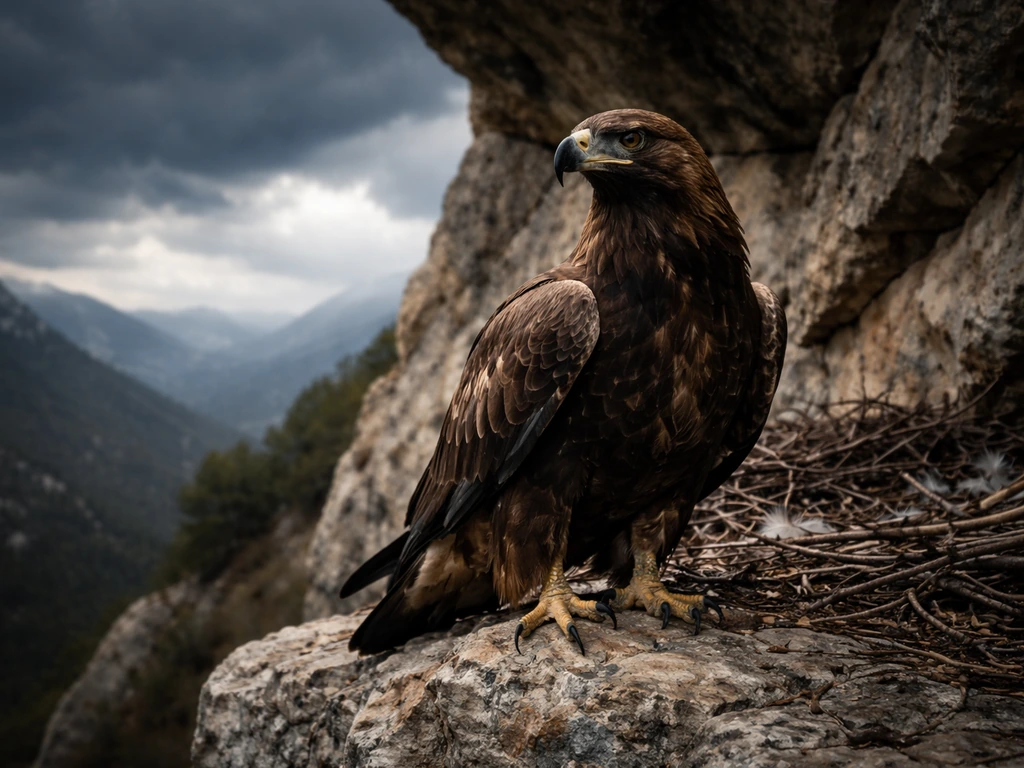
What Bird Are Eagles Afraid Of? Real Threats Explained
Myth vs reality on what bird eagles fear most, including who attacks eagles by age and how to stay safe.
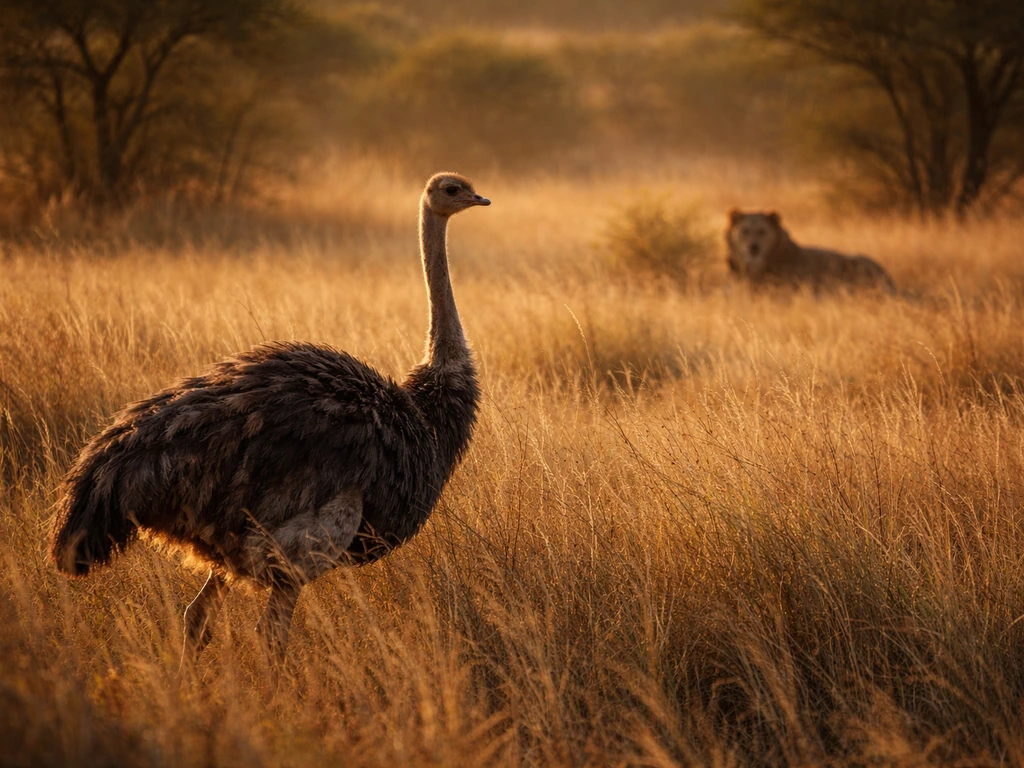
Which Bird Can Kill a Lion? Myth vs Real Science
No bird can truly kill a lion. Learn the myth origin, real bird harms like disease and parasites, and safety tips.
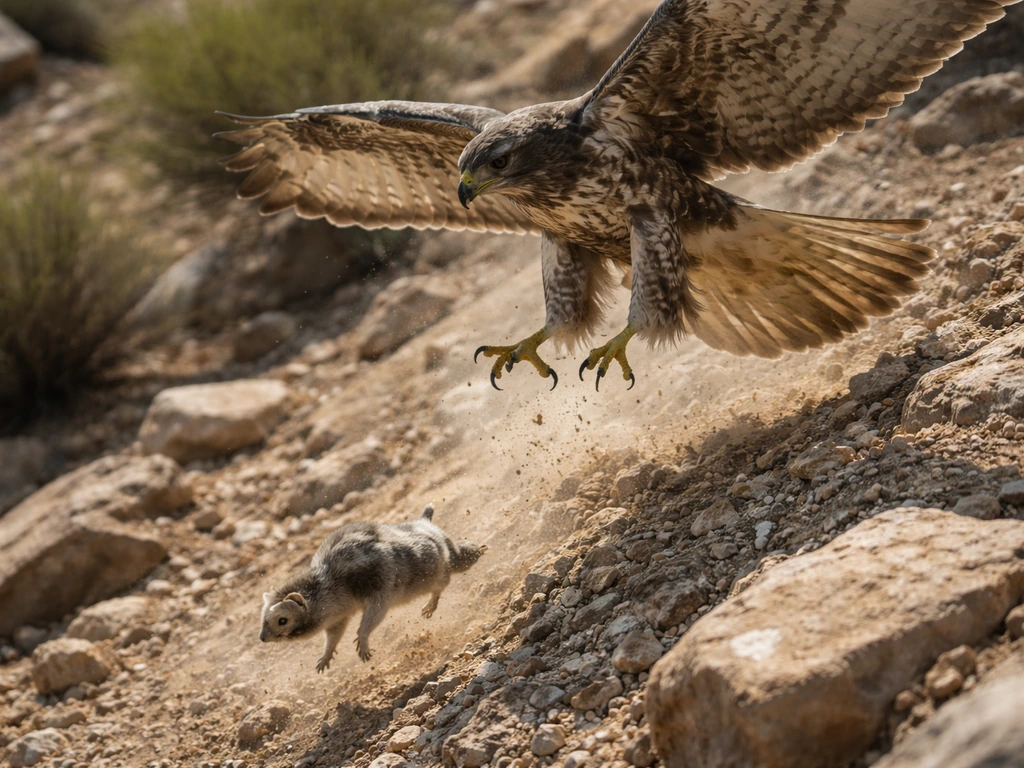
What Bird Drops Its Prey to Kill It: Identification and Safety
Learn which birds drop prey to kill and how to identify species from remains, plus safe steps around carcasses.