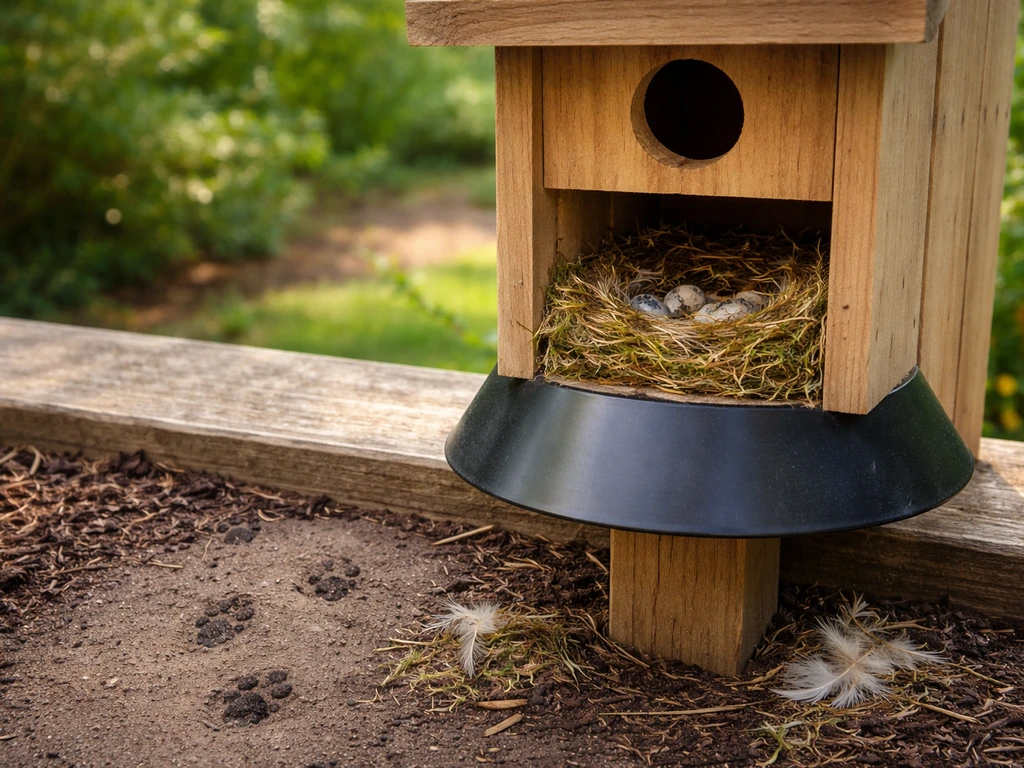
The birds most likely to kill seagulls are large raptors and corvids: Great Horned Owls, Peregrine Falcons, Bald Eagles, Western Marsh Harriers, and Common Ravens are all documented predators of gulls and their eggs. Which one is responsible depends heavily on where you are, the time of year, and whether you're dealing with eggs, chicks, or adult birds. In most cases, healthy adult seagulls are surprisingly hard to kill, predation hits hardest at nesting colonies during breeding season.
What Bird Kills Seagulls? Predators, Proof, and What to Do

Maya Chen
20 May 2026
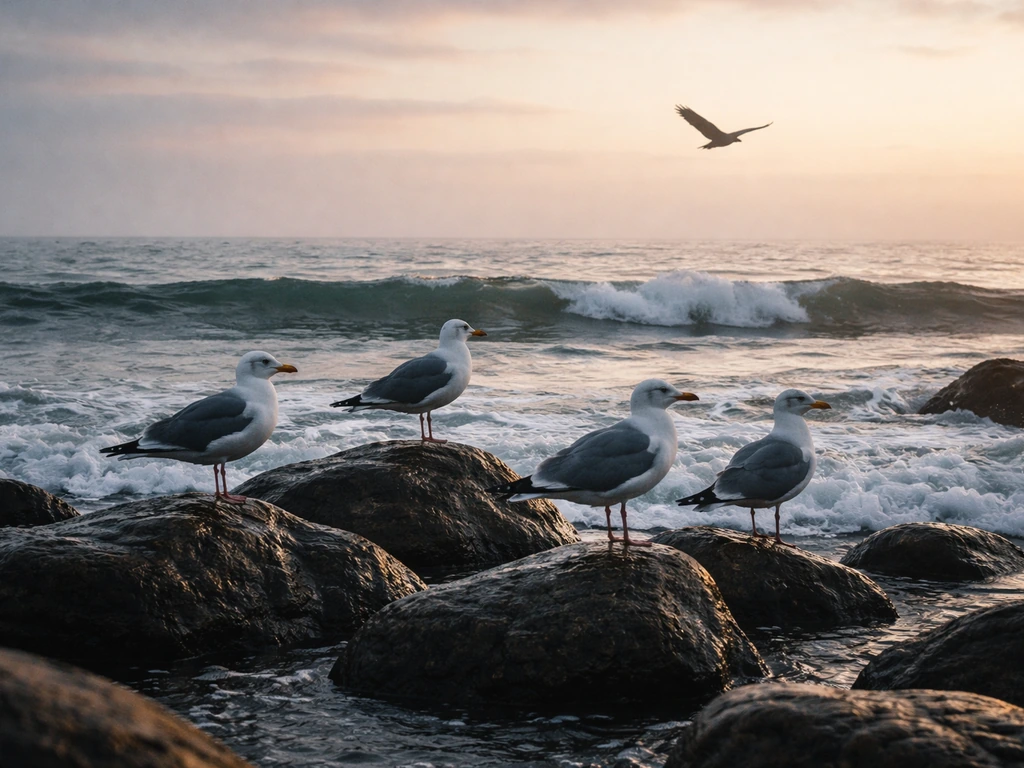
Which birds actually prey on seagulls
Seagulls aren't easy targets. They're aggressive, mob predators relentlessly, and adult birds are large enough to deter most raptors. Still, several species have figured out how to take them, usually by targeting eggs, chicks, or birds that are already weakened.
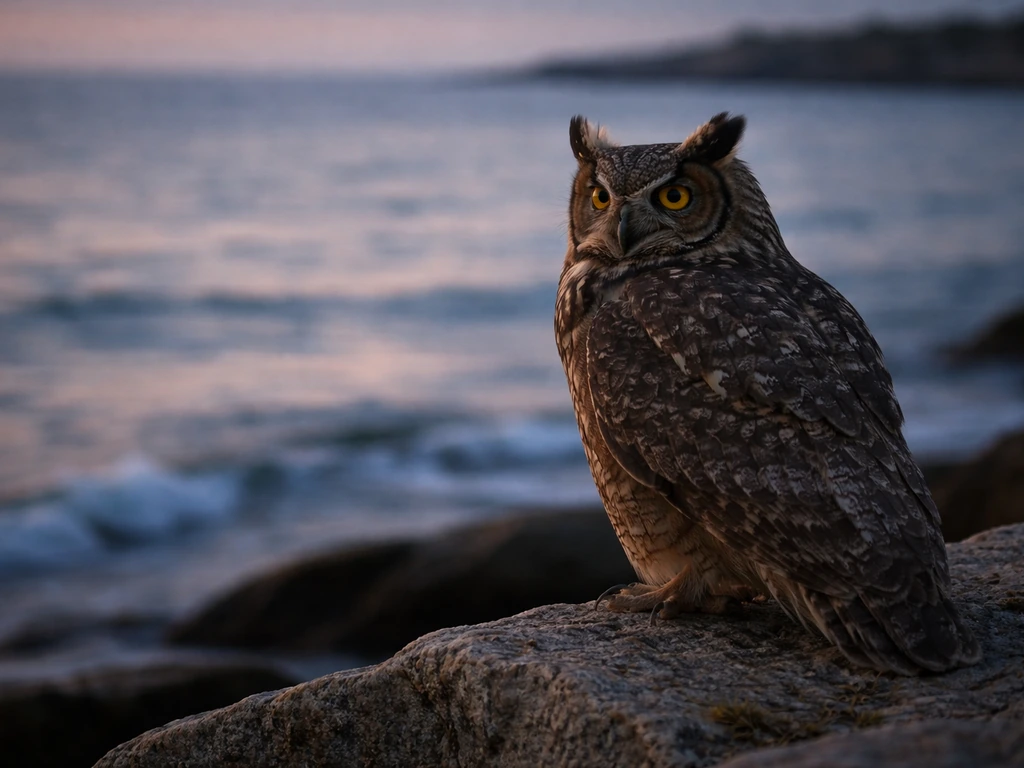
Great Horned Owls
Great Horned Owls are probably the most effective nocturnal predators of gulls in North America. They hunt after dark when gulls can't mount a group defense, and they're strong enough to take chicks and smaller adult gulls. Documented field observations at California gull colonies on Paoha Islets recorded multiple chicks killed over a 13-day window during late breeding season. These owls are also well-documented snatching other large bird chicks, including Osprey nestlings, so their capacity for taking colonial waterbirds is established.
Peregrine Falcons and Bald Eagles
Peregrine Falcons occasionally target adult gulls in flight, especially smaller species. Their hunting method is a high-speed stoop, which can kill cleanly in midair. Bald Eagles are more opportunistic, they'll pirate food, harass gulls into dropping prey, and sometimes take weakened or injured adults. A classic example of this tactic is when some raptors drop prey to kill it. Along coastal areas and large inland waterways, eagles are a consistent low-level threat to gull colonies.
Western Marsh Harriers
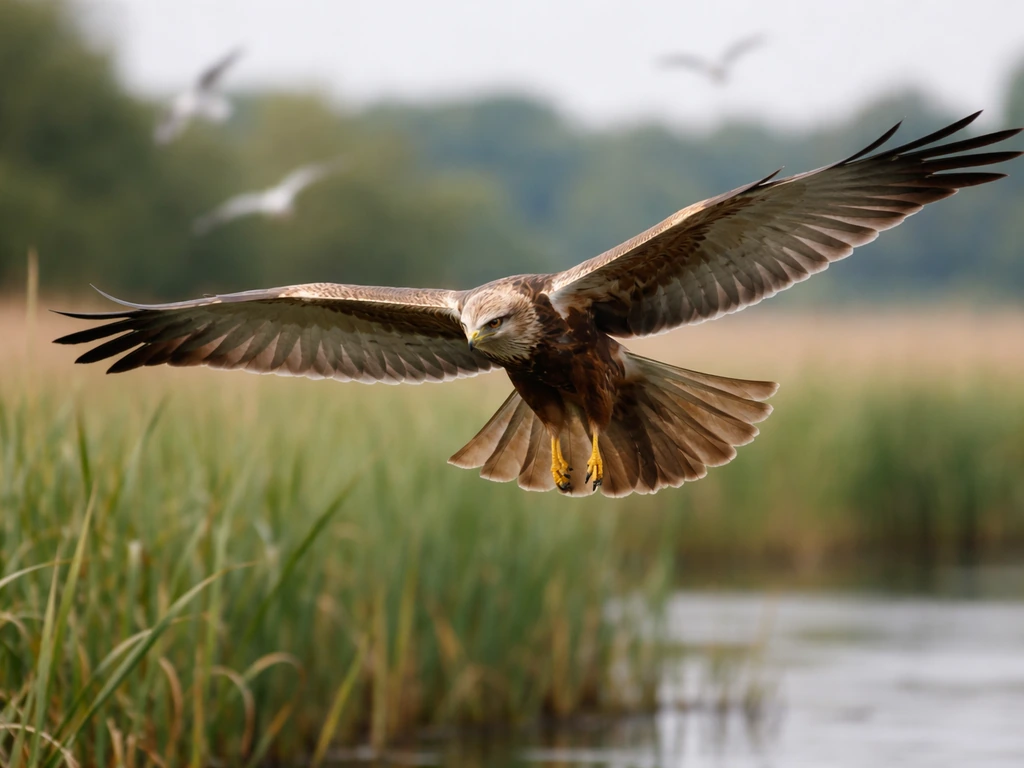
In Europe, the Western Marsh Harrier is a confirmed gull predator. A field-recorded event published in the Journal of Raptor Research documented blank" rel="noopener noreferrer">a Western Marsh Harrier taking a Herring Gull, and a study on Black-headed Gull colonies in Scandinavia (published in Ornis Svecica) found that Marsh Harriers were among the most significant nest predators, with measurable predation attempt rates and documented success. If you're in the UK, continental Europe, or parts of western Asia and you're seeing colony disruptions, harriers are a prime suspect.
Common Ravens
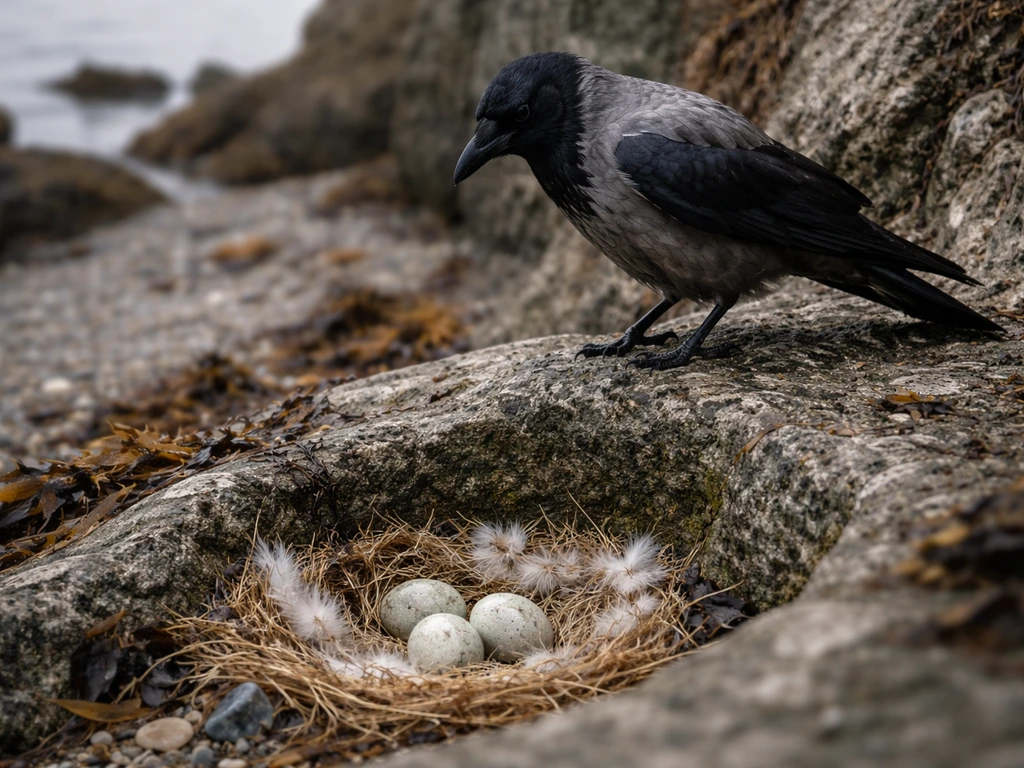
Ravens are nest predators, not adult-bird predators. They're bold, highly intelligent, and devastating to gull colonies during egg-laying and early incubation. Research published in Ornithological Applications documented Common Ravens as significant nest predators at colonial waterbird sites that included Western Gulls, with ravens winning the majority of interactions with other colonial species. These same nest predators are often the animals that destroy bird nests during egg-laying and early incubation. Ravens don't kill adult gulls, but they can cause colony-wide breeding failure by systematically raiding nests, which means you may see sharp drops in gull numbers without ever finding an adult carcass.
Crows
Like ravens, crows go after eggs and chicks rather than adults. The same Ornis Svecica study on Black-headed Gulls identified crows as a significant nest predation threat. Crows are daytime raiders and work in small groups, which can overwhelm a gull's nest defense. They're a bigger problem at smaller, less-established colonies where mob defense is weaker.
Quick regional summary
| Region | Most likely bird predators | Primary target |
|---|---|---|
| North America (coastal) | Great Horned Owl, Bald Eagle, Peregrine Falcon, Common Raven | Chicks, eggs, weakened adults |
| North America (inland lakes) | Great Horned Owl, Common Raven, Peregrine Falcon | Chicks, eggs |
| UK and Western Europe | Western Marsh Harrier, Crow, Peregrine Falcon | Adults, eggs, chicks |
| Scandinavia and Northern Europe | Western Marsh Harrier, Crow, White-tailed Eagle | Eggs, chicks, adults |
| Australasia | Wedge-tailed Eagle, Peregrine Falcon, Australian Raven | Chicks, weakened adults |
Predation vs other causes: disease, starvation, weather, and humans
Not every dead seagull was killed by another bird. In fact, when you find multiple dead gulls in one area, predation is often lower on the probability list than disease or food scarcity. Here's how the causes break down.
- Avian influenza (HPAI): This has caused mass mortality events in gull populations across North America and Europe since 2021. Multiple dead birds appearing over days or weeks, sometimes with neurological symptoms (circling, head tremors, inability to fly), is a red flag for disease.
- Botulism: Common in warm-weather months when gulls feed near stagnant water or decomposing fish. Causes paralysis, starting with the neck (limberneck). Birds die slowly, not violently.
- Starvation and habitat loss: Young birds in their first winter have high natural mortality. A thin, lethargic gull sitting alone is often a starving bird, not a predator's next target.
- Fishing line, hooks, and ingested plastic: Found when you examine a carcass closely. No external wounds; internal damage or obstruction.
- Vehicle strikes and window collisions: Bodies often found near roads or buildings, sometimes with impact injuries to the head or wing.
- Culling by humans: Legal in many jurisdictions under nuisance permits. Carcasses are typically removed rather than left in place.
If birds are dying gradually, one or two at a time, and you can't find carcasses with predator signs, think disease or starvation first. Mass die-offs of more than five to ten birds in a short period should trigger a call to your local wildlife authority.
How to figure out what killed the seagull
Reading the evidence at a scene takes a bit of practice, but there are reliable patterns to look for. Here's what to check.
Signs pointing to a bird predator
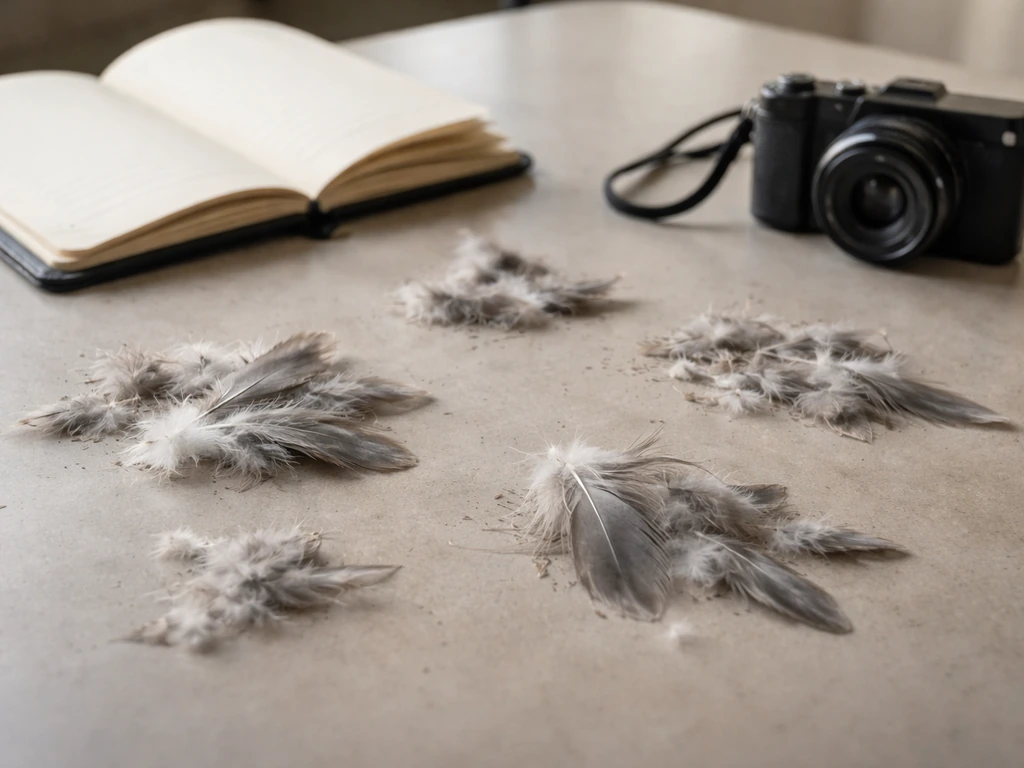
- Plucked feathers in a loose pile: Falcons and hawks typically pluck prey before eating. A circle of feathers with no body nearby suggests a falcon kill and carry.
- Feathers with the quill chewed through: Owls bite through feathers when defeathering prey. The quill end looks crushed or bitten, not cleanly pulled.
- Body left behind with organs removed: Eagles and large raptors often eat the soft organs first and leave the carcass.
- Egg fragments scattered from the nest: Raven or crow predation. Look for puncture marks in shell fragments — corvids bill-stab eggs, leaving distinctive triangular holes.
- Kills at night: If birds are disappearing from a colony overnight, owls are the most likely culprit.
- Talon puncture wounds on the body: Two to four deep punctures in a row on the back or neck indicate a raptor strike.
Signs pointing to disease or starvation
- Multiple birds dead in the same area with no external wounds
- Thin body condition (keel bone prominent, easily felt)
- Neurological symptoms in live birds nearby (circling, head tilting)
- Soft, odorous feces or diarrhea staining near the body
- No feather scatter or trauma at the site
Signs pointing to human causes
- Impact injury to the skull or wing (vehicle or window strike)
- Fishing line or hook in the throat or stomach
- Body found next to a road, parking lot, or large glass surface
- Gunshot wounds (small entry/exit holes, visible on X-ray if you take the bird to a vet)
Common myths about killer birds and seagull deaths
A few ideas circulate online that are worth correcting directly, because they lead people to misidentify what's actually going on.
Myth: Seagulls are killed regularly by other seagulls
Intraspecific aggression does happen, especially at nest sites, but seagulls killing each other as a primary mortality cause is not supported by the research. Chick cannibalism does occur in stressed colonies, but it's a stress response, not normal predator behavior.
Myth: Small birds like sparrows or starlings can kill gulls
No. Small passerines harass gulls during mobbing, but they do not kill them Small birds like sparrows or starlings can kill gulls. Small passerines harass gulls during mobbing, but they do not kill them. If someone online is claiming that crows or starlings are responsible for mass adult gull deaths, that's not accurate. Crows can kill chicks and steal eggs, but healthy adult gulls are not in danger from them. That kind of question, like which bird kills snake, is usually about a specific predator in the right context rather than a single bird that hunts everything Crows can kill chicks and steal eggs.
Myth: Eagles kill seagulls constantly
Eagles are generalist predators and opportunists. If you're wondering what bird eagles are afraid of, the answer depends on the predator pressure and territory in your area what bird are eagles afraid of. They prefer fish and carrion. Taking a healthy, alert adult seagull is energetically costly and risky, gulls mob aggressively. Eagles do take gulls, but less often than people assume. A Bald Eagle harassing a gull flock is usually trying to steal food, not hunt.
Myth: If seagulls are disappearing, it must be a predator
Seagull populations shift based on food availability, colony competition, and breeding success. A colony that appears to be 'shrinking' may be relocating, experiencing reduced recruitment from nest failure, or losing birds to disease before they're found. Don't assume predation without physical evidence.
How to reduce seagull vulnerability safely and humanely
If you're managing a property near a gull colony, or you're concerned about ongoing predation at a nesting site, there are practical steps you can take that don't harm any birds.
- Don't feed gulls near nesting areas. Concentrating food near a colony draws ravens and crows, which then discover the nest site. This is one of the biggest unintentional mistakes people make.
- Reduce artificial lighting at night near coastal colonies. Owls use lit areas for hunting. Turning off unnecessary lights during breeding season (roughly April through July in the Northern Hemisphere) can reduce owl predation significantly.
- Install predator deterrents at nest sites if you're a land manager. Exclusion fencing, wire grids over small colony areas, and reflective tape near ground nests are all used by wildlife managers to reduce corvid access.
- Report raven or crow activity at known gull colonies to your regional wildlife agency. In some areas, corvid management programs exist near protected colonial waterbird sites.
- Do not disturb nesting colonies yourself. Human presence near nesting sites flushes adult gulls off nests, leaving eggs and chicks exposed to exactly the predators you're worried about. Keep 50 to 100 meters of distance during breeding season.
- Contact a licensed wildlife rehabilitator if you find a live injured gull. Don't attempt to house or treat it yourself — gulls can carry Salmonella and other pathogens, and improper handling stresses the bird.
What to do when you find dead seagulls
Finding one dead gull is not necessarily alarming. Finding several in the same location within a few days is worth acting on. Here's the practical sequence.
- Photograph before touching anything. Get images of the body, any feather scatter, the surrounding area, and any visible wounds. This helps wildlife authorities assess cause of death remotely.
- Do not handle the carcass with bare hands. Seagulls can carry Salmonella, Campylobacter, and during active HPAI outbreaks, avian influenza. Use gloves and a plastic bag if you need to move the body.
- Report multiple dead birds immediately. In the US, report to your state wildlife agency or the USDA Wildlife Services HPAI hotline. In the UK, report to APHA (Animal and Plant Health Agency). In Australia, contact your state department of agriculture or environment.
- Single dead birds with no disease signs can be double-bagged and placed in the trash in most jurisdictions. Check local rules, as some areas require reporting any wild bird mortality.
- Wash hands thoroughly after any contact with wild bird remains, even with gloves. Avoid touching your face at the site.
- If you have pet birds at home, change clothes before re-entering your home and leave shoes outside. Avian diseases can be tracked in on footwear or clothing.
Regional and seasonal factors that change predator risk
Predator pressure on gulls is not constant. It spikes predictably at two points in the year: during the egg and chick phase of breeding season, and during winter when food is scarce and weak birds become easy targets.
Breeding season (spring through early summer)
This is when ravens, crows, and Marsh Harriers do the most damage. Eggs and chicks are defenseless compared to adults. Colony sites in North America typically see peak nest predation pressure from April through June. In Europe, it's similar, April through July for most gull species. Peregrines also nest during this period and may opportunistically take adult gulls near urban or cliff nesting sites.
Late summer and fall
Newly fledged gulls in their first months are naive and less agile than adults. Great Horned Owl predation on California Gulls was recorded specifically during the late-season period, when young birds are still building flight skills. Owl activity in general increases as nights lengthen into fall.
Winter
Cold, food-stressed gulls are more vulnerable to opportunistic predation. Eagles become more active hunters (rather than scavengers) when carrion is less available. Peregrine Falcons that winter along coasts hunt more consistently in winter, and urban gulls congregating at landfills or harbors are concentrated in ways that make hunting easier for raptors.
Coastal vs. inland differences
Coastal colonies face eagle and Peregrine pressure year-round. Inland lake colonies (common for California Gulls and Ring-billed Gulls in North America) are more exposed to owl predation because they're away from the coastline's consistent food supply and human activity that might deter some predators. In Europe, inland gull colonies nesting in reedbeds are most at risk from Marsh Harriers. This parallels patterns seen when looking at what birds prey on other vulnerable species, including raptors taking pigeons in urban environments or corvids raiding colonial nesting sites.
The bottom line is that if you're trying to figure out what's killing seagulls in your area, start by narrowing it down by season and by whether the losses are happening at a nest colony or among free-flying adults. That single filter rules out most suspects immediately and points you toward the right predator or the right non-predation cause.
FAQ
If I see a hawk or eagle near dead seagulls, does that mean it killed them?
Not automatically. Riddle: raptors often arrive after deaths to scavenge or steal food, especially around harbors and landfills. Look for evidence like a torn nest, egg remains, or a consistent kill pattern at a colony timing window (April to July), rather than a single bird sighting after the fact.
How can I tell whether the victims were chicks, eggs, or adult seagulls?
Check the body condition and location relative to nesting sites. Eggs and chicks usually show shell fragments or down, and remains are typically inside or right at the nest area. For adults, evidence is more likely to include signs of a struggle or the carcass found away from the colony, and timing matters most during cold, food-stressed periods.
What should I do differently if the deaths are happening at a nesting colony versus in open water?
At colonies, prioritize nest predator checks, like whether eggs are disappearing, nests are being raided repeatedly, or there are systematic gaps in breeding. In open areas, widen the differential first to disease, starvation, harmful algal blooms, and entanglement, because many predators avoid reliably capturing healthy adult gulls on open water.
Are disease or starvation more likely than predation if I find multiple carcasses close together?
Often yes, especially if carcasses appear gradually over consecutive days or you do not see predator signs at nests. Use your local wildlife authority if there is a spike, roughly more than five to ten birds within a short window, since rapid mortality clusters are commonly non-predatory.
How do I avoid confusing normal mobbing with actual killings?
Mobbing can look aggressive, but it rarely correlates with immediate adult carcasses caused on-site. If you find no nest disruptions and no pattern targeting eggs or chicks, mobbing may just reflect defense behavior, not predation.
Could crows or ravens be responsible for adult seagull deaths?
They are far more likely to take eggs and chicks than healthy adults. If you are seeing adult mortality, focus first on raptors like owls, peregrines, or eagles, or on non-predation causes like illness and starvation, then verify with scene evidence.
What time of day should I watch if I suspect owls?
Great Horned Owls are a key suspect for nocturnal predation. If losses align with nighttime and nest areas show repeated chick disappearances during breeding season, that pattern supports owl activity more than daytime raiders.
Do peregrine falcons ever kill seagulls on land, or only in flight?
Peregrines most often kill during fast dives, which can happen near cliffs, urban edges, and other vantage points where gulls move through flight corridors. If carcasses are found at or under cliff or ledge routes during the breeding window, that increases the plausibility of a peregrine strike.
Why might a colony look like it is shrinking even if no adult carcasses are found?
Nest predation can cause breeding failure without leaving many adult remains. If eggs and chicks are lost repeatedly early in incubation, the colony can decline due to fewer fledglings and lower recruitment, even while adults persist.
What practical documentation helps wildlife officials identify the likely cause?
Record dates, exact locations, whether nests are affected, and whether the same cluster is reused. Photos of nests, eggshells, and any predator sign, plus an estimate of the time between sightings, are more useful than guessing species from distance.
If I want to reduce predation risk near my property, what is a safe first step?
Start with waste and food sources. Remove easy attractants like unsecured trash and unmanaged feeding around docks, since raptors often concentrate where gulls are abundant, and gulls become weakened when food is poor or conditions are stressful.
Next Article
What Animal Destroys Bird Nests? Identify and Stop It
Learn which animals raid bird nests, how to spot the culprit fast, and humane steps to stop it today.