
Yes, an airsoft gun can kill a bird, and the risk is more real than most people expect. It depends heavily on the gun's power, the distance, and where the BB hits. At close range, a high-powered AEG or gas airsoft gun delivers enough energy to cause internal injuries that are fatal to small birds. Even spring-powered guns with lower output can injure a bird badly enough that it dies from shock, internal bleeding, or secondary complications. The short answer: treat an airsoft gun as a genuine hazard to any bird within its range.
Can a Airsoft Gun Kill a Bird? Risks and What to Do

Maya Chen
4 Apr 2026
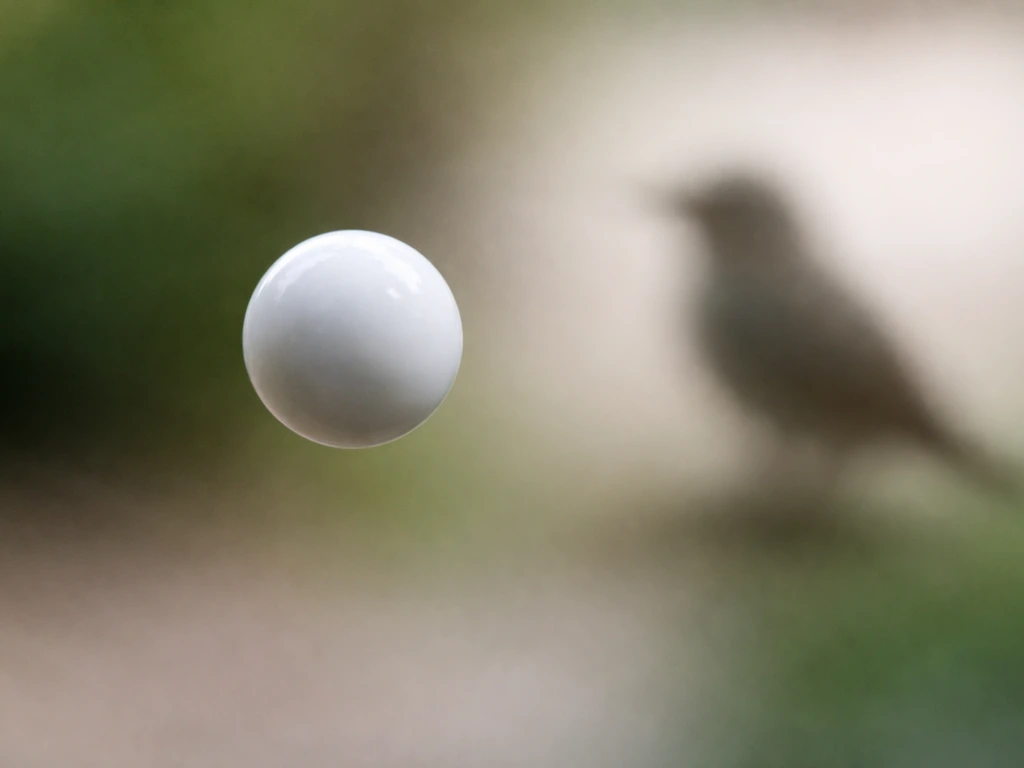
How airsoft energy actually translates to bird injury
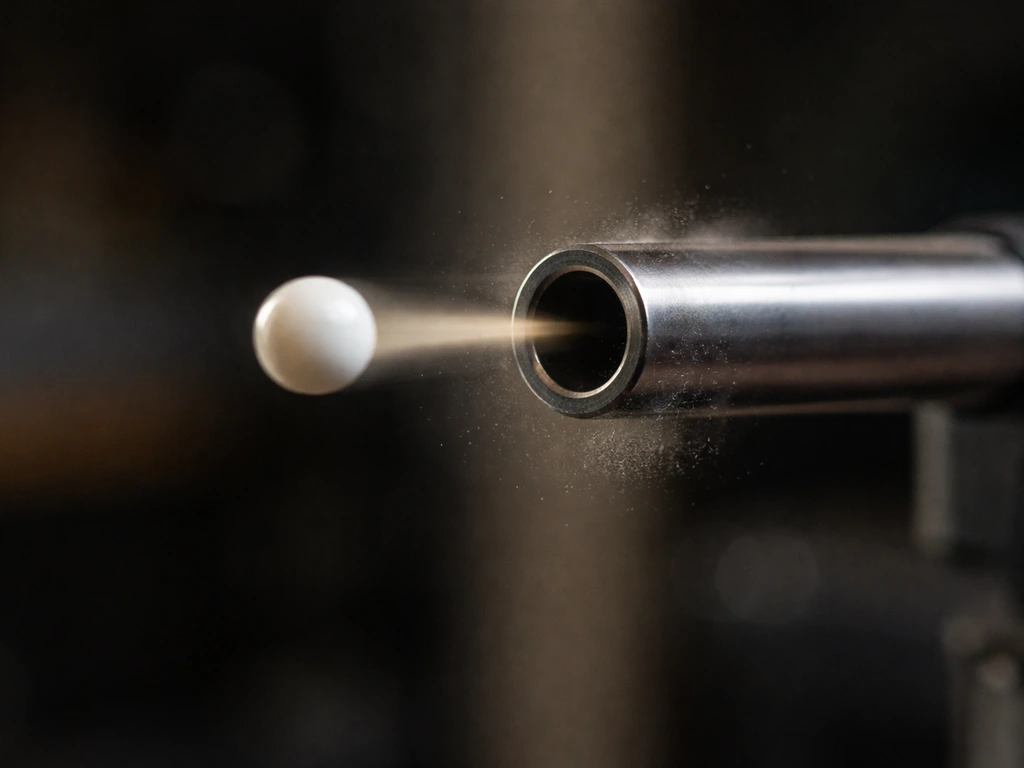
Airsoft BBs are light (typically 0.20 g to 0.32 g) but they move fast. Spring-powered guns fire around 150 FPS with roughly 0.2 Joules of muzzle energy. AEG (automatic electric guns) typically reach around 360 FPS and about 1.2 Joules. Gas-powered guns land somewhere in between, around 310 FPS and 0.9 Joules. Those numbers matter because kinetic energy is what causes tissue damage, and even 0.9 to 1.2 Joules is meaningful when it's hitting an animal that weighs 30 to 100 grams.
Energy drops off with distance, but maybe not as fast as you'd hope. A 0.20 g BB fired at 400 FPS still carries roughly 1.0 Joule of impact energy at 20 feet. At the ranges where you'd realistically encounter a bird in your yard, the BB has lost some speed but is still capable of blunt-force trauma, fractured bones, or internal organ damage. If you're curious about how velocity and weight translate to impact energy at various distances, a 400 FPS BB gun's lethality on birds follows the same physics principles and is worth understanding before drawing conclusions about airsoft.
Bird anatomy is not forgiving. Most wild birds have thin-walled body cavities, fragile hollow bones, and vital organs packed into a very small space. A BB that would cause a minor bruise on a human arm can fracture a bird's keel bone, puncture an air sac, or strike the heart or spine. Small songbirds are especially vulnerable. Even larger birds like pigeons or starlings don't have much mass to absorb impact. A direct hit to the head, chest, or abdomen at close range is potentially fatal regardless of the gun type.
Airsoft vs. BB guns and pellet guns: how they compare on bird lethality
It's worth putting airsoft in context with other common air-powered guns because people often assume airsoft is the safest option by default.
| Type | Typical FPS | Typical Energy (Joules) | Bird Kill Risk at Close Range |
|---|---|---|---|
| Airsoft Spring | ~150 FPS | ~0.2 J | Low to moderate (injury/shock risk) |
| Airsoft AEG | ~360 FPS | ~1.2 J | Moderate to high |
| Airsoft Gas | ~310 FPS | ~0.9 J | Moderate to high |
| Standard BB Gun | ~350–500 FPS | ~1.5–3.5 J | High |
| Pellet Gun | ~500–1000+ FPS | ~3.5–15+ J | Very high |
Airsoft sits below BB guns and pellet guns in raw power, but the gap is smaller than most people assume. The U.S. Fish and Wildlife Service has historically warned that even BB guns can kill insect-eating birds. Whether a BB gun will kill a bird is a closely related question, and the evidence there reinforces the same basic point: any air-powered projectile is a real hazard to birds. Pellet guns are in a different category entirely, with far more energy and deeper penetration. Wildlife rehab organizations have documented cases of birds arriving with pellets lodged near the heart and sternum, requiring radiographs and emergency stabilization just to survive long enough for treatment.
Real scenarios where birds get hit
Backyard and playground use
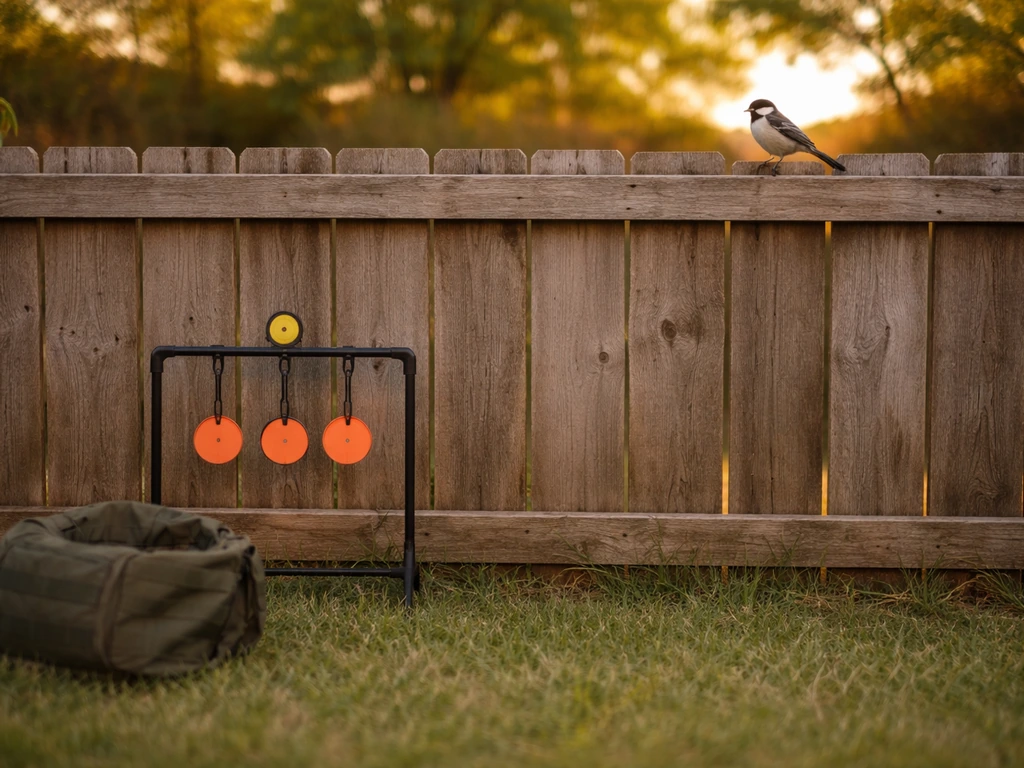
Casual backyard airsoft play is probably the most common scenario where birds end up accidentally struck. Someone is target shooting or playing with friends, a bird lands on a fence or tree branch, and a stray shot connects. At typical backyard engagement distances of 10 to 30 feet, an AEG or gas gun is still delivering well over 0.5 Joules of energy. A direct hit is serious. Even if the bird flies away initially, internal bleeding or a fractured bone can cause it to die hours later.
Accidental discharge near feeders or nesting areas
Bird feeders, bird baths, and nesting boxes concentrate birds in predictable spots. If you're handling or testing an airsoft gun near these areas and it discharges accidentally, the odds of hitting a bird go up significantly. Even a spring-powered gun at 150 FPS can injure a small finch or sparrow at point-blank range. The bird may not die instantly but could suffer a broken wing or internal bruising that leads to a slow death.
Using airsoft to deter nuisance birds
Some people consider using airsoft guns to scare or "haze" pigeons, starlings, or other birds they see as nuisances. This is risky on multiple levels. At practical deterrent ranges (under 20 feet), the gun is powerful enough to injure or kill. Even at longer distances, a lucky hit on a bird's head or eye can be devastating. And beyond the practical risk, it creates real legal exposure. More on that below.
What to do right now if a bird was hit

If you've just seen a bird get struck by an airsoft BB, time matters. Here's what to do in order.
- Stop and observe the bird from a few feet away before approaching. If it's standing upright and flies off normally within a minute or two, it may be uninjured. If it's on the ground, unable to fly, sitting with feathers puffed up, or holding a wing oddly, it needs help.
- Do not pick up the bird bare-handed if you can avoid it. Use a light cloth, towel, or gloves. Handle it gently and minimize contact, since stress alone can kill an injured bird.
- Place the bird in a cardboard box with air holes. Line it with a soft cloth or paper towel. Put the box somewhere dark, quiet, and warm, since warmth is critical. A hot water bottle wrapped in a towel placed beside (not under) the bird works well. Do not give it food or water.
- Call a wildlife rehabilitator or wildlife emergency hotline immediately. In the U.S., you can search 'wildlife rehabilitator near me' or use the NWRA directory. Don't wait to see if the bird improves on its own.
- Transport the bird to a wildlife rehab center as soon as possible. Stress and delay make outcomes worse. Keep the car quiet and the temperature stable.
The American Bird Conservancy is direct about this: an injured adult wild bird almost always needs professional medical treatment. Even if an injured adult wild bird seems able to fly away, American Bird Conservancy notes that it may still die, so take it to a wildlife rehabilitation expert for medical treatment blank" rel="noopener noreferrer">an injured adult wild bird almost always needs professional medical treatment. Washing your hands after handling any wild bird is also important for your own health. If there's any question about whether the bird needs care, call a rehabilitator first and let them help you decide. Pellet gun injuries in birds follow a similar triage process, and the same first-response steps apply when an airsoft gun is involved.
How to tell if the bird is dead vs. injured
A bird that is on its back with feet in the air and not breathing is almost certainly dead. A bird that is upright but unresponsive, or that is breathing but not moving, is likely in shock or critically injured. Shock can kill birds quickly, so even a bird that looks like it's "just stunned" should be treated urgently. Get it into a warm, dark, quiet box and contact a rehabilitator immediately. Don't assume it will recover on its own.
Preventing this from happening again
Prevention is straightforward once you understand the risk. The core rule is simple: never point or fire an airsoft gun in a direction where a bird could be hit, even accidentally. That means being aware of your backdrop, your surroundings, and where birds commonly perch or pass through.
- Always treat an airsoft gun as loaded and dangerous to wildlife, even spring-powered models.
- Keep feeders, bird baths, and nesting boxes well away from any area where airsoft is being used.
- Never fire toward trees, fences, rooflines, or any structure where birds may be perched out of your direct line of sight.
- Store and handle airsoft guns indoors or in contained spaces where accidental discharge can't reach wildlife.
- If children are using airsoft guns unsupervised in a yard with active bird activity, establish clear no-fire zones.
- Consider the time of day: dawn and dusk are peak bird activity periods, and risk of accidental strikes is highest then.
If you're specifically dealing with nuisance birds and were considering airsoft as a deterrent, there are far safer and more effective options. The Illinois Department of Public Health notes that the most successful nuisance-bird methods generally rely on exclusion and/or habitat modification. More on those below.
The legal and ethical reality of shooting at birds
This is the part most people don't realize until it's too late: shooting at birds with any projectile, including airsoft, can result in federal criminal charges. The Migratory Bird Treaty Act (MBTA) prohibits hunting, taking, capturing, killing, or pursuing migratory birds without a federal permit. The list of protected species is enormous and includes hundreds of birds you'd encounter in a typical North American backyard, including sparrows, robins, swallows, crows, and most songbirds. Violations can result in fines and even jail time. A DOJ case involving a Rhode Island man who repeatedly shot at hawks with a pellet gun ended in federal charges under the MBTA. The type of gun used doesn't matter to prosecutors. What matters is that a protected bird was harmed.
State law adds another layer. California Fish and Game Code Section 2000, for example, makes it unlawful to "take" any bird except as specifically permitted. Massachusetts and Ohio have additional restrictions specifically addressing air guns in hunting and wildlife-take contexts. Many states also require licensed nuisance wildlife control operators for handling certain problem-animal situations, which means that even if a bird genuinely is a nuisance, the legal path forward isn't to shoot it yourself. Lower-powered airsoft guns like 300 FPS models don't get a pass here either: the legal standard is harm to a protected bird, not the power level of the gun.
Ethically, shooting at birds with airsoft isn't just legally risky, it's genuinely harmful. Even a miss can cause stress-induced injury if a bird is nesting or brooding. A hit that doesn't look fatal can still result in a slow death from internal injuries. Research published in peer-reviewed literature has identified illegal shooting as a leading cause of bird mortality in certain regions. The ethical baseline here is clear: birds are not targets.
Better ways to handle birds you don't want around
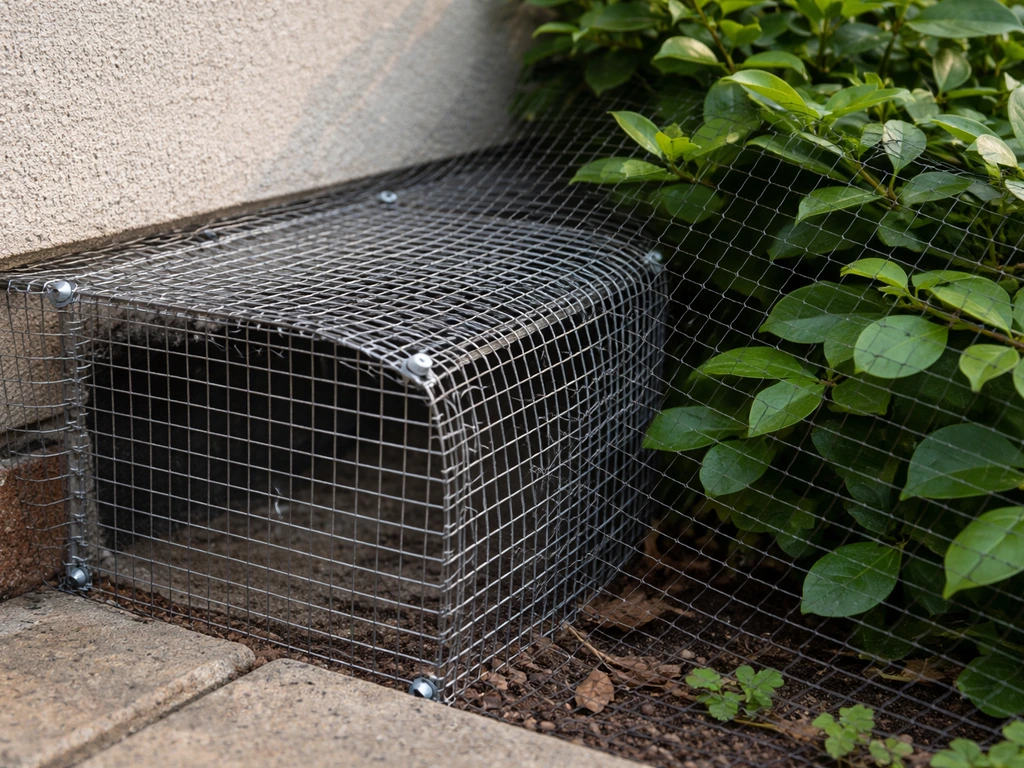
If nuisance birds brought you to this question, the good news is that effective, legal, non-harmful options exist and most of them work better than any projectile deterrent anyway.
- Physical exclusion: netting, hardware cloth, and bird wire (including porcupine wire and spring/coil systems) prevent birds from landing or nesting on specific structures without harming them. The PNNL Building America Solution Center specifically recommends these as first-line tools.
- Bird spikes: installed on ledges, beams, and rooflines, these make landing uncomfortable and redirect birds to other spots.
- Monofilament line systems: a grid of thin lines over a problem area (like a garden or dock) creates an invisible barrier birds won't fly through.
- Habitat modification: removing the food source, water source, or nesting material that's attracting birds is often the most permanent fix. The Illinois Department of Public Health notes that exclusion and habitat modification are the most consistently effective nuisance-bird strategies.
- Visual and auditory deterrents: reflective tape, predator decoys, and motion-activated sound devices work for some species and situations, though birds often habituate to them over time.
- Professional nuisance wildlife control: for persistent or large-scale bird problems, a licensed operator can assess the situation and apply regulated, humane solutions. USDA APHIS Wildlife Services also provides technical assistance for managing bird-related damage.
These methods are backed by wildlife management agencies, don't risk federal charges, and don't put you in the position of accidentally injuring a bird you had no intention of harming. If you're dealing with a broader question of bird safety around your property, the USDA APHIS Defend the Flock program also offers resources on managing wildlife interactions responsibly.
The bottom line on airsoft and birds
Can an airsoft gun kill a bird? Yes, it can, especially at close range with a gas or AEG model. Even lower-powered spring guns can cause serious injury that leads to death. The risk isn't hypothetical. Bird anatomy is fragile, vital organs are small and close together, and even a glancing hit can cause internal damage that isn't visible from the outside. If a bird has been struck, get it into a warm dark box, call a wildlife rehabilitator, and transport it quickly. If you're considering using airsoft to deter nuisance birds, don't: the legal risk is federal-level serious, and non-lethal deterrents will do the job better without the consequences.
FAQ
If my airsoft gun is low power (like a 150 FPS spring model), can it still kill a bird?
Yes. Even a “low-power” spring or low-FPS setup can injure a bird at close range, especially if the BB hits the head, chest, abdomen, or a hollow area near the organs. If your goal is deterrence, assume any BB that reaches a bird could cause internal injury that is not visible right away.
A bird flew away after a BB hit, should I still worry?
If the bird is upright but quiet, fluffed up, wobbling, or breathing abnormally, treat it as critically injured. Do not try to “test” it by offering food or moving it around, because shock can worsen quickly. Put it in a warm, dark, quiet container and contact a wildlife rehabilitator right away.
What should I do (and not do) while waiting for a wildlife rehabilitator?
Don’t feed or give water by hand, and don’t apply ointments or try to bandage injuries unless instructed by a rehabilitator. Stress and choking are common risks, and improper handling can make fractures or internal trauma worse. Focus on warmth, darkness, minimal handling, and fast professional triage.
Is it safe to pick up an injured bird after an airsoft strike?
Use glove handling if you have them, wash your hands afterward, and avoid touching the bird’s beak or eyes. If the bird is dead, you still should avoid direct contact with feathers and body fluids. Keep children and pets away, and if you’re unsure what you touched or picked up, treat it as potentially contaminated until hands are washed.
If I accidentally hit a bird while playing, do laws still apply?
In many areas, shooting at birds with any projectile can still trigger federal or state wildlife laws if a protected bird is harmed, even if you did not “aim” at them. The deciding factor is the harm, not the intent or the gun’s power, so stopping and seeking legal guidance is the safest move if you are dealing with an incident.
How can I reduce the chance of hitting birds if I’m airsofting near trees or a yard?
If you’re using airsoft in any backyard space, assume birds can be above your line of fire, not just in front of you. Check for perches, overhead branches, nests in nearby trees, and birds that may drop into your field of view suddenly. “Safe direction” also depends on a backstop that will stop BBs without letting them travel into adjacent yards where birds roost.
How can I tell whether a bird is injured if I cannot see any obvious wound?
A BB strike can cause internal bleeding or a punctured air sac, so the absence of visible bleeding does not mean the bird is fine. Conversely, a bird that looks stunned may die later from shock. The practical decision aid is simple: if there is any reasonable chance of a BB hit, treat it as an emergency and call a rehabilitator.
What if the bird area has nests or baby birds?
If you see a nest or fledglings nearby, postpone play and change locations, because even misses can cause nest abandonment or panic that leads to injury or starvation. For active nests, the safest option is not to run airsoft at all in the area until birds have fledged and moved on.
Can I use airsoft to scare or haze nuisance birds without seriously harming them?
Yes. Even if you believe you are “scaring” pigeons or starlings, a lucky hit can injure or kill, and federal protections apply to many common backyard species. If you want legal deterrence, switch to non-projectile methods (for example, habitat changes and exclusion) rather than using an air gun as a nuisance control tool.