Bird shot refers to small spherical pellets loaded into shotgun shells, traditionally used for hunting birds. When someone searches "what are bird shots" on a site focused on bird safety and health, they're usually asking one of two things: what these pellets are and how they work, or what happens when a bird (or a person) is exposed to them. The short answer is that bird shot is a real and documented hazard, especially when it's made of lead, and the risks to both wild birds and humans are well-established by veterinary and public health research.
What Are Bird Shots? Definition, Risks, and What to Do

Maya Chen
2 Apr 2026
What "bird shot" actually means
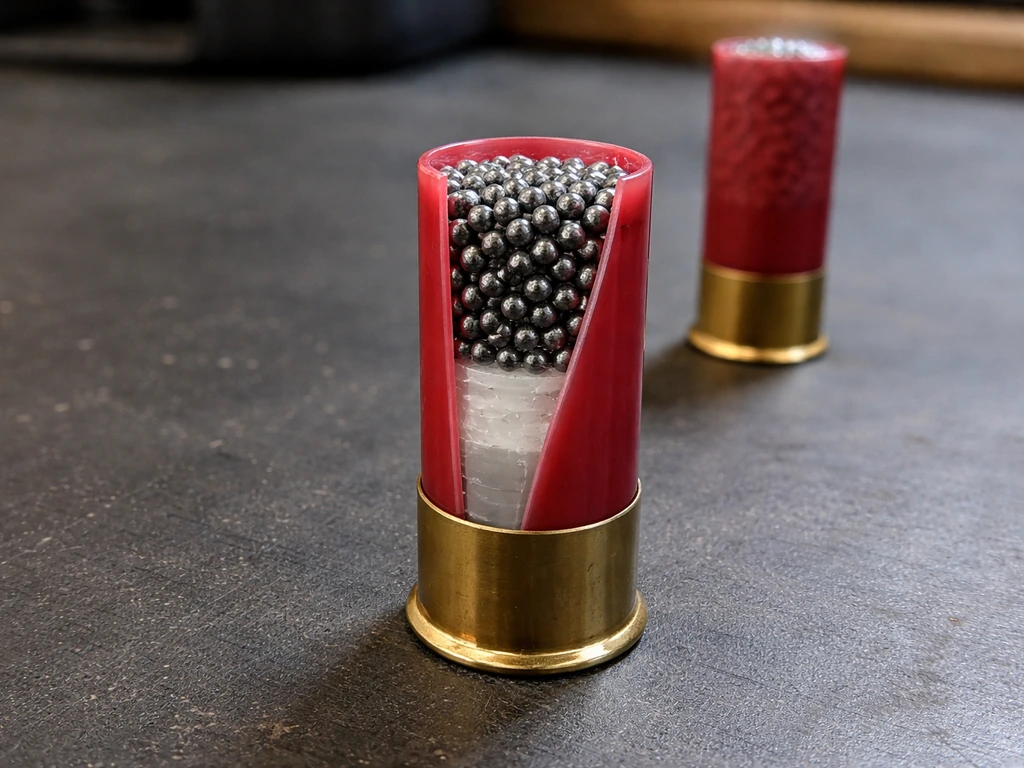
Shotgun shells can be loaded with different pellet sizes depending on the intended target. "Birdshot" is the category used for small game and birds. Pellet sizes in birdshot run from No. 9 (the smallest, around 2 mm in diameter) up through No. 1, and then into larger designations like BB and letter sizes. The smaller the number, the larger the pellet. So No. 9 is tiny and used for small birds at close range, while No. 1 or BB is used for larger birds like geese or ducks at longer distances.
Historically, most birdshot was made from lead. Lead is dense and inexpensive, which made it the default material for decades. But because spent lead pellets accumulate in wetland environments and get ingested by waterfowl, regulators have pushed hard for alternatives. Federal hunting rules under 50 CFR § 20.134 require non-toxic shot (like steel) for waterfowl hunting on federal lands, and states like Massachusetts and Washington have their own rules requiring steel or other approved non-toxic alternatives in specific hunting contexts.
Where you're likely to encounter bird shot
Most people run into bird shot in one of a few common situations. Hunters use it regularly, and if you handle game birds, you may find pellets embedded in the meat. Birders and wildlife rehabilitators encounter it when a wild bird is brought in injured or sick after being hit. Landowners sometimes find it in fields or near wetlands after a hunting season. And parents occasionally end up here after a child has found and handled (or swallowed) a small lead pellet.
There's also a secondary exposure route that doesn't get talked about enough. The EPA notes that lead from hunting and shooting activities can travel home on hands and clothing, contaminating indoor surfaces. If you're a hunter who processes birds at home, or someone who spends time at shooting ranges, that residue is a real and often overlooked contamination vector.
Is bird shot actually dangerous? Here's what the evidence says
The risk to birds
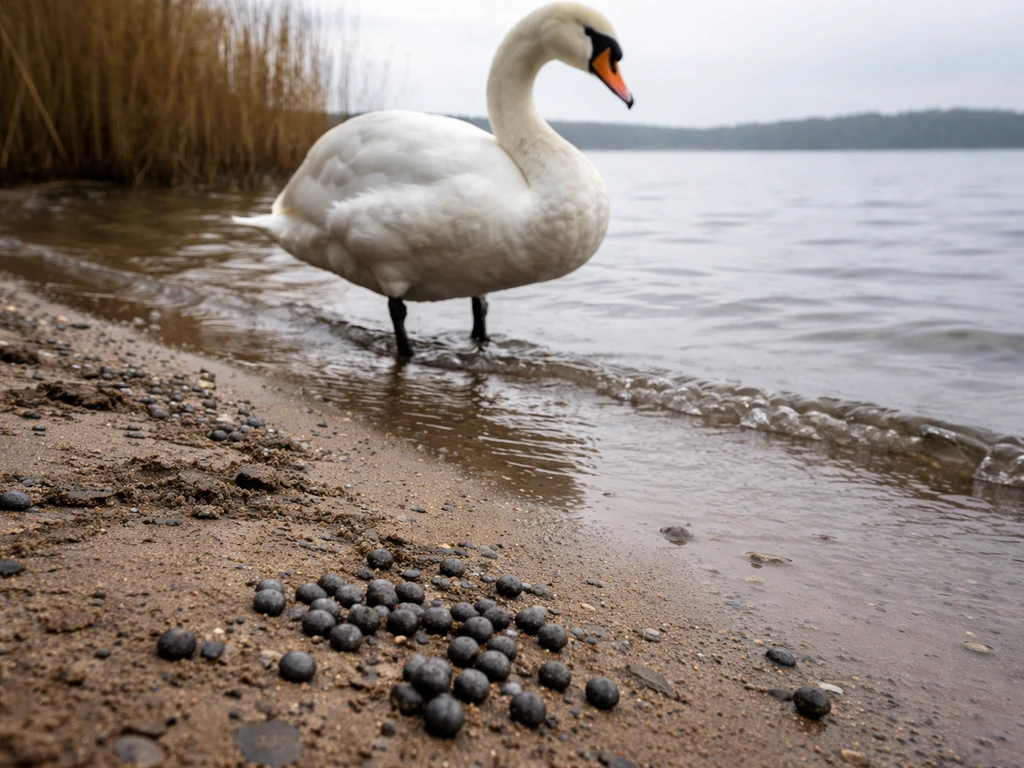
For birds, lead birdshot is genuinely dangerous in very small amounts. According to USGS research, wild birds can die from ingesting just one lead shot pellet, one bullet fragment, or one lead fishing sinker. That's not an exaggeration. The mechanism is straightforward: when a bird swallows a pellet, it gets trapped in the gizzard, where the grinding action and strong acid erode the lead over time. That dissolved lead then gets absorbed into the bloodstream and distributed to organs including the liver, kidneys, lungs, brain, and heart.
Swans are a well-documented example. Research has shown that as few as 2 to 3 lead pellets can cause death, typically within 17 to 21 days of ingestion. For waterfowl and loons that feed by diving or filtering sediment, this risk is especially high because spent shot settles to the bottom of wetlands exactly where these birds feed.
The risk to humans
For people, the risk depends heavily on what kind of exposure you're talking about. If you eat game meat that contains small lead fragments (not uncommon with shotgun-killed birds), you're getting low-level lead ingestion. Whether bird shot can kill a human depends on a lot of factors, including distance, shot size, and whether pellets remain embedded in the body.
When lead pellets or fragments stay embedded in the body after an injury, they continue to leach lead into the bloodstream over time. The CDC's MMWR has documented elevated blood lead levels in patients with retained bullet or shot fragments from injuries going back to 2003. The ATSDR confirms that lead from retained foreign bodies is a recognized absorption route, alongside inhalation and ingestion. Adults typically don't show clinical signs until blood lead levels exceed around 70 micrograms per deciliter, but organ damage can be accumulating well before that threshold.
Children face higher risk from any lead exposure. The ATSDR notes that children absorb a higher percentage of inhaled lead than adults due to their higher respiratory rate, and the CDC has specific clinical thresholds and recommended actions based on blood lead levels in children. If a child has ingested or handled lead pellets, that's a situation that warrants medical attention, not a wait-and-see approach.
Signs and symptoms to watch for
In birds
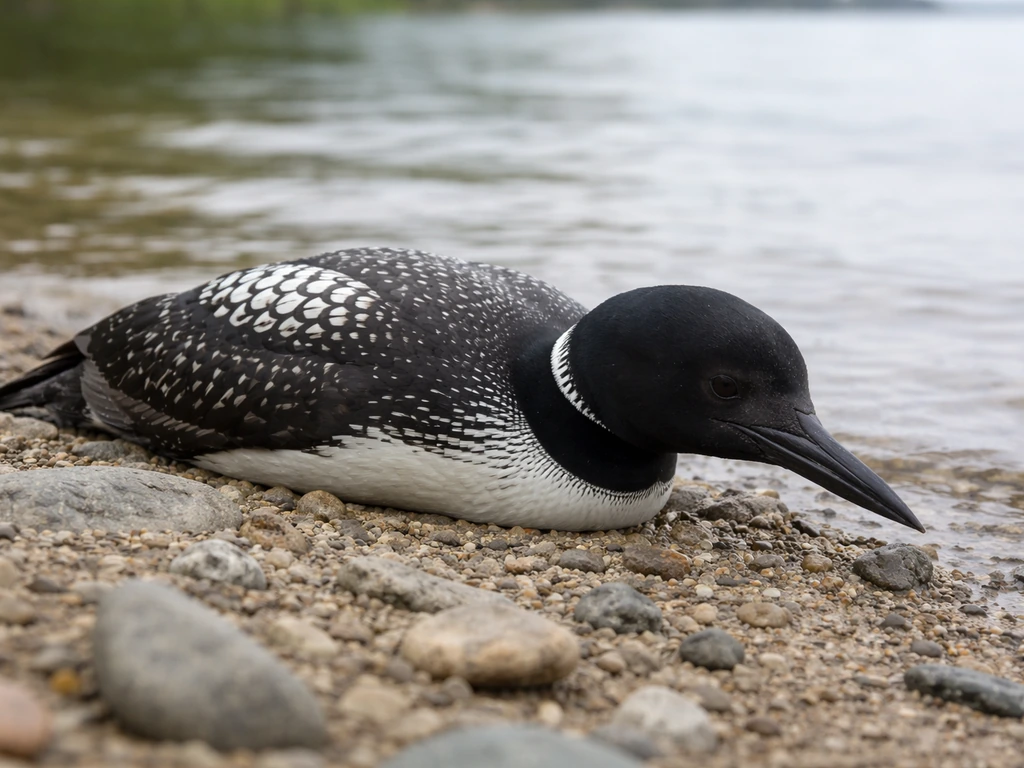
Lead poisoning in birds is tricky because the onset is often delayed. Loons, for example, typically don't show any symptoms until lead has already reached toxic levels in the bloodstream. By the time a bird looks sick, it may already be in a critical state. That said, there are warning signs to look for.
- Lethargy or unusual weakness (a bird sitting on the ground that would normally fly)
- Loss of coordination or balance problems
- Drooping wings or neck (especially in waterfowl)
- Regurgitation or repeated vomiting
- Diarrhea, sometimes greenish or abnormal in color
- Emaciation or rapid weight loss over days to weeks
- Sudden death with no prior visible symptoms (this can happen with high-dose exposure)
Pellets can remain in the digestive tract for days to weeks before fully dissolving or passing, and symptoms don't always appear every time a bird ingests lead. A bird can look fine for a week and then decline rapidly. Massachusetts wildlife guidance notes birds may become emaciated and die within roughly 2 to 4 weeks of ingestion.
In humans
Acute lead exposure from a single ingested pellet rarely causes dramatic immediate symptoms in a healthy adult. The danger is usually chronic and cumulative. However, if someone has ingested a pellet, swallowed lead-contaminated material, or has a pellet embedded after an injury, symptoms of lead toxicity can include fatigue, headache, abdominal pain, irritability, and in severe cases, confusion or neurological changes. Severe allergy-type reactions (hives, swelling, difficulty breathing) are an emergency requiring immediate attention, as is anyone who collapses, has a seizure, or can't be awakened.
What to do right now if you suspect exposure
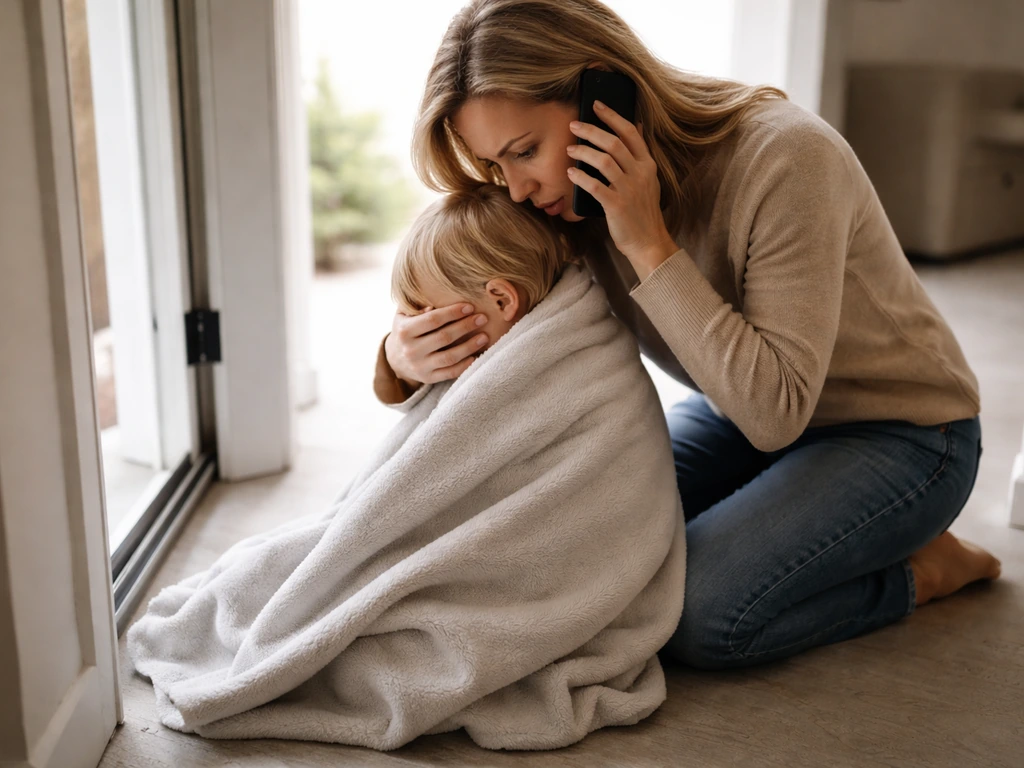
- If anyone has collapsed, is having a seizure, has trouble breathing, or cannot be woken up, call 911 immediately. Do not wait.
- For a child who may have swallowed a lead pellet, call Poison Control (1-800-222-1222 in the US) right away. They operate 24/7 and can guide you in over 100 languages. Do not try to make the child vomit.
- If there has been skin contact with lead (handling pellets, cleaning game birds), wash the skin thoroughly with soap and water. Rinse eyes with clean water for at least 10 minutes if there's been eye exposure.
- If you've found an injured or sick wild bird that may have been shot, do not handle it with bare hands. Use gloves or a cloth, and keep the bird calm and contained in a ventilated box while you make calls.
- If a pellet is embedded in a person after an injury, go to an emergency room. Don't try to remove it yourself. Retained lead fragments need medical evaluation and possibly imaging to assess.
- If you're concerned about lead exposure from eating game meat, contact your state health department or a physician for guidance on blood lead testing.
One thing worth knowing: lead exposure can happen through routes other than swallowing. Inhalation (from firing guns or being near discharged shells), skin absorption, and retained embedded fragments are all documented exposure pathways. ATSDR lists major lead exposure routes including inhalation, ingestion, dermal absorption, absorption from retained or embedded leaded foreign bodies, and trans-placental routes major lead exposure routes including inhalation, ingestion, dermal absorption, and absorption from retained or embedded foreign bodies. Poisons don't only enter the body through the mouth, and that's easy to forget in the moment.
When to call a vet or wildlife rescue
For a wild bird, contact a licensed wildlife rehabilitator as soon as possible if the bird is grounded, weak, or visibly injured. Don't try to treat it yourself. When you call, tell them: the species if you know it, where you found the bird, what behavior you observed, and whether there was any known hunting activity in the area. That last piece of information is important because it tells the rehabilitator to prioritize lead toxicity as a possibility.
For a pet bird exposed to lead (from paint, weights, or pellets), call an avian veterinarian immediately. The ASPCA's Animal Poison Control Center (888-426-4435) can also provide triage guidance for pet bird toxicoses. Clinical signs in pet birds from lead exposure include lethargy, regurgitation, diarrhea, and neurological signs. Early treatment makes a real difference in outcomes.
If you're dealing with a human exposure and unsure of severity, Poison Help (1-800-222-1222) is the right first call for non-emergency situations. For any suspected pediatric foreign body lead ingestion (a child who swallowed a pellet), the Pediatric Environmental Health Specialty Units (PEHSU) recommend contacting Poison Control and noting that imaging, such as an abdominal X-ray, may be recommended to locate radio-opaque objects and guide treatment decisions.
Bird shot myths vs. what's actually true
| Myth | What the evidence actually shows |
|---|---|
| A bird has to eat a lot of lead to be harmed | Even a single lead pellet can kill a wild bird. Gizzard acid erodes the pellet and lead absorbs into the bloodstream. |
| Birds show symptoms right away if they're poisoned | Onset is often delayed. Loons and other waterfowl frequently show no symptoms until lead is already at toxic levels in the blood. |
| Steel shot is just as effective, so lead bans don't matter | Steel shot does perform differently at longer ranges, but the environmental benefit is substantial. Lead pellets accumulate in wetland sediment for years and keep poisoning birds long after a hunt. |
| A person would have to eat a lot of lead to be harmed | Retained embedded pellets can leach lead continuously. CDC and ATSDR data show elevated blood lead levels in people with retained fragments, sometimes years after the initial injury. |
| Lead only enters the body through eating it | Lead can be absorbed through inhalation, skin contact, and from embedded fragments. Handling pellets and then touching your face is a real exposure route. |
| Bird shot injuries are always obvious and immediately dangerous to humans | At close range, concentrated birdshot can absolutely be lethal. But questions like whether bird shot can kill you depend on distance and shot size. At longer ranges, the pellets disperse and lose energy, making immediate lethality less likely but wound and lead exposure risk still present. |
How far does bird shot travel, and why it matters for safety
One practical concern that comes up around hunting and bird shot is range. If you're curious about how far bird shot can travel and what that means for bystander safety, that's a real question with real answers based on pellet size and shot load. Smaller birdshot pellets lose velocity quickly and typically drop to the ground within a few hundred yards, but that doesn't mean they're harmless at medium distances.
Understanding range also matters for environmental lead accumulation. Pellets that land in wetlands or agricultural fields don't disappear. They sit in sediment or soil where ground-feeding birds, like doves, ducks, or the kinds of birds that could theoretically pick up surprisingly heavy objects, can encounter them while foraging. The cumulative effect of decades of lead shot in waterfowl habitats is part of why the shift to non-toxic alternatives was mandated federally.
The bottom line on bird shot and safety
Bird shot is small, but its impact on wildlife and human health is anything but trivial. For wild birds, even a single lead pellet is a documented lethal risk, and the danger is compounded by delayed symptom onset that makes it hard to intervene in time. For humans, the primary concerns are retained pellets after injury, chronic low-level lead ingestion from game meat, and secondary contamination from handling pellets and bringing lead residue home.
If you're dealing with a sick bird, a child who swallowed something, or any situation involving potential lead exposure right now, don't wait to see how things develop. Call the appropriate resource (wildlife rehab, Poison Control, avian vet, or 911 for emergencies) and let the professionals guide you from there. That's the most practical thing you can do.
FAQ
If my area allows non-toxic shot, are “bird shots” still dangerous? Should I worry about lead specifically?
Non-toxic shot reduces the lead problem, but it is not automatically “safe.” Pellets can still cause mechanical injury (bruising, internal damage) and veterinarians still treat exposure as a potential trauma case. For wildlife rehab or a vet, specify whether you suspect lead versus steel or other approved non-toxic materials.
Are bird shots the same as buckshot, and does the risk change if someone says “shotgun pellets” generally?
No. “Bird shot” is a pellet type for shotguns, but it is often confused with “buckshot” or rifle ammo. Buckshot pellets are much larger and are typically far more injurious than birdshot at the same distance. If someone has been shot or a pellet is embedded, seek medical advice regardless of what name someone used.
Does it matter whether the pellet is still inside the body versus just passing through?
If a pellet is embedded in skin or tissue after an injury, it can continue leaking lead (if it is lead shot) over time, which raises long-term risk compared with pellet fragments that were removed. That is why clinicians may recommend imaging and follow-up testing for symptoms, especially for children or when foreign material is known or suspected.
If a child might have swallowed a birdshot pellet, is imaging always needed?
Lead pellets are usually radio-opaque enough that an abdominal X-ray may detect them, but imaging guidance can vary by location and suspected material. For a child who might have swallowed a pellet, the key next step is to contact Poison Control promptly and ask whether imaging is appropriate based on what the child swallowed and symptoms.
What should I do about lead if I ate game meat that might contain small shot fragments?
If birdshot remains in the meat, the immediate risk from eating a small amount is usually low, but retained micro-fragments can mean ongoing low-level lead exposure. The most practical approach is to avoid consuming game meat with obvious embedded pellets and to follow recommended food-handling practices, especially for children, pregnant people, and anyone with known lead risk factors.
I never found pellets, can I still be exposed if I was near hunting or a shooting range?
Yes, bystander exposure can happen without direct contact with pellets. Residue on hands and clothing can transfer to indoor surfaces, and inhalation can occur around shooting or shell handling. The practical safeguard is to avoid touching your face, change clothes after shooting, and wash hands thoroughly before coming indoors.
If I find a pellet in skin after an accident, can I remove it myself?
You should not attempt home removal of embedded pellets, especially if there is pain, bleeding, numbness, vision changes, or if the pellet might be near sensitive areas (eye, joints, head/neck). Delayed care increases the chance of retained-fragment complications and infection. For any suspected embedded pellet, urgent medical evaluation is the safer route.
What signs in a wild bird mean I should call a rehabilitator right away?
Wildlife symptoms can be delayed, so “waiting to see” often misses the window for effective intervention. Contact a licensed wildlife rehabilitator immediately if a bird is grounded, weak, unusually lethargic, uncoordinated, or has a history of being hit. Include the location and whether hunting was happening nearby to help them prioritize lead toxicity versus other causes.
When should someone get a blood lead test after possible birdshot exposure?
If someone has a known lead pellet embedded or suspected lead exposure, they may need blood lead testing and follow-up based on symptoms and exposure history. However, the decision should be made with a clinician or Poison Control because symptoms overlap with many other conditions. Testing guidance also differs for children and adults.
Next Article
Bird Causes Plane Crash? Risk, Mechanisms, Myths, Prevention
Whether bird strikes can cause plane crashes, how they happen, real risk data, debunked myths, and prevention steps