No bird can pick up and carry a deer. Not a bald eagle, not a great horned owl, not any raptor found in North America. The short answer is a firm no, and that holds up whether you're looking at viral videos, dramatic wildlife photos, or stories passed around online. What you're almost always seeing in those clips is scavenging, not predation, and the deer in question is already dead.
What Bird Can Pick Up a Deer? Realistic Answers

Maya Chen
10 Apr 2026
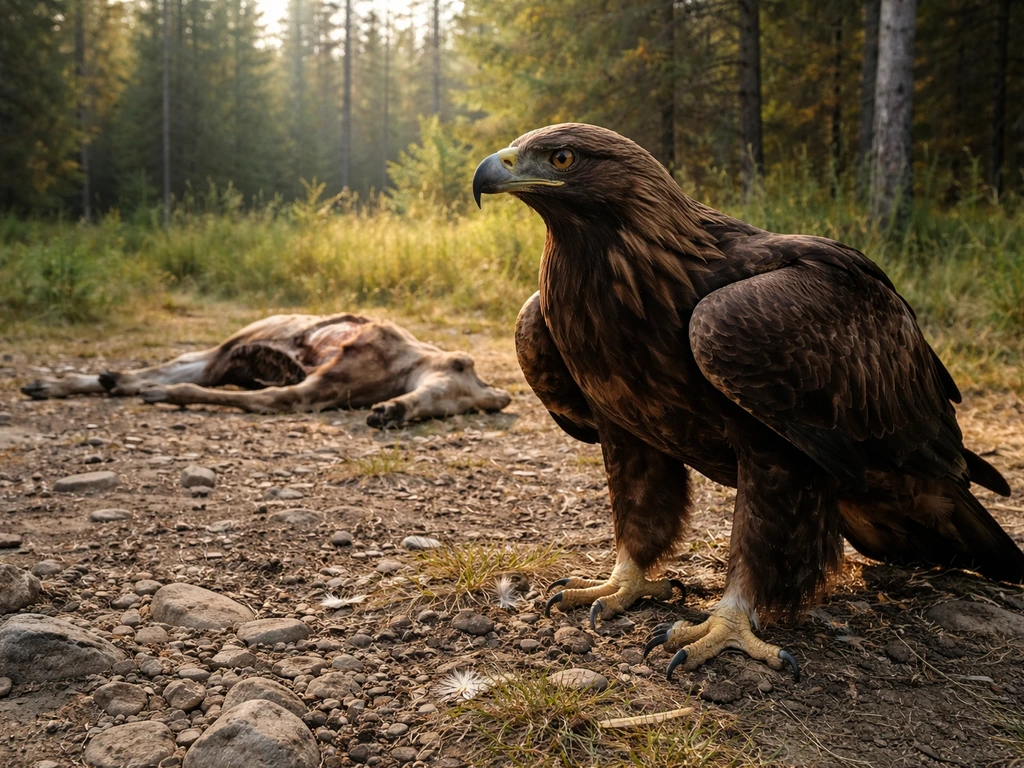
Myth vs. reality: can any bird lift a deer
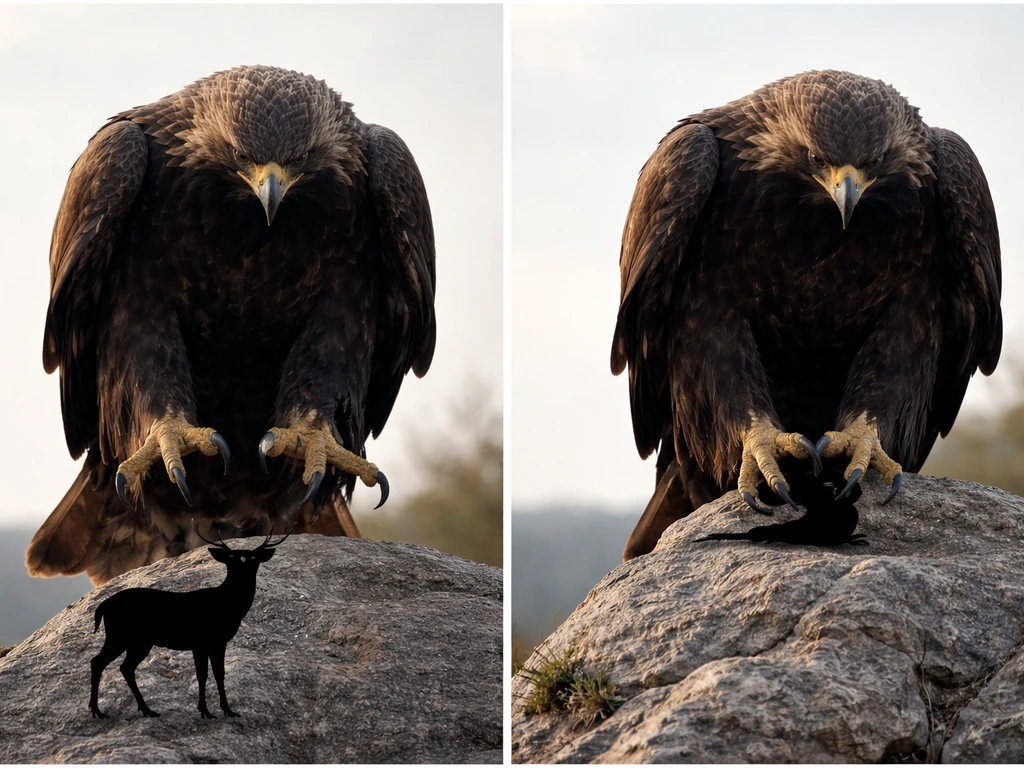
The myth that large birds of prey can swoop down and carry off deer-sized animals is surprisingly persistent, but the physics just don't work. Bald eagles, one of the largest and most powerful raptors in North America, can typically carry around half their own body weight under good conditions. That puts their practical carrying limit somewhere in the range of 4 to 5 pounds for most individuals. A fawn, even a very small newborn one, can weigh anywhere from 4 to 8 pounds at birth and grows quickly. A mature deer is nowhere close to within carrying range.
Even the harpy eagle, the most powerful eagle in the world (found in Central and South America, not North America), has only been documented carrying prey like sloths in peer-reviewed research. Sloths and small to medium-sized mammals, not deer. If the world's strongest eagle tops out at sloth-sized prey, that tells you everything you need to know about what birds can realistically transport through the air.
There is no well-documented, authoritative record of any North American bird lifting a live deer off the ground and carrying it away. Wildlife agencies and ornithologists are consistent on this point. The stories circulate, but the evidence doesn't back them up.
What birds actually can pick up
Understanding what raptors actually hunt helps put the deer question in perspective. Large birds of prey are genuinely impressive predators, but their prey tends to be small to medium-sized animals, not large ungulates.
Great horned owls, which hunt at night and are among the largest owls in North America, have a mean prey mass in the range of several hundred grams in scientific studies, with one study reporting an average around 714 grams. That's roughly the weight of a large rabbit or a small skunk. Red-tailed hawks, one of the most common large raptors across the continent, are documented prey specialists for animals like rabbits, squirrels, woodchucks, raccoons, and deer mice. Not deer, not anything close.
| Bird | Typical prey | Approximate carry limit |
|---|---|---|
| Bald eagle | Fish, waterfowl, small mammals | ~4–5 lbs (half body weight) |
| Great horned owl | Rabbits, skunks, small rodents | ~1–2 lbs |
| Red-tailed hawk | Squirrels, rabbits, small mammals | Under 2 lbs |
| Harpy eagle (not North American) | Sloths, monkeys, small mammals | Up to ~15 lbs (exceptional) |
| Turkey vulture | Scavenges only, does not carry prey | Cannot carry large prey |
The pattern is clear: even the birds at the top of the raptor size chart are built for prey measured in ounces and pounds, not the tens or hundreds of pounds that even a fawn reaches within a few weeks of life.
Why people think they saw a bird carry a deer
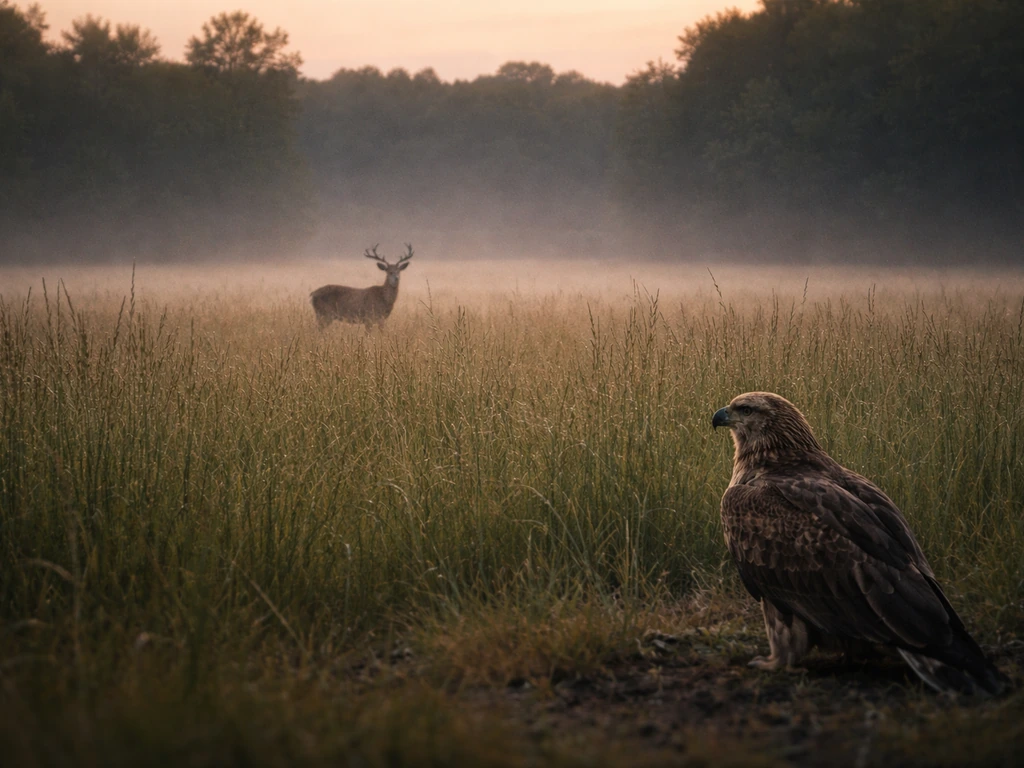
Misidentification and context collapse are the two biggest drivers of these stories. When someone sees a large raptor standing over or near a deer, the natural assumption can be that the bird killed it and is about to fly off with it. But that's rarely what's happening.
Distance is a major factor. A deer seen at 200 yards through a phone camera can easily be mistaken for a smaller animal, like a large rabbit or a small fawn, especially in poor light or at an odd angle. A bird hopping around near the carcass looks enormous by comparison, amplifying the sense of drama. Add a cropped screenshot or a zoomed-in video frame, and suddenly the story writes itself.
Timing also matters. A video clip that starts mid-scene, after an animal has already died, can look like active predation when it's actually scavenging. The bird didn't kill the deer; it just arrived at the food source first. Trail cameras have captured this exact scenario repeatedly, showing birds feeding at deer carcasses in footage that can look alarming without the full context.
Fawn season also spikes these reports. Newborn fawns are small enough that at a distance, a bald eagle or large hawk standing next to one creates a genuinely misleading visual. A bird interacting with a dead or injured fawn can generate a viral moment that gets captioned as something far more dramatic than what actually occurred.
Scavenging vs. predation: how raptors actually interact with deer
This is where the real story is. Large raptors, especially bald eagles and turkey vultures, are frequent scavengers of deer carcasses, particularly in winter when other food sources become scarce. A US Forest Service study on winter scavenging documented 870 observations of bald eagles, common ravens, and coyotes feeding at ungulate carcasses that included mule deer. That's not a rare event. It's a normal, documented part of how these birds survive in the landscape.
Scavenging raptors don't pick up and carry entire deer. They land, feed, and eventually leave. If you see a bald eagle near a deer, the most likely scenario by far is that the deer was already dead and the eagle found a meal. Trail camera footage, including well-known clips from news outlets, regularly captures bald eagles and turkey vultures feeding on deer carcasses in exactly this way.
There's an important health angle here too. Bald eagles scavenging deer killed by hunters face a real risk of lead exposure from spent ammunition fragments left in gut piles or the carcass itself. Cornell research has identified bald eagles as carrying the highest lead risk among deer carcass scavengers in New York State. This is one reason wildlife agencies track scavenging behavior so closely. The deer-raptor interaction is real and well-documented, but it runs through the carcass, not through the sky.
What to do right now if you witnessed something
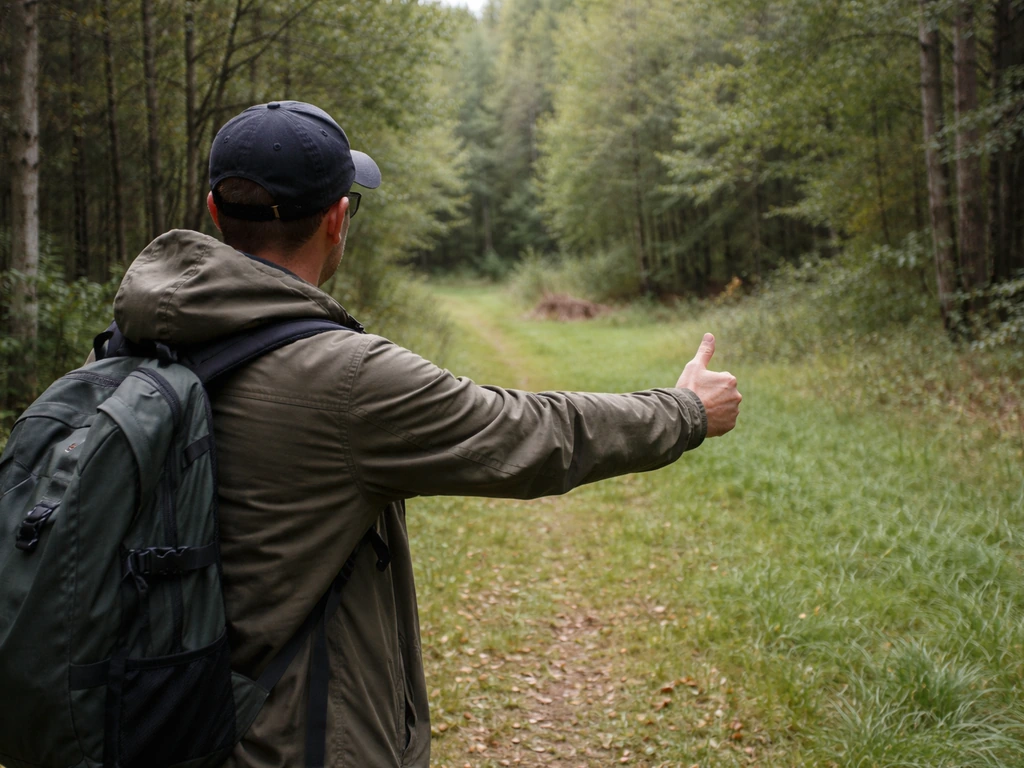
If you saw something that looked like a bird attacking or carrying a deer, here's how to think through it and respond practically.
- Stay back. The Washington Department of Fish and Wildlife recommends a simple heuristic: if you extend your arm and your thumb covers the animal completely, you're probably at a safe distance. If you can see the animal clearly with your thumb extended, you're too close.
- Note the context before interpreting it. Is the deer moving? If not, it was likely already dead before the bird arrived. Is the bird feeding from the carcass or actively striking a living animal? These are very different situations.
- Take photos or video if you can do so safely and without approaching. Capture wide shots that show the full scene, not just close-ups. Wide shots are far more useful for identifying what's actually happening.
- Do not approach the carcass or the bird. Large raptors near a carcass are not a danger to you under normal circumstances, but injured wildlife can behave unpredictably, and carcasses carry their own risks (more on that below).
- Write down what you saw, including the time, location, and approximate size of both animals. This helps if you need to report the incident later.
Health risks near carcasses and scavenging birds
This is a part of the topic that often gets skipped in the excitement over the predator question, but it matters practically. If you're near a deer carcass that birds have been feeding on, there are real sanitation and disease risks to take seriously.
The CDC and National Park Service guidance is straightforward: do not touch or pick up sick or dead wildlife. Avoid contact with bodily fluids, feces, and any surfaces contaminated by a carcass. This applies whether or not birds have been present. If you need to move a dead animal (for instance, off your property), use gloves, a shovel, and double plastic bags, and wash your hands thoroughly. For guidance on disposal, contacting your local animal control agency, health department, or state veterinarian is the recommended path.
Avian influenza (HPAI) adds another layer of concern when birds are involved. If you find dead birds near the carcass or a sick bird in the area, the best action is to leave them alone. Washington State's HPAI guidance advises reporting sick or dead wild birds through the state's online reporting tool rather than touching or moving them. The agency notes that in most cases they will not pick up individual wild birds, but reporting still helps track disease spread.
If you're picking up or handling any dead bird (for instance, one found near a window or road), the CDC's West Nile Virus guidance is a useful practical reference: use gloves or an inverted plastic bag over your hand, place the bird in a second bag, seal it, and wash your hands. Avoid touching your eyes, nose, or mouth until you've cleaned up. These same precautions apply around any bird found near a carcass. If you have concerns about what bird shot residue or other contaminants around hunter-harvested carcasses involve, understanding what's in the environment matters for assessing your exposure risk.
When to call wildlife professionals or authorities
Most of the time, a bird feeding at a deer carcass is not an emergency and does not require intervention. But there are specific situations where making a call is the right move.
- If you believe a large raptor or other wildlife poses an immediate public safety threat (for example, an injured bird acting aggressively or a predator that has come into close contact with people or pets), call 911 first. Washington Department of Fish and Wildlife and most state agencies are clear that 911 is the appropriate contact for immediate public safety situations involving dangerous wildlife.
- If you find a sick or injured raptor, contact your state wildlife agency or a licensed wildlife rehabilitator. Do not attempt to handle it yourself.
- If you observed what genuinely appeared to be a predation event on a fawn or small deer by a large raptor (not just scavenging), reporting it to your state wildlife agency is worthwhile. It adds to the documented record and helps researchers track raptor behavior.
- If you have concerns about lead contamination in your area related to hunting activity and eagle scavenging, your state wildlife agency or local conservation officer is a good first contact.
- If a deer carcass is on private property and you need guidance on safe removal and disposal, contact local animal control or your county health department.
One thing worth keeping in mind: wildlife agencies are generally more helpful than people expect. They field these calls regularly and can usually tell you quickly whether what you saw warrants follow-up. A single call takes two minutes and can put your mind at ease.
Putting it all together
The bottom line is that no bird can pick up a deer. The biology doesn't support it, there's no credible documented case of it happening in North America, and every piece of evidence points the same direction. What birds can and do is feed on deer carcasses, which is a completely normal ecological behavior that often gets misread as something more dramatic.
If you're curious about how projectiles like bird shot travel across distances in hunting contexts, that's actually relevant background for understanding why gut piles and carcasses left in the field can be contaminated with lead fragments that then affect scavenging raptors downstream. The connection between hunting, carcasses, and eagle health is a real and documented issue.
Similarly, if you've encountered concerns about the lethality of hunting ammunition in other contexts, questions like whether bird shot can kill a human or whether bird shot can kill you speak to the broader picture of how these materials move through ecosystems and affect wildlife, including the scavenging raptors that interact with deer carcasses. Understanding the full chain helps you make better decisions when you encounter these situations in the field.
When you see dramatic wildlife footage, the most practical instinct is skepticism about the narrative around it, not the footage itself. Birds near deer are real. Birds eating deer carcasses are real. Birds carrying deer through the air is not.
FAQ
If I see a large bird lift something heavy near a deer, what are the most likely explanations?
The most common scenario is scavenging (the deer was already dead and the bird is feeding). Less often, it is a misread size issue, a bird grabbing a smaller animal on the ground near the deer, or a bird carrying only a small portion (like a chunk of tissue) rather than the whole carcass.
How can I tell whether the deer was alive when the bird arrived?
Look for context clues rather than the bird’s posture: scavengers often appear after the initial death event, multiple scavengers may be present over time, and trail-camera style sequences (full-length footage) usually show a bird arriving, feeding, and leaving without any consistent “lift and fly” behavior.
Do bald eagles ever carry any deer-related items, like parts of a carcass?
They can sometimes move small food items or tear pieces, but “carrying a deer” is different from relocating a fragment. If you see a bird disappear with something, the key check is whether it is actually transporting the deer’s mass, which is not supported by the birds’ carrying capacity discussed in the article.
Why do some videos look like a bird is flying off with a deer even when it probably is not?
Cropping, zooms, and mid-scene starts are major contributors. A clip that begins after the deer is already down can make later feeding look like the kill. Distance and camera compression can also make a distant fawn or rabbit seem much larger relative to the bird.
What if the bird repeatedly returns to the same deer, does that mean it’s hunting?
Not necessarily. Returning to a carcass can simply indicate that food is available and the bird is feeding over time. Predators typically show a more consistent hunt sequence, while scavengers show repeated feeding at the same location without evidence of lifting prey away.
Are turkey vultures included in the “no bird can pick up a deer” rule?
Yes. Turkey vultures are frequently involved in deer carcass feeding, especially in colder seasons, but they feed by landing and eating. Their behavior does not involve carrying a deer off through the air.
What should I do if I find a deer carcass and notice lots of raptors around it?
Assume scavenging is underway and avoid handling the carcass yourself. If you need to move anything, follow local wildlife or health guidance, and use protective gear to reduce contact with fluids and contaminated surfaces.
What if I see a sick or dead bird at the deer carcass, is it safe to investigate?
Do not touch it. Bird die-offs near carcasses can be linked to disease risks, including avian influenza concerns. Reporting dead or sick wild birds to the appropriate state or local reporting channel is the safer next step.
Does lead exposure risk apply mainly to bald eagles, or to other scavengers too?
The article highlights bald eagles as having the highest lead risk among deer carcass scavengers in New York State, but other scavengers can also be affected depending on conditions. If carcasses may contain spent ammunition fragments, assume lead exposure is possible for any birds feeding on them.
Should I call a wildlife agency if I see a bird near a deer carcass?
Usually it is not an emergency, but calling can still be worthwhile if you are unsure what you saw. Agencies can often confirm whether it matches normal scavenging patterns or whether there is an unusual injury or disease situation.
Next Article
Can Bird Shot Kill a Human? Safety, Risk, and First Aid
Explains if birdshot can kill, what factors affect lethality, and immediate first aid and prevention steps after a hit.