
Birdshot can kill a turkey, but it won't do so reliably unless several conditions line up correctly: the right shot size (no smaller than #4 and no larger than #2 for most setups), a tight choke, a range under 40 yards, and a well-placed shot at the head and neck. If you are wondering whether bird shot is lethal, this same idea applies: lethality depends on shot size, choke, range, pattern density, and placing the pellets into the head and neck is bird shot lethal. Miss any one of those factors and you're far more likely to wound the bird than cleanly kill it. That distinction matters enormously for both ethical and practical reasons. For deer, the same idea applies: small, light pellets from birdshot often lack the penetration needed for a reliable, humane kill ethical and practical reasons.
Will Bird Shot Kill a Turkey? Humane, Legal, Practical Answer

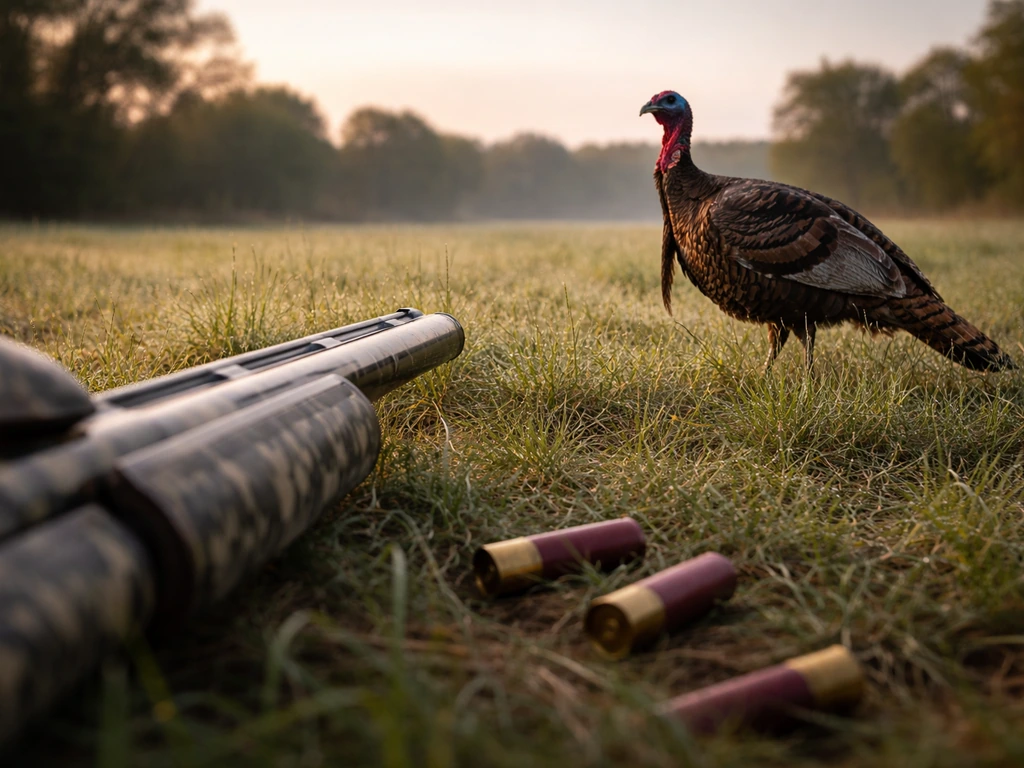
What actually determines whether birdshot will kill a turkey
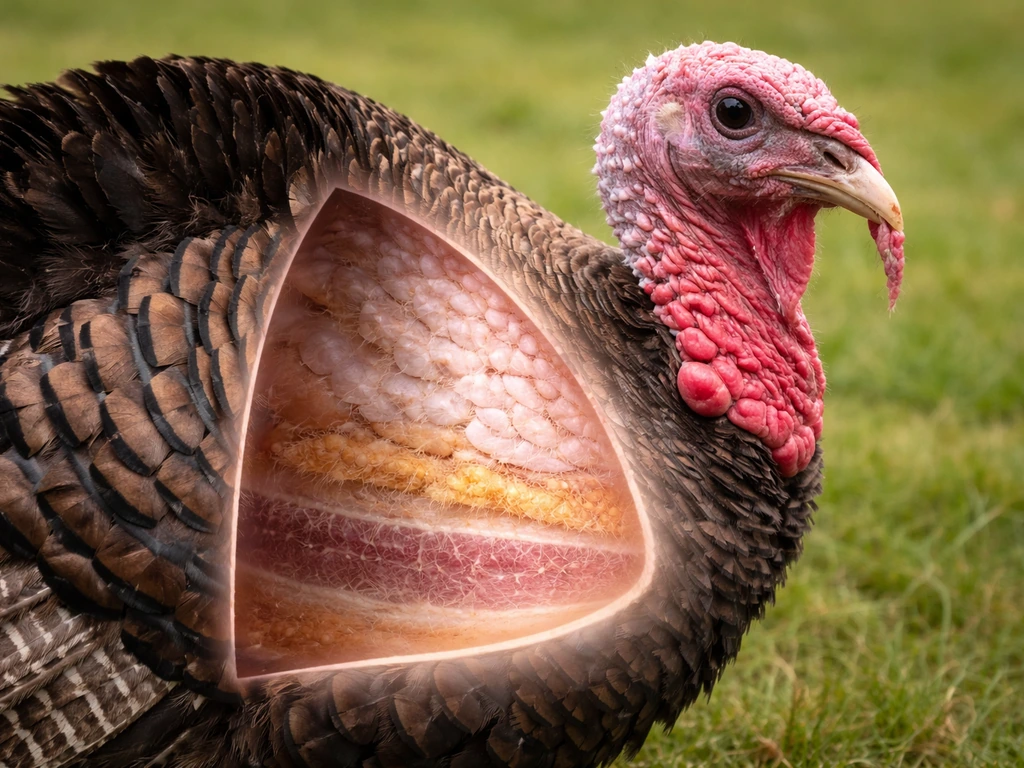
Turkeys are surprisingly tough animals. A mature tom can weigh 20 pounds or more and carries thick feathers, a dense body, and a strong survival instinct. Birdshot that works fine on a pheasant or dove simply doesn't have the same stopping power on a bird this size unless you're deliberate about every variable.
Shot size
For turkey hunting, the practical consensus from state wildlife agencies is #4 to #6 shot, with #4 being the heavier end that carries more energy per pellet. Mississippi State University Extension points out that larger pellets like #4 carry more energy and need fewer on-target hits to be effective. Smaller shot like #7.5 or #8 just doesn't penetrate deeply enough through feathers and tissue to reliably reach vital areas. State regulations reflect this: New Jersey, for instance, allows no shot larger than #4 and no shot smaller than #7.5 for turkey hunting, while Oregon caps the upper end at #2. If you're using fine target loads or the smallest birdshot, expect wounding rather than a clean kill.
Choke and pattern density
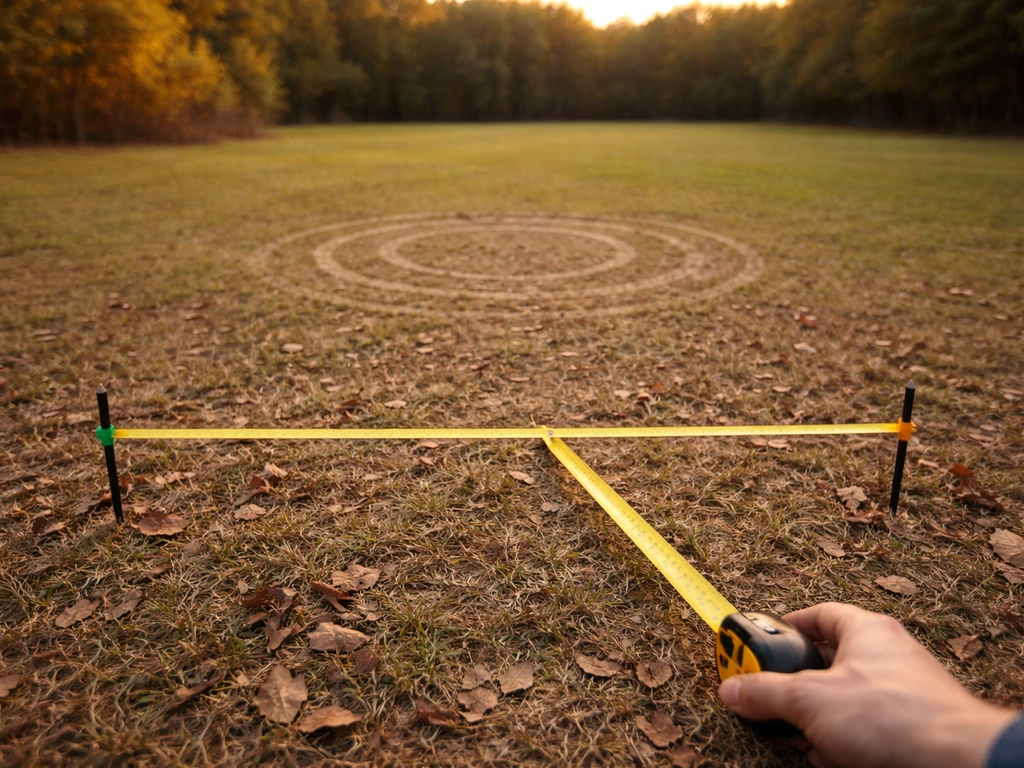
A turkey's kill zone, which is the head and upper neck, is roughly the size of your fist. To reliably fill that zone with enough pellets at hunting ranges, you need a tight choke, typically a full or extra-full turkey choke. A more open choke spreads the pattern too wide too fast, leaving gaps that can mean zero pellets connect with the vital zone even when the overall shot looks on target. Pattern density, meaning how many pellets land in a 10-inch circle at your intended shooting distance, is the real test. Lethality depends on both penetration and pattern density hitting the front half of the bird's body, particularly the head and neck.
Range
Range is where most marginal setups fall apart. Alabama's extension wildlife program recommends letting the bird work in to 20 to 35 yards before shooting, and lists that range as the effective zone for most shotguns. Alabama A&M and Auburn’s ANR-0634 “Pattern Your Shotgun for Wild Turkey” guidance also recommends letting a turkey work in to 20 to 35 yards before shooting letting the bird work in to 20 to 35 yards before shooting. New Mexico's hunter education materials extend this to 45 yards with the right load and patterning, but that requires you to have already verified your specific gun, choke, and load combination at that distance. Past 40 yards, pellet energy drops and pattern spreads enough that marginal setups become unreliable. At very close range (under 15 yards), the pattern can actually be too tight, sending all pellets through a small spot rather than covering the head and neck zone. The practical takeaway: if the turkey is beyond 40 yards or the exact distance is uncertain, the shot is risky.
Shot placement
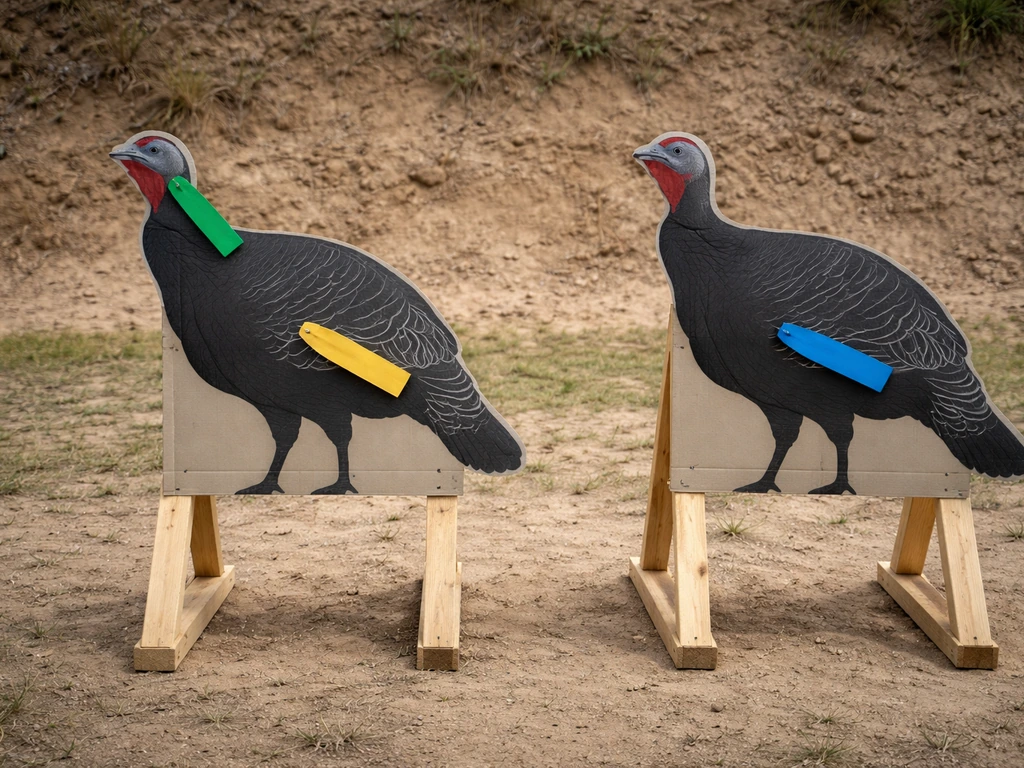
Oregon Fish & Wildlife is blunt on this point: the best shot is at the head, ideally when the turkey's head is outstretched away from its body. A body shot with birdshot on a turkey is a recipe for a wounded bird. The feathers and muscle mass of the body can stop pellets before they reach vital organs. The head and upper neck, by contrast, have no such protection, and a solid hit there drops the bird quickly and humanely. If you don't have a clear head shot, waiting is always the right call.
Gauge and load
Most state regulations allow 10-gauge through 20-gauge for turkey hunting. A 12-gauge with a quality turkey load is the standard choice, and for good reason: it delivers the payload volume needed for adequate pattern density. A 20-gauge can work at closer ranges with the right choke and load, but the margin for error is much tighter. Regardless of gauge, use turkey-specific loads rather than field or target loads. The difference in pellet count, shot hardness, and velocity is significant.
| Factor | What helps | What hurts |
|---|---|---|
| Shot size | #4 to #6 turkey loads | #7.5 or smaller / fine target loads |
| Choke | Full or extra-full turkey choke | Modified or open choke |
| Range | 20 to 35 yards (confirmed with patterning) | Over 40 yards or unknown distance |
| Placement | Head and upper neck, head outstretched | Body shot, angled or moving head |
| Gauge/load | 12-gauge turkey-specific loads | Light field loads or 28-gauge |
What happens when birdshot doesn't cleanly kill a turkey
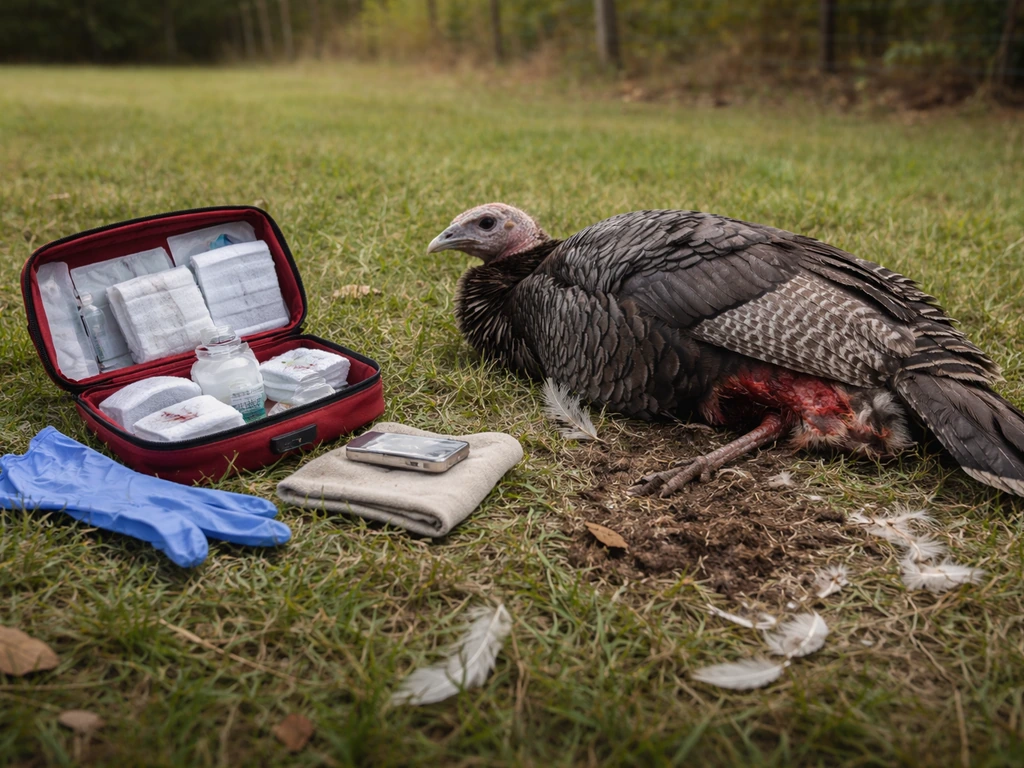
A wounded turkey is a serious problem. Turkeys can run and flush with injuries that would stop a smaller bird entirely. A hit that wounds the body rather than the head can leave the bird with broken wings, embedded pellets, or internal injuries while still mobile enough to disappear into brush. At that point, recovery becomes very difficult and the bird faces a prolonged, painful death.
Body hits with small shot are especially problematic because the pellets often don't penetrate far enough to reach vital organs but do enough damage to cause suffering. This is the core reason why the advice to pattern your gun, confirm your range, and only take head shots exists. A turkey that flops on the ground after a shot may look dead but isn't necessarily so. Oregon Fish & Wildlife specifically notes that turkeys can flop on the ground for several seconds, even up to a minute, after a lethal hit, which can create confusion about whether the shot was clean.
If you're in a situation where the setup doesn't meet the criteria above (wrong shot size, unknown range, no clear head shot, no patterning done), the humane choice is not to shoot. A wounded turkey that escapes suffers, and depending on your jurisdiction, you may bear legal responsibility for that outcome.
If you think you hit a turkey: what to do right now
The moments immediately after the shot are critical. Here's what to do in order.
- Keep your gun ready and approach the bird carefully. Oregon Fish & Wildlife recommends keeping the gun pointed at the bird even if it appears down. A turkey that looks dead can still be alive and capable of injuring you with its spurs.
- Look for a clean drop versus a flush or run. A bird that dropped immediately on the spot and isn't moving is likely a clean head/neck hit. A bird that ran, flushed, or staggered before going down may be wounded rather than dead.
- Check for reflexive movement. Turkeys can flop and convulse for up to a minute after a lethal hit. This is nerve activity, not survival. Give it a moment before concluding the bird is alive.
- Confirm death before handling. A still bird may be playing dead or simply stunned. Approach from behind, watch the eye for blinking and the chest for breathing. If the bird isn't dead, take a follow-up shot immediately to end its suffering.
- Mark the last known location if the bird moved. If the turkey ran or flushed, mark where you last saw it and search methodically. Look for feathers, blood, and tracks. A mortally wounded turkey often goes 50 to 100 yards before going down.
- If you can't find the bird within a reasonable search, stop pushing. Continued pressure can scatter a downed bird further. Wait 20 to 30 minutes, then search again in a widening circle.
- If the turkey is still alive and you cannot humanely dispatch it, contact your state wildlife agency or a licensed wildlife control operator immediately. Do not leave a wounded animal.
Legal, ethical, and safety realities you need to know
Shooting turkeys is regulated in every state, whether you're hunting or dealing with a nuisance bird. There is no general "right" to shoot a wild turkey on your property without a permit or valid hunting license during an open season. Getting this wrong has real consequences.
- Hunting turkeys requires a valid license and compliance with season dates, bag limits, and equipment regulations. Shot size restrictions are specific and vary by state (for example, #4 to #7.5 in New Jersey, no larger than #2 in Oregon, no larger than #4 in Massachusetts and Alabama).
- Lethal removal of nuisance turkeys outside of hunting seasons typically requires a depredation permit. The Michigan DNR, for instance, explicitly notes that lethal removal requires applicable permits and isn't something done opportunistically.
- Shooting in or near residential areas introduces safety concerns beyond the turkey itself. Birdshot travels significant distances and can cause injury to people, pets, and property. The effective lethal range for a turkey doesn't define the safe travel range of the pellets.
- Wounding and losing a turkey may still constitute a legal take in many jurisdictions, meaning you could face regulatory consequences even if the bird isn't recovered.
- Discharging a firearm is prohibited within city limits or near structures in most jurisdictions, regardless of the target.
- If you're reading this because a turkey is being aggressive or is a nuisance, lethal force is almost never the right first step legally or practically. Contact your state wildlife agency before taking any action.
The ethical side is equally important. Using birdshot on a turkey in a setup that's unlikely to cleanly kill it (wrong shot size, too far, no pattern testing, body shot) isn't an acceptable risk to take. The suffering a wounded bird experiences is preventable. If the setup isn't right, don't shoot.
Better options: non-lethal ways to deal with problem turkeys
If a turkey is causing problems around your home or property, there are effective, legal, and non-lethal approaches that work well and don't carry the legal and ethical risks of shooting. The USDA APHIS “Don’t Feed Wildlife” guidance recommends removing or avoiding food sources because feeding can keep wildlife in the area and increase the risk of conflict blank" rel="noopener noreferrer">hazing, habitat management, and professional help. In a home-defense context, birdshot is generally a poor choice because it may not reliably stop a threat birdshot for home defense.
- Stop all bird feeding immediately. Supplemental food is the single biggest reason turkeys hang around human spaces. The Massachusetts Division of Fisheries and Wildlife notes that bird feeders create unnatural feeding sites that keep wildlife nearby and increase disease transmission risk. Remove the food source and turkeys often move on within days.
- Haze the birds actively. Florida FWC recommends direct hazing to restore a turkey's natural fear of people. This means chasing, making noise, using water from a hose, or using an umbrella opened suddenly near the bird. Do it every time the turkey approaches. Consistency matters.
- Use motion-activated deterrents. Michigan DNR recommends motion-activated sprinklers and flashing lights as effective deterrents at roost sites and feeding areas.
- Modify the habitat. Remove brush piles, low vegetation, and food sources like fallen fruit or unsecured compost that attract turkeys to your property.
- Contact a licensed professional. New York State DEC recommends contacting a licensed Nuisance Wildlife Control Operator (NWCO) for legal removal when other methods fail. This is the correct path if a turkey is aggressive or causing property damage.
- If the situation requires lethal action, let a professional handle it. USDA APHIS Wildlife Services and state wildlife agencies can authorize and conduct humane lethal removal when warranted. Don't take this into your own hands.
The key takeaway here is that birdshot can kill a turkey under the right conditions, but those conditions are specific, require preparation (pattern your gun, confirm your range, use the right load), and are only legally available in defined hunting contexts. Outside of a regulated hunting situation with the right setup, the far better answer to a problem turkey is hazing, habitat management, and professional help. If you're approaching this from a hunting perspective and want to go deeper on how birdshot performs more broadly, the lethality question comes up in similar ways when people ask whether birdshot is effective for other targets or situations, and the same core factors of range, pattern density, and shot placement always apply.
FAQ
How do I know my gun and load will place enough pellets in the head and neck zone?
Pattern your exact shotgun and load by shooting at the distance you expect (or the maximum legal/effective distance you plan to use), then count how many pellets land in a 10-inch circle. If the count in the head and upper neck area is inconsistent, the humane answer is to choose a different load or different choke, or pass on the shot.
If the turkey collapses after a birdshot hit, is it definitely dead? (What if it moves?)
A turkey that falls or flops right after the shot is not proof of a clean kill. Wait for clear signs of death before approaching, and if the bird gets up or continues moving, you may need follow-up action consistent with your local hunting rules and safety guidance.
Can I substitute a field or target load if it uses the same shot size as a turkey load?
Turkey-only loads are designed for pellet velocity and pellet count that produce usable pattern density at the ranges you aim for. Field or target loads can drop velocity, change pellet hardness, or reduce effective pattern density, which increases the odds of wounding even if shot size looks similar.
Is birdshot still practical at 40+ yards if I have a good choke?
Yes, but it raises the margin for error. At longer ranges you need tighter patterns and higher pellet energy, otherwise gaps appear in the vital area. If you cannot verify patterning at that specific distance, it is safer to shorten the shot and let the bird move into range.
What matters more, overall pellet hits or pellet placement in the head/neck?
Do not rely on “most pellets hit the bird” as a standard. Many marginal setups still miss the head and upper neck zone even when the body looks struck, because the pattern spreads and turkeys turn quickly. The decision rule is whether you can confidently hit the head and upper neck with the pattern you observed at range.
What should I do if I cannot accurately judge the turkey’s distance?
If you do not know your range, assume you are farther than you think and pass. Turkey hunting distances are often overestimated or underestimated due to terrain and how the bird feeds. A good next step is to practice judging distance on similar terrain before you hunt.
If I change choke or barrel, do I need to re-check pattern density?
Choke affects pattern tightness, but it does not fix a wrong shot size or a load that does not hold velocity at your range. If you swap chokes, you should re-pattern the gun with that choke and the exact load, because pellet count in the pattern can change noticeably.
What legal mistakes commonly happen when people try to shoot a turkey with birdshot? (Permits, season, shot restrictions)
In many areas, turkey shooting is restricted to designated seasons, legal weapons, and specific ammunition restrictions. If you shoot without the correct permit or outside the season, you can face penalties even if the shot was “humane.” Check your state regulations for both legal timing and legal shot size limits.
Is shooting at very close range safer, or can it be worse with birdshot?
“Under 15 yards” can be counterproductive with some setups because the pattern may be too tight and fail to cover the full head and upper neck area, or the pellets may not distribute well. If you expect very close shots, test patterning for that distance and consider whether your choke/load combination is appropriate.
If I cannot get a clean head shot, should I take a body shot anyway? What’s the humane alternative?
A body shot is the highest-risk scenario for suffering, because small pellets may damage tissue without reaching vital organs. If the shot is not clearly a head shot, the best ethical action is to wait, reposition, or choose a non-lethal approach depending on the situation.
If a turkey is causing trouble around my property, what are safer non-lethal options than shooting?
If you have a turkey problem near your home, non-lethal options like hazing, exclusion (closing entry points), and habitat modification can reduce return visits without the injury risk of birdshot. In many jurisdictions, nuisance wildlife still has specific legal requirements, so check local rules before acting.