
No, you should not punish your dog for killing a bird. Punishment after the fact doesn't work the way most people hope it will, and it can actually make things worse. What you should do instead is handle the immediate situation calmly, keep everyone safe, and then put your energy into training and management that actually reduces future predation. If you're wondering can you scare a bird to death, the better approach is to focus on management and interruption so the hunt never escalates.
Should I Punish My Dog for Killing a Bird? What to Do

Maya Chen
29 May 2026
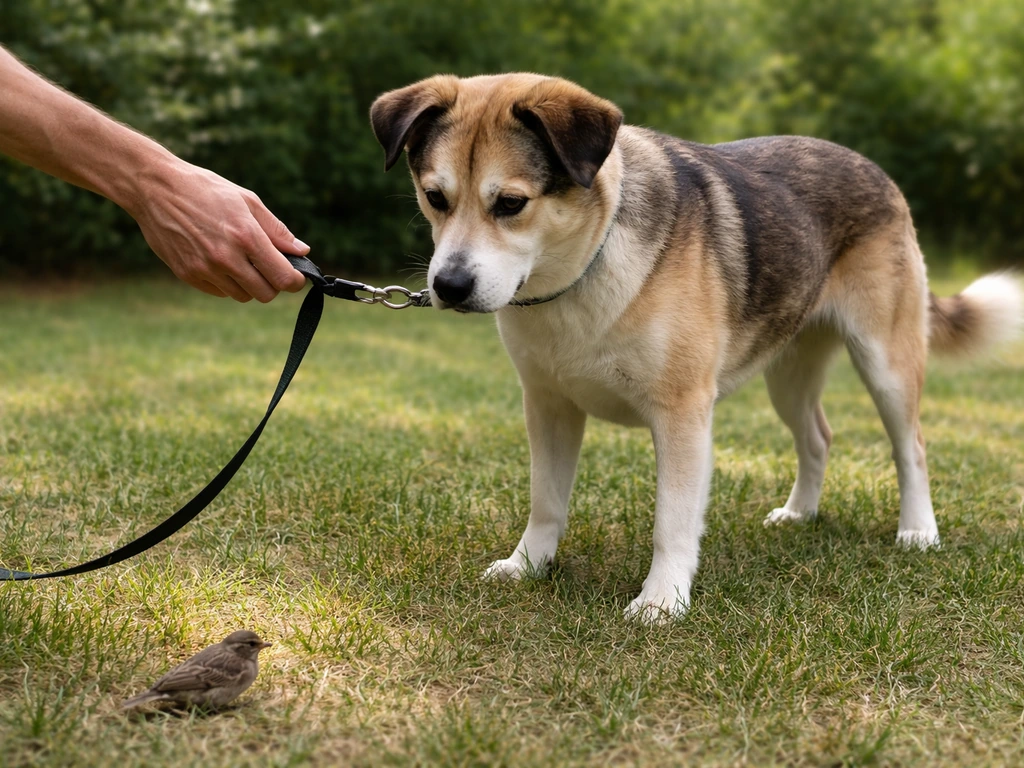
Immediate steps after your dog kills a bird
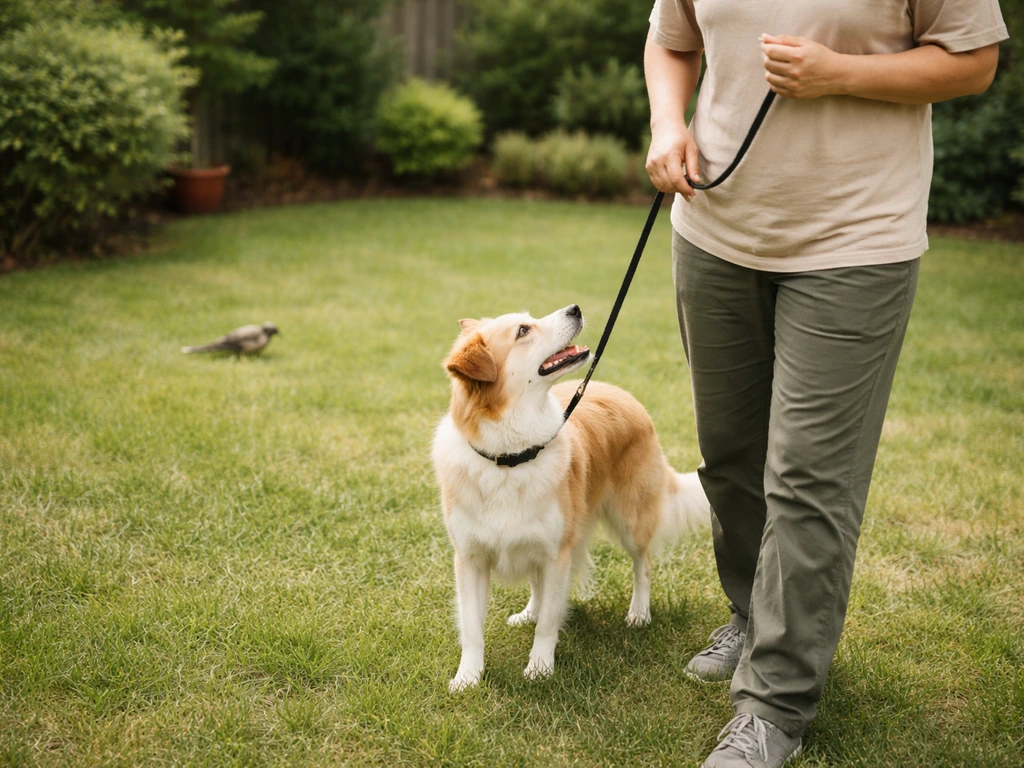
The first few minutes matter more for safety than for scolding. Here's what to do right away.
Get your dog away from the bird calmly. Use a leash or call them to you with a treat. Don't yell or grab, you want to reduce excitement, not spike it. Once your dog is away from the scene, check them over quickly for any obvious wounds, scratches, or punctures. Birds can scratch and peck even when injured, and raptors (hawks, owls) can do real damage with their talons. If you see any wounds, wash them with soap and water and contact your vet.
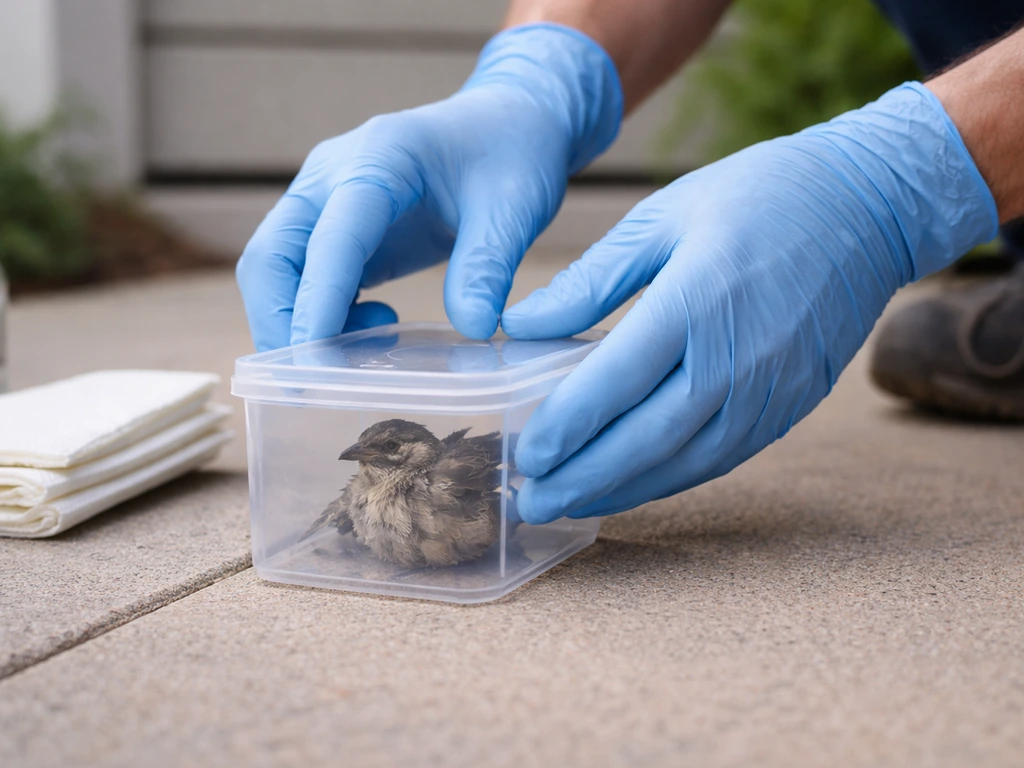
Next, handle the bird remains safely. Wear disposable gloves or use an inverted plastic bag over your hand to pick up the carcass, then seal it in a garbage bag. The CDC recommends this exact approach for dead birds specifically because of disease surveillance concerns. Wash your hands with soap and water afterward, or use an alcohol-based hand gel if soap isn't available. Avoid touching your face before washing.
Check whether the bird looked sick before your dog caught it. A bird that was easy to catch, sitting on the ground, or acting disoriented may have already been ill. If you suspect the bird was diseased or if there's any avian influenza activity in your area, contact your local animal control or wildlife agency for guidance on disposal. If your dog mouthed, chewed, or ate part of the bird, mention this to your vet.
Finally, make sure your dog's rabies vaccination is current. A vaccinated dog bitten or scratched by a wild bird is in a much lower risk category than an unvaccinated one. If your dog's vaccine is out of date or you're unsure, call your vet. It's a quick and reassuring conversation to have.
Should you punish? Why it often backfires
The urge to scold or punish your dog is completely understandable, but it rarely accomplishes what you want. Dogs don't connect punishment applied after the event with the act that caused it. By the time you're standing over a dead bird expressing your disapproval, your dog has already moved on mentally. The predatory sequence (chase, grab, shake) is a hardwired behavior, not a moral failing. They aren't being defiant, they're doing something that feels entirely natural to them.
Punishment in this context tends to produce one of a few unhelpful outcomes. Your dog may become anxious or fearful around you without understanding why. They may learn to hide predatory behavior from you rather than stop it, which is actually more dangerous. And it does nothing to build the skills (like a solid recall or reliable 'leave it') that would actually prevent the next incident.
The goal here isn't to assign guilt. It's to prevent it from happening again. That requires a completely different approach.
Safer interruption and cleanup (and when to call a vet)
If you catch your dog in the act or just after, interrupt calmly rather than explosively. A sharp, neutral 'leave it' or calling your dog's name in a normal voice is more effective than yelling. Reward the moment they disengage and come to you. This is the foundation of what you'll train more formally later.
For cleanup, here's the short version: gloves on, bird into a sealed bag, hands washed. Don't let kids handle the carcass. If you have other pets who might investigate the area, clean the spot and keep them away until it's fully cleared.
Call your vet if: your dog was scratched or bitten by the bird and has visible wounds; your dog ate part of the bird and you're concerned about parasites or toxins; the bird appeared sick or was near a known disease outbreak area; or your dog's rabies vaccine is overdue. These are all situations where a quick vet call gives you peace of mind and a clear action plan.
Training instead: recall, leave it, drop it, and leash control
This is where your actual prevention work happens. You can't fully eliminate a dog's prey drive, but you can build reliable habits that interrupt it before it escalates.
Start with 'leave it.' This command teaches your dog that ignoring something interesting earns a better reward. Begin with low-stakes items (a piece of food on the floor) before working up to higher-value distractions. Practice it daily in short sessions, and always reward with something your dog genuinely loves.
'Drop it' is different and equally important. It teaches your dog to release something already in their mouth. Use it consistently during play with toys so that by the time it matters in a real situation, it's well-rehearsed. Never chase your dog when they have something, that turns it into a game and makes 'drop it' harder to use.
A strong recall (coming when called) is your most powerful safety tool. Proof it in distracting environments: near other dogs, near movement, near birds at a distance. Use extremely high-value rewards for recall, things your dog almost never gets. The recall has to be more rewarding than whatever your dog is chasing.
Counterconditioning and desensitization work well for dogs with strong bird fixation. The idea is to repeatedly expose your dog to birds at a distance where they can notice but not react, then reward calm behavior. Gradually close that distance over many sessions. This changes the emotional association from 'exciting prey' toward 'that thing that makes treats appear.' It takes time, but it genuinely works.
Leash control is your backup for all of this. Until your training is solid, leash your dog in areas where birds are likely. A long line (15 to 30 feet) gives your dog some freedom while keeping you in control. Don't rely on voice commands alone in high-distraction environments until those commands are truly reliable.
Prevent future bird encounters at home and on walks
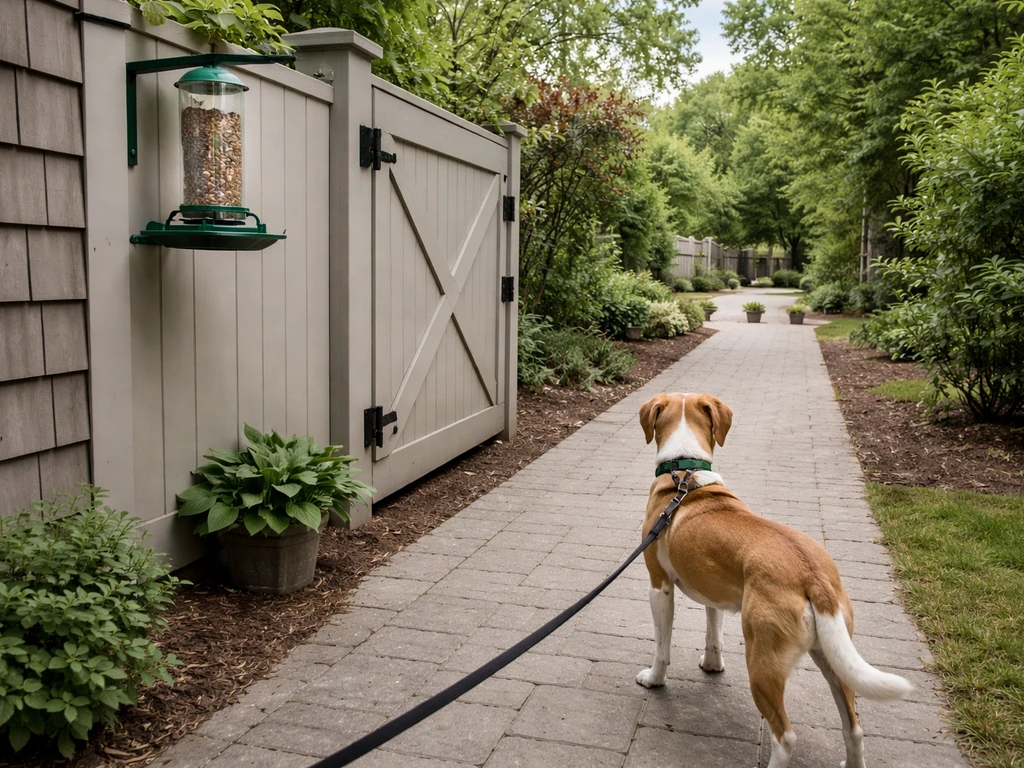
Management reduces opportunity, and opportunity drives behavior. The fewer chances your dog has to practice predation, the easier training becomes.
- Move bird feeders out of your dog's reach or remove them entirely while you're working on training. Feeders concentrate birds on the ground, which is a setup for predation.
- Supervise your dog in the yard rather than leaving them out unsupervised, especially in dawn and dusk hours when birds are most active on the ground.
- Use a physical barrier like a fence or exercise pen to limit access to parts of the yard where birds tend to congregate.
- On walks, avoid routes through areas with dense bird activity (ponds, park lawns, brushy areas) until your 'leave it' and leash manners are consistent.
- Keep your dog on leash near water, where ground-foraging birds are common and approach in close range.
- If you have chickens or backyard poultry, a separate, secure run is essential. Don't assume even a well-trained dog is reliable around birds they see regularly.
The sibling topic of what to do about a bird-killing cat covers similar management ideas for multi-pet households where both cats and dogs may have access to outdoor birds. That sibling topic also covers whether a cat can scare a bird to death in multi-pet homes can a cat scare a bird to death. The management principles overlap considerably.
Bird safety and health risks: myths vs realities
The most common worry after a dog kills a bird is disease transmission. Here's what's actually worth paying attention to and what you can largely set aside.
| Concern | Reality | What to do |
|---|---|---|
| West Nile Virus | CDC states there's no evidence people can get infected from handling dead infected birds. Risk to dogs is also very low. | Use gloves for cleanup; no special action needed for your dog. |
| Avian Influenza (Bird Flu) | Genuine concern in areas with active outbreaks, especially if the bird was visibly ill. Rare but real. | If bird appeared sick or flu is active locally, wear gloves, bag the carcass, and call your vet if the dog had contact. |
| Rabies | Birds are not typical rabies vectors, and a vaccinated dog has very low risk even from a bite or scratch. | Keep rabies vaccination current; call a vet if your dog's vaccine is out of date. |
| Parasites (roundworm, Giardia) | Dogs can carry and spread roundworm (Toxocara) and Giardia, but the risk specifically from consuming a wild bird is low. Regular deworming is the main protection. | Keep up with routine parasite prevention and testing; mention the incident at your next vet visit. |
| Salmonella / Campylobacter | Wild birds can carry these bacteria. A dog that ate part of a bird could theoretically be exposed, but many healthy dogs clear it without symptoms. | Watch for GI symptoms (vomiting, diarrhea) in the days after the incident and report to your vet if they appear. |
The bottom line on health risk: use basic precautions (gloves, hand washing, proper disposal) and you've done what the CDC and veterinary guidance actually recommends. CDC notes you are unlikely to get a Giardia infection from your dog or cat, but giardia is shed in feces and good hygiene still matters. You don't need to panic, but you do need to be sensible.
When to escalate: recurring predation or injuries
If this is a one-off event, the training and management steps above are enough for most dog owners to handle on their own. But some situations call for professional help.
Consider contacting a certified professional dog trainer (CPDT-KA) or a veterinary behaviorist if your dog regularly hunts and catches birds, if your dog's prey drive is so intense that they can't be redirected even at a distance, if your dog has injured you while lunging at birds, or if you have backyard poultry or pet birds that are genuinely at risk. A professional can do an actual behavior assessment, tailor a desensitization protocol to your specific dog, and give you a realistic picture of what's achievable.
A veterinary behaviorist (a board-certified specialist, not just any vet) is worth seeking out if the predatory behavior is paired with other concerning behaviors, like aggression toward people or extreme anxiety. In some cases, medication combined with behavior modification produces significantly better outcomes than training alone.
If a protected migratory bird was killed, especially a raptor or songbird, you may want to briefly check your local wildlife laws. In most cases a single predation event by a pet isn't a legal issue, but if you live somewhere with recurring complaints or a protected species concern, your local wildlife agency is the right contact.
The takeaway: punishing your dog won't fix this, but a realistic combination of management, consistent training, and professional help when needed will get you a lot further. Focus on prevention and on building the specific skills (recall, leave it, drop it) that give you actual control in the moments that matter.
FAQ
What if I already yelled or tried to punish my dog right after the bird incident?
Don’t try to “make up for it” with more scolding later. Instead, switch to a calm, scripted routine, reward any disengagement you can reliably get (even if it’s just a half-step away), and focus on training “leave it” on non-bird distractions this week. If the dog seems more fearful of you or hides when outdoors, stop correcting and work with a trainer to prevent associating your presence with punishment.
Should I punish my dog if I find a bird dead later and my dog isn’t caught in the act?
No. If you cannot interrupt the behavior, punishment won’t link to the action and can increase secrecy or avoidance. Focus on management (leash or secure outdoor setup), proofing recall and “leave it” in bird-like environments at distance, and checking for access pathways that make predation easy.
Is it ever appropriate to use a consequence like a time-out or removing the dog from the yard?
Use management, not punishment. Removing access to birds immediately after the fact is fine, but avoid any angry interactions around the carcass or your dog. A practical approach is to take the dog inside calmly, leash for a period, clean the area, then resume normal routines while you train “leave it,” “drop it,” and recall.
My dog growls or won’t let me near them when the bird is in their mouth. What should I do?
Don’t reach in, don’t yank the leash aggressively, and avoid turning it into a tug-of-war game. Try to interrupt with “leave it” using a high-value lure and trade (offer a better item), then practice “drop it” during toy play when the dog is calm. If your dog has a history of guarding, get help from a certified trainer before attempting exchanges during real prey events.
If my dog already ate the bird, do I still need to follow the same cleanup and vet steps?
Cleanup and hygiene still matter, but the vet conversation becomes more important. Mention that your dog may have eaten the bird, and ask whether your dog needs an exam for potential parasites, GI upset, or toxins. Also monitor for vomiting, diarrhea, lethargy, or trouble breathing over the next 24 to 48 hours.
Can a bird-killing incident mean my dog is aggressive toward people?
Not automatically. Predatory behavior is often separate from aggression, but if the dog shows human-directed aggression (snapping, biting, persistent fear, or guarding over objects you need to handle), treat it as a different safety issue. A veterinary behaviorist or certified trainer can assess both risk types and design a plan that prioritizes safe handling.
What should I do if the bird looked sick, disoriented, or easy to catch?
That changes your disposal and reporting priorities. Keep handling minimal with gloves, bag and seal the carcass, and contact your local wildlife or animal health authority for guidance in your area. Also tell your vet if your dog was scratched, bitten, or likely exposed to secretions, and ask whether any additional observation steps are warranted.
How long should I keep my dog on leash or on a long line after a bird incident?
Until you have reliable disengagement, which usually means multiple successful training and real-world interrupts. Practically, keep leash control every time birds might be present for at least several weeks while you proof recall and “leave it” in gradual, controlled sessions. If your dog repeatedly re-engages despite cues, extend management longer rather than assuming it will “click.”
What if my dog is great with “leave it” indoors, but ignores birds outside?
That’s common, because outdoor cues have higher distractions and lower accuracy. Use distance first, reward calmer choices sooner, and set up sessions where your dog can notice birds without locking on. If you can’t reliably prevent the chase at your current distance, back up and reduce intensity, then increase difficulty only after consistent success.
Is there a safe way to train “drop it” if my dog already has strong prey fixation?
Train with controlled, predictable items first, usually toys that can be exchanged repeatedly. Only practice release when your dog is willing and engaged in play, not during high arousal moments. Avoid chasing your dog to get the item, and start with short repetitions where you can deliver a genuinely higher-value reward for releasing.
Should I worry about vaccines beyond rabies?
Rabies is the main immediate concern after bites or scratches, but if your dog frequently encounters wildlife, ensure routine vaccines are up to date with your veterinarian (including core vaccinations). This doesn’t replace the cleanup precautions, but being current reduces overall health risk from broader wildlife exposures.
Next Articles
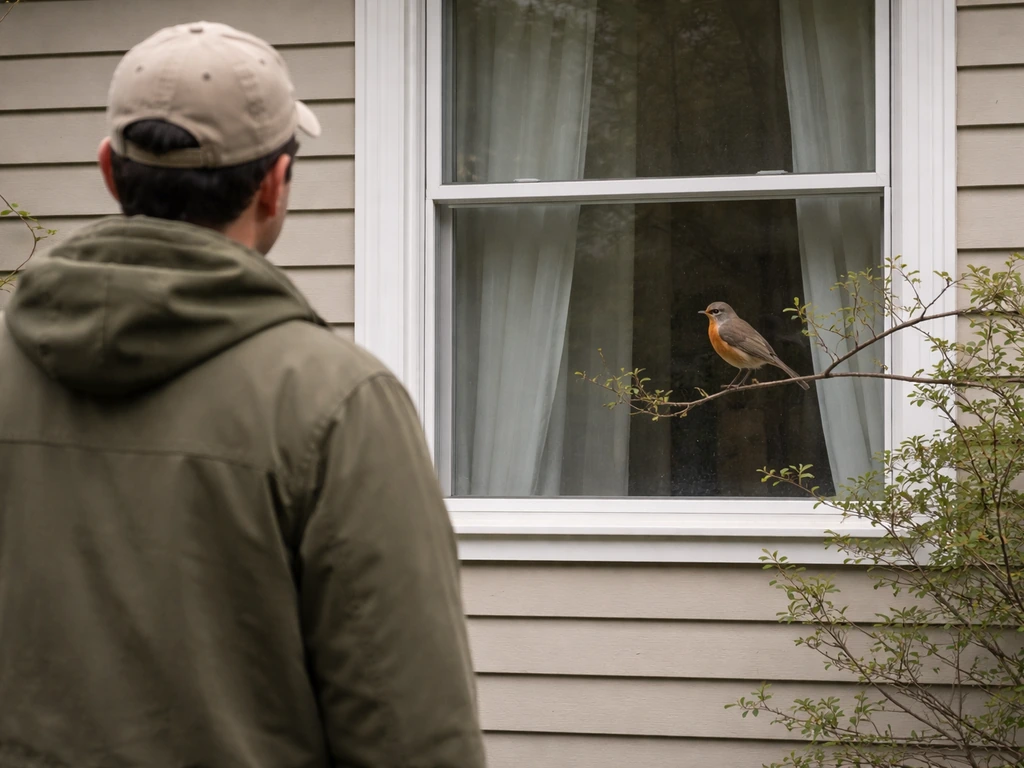
Can You Scare a Bird to Death? What Actually Happens
Find out if scaring can kill birds, what real harms happen after startles, and safer deterrent steps plus rescue tips.
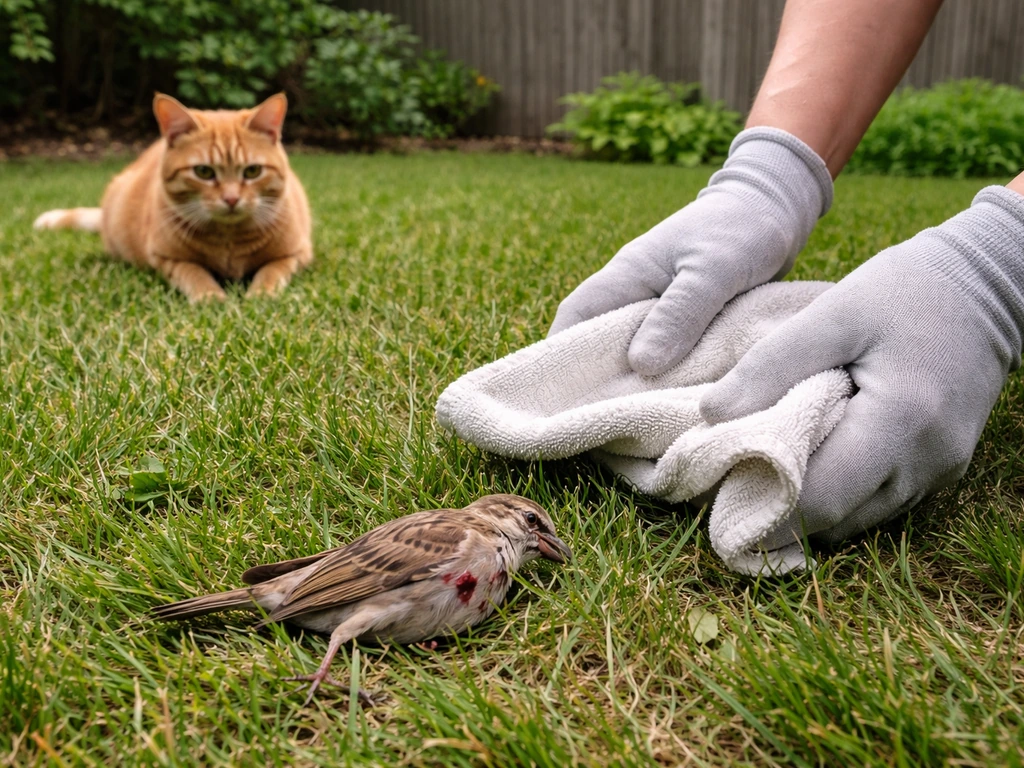
What to Do About Your Cat Killing Birds: Steps Today
Steps for handling a bird your cat killed, staying safe, reducing future hunts, and when to call a vet or rehab.
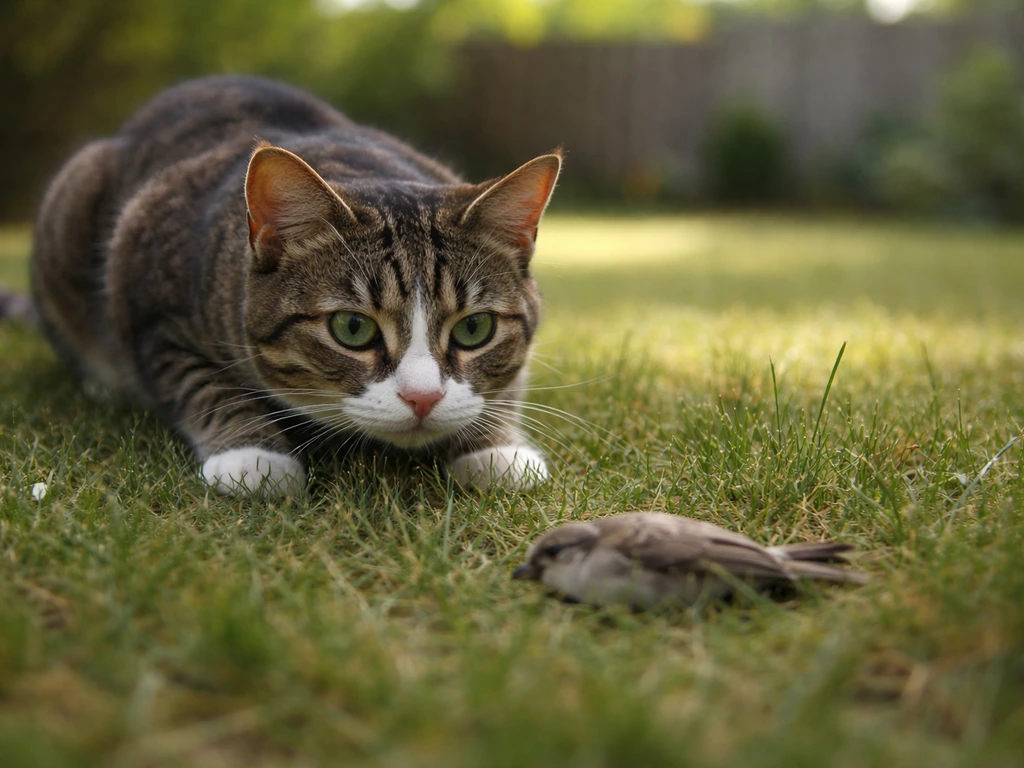
Why Did My Cat Kill a Bird? Causes and What to Do Now
Reasons a cat kills birds and what to do now, plus safety steps and prevention to stop future attacks.