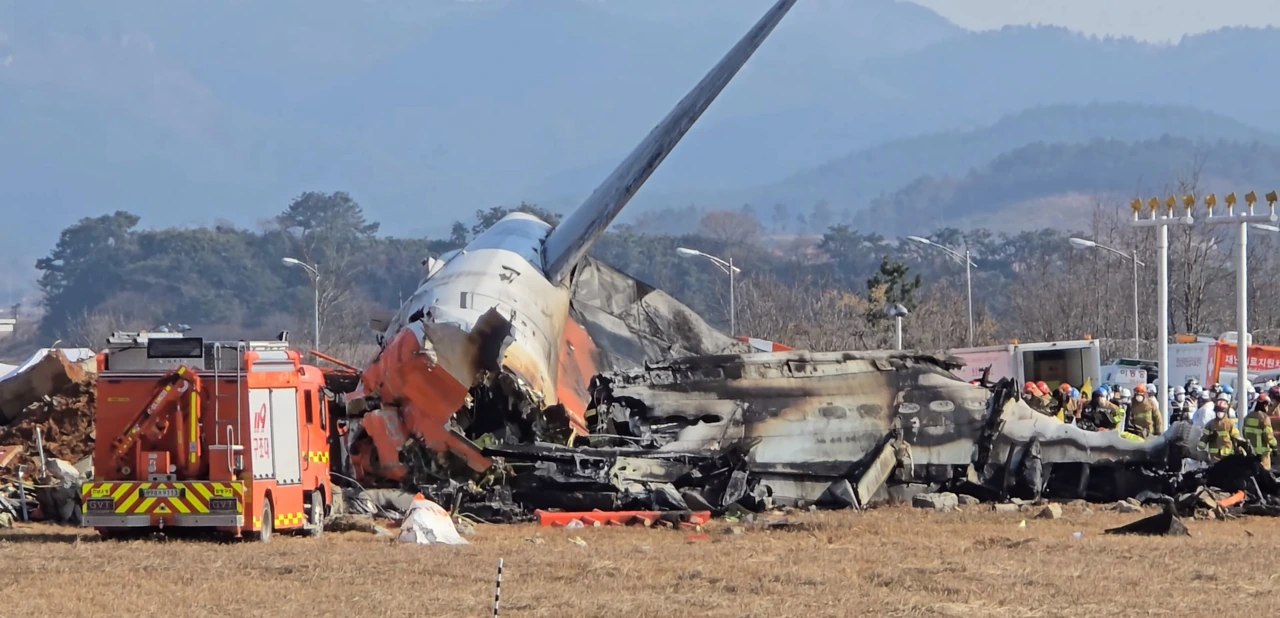
If you searched 'air india plane crash bird strike,' you are most likely looking for information about Air India Flight AI-171, a Boeing 787-8 (registration VT-ANB) that was involved in an accident at Ahmedabad on 12 June 2025. Based on early investigation findings from the Aircraft Accident Investigation Bureau (AAIB), a bird strike has been ruled out as a factor. The AAIB's preliminary report points to other causes, with ITV News reporting that fuel was cut off three seconds after takeoff. A bird strike was not behind this crash.
Air India Plane Crash Bird Strike: What to Know and Do

Maya Chen
12 May 2026
What 'air india plane crash bird strike' actually refers to (and how to confirm)

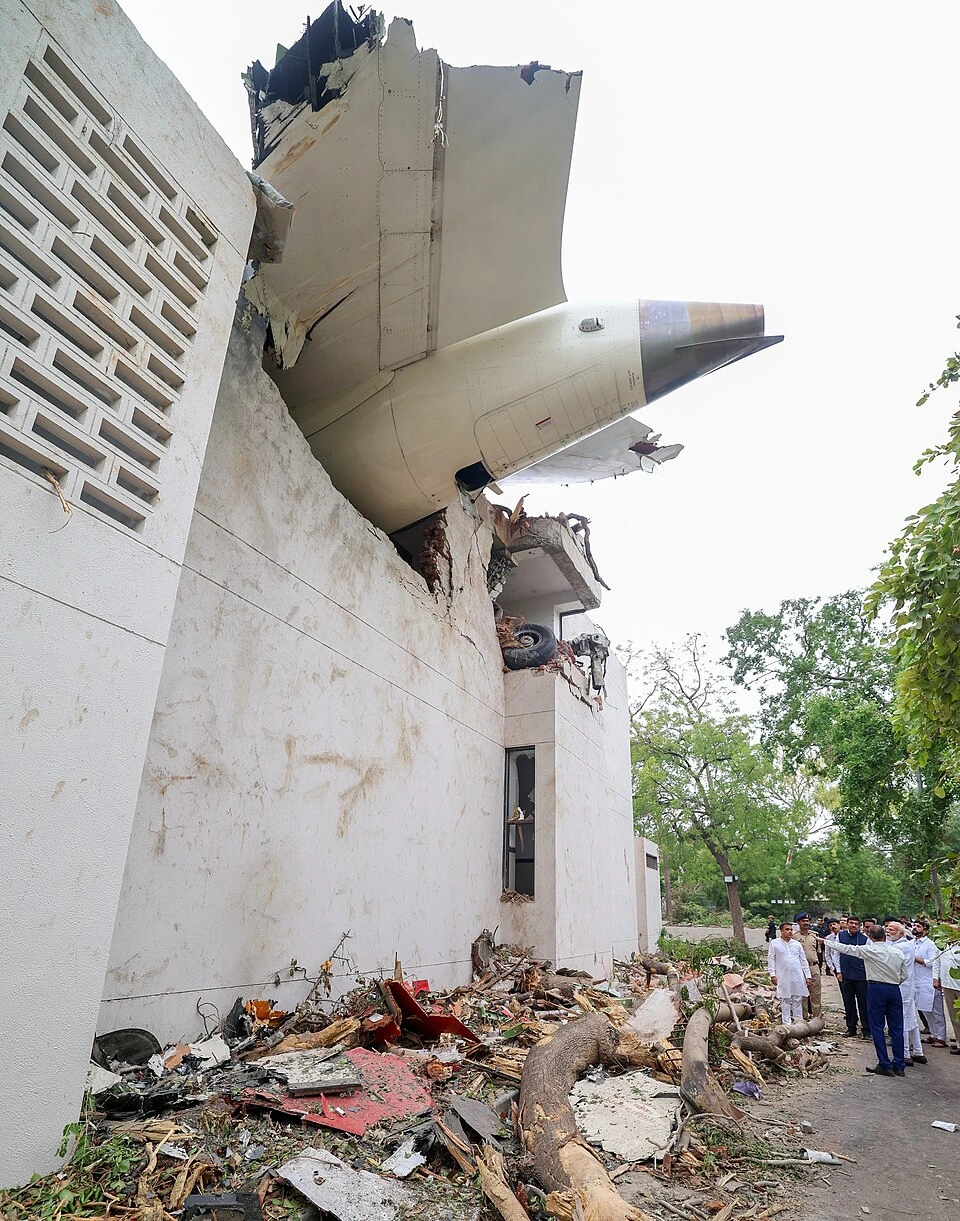
The search phrase bundles two things: a specific airline incident and a common aviation hazard. The incident in question is almost certainly AI-171, the Air India flight that crashed at Ahmedabad on 12 June 2025. The AAIB (Aircraft Accident Investigation Bureau) published a preliminary report for that crash, and the UK government's GOV.UK site also published an official summary of the AAIB's preliminary findings, both of which are publicly accessible.
Early reporting from NDTV confirmed the preliminary probe found no evidence of bird activity, and the AP quoted an aviation safety investigator saying a bird strike did not appear to be an issue. ITV News went further, reporting the AAIB's preliminary findings focused on a fuel cut-off event three seconds after takeoff, not a bird strike.
One important caution: India's Press Information Bureau (PIB) specifically issued a clarification warning that media reports claiming the investigation had been finalized were 'incorrect and speculative. The Indian Express reports that India’s AAIB said claims that the investigation was finalised are “incorrect and speculative,” framing them as speculation rather than confirmed findings claims that the investigation was finalised were ‘incorrect and speculative’. ' The investigation is ongoing as of today, May 12, 2026. Treat anything labeled 'final cause' with skepticism unless it comes directly from the AAIB or another official aviation authority.
To verify the latest on AI-171, go directly to these sources:
- The AAIB's official website (aaib.gov.in for India's investigation body) for the primary investigation report
- GOV.UK's AAIB update page for the UK-published preliminary summary
- The Directorate General of Civil Aviation (DGCA) India for regulatory updates
- Associated Press and Reuters for fact-checked journalism, not social media speculation
How bird strikes actually affect aircraft
Bird strikes are genuinely common. The ICAO database covering 2022 to 2024 contains 214,734 reported wildlife strike reports from 156 countries. That number is large, but the critical thing to understand is that the vast majority of bird strikes cause little to no damage. The FAA's wildlife strike data covering 1990 to 2024 shows that most reported strikes result in no effect on the flight at all.
When a bird strike does cause damage, it typically falls into a few categories. An ingestion into a jet engine can cause blade damage, compressor stalls, or in rare severe cases, engine failure. Windshield strikes can crack the glass (though modern aircraft windshields are multi-layered and tested for bird impact). Strikes on wing leading edges, landing gear doors, or radomes are more common but less dangerous.
The famous example is US Airways Flight 1549 in 2009, where a flock of Canada geese took out both engines and forced a water landing on the Hudson River. That incident was an outlier, not the norm, and it resulted in zero fatalities precisely because of well-trained crew response. Single-engine strikes are far more common and usually handled without incident through standard procedures.
What happens when a bird strike doesn't cause a crash

Most of the time, the crew hears a thump, checks engine parameters, declares a precautionary situation, and diverts or continues depending on the data. Pilots are trained specifically for these scenarios. Post-flight inspections find the damage, the aircraft is taken out of service for repair, and a wildlife strike report is filed with the FAA or the relevant national authority. Life goes on. The fact that you hear about some bird strike incidents in the news reflects their severity, not their frequency. For broader context, see our plane bird strike news coverage on how to interpret reports responsibly.
Real risks when a bird strike goes wrong
When a bird strike does lead to a serious incident, here is what the real hazard chain looks like:
- Engine failure or loss of thrust: A large bird or flock ingested at takeoff can cause partial or full engine failure, the most dangerous outcome because altitude and speed margins are lowest at that phase of flight
- Fire or smoke: Engine damage from a bird strike can sometimes ignite fuel or oil, leading to visible fire or smoke from the nacelle. This is a secondary risk, not a direct result of the bird itself
- Windshield damage: A large bird at cruise speed can fracture windshield layers. Modern laminated windshields rarely fail completely, but a crack can still compromise pressurization over time
- Loss of situational awareness or distraction: The strike itself, noise, debris entering the cockpit, or sudden depressurization events following the strike can create high-workload emergencies even when structural damage is limited
- Injuries from emergency landing or evacuation: If a bird strike forces a rapid landing or evacuation, passenger injuries during that process (not the strike itself) are the more likely physical harm
What to do if you are a passenger or bystander right now
If you are on an aircraft where a bird strike has just been announced or you heard/felt an impact, the key is to follow crew instructions exactly. Pilots and cabin crew are trained for this specific scenario. Do not speculate with fellow passengers, do not attempt to look out windows for damage, and keep your seatbelt fastened. If the crew initiates an evacuation, leave everything behind and move quickly but calmly.
- Stay seated with your seatbelt on until the crew gives an all-clear or instructions
- Listen only to official crew announcements, not passenger speculation
- If smoke or fire is visible inside the cabin, cover your nose and mouth with clothing and stay low
- During an evacuation, do not take bags, do not stop at the exits, and move away from the aircraft once outside
- Seek medical attention for any injury from the evacuation process, smoke inhalation, or impact, even if symptoms seem minor at first
- Do not approach the aircraft wreckage or debris field as a bystander. Keep clear and let emergency responders work
If you are a bystander on the ground near a reported bird-strike incident or aircraft accident, stay well back from the perimeter established by emergency services. Do not attempt to collect debris or bird remains from the scene. Accident investigation requires physical evidence to remain untouched, and debris fields carry their own physical hazards.
Myths vs facts: what bird strikes actually mean for safety

| Myth | Fact |
|---|---|
| Bird strikes are rare | They are extremely common. ICAO documented over 214,000 reported strikes globally in just three years (2022-2024). Most are never even noticed by passengers. |
| A bird strike almost always causes a crash | The opposite is true. The FAA's 1990-2024 data shows the vast majority of reported strikes result in no effect on the flight. Crashes from bird strikes are statistical outliers. |
| Small birds pose no real threat | A flock of small birds ingested into an engine at takeoff speed can cause compressor damage. Size matters less than flock density and the flight phase. |
| If an investigation rules out a bird strike early, it may change later | Early field evidence (lack of feather/tissue traces in engines or on the airframe) is actually quite reliable. Investigators look for biological material immediately. Ruling out a bird strike in a preliminary report is a meaningful finding. |
| Crashes near airports must involve birds because birds are common there | Airport wildlife management programs actively reduce bird populations and movements near runways. Many crashes near airports have nothing to do with wildlife. AI-171 is a current example. |
How airports reduce bird hazards (and why it matters)
Airport wildlife hazard management is a structured, formal program, not just someone occasionally chasing birds off a runway. ICAO and EASA both publish formal frameworks for it, and airports in most countries are required to have active wildlife management plans as part of their operating certification.
The core tools used at airports fall into three categories: habitat modification, active deterrence, and operational adjustments.
- Habitat modification: Cutting grass short reduces cover and food for birds, draining standing water removes attractants, and removing trees that serve as roosting sites near runways all reduce the reason birds are present in the first place
- Active deterrence: Pyrotechnics (loud bangers), falconry programs (trained raptors), distress call broadcasts, lasers, and radar-controlled deterrent systems actively push birds away from active runway areas
- Lethal control: Where deterrence fails and risk is documented, permitted lethal removal of certain species is part of the management toolkit at major airports
- Operational adjustments: Pilots receive NOTAM (Notice to Air Missions) warnings about high bird activity, and some airports temporarily restrict operations during peak migratory bird movement periods at dawn and dusk
The FAA's Advisory Circular AC 150/5200-32C is the formal guidance document covering not just prevention but also how to properly report and document a wildlife strike, including how to collect and preserve bird remains for species identification after an incident. Identification matters because it helps prioritize which species-specific deterrence methods to deploy.
Health and hygiene concerns after an incident involving birds
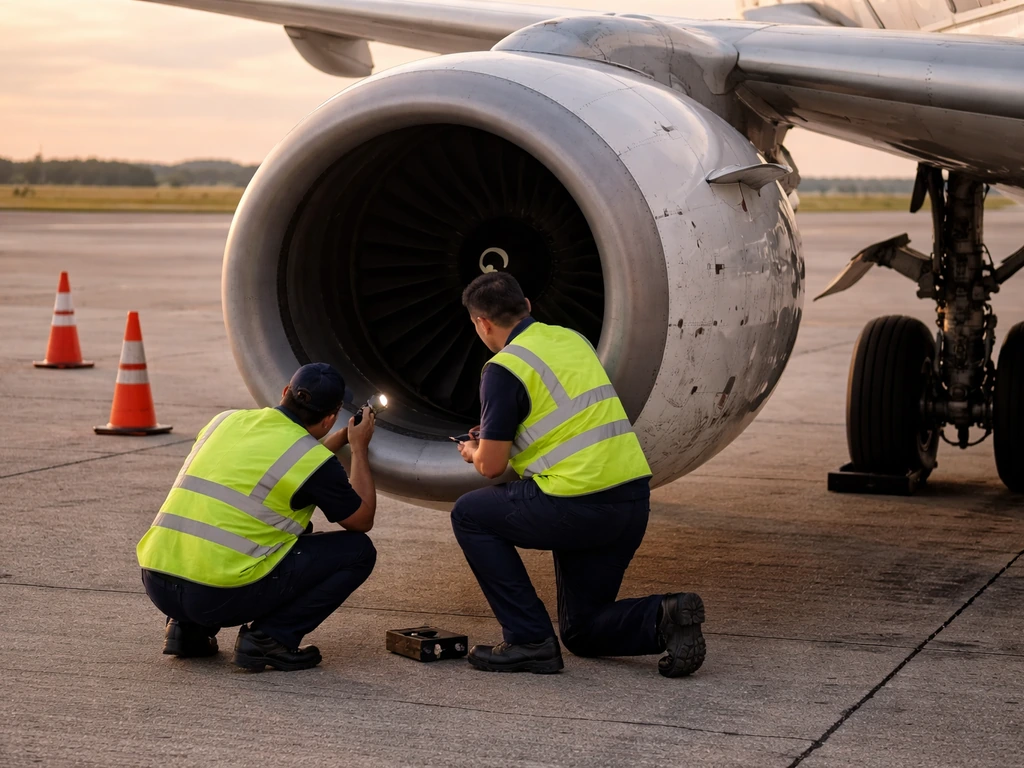
If you work in aviation maintenance, airport operations, or emergency response and you are handling bird remains or debris from a bird strike, there are real but manageable health considerations. IATA published health guidelines specifically for bird strike handling that cover decontamination precautions for personnel. The CDC's guidance on disposing of dead animals after disasters also provides practical direction that applies here.
The risk of disease transmission from a single bird-strike event to humans is genuinely low, but it is not zero, and basic hygiene steps matter.
- Wear disposable gloves and, if handling material with potential aerosolization (dried feces, feather dust), a fitted N95 mask
- Do not eat, drink, or touch your face while handling bird remains or contaminated aircraft surfaces
- After handling, wash hands thoroughly with soap and water for at least 20 seconds, or use hand sanitizer if soap is unavailable as an interim step
- Clean and disinfect any clothing or footwear that contacted bird material before re-entering other areas
- Double-bag bird remains in sealed plastic bags for disposal and contact your local health or veterinary authority for disposal guidance in your jurisdiction
- If you develop fever, respiratory symptoms, or eye irritation within two weeks of exposure to bird remains, mention the exposure specifically to your healthcare provider
For ordinary passengers who were on an aircraft involved in an incident, contact with bird material is extremely unlikely. The health concern for passengers centers on evacuation injuries, smoke inhalation, and stress responses, not bird-borne disease. If you were a passenger and have health concerns, contact your physician and let them know you were on an aircraft that may have experienced a bird strike or emergency. Let them guide the clinical assessment.
What this means for the AI-171 investigation
For the Air India AI-171 accident specifically, the investigation is still active as of today. If you want background on the broader aviation hazard, see related guidance on how bird strike events affect aircraft systems. Preliminary findings have ruled out a bird strike and ruled out sabotage. If you are checking airplane bird strike today reports, the key point is that this case has already been assessed using official findings.
The early AAIB data points toward a fuel-related event shortly after takeoff. For broader context on similar events, see the related guide on how bird strikes actually affect aircraft. But preliminary reports are not final reports, and the investigation timeline for a major accident of this kind is typically measured in months to years, not weeks. Resist the temptation to accept social media summaries or speculative news headlines as the final word.
Check the AAIB and DGCA directly for updates. The UK AAIB update on GOV. UK says it has been [made aware of India’s AAIB publication of a preliminary report into the Air India flight AI171 accident](https://www. gov.
uk/government/news/aaib-update-preliminary-report-into-air-india-flight-ai171) on 12 June 2025. For ongoing plane bird strike news and updates, it helps to rely on official investigation releases rather than unverified headlines. Some readers also look for the Southwest Airlines bird strike incident today, but those reports should be checked against official updates before drawing conclusions Southwest Airlines bird strike today. If you are looking for the Southwest Airlines bird strike incident today, use official airline and aviation authority updates to verify what happened.
This pattern of ruling out bird activity early is consistent with how other recent investigations have progressed. Similar situations have come up with other crashes that initially generated bird strike speculation, including incidents covered in reporting on the Jeju Air crash and the South Korea plane crash bird strike discussions, where investigators systematically worked through and eliminated wildlife causes using physical evidence from the wreckage and engine inspection.
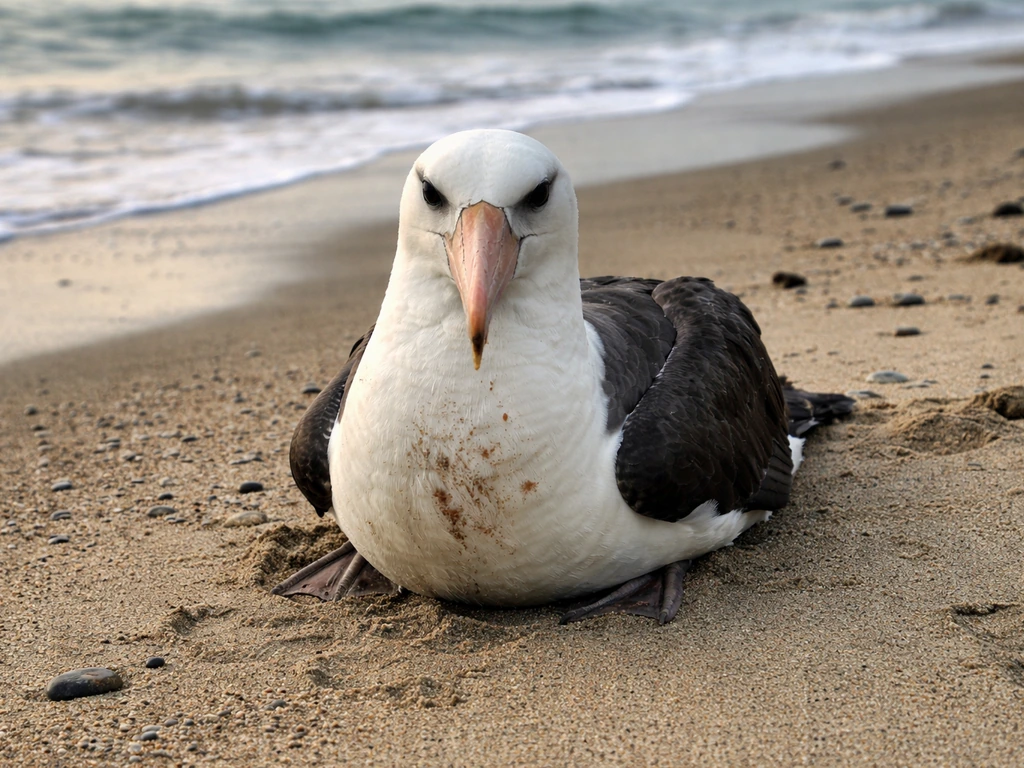
The core takeaway is straightforward: bird strikes are common, crashes are not, and when crashes do happen near airports, bird activity is one of many factors that investigators evaluate and either confirm or rule out based on physical evidence, not speculation. For AI-171, the current evidence says a bird was not involved. An albatross bird crash landing is a rare but instructive scenario that highlights how wildlife strikes can escalate when aircraft are operating near coastal habitats. Follow the official AAIB investigation for the actual cause.
FAQ
How can I tell whether a bird strike claim about the Air India AI-171 crash is based on official findings or just speculation?
Look for wording like “preliminary,” “interim,” or “initial findings,” and check the issuing body name (AAIB or the relevant national authority). If a report says “final cause” but does not quote the official investigation document or attachment, treat it as commentary rather than evidence.
What evidence would investigators need to confirm a bird strike in a crash like AI-171?
Wildlife strike rulings are usually made from physical evidence, not passenger accounts. For bird-related claims to hold up, investigators typically look for bird remains, damage patterns consistent with ingestion or impact, and engine or airframe inspection results that match a wildlife event.
Why do some updates say wildlife strike or foreign object instead of “bird strike”?
A common confusion is mixing “bird strike” with “wildlife strike.” Investigators may also evaluate bats, other birds, or debris from the environment. So if you only search for “bird,” you may miss updates that use broader “wildlife” or “foreign object” language.
If bird strike was ruled out early, what kinds of causes does that shift attention to?
If the AAIB preliminary findings cite a fuel cut-off event shortly after takeoff, that points you to operational and system factors rather than runway or airport wildlife activity. In practice, questions to ask next are about engine thrust control sequence, crew actions at rotation, and any automated systems behavior around that time window.
What should passengers do if they are worried after an accident was rumored to involve a bird strike?
For passengers, you can usually ask your airline or the accident liaison team whether there is a medical screening recommendation after an in-flight event involving unusual noise, potential fuel or smoke issues, or evacuation. Even when disease risk is low, smoke exposure, anxiety, and minor injuries are more realistic concerns.
I’m a bystander, what should I avoid if I’m near the crash or wildlife debris area?
If you were near the scene on the ground, do not enter restricted areas to search for debris. Wait for the site perimeter to be lifted or for official instructions. Even if the concern is “bird remains,” the hazards include sharp fragments, fuel residues, and biohazards from any wildlife material.
If I witnessed noise or an impact, how should I document it without making the report inaccurate?
You can usually submit or update a report only if you are the witness and provide time, location, what you heard or felt, and any visible impact details. Keep descriptions factual, for example “thump” versus “engine failure,” and avoid adding unverified details about birds unless you directly observed them.
What is the best way to avoid getting misled by social media timelines during an ongoing investigation?
A practical mistake is waiting for viral “updates” to settle. Instead, check the most recent official release timestamp, then compare it to what social media is claiming. If the newest official document is “preliminary,” that sets an expectation that the explanation may still evolve.
If bird material is present, what should airport or maintenance teams do to handle it correctly and preserve it for investigation?
For maintenance or airport staff handling any bird-strike debris, the key is proper PPE, controlled handling, and correct packaging for identification if the authority requests it. If you are asked to preserve remains, follow the chain-of-custody steps so materials can be linked to the correct aircraft and inspection record.
How do I make sure I’m reading updates about the correct incident and not a different bird-strike event reported around the same time?
If you see a “bird strike today” headline tied to a different airline or airport, verify whether it is the same aircraft event or a separate incident. Cross-check flight number, date, and investigation agency, since multiple wildlife events can occur close together without being related.