
The cassowary is the bird most likely to kill you in a direct physical attack. But if you're asking which bird causes the most human deaths globally, the answer shifts entirely, because disease-carrying birds (and the mosquitoes they infect) are responsible for far more deaths than any claw or kick ever will be. The honest answer to 'what is the deadliest bird' depends entirely on what kind of harm you're talking about, and where in the world you're standing when you ask.
What Is the Deadliest Bird? Evidence-Based Answer

Maya Chen
23 Mar 2026
What 'deadliest' actually means here
Before you can rank dangerous birds, you need to decide what you're measuring. There are at least four completely different ways a bird can kill or seriously harm a person, and the 'deadliest' species is different for each one.
- Direct physical attack: bites, kicks, claws, or strikes that cause traumatic injury
- Disease transmission: spreading bacterial, fungal, or viral infections through droppings, feathers, secretions, or bites
- Environmental contamination: accumulations of droppings that create hazardous fungal spore environments
- Indirect harm: birds as reservoir hosts for viruses spread to humans by a third party (like mosquitoes)
Sensational 'top 10 deadliest birds' lists online almost always conflate these categories, which is how you end up with the emu or the great horned owl ranked alongside disease vectors. This article keeps them separate so you actually understand the real risk.
The main contenders, broken down by risk type
Physical attack: cassowary and ostrich
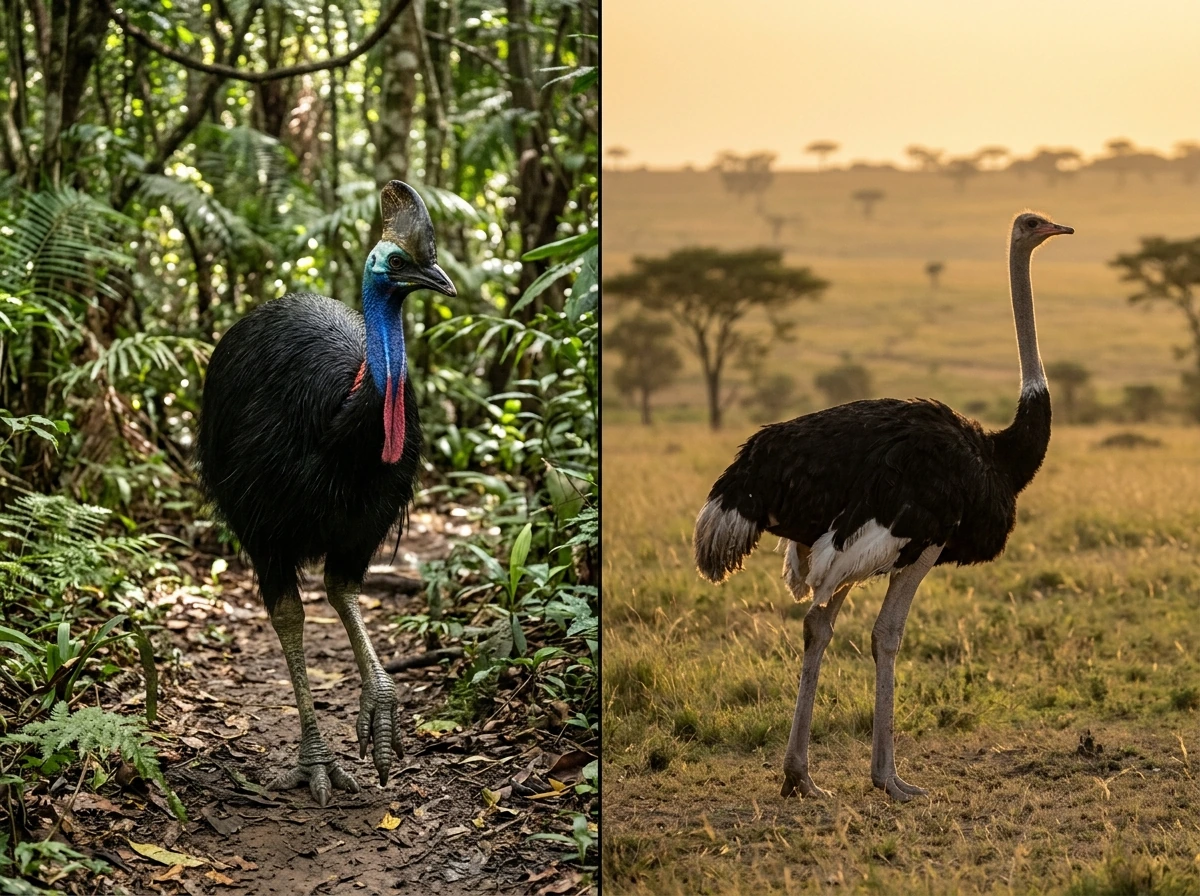
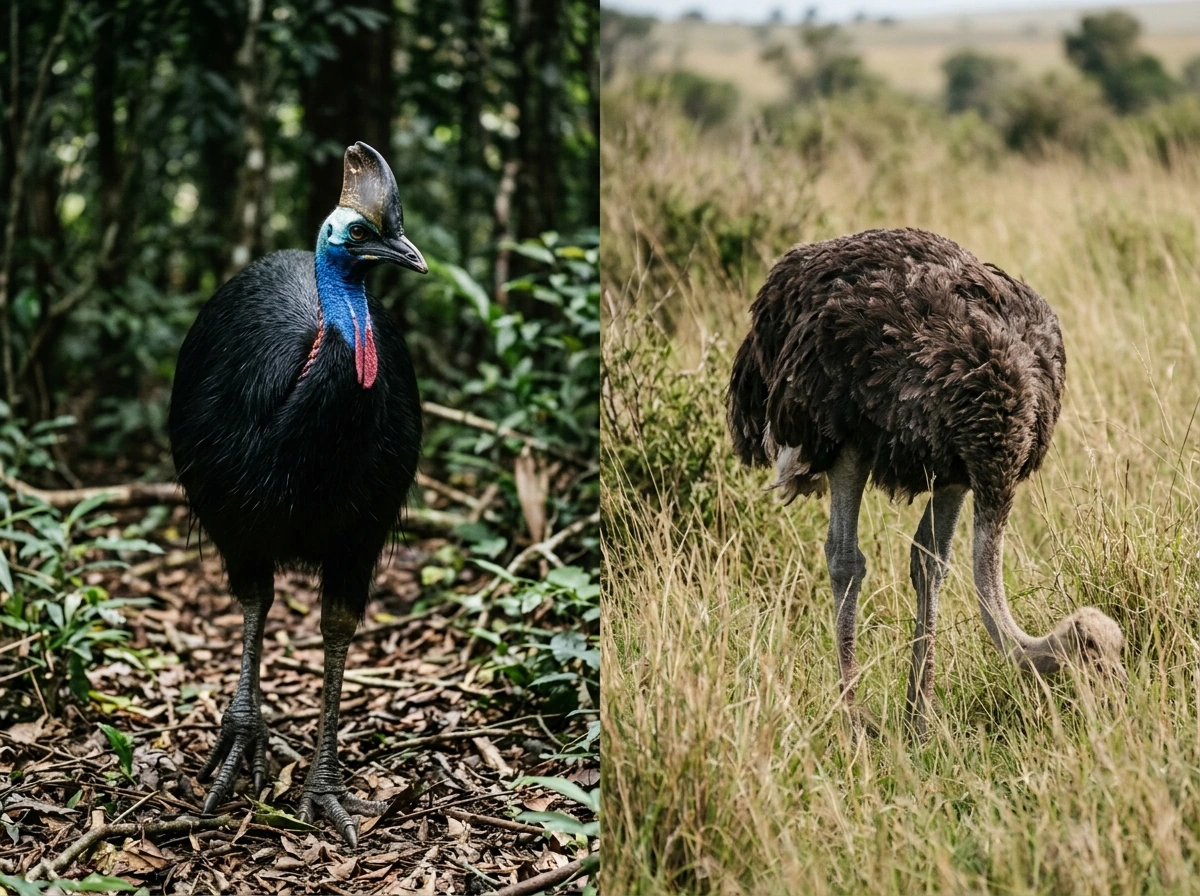
According to a study published in the Journal of Zoology, cassowaries and ostriches are the only two bird species on record as having caused human deaths through physical attack. That's a short list, and it matters. The cassowary, a large flightless bird native to northern Australia and New Guinea, is the more documented attacker. Researchers analyzed 221 cassowary attacks, 150 of which were directed at people. Critically, about 75% of those attacks involved birds that had previously been fed by humans, meaning habituation to people was a major driver. The cassowary's inner toe carries a dagger-like claw up to 12 centimeters long, and it can deliver a powerful forward kick capable of opening an artery.
The ostrich is the other confirmed human killer. It's the largest living bird, can weigh over 150 kilograms, and kicks forward with enough force to break bones or kill. Ostriches are farmed commercially in parts of Africa, the Middle East, and even the southern United States, which means encounters aren't limited to the wild. Both birds are dangerous primarily when cornered, protecting young, or when they associate humans with food.
Disease transmission: pigeons, parrots, and poultry
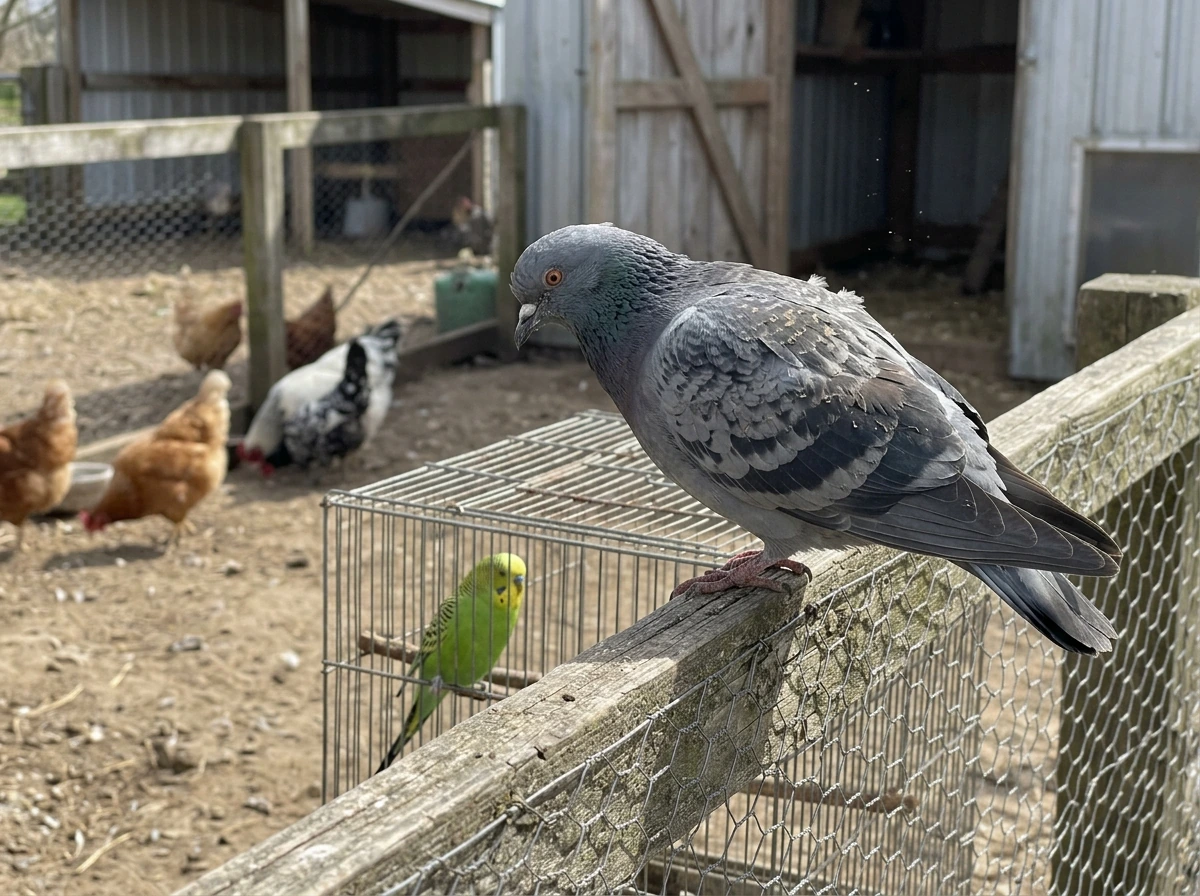
No large predatory bird comes close to the health risks posed by everyday birds through disease. Psittacosis, caused by the bacterium Chlamydia psittaci, is one of the more well-known bird-to-human infections. The CDC notes it is usually acquired through contact with pet birds and poultry, and that birds shed the bacteria in droppings and respiratory secretions. It most often presents as severe pneumonia. With appropriate antibiotic treatment, fewer than 1 in 100 cases result in death, but it is a real medical risk, especially for people with weakened immune systems.
Histoplasmosis is another serious concern. This is a lung infection caused by breathing in Histoplasma spores, a fungus that thrives in soil enriched by bird or bat droppings. The CDC notes that the risk increases significantly with activities that disturb contaminated soil, like construction, demolition, or even cleaning out an old barn or chicken coop. The Illinois Department of Public Health notes that histoplasmosis can be fatal without treatment. This is not a minor caveat. People who are immunocompromised, such as those on chemotherapy or living with HIV, face a much higher risk of the severe disseminated form.
Indirect harm: birds as virus reservoirs
Birds are the primary reservoir hosts for West Nile virus. The virus circulates between mosquitoes and birds, and humans get infected when a mosquito that has fed on an infected bird bites a person. The CDC is clear that West Nile virus is most commonly spread through mosquito bites, not direct contact with birds. Humans are also dead-end hosts, meaning you can't pass the virus on to another mosquito. But the bird-mosquito-human pipeline is responsible for thousands of West Nile cases in the United States every year, making birds indirectly responsible for more human deaths annually than the cassowary has caused in recorded history.
The evidence-based answer: which bird is actually deadliest to humans
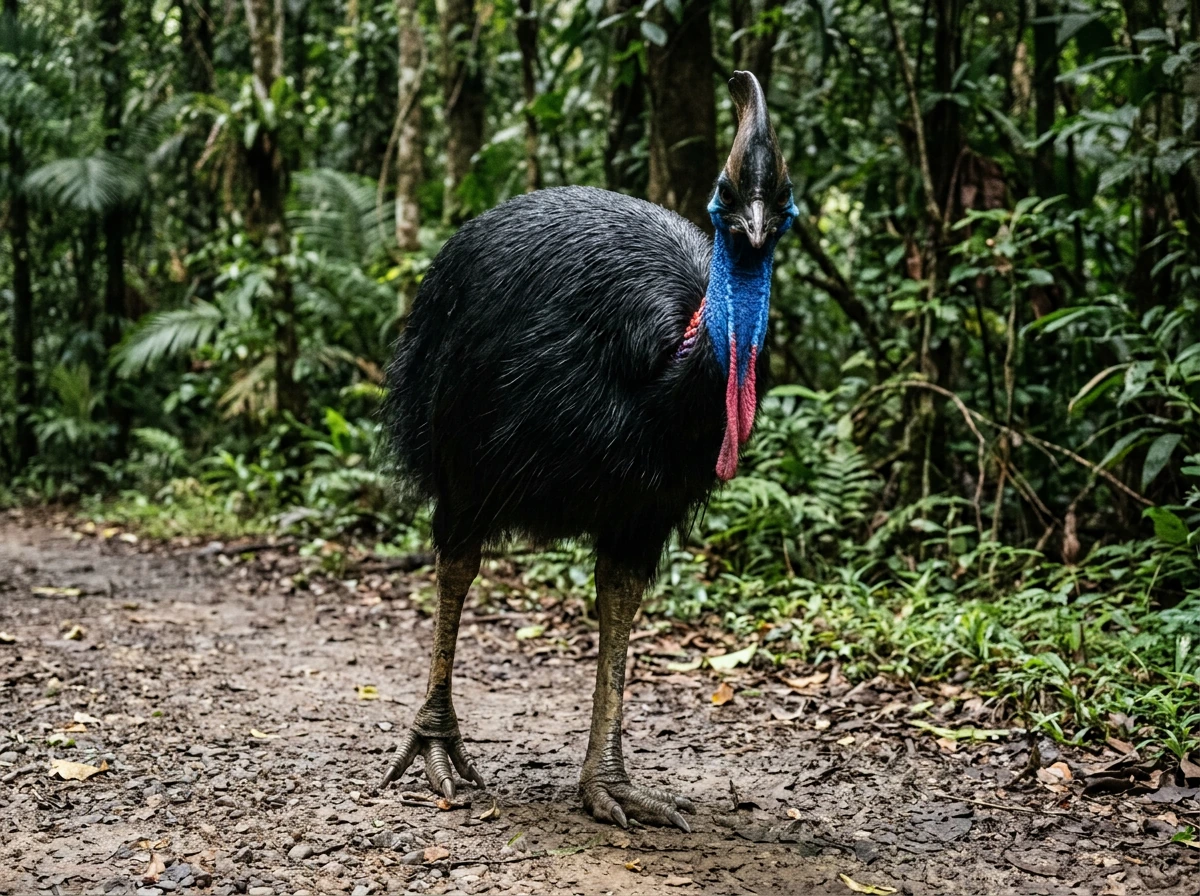
If you define 'deadliest' as the bird most likely to kill a human in a direct confrontation, the cassowary wins. It's the only bird with a documented history of fatal attacks combined with a genuine anatomical ability to deliver lethal injuries. The ostrich is in second place by the same criteria.
But here's the reality check: your statistical chance of dying from a cassowary attack is vanishingly small unless you live in tropical Queensland or Papua New Guinea and you're doing something like hand-feeding one. The birds that collectively pose the greatest danger to human health globally are the ordinary ones, pigeons, parrots, poultry, and the wild birds that sustain mosquito-borne virus cycles. These species are responsible for far more illness and death every year than the dramatic-looking flightless giants.
| Bird / Type | Risk pathway | Realistic threat level | Geographic range |
|---|---|---|---|
| Cassowary | Direct physical attack (kick/claw) | High in direct encounters; rare overall | Australia, New Guinea |
| Ostrich | Direct physical attack (kick) | High in direct encounters; rare overall | Africa; farmed worldwide |
| Parrots / parakeets | Psittacosis via droppings/secretions | Low-moderate; mostly pet owners | Worldwide (captive) |
| Pigeons / poultry | Psittacosis, histoplasmosis via droppings | Moderate for exposed workers | Worldwide |
| Wild songbirds / crows | West Nile virus reservoir (via mosquito) | Low direct; high indirect cycle | North America, Europe, Africa |
| Raptors (eagles, hawks) | Injury from talons if handled | Low; mainly handlers/rescuers | Worldwide |
What about the deadliest flying birds specifically
People often search for 'most deadly flying bird,' usually expecting something like an eagle with massive talons. The truth is more surprising. The most dangerous flying birds to humans are not the ones with the most impressive aerial skills. They're the ones you're most likely to be around.
Raptors, including eagles, hawks, and great horned owls, can cause serious lacerations with their talons, but fatal attacks on healthy adults are essentially unheard of. The real risk from raptors is to wildlife rehabilitators, falconers, and researchers who handle them regularly. The CDC advises seeking medical attention after any bird bite or scratch and informing your doctor, since even small wounds can introduce bacteria.
In terms of aviation risk, flying birds as a class pose a genuine danger to aircraft. The FAA's bird strike data from 1990 to 2023 shows that mourning doves account for about 11% of identified species in civil aircraft strikes in the United States. The U.S. Fish and Wildlife Service reports that waterfowl (31%), gulls (26%), and raptors (18%) together account for 75% of reported strikes. But this is danger to aircraft, not to people on the ground. That's a separate topic covered in more detail in discussions of the worst bird strikes on record.
Among flying birds that can harm people directly on the ground, the most realistic candidates are large geese (which can break bones with wing strikes), cassowaries (flightless, so off this list), and birds defending nests aggressively in the context of the worst bird nest. None of these routinely cause fatalities. The disease risks from flying birds, particularly through contaminated droppings, remain the more medically significant concern.
Where you are changes everything
The deadliest bird varies significantly by location, and by whether you're thinking about individual encounters or large-scale public health patterns.
If you're in North America or Europe
Your risk of being attacked by a cassowary is essentially zero. Your realistic bird-related health risks are histoplasmosis (if you're disturbing old droppings in attics, barns, or near starling or pigeon roosts), psittacosis (if you own or work with parrots or poultry), and the background risk of West Nile virus circulating through local bird populations into mosquitoes. During mosquito season, the birds in your backyard are statistically more relevant to your health than any exotic species.
If you're in Australia, New Guinea, or sub-Saharan Africa
The physical attack risk from cassowaries (Australia/PNG) and ostriches (Africa) is real, particularly if you're in farming, wildlife management, ecotourism, or rural areas. In these regions, the 'deadliest bird in a direct encounter' answer is clearly correct: don't approach, feed, or corner either species.
Outbreaks versus individual encounters
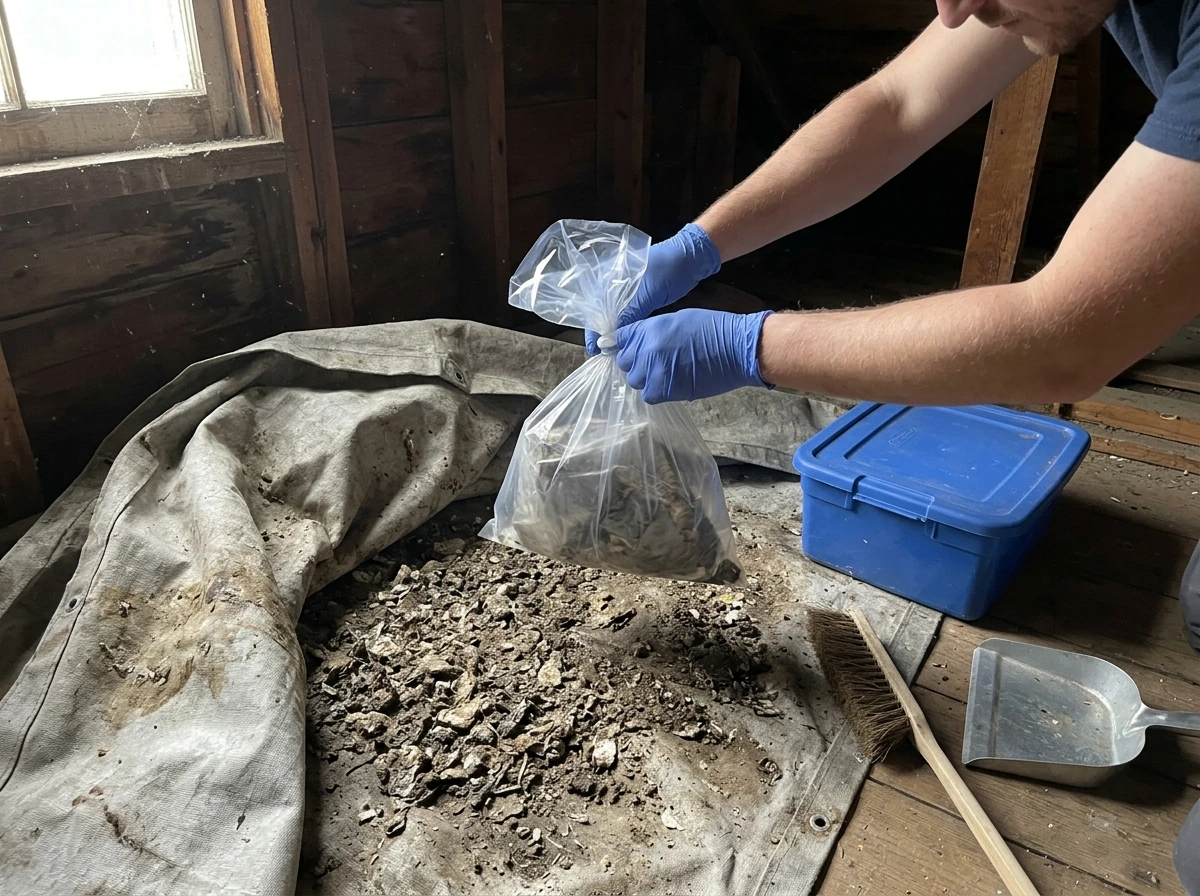
Disease outbreaks linked to birds (psittacosis clusters at poultry farms, histoplasmosis cases during construction near heavy roost sites) represent a different kind of risk than a single encounter with a dangerous bird. Public health authorities track these outbreak scenarios separately, and the risk is cumulative and environmental, not a one-time face-off.
How to actually stay safe around dangerous birds
Around large flightless birds (cassowary, ostrich, emu)
- Never feed them, even if they seem tame; feeding is the primary driver of habituation and attack
- If approached, back away slowly without turning your back, and put a tree, vehicle, or solid barrier between you and the bird
- If a cassowary charges, do not run; step behind the nearest large object and make yourself as tall as possible
- On farms or wildlife parks with ostriches, stay out of enclosures unless you're trained; always have an exit route
Around pet birds and poultry
- Wash your hands thoroughly after handling birds, their droppings, or anything from their cage or environment
- Wet cage surfaces before cleaning to reduce dust and aerosolized particles; never dry-sweep bird droppings
- If a bird bites or scratches you, wash the wound, apply an antiseptic, and contact a healthcare provider if there's any sign of infection
- Tell your doctor you were bitten or scratched by a bird; this changes how they assess the wound and any subsequent illness
Around droppings and contaminated environments

- Wear an N95 respirator (at minimum) when cleaning areas with accumulated bird droppings, especially in enclosed spaces like attics or barns
- The CDC and NIOSH recommend wetting or spraying contaminated material before disturbing it to reduce aerosolization of fungal spores
- Never shovel or sweep dry, dusty droppings; bag and seal waste before disposal
- If you've recently cleaned a heavily contaminated area and develop flu-like symptoms or a cough that won't clear, tell your doctor about the exposure
Reducing indirect risk from bird-to-mosquito-to-human viruses
- Use EPA-registered mosquito repellent during peak mosquito season, especially at dawn and dusk
- Eliminate standing water near your home where mosquitoes breed
- You cannot catch West Nile virus from touching a dead bird, but report dead birds to your local health department as they help track virus activity in your area
Myths worth clearing up
A few things circulate widely online about dangerous birds that don't hold up to scrutiny.
Myth: The eagle or the harpy hawk is the deadliest bird because of its talons. In reality, no eagle species has a documented record of killing a healthy adult human. Raptors can cause serious injuries when mishandled, and there are isolated reports of attacks on small children, but fatalities are effectively nonexistent in the scientific literature. The cassowary's documented fatal attacks make it a far more accurate answer.
Myth: Parrots are dangerous because they're 'poisonous.' Parrots themselves are not venomous or toxic to touch. Psittacosis is a real risk, but it's a bacterial infection spread through droppings and secretions, not a toxin. If you're curious about actual toxic birds, that's a separate and genuinely surprising topic related to which birds are actually poisonous, but most common pet parrots don't qualify. That makes the question of what is the most poisonous bird a different search than what is the deadliest bird by attack or disease.
Myth: You can catch West Nile virus directly from birds. You cannot. The CDC is explicit: West Nile virus is spread to people through mosquito bites, not direct bird contact. Birds are the reservoir, but a mosquito has to be the bridge. Handling live or dead birds does not transmit the virus to humans.
Myth: Histoplasmosis is only a risk in massive roost sites. The CDC and NIOSH note that spores can be aerosolized during construction or renovation even without large accumulations of droppings. A modest pigeon roost above a ceiling tile, disturbed during a home renovation, is enough to cause exposure. Size of accumulation matters, but small amounts in enclosed spaces are still a real risk.
Myth: The emu is as dangerous as the cassowary. Emus have caused injuries, and they're large, powerful birds. But they lack the cassowary's dagger claw, and there are no documented human fatalities from emu attacks. They're worth respecting on a farm, but they don't belong in the same conversation as the cassowary for lethality.
The bottom line
If you're asking what bird can kill you in a face-to-face encounter, the cassowary is the evidence-based answer, with the ostrich as a close second. If you're asking what birds collectively cause the most human illness and death worldwide, everyday species like pigeons, poultry, and wild birds acting as virus reservoirs are far more significant. The deadliest bird in your life is almost certainly not the one you're imagining. It's more likely the pigeon roosting in your attic or the backyard birds fueling local mosquito populations than anything with a prehistoric claw.
Take the practical steps seriously: wash your hands after bird contact, protect yourself when cleaning droppings, use mosquito repellent in season, and if you're somewhere cassowaries or ostriches live, give them the same respect you'd give a large wild animal, because that's exactly what they are.
FAQ
If I want to figure out the deadliest bird for me personally, how should I measure the risk?
Because “deadliest” depends on the pathway of harm, many safety decisions use “risk per exposure” instead of “worst species.” If you handle birds or clean droppings, the relevant hazards are usually infection risk (like psittacosis or histoplasmosis) rather than an attack, and you should treat any time you disturb bird waste as a medical-prevention situation.
What situations most increase the chance of a cassowary attack? (Beyond just “being in the region.”)
Cassowary incidents tend to cluster where people feed them, approach them repeatedly, or put themselves between a bird and escape routes. If you are in Australia or Papua New Guinea, the practical rule is not to hand-feed, not to run, and not to crowd them near people or vehicles, especially around areas where birds are accustomed to humans.
Are ostriches on farms more dangerous than wild ostriches, and what behaviors raise the risk?
For ostriches and other farmed birds, risk often comes from handling practices and confinement. If you work around farms or live near large enclosures, follow safe distance rules and avoid entering pens alone, since kicks and collisions can happen quickly when animals feel cornered or are protecting young.
If West Nile cannot be caught directly from birds, what should I actually do to reduce risk?
Yes. Even though West Nile is mosquito-borne, the birds matter because they help maintain the virus cycle locally. That means your most effective actions are mosquito control steps (repellent, screens, draining standing water) rather than avoiding birds.
How does the risk profile change for people who are immunocompromised when working around bird droppings?
If you are immunocompromised, you should assume a higher baseline risk from bird-related droppings exposure. For cleaning or maintenance in spaces that may contain old material (attics, barns, coops), consider professional remediation or at minimum higher-level respiratory protection and ventilation, and ask a clinician for guidance before a planned cleanup.
What are the most common mistakes that turn routine bird cleaning into an infection risk?
For psittacosis, the key is minimizing inhalation and contact with contaminated respiratory secretions and droppings from infected birds. Washing hands helps, but it does not replace containment and airflow control, so using appropriate cleaning procedures and avoiding dry sweeping during cage or coop cleaning is important.
What should I do after a bird bite or scratch if the article says raptors rarely kill healthy adults?
If you get scratched or bitten by any bird, do not treat it like “just a small wound.” Even without classic poisoning or venom, bacteria can be introduced; seek medical attention promptly, and tell the clinician what species and what environment (pet, poultry, wild, farm, rehab) the exposure came from.
When birds roost near buildings, what’s the safest way to clean droppings to reduce airborne exposure?
For flying birds and disease, posture and dust control matter. Droppings from roosting areas can aerosolize when disturbed, so the safer approach is to avoid sweeping or power-washing dry waste, keep surfaces damp during cleanup, and protect eyes and breathing while cleaning.
How do I avoid the common online mistake of mixing “deadliest by attack” with “deadliest by disease”? What rule of thumb helps?
A useful distinction is: cassowary and ostrich are “attack-capable megafauna,” while most everyday bird deaths occur through infrastructure-mediated disease (mosquitoes or contaminated environments). If you are comparing them for travel or daily life decisions, you should separate “probability of direct injury” from “probability of infection over time.”
How do I know when bird-dropping cleanup is too risky to DIY, especially during home renovation?
If you are deciding between handling the cleanup yourself versus hiring help, a strong trigger is enclosed spaces and unknown contamination history, like renovation after years of roosting, HVAC-adjacent droppings, or visible dust layers. When the task can’t be done with low-dust methods, professional remediation reduces exposure uncertainty.
Next Article
What Is the Most Poisonous Bird? Myth vs Facts
Debunk the myth of the only poisonous bird, explain poisonous vs venomous, and identify the most toxic birds and safety