
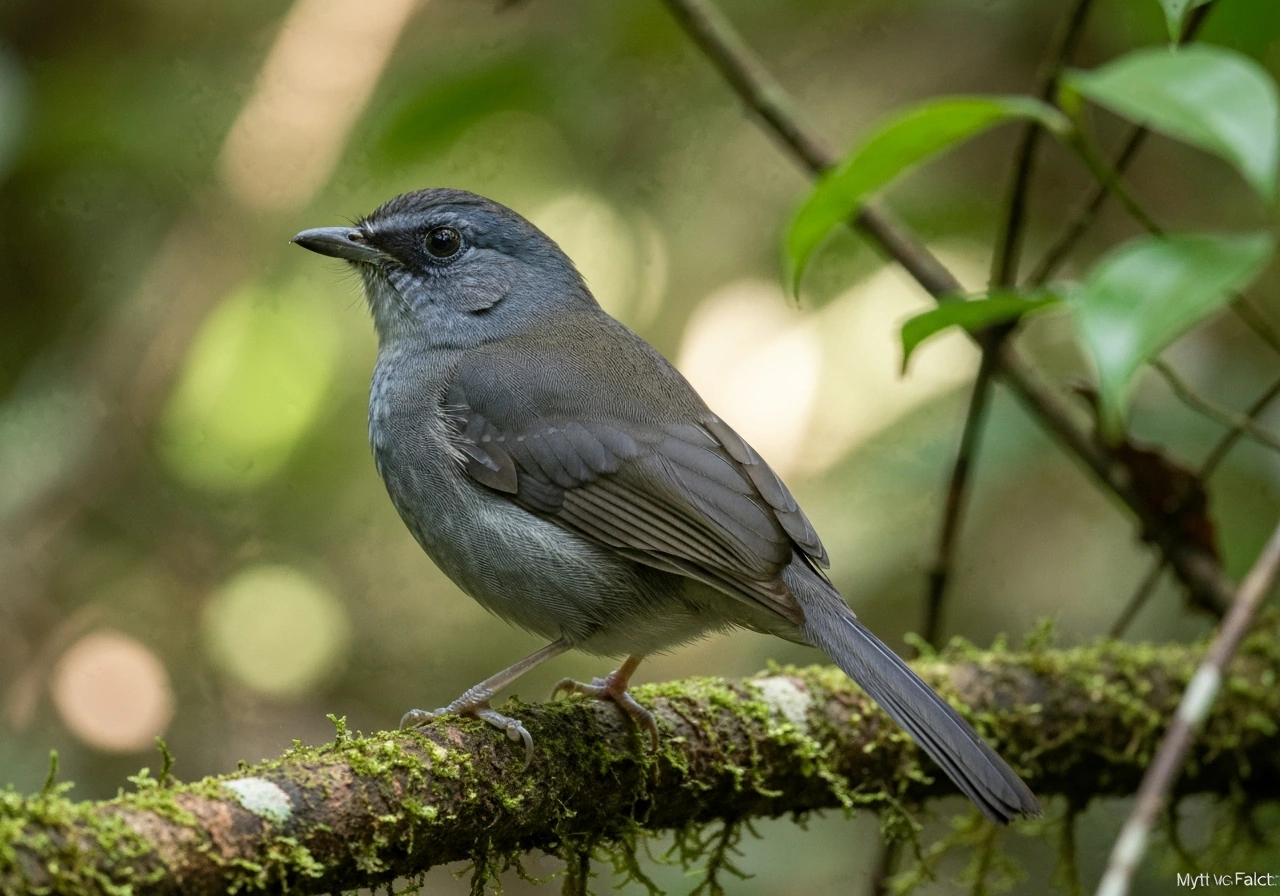
The most poisonous bird in the world is the hooded pitohui (Pitohui dichrous), a songbird from New Guinea whose skin and feathers contain batrachotoxin, a potent neurotoxin also found in poison dart frogs. Handling one can cause numbness and burning sensations. That said, the often-repeated claim that it is the "only" poisonous bird in the world is outdated. Research since the early 1990s has confirmed that several other bird species carry the same class of toxins, and the full picture is more interesting than most summaries let on.
What Is the Most Poisonous Bird? Myth vs Facts

Maya Chen
23 Mar 2026
Poisonous vs. venomous (and why people mix these up)
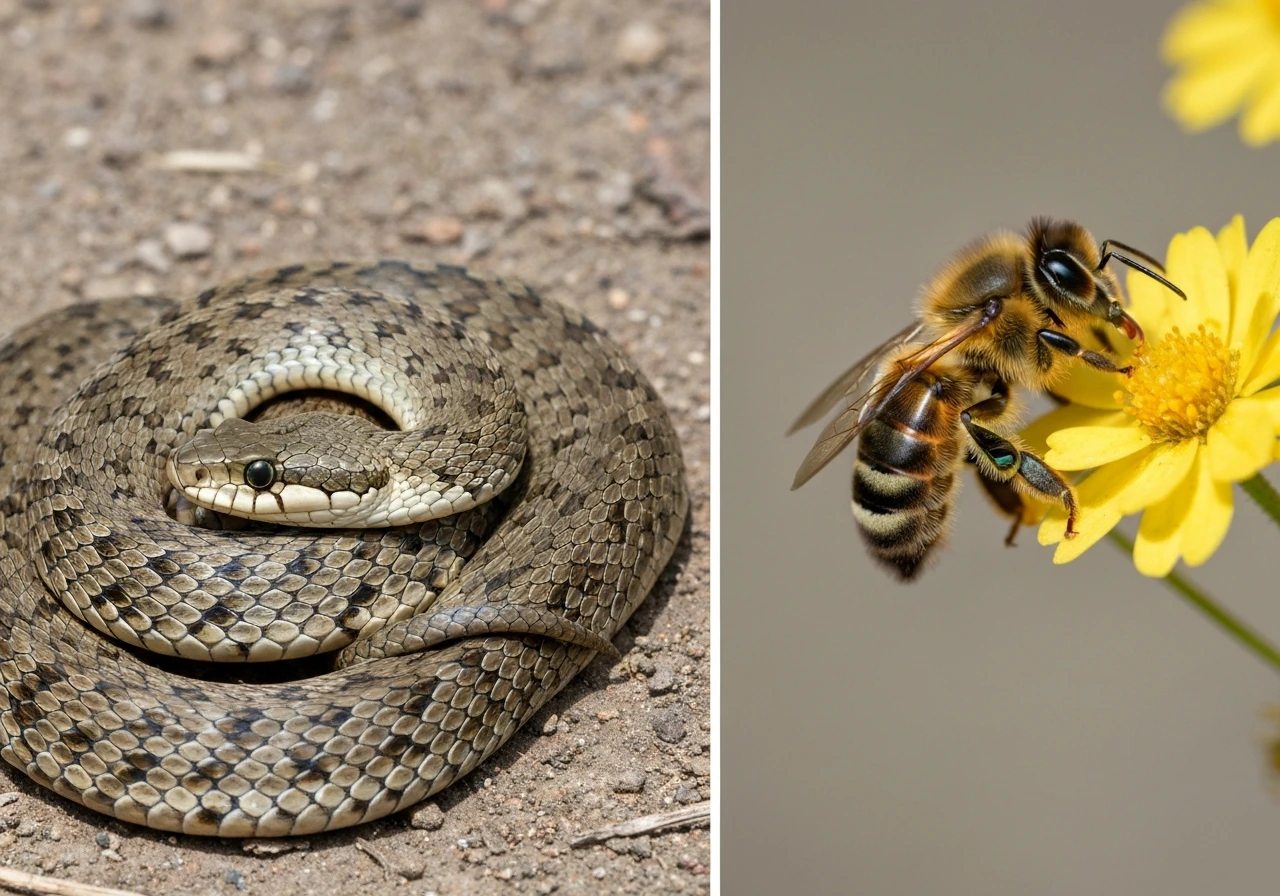
This distinction matters a lot here, and it trips people up constantly. A venomous animal actively injects toxins into you, usually through a bite or sting. Think snakes, bees, or cone snails. A poisonous animal is harmful because toxins are already present in its tissues, and they cause harm when you touch or eat the animal, not because the animal delivered the toxin to you on purpose.
Birds do not have fangs or stingers, so no bird is venomous in the strict biological sense. When people ask which bird is "poisonous," they are usually asking about birds whose tissues contain toxins that could harm a person or predator through contact or ingestion. That is the right frame for this conversation.
The confusion is also fueled by people conflating "poisonous" with "dangerous." Birds like cassowaries or great horned owls can seriously injure you, but that is physical force, not toxicology. If you are curious about birds that can hurt or kill you through sheer physicality, that is a different topic covered elsewhere on this site.
The direct answer: the hooded pitohui
The hooded pitohui earns the title of most poisonous bird based on the concentration and potency of its toxins. In 1992, researcher Jack Dumbacher and colleagues published a landmark finding: the feathers and skin of this New Guinean songbird contain homobatrachotoxin, a steroidal alkaloid from the batrachotoxin family. These are among the most potent naturally occurring neurotoxins known. The same class of toxin is famous for making poison dart frogs dangerous to handle.
Toxin levels are highest in the skin, with lower but still measurable concentrations in the feathers. Concentrations also vary by body region. The bird does not manufacture the toxin itself. Evidence points to dietary sequestration: pitohuis likely accumulate batrachotoxin from beetles in the genus Choresine that they eat, and store it in their tissues as a chemical defense against predators.
Local people in New Guinea had already figured this out long before scientists did. They called pitohuis "rubbish birds" and avoided eating them. Some accounts describe hunters feeling burning sensations in their mouths after accidentally biting one. Researchers who handled birds during fieldwork reported numbness and burning where their skin made contact.
Does the "only poisonous bird" claim hold up?
No, it does not hold up anymore. The "only poisonous bird in the world" label was applied to the hooded pitohui based on the state of knowledge in the early 1990s, which is often cited as the "worst bird nest" situation for toxin hunters. It was a fair description at the time, but subsequent research has clearly overtaken it.
Studies confirmed batrachotoxin alkaloids in multiple Pitohui species, not just the hooded pitohui. Some species carry significant toxin loads, others carry only trace amounts, and a few tested individuals showed no detectable toxins at all, likely reflecting differences in diet and local beetle availability. Toxicity across the genus is real but variable.
More importantly, a second genus was confirmed as toxic. The blue-capped ifrit (Ifrita kowaldi), another New Guinean bird, was found to carry the same batrachotoxin-family compounds in its skin and feathers. This was a major finding because it showed that chemical defense through batrachotoxins evolved independently in more than one bird lineage, making the "only one" claim definitively wrong.
The broader takeaway from the research is that toxic birds are probably not as rare as once assumed. Research in PMC also supports a broader evolutionary and phylogenetic picture, suggesting toxin use across corvoid birds in the Papuan region may be more widespread than once assumed. They may just be underdetected because systematic toxin screening of bird tissues is not routine, and most bird-handling researchers are not looking for it.
What the toxin actually does, and how you would realistically be exposed
Batrachotoxin works by binding to voltage-gated sodium channels in nerve and muscle cells. Normally, these channels open briefly to let sodium rush in and generate an electrical signal, then close. Batrachotoxin locks them open and prevents them from closing, which disrupts action potential generation and can cause paralysis, arrhythmia, and in sufficient doses, death. At the cellular level, it is a genuinely serious toxin.
In practice, though, your realistic exposure to a pitohui is extremely limited. These birds live in lowland and foothill forests in Papua New Guinea. Unless you are a researcher or a wildlife traveler in that specific region, you are very unlikely to ever handle one. Even for those who do handle pitohuis, the documented effects from skin contact have been localized: numbness, tingling, and burning at the point of contact. No documented human fatalities from handling pitohuis exist in the scientific literature, even though many people ask what is the deadliest bird.
The main routes of concern are skin contact (the toxin can be absorbed through skin) and ingestion (eating the bird's tissues). Inhalation is not a meaningful route in normal handling scenarios. The toxin is real and the mechanism is serious, but accidental lethal poisoning of a human through casual contact with a pitohui is not a realistic scenario.
How this is different from other bird-related health risks
People searching for "poisonous birds" sometimes have a different hazard in mind. It is worth separating these clearly, because the causes, mechanisms, and responses are completely different. is there a poisonous bird
| Hazard | Mechanism | Birds involved | How it harms you |
|---|---|---|---|
| Batrachotoxin (true poisoning) | Chemical neurotoxin in skin/feathers absorbed via contact or ingestion | Hooded pitohui, other Pitohui spp., Ifrita kowaldi | Numbness, burning; severe neurological effects at high doses |
| Psittacosis (parrot fever) | Bacterial infection (Chlamydia psittaci) via inhaled dust/aerosols | Parrots, pigeons, many species | Flu-like illness, pneumonia; treatable with antibiotics |
| Avian influenza (bird flu) | Viral infection via contact with saliva, mucus, or droppings | Waterfowl, poultry, wild birds broadly | Respiratory illness; rare human cases but monitored closely |
| Physical injury (bites/talons) | Mechanical force, not toxicology | Raptors, cassowaries, geese | Lacerations, punctures, broken bones |
| Allergic reactions to feathers/dander | Immune response to allergens | Pet birds, poultry | Respiratory symptoms, hypersensitivity pneumonitis ("bird fancier's lung") |
Disease transmission from birds, especially psittacosis and avian influenza, is far more commonly relevant to most readers than true chemical poisoning. If you are worried about getting sick from birds, disease prevention is the more practical concern for the vast majority of people. True chemical toxicity from bird tissues is a narrow, geographically specific risk.
Practical safety steps and what to do after exposure
General handling precautions for unfamiliar birds
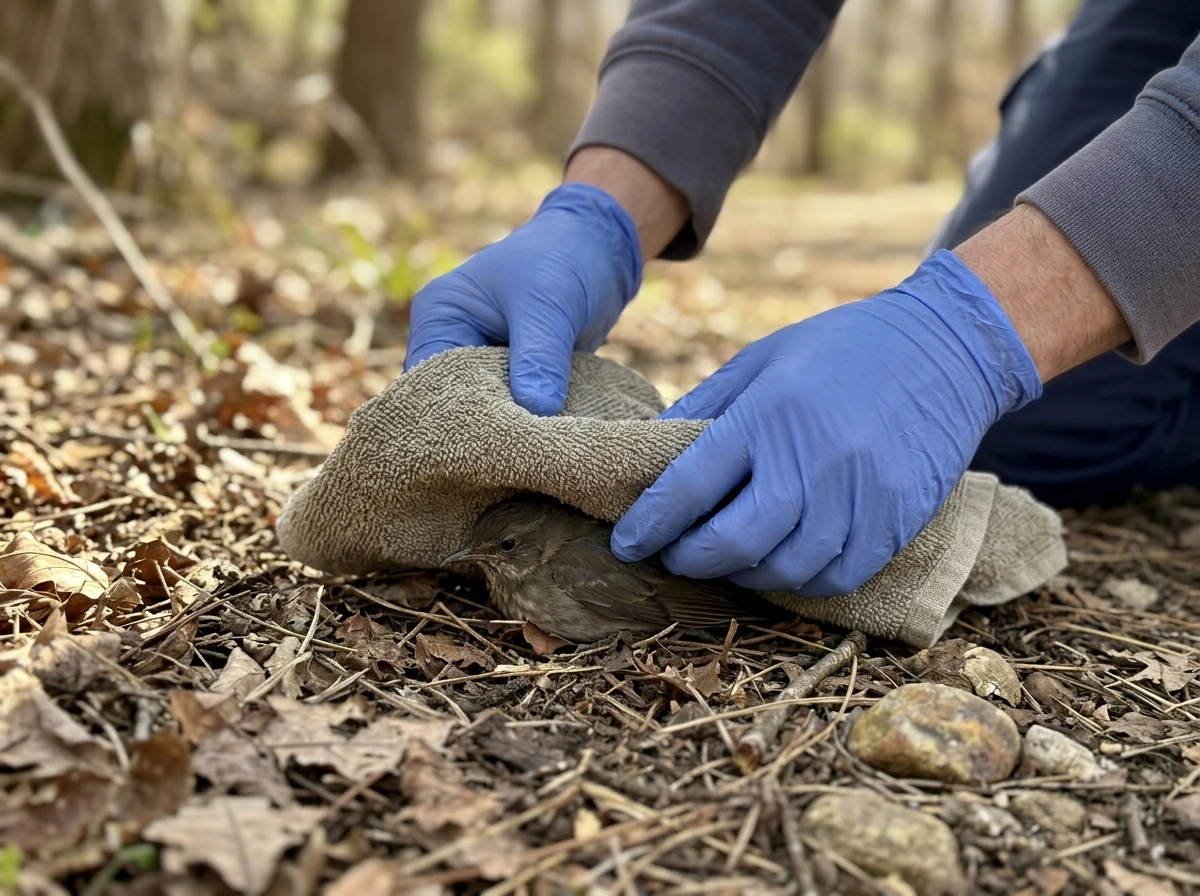
For virtually all bird encounters, including sick or injured wild birds, gloves are your first line of defense. They protect against physical injury from talons and beaks, and they reduce skin contact with any substances on feathers or skin. After handling any wild bird, wash your hands thoroughly with soap and water. This applies whether you are concerned about toxins, bacteria, or viruses.
If you find a sick or injured bird, minimize direct contact. Use a towel or thick gloves to contain it, and contact a local wildlife rehabilitator rather than trying to care for it yourself. This is standard wildlife safety, not specific to toxic species.
If you think you had skin contact with a toxic bird
- Remove any contaminated clothing immediately.
- Rinse the affected skin with plenty of water. Do not scrub hard, just flush the area.
- If you experience burning, numbness, or tingling that spreads or does not resolve quickly, call Poison Control at 1-800-222-1222 in the US. They can give you real-time guidance based on your specific situation.
- If symptoms are severe (difficulty breathing, chest pain, muscle weakness spreading beyond the contact area), treat it as a medical emergency and call 911 or your local emergency number.
- Note what you handled and when, so you can describe it clearly to medical staff or Poison Control.
In practice, if you are reading this from North America, Europe, or anywhere outside Papua New Guinea, the chance that you encountered a genuinely toxic bird species is extremely low. Most burning or itching after handling a bird is from feather mites, physical irritation, or a mild allergic reaction, none of which require the same response as a true toxin exposure. Still, if you are unsure, Poison Control is the right call. They will tell you whether you need to do anything further.
Protecting pet birds and yourself from disease (the more common concern)
If your concern is really about disease rather than toxins, the CDC's guidance is straightforward. Wash your hands after handling birds, their food, or anything in their environment. Avoid touching your face during or after handling. Keep cages and feeding areas clean, and minimize exposure to droppings and feather dust, especially in enclosed spaces. For people with compromised immune systems, respiratory illness, or who keep multiple birds, these precautions matter more.
For wild bird encounters in areas where avian influenza is active, the CDC advises avoiding direct contact with sick or dead wild birds entirely. If contact happens anyway, wash your hands, avoid touching your eyes, nose, or mouth, and monitor for symptoms over the following days. Most exposure incidents resolve without illness, but it is worth being aware.
The bottom line
The <span class="internal-link">hooded pitohui is the most poisonous bird in the world</span> by the best current evidence. what is the most aggressive bird Its skin and feathers contain real batrachotoxin-family neurotoxins at concentrations that can cause symptoms in handlers and deter predators. But it is not the "only" poisonous bird: multiple Pitohui species and the blue-capped ifrit also carry these toxins, and toxic birds may be more widespread in nature than current data shows.
For most people, this is fascinating biology rather than a practical safety concern. The birds are confined to a specific region, direct human contact is unusual, and no fatal human poisonings from handling have been documented. If you are handling birds in the wild anywhere in the world, good gloves and handwashing after contact are the sensible baseline habits regardless of species, and they cover you for the hazards that are actually more likely: disease, physical injury, and allergic reactions.
FAQ
If hooded pitohui is the “most poisonous,” does that mean it’s the only one that can harm me from touch?
No. Other bird species (at least multiple Pitohui species and the blue-capped ifrit) can contain the same type of batrachotoxin-family compounds, and toxin amounts can vary by species, body region, and even by individual. The practical point is that “poisonous” is a narrow, region-specific risk, not something you should assume applies only to one named bird.
How can I tell the difference between toxin exposure symptoms and irritation from mites or allergies after handling a bird?
Toxin-linked contact effects described for these birds tend to be localized numbness, tingling, or burning where skin contacts feathers or skin, often right away. Mite-related issues and many allergies are more likely to cause itching, redness, hives, or a delayed itchy rash. If symptoms are spreading quickly, involve breathing, or you feel significant weakness or palpitations, treat it as urgent and seek medical care.
What should I do immediately if I accidentally touch a suspected toxic bird?
First, stop contact, avoid touching your face, eyes, or mouth, and wash the exposed skin with soap and running water as soon as possible. Change gloves if you used them, bag contaminated items if any, and monitor for symptoms at the contact site. Because severity depends on species and toxin load, calling Poison Control for advice is reasonable even if you feel only mild burning.
Can toxins spread through my clothes or gear after handling a toxic bird?
They can, mainly as residue on skin contact surfaces. Wash clothing that touched the bird separately, wipe down gear thoroughly, and avoid handling contaminated items while touching your face. The article notes skin contact as a key route, so reducing residue transfer is the best practical step.
Is inhaling feather dust from a toxic bird dangerous?
For typical real-world handling, inhalation is not considered a meaningful exposure route. The main concerns are skin contact and ingestion. That said, if you are dealing with any wild bird, minimizing airborne dust (for example, by keeping hands/gloves clean and avoiding vigorous shaking) is still a good general safety practice.
Could eating a pitohui or other toxic bird actually poison someone?
Yes in principle, because ingestion is one of the main exposure routes, and toxins are present in tissues. However, documented guidance and known human fatalities are not reported in the scientific literature for pitohui handling, largely because exposure is rare and local knowledge discourages eating. Still, do not taste or consume any wild bird that may be toxic.
If some individuals test negative for toxins, does that mean a bird is safe to handle?
Not reliably. “Undetectable” in a sample does not guarantee zero toxicity for another individual, another body region, or another time, and testing is not something most people can do. If you are unsure, treat the safest assumption as “could contain toxins,” use gloves, avoid face contact, and wash hands afterward.
Where do these poisonous birds live, and does that mean they are harmless outside their region?
The toxic-bird evidence in the article is centered on New Guinea forests (including Papua New Guinea). Outside that geographic range, the chance of encountering a genuinely toxic species is extremely low. Still, you can have other hazards anywhere, like disease or physical injury, so gloves and handwashing remain the baseline.
What about sick or injured wild birds I find, could they be toxic instead of diseased?
Toxicity from bird tissues is a specialized, region-specific risk, while disease exposure (like psittacosis or avian influenza) is the more common reason to be cautious. If a bird is sick or injured, treat it as a biohazard, minimize direct contact, and contact a local wildlife rehabilitator.
If I don’t live in a toxic-bird region, do I still need to worry about “poisonous birds”?
For most readers, the chemical-toxin scenario is unlikely. Your higher-probability risks are bacteria or viruses, feather dust irritation, and physical injury, so follow general bird-handling precautions: gloves, avoid touching your face, and wash hands thoroughly afterward.
Should I call Poison Control for every uncomfortable sensation after handling a bird?
Not necessarily. If symptoms are mild, localized, and resolve quickly after handwashing, you may just monitor. But if you have worsening burning, numbness, new weakness, trouble breathing, or any systemic symptoms, or you are unsure what species was involved, Poison Control can help you decide whether observation at home is sufficient or an evaluation is needed.
Are birds truly “venomous,” and is there any case where a bird could inject toxins like a snake?
Birds are not venomous in the strict sense discussed in the article because they do not have fangs or stingers that inject toxins. Any hazard from these species comes from toxins already present in tissues, causing harm through contact or ingestion, not from a deliberate delivery mechanism.
Next Articles
What Is the Most Aggressive Bird in the World?
Find the world’s most aggressive bird, what triggers attacks, and exact steps to stay safe during encounters.

Bird Causes Plane Crash? Risk, Mechanisms, Myths, Prevention
Whether bird strikes can cause plane crashes, how they happen, real risk data, debunked myths, and prevention steps

Can a Plane Crash Because of a Bird? Facts and Safety
Understand if a bird strike can crash a plane, what it damages, how often it happens, and what airports do to prevent it