
The worst bird strike outcome depends entirely on the scenario. A bird hitting your car window is a nuisance. A bird hitting a commercial aircraft engine can be catastrophic. And a bird colliding with a person or a pet occupies a middle ground that most people have no idea how to handle. The good news: most bird strike situations are manageable if you triage them correctly and act fast. Here's how to do that.
Worst Bird Strike: What to Do, First Aid, and Prevention

Maya Chen
5 Apr 2026
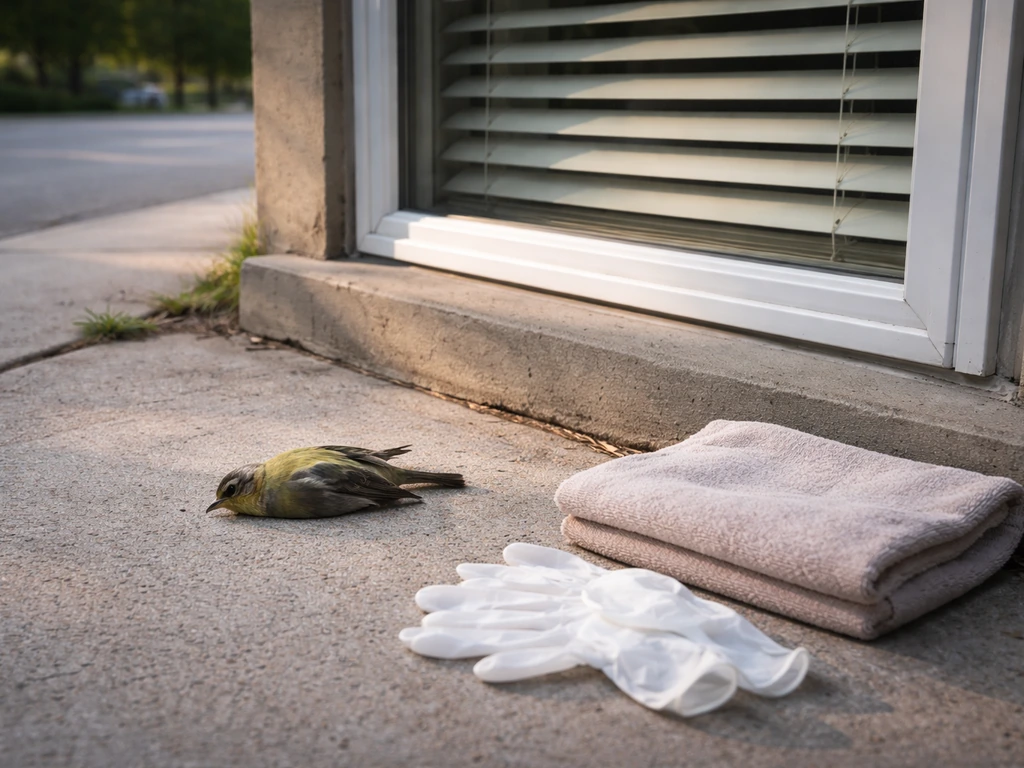
What 'worst bird strike' actually means
The phrase covers a wide range of events, so let's be specific about what 'worst' looks like in each context.
In aviation, bird strikes are genuinely dangerous. The FAA tracks these incidents in its Wildlife Strike Database, and the numbers are sobering: globally, fewer than 500 fatalities have resulted from wildlife strikes over roughly the past 30 years, but the events that caused them were sudden and catastrophic, usually involving engine ingestion of large birds or flocks. The AOPA notes that bird and wildlife strikes have resulted in more than 350 fatalities, and the risk is highest during takeoff and landing when aircraft are near the ground and flying close to bird habitat.
For vehicles on roads, a bird strike is usually a surprise, not a structural threat. The danger is secondary: swerving to avoid a bird, losing visibility from a carcass on the windshield, or a large bird (like a turkey or goose) coming through the glass. These outcomes are rare but not impossible.
For birds themselves, window strikes are the most common worst-case event. Hundreds of millions of birds die annually from window collisions in North America alone. The 'worst' version for a bird is immediate death on impact. But many birds are stunned and can recover if handled correctly.
For people and pets, direct strikes by large birds (geese, raptors, herons) can cause lacerations, blunt trauma, and eye injuries. Understanding which bird you're dealing with matters too, since some species carry their own risk profiles. If you're curious about which birds pose the biggest physical threat in general, there's useful context in this article about what is the most aggressive bird.
People first, pets second, bird third

Every time, without exception, triage in this order: humans, then pets, then the bird. A stunned bird can wait three minutes in a covered box. A person with a head injury or arterial bleed cannot.
For the human: Use the Red Cross check-call-care framework. Check responsiveness. If the person is unresponsive, not breathing, gasping, or has life-threatening bleeding, call 911 immediately. Don't wait to see if they 'come around.' Shock is a progressive, life-threatening condition that can follow severe bleeding or a severe allergic reaction (from a bee disturbed by the same strike event, for example). Signs of shock include pale or grayish skin, rapid weak pulse, confusion, and fainting. The Mayo Clinic advises calling 911 if you suspect shock, and beginning CPR if the person shows no signs of life.
For pets: A dog or cat struck by a large bird can have puncture wounds that are deeper than they look. Check for bleeding, check breathing, and call your vet or emergency animal hospital if you see wounds, limping, or the pet is in distress. Birds of prey have talons that can cause serious tissue damage even from a brief strike.
For the bird: Only move to bird care after you've confirmed the people and pets involved are stable.
Window or door strike: what to do right now
This is the most common scenario. A bird hits your window, and you find it stunned or motionless on the ground below. Here's the practical sequence.
- Don't rush to pick it up immediately. A stunned bird may recover on its own within 15 to 30 minutes. Hovering over it increases its stress and can actually harm recovery.
- If it's in a dangerous location (exposed to cats, dogs, traffic, or direct sun), gently place it in a small cardboard box with air holes. Line the box with a soft cloth or paper towel. Don't add food or water.
- Put the box somewhere quiet, dark, and at room temperature. Darkness reduces stress and keeps the bird calm.
- Check after 30 minutes. If the bird is upright and alert, take it outside, open the box, and let it fly off on its own.
- If it's not recovering, or if you see obvious injuries like bleeding, a drooping wing, or it can't stand, contact a licensed wildlife rehabilitator immediately.
The US Fish and Wildlife Service recommends contacting a local licensed wildlife rehabilitation facility for any bird that doesn't recover quickly. Audubon echoes this, noting that the best outcome after a window collision is getting the bird to a wildlife rehabber for expert care. You can find a local rehabber at the National Wildlife Rehabilitators Association directory or through your state wildlife agency.
One important caution from Audubon: if the bird is small and conscious but clearly injured (bleeding, broken wing), don't try to splint or bandage it yourself. You can do more damage. Keep it contained and get professional help.
Vehicle strike or roadway incident: risk control and next steps
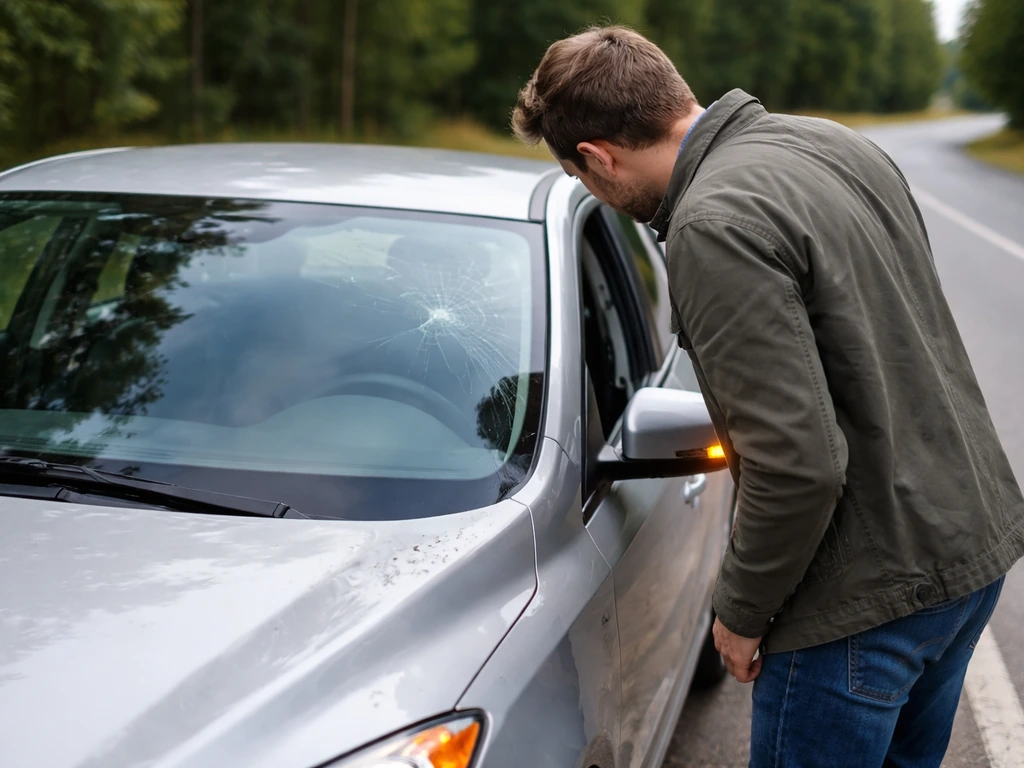
If a bird strikes your car while driving, the immediate priority is vehicle control. Don't swerve hard or brake suddenly unless you're at very low speed. A bird impact rarely causes structural damage to a passenger vehicle, but a driver overcorrecting into oncoming traffic is a real danger.
Once you're safely stopped: check for windshield damage, check that all mirrors and cameras are clear, and if the bird is lodged on the vehicle, don't handle remains with bare hands. Use gloves or a plastic bag inverted over your hand. If a bird has gone through your windshield (very large bird, highway speed), treat it as a potential injury situation and call 911 for both human safety assessment and traffic control.
For aviation: if you experience a bird strike on an aircraft, the flight crew handles immediate safety. As a passenger, follow crew instructions. If you're a pilot, the FAA requires reporting strikes. Use FAA Form 5200-7, the official Bird and Other Wildlife Strike Report, to document the event. The FAA also asks you to save any remains for species identification, which helps track high-risk areas and seasons. Report through the FAA Wildlife Strike Database workflow as soon as possible after landing. You can use the blank" rel="noopener noreferrer">FAA Wildlife Strike Database mentioned in the FAA’s wildlife FAQ to track and review wildlife strike patterns over time.
Injury signs and when to call emergency vs wildlife rehab
For people
Call 911 if someone is unconscious, not breathing, gasping, bleeding heavily, or shows signs of shock (confusion, pale skin, weak pulse). For lacerations that aren't life-threatening, clean the wound thoroughly with soap and running water, apply pressure to stop bleeding, and get medical evaluation if the wound is deep, won't stop bleeding, or was caused by talons or a beak (puncture wounds have higher infection risk).
For birds
| What you see | What it means | What to do |
|---|---|---|
| Bird is stunned, upright within 30 min | Mild concussion, likely recoverable | Keep quiet and contained; release when alert |
| Bird lying flat, eyes open, breathing | Moderate concussion | Box it, keep dark and quiet, call rehabber if not improving in 1 hour |
| Visible bleeding, drooping wing | Serious injury | Do not attempt home treatment; call wildlife rehabber now |
| Bird unresponsive, no visible breathing | Likely fatal injury | Contact rehabber; do not attempt CPR on birds |
| Bird dead on impact | Fatal strike | Wear gloves for removal; wash hands afterward |
Wildlife rehabbers are the right call for anything beyond a quick recovery from stunning. They have the equipment, permits, and training that you don't. Trying to nurse a seriously injured bird at home typically causes more stress and delays proper care.
Disease and contamination: what's real, what's exaggerated, and how to stay clean
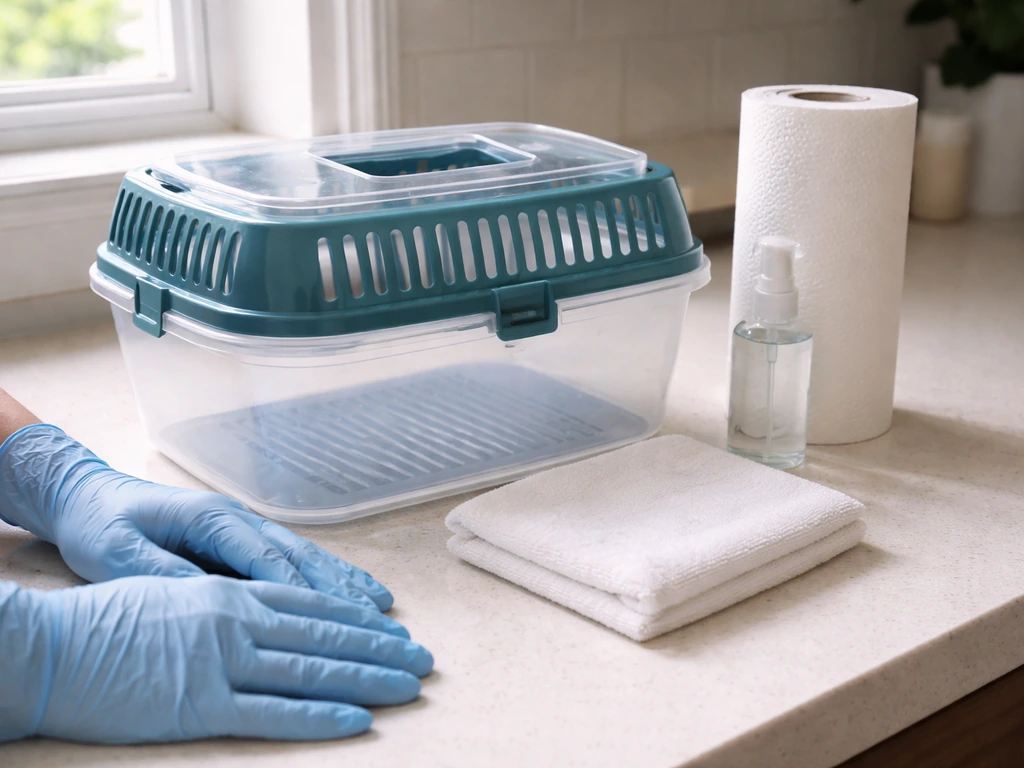
This is an area with a lot of myth. A single, brief contact with a healthy wild bird carries very low disease risk. Panic about disease from a window-strike bird is usually disproportionate. That said, real pathways exist, and taking basic precautions is sensible.
The main realistic risks from handling a bird or cleaning up after a strike are fecal contamination (Salmonella and E. coli are present in bird droppings, per CDC guidance), and potential exposure to avian influenza A if the bird is visibly sick or is from a population with known H5N1 activity. The CDC advises avoiding direct contact with sick or dead wild birds when possible, and specifically avoiding touching surfaces contaminated with bird feces, mucus, or saliva from birds that may carry avian influenza.
For most window-strike situations involving a healthy-looking bird, the practical hygiene steps are straightforward. The CDC is clear that washing hands with soap and running water is the most effective measure after handling animals or anything they've come into contact with. Hand sanitizer can work as a temporary alternative, but soap and water is better. OSHA reinforces this, noting that hand hygiene after contact with bird mucus, saliva, or feces is especially important.
- Wear disposable gloves when handling the bird or cleaning up remains and droppings
- Wash hands with soap and running water immediately after, even if you wore gloves
- Avoid touching your eyes, nose, or mouth while handling the bird or any contaminated surface
- Clean any surface the bird contacted with a diluted bleach solution or household disinfectant
- If the bird was visibly sick (not just stunned) or the area has a known avian flu outbreak, contact your local health department for guidance
To put it in perspective: while some birds can be toxic or dangerous in specific ways (there's a lot of nuance covered in articles like is there a poisonous bird and what is the most poisonous bird), the average wild songbird hitting your window doesn't pose a serious disease threat to a healthy adult who uses basic hygiene. Don't let disease fear prevent you from helping a stunned bird or cleaning up promptly.
Prevention: reduce the chance of another serious strike
Window and door solutions
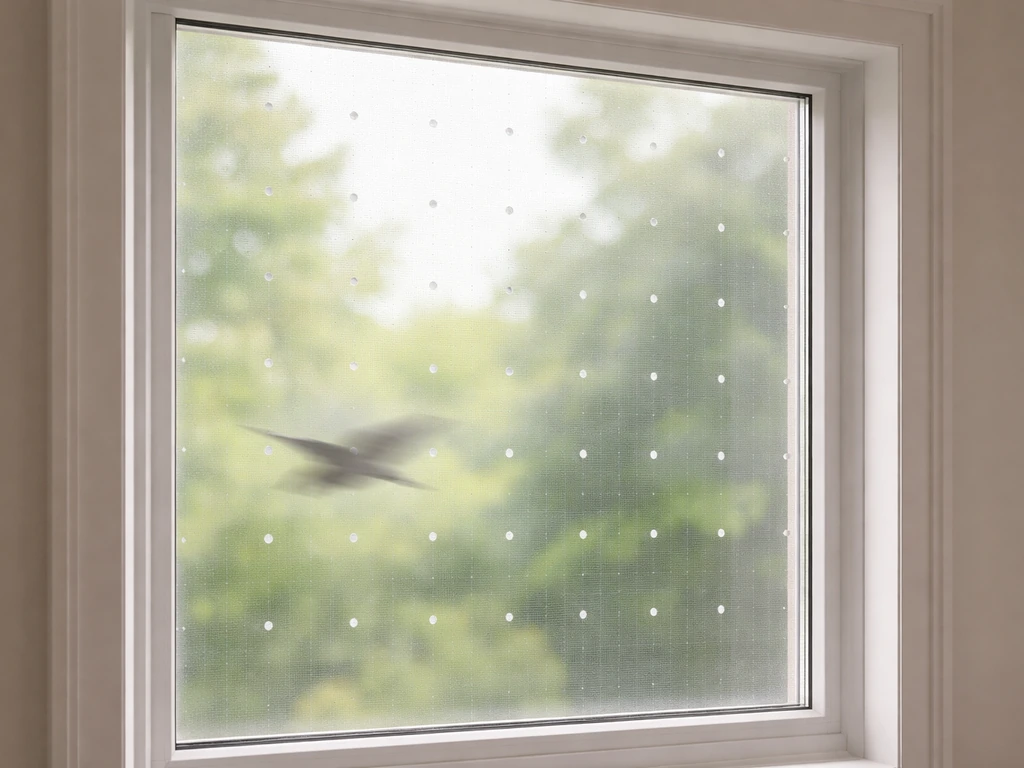
Windows are by far the most common strike location you can actually control. The most important thing to understand: placement matters. The USFWS explicitly warns that window blinds or decals placed on the inside of glass may not deter birds during daylight hours because birds see the reflection, not what's behind the glass. You need external solutions.
The most effective options all work by making the glass visually obvious to a bird in flight. The NPS states that visual patterns like dots or stripes spaced no more than 2 inches apart are most effective. One or two predatory bird decals placed on the glass are not effective, despite being widely sold. Iowa DNR confirms the 2-inch spacing rule for deterrent decals. Audubon adds that decals must be placed 2 to 4 inches apart to work, and that external screens can also help by breaking up reflections and physically slowing birds before impact.
If you're doing a window retrofit or building a new structure, the USFWS recommends bird-friendly glass products designed with embedded UV-reflective coatings or etched patterns. These are permanent solutions that don't require ongoing maintenance. A word of caution from USFWS: some netting products marketed for bird deterrence can actually entrap and kill birds. If you're using netting, make sure it's specifically designed and tested for bird-safe use.
For homes with feeders, moving feeders to within 3 feet of the window or more than 30 feet away reduces strike risk. At 3 feet, birds don't have enough speed to injure themselves. At 30 feet or more, they've adjusted to the environment and fly accordingly.
Reducing bird attraction near roads and vehicles
Near roadways, bird strikes on vehicles are often tied to feeding opportunities (roadkill, fruit trees, grain spills) or nesting near traffic lanes. If you manage property near a busy road, clearing food attractants and trimming vegetation back from the road edge reduces bird congregation in strike zones. For aviation, this is a formal wildlife hazard management discipline, but for private landowners near small airports, the FAA has resources and encourages reporting any large bird or wildlife activity near runways.
Managing your yard environment
Think about what's attracting birds close to your structure in the first place. Dense feeders, fruit-bearing plants directly in front of windows, and reflective surfaces at ground level all increase strike risk. One reason for window strikes is that birds may see their reflection in glass and interpret it as another bird or an intruder on their territory blank" rel="noopener noreferrer">reflective surfaces at ground level all increase strike risk.. Reorganizing feeder placement is often the fastest single improvement you can make. And if you've had issues with nests being built in problematic locations near windows or entryways, dealing with worst bird nest situations before they escalate can prevent recurring strike events.
Your action checklist
Here's a quick reference for what to do right after a bird strike, regardless of context.
- Triage humans first: call 911 for any unresponsive person, life-threatening bleeding, or signs of shock
- Check pets for puncture wounds or distress; call a vet if you see injuries
- For a stunned window-strike bird: box it, keep it dark and quiet, check in 30 minutes
- For obviously injured birds: call a licensed wildlife rehabilitator; don't attempt home treatment
- Wear gloves when handling any bird or remains; wash hands with soap and water immediately after
- For vehicle strikes: prioritize driving safety over the bird; report aviation strikes using FAA Form 5200-7
- For prevention: apply external visual deterrents at 2-inch spacing, move feeders to under 3 feet or over 30 feet from windows, and avoid inside-only solutions
Bird strikes range from minor to genuinely serious, but almost every scenario has a clear, manageable response. The key is knowing which scenario you're in, acting in the right order, and not getting paralyzed by disease concerns that are largely exaggerated for healthy birds. If you want broader context on which bird species carry the most inherent risk, the article on what is the deadliest bird is worth reading alongside this guide.
FAQ
What if a person seems okay after a bird strike, but I’m not sure about hidden injuries?
If the person is stable but you are unsure whether they need emergency care, treat it like a potential internal injury. Seek urgent medical evaluation if there was a direct blow to the head or face, any vomiting, worsening drowsiness, severe headache, or trouble breathing. Even when bleeding is minor at first, puncture wounds from beaks or talons can deepen and require tetanus review and medical assessment.
How should I control bleeding after a bird strike if I cannot tell how serious it is?
Do not apply tourniquets unless bleeding is life-threatening and you cannot control it with direct pressure. For ordinary bleeding, apply firm direct pressure and keep the injured area still. If blood soaks through dressings, add more layers, do not remove the original. Any arterial bleeding, pumping blood, or continued heavy bleeding warrants calling 911 immediately.
My pet seems alert after a bird strike, can I wait and monitor at home?
For pets, if you cannot confidently assess breathing, assume it might be compromised. Use quiet containment, keep the pet warm, and transport to a vet or emergency hospital as soon as possible, especially if you see labored breathing, pale gums, repeated vomiting, or inability to stand. For cats and dogs, avoid giving food or water until a vet evaluates them, since swallowing can be risky after facial or chest trauma.
What extra precautions should I take if the bird looked sick or there was a lot of visible mess?
Yes. If you are cleaning a windshield or removing debris and the bird had visible illness, avoid touching eyes, mouth, and face, wear disposable gloves if available, and bag contaminated materials. Wash hands with soap and water immediately after glove removal, then disinfect high-touch surfaces. Use a well ventilated area and avoid spraying at high pressure that can aerosolize residue.
Can I temporarily splint a bleeding bird if it’s still conscious?
If you find a bird that is bleeding but responsive, the safest approach is containment without DIY treatment. Place it in a ventilated box lined with paper towel, in a dark quiet room, and do not try to tape wings, splint legs, or apply ointments. Contact a licensed wildlife rehabilitator because handling errors can worsen fractures or cause shock.
How do I decide whether a stunned bird can wait, or needs rehab immediately?
After a window strike, wait time should be based on the people and pet triage order and the bird’s condition, not the clock alone. If the bird is actively bleeding, gasping, or you notice repeated attempts to right itself then collapse, call a wildlife rehabilitator right away. If the bird is merely stunned and breathing normally, keeping it contained for a short period is reasonable while you ensure immediate human and pet needs are met.
Is it safe to continue driving after a windshield bird strike if visibility seems mostly okay?
Do not drive if the windshield impact created cracks that reduce visibility. If the windshield is cracked, the rearview mirrors are displaced, or camera systems are obstructed, postpone travel until the vehicle is inspected and cleared. Also, be careful when moving anything lodged on the glass, use gloves or a barrier, and avoid removing major debris if it risks additional windshield damage.
What are the key symptoms that mean I should call 911 even if nobody feels badly hurt?
If a large bird went through the windshield, treat it as a possible multi-injury event even if you feel fine. Call 911 for traffic control and medical screening, especially if you have facial pain, neck pain, dizziness, blood in the mouth, or numbness. Also watch for shock signs like confusion or fainting, those can show up after the initial impact.
What should I document or collect after a bird strike on an aircraft for the required report?
If you are the pilot or flight crew member, report the strike as required and document what you can without delaying safety. For identification, collect remains carefully using tools, store in a clean sealed container, and label location, time, flight number, and aircraft details. Avoid washing or discarding evidence at the ramp, since species identification often depends on the condition of the remains.
As a passenger, do I need to do anything beyond notifying the crew after a bird strike?
If you are a passenger, you typically do not need to handle remains, but you should tell the crew if you saw the bird clearly or can describe its size and color. For personal safety, follow crew instructions and do not go beyond your seatbelt and overhead bag precautions. If you feel symptoms after the event, request medical evaluation at landing or through your company procedures.
If I wear gloves for cleanup, do I still need to wash my hands?
Wearing gloves is useful for cleanup, but it is not a substitute for handwashing. Gloves can have micro-tears, and people often touch their phone or face while still gloved. The best practice is gloves for the mess, then discard them properly and wash hands with soap and running water right after cleanup.
What’s the safest way to clean surfaces after a bird strike without creating new hazards?
Do not use common household cleaners on bird residue without ventilation considerations and surface compatibility. Use soap and running water for skin exposure and general cleaning where appropriate, then disinfect only the surfaces you actually touched or that had residue. Avoid mixing chemicals like bleach and ammonia, and keep children and pets away from the cleanup area until surfaces are dry.
I installed window decals, but birds still strike. What should I change first?
For homeowners using deterrents, place them based on visibility from the bird’s flight path, not just where birds land. If you notice birds still striking, adjust placement so the pattern is on the outside and visible in daylight reflections. Also consider seasonal migration timing, if strikes cluster during certain weeks it often means the deterrent placement needs refinement rather than giving up.
I moved the feeder, but strikes continued. How do I decide where to place it instead?
If you have a feeder, relocating it is often effective, but it can also require limiting other attractants. If you move a feeder within 3 feet, you may still get collisions at that closer distance, so many people prefer moving it beyond 30 feet or redirecting it so birds are less likely to fly directly into the window line. Reduce spills and fruit drop near the window, since these can make birds linger in the strike zone.
Next Articles
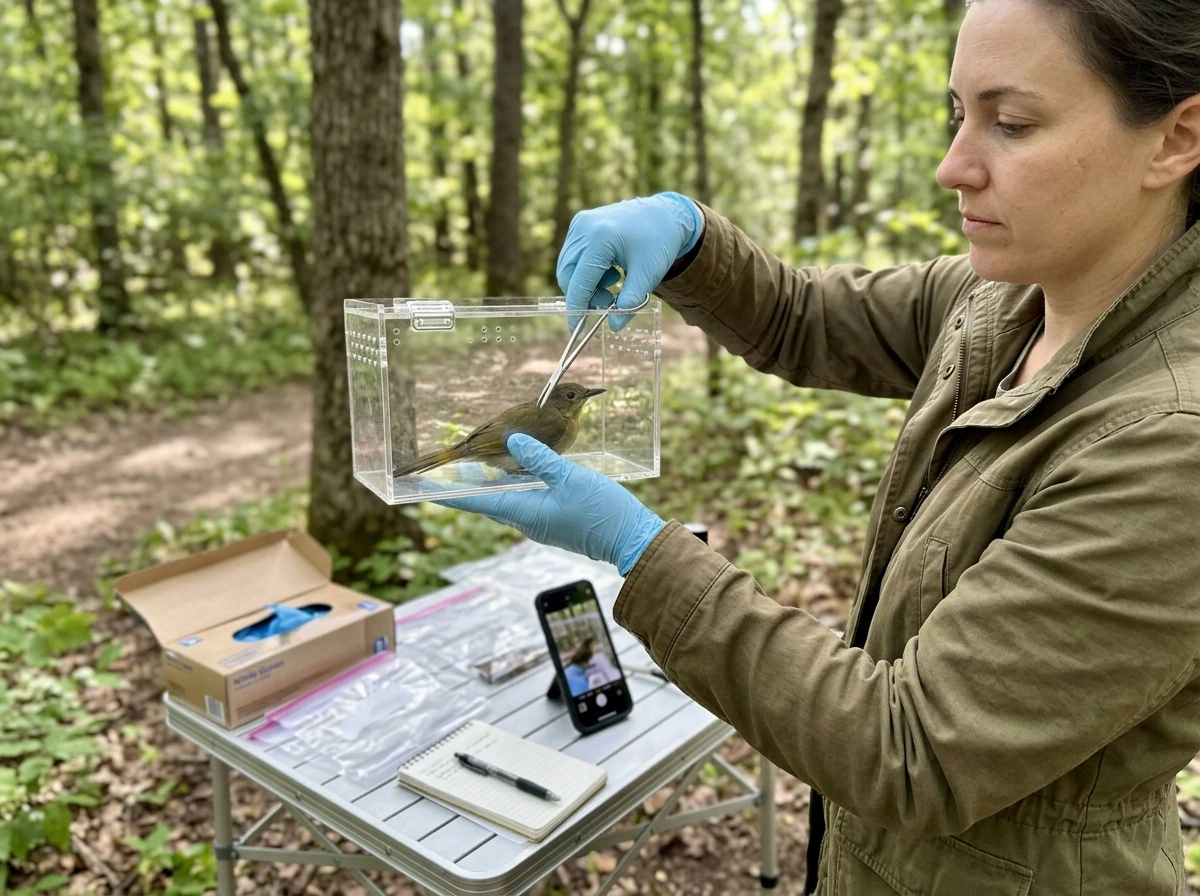
Is There a Poisonous Bird? Real Biology, Risks, and What to Do
Myth-busting guide on whether any birds are truly poisonous and what to do if exposed, including real risks and symptoms
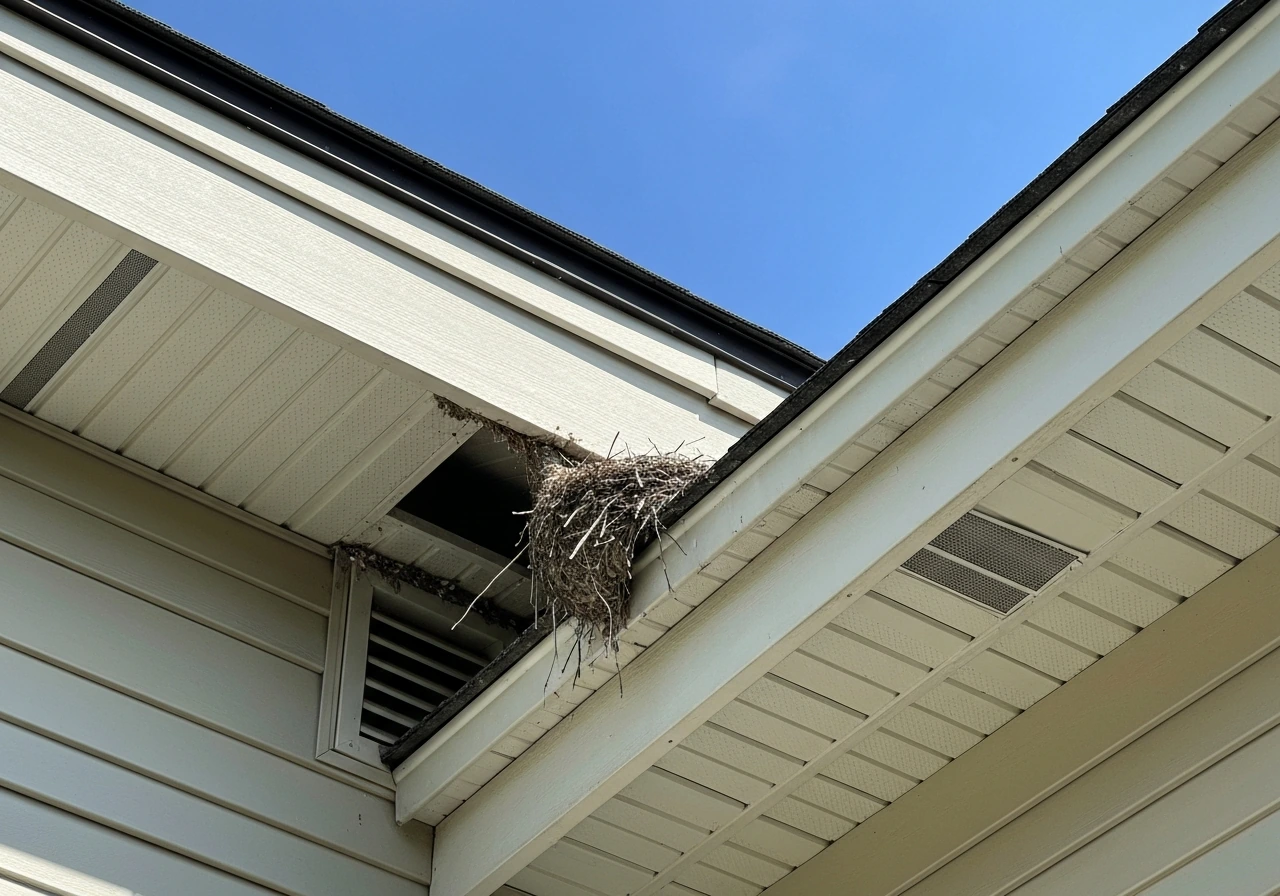
Worst Bird Nest: Identify Risks and Safe Removal Steps
Learn how to spot the worst bird nest risks, avoid myths, and follow safe cleanup and exclusion steps.
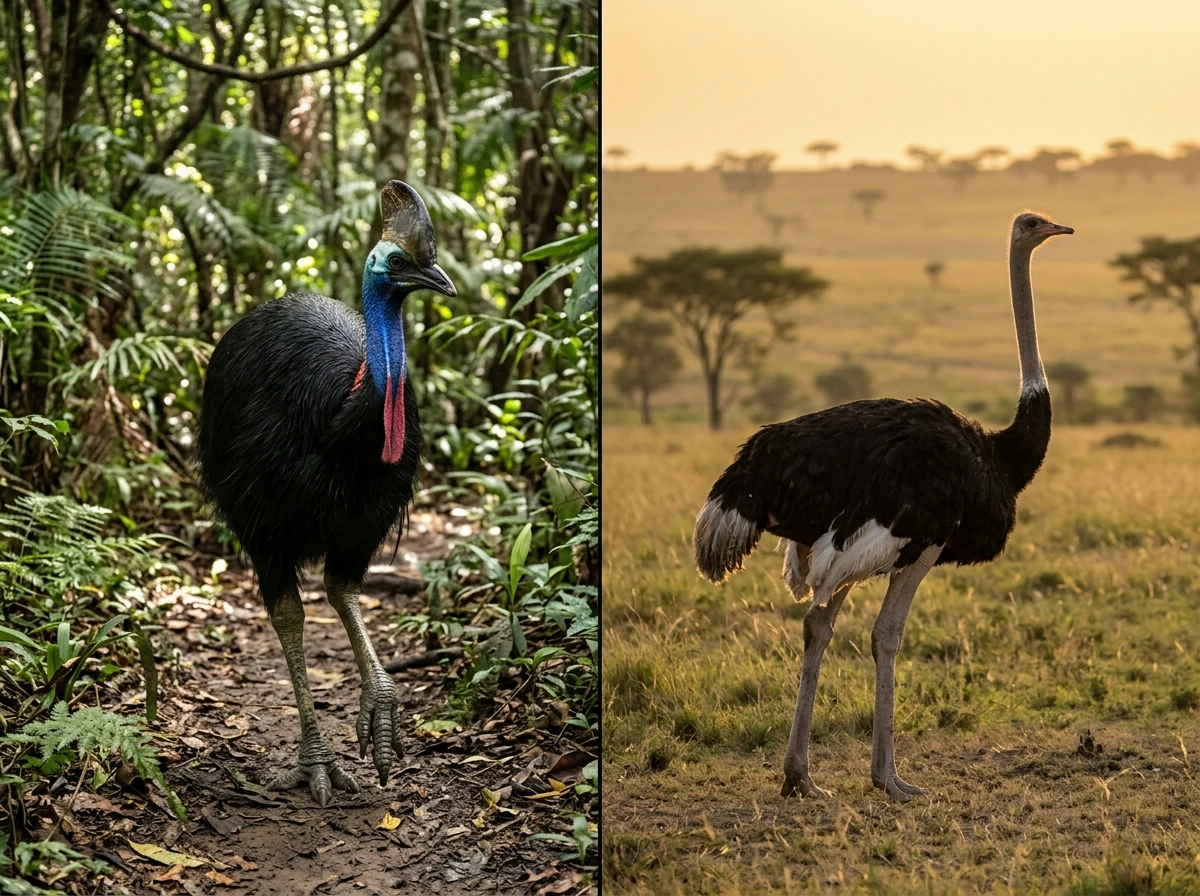
What Is the Deadliest Bird? Evidence-Based Answer
Evidence based answer to the deadliest bird, which species pose the biggest risks and how to stay safe.