
The most aggressive bird depends heavily on what you mean by 'aggressive.' If you're talking about a bird most likely to physically dive at a human, the Northern Mockingbird and the Northern Goshawk are the top contenders in North America. Globally, the Cassowary earns a reputation for dangerous defensive attacks, and the Australian Magpie is notorious for relentless swooping during nesting season. But none of these birds are aggressive for aggression's sake. Every one of them is reacting to a perceived threat, almost always near a nest or young. Understanding that distinction changes how you think about the risk and what you should actually do.
What Is the Most Aggressive Bird in the World?

Maya Chen
23 Mar 2026
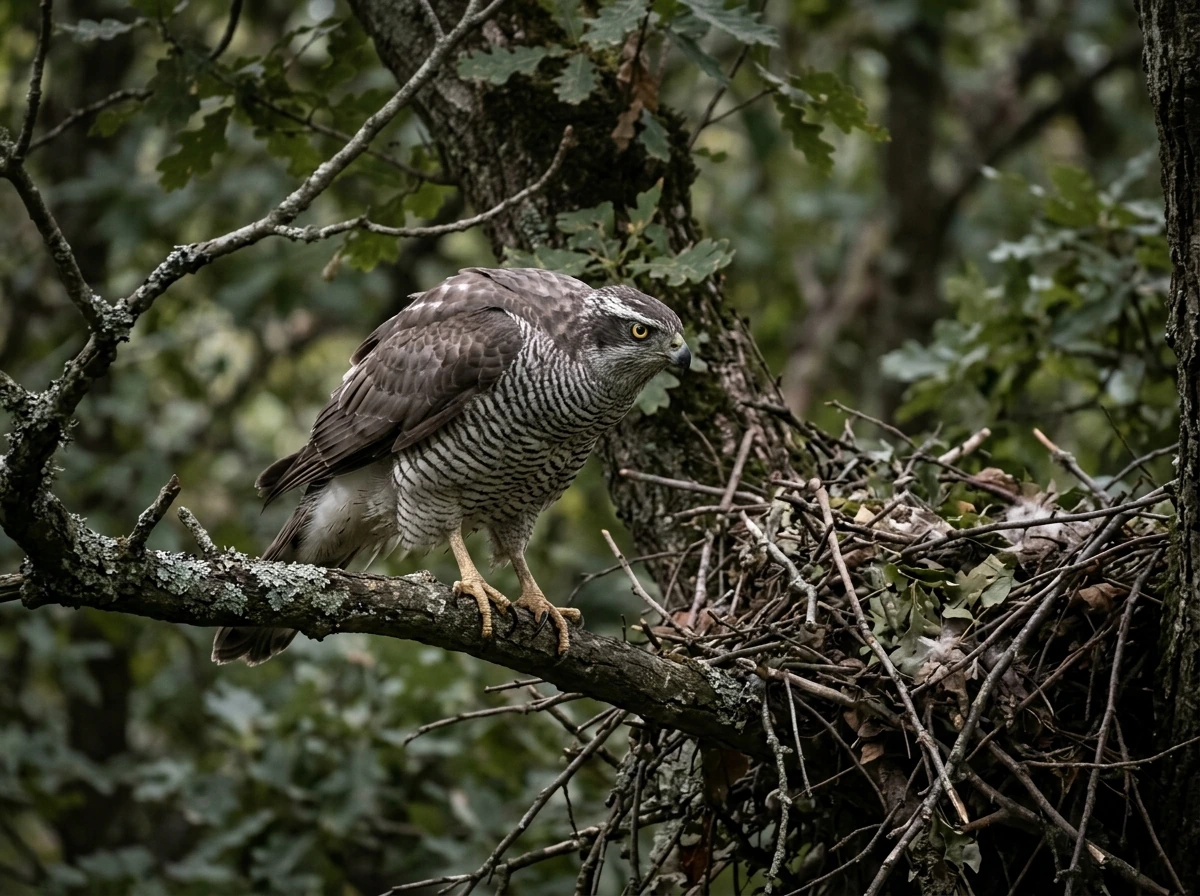
What 'aggressive' actually means in birds
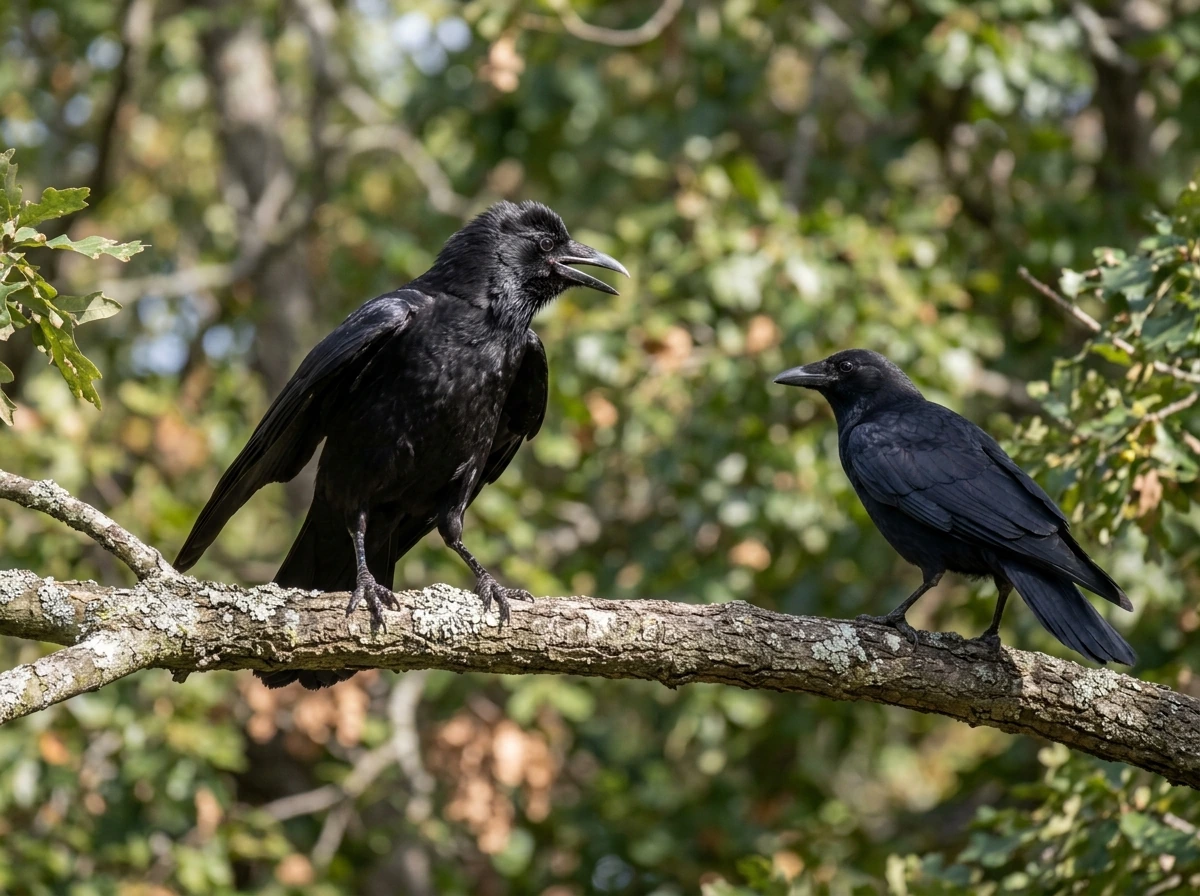
In behavioral science, what we casually call 'aggression' is more precisely called agonistic behavior. It's a graded set of responses that includes threat displays, alarm calls, and escalating physical action, all the way up to an actual attack. A bird weaving anxiously on a branch, calling loudly, is at the low end of that scale. A goshawk physically striking someone who walked too close to its nest is at the high end.
This matters because 'aggressive' gets thrown around loosely. A crow that yells at you from a telephone wire is not the same threat as a red-tailed hawk that makes contact with your scalp. Researchers who study bird aggression actually measure it: they count alarm calls, record how close a person gets before the bird flushes, and log how many times a bird makes attack flights (defined in Northern Mockingbird studies as a swooping pass within 1 meter of a human intruder). Aggression is context-dependent and measurable, not just a personality trait.
There's also a useful split between danger toward other birds (intraspecies territorial aggression) and danger toward humans or pets (defensive interspecies aggression). A bird might be incredibly dominant and aggressive within its own species while posing essentially zero threat to people. So when someone asks 'what is the most aggressive bird,' the honest answer is: most aggressive toward people, most aggressive toward other birds, or most dangerous overall? Those are three different lists.
The top contenders, ranked by context
Here are the birds most consistently cited by ornithologists, wildlife agencies, and behavioral researchers as genuinely aggressive toward humans, along with what makes each one stand out.
Northern Goshawk
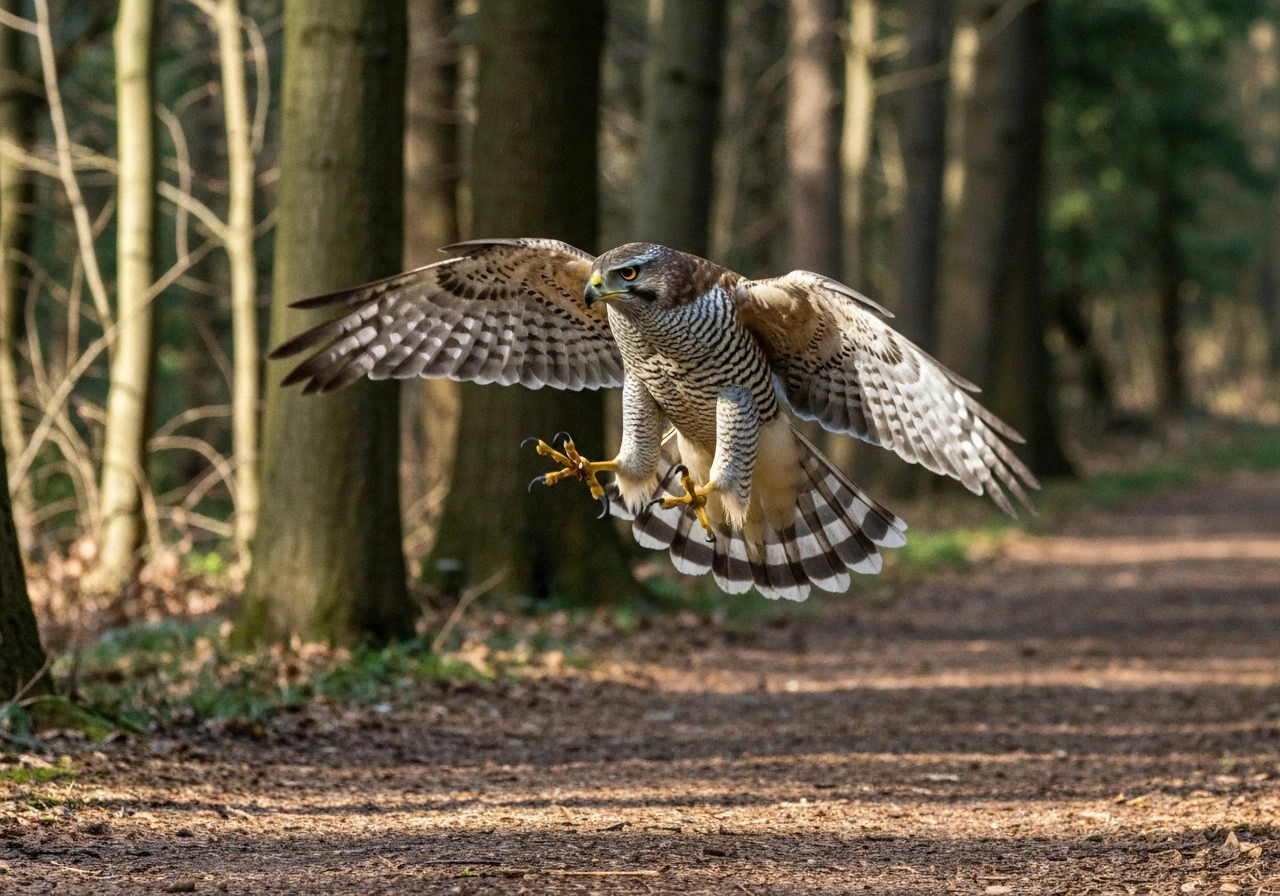
The U.S. Fish and Wildlife Service specifically calls out the Northern Goshawk as particularly prone to aggressive diving toward humans. It's a large, fast accipiter that nests in dense forests, and when it decides you're a threat, it commits. Goshawks have been documented making direct contact with hikers and forestry workers who unknowingly walked into their nesting territory. Unlike some raptors that do warning passes, a goshawk may strike on the first approach.
Northern Mockingbird
The Northern Mockingbird might seem like an unlikely contender given its small size, but the research on this bird is striking. A 2009 study tracked mockingbird nests in urban environments and found that individual birds could experience roughly 15,000 instances of a human coming within 5 meters of their nest during a single 23-day nesting period. The vast majority of those encounters triggered no response at all. But the birds that did attack showed a graded and escalating response over days, and they learned to recognize specific individual humans who had disturbed them before. That's not just aggression; that's targeted aggression with memory.
Cassowary
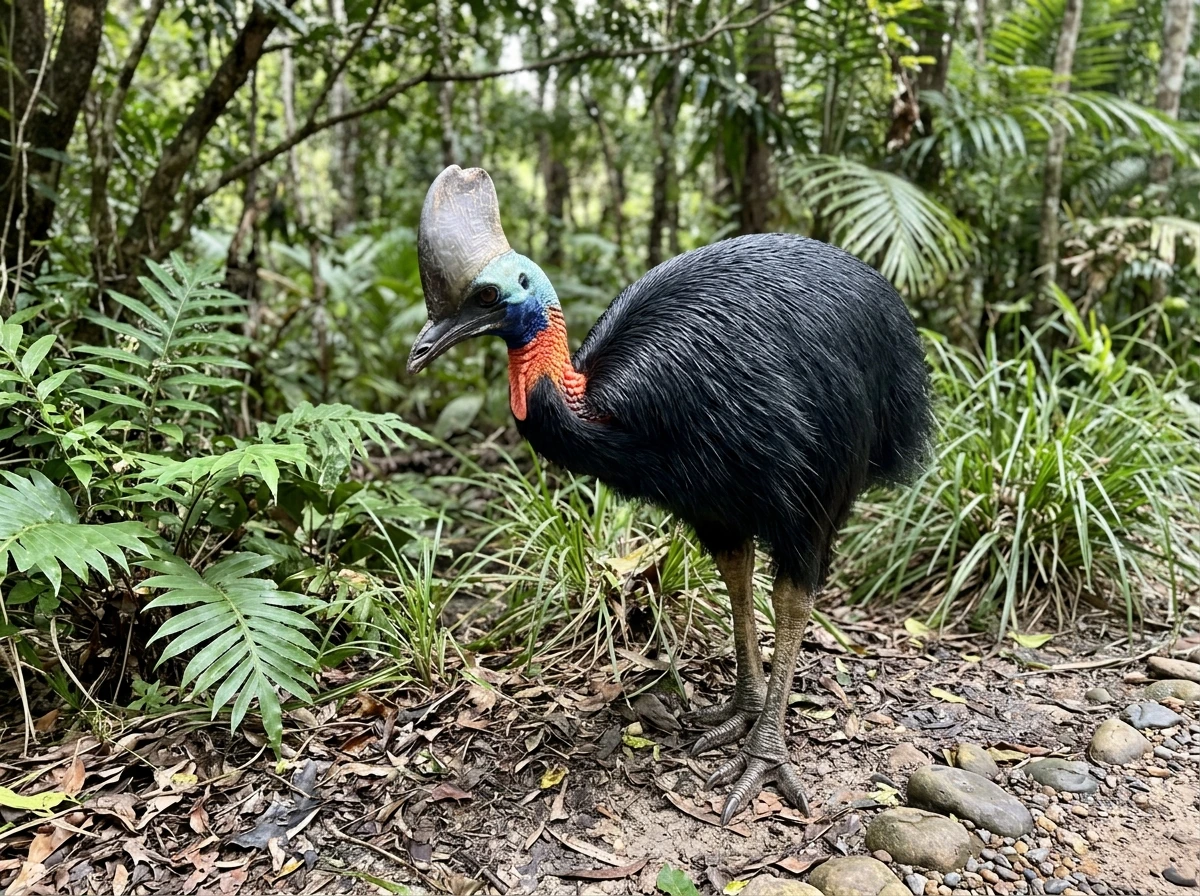
The Cassowary, a large flightless bird native to northern Australia and New Guinea, is the one bird most often discussed in the same breath as 'most dangerous.' It has a dagger-like claw on each foot that can reach 10 centimeters, and it has caused human fatalities. It's worth noting that Cassowary attacks on humans are still relatively rare and almost always triggered by humans feeding or cornering the bird. It's not randomly hostile, but when it does attack, the physical consequences are serious. This bird gets more coverage in an article about the deadliest birds, but its aggression level is real and worth knowing.
Other notable species
- Australian Magpie: Responsible for thousands of documented swooping incidents per year during breeding season, including eye injuries. Arguably the most statistically common aggressive bird encounter for humans worldwide.
- Canada Goose: A surprisingly physical threat when defending nests or goslings. Geese have knocked people down and caused minor injuries. Their aggression is strongly nest-defense driven.
- Red-tailed Hawk, Cooper's Hawk, Peregrine Falcon, and Broad-winged Hawk: All listed by the USFWS as species that may aggressively approach or strike humans during nesting season (approximately January through August).
- Red-shouldered Hawk and Swainson's Hawk: Less frequently discussed but also documented to dive at people near active nests.
Why birds get aggressive in the first place
Almost every case of bird aggression toward humans comes down to one of three things: nest defense, offspring defense, or territorial defense of a food source. Breeding season is the trigger. The USFWS frames nesting season as roughly January through August, though it varies by species and region. Outside of that window, most of these birds are far less likely to bother you.
Nest defense is the strongest driver. A bird that has invested weeks in building a nest, incubating eggs, and raising chicks is not going to give that up easily. The closer you get to an active nest, the more intense the response. That's why the USFWS suggests a simple field test: if you're unsure whether a nest is active, watch from a distance. If a bird returns to the nest within 15 to 20 minutes and settles onto it, the nest is active and you should leave the area. So if you are wondering what is the most poisonous bird, it helps to separate poison and venom from aggression, since the birds discussed here are dangerous mainly because of defensive behavior.
Territorial aggression over food or space (separate from nesting) is more common in species like mockingbirds during winter when they defend berry-producing shrubs. This type of aggression is usually lower intensity: alarm calls, close flybys, and chasing rather than actual contact.
How aggression plays out in the real world
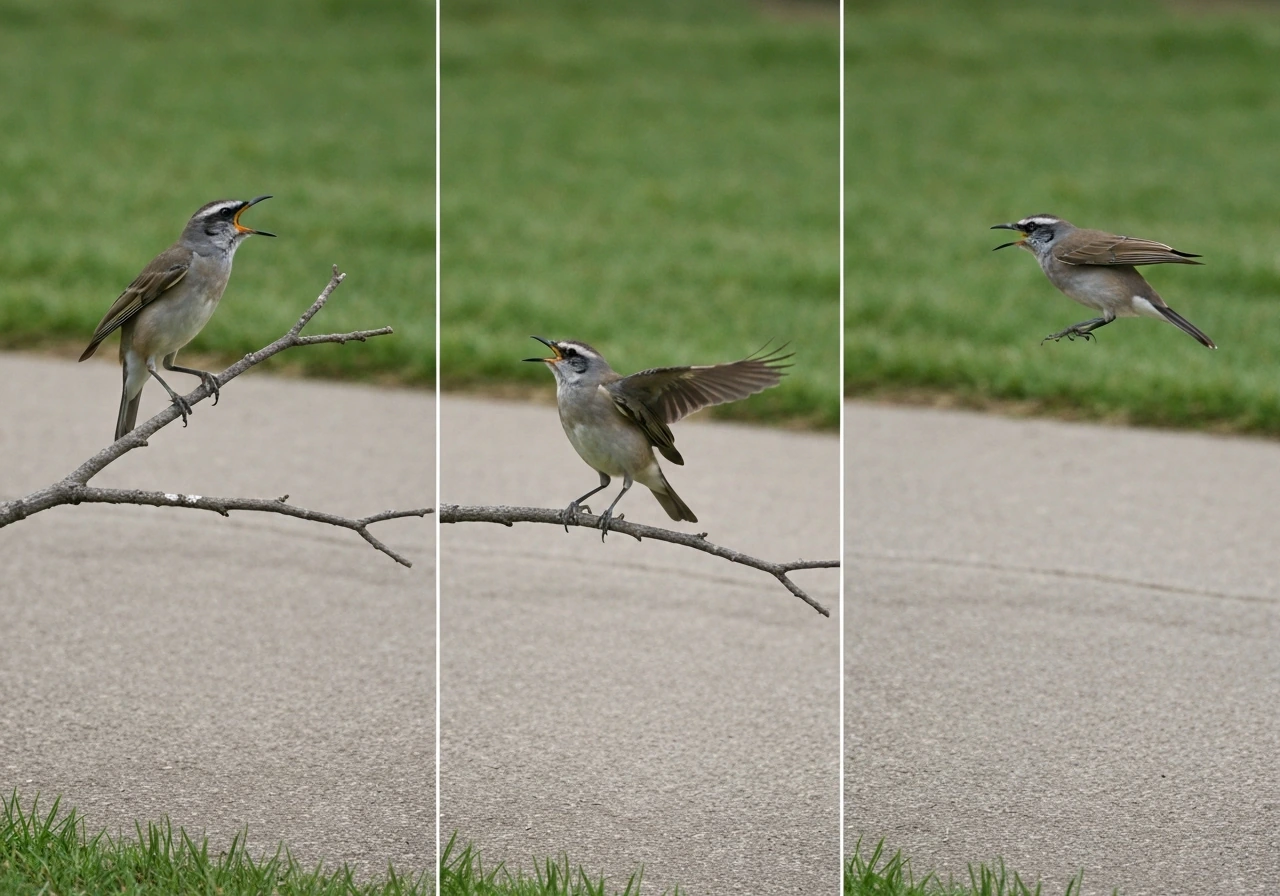
The typical progression of a bird aggression encounter goes from vocal warning to flyby to contact, and most encounters stop well before contact. The bird starts with alarm calls. If you keep approaching, it may fly closer, sometimes repeatedly. If you still don't retreat, the most aggressive individuals (especially goshawks and mockingbirds that have learned to identify specific intruders) may actually make physical contact, typically aiming for the top of your head.
Physical contact from even a small bird like a mockingbird can break skin. The USFWS is direct about this: if skin is broken during a bird encounter, wash the wound and treat it with antiseptic. It's not a minor thing to brush off. Larger raptors can cause more significant lacerations.
The risk is also highest in predictable locations. A walking path through a park with known nesting birds, a trail through goshawk territory, or a yard where a mockingbird has been attacking for days. These aren't random events. Once you know a bird is nesting nearby, you can anticipate the response and plan around it.
Seasonal risk at a glance
| Bird | Peak aggression period | Primary trigger | Typical behavior |
|---|---|---|---|
| Northern Goshawk | Spring–Summer (nesting) | Nest intruder | Direct strike, often without warning |
| Northern Mockingbird | Spring–Summer (nesting); Winter (territory) | Nest proximity or food territory | Repeated swooping, alarm calls, physical contact |
| Cassowary | Year-round if cornered/fed | Feeling cornered or approached | Kicking with clawed feet |
| Australian Magpie | Late July–November | Nest proximity | Swooping, occasional eye/head contact |
| Canada Goose | Spring (nesting and goslings) | Approach to nest or young | Charging, hissing, wing-beating |
| Red-tailed Hawk | January–August | Nest intruder | Aerial diving, alarm calls |
What to do if you encounter an aggressive bird
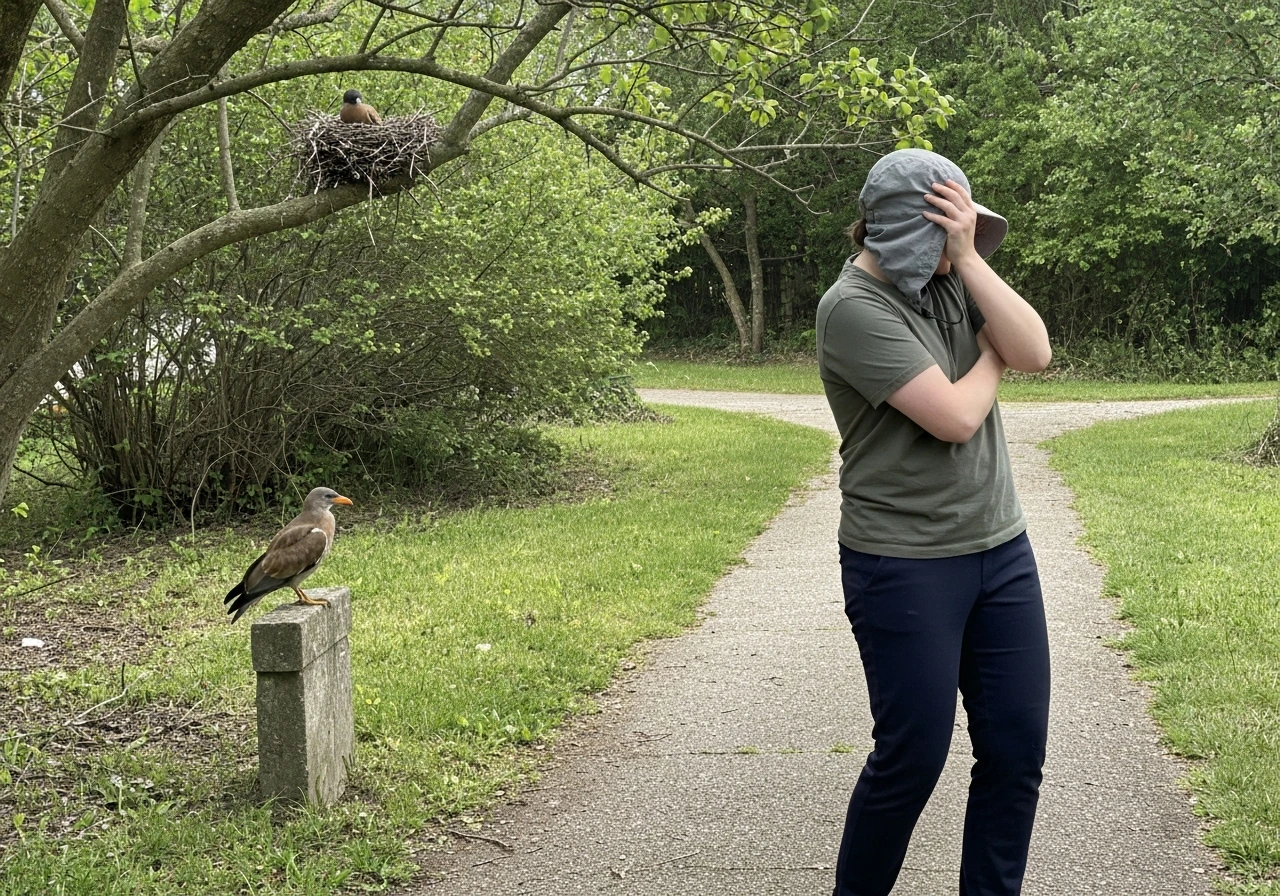
First, the most important thing: don't panic and don't run. Running can trigger a chase response in some birds. Stay calm, protect your head and face, and move away steadily.
- Back away slowly and calmly. Don't turn and run. Move in the direction away from the nest if you can identify where it is.
- Protect your head. If you're being swooped, cover your head with your arms, a bag, an umbrella, or anything available. Maintaining eye contact with the bird (or wearing sunglasses with eyes drawn on the back) can discourage some species like magpies.
- Do not wave your arms or throw things at the bird. This escalates the situation and can cause the bird to make contact it otherwise wouldn't.
- Keep pets leashed and close. A dog or cat that charges toward a nesting bird is going to get the full defensive response. Keep pets on leash in areas where you know nesting birds are active.
- Avoid the area during peak nesting activity. If a specific path or area has a known aggressive bird, give it a wide berth for a few weeks until chicks fledge.
- If skin is broken, treat the wound immediately. Wash with soap and water and apply antiseptic. If the wound is deep or you have concerns about infection, see a healthcare provider.
- Report serious incidents to local wildlife authorities. If a bird is causing injuries repeatedly in a public area, your local wildlife management agency (in the U.S., that's typically your state fish and wildlife department or USDA Wildlife Services) can assess the situation. Most species are protected under the Migratory Bird Treaty Act, so removal or lethal control requires authorization.
One health note worth mentioning: if an aggressive bird encounter brings you into contact with droppings in soil near nesting or roosting sites, be cautious about disturbing that soil. According to the CDC and the National Park Service, breathing in spores from soil contaminated with large quantities of bird droppings can cause histoplasmosis, a fungal lung infection. This is more relevant to people cleaning up under roosts or working in enclosed spaces with heavy droppings, but it's a real risk in close-contact situations.
Myths about aggressive birds worth clearing up
Myth: Some birds are just mean by nature
No bird attacks humans out of meanness. Every documented case of bird aggression toward people is a defensive behavior tied to a specific trigger, almost always proximity to a nest, offspring, or a defended resource. The Northern Mockingbird research makes this especially clear: a bird that experienced 15,000 human approaches in 23 days responded to the vast majority with nothing at all. Aggression is situational, not a personality trait.
Myth: Big birds are always the most dangerous
The Northern Mockingbird weighs about 50 grams and will draw blood. Size is not the primary predictor of aggression intensity. Motivation, proximity to a nest, and learned recognition of specific threats matter more than body mass for most human-bird conflict situations.
Myth: Feeding birds makes them friendlier and less aggressive
Feeding actually increases the risk of aggression in some species. Canada Geese that are fed by humans lose their fear of people and are more likely to approach and defend their territory aggressively. The Florida Fish and Wildlife Conservation Commission specifically advises not to feed Canada Geese for this reason. Feeding wild birds, including Cassowaries, is one of the most consistent factors in human injury from those species.
Myth: If a bird swoops at you, it's going to make contact
Most swooping behavior is a warning display, not an attack. The bird is trying to scare you off, not necessarily injure you. Actual contact is the escalated endpoint of a graded response, not the first move. If you back away when the swooping starts, most encounters end right there.
Myth: Aggressive birds should be removed or scared away permanently
Most aggressively defensive birds, especially raptors and songbirds, are protected by federal law in the United States under the Migratory Bird Treaty Act. You cannot legally harass, trap, or kill them without authorization. More practically, the aggression is temporary. Once the nesting season ends and chicks leave the nest, the bird returns to its non-aggressive baseline. The practical solution is almost always to avoid the area for a few weeks, not to attempt removal.
The bottom line on which bird 'wins'
If you want one answer: for sheer documented physical danger to humans, the Cassowary is the most dangerous in terms of injury potential, and it's covered more thoroughly in discussions of the deadliest birds. For the most likely aggressive encounter the average person in North America will actually face, the Northern Mockingbird and the Northern Goshawk are the top candidates, with specific hawk and falcon species not far behind depending on where you live. For the most likely aggressive encounter the average person in North America will actually face, the Northern Mockingbird and the Northern Goshawk are the top candidates, with specific hawk and falcon species not far behind depending on where you live. The Australian Magpie holds that position for people in Australia. what is the worst bird strike. worst bird nest
What ties all of them together is the same underlying truth: these birds are not randomly hostile. They are fiercely protective of what matters to them, specifically their nests and young, during a predictable time window each year. Know the season, recognize the warning signs, give nesting birds space, and the risk drops dramatically. That's the most practical takeaway you can leave with.
FAQ
How can I tell whether a swoop or dive is just a warning or an actual attack risk?
The most useful shortcut is to think “defensive context,” not “species toughness.” If a bird is acting like it has a nearby nest, you are the trigger, so treat the warning as the start of a graded response. If it is just calling from a distance with no closer flybys and no escalation over repeated passes, the risk is usually much lower.
What should I do in the moment if a bird starts swooping at me?
For most people, the safest practical rule is to stop advancing as soon as you see the first consistent warning behavior (alarm calling, repeated approach patterns, or the bird keeping you in view). Moving away steadily reduces the chance the bird escalates from flyby to contact, whereas backtracking late or continuing closer visits tends to prolong the encounter.
What’s the safest way to respond if I’m stuck near a nesting area (like on a trail)?
If you cannot immediately leave the area, shield your head and face and keep your movements calm and non-random. Avoid sudden running, and avoid turning your back. Many encounters end once the bird determines you are withdrawing, especially when you reduce the distance to the nest quickly and consistently.
Does leaving food out for birds make aggression worse for aggressive species like geese or cassowaries?
Feeding increases conflict risk because it changes the bird’s learned behavior. When birds associate people with food, they are more likely to approach first and then defend that resource. If you want to reduce aggression around your yard or park, don’t provide food, and avoid leaving out water, pellets, or trash that attracts the species.
Can aggression happen outside the nesting season mentioned in the article, and why?
Yes, but the timing is key. Even within the same species, the risk can rise sharply when eggs hatch and when chicks start moving around, because parents defend a larger active area. If you notice daily escalation or repeated attacks on the same path, assume the local nest is active even if it looks “quiet” at first.
Is the “most aggressive bird” always the most aggressive toward people, or could it be territorial mainly toward other birds?
Not necessarily. A bird may be highly aggressive toward other birds while being relatively calm toward people, especially outside nest pressure. If you are trying to predict human risk, focus on behaviors tied to humans passing close to a specific area, such as repeated dive lines or alarm calls that begin when people enter a particular corridor.
What should I do if a bird keeps attacking me every day, and I want a non-harmful solution?
Many raptors and songbirds may be protected, so “solving the problem” by harassment, trapping, or removing nests is not allowed without proper authorization. If aggression is persistent, the better next step is to contact wildlife agencies or authorized nuisance specialists to get species-specific guidance and legal options.
If a bird breaks the skin during an encounter, what are the practical first-aid steps and when should I see a doctor?
After a contact injury, wash promptly with soap and clean water, apply antiseptic, and monitor for infection. Seek medical care especially if the wound is on the face or scalp, if skin is punctured, if there is significant bleeding, or if symptoms like spreading redness, fever, or worsening pain appear.
How real is the histoplasmosis risk if I only get near droppings occasionally?
Yes. Soil near roosts or areas with heavy droppings can be a higher risk exposure, especially in enclosed spaces or when cleaning disturbs dust. If you must clean, avoid dry sweeping, use appropriate protective measures, and consider professional help for heavy buildup rather than doing the task yourself.
Do birds learn specific people, and can that make them more aggressive over time?
It can. Birds that have repeatedly experienced the same human behavior, or that have been harassed in the past, may show stronger escalation sooner because they associate that person or pattern with a threat. If you or your family regularly use the same route, changing the route during the peak weeks often reduces recurrence faster than trying to “teach” the bird to stop.