
A bird strike on a plane is exactly what it sounds like: a collision between a bird and an aircraft. ICAO formally defines a strike as "a collision between wildlife and an aircraft," and SKYbrary narrows that definition slightly, specifying it happens while the aircraft is in flight or on a takeoff or landing roll. In everyday aviation use, "bird strike," "bird hit," and "wildlife strike" are all used interchangeably to describe the same event. If you've heard the term and wondered what it actually means for the plane and the people on board, this guide covers it clearly and honestly.
What Is a Bird Strike on a Plane? Meaning and What Happens Next

Maya Chen
5 Apr 2026
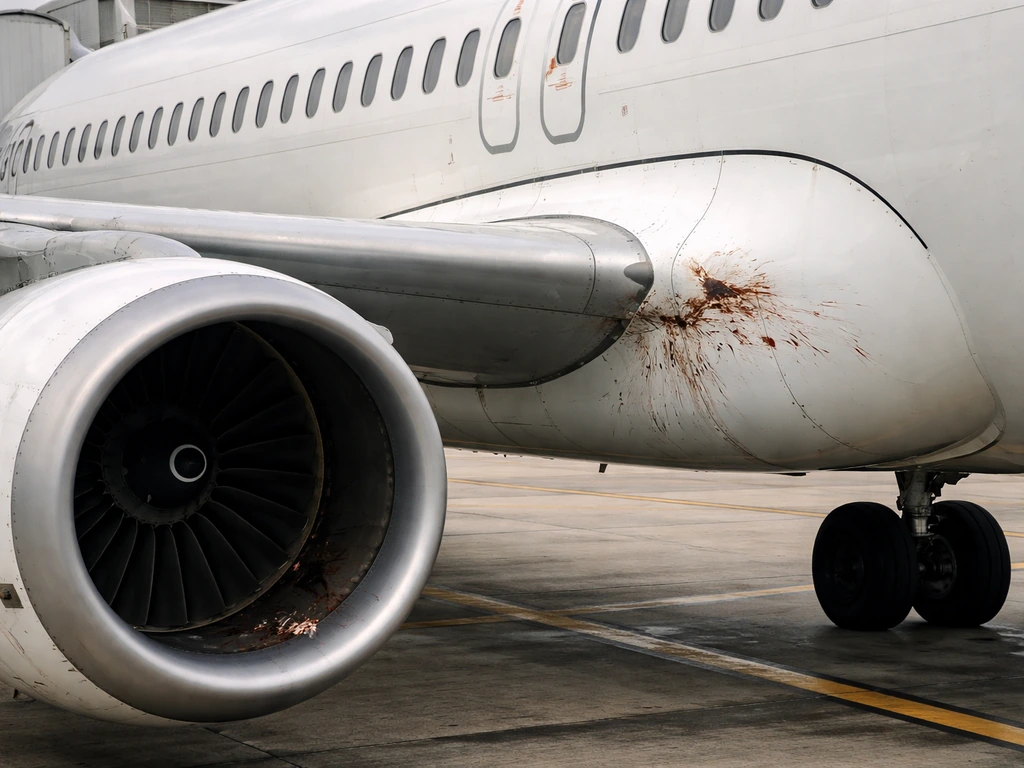
What a bird strike actually means in aviation
The term is used in official aviation safety reporting worldwide. In the United States, the FAA uses a standardized form called FAA Form 5200-7, titled "Bird and Other Wildlife Strike Report," to document every reported incident. A Reddit discussion in r/aviation notes that bird strike reporting is tied to the FAA Form 5200-7 and that the FAA wildlife database can be harder to search without detailed information. That form captures details like where on the aircraft the strike occurred, what damage resulted, and whether the flight was affected. ICAO runs a parallel system called the Bird Strike Information System (IBIS), which compiles strike reports from member states to analyze trends globally.
So when a pilot files a bird strike report, it becomes part of a larger safety database. This isn't just paperwork. The data shapes airport wildlife management programs, aircraft certification standards, and pilot training. Bird strikes are treated as a serious, trackable aviation hazard, not a freak one-off event.
Where bird strikes happen on an airplane

Bird strikes don't always hit the same place, and where a bird hits makes a huge difference in how serious the event is. There are two broad categories worth understanding: impacts on the airframe and impacts involving the engines.
Airframe strikes: windshields, nose, and control surfaces
Airframe strikes include anything that hits the fuselage, nose, windshield, or wings. A bird hitting the windshield at high speed is jarring and potentially dangerous, but modern aviation windshields are tested to withstand significant bird impacts without shattering. A hit to the wing or tail can dent or crack structural components. These strikes are often noisy and alarming but frequently don't compromise the aircraft's ability to fly and land safely.
Engine ingestion: the higher-risk scenario
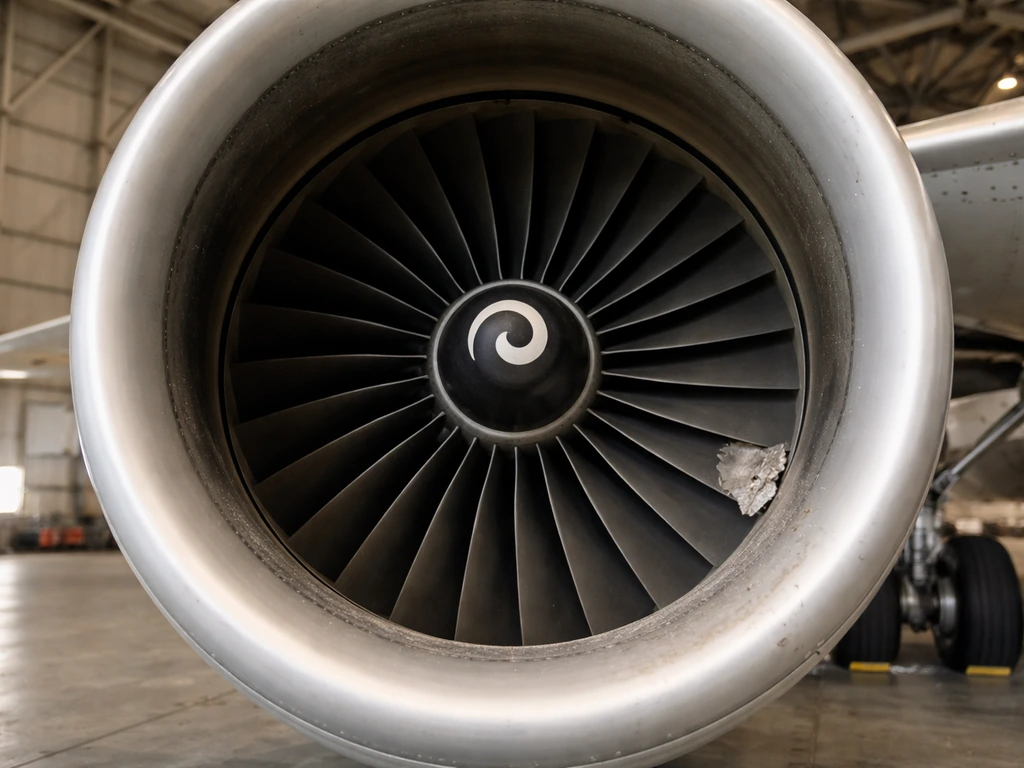
Engine ingestion is where bird strikes get more serious. When a bird (or a flock) gets drawn into a jet engine, the rotating fan blades can be damaged or destroyed. A single small bird in a large engine is usually manageable. A large bird, or multiple birds ingested at once, can cause an engine to lose significant thrust or fail entirely. Aircraft are designed and certified to handle single-engine failures, so even a complete engine loss doesn't automatically mean disaster. But the risk is real and is why engine-related bird strikes get the most attention in aviation safety.
Why bird strikes matter for flight safety
The risk isn't random. Most bird strikes happen during takeoff, initial climb, approach, and landing because that's when aircraft are flying at lower altitudes where birds concentrate. The vast majority of birds fly below 3,000 feet, and most strikes occur below 500 feet. Speed is the other key factor: the higher the aircraft's speed at impact, the more kinetic energy transfers into the airframe or engine. A bird that would cause a minor dent at 100 knots becomes a much more serious hazard at 250 knots.
Bird size matters enormously too. Starlings and sparrows rarely cause catastrophic damage. Canada geese, vultures, and large raptors are a different story. A Canada goose can weigh 8 to 14 pounds, and hitting one at approach speed delivers a tremendous amount of force. The chances of a bird hitting a plane are actually higher than most passengers realize, which is exactly why airports invest heavily in wildlife hazard management.
What happens right after a bird strike
Pilots are trained to respond to bird strikes systematically. The immediate steps depend on where the strike occurred and what effects are felt, but the general response follows a clear pattern.
- Assess: Pilots check engine instruments, flight controls, and any warning lights immediately after impact. If there's vibration, power loss, or abnormal readings, that signals possible engine damage.
- Communicate: The crew notifies air traffic control, declares the situation, and requests priority handling if needed.
- Decide: Depending on the assessment, the crew continues the flight, diverts to the nearest suitable airport, or in serious cases, declares an emergency. Single-engine operations and precautionary landings are well-practiced procedures.
- Inspect: After landing, ground crews and maintenance technicians inspect the aircraft before it returns to service. This inspection is thorough and non-negotiable.
- Report: The crew files a wildlife strike report with the FAA (or the equivalent national authority). That report feeds into databases used to improve safety.
If you want a deeper look at exactly how these events unfold from the cockpit's perspective, what happens when a bird strike hits a plane covers the sequence in more detail. The short version: pilots handle these situations routinely, and the systems in place, both procedural and mechanical, are specifically designed for this scenario.
Common myths about bird strikes worth setting straight
Bird strikes come with a lot of misunderstanding, both in the direction of dismissing them entirely and catastrophizing every incident. Here's where the reality actually sits.
Myth: Any bird strike means a crash
This is the biggest misconception. The overwhelming majority of bird strikes cause little or no damage. Many happen without the crew even knowing about it, discovered only during a post-flight inspection. The high-profile incidents, like US Airways Flight 1549 in 2009, stand out precisely because catastrophic outcomes are rare. The question of why a plane crashes when a bird hits it is actually a nuanced one, because in most cases, it doesn't.
Myth: Small birds are harmless
A single small bird is almost always harmless. A flock of small birds is not. Flocking species like starlings, red-winged blackbirds, and European starlings travel in dense groups and can cause multiple simultaneous engine impacts. It's the flock, not the individual bird, that elevates the risk.
Myth: Bird strikes only happen at altitude
Most bird strikes happen at low altitude, close to the ground, during the busiest phases of flight. The climb and approach corridors around airports are where bird activity and aircraft operations overlap the most. High-altitude strikes do happen, particularly with migratory birds at night, but they're far less common.
Myth: Helicopters are safe from bird strikes
Helicopters operate at lower altitudes and slower speeds than fixed-wing aircraft, which actually puts them in close contact with bird activity more often. The rotor system and tail rotor are particularly vulnerable. If you're curious about the specifics, what happens if a helicopter hits a bird is worth reading, and the question of whether a bird can take down a helicopter has a more nuanced answer than most people expect.
Practical ways airports reduce bird-strike risk
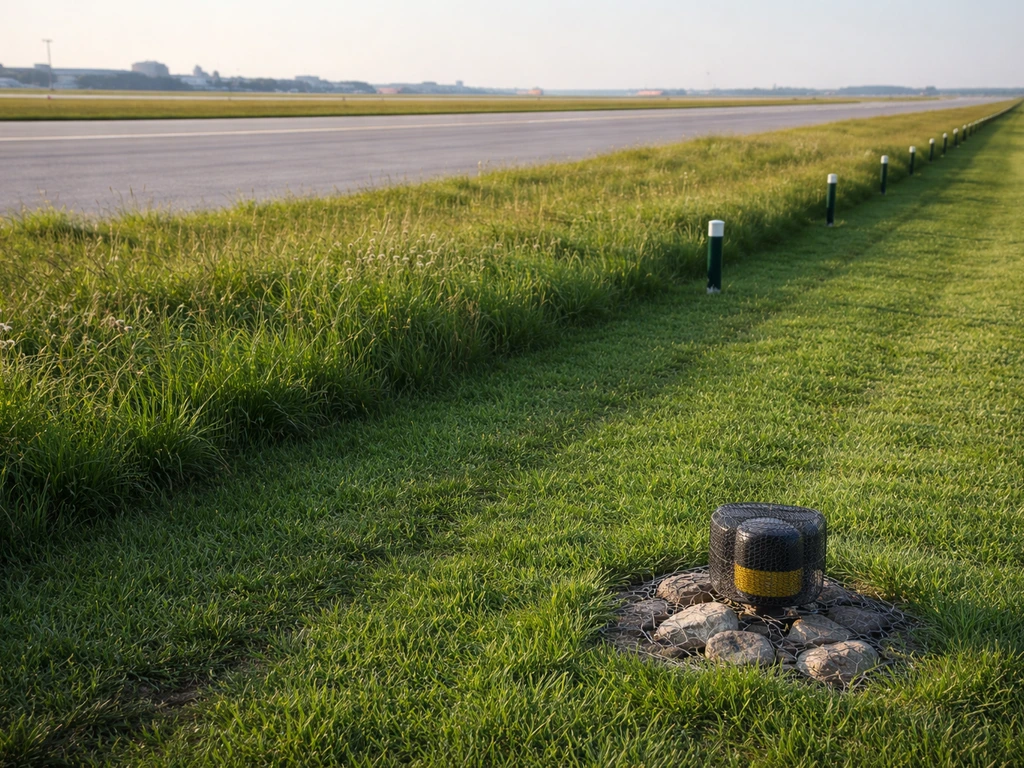
Airports use a layered approach to wildlife hazard management. No single method eliminates bird activity entirely, but combining several strategies consistently reduces strike rates.
- Habitat modification: Airports mow grass to specific heights that are less attractive to birds, manage drainage to eliminate standing water, and remove food sources that draw wildlife to the airfield perimeter.
- Active dispersal: Wildlife officers use pyrotechnics, trained dogs, falconry, and recorded distress calls to discourage birds from settling in runway approach zones.
- Radar monitoring: Some major airports use dedicated wildlife radar systems to detect flocks near runways and alert controllers before departures or arrivals.
- Lethal control: When non-lethal methods fail with particularly persistent species, airports may work with wildlife agencies to reduce local populations of problem birds, particularly large species like Canada geese near high-traffic airports.
- Pilot reporting: Every filed bird strike report improves the database. Pilots who report strikes, even minor ones, contribute to the collective understanding of when, where, and what species are posing the most risk.
- Aircraft certification standards: Jet engines are tested against bird ingestion as part of FAA and EASA certification. Engines must demonstrate they can survive ingesting a specific bird mass without catastrophic failure.
Understanding what happens if a plane hits a bird from a maintenance and airworthiness perspective is useful context here: the post-strike inspection process is part of why these events, handled correctly, rarely escalate into serious safety problems.
Bird strikes in perspective
Bird strikes are a real, well-documented aviation hazard that the industry takes seriously. They're also far more manageable than media coverage of high-profile incidents might suggest. Aircraft are built to survive them. Pilots are trained for them. Airports actively work to prevent them. The combination of engineering standards, trained crews, and wildlife management programs means that the vast majority of bird strikes, even engine strikes, are resolved without incident. The reporting systems run by the FAA and ICAO exist precisely because understanding where and when strikes happen is the foundation of keeping that track record intact. The FAA’s Wildlife Hazard Mitigation page also points users to the FAA Wildlife Strike Database and related resources for reporting and mitigation at airports blank" rel="noopener noreferrer">The reporting systems run by the FAA and ICAO exist precisely because understanding where and when strikes happen is the foundation of keeping that track record intact..
FAQ
Does a bird strike always have to be reported, even if there was no visible damage?
Often yes, at least to the operator and, in many jurisdictions, through the formal reporting channel. Even if the crew feels no change in power or handling, impacts can leave hidden damage, like micro-cracks on leading edges or fan blade nicks, which only show up during inspection. If you are the pilot, the key is to follow your company procedures and submit the report if anything suggests an impact occurred.
How can passengers tell whether a bird strike is “serious” or not?
Passengers usually cannot reliably judge. What matters operationally is whether the aircraft shows performance changes (thrust loss, warning lights, vibration) and whether inspections find damage. A strike that sounds violent can end with minimal findings, while a less dramatic event can still involve engine ingestion, so the aircraft may still require maintenance checks.
What would pilots do differently if the strike involved both an engine and the airframe?
They typically prioritize maintaining safe flight and thrust management, then follow targeted checklists for engine indication anomalies and structural concerns. For multi-region impacts, the inspection scope expands, for example, checking both engine components and the specific external panels or control surfaces that were in the strike path.
If an engine bird strike happens, is the flight always diverted or delayed for repairs?
Not always. Aircraft are certified to handle certain levels of engine damage and single-engine operation, so dispatch and continuation depend on what the crew reports and what the immediate inspection finds. Some events result in a delay for inspection and limited component replacement, while others lead to a continuation plan with added maintenance requirements at the destination or next suitable airport.
Can bird strikes cause long-term damage even after the aircraft lands safely?
Yes. Some impacts can create damage that is not immediately obvious, like dents on fan blades, leading-edge skin deformation, or small damage around fasteners. That is why aircraft typically undergo post-flight inspection procedures, and any deferred maintenance is handled according to airworthiness rules and damage-tolerance limits.
Why do bird strikes seem more common during takeoff and landing?
Because aircraft operate through airspace and corridors near the ground where birds feed and move, and because airspeed at those phases is relatively high. The combination of lower altitude (more birds below) and meaningful kinetic energy at typical takeoff, climb, approach, and landing speeds increases strike likelihood and severity potential.
Do helicopters face a different level of risk from fixed-wing aircraft?
Generally the risk profile differs. Helicopters often fly lower and slower, and the rotor system can ingest birds more directly. Rotor blades are also vulnerable to leading-edge damage, and tail rotor or tailboom impacts can create more immediate control and clearance concerns, so the response and inspection approach can be more time-critical.
What happens to the aircraft if the crew only suspects a strike but there is no confirmation?
Crews typically treat it as a possible wildlife impact if there are signs like unusual noises, vibrations, aural warnings, or performance deviations. The outcome depends on the evidence. Maintenance may perform a focused inspection rather than a full teardown, but they usually err on the side of verifying engine and critical external surfaces when suspicion is reasonable.
Does the type of bird matter only for size, or also for behavior?
Both. Size influences the energy delivered, but behavior and group dynamics matter too, for example flocking species can cause multiple simultaneous impacts to an engine or multiple surfaces. Migratory patterns and nighttime activity can also affect where and when strikes occur, which influences seasonal risk management for an airport.
If you witness a bird strike from the ground, is it safe to assume the aircraft will be fine?
No. From the ground you can see only part of the picture. A strike can be survivable without being harmless, and the aircraft may still require inspection or immediate action. The safest assumption is that the crew will follow procedures and, if needed, land and inspect before further flight.
Are modern windshields designed to withstand bird strikes, and how does that affect what passengers notice?
Many modern windshields are tested to resist significant impacts, which is why some strikes do not lead to obvious failures or shattered glass. That can make a windshield impact seem less consequential to passengers than it might be, but inspection is still important because force can be transmitted to surrounding structures or involve other surfaces beyond the glass.