Yes, golfers have hit birds, and it happens more often than most people realize. It is not a myth, not just a viral video moment, and not limited to one famous incident. Documented cases exist at all levels of play, from weekend rounds at public courses to televised professional tournaments. The real questions worth answering are: how often does it happen, what does it actually mean for the bird, and what should you do if you think your shot struck one? If you are wondering what to do right away after a bird strike, follow the steps later in this guide what to do if you think your shot struck one.
Has a Golfer Ever Hit a Bird? Facts and What to Do

Maya Chen
20 Apr 2026
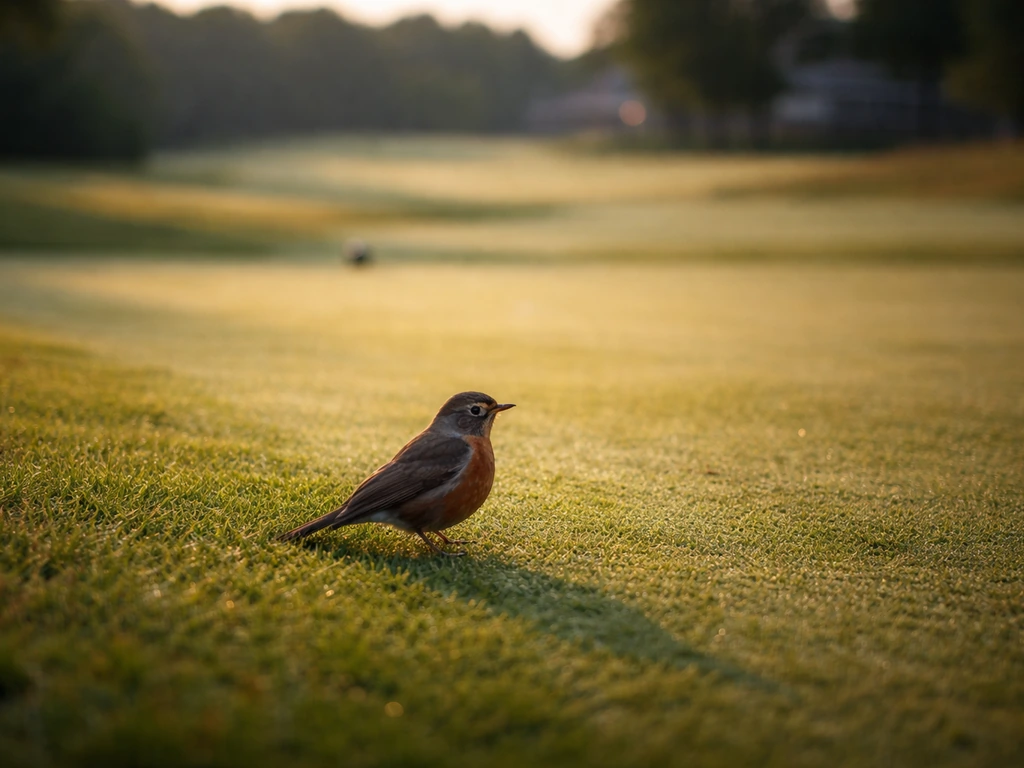
How often golfers hit birds (and what "hit" actually means)
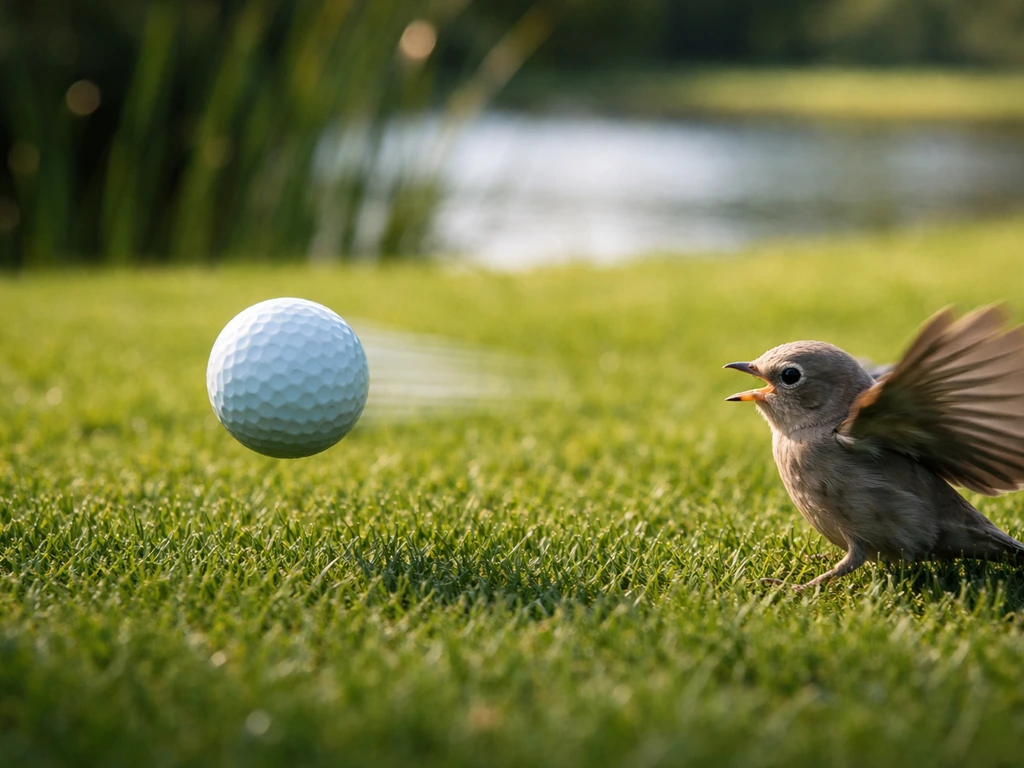
There is no centralized database tracking golf-ball-to-bird collisions, so any number you see is an estimate at best. What we do know is that documented incidents keep surfacing. A 2024 LPGA event produced footage of a tee shot apparently striking a bird mid-flight, which media outlets immediately compared to the Randy Johnson baseball incident. At the 2024 Cognizant Classic on the PGA Tour, footage of a bird being struck by Ryan Gerard's tee shot circulated on social media. These are just the ones that were caught on camera.
The word "hit" covers a wider range than most people imagine. In wildlife welfare terms, a bird-strike event includes any of the following: a direct impact from the ball, a ricochet where the ball deflects off a surface and then strikes a bird, a near-miss where the pressure wave or spin-off debris injures the bird, or a ball landing directly on a ground-nesting bird or a bird sitting in underbrush. Golfers sometimes disturb birds by walking through rough or tall grass, which can cause injury to ground-nesters as well. If a bird is hurt in any of these ways, it counts as a strike from a welfare standpoint, even if it appears to fly off normally.
Real documented cases versus the folklore
The cultural reference point most people reach for is Randy Johnson, the Hall of Fame pitcher who, during a spring training game on March 24, 2001, threw a 95-mph fastball that struck and killed a dove that flew across home plate at the worst possible moment. In baseball, the same kind of ball-to-bird incident is sometimes summarized by asking who hit a bird while pitching in the MLB.
In baseball, that question is often used to describe a ball hitting a bird while pitching who hit a bird while pitching in the MLB. That is a baseball story, not golf. But it became the cultural shorthand for any ball-hits-bird incident, which is why golf commentators and social media users started calling similar moments "Randy Johnson situations. " The Randy Johnson event is thoroughly documented by ESPN, MLB, and multiple news outlets, so it is not folklore.
On the golf side, documented cases include a reported incident at Putnam County Golf Course in Mahopac, New York, where an AP and NBC New York report described a golfer being charged with animal cruelty after a Canada goose was killed. A veterinarian confirmed the goose's chest was swollen from the original ball strike. The documented cases that appear on camera during professional events further confirm that these incidents are real, not urban legends.
The folklore element comes in with exaggeration: people sharing stories of balls vaporizing birds, golfers getting disqualified en masse, or courses being shut down over strikes. Most of those details get embellished with each retelling. The core fact, that golf balls do strike birds, is well-supported. The dramatic extras usually are not.
What actually happens to the bird when it gets hit
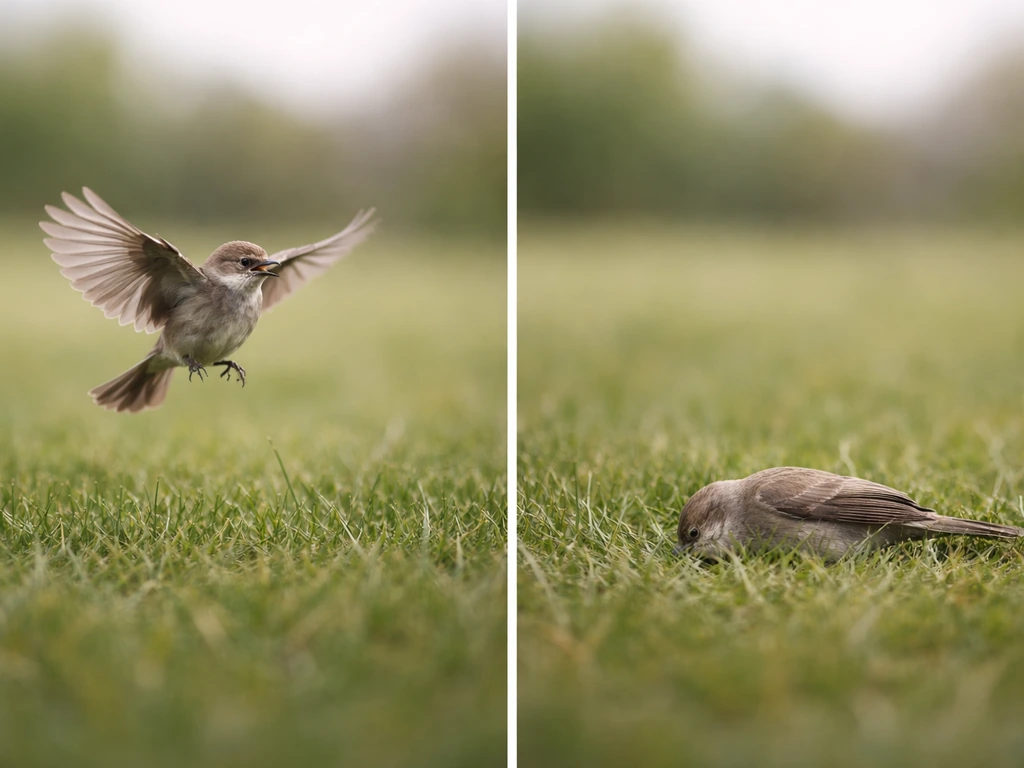
Outcomes range from startled-and-fine to immediately fatal, with a lot of dangerous middle ground in between. A golf ball traveling at even moderate speed carries enough kinetic energy to cause serious damage to a bird, particularly smaller species. Outcomes depend on the ball's speed, the angle of impact, the size of the bird, and which part of the body absorbs the impact.
The critical thing to understand is that you cannot judge injury severity by watching the bird. If you are asking whether the bird is hurt, you need to treat any signs of distress as serious and follow the steps in this guide judge injury severity. Wildlife Center of Virginia notes that collision victims can sustain intracranial hemorrhaging and still appear to fly away normally. Virginia Department of Wildlife Resources explicitly warns that head trauma, internal injuries, and eye injuries after a collision are often not immediately apparent. A bird that flutters off after your shot may still die hours later from internal bleeding or swelling around the brain.
For larger birds like Canada geese, a direct hit can cause enough blunt trauma to the chest or skull to be immediately life-threatening or fatal. For smaller songbirds or doves, even a glancing blow can be lethal. A bird that is running but cannot fly away, or one that sits still and appears stunned, is showing clear distress signs and needs professional help quickly.
What to do immediately if you think you struck a bird
Stop and check. Do not assume the bird is fine just because it flew a short distance or seems to be moving. Virginia Department of Wildlife Resources also says to never chase an injured bird. Walk to where you last saw it and look carefully, including in nearby rough or underbrush where an injured bird might hide.
- Do not chase the bird. Virginia DWR specifically advises against chasing, which causes further stress and can worsen internal injuries. If it is moving, approach slowly and calmly.
- Do not attempt to feed or give water. Wildlife rehab centers are consistent on this point: no food or water unless a trained rehabilitator instructs you to. It can cause aspiration or other harm in an already-compromised animal.
- If the bird is grounded and unable to fly, contain it gently. Use a towel, jacket, or box if you have one available. Place it in a dark, quiet, warm space (like a closed box in your car away from direct sun) to reduce stress while you make calls.
- Call a licensed wildlife rehabilitator or veterinarian as soon as possible. Virginia DWR recommends taking injured birds to a vet or permitted rehabilitator for assessment. In the US, you can search for your nearest wildlife rehabilitator through the National Wildlife Rehabilitators Association or your state's fish and wildlife agency.
- If the bird is dead, do not handle it with bare hands. Use gloves or an inverted plastic bag as a barrier. Illinois Department of Public Health guidance for dead bird disposal recommends disposable waterproof gloves and double-bagging the carcass before disposal, along with handwashing afterward.
- Report the incident to course staff if it happens at a managed facility. Courses affiliated with wildlife programs may have a contact on file for exactly this kind of situation.
If the bird appears stunned but recovers and flies away, keep an eye on it for a few minutes if possible. A bird that flies into nearby cover and stays there may still be injured. Note the location so a rehabilitator can follow up if needed.
How to lower the risk before you swing
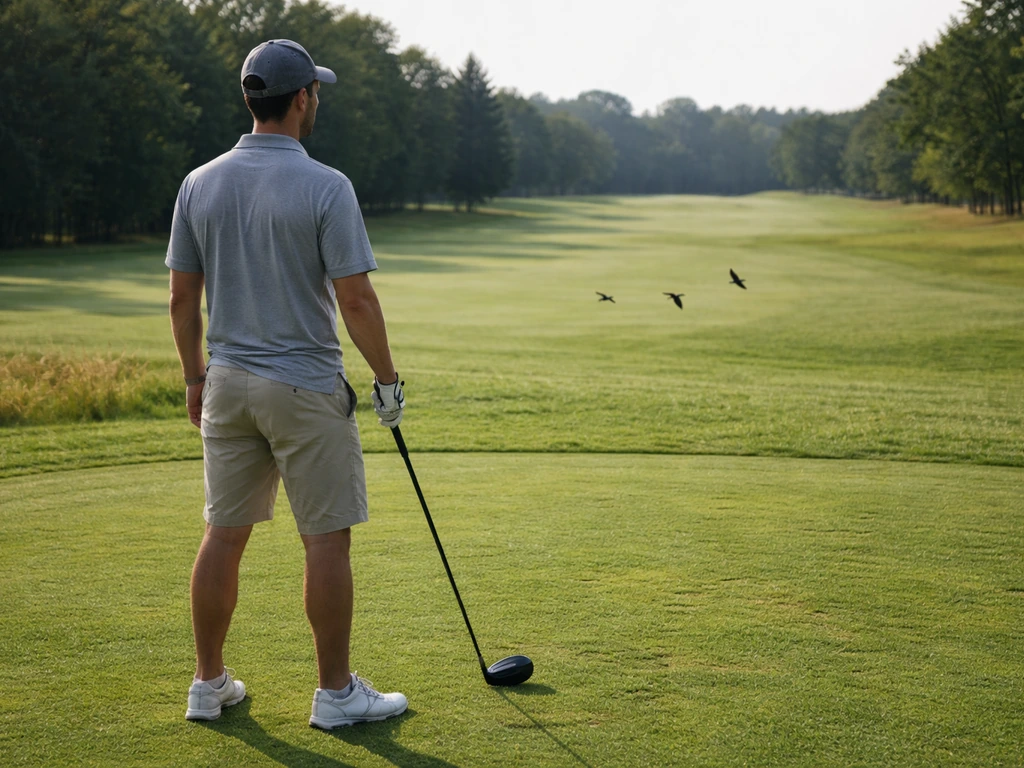
Most bird strikes on golf courses are accidental and unpredictable. That said, there are real habits that reduce the odds.
- Scan the flight path before you swing, especially on tee shots. Low-flying birds crossing fairways are the most common scenario for mid-air strikes.
- Pay attention to ground birds before approach shots and chip shots. Shorebirds, geese, ducks, and ground-nesting species like killdeer often sit in fairways and rough, and they do not always move out of the way in time.
- Slow down and look around near water features, marshy areas, and wooded edges. These are high-bird-density zones on most courses.
- If you spot an active nest in the rough near a tee or fairway, alert course staff. USGA guidance on sharing courses with raptors recommends establishing a relationship with a wildlife rehabilitator and adjusting course management around active nests.
- Walk carefully through tall rough and brush. Killdeer and other ground-nesting birds can be injured by footsteps, not just ball strikes.
- If you are playing at a course that has bird management practices in place (such as Audubon International certification), follow any posted guidelines about wildlife zones and seasonal nest restrictions.
Health considerations: what to actually worry about
For most golfers who have casual contact with a struck bird, the health risk is low. That said, it is not zero, and a few specific concerns are worth knowing about.
| Concern | Risk Level | What to Do |
|---|---|---|
| Avian influenza (bird flu) | Low for most people, higher if bird appears sick | Avoid touching with bare hands, wash hands thoroughly with soap and water afterward |
| General bacterial exposure (Salmonella, Chlamydia psittaci) | Low with normal hygiene precautions | Wash hands, avoid touching face before washing |
| Blood or body fluid contact | Low but warrants precaution | Use gloves or plastic bag barrier, disinfect any equipment that contacted the bird |
| Dead bird on course (not your strike) | Same as above | Do not handle without gloves; contact local health department if flu-like symptoms appear within 10 days |
CDC guidance for people who handle potentially infected birds recommends avoiding direct contact with blood or body fluids, wearing gloves that can prevent skin breaks, washing hands frequently, and disinfecting any tools or surfaces that had contact. OSHA avian influenza prevention guidance adds monitoring for flu-like illness after any exposure in an active outbreak context. For a typical golf ball strike with a healthy-appearing wild bird, the risk of disease transmission is genuinely low as long as you use basic precautions.
The more pressing health concern after a bird strike is actually the bird's, not yours. The temptation to handle a stunned bird and try to nurse it back to health at home is understandable but usually counterproductive. Wildlife rehabilitation centers consistently advise against DIY treatment because birds with head trauma or internal injuries need professional assessment, not well-meaning home care. In an r/birding advice thread, community guidance also discourages giving food or water to an injured bird unless a rehabilitator directs you, and emphasizes contacting local help instead. Getting the bird to a licensed rehabilitator quickly is the single most useful thing you can do.
If you do experience flu-like symptoms within ten days of handling a sick or dead bird, Illinois Department of Public Health guidance recommends contacting your local health department to let them know about the exposure. This is precautionary and not a reason to panic, but it is worth mentioning so the connection is not overlooked.
The bottom line
Golfers have absolutely hit birds, from weekend players at local courses to professionals during televised tournaments. It is uncommon enough that most golfers will never experience it, but common enough that documented cases exist at every level. If it happens to you, do not assume the bird is fine just because it moved. Contain it if you can, call a wildlife rehabilitator, and use basic hygiene precautions when handling it. Before your next round, spend ten seconds scanning the flight path and the ground around your ball position. That one habit, more than anything else, is what separates a near-miss from an incident.
FAQ
If I saw the bird fly off right after my shot, should I still report it or get help?
Yes. A bird can look able to fly away and still have internal injuries like head trauma or bleeding that shows up later. If you saw any signs of distress (stumbling, dropping, flapping, sitting in place) or debris in the area, call a local wildlife rehabilitator and note the exact location and time.
What if the bird landed in rough or tall grass and I cannot find it?
Mark the spot where you last saw movement after the strike, and check carefully for a second time later (for example, before leaving the hole). Injured birds often move into cover. If you cannot locate it, report the hole, approximate direction, and any visible evidence (feathers, disturbed nesting area).
Should I pick up a bird struck on the course?
Only if it is necessary to prevent immediate harm, and even then use protections. For most players, the safer choice is to contain it if possible without touching it directly, then call a rehabilitator. If you do handle it, avoid contact with blood or body fluids, consider gloves, and wash hands and any exposed skin right away.
Do I need to worry about disease from a typical golf-ball bird strike?
In most ordinary situations, the disease risk is low, but it is not zero. Use basic hygiene, avoid touching blood or fluids, and disinfect items if you touched the bird or feathers. If you live or are playing in an active avian influenza outbreak area and you become ill after handling a sick or dead bird, contact your local health department.
How long should I wait before leaving the area of the shot?
Give it a few minutes if you can, especially if the bird seemed stunned or stayed nearby. Then re-check the ground and cover where it disappeared into. If you find it later on the course, treat it as possibly injured and contact a rehabilitator.
What information should I tell a wildlife rehabilitator when I call?
Share the course name, hole number, GPS or closest landmarks, time of the shot, bird type if known, what you observed (direct hit, ricochet, bird landing on it), and what the bird did afterward (ran, sat stunned, flapped, flew into cover). This helps them decide how urgently to respond and what equipment or pickup is needed.
If I unintentionally struck a nesting bird or a bird on the ground, do I count that as a bird strike?
Yes, and you should treat it with the same urgency. Golf actions that disturb ground-nesting birds or birds in underbrush can injure them even if there is no obvious flying impact. If you see eggs, nest material, or the bird shows distress, contact wildlife help.
Can I be fined, reported, or face penalties for a bird strike?
Usually you are not. Most bird strikes are accidental and handled as wildlife incidents, not misconduct. However, if there is an unusual circumstance (for example, repeated intentional harm or disregard after the event), reports can happen. Focus on safety and contacting the right wildlife service.
What should I do with my club, ball, or gloves if I touched feathers or blood?
Treat anything that contacted the bird or its fluids as potentially contaminated. Wear disposable gloves if available, avoid wiping with bare hands, and clean with disinfectant where appropriate. Wash hands thoroughly afterward and launder clothing that may have contact.
Is there a practical way to reduce the chance of hitting birds without changing how I play?
Yes. Before every shot, do a quick scan of the landing area, especially near water, trees, rough edges, and tall grass. When birds are visibly active or you hear repeated flapping in a patch, club up less aggressively and avoid aiming straight into that activity zone.
What symptoms in a bird mean it is injured even if it 'seems okay' at first?
Clear distress signs include inability to fly, staying on the ground, repeated stumbling, disorientation, abnormal breathing, or prolonged sitting/staring. Do not rely on how far it flies, because internal injuries can worsen after the bird leaves.
Next Articles
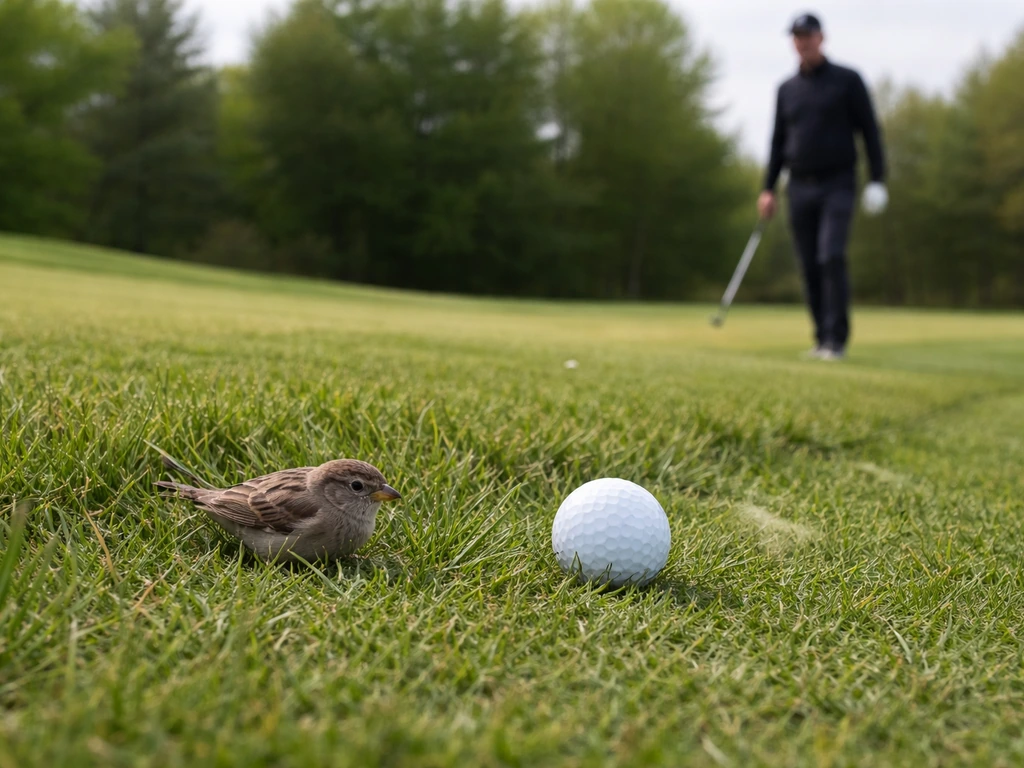
What Happens If You Hit a Bird in Golf: Steps to Take
What happens if you hit a bird in golf, what to do immediately, safety risks, cleaning steps, and when to call staff
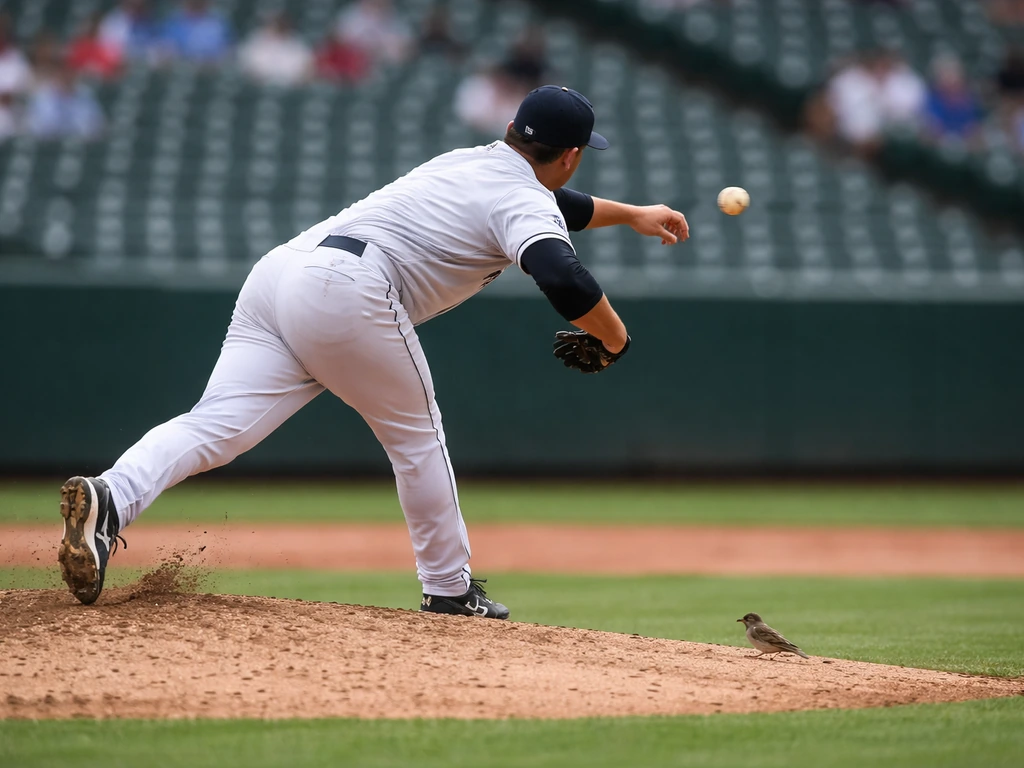
Who Hit a Bird While Pitching in the MLB and What to Do
Which MLB pitcher hit a bird and practical steps to help injured birds safely, avoid risks, and prevent future strikes.
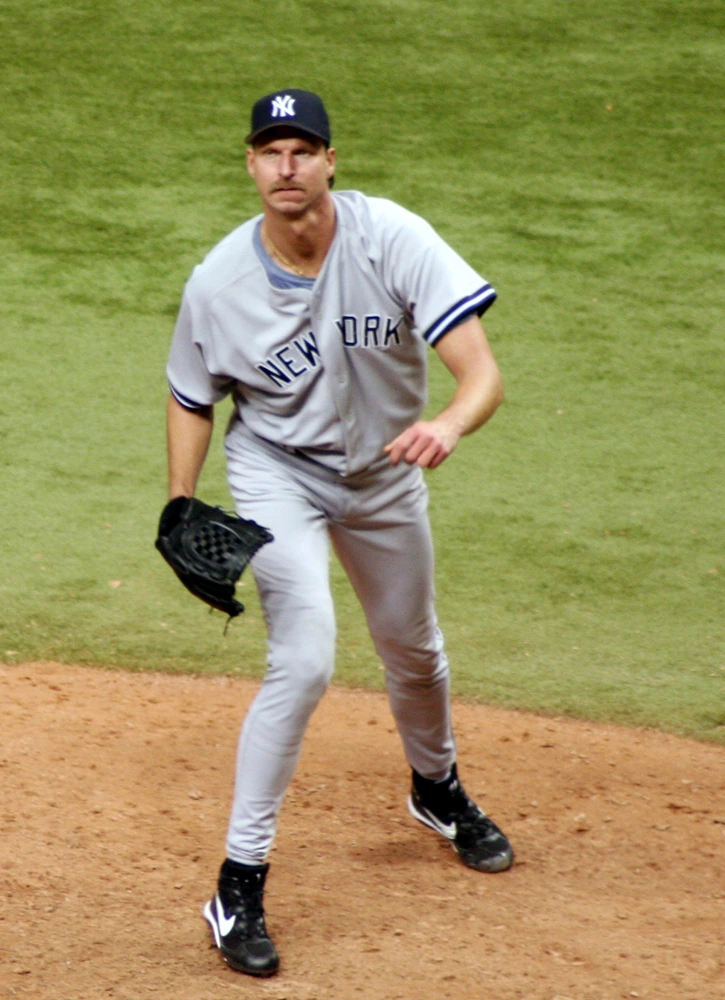
Did Randy Johnson Kill a Bird? The Evidence and Facts
Fact-checking the rumor that Randy Johnson killed a bird: what’s claimed, what records show, and why it spread.