If you hit a bird with a golf ball, the most important thing to know right away is this: don't panic, don't rush over and grab it, and don't assume the worst. The outcome depends entirely on what you actually see. The bird may fly off immediately, sit stunned for a minute and then recover, or in rarer cases be seriously injured or killed. Each of those situations calls for a slightly different response, and none of them require you to handle a wild bird with your bare hands.
What Happens If You Hit a Bird in Golf: Steps to Take

Maya Chen
14 Apr 2026
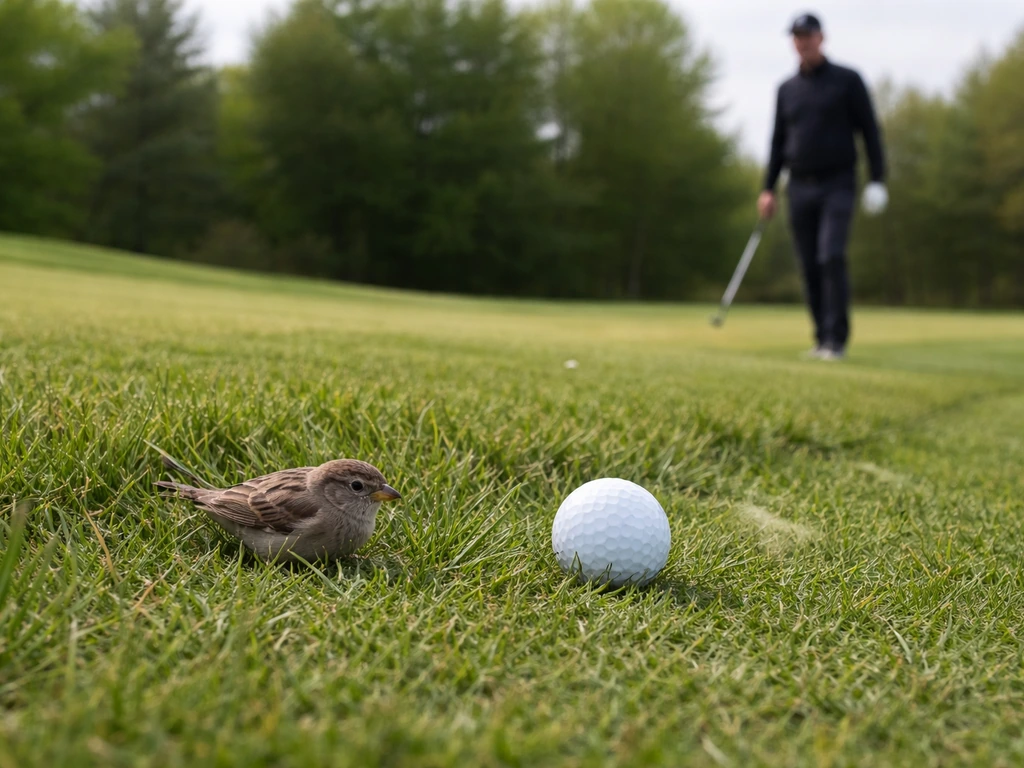
What to do the moment it happens
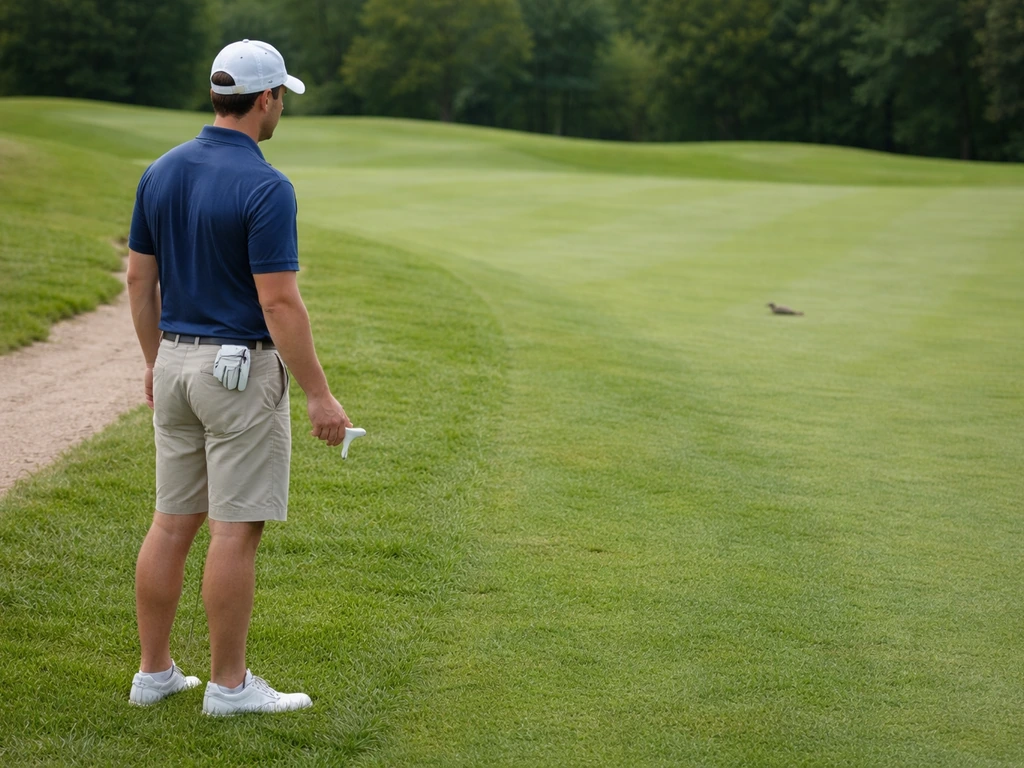
Stop play. That's the first move. Mark where you think your ball landed, note where the bird went down, and approach slowly. Don't sprint over, don't shout, and don't wave your club around. Any extra commotion adds stress to an already-stressed animal and can spook it into moving when it shouldn't.
Stay back at least 6 to 10 feet and observe for 30 to 60 seconds before doing anything else. You're looking for movement: Is it standing? Is it trying to fly? Is it flopping on one side? Is it completely still? What you see in that window shapes every decision after it.
One practical point worth knowing before you're ever in this situation: golf courses are often active bird habitat. The U.S. Fish & Wildlife Service has noted that courses can serve as real feeding and shelter habitat for birds, so encountering wildlife on the fairway is genuinely common, not a one-in-a-million event. If you've ever wondered has a golfer ever hit a bird, the answer is yes, it happens, and it's not always as dramatic as it sounds.
How to tell if the bird is injured or just startled
Birds that are truly fine after a near-miss or glancing hit usually fly off within seconds. If the bird is gone by the time you get close, you can reasonably assume it was not seriously struck. That said, it's worth watching the area for a few minutes. Some birds land nearby and look still because they're briefly stunned, not because they're dead.
Signs the bird may be injured or stunned (rather than fine):
- It's sitting on the ground and not moving away as you approach
- One or both wings are drooping or held at an odd angle
- It's tipping or rolling to one side
- Its eyes are closed or partially closed
- It's moving its feet or beak but can't stand
- There's visible blood on its feathers or body
A bird that's simply stunned from impact often looks motionless for a short window (usually a few minutes) and then rights itself and flies away. This is actually a common outcome after collisions with objects. The key is giving it space and time rather than immediately picking it up, which usually makes things worse.
Health risks for you: what's real and what's overblown
Let's address the big fear first: no, hitting a bird with a golf ball does not put you in immediate danger of a serious disease. The realistic risk from a brief, incidental contact with a wild bird (or even contact with its blood if you weren't handling it) is low for a healthy adult. That said, the risks aren't zero, and a few are worth understanding honestly.
The main concern with dead or sick wild birds is West Nile virus and avian influenza. West Nile is transmitted by mosquitoes that feed on infected birds, not by direct contact, so touching a bird doesn't directly expose you to it the way a mosquito bite does. Avian influenza (bird flu) is a more legitimate concern with sick or dead birds, especially during active outbreak periods.
The CDC recommends not touching sick or dead birds, their droppings, or any surfaces they've contaminated without proper protection. Do not touch surfaces or materials contaminated with bird saliva, mucus, or feces when the birds have confirmed or suspected avian influenza A, and contact your health department or state wildlife agency for reporting information [surfaces contaminated with bird saliva, mucus, or feces](https://www. cdc. gov/bird-flu/prevention/index.
html).
The myth worth busting here is that simply being near a bird or having a ball bounce off one puts you at serious disease risk. It doesn't. The real hazard is direct, unprotected handling of a sick or dead bird, especially touching your face afterward. A golf ball making contact with a bird in flight is not the same exposure pathway as reaching into a pile of feathers with bare hands.
A few other things that are sometimes exaggerated:
- "The ball is now contaminated and dangerous" — a ball that struck a bird doesn't become a significant biohazard, but washing it before handling extensively is still sensible hygiene
- "Bird droppings near the ball are toxic" — droppings can carry pathogens, but brief incidental contact followed by good handwashing poses minimal risk to a healthy person
- "All birds carry dangerous diseases" — most wild birds are not carrying anything transmissible to humans under normal contact conditions
- "You'll get seriously scratched or bitten" — a stunned bird isn't likely to attack you, but an injured one may thrash; this is another reason to avoid handling
If the bird is dead or seriously injured
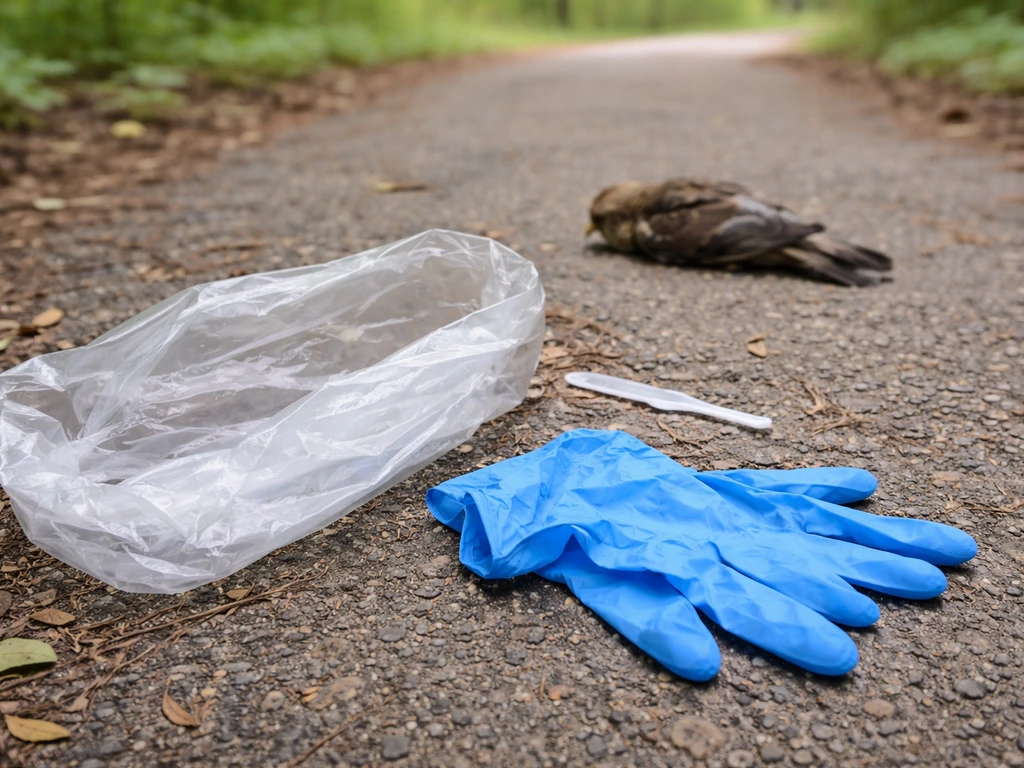
If the bird is clearly dead or has obvious serious injuries (a broken wing that won't move, loss of consciousness, or it's unresponsive), your job is not to play veterinarian. It's to minimize further harm to the bird and protect yourself.
Do not pick it up with bare hands. The CDC is direct about this: use gloves or an inverted plastic bag over your hand before touching any dead bird. If you don't have gloves on the course (and most people don't), the best move is to leave it in place and get help rather than handling it unprotected.
If you do need to move the bird (say, it's in the middle of a cart path and at risk of being run over), here's the process: use an inverted plastic bag as a makeshift glove, pick the bird up gently, place it in a second bag, and tie it off. Don't compress it. Don't use a pressure hose or anything that could aerosolize material. The NPS advises placing carcasses in a double-bagged container, and that's exactly right. This approach also protects the bird's remains for any reporting you might want to do.
If the bird is injured but alive, the same principle applies: don't handle it unless it's in immediate danger from cart traffic or a similar hazard. A stunned bird that's breathing and upright has a reasonable chance of recovering on its own. Moving it unnecessarily can cause additional stress and injury.
Cleaning up if there's blood or contact
If you touched the bird, your ball made contact with blood, or you handled the bird in any way, wash your hands with soap and water as soon as possible. This isn't panic-level urgent, but it should happen before you eat your post-round snack or touch your face. The USGS recommendation is simple: wear gloves before touching a sick or dead animal, and wash hands with soap and water immediately afterward.
For your golf ball, a rinse with water and a wipe-down is reasonable. There's no need for elaborate disinfection of a ball that glanced off a bird in flight. If the ball has visible blood on it, clean it thoroughly before handling it extensively. The EPA does maintain a list of disinfectant products effective against avian influenza A viruses for situations where more serious decontamination is needed, but for a golf ball, soap and water is fine.
If your clothing or glove came into contact with bird blood, change as soon as you can and launder normally with detergent. There's no need for special chemical treatment. The CDC's core advice applies here: avoid touching your eyes, nose, and mouth before washing up, and don't eat or drink while working with potentially contaminated materials.
Who to contact and how to report it
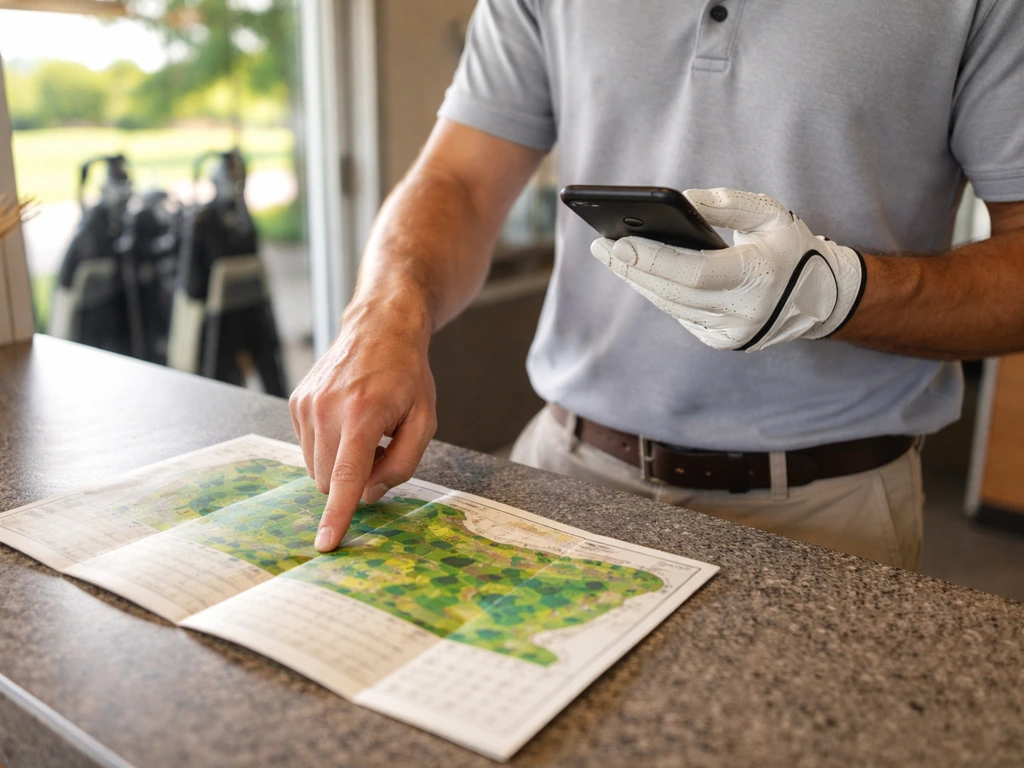
Your first call is to the golf course staff. Let the pro shop or course marshal know what happened, where on the course the bird is, and what you observed (dead, injured, stunned and recovering). Most courses have staff trained to handle wildlife incidents, and some have contacts with local animal control or wildlife rehab. Don't assume someone else will notice.
If the bird appears injured and needs care, the right next call is a licensed wildlife rehabilitator. You can find one through the National Wildlife Rehabilitators Association directory or by calling your state's fish and wildlife agency. Give them the location, the time the incident happened, the species if you can identify it, and what you observed about the bird's condition.
For a dead bird, some states ask you to report it, especially if there are disease surveillance programs active in your area (West Nile monitoring, for example). Check with your state wildlife or public health agency to see if reporting is expected. The Florida Department of Health, for instance, has specific dead bird reporting and disposal guidance that's worth knowing if you're playing courses in that state.
One thing worth clarifying: many wild birds are protected under the Migratory Bird Treaty Act. The MBTA covers possession and handling of protected migratory birds and their parts, which is why you can't just pick up and keep a dead protected bird you find. Calling it in and leaving it for authorities or a rehabilitator is the right approach both legally and practically.
What happens to your score (the rules side)
This part tends to surprise people. Under USGA Rules of Golf (Rule 11), if your ball accidentally hits a person, animal, or movable obstruction while played from the putting green, the stroke is canceled. You replace the ball and replay. There's no penalty: the stroke is treated as if it never happened. Off the green, if a ball in motion accidentally hits a bird, there's generally no penalty either, and you play the ball from where it comes to rest.
Preventing it on future rounds
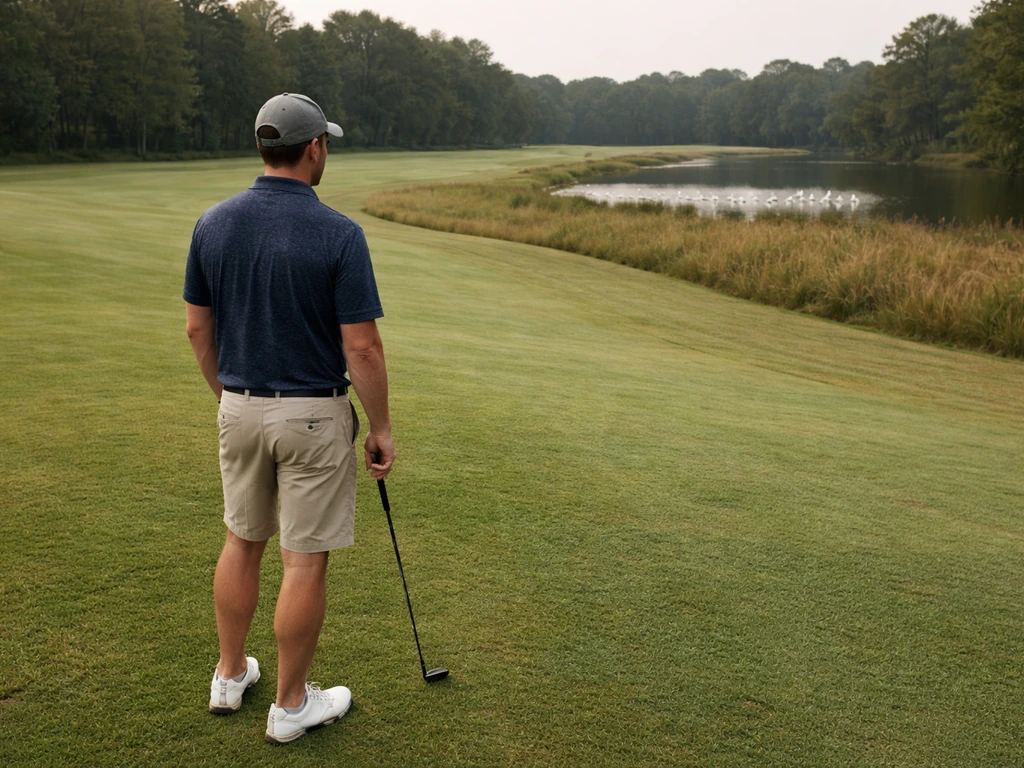
You can't fully prevent a ball from ever intersecting with a bird's flight path, but you can reduce the chances. The biggest factor is awareness: if you see birds feeding or gathered in the fairway ahead, wait for them to move before hitting. A few seconds of patience is worth it.
- Scan the landing zone before swinging, especially near water hazards, roughs, and areas with visible bird activity
- If a large group of birds is feeding on a fairway, shout or clap before your shot to move them
- Play at a moderate pace through areas you know are active bird zones on that course
- In early morning rounds, be especially alert near water features where wading birds tend to stand still in or near the line of play
- Alert playing partners when birds are close to the landing area so everyone is watching
The chances of hitting a bird on any given shot are genuinely low, but the courses most likely to have incidents are those near wetlands, nature reserves, or migratory corridors. If you play those regularly, it's worth having a pair of latex or nitrile gloves tucked into your bag. You probably won't need them, but they're small enough that there's no reason not to carry them.
The bigger picture: putting this in context
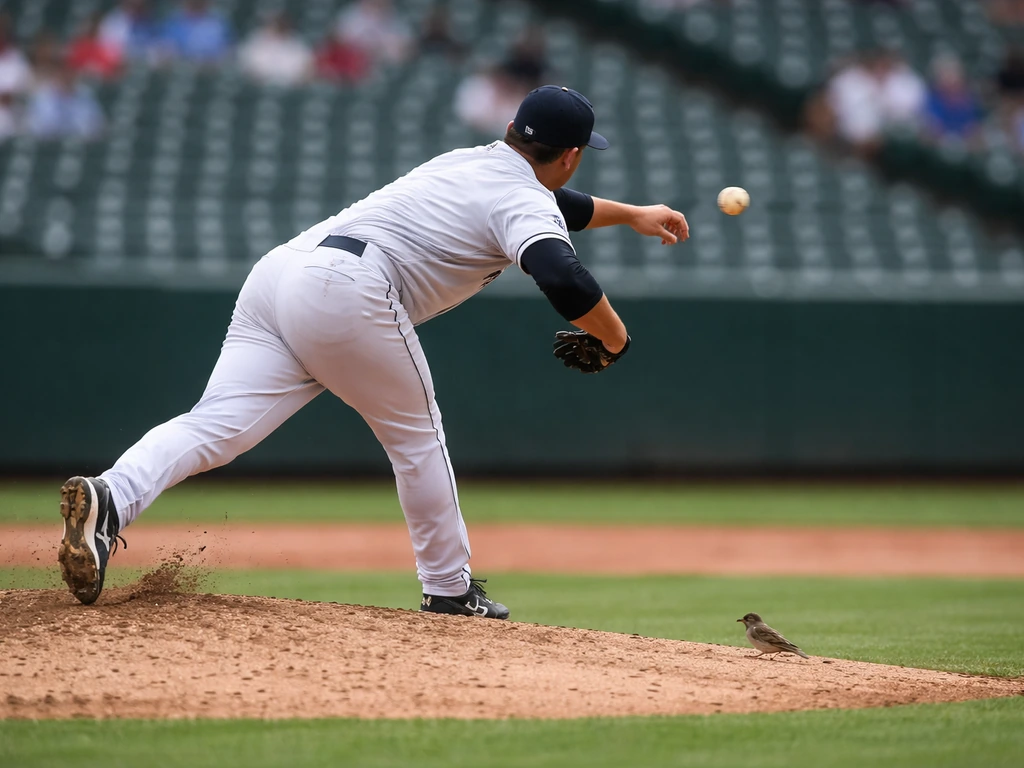
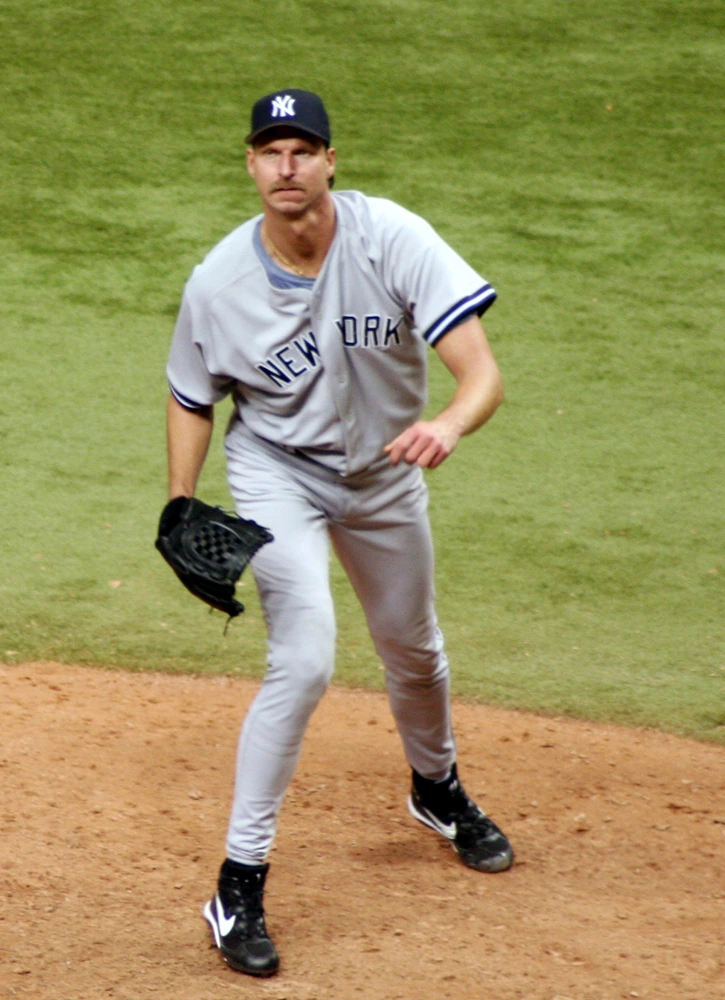
Bird strikes in sports are unusual but not unheard of. The most famous example might be from baseball: the story of when Randy Johnson hit a bird mid-pitch became one of the most talked-about moments in MLB history. If you've never heard the details, people still debate did Randy Johnson kill the bird in that collision. That event, alongside broader questions like who hit a bird while pitching in the MLB and whether a baseball has ever hit a bird in other documented cases, shows that these incidents stick in people's minds because they feel so random and jarring.
A golf ball strike on a bird is similar in that sense: it's jarring, it feels terrible in the moment, and the instinct is to either panic or ignore it. Neither is the right call. Slow down, assess from a distance, get help if needed, protect yourself if you have to handle anything, and wash your hands. That covers most of what you actually need to do.
And if someone in your group is quietly wondering whether the same thing could happen to a famous athlete, well, the answer is yes, it already has, in more sports than one. The difference on a golf course is that you're the one who has to make the next call. On a lighter note, some readers find themselves here after looking up is Sue Bird hurt, which is a very different kind of bird-related search, but it speaks to how much the word "bird" can mean in sports contexts. This one is firmly about the feathered kind.
FAQ
What should I do if I hit a bird and I cannot find it right away?
If you did not see the bird directly or you cannot locate it after the strike, treat it as a wildlife incident but avoid searching aggressively. Mark the approximate landing spot, wait quietly for a short time, and alert course staff so they can send someone with a safer approach if needed. Do not chase the direction of the last sighting or run through brush, since that increases stress for any bird that may be stunned nearby.
Do I need to disinfect my golf ball after it hits a bird?
Yes, rinsing is enough for most golf balls. After a glancing hit with no visible blood, a rinse with water and a wipe-down is reasonable. If there is visible blood or you know there was contact, clean thoroughly with soap and water before further handling, then avoid touching your face until you wash your hands.
What if I don't have gloves when I need to move the bird?
Wear disposable gloves if you must approach a bird, but if you do not have them you should generally not handle the bird at all. The safer option is to keep your distance, prevent cart traffic, and call course staff, then a wildlife rehabilitator if it appears injured. If you are forced to move it to prevent harm, use an inverted plastic bag over your hand and follow double-bagging, without compressing or squeezing the bird.
How quickly do I need to wash up, and do I need to change clothes?
You should assume there is some risk if a bird is dead, appears sick, or you touched blood, and minimize contact with your face. Wash hands with soap and water as soon as you can, and if you were using a glove or handled the bird, remove it carefully without snapping it against your skin. Avoid eating or drinking until after you wash up.
When is it okay to resume play if the bird is still on the course?
If the bird is upright, breathing, and not in immediate danger from carts, play can resume once you have reported it and the area is no longer a hazard. Keep your group moving at a normal pace and do not crowd the bird. If the bird is flopping, unresponsive, or in an unsafe spot, stop play and get staff help before anyone else tries to “check.”
Should I try to help an injured bird by moving it farther away or giving it water?
Do not try to feed or give water to the bird, and do not attempt “rehabilitation” beyond making sure it is not going to be run over. Feeding can worsen stress and may harm the bird depending on species. Your role is to observe, reduce hazards, and get the right people involved.
If the bird flies away right after I hit it, do I still need to report it?
If you hit a bird and it flies off normally, you can treat it as likely stunned briefly and recovered, but you should still watch the area for a few minutes and report it if you saw a clear strike. A quick scan also helps you confirm whether the bird dropped to the ground nearby or recovered and left the area completely.
Does not seeing blood change what I should do?
The lack of visible blood does not guarantee safety, and visible blood does not automatically mean a disease outcome. The practical decision is based on handling, not on fear. If you did not touch the bird or any blood, your next steps are simple: avoid face touching, rinse the ball if needed, and wash hands after play if you were near the incident.
What if multiple birds seem sick or one bird looks seriously ill?
If the incident is serious, you see a bird that is clearly unresponsive, or you notice multiple birds collapsing or unusually sick behavior, escalate quickly. Tell course staff and contact local wildlife authorities or a wildlife rehabilitator for guidance, and consider letting staff know if it appears to be part of a broader event so they can follow any public health or surveillance protocols in your area.
Could I get sick if bird droppings or blood gets on me?
In most cases, there is no special injury to you from the collision itself, but you should still treat bird blood or droppings as potentially contaminated and protect your mouth, nose, and eyes. If you were sprayed or you got fluid on your skin, wash that area with soap and water, change clothing if needed, and clean any gear that contacted the fluids. If anything got into your eyes or you feel unwell, seek medical advice.
Can I pick up a dead bird to remove it from the course or keep it?
Legally, it is safer not to keep or transport a dead wild bird. Migratory bird rules can apply to many common species, and some states also have reporting requirements for dead birds. The “right” next step is usually course staff first, then a wildlife rehabilitator or the appropriate state or local authority if they request details.