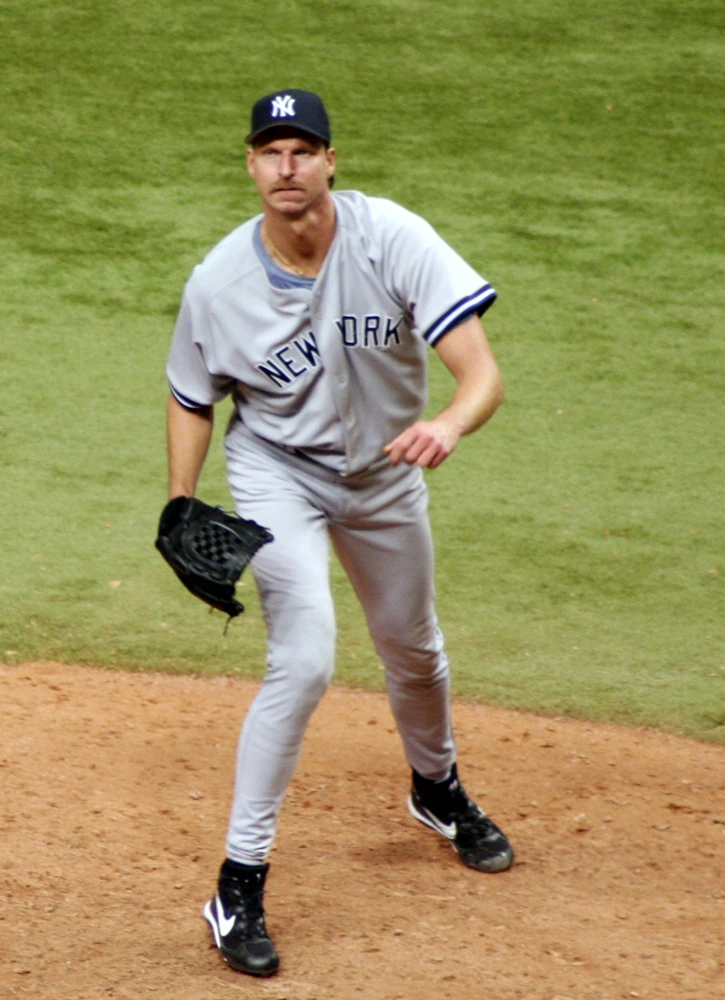
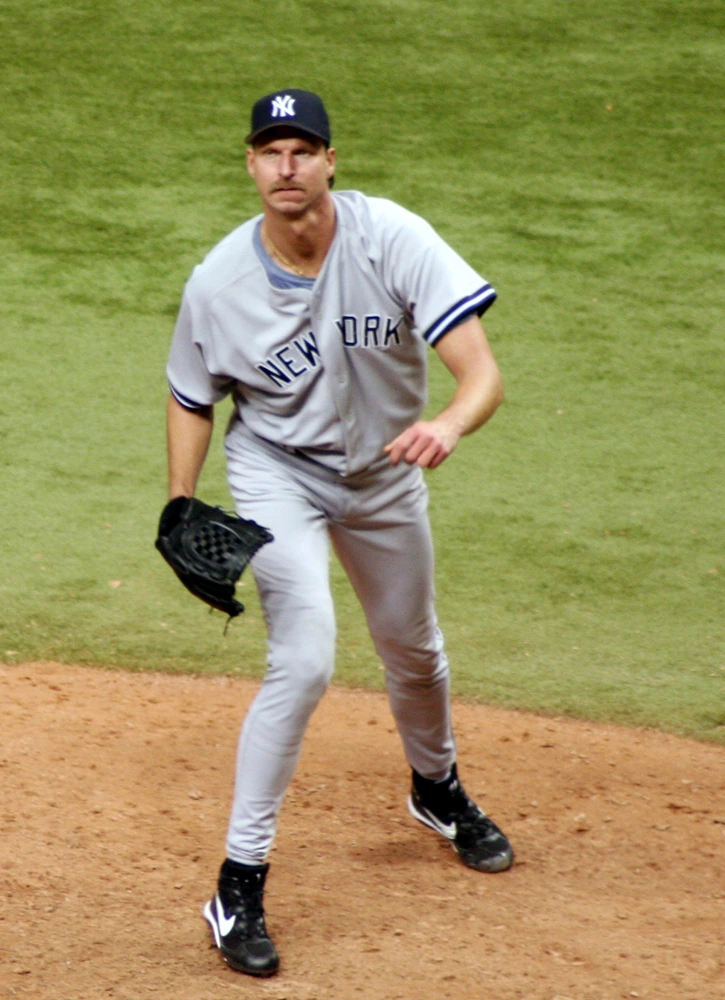
Yes, Randy Johnson did kill a bird. It happened on March 24, 2001, during a spring training game between the Arizona Diamondbacks and the San Francisco Giants at Tucson Electric Park. Johnson threw a fastball that struck a dove in midair. The bird died on impact. This is not a rumor, an urban legend, or a misremembered story. It is a documented, video-recorded event covered by major sports outlets and hosted on MLB's own platform.
Did Randy Johnson Kill a Bird? The Evidence and Facts

Maya Chen
7 Apr 2026
What the claim actually is
The story gets blurry in retelling because people use different words for it. Some say Johnson "hit" a bird, some say he "killed" it, and some versions float around as though the whole thing might be an exaggerated myth. So here is the plain version: Johnson was pitching in the 7th inning of a spring training start. A dove flew across the field at exactly the wrong moment. His fastball connected with the bird mid-flight, and the collision was fatal. There was a visible feather explosion caught on video. The bird did not survive.
The confusion about whether it was a "hit" or a "kill" is worth clearing up. In bird mortality terms, those are different thresholds. A bird can be struck and stunned, or clipped and injured, without dying. In this case, contemporary reporting from the San Francisco Chronicle described the pitch as having "struck and killed a dove," and that language came from eyewitnesses on the scene. There was no ambiguity about the outcome at the time.
If you've been wondering when Randy Johnson hit the bird, the answer is that seventh inning on March 24, 2001, which is now one of the most referenced freak accidents in baseball history.
Did the bird actually die? Checking the evidence
The most important piece of evidence here is the video, and it still exists. MLB hosts the clip on its official platform with date metadata reading March 24, 2001. The footage shows the pitch, the collision, and the immediate burst of feathers. ESPN's 2026 retrospective on the 25th anniversary quotes Bob Brenly saying he initially told people Johnson had "knocked a bird out of midair today with a fastball," and that the video was what made people believe it. Brenly's exact reflection was: "If it wasn't for video, nobody would've believed us."
Newsweek went as far as consulting bird experts about the incident, and their framing confirmed the bird died as a result of the impact rather than treating the death as speculation. When you have the original footage, contemporaneous newspaper reporting from the next day stating the bird was killed, and expert commentary all pointing to the same outcome, the evidence threshold for "bird died" is solidly met.
The speed of the pitch matters here from a biomechanics standpoint. Johnson was throwing at approximately 95 mph. A fastball at that velocity carries enormous kinetic energy. A dove weighing a few ounces absorbs the full force of that impact with no way to brace for it. The idea that the bird could have survived a direct hit from a 95-mph fastball at close range is not plausible based on basic physics, and the visual evidence supports that conclusion.
Were there any fines, penalties, or disciplinary actions?
This is where a lot of people get confused, especially after seeing posts claiming Johnson was fined by MLB or cited under animal cruelty laws. The straightforward answer: there is no credible documentation of any fine, suspension, or MLB disciplinary action against Johnson in connection with this incident.
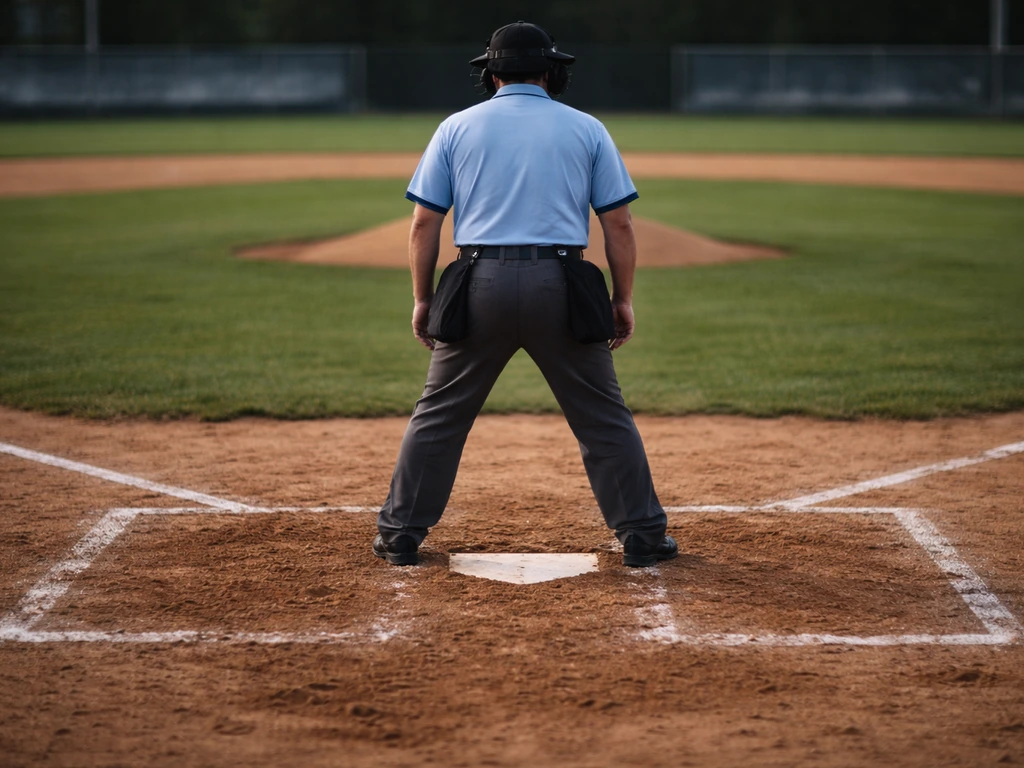
What did happen officially was an umpiring decision. The pitch was ruled a "no pitch," meaning it did not count in the at-bat. That call was made under MLB Rule 8.01(c), which gives umpires the authority to apply common sense and fair play in situations not explicitly covered by the rulebook. A fastball killing a bird midflight is not a scenario the standard pitch rules were written to handle, so the umpire used discretionary judgment. The "no pitch" ruling is documented and referenced on Wikipedia's "No pitch" page as a real-world application of that rule.
Beyond that umpire call, retrospective coverage from NBC Sports, ESPN, and MLB.com consistently focuses on the play itself and the "no pitch" ruling rather than any punishment. The absence of fine or suspension coverage across multiple major outlets is itself meaningful. If Johnson had been disciplined, it would have been widely reported. It was not.
The incident was ruled accidental from the start. Johnson did not throw at the bird intentionally. The bird flew into the path of the pitch. No regulatory body, MLB, or local authority is on record citing Johnson for the bird's death.
Alternative explanations: what's plausible vs. what's proven
A few alternative framings circulate around this story. Some people wonder whether the bird was already injured and fell near the field rather than being hit mid-flight. The video rules that out. The footage clearly shows a bird in flight being struck by the pitch, not a bird that collapsed on its own near the mound.
Others mix up the Randy Johnson incident with other baseball-related bird events. Johnson's is not the only time something like this has been documented. Baseballs have struck birds in other games and circumstances, and those events get conflated over time. The Johnson incident stands apart because it has a specific date, a specific venue, an official in-game ruling, and on-record video all attached to it.
There is also the question of who the batter was. Calvin Murray was at the plate for the Giants when it happened. ESPN’s 25th-anniversary coverage states that Calvin Murray was at bat for the Giants when Randy Johnson hit a bird midflight blank" rel="noopener noreferrer">Calvin Murray was at the plate for the Giants when it happened.. Murray is quoted in ESPN's 2026 retrospective, and his firsthand account confirms the sequence of events. Having a named batter on record who was present and has spoken about the incident adds another layer of documentation that distinguishes this from second-hand rumor.
Interestingly, this kind of freak collision is not unique to baseball. If you are curious about the golf side of this, what happens if you hit a bird in golf covers the relevant sport rules and typical outcomes. Golfers have also hit birds during play, and those events raise similar questions about intent, rules, and outcomes. What happens when you hit a bird in golf is actually governed by a specific rule in that sport, much the way the "no pitch" rule handled the Johnson situation in baseball. The pattern of accidental bird mortality during athletic events is more common than people assume.
Johnson is not the only MLB pitcher connected to this kind of moment
If you want to understand how unusual or common these incidents are across baseball history, it helps to look at the broader record. Other MLB pitchers have come close to hitting birds with pitches, and those near-misses get attention precisely because of how iconic the Johnson incident became. Adam Wainwright, for example, nearly replicated the event in a later game, a moment NBC Sports noted directly in the context of Johnson's original incident.
How to verify similar bird-mortality rumors yourself

Bird-related sports stories have a tendency to travel on social media as either inflated myths or as genuine events that get dismissed as impossible. Here is a practical process for checking whether a story like this one holds up.
- Look for official league media with date metadata. In Johnson's case, MLB.com hosts the video clip with an explicit timestamp of March 24, 2001. If an event happened in a professional sports league, the league's own media platform is often the most reliable primary source.
- Search newspaper archives from the day after the reported date. Contemporaneous reporting is harder to retroactively fabricate than retrospective summaries. The San Francisco Chronicle published its account the very next day, March 25, 2001, using the specific language "struck and killed a dove." That kind of next-day reporting is a strong credibility signal.
- Check whether any official ruling or decision was made. In Johnson's case, the umpire's "no pitch" call is documented and tied to a specific MLB rule. An official in-game ruling that is documented in the rulebook record means the event was real enough to require a formal response.
- Look for disciplinary records separately from the event itself. A fine or citation would typically appear in league disciplinary announcements, court records, or follow-up reporting. If you search specifically for punishment and find nothing across multiple credible outlets, that absence is informative.
- Check whether named eyewitnesses are on record. Anonymous retellings carry much less weight than accounts from identified people who were present, like the batter Calvin Murray in this case.
- Use video as a tiebreaker. When video exists and is hosted by an official source, it is usually the most reliable piece of evidence available. If a viral story lacks any video and the supposed event would have been visible to dozens of people, that is a reason for skepticism.
The direct answer
Randy Johnson did kill a bird. The incident happened on March 24, 2001, at Tucson Electric Park during a spring training game. His 95-mph fastball struck a dove in midair and the bird died on impact. The pitch was ruled a "no pitch" under umpire discretion. No fine, suspension, or disciplinary action against Johnson was ever documented by MLB or any outside authority. The event was accidental and is confirmed by on-field eyewitnesses, next-day newspaper reporting, and official league video.
What is not known is any detail about what happened to the bird's remains or whether any formal animal-related review took place behind the scenes. No record of either has surfaced in 25 years of coverage, and given how thoroughly the incident has been documented in every other respect, the most reasonable conclusion is that neither occurred in any notable way.
The story is unusual enough that it is easy to treat as apocryphal, but the evidence base here is genuinely solid. This is one of those cases where the rumor turns out to be true, just without the embellishments that sometimes get added over time. Bird injuries and mortality from unexpected collisions can happen in a wide range of contexts, and the Johnson incident is one of the most well-documented examples of exactly that.
FAQ
Did MLB fine or suspend Randy Johnson for killing the bird?
No. There is no credible documentation in league records or mainstream coverage that Johnson was fined or suspended for the bird’s death. The only formal action connected to the play was the umpire’s “no pitch” call, which affected the at-bat rather than imposing punishment.
In what game and when did Randy Johnson kill the bird?
The bird collision happened during a spring training game, and the inning and date are part of the official documentation. Specifically, it was in the 7th inning on March 24, 2001, at Tucson Electric Park.
What does the “no pitch” call mean for the at-bat in the Johnson bird incident?
The “no pitch” ruling means the pitch did not count toward the batter’s plate appearance, so the ball was effectively removed from the at-bat. Practically, that changes count and strategy from that point in the sequence.
Why do some people say he “hit” the bird while others say he “killed” it?
In the retelling, people sometimes swap “hit,” “struck,” and “killed,” but those words can imply different outcomes. In this incident, contemporaneous on-scene reporting and the video show a direct strike in midair with a fatal result, not a miss or a bird that later collapsed off-camera.
Was the bird death intentional or just an accident?
From a rules and intent standpoint, this was accidental. There’s no indication Johnson aimed at the bird, and the event’s timing was described as the dove flying across the path of the pitch.
How can I tell the Johnson bird incident apart from other baseball bird-collision stories?
It’s easy to mix this up with other animal-and-sports collisions. A quick way to verify you have the right story is to check for the unique combination of details: spring training on March 24, 2001, the Arizona Diamondbacks vs. San Francisco Giants, the dove in midair, and the in-game “no pitch” decision tied to documented video.
Who was batting when Randy Johnson’s pitch struck the bird?
Yes, the batter is part of what makes the account more verifiable. Calvin Murray was the hitter at the plate when the play occurred, and his firsthand recollection is included in retrospective coverage.
Do we know what happened to the bird after the collision or whether there was any formal review?
The article notes that what is not known is what happened to the bird’s remains or whether any formal animal-related review occurred. After that point, there’s typically no widely reported “cleanup” or investigation record that changes the established conclusion about the play’s outcome.
How should I verify viral claims like this one before believing them?
A common misconception is that the story is exaggerated because it sounds impossible, but the key correction is the sequence shown on recorded footage. If you want to sanity-check similar viral claims, look for contemporaneous reporting plus an identifiable official clip with date and context, not just a screenshot or retold anecdote.
Next Article
When Did Randy Johnson Hit the Bird? Date, Details
Exact date, inning, pitch, and at-bat details of when Randy Johnson hit a bird, plus myth-busting and what happened.