The exact date: March 24, 2001

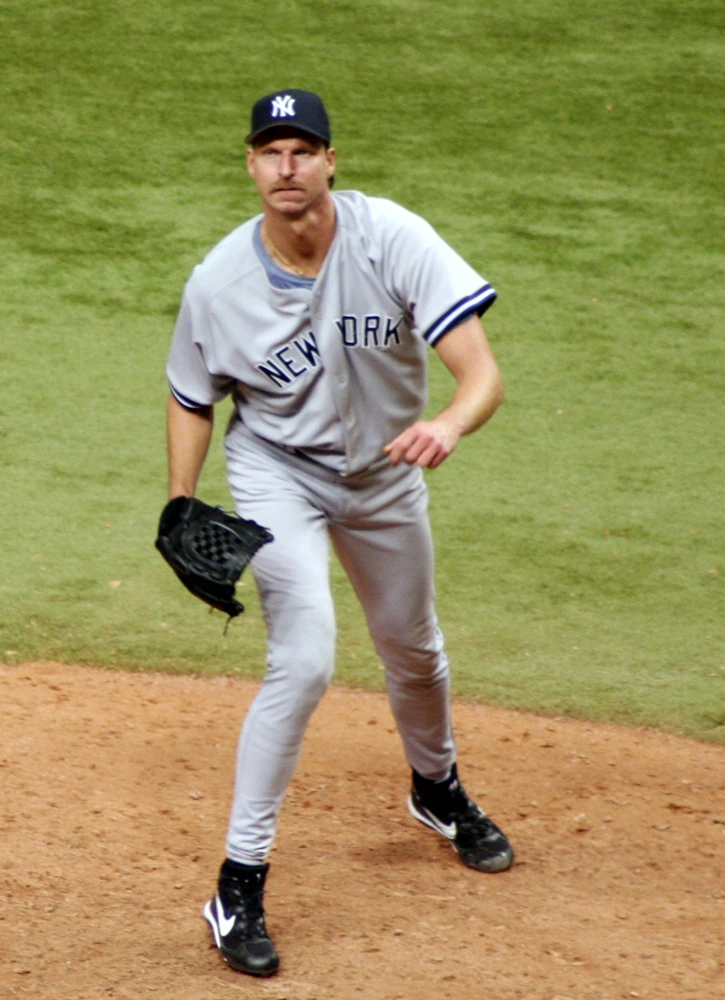
Randy Johnson hit a bird with a pitch on March 24, 2001. That date is confirmed across MLB.com's official video record, ESPN's contemporaneous game report published the very next day, Wikipedia, Fox Sports, and several other outlets that all point to the same game. There is no ambiguity about the year or the date. This was not a regular-season game, it was a spring training split-squad contest between the Arizona Diamondbacks and the San Francisco Giants, with a final score of 10–6 in favor of the Diamondbacks.
What actually happened: a pitch, not a throw
The most common misconception worth clearing up right away: Randy Johnson did not intentionally throw at a bird, and the bird was not some kind of prop or planted gag. Johnson was pitching in a real game, going through a normal windup and delivery, when a dove happened to fly across the field at exactly the wrong moment. The bird crossed the path of the pitch between the mound and home plate. Johnson's fastball connected with the dove mid-flight, not with the catcher's mitt. The pitch never reached the plate.
There is also a persistent variant of this story that frames it as Johnson "hitting" the bird the way a batter hits a ball. That is not what happened. The ball left Johnson's hand on a normal pitch delivery, and the bird flew directly into its path. It was purely a matter of unfortunate timing. other MLB pitchers who have had unusual bird encounters on the mound exist in baseball lore, but none are documented with the same clarity or video evidence as this one.
Where it happened and why people still talk about it
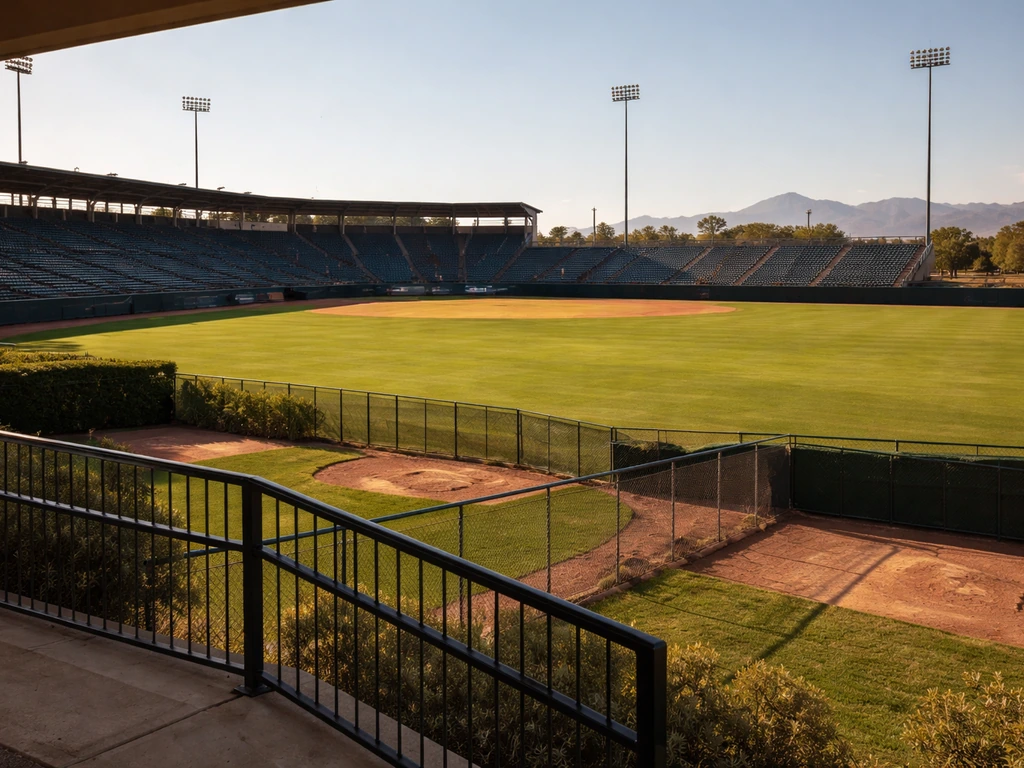
The game was played at Tucson Electric Park in Tucson, Arizona, which was the Diamondbacks' spring training home at the time. The incident occurred in the 7th inning. What made it so memorable, and what turned it into one of the most replayed clips in baseball history, is the visual. The dove simply vanished in an explosion of feathers on contact. There was no slow-motion ambiguity; the video showed a bird flying into frame and then disappearing in a puff. Johnson, reportedly, was not amused.
The clip spread long before social media made viral moments routine. It circulated on sports highlight shows, early internet video platforms, and eventually YouTube, where it racked up millions of views. MLB.com later recorded a video in January 2015 of Johnson himself fielding fan questions about the incident, which tells you something about how persistently people asked about it over the years. This was not a one-news-cycle story. It became a piece of baseball trivia that gets revisited every few years, including coverage as recently as 2026 on the 25th anniversary.
Who was at the plate and what pitch was thrown
Giants outfielder Calvin Murray was standing in the batter's box when the pitch was thrown. Murray was effectively a bystander to the whole thing, the pitch never reached him because the bird intercepted it first. Johnson threw a fastball clocked at approximately 95 mph. That detail matters for understanding the outcome for the bird, which we will get to in a moment, but it also matters for appreciating the physics involved. A 95-mph fastball covers the roughly 60 feet from the mound to the plate in well under half a second. The dove had no realistic chance of avoiding it once it entered the flight path.
Forbes' account of the incident also notes that Giants second baseman Jeff Kent picked up what remained of the bird after impact. TheScore.com also notes that Giants second baseman Jeff Kent picked up what remained of the bird after impact. That detail, though grim, is part of the documented record and helps confirm that there were real physical remains on the field, not just scattered feathers.
How many times did this happen
Just once, as far as any credible record shows. There is one documented incident: March 24, 2001, Tucson Electric Park, 7th inning, Calvin Murray at the plate. No second incident involving Randy Johnson and a bird has been reported by any reputable sports outlet. If you have seen claims of a second occurrence, those are either misattributed stories or confusion with other events. other cases where a baseball struck a bird during play exist in the historical record, but they are separate from the Johnson incident.
What happened to the bird
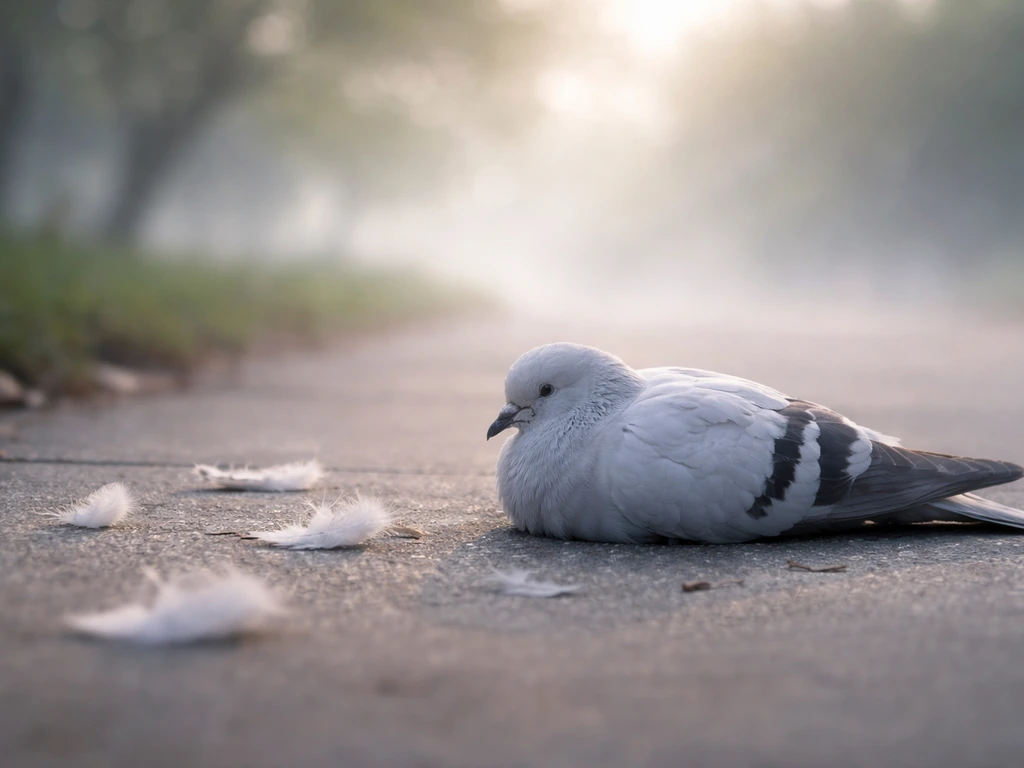
The dove was killed instantly, or effectively so, on contact. ESPN's contemporaneous report described the bird as "mortally wounded," and multiple accounts use the word "killed." The visual evidence from the video, the immediate explosion of feathers with no bird seen flying away, is consistent with that conclusion. A 95-mph baseball is traveling with enough kinetic energy to cause fatal trauma to a small bird on direct impact. There is no version of this story where the dove survived.
The aftermath also attracted attention from PETA, according to reporting from Cronkite News. That detail underscores how quickly the story moved beyond the sports pages into a broader cultural conversation, even though the incident was obviously accidental. Johnson did not face any consequences, legal or otherwise, and the game continued. The dove's death was ruled a "no pitch" by the umpires, meaning the at-bat resumed as if nothing had happened statistically.
It is worth noting here that doves, like most wild birds in the United States, fall under the protections of the federal statutes that also come up when a golfer accidentally strikes a bird on the course. In Johnson's case, because the contact was clearly accidental and unavoidable, no legal issue arose.
What were the odds, and what this tells us about bird risk at venues
Newsweek reached out to ornithologists and bird experts specifically to address the plausibility of this kind of event, and the consensus was that it was extraordinarily rare. Johnson pitched in hundreds of professional games over a long career. Millions of pitches are thrown in professional baseball every season. A bird flying across home plate at the exact moment a pitch is released, at exactly the right (or wrong) height to intercept the ball, is a confluence of factors so unlikely that you would be hard-pressed to engineer it intentionally.
This is important context for the site's broader focus on bird safety and mortality. The Randy Johnson incident, as dramatic as it looks on video, does not indicate a meaningful or recurring risk to birds at baseball stadiums or other sporting venues. It is a one-in-many-millions accident. Modern venues actually invest in bird deterrence for practical reasons that have nothing to do with this incident, protecting playing surfaces, reducing maintenance issues, and staying compliant with wildlife regulations.
Some stadiums have even moved to using trained raptors as a humane deterrent; this kind of bird management story reflects how seriously some venues take the issue today. Airport wildlife management programs offer a useful parallel, since facilities like major airports have formal wildlife hazard management strategies specifically designed to reduce the kind of unpredictable bird-aircraft interactions that share some logic with bird-ball collisions.
The bottom line: the Johnson incident does not represent a systemic threat to bird populations. It was a freak accident that happened once in recorded baseball history under his name. what happens when a golf ball hits a bird follows a similar pattern, these are isolated, accidental events, not evidence of routine hazard.
Did Randy Johnson actually kill the bird, or is that exaggerated
No exaggeration. the full breakdown of whether Randy Johnson killed the bird confirms what the video shows: the dove did not survive. The word "killed" is used by ESPN, Wikipedia, Fox Sports, and SFGATE in their accounts of the incident. The explosion-of-feathers visual is not a trick of the camera or an edited clip. Jeff Kent picking up remains from the field is further confirmation. This is one of those cases where the story is actually as dramatic as it looks, which is probably why it has lasted 25 years as a piece of baseball trivia.
How to verify the details yourself today
If you want to confirm any of the game details independently, here are the most reliable places to check:
- MLB.com's official video archive: Search "Randy Johnson hits bird" on MLB.com. The official video is timestamped and labeled with the date March 24, 2001. This is the primary source for the clip itself.
- ESPN game recap (gameId 210324129): ESPN's records for the March 24, 2001 Diamondbacks-Giants spring training game include the final score (10–6) and game context. Search ESPN for the game ID or use their spring training 2001 archives.
- Wikipedia's Randy Johnson article: The Wikipedia entry for Randy Johnson includes a dedicated section on the bird incident with the date, ballpark (Tucson Electric Park), inning (7th), batter (Calvin Murray), pitch type (fastball), and outcome (dove killed). It is well-cited.
- Retrosheet's game log tools: Retrosheet provides downloadable CSV game logs and ballpark records for historical MLB games. While spring training coverage is less complete than regular season, searching for the March 24, 2001 date and the Diamondbacks can help cross-reference game context.
- SFGATE and ESPN contemporaneous articles: Both outlets published reports on or around March 25, 2001, the day after the game. Searching their archives for "Randy Johnson bird" with a date filter set to March 2001 will surface the original reporting.
- Fox Sports anniversary coverage: Fox Sports published a dedicated piece on the 15th anniversary (March 24, 2016) confirming all the key details. Searching "Fox Sports Randy Johnson bird 15 years" will surface it.
- The MLB.com 2015 video of Johnson answering fan questions: Search MLB.com for "Big Unit discusses fans' curiosity with hitting bird" (dated January 6, 2015). Hearing Johnson address it directly is about as primary a source as you can get.
All of the core facts here, the date, the ballpark, the inning, the batter, the pitch speed, and the outcome, are independently confirmed by multiple outlets covering the story both in real time in 2001 and in anniversary retrospectives. If you encounter any version of this story that changes any of those details, it is worth checking against the sources above before repeating it.