
Yes, bird diseases can kill humans, but it happens rarely and almost always in people who are already vulnerable or who had an unusually heavy exposure without any protection. For the average healthy person who keeps backyard feeders, owns a pet parrot, or does a one-time cleanup of bird droppings, the actual risk of dying from a bird-borne illness is extremely low. That said, a few specific infections are genuinely dangerous, and knowing which ones they are, and how to avoid them, is worth your time.
Can Bird Diseases Kill Humans? Risks, Symptoms, and Safety Steps

Maya Chen
2 May 2026
How common are serious human cases, really?
Most bird-related illnesses in people are mild and resolve on their own or with a short course of antibiotics. Psittacosis, the classic 'parrot fever' infection caused by Chlamydia psittaci, kills fewer than 1 in 100 people who receive proper antibiotic treatment. Histoplasmosis, a fungal infection picked up from bird and bat droppings, causes severe illness mainly in people with lung disease or suppressed immune systems.
Avian influenza (bird flu) gets the biggest headlines, and while it can be fatal, the CDC notes that human cases in the U. S. have mostly been mild and tied to direct contact with infected animals. Sustained human-to-human transmission has not been identified, according to the WHO.
Deaths do happen, but they are the exception, not the rule, and they are almost always linked to delayed care, underlying health conditions, or unusually intense exposure.
How bird diseases actually get into your body
Understanding the transmission routes is the most practical thing you can do because each route has a specific fix. Birds don't sneeze on you and send you to the hospital. The danger comes from specific types of contact, most of which are easy to avoid once you know them.
- Droppings and dried feces: This is the biggest everyday risk. Dried droppings turn to dust and become airborne when disturbed. Breathing in that dust can deliver Histoplasma fungal spores, Cryptococcus, or psittacosis bacteria directly into your lungs. Sweeping or blowing dry droppings with a leaf blower is one of the most hazardous things a bird hobbyist can do.
- Aerosols from sick birds: Birds with active respiratory infections can shed pathogens into the air around them. Avian influenza virus and Chlamydia psittaci are both spread this way. Handling a visibly sick bird in a small, unventilated room raises your risk significantly.
- Bites and scratches: Bird bites can introduce bacteria directly into the bloodstream. Capnocytophaga canimorsus and Pasteurella species are the main concerns. Bites from parrots can be surprisingly deep, and even small punctures carry risk if not cleaned promptly.
- Contact with secretions and feathers: Eye discharge, nasal secretions, and feather dust from infected birds can all carry pathogens. Rubbing your eyes or touching your mouth after handling a bird without washing your hands is a real transmission route.
- Handling dead or sick wild birds: Finding a dead bird and picking it up bare-handed is high-risk, particularly during active avian influenza outbreaks. The virus concentrates in respiratory and digestive tissues and can survive in cool, moist conditions for days.
The bird diseases that pose real danger to people

There are a handful of infections worth knowing by name. Most people will never encounter them under serious conditions, but if you work around birds regularly, own multiple birds, or do cleanup of large droppings accumulations, these are the ones to keep on your radar.
| Disease | Pathogen type | Main source | Transmission | Fatality risk |
|---|---|---|---|---|
| Avian influenza (bird flu) | Virus (H5N1, H5N2, H7N9, etc.) | Infected poultry and wild birds | Respiratory aerosols, direct contact with infected birds or surfaces | Low in healthy people; higher in severe/untreated cases |
| Psittacosis (parrot fever) | Bacterium (Chlamydia psittaci) | Infected parrots, parakeets, pigeons, poultry | Inhaling dried secretions or fecal dust | Less than 1% with proper antibiotic treatment |
| Histoplasmosis | Fungus (Histoplasma capsulatum) | Soil enriched with bird or bat droppings | Inhaling fungal spores during soil disturbance or cleanup | Low in healthy adults; serious in immunocompromised people |
| Cryptococcosis | Fungus (Cryptococcus neoformans) | Pigeon droppings (especially dried accumulations) | Inhaling spores | Low in healthy people; potentially fatal in immunocompromised |
| Salmonellosis | Bacterium (Salmonella spp.) | Infected wild birds, contaminated feeders | Ingesting contaminated material; fecal-oral route | Very low; serious mainly in vulnerable groups |
| Campylobacteriosis | Bacterium (Campylobacter spp.) | Poultry, wild birds | Contact with feces, contaminated water or food | Very low; self-limiting in most healthy adults |
Avian influenza deserves a special note. The virus strains that concern public health officials most (H5N1, H5N2, H7N9) have caused deaths globally, primarily in people who had close, prolonged contact with large numbers of infected poultry. In the U.S., most documented human cases have been mild. The key phrase in every CDC and WHO update is the same: no sustained human-to-human transmission has been identified. That means this is not a contagious disease you pick up from a stranger. It requires direct animal contact.
Symptoms to watch for and red flags that mean go now
After any significant bird exposure, especially involving sick animals, dead birds, or large droppings cleanups, watch yourself for one to two weeks. The incubation period for most bird-borne infections falls within that window. Psittacosis, for example, typically shows up 5 to 14 days after exposure.
- Fever, chills, and sweating: Present in nearly all bird-related infections, including psittacosis, histoplasmosis, and avian influenza
- Dry cough or chest tightness: Common with both psittacosis and histoplasmosis; may start mild and worsen
- Headache and muscle aches: Typical flu-like symptoms that accompany avian influenza and psittacosis
- Shortness of breath or difficulty breathing: A serious sign that warrants prompt medical attention, especially after a heavy droppings exposure
- Confusion or altered mental status: A red flag for disseminated infection; needs emergency care immediately
- Stiff neck with fever: Possible sign of cryptococcal meningitis in immunocompromised people; go to the ER
- Bloody sputum or rapidly worsening cough: Can indicate severe pneumonia; do not wait to be seen
For healthy adults, mild fever and a cough after a bird exposure are worth a doctor visit but not a panic. For anyone who is immunocompromised, pregnant, over 65, or under 5, the same symptoms warrant faster action. These groups can progress to severe illness much more quickly. CDC lists cryptococcal meningitis symptom signals, including confusion or altered mental status, among other symptoms Symptoms of Cryptococcosis.
What to do right now: safe handling and cleanup steps
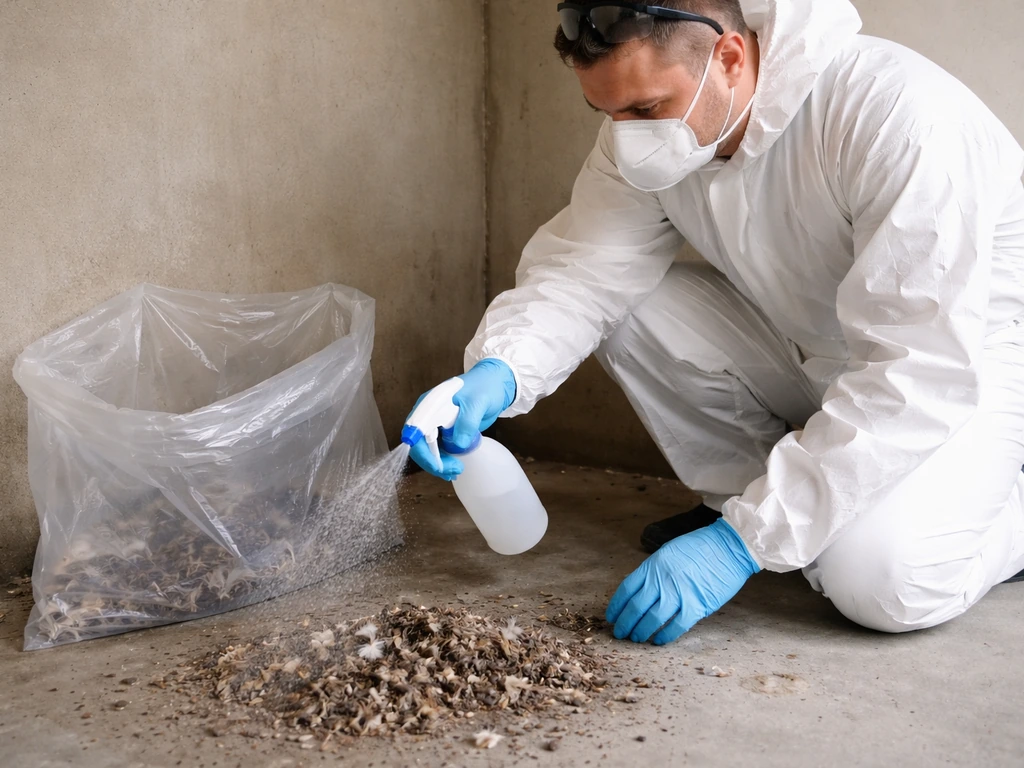
Whether you're cleaning a chicken coop, removing a pigeon roost from your attic, or handling a sick pet bird, the protective steps are the same. Most people who get sick from bird-related exposures skip at least one of these.
- Wear an N95 respirator, not a cloth mask or surgical mask. N95s filter the fine particles that carry Histoplasma spores and dried fecal bacteria. For large accumulations (an attic full of droppings, for example), an N100 or powered air-purifying respirator is even better.
- Put on disposable gloves before touching any droppings, feathers, or sick birds. Double-gloving is smart for high-risk situations like handling dead wild birds.
- Wet down dry droppings before disturbing them. Mist the area with water or a dilute bleach solution (1 part bleach to 9 parts water) to prevent dust from becoming airborne. Never sweep or vacuum dry droppings without wetting first.
- Ventilate the space before you enter. Open windows and doors and let fresh air move through for at least 15 minutes if you are working indoors. Use a box fan to direct airflow out rather than toward you.
- Dispose of contaminated material in sealed plastic bags. Double-bag it and label it as biohazard waste if local regulations require it.
- Remove your PPE carefully before leaving the work area. Pull gloves off inside-out and remove your respirator last. Wash your hands immediately with soap and water for at least 20 seconds.
- Wash all clothing that contacted droppings separately in hot water. Shower and wash your hair if you were in a heavily contaminated area.
- Do not handle sick or dead wild birds with bare hands. Use thick rubber gloves or two plastic bags as improvised gloves, then contact your local animal control or wildlife agency for guidance.
When to see a doctor and what to tell them
If you develop fever, respiratory symptoms, or feel significantly unwell within two weeks of a bird exposure, see a doctor and be specific about what happened. Clinicians often miss bird-related infections because patients forget to mention the exposure or assume it's irrelevant.
Tell your doctor exactly what happened: what type of bird (wild, domestic, pet parrot, poultry), what condition it was in (sick, dead, apparently healthy), what protective equipment you wore, how long the exposure lasted, and roughly how many days ago it occurred. This information changes the differential diagnosis immediately and can speed up the right treatment by days.
If you were exposed to a bird that was part of a known avian influenza outbreak, or if you work at a poultry facility where birds tested positive, contact your local or state health department directly, not just your primary care doctor. They need to know about potential zoonotic exposures, and they can authorize antiviral treatment (oseltamivir/Tamiflu) quickly if bird flu is suspected. Do not wait for test results before starting a conversation.
For psittacosis specifically, make sure the doctor knows you were around parrots, pigeons, or poultry. Psittacosis responds well to doxycycline, but it won't be prescribed if the doctor doesn't know to consider it. Standard chest X-rays can look deceptively similar to other pneumonias, so the exposure history is critical.
Reducing risk at home and around wild birds
Most of the risk is manageable with routine habits. You don't need to get rid of your birds or stop enjoying your backyard feeders. You need a few consistent practices.
Backyard feeders and wild birds
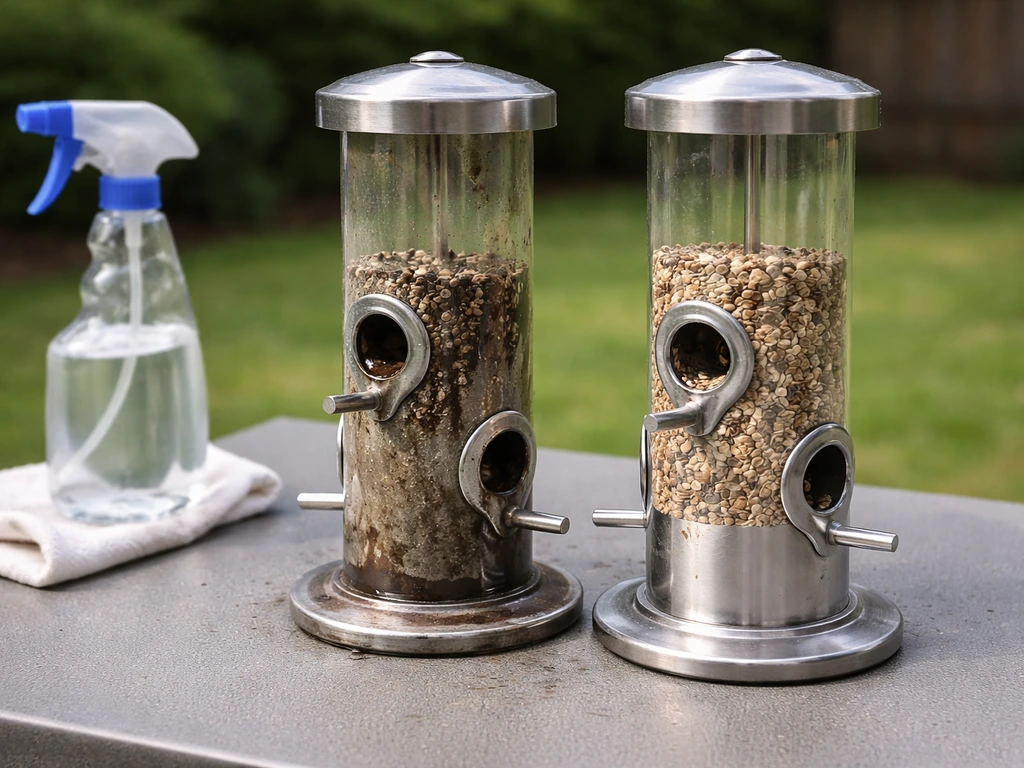
- Clean feeders every one to two weeks with a dilute bleach solution. Dirty feeders concentrate Salmonella and Campylobacter and can cause local die-offs that bring sick birds to your yard.
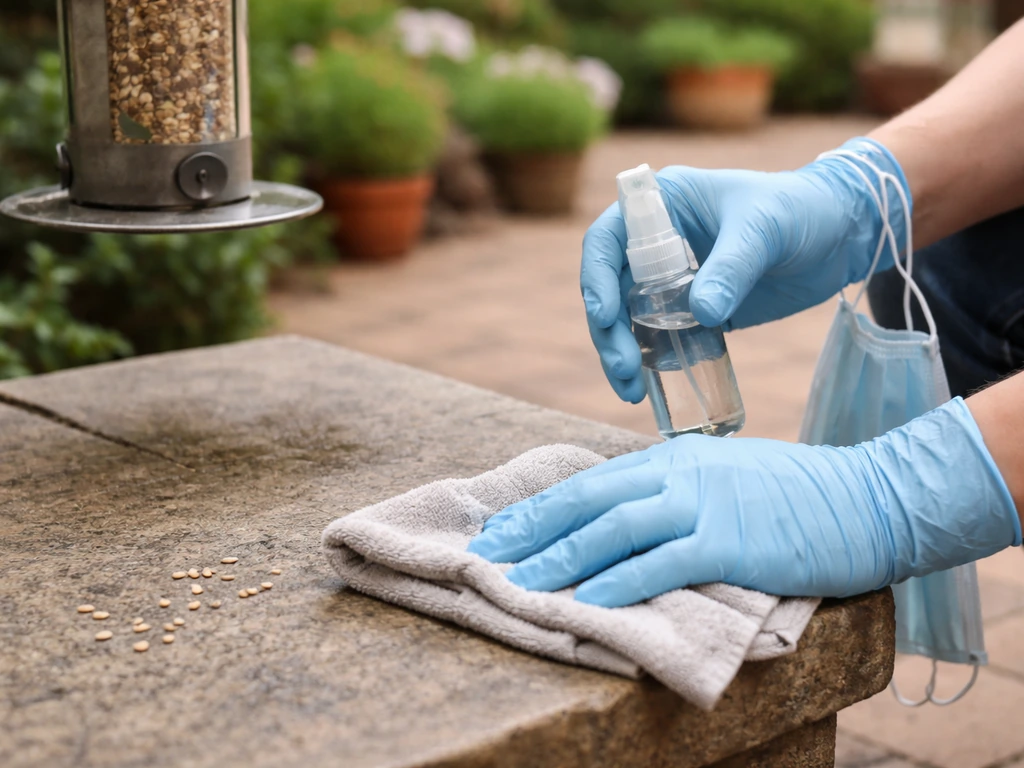
- Wear gloves when cleaning feeders and wash hands thoroughly afterward.
- Move feeders away from areas where children play, since kids are more likely to touch contaminated surfaces and put their hands in their mouths.
- If you notice multiple dead birds in your yard, don't touch them. Report the finding to your local wildlife or agriculture agency, especially during known avian influenza activity in your region.
- Keep bird baths clean and change water frequently. Standing water under feeders can accumulate droppings and become a contamination source.
Pet birds and home aviaries
- Have new birds examined by an avian vet before introducing them to other birds or handling them extensively. A newly imported or rehomed parrot can carry Chlamydia psittaci without looking sick.
- Quarantine new birds for 30 to 45 days before mixing them with existing birds.
- Clean cages in a well-ventilated area, ideally outdoors. Avoid using a dry brush; use a damp cloth or paper towels to wipe surfaces.
- Wash your hands before and after handling your birds, even if they look healthy.
- If your bird shows signs of illness (fluffed feathers, labored breathing, discharge from eyes or nostrils), isolate it and see an avian vet promptly.
Vaccination and higher-risk situations
There is no widely available vaccine for psittacosis or histoplasmosis for humans. Seasonal flu vaccines do not protect against avian influenza strains, though some H5 prototype vaccines exist for emergency use. The best protection is behavioral: limit exposure, use appropriate PPE, and stay aware of local avian influenza activity in your region, which you can track through USDA APHIS and CDC updates.
If you are immunocompromised, on chemotherapy, taking immunosuppressants, or have chronic lung disease, talk to your doctor proactively about your bird exposure habits. You may need to delegate cleaning tasks to someone else or significantly upgrade your protective gear. The same diseases that cause mild illness in a healthy 35-year-old can become life-threatening in someone with a compromised immune system, and that gap is what makes bird-borne illness genuinely dangerous in some cases, even if it looks benign in most.
Separating real risk from myth
The fear around bird diseases tends to outpace the actual evidence. Casual contact with healthy birds, like a bird landing on your hand or being in the same room as a pet parrot, does not meaningfully put you at risk. To put a question like “would a terror bird kill a human” in perspective, bird-borne illness risk depends on the specific pathogen and exposure type, not on the animal’s size terror birds.
The danger concentrates in specific scenarios: handling sick or dead wild birds without protection, disturbing large dried droppings accumulations in enclosed spaces, or working in commercial poultry operations during an active outbreak. After all, you might wonder about predator myths too, like whether a secretary bird can kill a python.
Physical attacks from birds are a separate topic (cassowarys and ostriches are in a very different category), but in terms of disease, the risk is about contact with secretions and feces, not the bird itself.
The bottom line is that bird diseases can kill humans, but for most people in most situations, that outcome requires either an unusual level of exposure, a delay in seeking care, or a pre-existing vulnerability. Because severe bird-borne infections are uncommon, most people wonder, can a bird kill a human, but the answer depends on exposure level and your health.
The practical tools to stay safe are straightforward: know the transmission routes, use basic PPE during cleanup and handling of sick birds, watch for symptoms after significant exposures, and tell your doctor about the exposure. [For histoplasmosis dust or droppings cleanup](https://www. cdc. gov/niosh/histoplasmosis/prevention/personal-protective-equipment.
html), CDC/NIOSH notes that a filtering facepiece respirator such as an N95 may be appropriate, and gloves should be worn when removing large amounts of droppings or touching contaminated soil or materials. That combination makes serious illness from bird contact genuinely uncommon. Can a secretary bird kill a human? In general, deaths from bird-borne infections are rare, but serious disease is still possible after specific high-risk exposures.
FAQ
If I cleaned up droppings once without a mask, do I still need to worry about bird-borne diseases for weeks?
Usually no, you do not need weeks of anxiety after a single brief exposure. Most relevant illnesses have incubation periods that commonly fall within about 1 to 2 weeks, so the practical approach is symptom awareness during that window and medical advice if you develop fever or breathing symptoms. If you were cleaning a large accumulation in a closed area and you stirred up dust, your risk is higher, so consider calling a clinician even if symptoms are mild.
What symptoms are most concerning after bird exposure, and which ones can I monitor at home?
Concerning symptoms include fever plus cough or shortness of breath, worsening chest symptoms, and rapidly worsening fatigue, especially after cleaning droppings or handling sick or dead birds. Persistent gastrointestinal symptoms alone are less specific for bird-borne infections. If symptoms escalate over a day or two, or you have low oxygen symptoms like trouble speaking in full sentences, seek care promptly.
How should I protect myself if I have to clean an attic, garage, or other enclosed space with old bird droppings?
For enclosed, dusty cleanup, the mistake to avoid is dry sweeping. Use containment practices such as dampening droppings before removal, wearing eye protection and respiratory protection rated for fine particles, and ventilating if possible. Bag and seal waste promptly, then disinfect contaminated surfaces after cleanup. If the area is large or heavily contaminated, hiring a professional cleanup service can reduce exposure.
Does touching a wild bird or a pet bird that looks healthy create a meaningful disease risk?
Typically, casual contact with a healthy bird is low risk, because many serious infections are linked to handling sick birds or significant droppings exposure. The higher-risk scenario is when birds are visibly ill, dead, or when you are exposed to large amounts of dried feces aerosols. If you do handle birds, washing hands and avoiding contact with your eyes, nose, and mouth quickly lowers risk.
If I got droppings on my skin or clothes, what should I do right away?
Change clothes promptly and wash skin with soap and water. Launder contaminated clothing using regular detergent and hot water if the fabric allows. Avoid shaking items or brushing off dry material, since that can aerosolize dust. After cleaning, disinfect hard surfaces and wash hands thoroughly before eating or touching your face.
Should I call my doctor preemptively after a high-risk exposure, even if I feel fine?
In many cases, you do not need antibiotics or antiviral treatment without symptoms. However, it is reasonable to contact a clinician right away for guidance if you were exposed during a known avian influenza event, if you are immunocompromised, or if you had extensive exposure to sick or dead birds. For suspected bird flu exposure, starting a discussion early can help if treatment is indicated.
Are children, pregnancy, or older adults at higher risk for severe outcomes from bird-borne illnesses?
Yes. The same infection can progress faster or become more severe in people who are pregnant, immunocompromised, over 65, or very young. If symptoms appear within the 1 to 2 week window after exposure, seek medical advice sooner rather than waiting to see if it resolves.
What should I tell the clinician so they do not miss the connection to birds?
Include the bird type (wild, poultry, pet parrot), whether the bird was sick or dead, the exposure context (cleanup of roosting area, feeding, handling), whether you used protection like a respirator and gloves, and roughly how many days ago exposure occurred. Also mention how intense the exposure was, such as “hours in an enclosed space with heavy dried droppings” because severity of exposure changes clinical suspicion.
Is bird flu contagious from person to person, so I should isolate from others?
Sustained human-to-human transmission has not been identified, so routine isolation of household members after a bird exposure is usually not required. The more relevant question is whether you are developing illness and whether bird flu is suspected based on your exposure. If you become sick and bird flu is possible, follow clinician guidance for respiratory precautions while you are evaluated.
Can I take over-the-counter medications instead of seeing a doctor if I develop mild fever or cough?
Do not use self-treatment as a substitute for medical advice when symptoms follow a significant bird exposure, especially within the 1 to 2 week window. OTC medicines can reduce discomfort, but they do not address specific infections that may need targeted antibiotics or antivirals. Seek care sooner if symptoms worsen, you have breathing difficulty, or you are in a high-risk group.
If I want to reduce risk without giving up backyard feeding, what practical changes make the biggest difference?
Focus on reducing dust and droplet exposure. Clean feeders and areas regularly, avoid sweeping dry droppings, and consider using gloves and a mask when cleaning. Keep feeders away from high-traffic indoor entry points, wash hands after outdoor activity, and replace water and food without creating aerosolized debris.