
Yes, birds can kill humans, but it's genuinely rare and the circumstances matter a lot. The vast majority of birds pose zero fatal threat to a person. A handful of large, powerful species can cause serious injuries, and in extreme cases those injuries have been fatal. Beyond physical attacks, birds also carry diseases that, in rare situations, can be life-threatening. So the honest answer is: the risk is real but low, and knowing which birds and which situations to take seriously makes all the difference.
Can a Bird Kill a Human? Risks, Warning Signs, Prevention

Maya Chen
8 Apr 2026
Which birds can actually kill a human
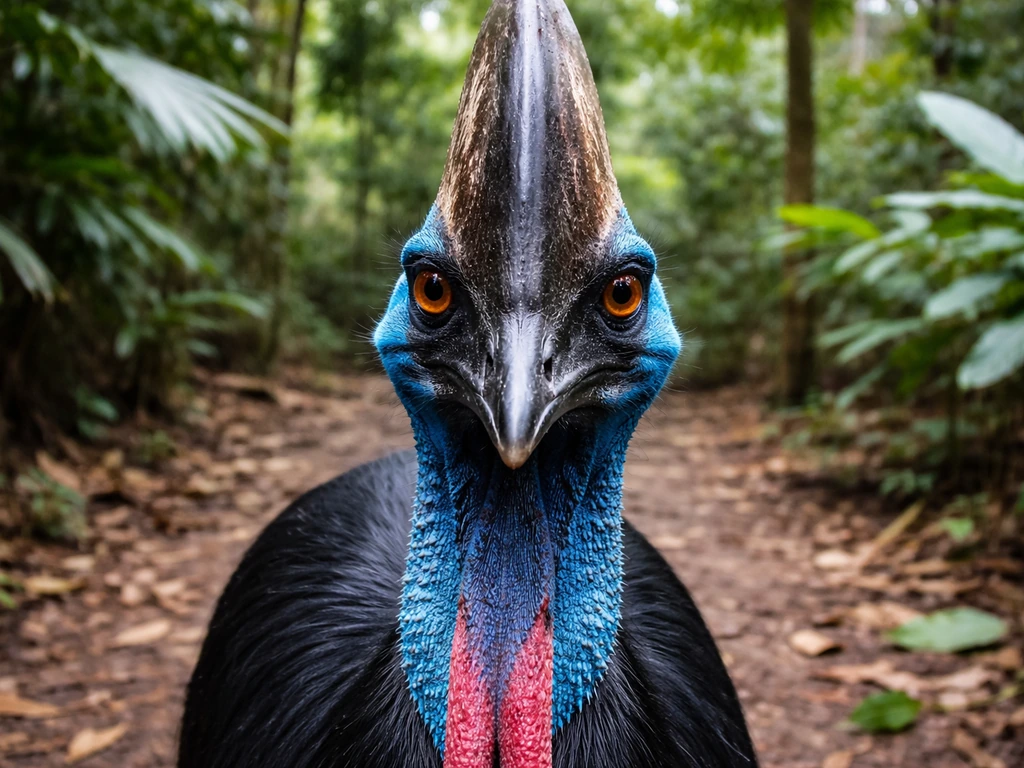
Most birds that attack humans cause nothing worse than a startle and a small scratch. But a short list of species deserves genuine respect. If you're curious about what bird has killed the most humans across recorded history, the cassowary sits near the top of that list for direct physical attack.
Cassowary
The southern cassowary is the bird most documented to have killed people through direct attack. A Journal of Zoology study describes at least one confirmed death caused by a cassowary kicking and jumping onto a victim. These birds stand up to 6 feet tall, weigh up to 130 pounds, and have a dagger-like inner claw that can reach 4 inches long. They don't seek out humans, but they will defend themselves or their young aggressively if cornered or approached too closely.
Ostrich
Ostriches are also documented as capable of causing fatal injuries. Like cassowaries, they kick rather than peck, and a kick from an ostrich can deliver enormous force. Fatalities are rare but have occurred, typically in captive or farm settings where the bird felt trapped or threatened.
Large raptors
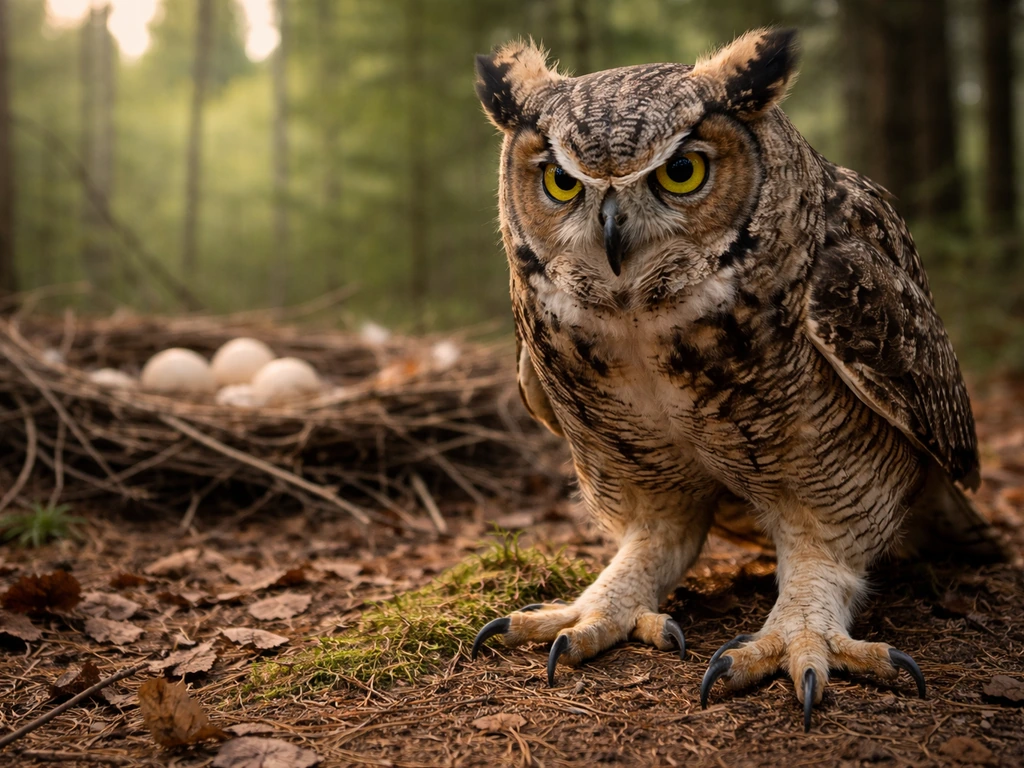
Eagles, great horned owls, and other large raptors have talons built to kill prey, and they will occasionally strike humans who get too close to nests. Fatalities from raptor attacks on healthy adults are essentially unheard of, but severe lacerations, eye injuries, and falls triggered by a surprise strike are real possibilities. Research published in Scientific Reports found that urban raptor attacks on humans are often tied to food subsidies and habituation, meaning birds that have gotten used to humans as a source of food or competition become bolder.
Swans, geese, and other large waterfowl
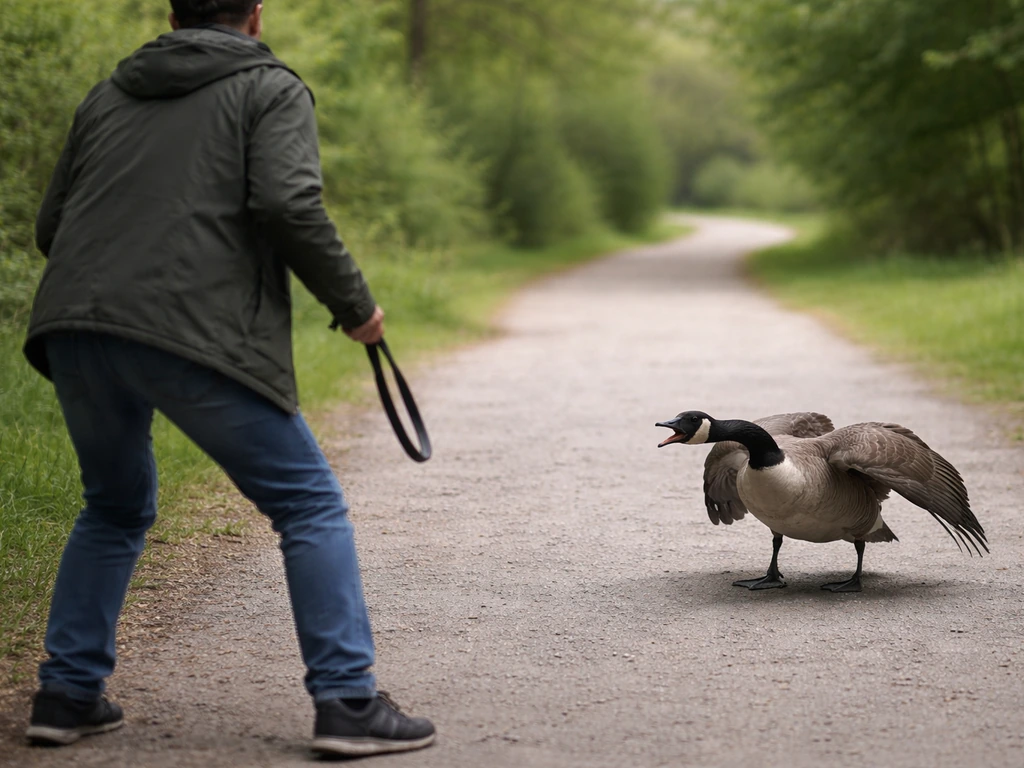
A charging mute swan or Canada goose won't kill you directly, but these birds are strong enough to knock a person down, and falls around water introduce a drowning risk. Elderly people and small children are most vulnerable in these encounters.
What about venom or poison?
No bird species is venomous in the traditional sense. A few species of pitohui and ifrit from New Guinea carry batrachotoxin in their feathers and skin, but the concentrations found in wild birds are not high enough to kill a human through casual contact. This is one of the more persistent bird myths worth setting aside.
For a closer look at a specific species that surprises many people, it's worth reading about whether a secretary bird can kill a human, since this striking African raptor is powerful enough that the question comes up often.
How bird attacks actually happen
Most serious bird attacks follow a predictable pattern. Understanding it helps you avoid the situation entirely.
Nesting season is the highest-risk time
Spring and early summer bring the majority of bird-human conflicts. Breeding birds, especially raptors, corvids, and mockingbirds, become intensely territorial. State wildlife agencies consistently flag this period as when human-wildlife encounters spike. A bird that ignored you last fall may dive-bomb you repeatedly in April if you walk near its nest.
Dive-bombing and bluff charges
The most common aggressive display is a dive-bomb. The bird swoops low, sometimes making contact with your head or shoulders. Audubon's guidance on nest defense behavior describes this as a deliberate intimidation tactic. The bird is trying to drive you away, not necessarily to injure you. But repeated contact can cause cuts, and a panicked person can trip or fall.
Captive and wildlife-handling scenarios
Cassowary and ostrich fatalities have almost all happened in captive or farming situations. Handlers who turn their back, enter enclosures alone, or work with birds that have lost their fear of humans are at the highest risk. Hobbyists who keep large exotic birds face a similar dynamic on a smaller scale.
Aviation: the deadliest bird risk to humans
If you zoom out to all bird-related human fatalities, aircraft bird strikes are responsible for far more deaths than direct attacks. USDA APHIS highlights that birds gathering near airports can threaten human life through bird-aircraft collisions. This is a systemic, structural risk managed by airport wildlife programs, not something an individual can directly control.
Warning signs a bird is about to attack
- Loud, repeated alarm calls directed at you
- The bird flying in tight circles directly overhead
- Wing spreading and hissing (especially cassowaries and swans)
- Repeated low passes without making contact yet
- A bird landing nearby and holding its ground rather than fleeing
What to do if you're attacked: injury severity and first aid
Most bird attacks produce minor wounds: scratches, small punctures, maybe a bruise. A cassowary kick or a large raptor strike is a different story and should be treated as a serious trauma injury. For a broader picture of how dangerous these encounters can be across different species, the data on how many people have died from bird attacks puts the risk in perspective.
Immediate steps after any bite or scratch
- Get away from the bird first. Don't stay in the area trying to assess the wound.
- Wash the wound with soap and water under running faucet pressure for at least 5 minutes. Johns Hopkins Medicine recommends this as the primary first step for any animal bite or scratch.
- Control bleeding with clean cloth or gauze and direct pressure.
- Do not close a puncture wound with tape or bandage it tightly before it's been evaluated.
- Seek medical attention for any deep puncture, wound near the eye or face, wound that won't stop bleeding, or any injury from a large bird like a cassowary or ostrich.
At the clinic, the provider will likely ask about your tetanus vaccination status. Mayo Clinic notes that if you haven't had a tetanus shot in the past five years and the wound is deep or dirty, a booster may be recommended. Bird claws and beaks pick up feces, soil, and other contaminants, and the CDC's tetanus wound-management guidance specifically lists wounds involving dirt, soil, or feces as reasons to consider tetanus vaccination.
The WHO notes that bites by birds are rarely associated with life-threatening infections, but injury to vital organs (especially from a large bird's kick or talon strike) still matters. Don't let the "usually not serious" framing talk you out of getting a deep or bleeding wound properly evaluated. After a bite or scratch, Mayo Clinic recommends washing the wound with soap and water right away wash the wound with soap and water.
Disease risks from birds: what's real and what's not
Physical attacks aren't the only way birds can harm humans. Bird diseases that can kill humans are uncommon but worth understanding, especially for people who keep pet birds, work around large flocks, or spend time cleaning up bird droppings.
Psittacosis (parrot fever)

Psittacosis is caused by the bacterium Chlamydia psittaci, and the CDC identifies the most common route of infection as breathing in dust containing dried bird secretions or droppings. It can cause severe pneumonia and is the bird-disease most likely to land someone in the hospital if untreated. Between 1988 and 1998, the CDC received reports of 813 psittacosis cases in the US, and the agency acknowledges this is an undercount because diagnosis and reporting are both difficult. Both sick and apparently healthy birds can shed the bacteria in their droppings and respiratory secretions, so a bird looking fine doesn't mean it's safe to inhale dust around it.
Bird flu (avian influenza)
The CDC considers the general risk of bird flu to people to be low. Human infections are associated with close or prolonged contact with infected birds or their excretions, or with contaminated environments. The NPS explains that infection can occur when the virus enters the eyes, nose, or mouth, or by inhaling tiny virus particles from contaminated environments. Most spread is bird-to-bird, but the exposure pathway through contaminated environments and animal by-products is real, not theoretical.
Histoplasmosis
Histoplasma, a fungus that causes the respiratory disease histoplasmosis, grows well in soil and environmental material containing large amounts of bird (and bat) droppings. Disturbing an area with heavy droppings accumulation, such as under a large roost or in an old building where birds have nested, can release fungal spores into the air. Most people who inhale the spores don't get sick, but people with weakened immune systems can develop serious illness.
Other risks to keep in mind
Salmonella, Campylobacter, and Cryptococcus are other pathogens associated with bird droppings or handling. None of these routinely kill healthy adults, but they matter for households with young children, elderly people, or immunocompromised individuals. The CDC recommends washing hands thoroughly after touching birds, their droppings, or any items in their cages, and cautions about cross-contamination to food preparation areas.
How to stay safe: prevention in the moment and over the long term
During an encounter with an aggressive bird
- Cover your head and leave the area quickly. Audubon specifically recommends this during nest defense behavior.
- Don't run in a panic. Walk quickly and calmly away from the bird's territory.
- Carry an umbrella or wear a hat during nesting season if you know aggressive birds are in the area.
- Avoid eye contact with the bird, as direct staring can escalate aggression.
- Never corner a large bird like an emu, ostrich, or cassowary. Give it a clear escape route.
Keeping your distance in the wild
Florida Fish and Wildlife Conservation Commission guidance recommends staying at least 500 feet from colonial nesting or roosting birds to reduce disturbance. Indiana DNR advises staying at least 330 feet from nests when observing. The U.S. Fish and Wildlife Service's wildlife viewing guidance emphasizes that stress and disturbance from humans can lead to nest abandonment, which also triggers more desperate and aggressive defensive behavior. The practical rule: if a bird is visibly reacting to your presence, you're already too close.
Safe handling and cleaning practices
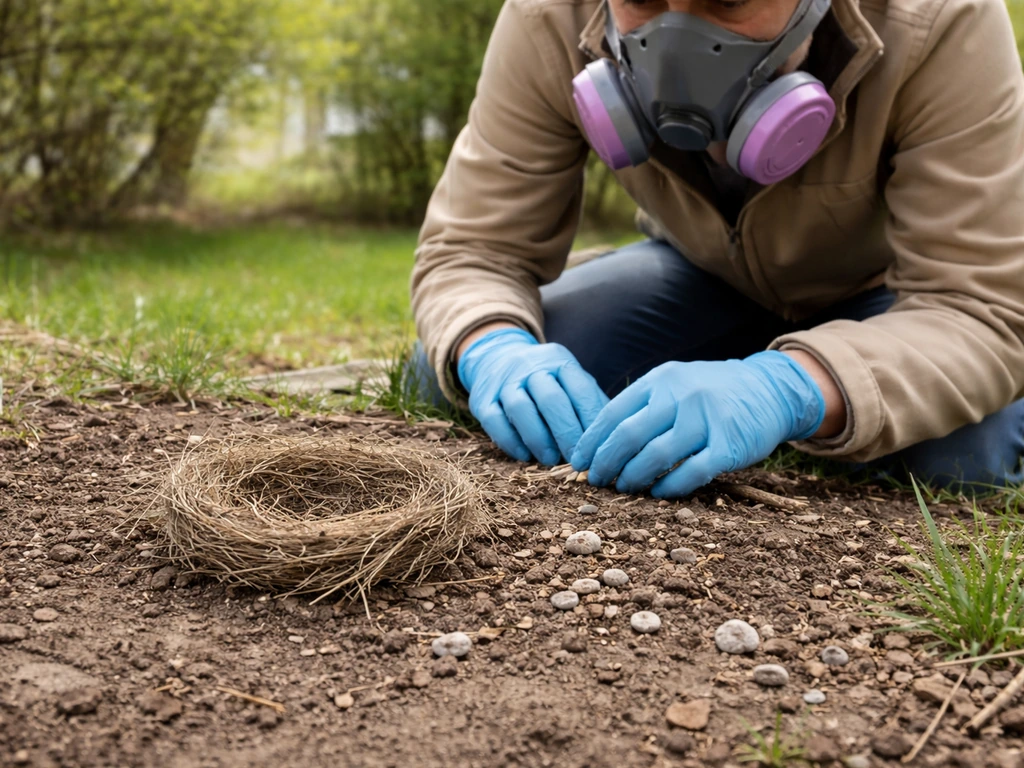
- Wet surfaces before cleaning bird cages or areas with heavy droppings. The CDC specifically recommends wetting surfaces before cleaning to prevent dried material from becoming airborne.
- Wear a well-fitted mask (N95 or better) and gloves when cleaning up significant droppings accumulations.
- Wash hands with soap and water immediately after handling birds, cages, or anything they've contacted.
- Keep bird feeding and water areas away from food preparation surfaces.
- Ventilate the area well when cleaning cages or bird rooms.
When to call a professional
If you find an injured wild bird, contact a licensed wildlife rehabilitator rather than handling it yourself. Indiana DNR advises reaching out to district wildlife biologists if a hawk or other bird is genuinely endangering human health or safety and avoidance isn't possible. Don't try to handle a large or unfamiliar wild bird without protective gear and experience.
A quick reference: risk level by bird type
| Bird type | Fatal attack risk | Disease risk | Most common scenario |
|---|---|---|---|
| Cassowary | Confirmed fatalities | Low | Captive handling, wildlife encounters in Queensland/New Guinea |
| Ostrich | Confirmed fatalities | Low | Farm/captive settings |
| Large eagles and owls | Very rare (injury risk is real) | Low | Nesting season defense |
| Swans and geese | Indirect (falls, drowning) | Low-moderate (Salmonella) | Parks, feeding areas |
| Pet parrots and parakeets | Negligible | Moderate (psittacosis) | Indoor handling and cage cleaning |
| Wild songbirds and corvids | Very low (dive-bomb injuries possible) | Low | Nesting season defense |
| Large flocks/roosts (any species) | None directly | Moderate (Histoplasma, Salmonella) | Disturbing droppings accumulations |
Separating myth from real concern
A lot of bird fear is driven by myth. No living bird is venomous enough to kill you through contact. No bird in North America or Europe is a credible predator of healthy adults. If you've ever wondered whether prehistoric relatives like the terror bird were more dangerous, that's a separate question entirely: whether a terror bird could kill a human explores what those extinct giants were actually capable of.
Similarly, the kiwi doesn't appear threatening, but people sometimes ask whether it can cause harm. Reading about whether a kiwi bird can kill you illustrates how species-specific these questions really are, since a bird's size, claws, and behavior all determine actual risk. The ability of a secretary bird to kill a python is another example of a bird's power being routinely underestimated by people unfamiliar with the species.
The real risks worth taking seriously are: cassowary and ostrich encounters in captive or wildlife settings, large raptor strikes during nesting season (especially near eyes and faces), disease exposure from droppings during cleaning, and aviation hazards that are largely outside individual control. Focus your caution there, and you've covered the actual threat landscape accurately.
FAQ
If can a bird kill a human is rare, how do I tell when my situation is actually high risk?
Incidents that lead to fatal outcomes usually involve a mismatch in context, such as a person cornering a bird, working in an enclosure, or getting close to a nest during peak breeding season. If a bird is displaying persistent dive-bombs or repeatedly making contact, treat it like a warning of escalating defense, step back slowly, and keep your face and eyes protected.
Can a bird kill a human indirectly, for example through falls or drowning?
Yes. Even when a bird is unlikely to directly kill you, a fall from a surprise strike (especially near stairs, rocks, or water) can be the real cause of severe injury. This is why repeated dive-bombing is more than a nuisance, it can trigger panic and loss of balance.
What’s the safest way to clean bird droppings if I’m worried about infection?
Not based on casual contact. For the high-risk bird diseases mentioned in the article, the major concern is exposure to droppings or respiratory secretions, especially when cleaning cages or disturbing heavy buildup. Wear a well-fitting respirator or mask (not just a loose cloth), avoid dry sweeping, ventilate the area, and wash hands after cleanup.
After a bird scratch or bite, do I always need a tetanus shot?
Follow tetanus guidance based on wound type and timing. If you are unsure when your last tetanus shot was, or the wound is deep, dirty, or bleeding, get medical advice promptly, ideally the same day. Bird claws and beaks can contaminate wounds with soil or feces.
What should I do if a bird is dive-bombing me and I can’t get away easily?
If the bird is actively attacking, do not try to catch it or improvise with bare hands. Back away, use barriers (umbrella or jacket held between you and the bird), and keep a safe distance from nest areas. If you cannot avoid it, contact local wildlife services rather than attempting to handle a potentially aggressive bird.
Will a bird bite or scratch always need antibiotics?
For most people, antibiotics are not automatic for bird-related injuries. The key decision is whether the wound is deep, heavily contaminated, near joints, or continues to worsen, and whether there are signs of infection. Get evaluated rather than waiting, especially for punctures from beaks or talons.
Can a bird that looks healthy still spread disease to humans?
Not necessarily. Some diseases can be shed by birds that appear healthy, so “it looks fine” does not guarantee safety. The practical approach is to control exposure during cleaning and avoid stirring up dried droppings, especially in enclosed spaces.
What should I do if I find an injured wild bird that might attack if approached?
If you find an injured bird, contact a licensed wildlife rehabilitator. Handling is a common reason people get scratches, punctures, and contamination exposure, and protective gear can be necessary for large raptors or unknown species. If the bird poses immediate danger, local wildlife authorities can advise how to manage it safely.
How far away should I be from birds during nesting season, and what signals mean I’m too close?
Use the nesting-season behavior warning as your decision tool. If you see the bird visibly reacting, circling, or getting louder and more purposeful with repeated passes, you are already too close. Back off and give it a buffer rather than waiting to see if it calms down.
Why do fatalities happen more in zoos, farms, or hobby enclosures than in the wild?
In captivity and farming settings, the biggest driver is loss of fear plus working conditions that expose the handler's body. Treat any large, powerful species with respect, never enter enclosures alone, and avoid sudden movements that startle the bird when you are at close range.
Is there any truly venomous bird that can kill a human just by contact?
No bird in the traditional sense is venomous enough to kill you from normal contact. If someone claims a “venomous bird” risk, focus instead on the real hazards already covered, such as talons and claws, nest-defense behavior, disease exposure from droppings, and fall or drowning risks near water.
If aircraft bird strikes are a major risk, what can an individual realistically do about it?
Vehicle or aircraft risks are the exception where individual avoidance can matter but is not something a lone person can reliably control. The more practical takeaway is to follow airport wildlife guidance, and if you live near an airport or observe large flocks, report consistent hazardous bird activity through the proper channels rather than trying to intervene.
Next Articles

Can a Kiwi Bird Kill You? Risks, Injuries, and First Aid
Can a kiwi bird kill you? Learn real risks, symptoms, first aid for bites scratches, and prevention tips.

Bird Causes Plane Crash? Risk, Mechanisms, Myths, Prevention
Whether bird strikes can cause plane crashes, how they happen, real risk data, debunked myths, and prevention steps

Can a Plane Crash Because of a Bird? Facts and Safety
Understand if a bird strike can crash a plane, what it damages, how often it happens, and what airports do to prevent it