The kiwi is sometimes confused in name with other birds, but there's no ambiguity worth dwelling on here. We're talking about the iconic New Zealand Apteryx species: nocturnal, ground-dwelling, and roughly the size of a domestic chicken. They are shy and secretive by nature. They are not predators of anything larger than insects, worms, and small invertebrates. The idea that one could kill a person is a myth worth clearing up quickly, because it distracts from the real, practical risks that do exist.
Kiwi behavior: will it attack, peck, or bite?
Kiwis are not aggressive toward people under normal circumstances. In the wild, your far more likely experience is that a kiwi will run away from you before you even realize it's there. They're nocturnal and spend most of their time avoiding detection. However, like any animal, a kiwi will defend itself if it feels cornered, threatened, or if you are near a nest or chick. That's not unique to kiwis: as the CDC notes, any wild or domestic animal can bite or scratch when it feels threatened, is protecting young or territory, or is injured or ill.
A kiwi's defensive response typically involves using its strong legs and claws rather than its beak. Save the Kiwi notes that myths about kiwi behavior are misleading, and that adult kiwis can use razor-sharp claws that can draw blood even though they are not typically attacking people strong legs and claws rather than its beak. The beak is long and sensitive, used for probing soil, and not really built as a weapon. The legs, on the other hand, are muscular and the claws are sharp enough to scratch. If a kiwi does strike out, it's almost always a quick defensive kick or scratch, not a sustained attack. This is defensive behavior, not predatory behavior.
Captive kiwis that are accustomed to human handlers may be calmer, but they can still react unpredictably if startled or mishandled. New Zealand's Department of Conservation (DOC) is explicit: crowding a kiwi or attempting to pick one up is strongly discouraged, and not just for your protection. Stressing a kiwi can actually injure or even kill the bird. Handling is treated as a conservation-only activity that requires specific conditions and permissions, not something a curious visitor should attempt.
Types of injuries from kiwis
The injuries you could realistically sustain from a kiwi fall into a few categories, none of which are life-threatening on their own.
- Scratches from the claws: The most common injury. Kiwi claws are sharp and can break skin, especially on the hands and forearms if you're trying to handle or restrain the bird.
- Bites from the beak: Less common and generally less severe than a scratch. The beak can pinch and puncture skin but isn't built to deliver the kind of crushing force that causes serious tissue damage.
- Bruising or blunt force from kicks: The legs are strong. A kick won't break bones in a healthy adult, but it can leave a bruise or abrasion.
- Handling stress injuries: These are indirect. If you're awkwardly restraining a struggling kiwi, you risk being scratched repeatedly, and you also risk dropping the bird or sustaining a strain injury.
None of these are catastrophic wounds. Compare this to, say, a cassowary, which is genuinely dangerous and features prominently in any discussion of which bird has killed the most humans. A kiwi is in an entirely different league. The injuries are in the range of what you might get from a large, agitated house cat.
When injuries could actually become dangerous
The wound itself isn't the main concern. Infection is. Any puncture wound or deep scratch from a wild bird carries a risk of bacterial infection. Bird claws and beaks pick up soil, feces, and organic debris constantly, making them decent vectors for bacteria like Pasteurella, Staphylococcus, or Streptococcus species. A scratch that looks minor can become a serious infection if it's not cleaned properly and monitored.
Tetanus is the other real concern. The CDC is clear that any person with a high-risk wound exposure, including animal bites and scratches, who hasn't had a recent tetanus vaccination should receive a tetanus toxoid-containing vaccine. If you haven't had a booster in the last five to ten years, a kiwi scratch in a wilderness setting is exactly the kind of wound that warrants checking your vaccination status.
There are a small number of higher-risk scenarios worth naming. Immunocompromised individuals, very young children, or elderly people with underlying health conditions face a higher risk from any animal wound infection. A deep puncture near a joint or tendon needs prompt medical evaluation regardless of the animal involved. And though it's rare with kiwis specifically, bird diseases that can affect humans are a legitimate consideration after any wildlife contact, particularly if the bird appeared ill.
Could a kiwi injury ever contribute to a death? In an extreme edge case involving a severe infection in an untreated, immunocompromised person in a remote location, the infection from any animal wound could theoretically become life-threatening. But attributing that to the kiwi itself would be a stretch. To put it plainly: deaths from bird attacks are vanishingly rare globally, and not a single documented fatality is attributed to a kiwi.
First aid and when to get medical help after a kiwi bite or scratch
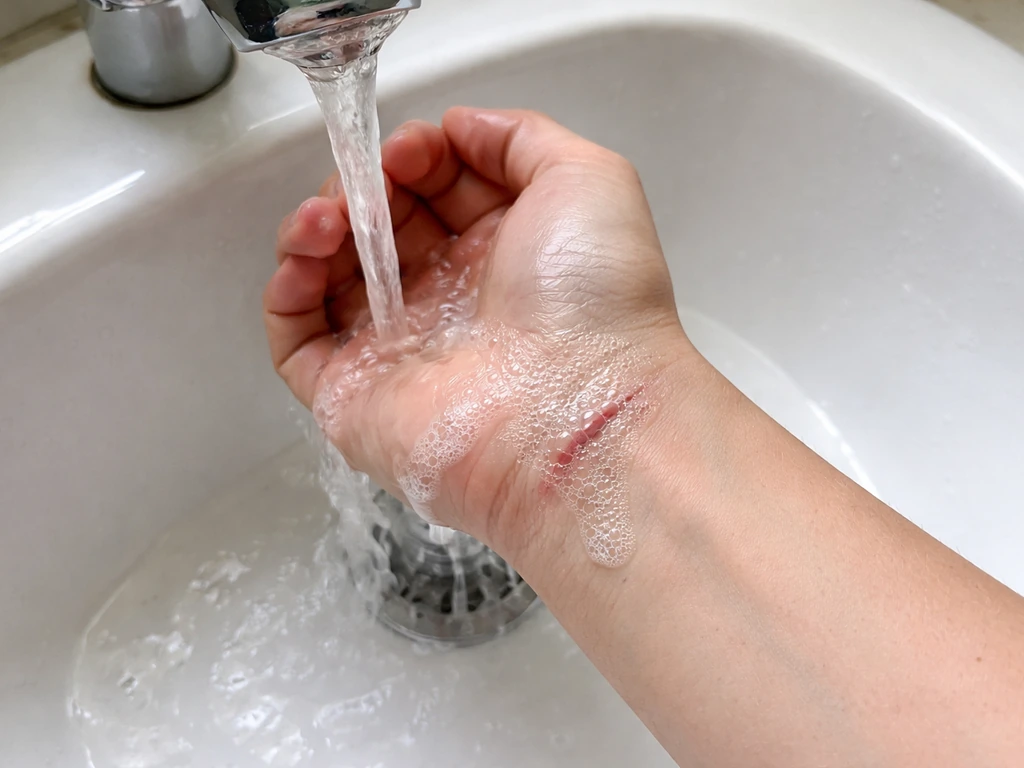
If a kiwi bites or scratches you, treat it the same way you'd treat any animal wound. The steps are straightforward and should happen immediately.
- Wash the wound thoroughly with soap and clean running water for at least 15 minutes. This is the single most important step and reduces infection risk significantly.
- Apply an antiseptic such as povidone-iodine or chlorhexidine if available.
- Cover the wound with a clean bandage.
- Check your tetanus vaccination status. If you're not up to date (within the last 5 to 10 years), plan to get a booster, especially if the wound is a puncture or deep scratch.
- Monitor the wound over the next 24 to 72 hours for signs of infection: increasing redness, swelling, warmth, pus, red streaking from the wound, or fever.
Get medical attention promptly if the wound is deep, is near a joint or tendon, shows any signs of infection within the first day or two, or if you are immunocompromised. Also seek care if you're not sure about your tetanus status and can't get a booster on your own. A doctor may recommend a short course of antibiotics as a precaution for any significant puncture wound from a wild animal.
If the wound is minor, well-cleaned, and you're vaccinated, home monitoring is usually sufficient. But don't ignore a wound that's getting worse instead of better. Infections from animal bites can progress quickly once they take hold.
How to stay safe around kiwis, in the wild and in captivity
In the wild

The best advice for wild kiwi encounters is simply to leave them alone. If you're in New Zealand and you spot a kiwi (which is already unusual since they're nocturnal and endangered), observe from a distance. Do not approach, attempt to touch, or try to pick it up. DOC guidelines are clear on this: interfering with kiwi in the wild, including crowding them, can cause them enough stress to injure or kill the bird. You could also be breaking conservation law.
If a kiwi wanders into your path at night, stand still and let it move away on its own. It will. Keep dogs leashed and under control in kiwi habitat, since dogs are actually one of the primary threats to kiwi survival, not the other way around.
In captivity (zoos, sanctuaries, and rehabilitation centers)
If you work with captive kiwis as a handler or volunteer, follow facility protocols exactly. Wear thick gloves when handling is required. Minimize handling time. Approach calmly and avoid sudden movements. Keep handling sessions short to reduce stress on the bird.
For zoo visitors, stay behind barriers and follow posted rules. Kiwi enclosures are typically low-light environments designed to reverse the bird's day-night cycle. Flash photography, loud noises, and trying to reach into enclosures are not just rude: they can cause real stress to the animal and create the exact defensive response you want to avoid.
General hygiene after any wildlife encounter
Even without a bite or scratch, wash your hands after any wildlife contact. Kiwis, like all birds, can carry parasites and bacteria on their feathers, feet, and in their droppings. This is a good general rule for any wildlife encounter, not just kiwis. It's also worth knowing that some species of birds carry external parasites that can transfer to humans in close-contact situations, so brushing off any debris from clothing after fieldwork or wildlife handling is a reasonable habit.
Kiwis vs. the birds that actually can hurt you
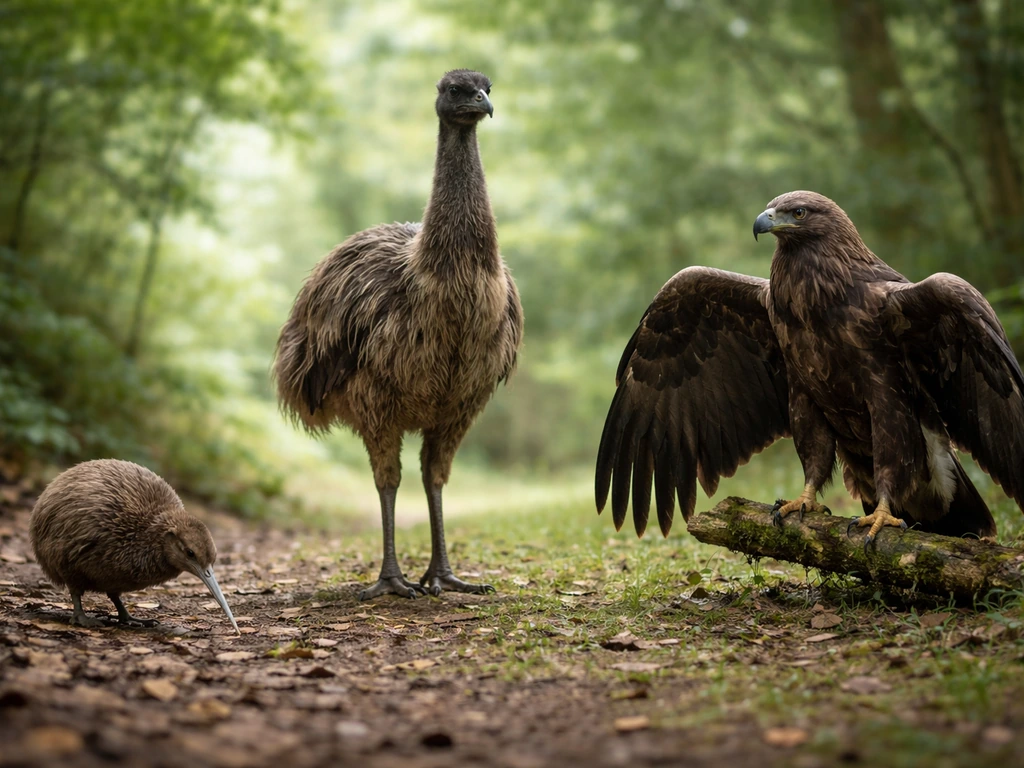
To give you a clear frame of reference, here's how the kiwi compares to other ratites and large birds that do pose real risks to humans.
| Bird | Weight | Primary weapon | Realistic threat to humans | Documented human fatalities |
|---|
| Kiwi (Apteryx spp.) | 1.3 to 3.3 kg | Claws, beak | Minor scratches and bites | None documented |
| Cassowary | Up to 85 kg | Dagger-like inner claw | Serious lacerations, potential fatality | At least one confirmed modern fatality |
| Ostrich | Up to 145 kg | Powerful kick | Broken bones, lacerations | Rare fatalities documented |
| Emu | Up to 60 kg | Kicks, claws | Bruising, scratches, rare lacerations | No confirmed modern fatalities |
| Secretary bird | Up to 4.5 kg | Powerful stomping kick | Lacerations, bruising | No confirmed fatalities |
The secretary bird is an interesting comparison point. While it's famous for its striking behavior, questions like whether a secretary bird can kill a python illustrate just how specialized bird attacks are: the species, the target, and the context all matter enormously. Similarly, whether a secretary bird can kill a human is a far more credible question than whether a kiwi can, simply because of the size and power differential. The kiwi just isn't in that category.
For historical context, the question of whether a terror bird could kill a human is a good reminder that prehistoric ratites were genuinely terrifying. The modern kiwi is the mild-mannered, endangered cousin of that lineage, not a descendant of its threat level.
The bottom line
A kiwi cannot kill you. It can scratch or bite you if cornered or mishandled, and those wounds deserve proper first aid and monitoring for infection, just like any animal wound. Keep your tetanus vaccination current, clean any wound immediately and thoroughly, and seek medical care if signs of infection appear or if the wound is deep. Beyond that, the main risk with kiwis runs in the other direction: your presence is a bigger threat to the bird than it is to you. Give them space, follow DOC guidance, and you'll have nothing to worry about.