
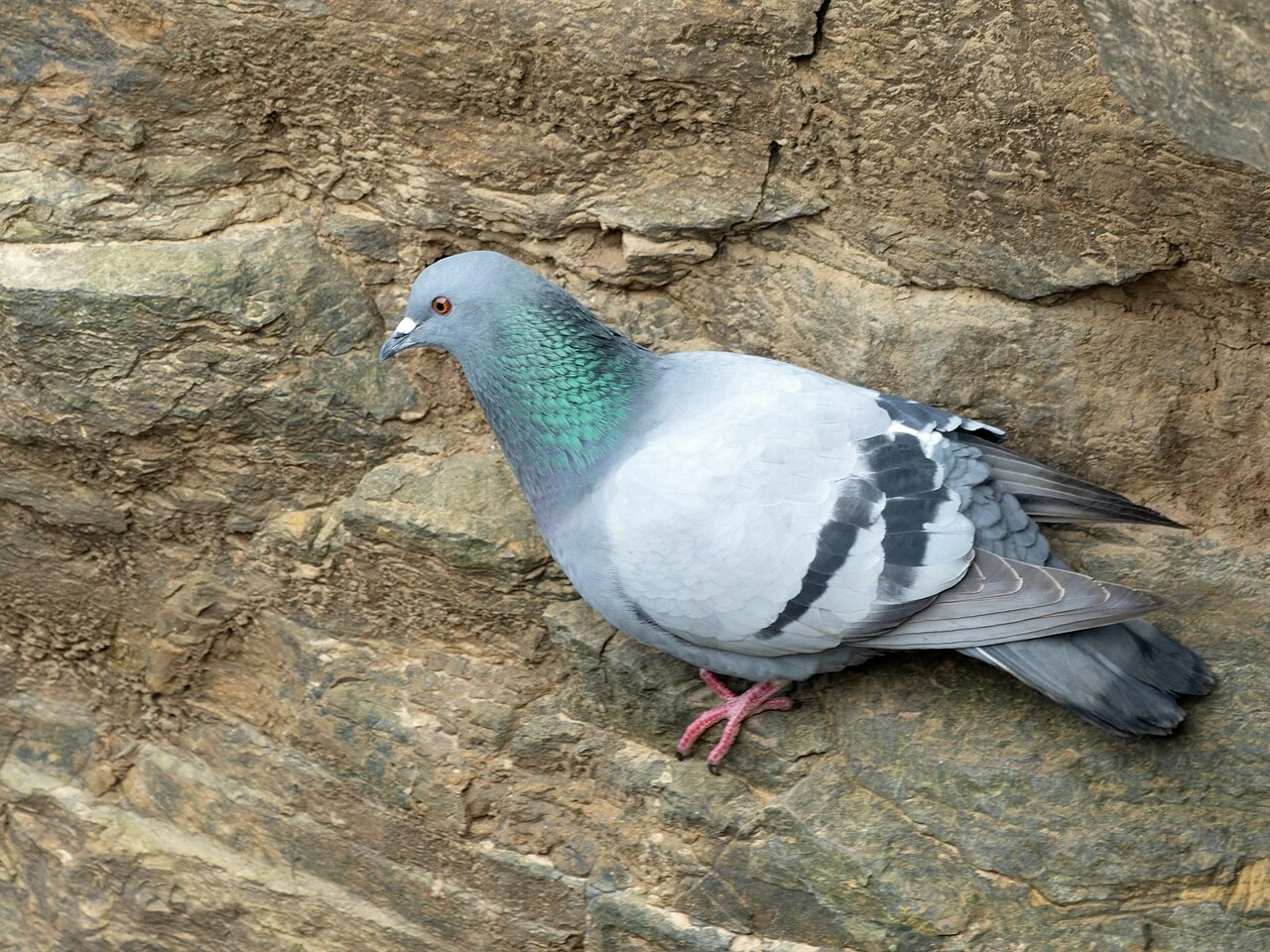
The bird responsible for the most human deaths worldwide is almost certainly the pigeon, or more broadly, the group of birds that live in large numbers around people: pigeons, starlings, and waterfowl. But the honest answer is more nuanced than a single species name. The birds that kill the most humans usually do so indirectly, through disease transmission and aviation accidents, not by physically attacking anyone. Once you understand that, the whole ranking makes a lot more sense.
What Bird Has Killed the Most Humans and Why It Matters

Maya Chen
12 Apr 2026
The real answer: it's about indirect death, not claws and beaks
When most people search for the deadliest bird, they picture an attack. Cassowaries get mentioned a lot, and so do emus and ostriches. But physical attacks from birds kill very few people per year globally. The birds causing the highest total human mortality are doing it through disease and aviation incidents, and those numbers are dominated by species that most people never think twice about.
Pigeons are the strongest single-species candidate for the most human deaths because they combine two major pathways: they congregate in dense urban populations that create disease exposure for millions of people, and they are among the most commonly struck birds in aviation incidents near airports. Waterfowl, particularly ducks and geese, come out ahead in aviation severity specifically. But across all causes combined, the everyday urban pigeon has the broadest reach.
If you want the full picture of whether a bird can kill a human and through which mechanisms, the answer is yes, but it is almost never in the way movies suggest.
How to read the data: attribution is genuinely hard
One of the biggest problems with answering this question is that bird-related deaths are rarely coded as such in mortality data. When someone dies from histoplasmosis, a fungal lung infection linked to bird droppings, the death certificate says "fungal pneumonia" or "respiratory failure," not "pigeon." When a plane goes down after a bird strike, the cause is listed as "aviation accident." The bird's contribution gets lost in the categorization.
The FAA keeps the most rigorous public dataset on bird-strike outcomes. From 1988 through October 2024, the FAA recorded 499 human fatalities attributed to wildlife strikes involving military and civil aviation globally, with 361 aircraft destroyed. That dataset covers birds and some non-bird wildlife, so the bird-specific count is slightly lower, but birds account for the overwhelming majority of reported strikes. In the U.S. civil dataset alone, 357 human injuries were recorded between 1990 and 2023. These numbers are real, documented, and attributable, which makes aviation one of the cleaner data sources for bird-related human harm.
Disease deaths are far harder to count. Psittacosis, histoplasmosis, and other bird-associated infections are underdiagnosed because they mimic common respiratory illnesses. The CDC notes that psittacosis most often presents like an upper respiratory infection, so many cases are never identified, let alone linked back to a bird source. This means any global mortality estimate for bird-associated disease is almost certainly an undercount.
The upshot: when you see a claim that "X bird has killed the most humans," ask what data source it uses and whether it is counting direct attacks, aviation incidents, disease deaths, or all three. The answer changes depending on which column you look at. If you are curious about how many people have died from bird attacks specifically, the number is very small compared to these indirect pathways.
The two big killers: aviation strikes and disease
Bird strikes and aviation
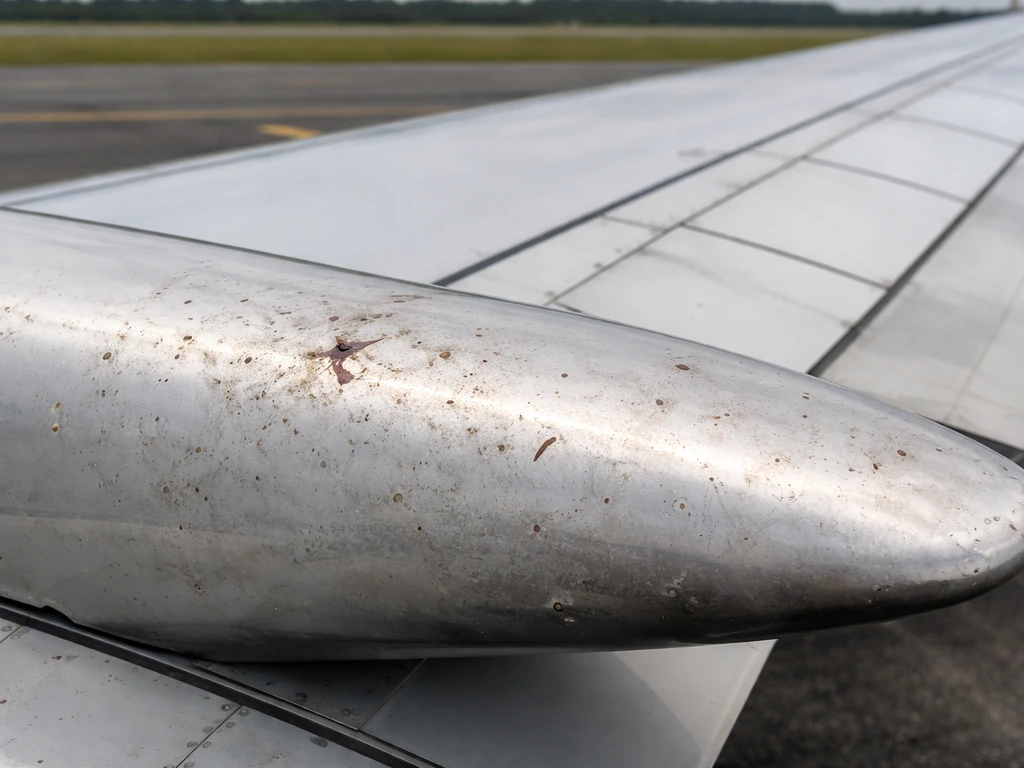
Aviation is the clearest documented pathway for bird-caused human deaths. The FAA data shows that not all bird species are equally dangerous in this context. Waterfowl, specifically ducks and geese, account for only about 4% of all reported strikes but cause 27% of strikes that result in aircraft damage. That gap between frequency and severity is significant: a Canada goose hitting a jet engine does far more damage than a sparrow hitting a windshield. The 2009 US Airways Flight 1549 "Miracle on the Hudson" was caused by Canada geese, and while everyone survived, it illustrated exactly how lethal that scenario can become.
A 2026 study at Shanghai Pudong International Airport found that migratory birds accounted for more than 84% of identified bird-strike incidents, which highlights that the risk is not just about resident bird populations. Seasonal migration routes that overlap with flight paths create predictable windows of elevated risk. Airports near coastlines and wetlands face the highest exposure.
Disease transmission from birds

The disease pathway is less dramatic but probably responsible for more total deaths over time. The two diseases most directly linked to bird droppings are histoplasmosis and psittacosis, and both can be serious or fatal, especially in people who are already sick.
Histoplasmosis is a fungal infection caused by inhaling spores that grow in soil enriched by bird or bat droppings. The CDC is clear that infection happens when contaminated material is disturbed and aerosolized, not just from walking past a pigeon. High-risk activities include cleaning up large accumulations of droppings, doing construction or demolition near roosting sites, or using compressed air on contaminated surfaces. New York State DOT guidance explicitly calls out compressed air as a method that dramatically increases inhalation risk during cleanup. The fungus is common in river valleys across the central and eastern United States.
Psittacosis (sometimes called parrot fever) is a bacterial infection caused by Chlamydia psittaci. The CDC explains that both sick and apparently healthy birds can shed the bacteria in droppings and respiratory secretions. blank" rel="noopener noreferrer">Transmission to humans happens when someone breathes in dust from dried droppings or dried secretions. Pet bird owners, poultry workers, and veterinarians face the highest occupational exposure, but bird diseases that can kill humans are not limited to exotic species. Feral pigeons and backyard chickens are also documented sources.
Comparing the birds people actually worry about
Here is how the commonly feared or commonly encountered species stack up across the main risk pathways:
| Bird | Aviation Strike Risk | Disease Risk | Direct Attack Risk | Overall Human Death Contribution |
|---|---|---|---|---|
| Pigeon (feral) | Moderate (common at airports) | High (histoplasmosis, psittacosis) | Very low | High — broadest reach across pathways |
| Canada goose / waterfowl | Very high severity (4% of strikes, 27% of damage) | Low to moderate | Low (nesting aggression only) | High — top aviation risk group |
| European starling | Moderate (flocking near airports) | Low to moderate | Very low | Moderate |
| Sparrow | Low (small mass, rare severe damage) | Low | Negligible | Low |
| Crow / raven | Low to moderate | Low | Low (occasional nesting attacks) | Low |
| Raptors (hawks, eagles) | Low frequency, higher individual mass | Very low | Low (rare defensive strikes) | Low |
| Gull (seagull) | Moderate (coastal airports) | Low | Very low | Low to moderate |
| Cassowary | None | None | Moderate (documented attacks) | Very low globally |
The cassowary deserves a note here. It is frequently cited as the world's most dangerous bird and has caused documented human deaths through direct physical attack. Its kicks can cause severe lacerations. But cassowaries live in remote parts of Australia and New Guinea with limited human overlap, so the total global death count from cassowary attacks is very small. The bird's reputation far exceeds its actual body count.
Raptors are similarly overestimated as a threat. Hawks and eagles do occasionally dive at people near nests, but fatal attacks are essentially unheard of. The question of <a data-article-id="E5C7A992-D6A9-4071-8756-A82E73DC8B36">whether a secretary bird can kill a human</a> is often compared to these dramatic bird myths, but the risk profile is still mostly about indirect factors rather than everyday physical attacks. The question of <a data-article-id="E5C7A992-D6A9-4071-8756-A82E73DC8B36">whether a secretary bird can kill a human</a> gets asked a lot because of that bird's impressive snake-killing ability, but a secretary bird has never been documented killing a person.
What you can actually do to reduce your risk
The practical steps here are not complicated, but they do depend on which pathway you are most exposed to. Most people are not near airports, so aviation is not their concern. Disease and nesting aggression are the two realistic risks for the average person.
Droppings and disease prevention
- Wash your hands after any contact with birds, their droppings, or cage materials. This one step eliminates a huge proportion of transmission risk according to CDC guidance.
- Never use compressed air or dry-sweep large accumulations of bird droppings. Both methods aerosolize particles and dramatically increase inhalation exposure. Wet the area first with a diluted bleach solution, then scoop and bag.
- Wear an N95 respirator (not just a dust mask) and gloves when cleaning up significant droppings accumulations, especially in enclosed spaces like attics, barns, or under bridges.
- If you have a large roosting site near your home or workplace, consult a pest management professional for exclusion strategies rather than handling cleanup yourself.
- Do not feed pigeons or waterfowl near your home. Feeding concentrates birds, which concentrates droppings, which increases disease exposure for you and your neighbors.
Nesting season and aggression

Crows, red-winged blackbirds, and some gulls will divebomb people who walk near active nests, typically from April through July. These attacks are startling but rarely cause serious injury. The main risk is a fright-induced fall or accident rather than the strike itself. Give known nesting areas a wide berth during breeding season. A hat or umbrella provides enough deterrence in most cases.
Windows and vehicles
This one runs the other direction: birds hitting your car or house windows are more of a bird welfare issue than a human safety one. That said, a large bird hitting a windshield at highway speed is a real hazard for drivers. If you have a route through areas with large bird populations (near wetlands, grain storage, or landfills), slowing down during dawn and dusk when birds are most active reduces that risk.
The birds that get feared the most are usually not the deadliest
The cassowary gets top billing in most "deadliest birds" lists because its attack mechanism is vivid and easy to describe. Ostriches and emus appear on those lists for similar reasons. These are real animals with real physical capabilities, but their human death tolls are genuinely tiny. A few documented deaths per decade globally, concentrated in farm accidents and captive animal incidents.
The extinct terror birds (Phorusrhacids) sometimes come up in these discussions, and yes, they were formidable predators. But whether a terror bird would kill a human is purely hypothetical since the last one died millions of years before modern humans existed.
Even the kiwi, which people sometimes ask about because of its surprisingly sharp claws, is not a realistic threat. Whether a kiwi bird can kill you is a question with a simple answer: it is not going to happen under normal circumstances. Kiwis are small, nocturnal, and reclusive.
The takeaway from the myth-busting side is consistent: the more dramatic and photogenic a bird's attack capability, the less likely it is to show up meaningfully in human mortality data. Danger scales with population size, proximity to humans, and indirect pathways, not beak sharpness or kick force.
Higher-risk groups: when to take this more seriously

Immunocompromised people
If you have HIV/AIDS, are undergoing chemotherapy, take immunosuppressive medications, or have another condition that affects your immune system, bird-associated diseases are a real concern rather than a background risk. The NYC Department of Health specifically advises that immunocompromised people should not clean up pigeon droppings themselves. Histoplasmosis and psittacosis that might cause a week of flu-like symptoms in a healthy person can become life-threatening in someone with a compromised immune system. Have someone else handle cleanup, and if you must be present, wear proper respiratory protection.
Children
Children are at higher risk for bird-disease transmission mainly because of behavior: they are more likely to touch birds, pick up feathers, and put their hands near their faces without washing. Hand-washing education is the most effective intervention. Children are not at meaningfully higher risk from aviation incidents or direct attacks.
Urban vs. rural exposure
Urban dwellers face higher disease exposure from pigeons and starlings because of sheer density. If you live in a city and have birds roosting on your building, the droppings accumulation over time is a real health concern, particularly if they are getting into attic spaces or HVAC intakes. Rural and agricultural workers face different risks: poultry farm workers have higher psittacosis exposure, and workers doing renovation or demolition in old barns or grain storage areas face significant histoplasmosis risk. NIOSH/CDC guidance recommends engineering controls like wetting contaminated material before disturbance and using local exhaust ventilation for high-exposure occupational tasks.
When to see a doctor: if you have had significant exposure to bird droppings (especially in a confined space) and develop fever, cough, chest pain, or fatigue within two weeks, mention the exposure to your doctor explicitly. Because psittacosis and histoplasmosis mimic other respiratory infections, the exposure history is the key detail that leads to the right diagnosis and treatment.
The bottom line
The pigeon is the strongest candidate for the bird most responsible for human deaths when you combine disease transmission and aviation contributions. Waterfowl, particularly geese, are the top aviation-specific risk by severity. Neither species is going to physically attack you on the street. The birds that generate the most fear, like cassowaries and raptors, contribute the fewest actual deaths at the population level.
If you want to reduce your real-world risk from birds, the practical steps are straightforward: wash your hands, do not dry-sweep droppings, wear a proper respirator for significant cleanup jobs, and if you are immunocompromised, keep your distance from roosting sites. CDC recommends avoiding dry sweeping or vacuuming because it can put dust into the air during cleaning related to birds [avoid dry-sweeping droppings and vacuuming because it can put dust into the air](https://www. cdc. gov/psittacosis/prevention/index.
html). The dramatic stuff makes better headlines, but the everyday pigeon on your windowsill is the one worth paying attention to.
FAQ
When someone says “what bird has killed the most humans,” how do I know if the answer is actually credible?
If a claim just names one bird, it is often oversimplifying. A more reliable way to judge “most humans” is to ask whether the estimate includes indirect deaths (disease plus aviation) and whether it uses coded mortality data, event logs (like bird strikes), or modeled assumptions for underdiagnosed infections.
Why are disease-related deaths harder to rank than bird strikes?
For many infections linked to birds, the number of cases diagnosed is lower than the number of exposures. That means a death toll tied to bird-associated disease will usually be an undercount unless the analysis uses specific lab-confirmed reporting or adjusts for underdiagnosis.
Are bird-strike datasets the best way to compare which birds kill people?
In practice, bird strikes are most consistently tracked around aviation because outcomes and locations are documented, while the “which bird caused it” part is still uneven. If you want a clean comparison for fatalities, focus on aircraft strike datasets and note whether the measure is “human fatalities per strike” or “total fatalities across events.”
Why can a bird be less frequent but still more dangerous for aircraft?
Not necessarily. For example, geese can cause fewer strikes than common urban birds, but do more engine or airframe damage per event. Severity and fatality differ from encounter rate, so a species can be “worst” for damage without being “worst” for total strike counts.
What should I tell a doctor if I suspect a bird-related respiratory infection?
Psittacosis and histoplasmosis are both respiratory illnesses that can look like routine flu or pneumonia. Without telling a clinician about a droppings or bird exposure, many cases are treated as generic respiratory infection, which can delay the correct diagnosis and treatment.
Is being near pigeons dangerous, or only when you clean up droppings?
Do not assume walking past pigeons is the main issue. Higher risk comes from disturbing heavy accumulations (for example, cleaning a roost area, drying droppings, or using compressed air), because aerosolized particles are the key exposure route.
What should immunocompromised people do about pigeon droppings at home?
For immunocompromised people, the safest approach is to avoid droppings cleanup entirely, because risk rises with both exposure amount and difficulty of respiratory protection. If cleanup is unavoidable, use appropriate respiratory protection and avoid activities that aerosolize dust.
If birds dive at people, do they usually cause serious injury?
Yes, when a “nest attack” happens, the injury is often indirect. The most common real-world hazard is a startled fall or collision, especially for kids or older adults near active nests during breeding season.
Are birds hitting cars or windows a human-health risk or mostly a safety risk?
Window impacts are usually a safety issue for drivers or pedestrians, not a public health issue. The bigger practical hazard is traffic risk when birds are active near dawn and dusk, especially on routes near wetlands, landfills, or grain areas.
How do I choose which bird-related risk applies to me?
A simple decision aid is to match your exposure setting to the pathway: if you are cleaning roosting areas, think histoplasmosis and aerosolization. If you are working with pet birds or poultry, think psittacosis. If you are near airports, think bird strike risk. Each pathway suggests different precautions.
Can an urban resident face bird risk even without being near an airport?
Yes. Even if you live far from airports, you can still face disease exposure in dense neighborhoods or on buildings with roosting in attics or ventilation systems. The key factor is whether droppings accumulate and get disturbed or enter airflow.
How soon after droppings exposure should I seek medical attention?
Caution is needed around “minor” symptoms after significant exposure. If you had intense droppings exposure in a confined space or during cleanup and develop fever, cough, chest pain, or unusual fatigue within about two weeks, you should seek care and explicitly mention the exposure.