The creatures in Bird Box (the 2018 Netflix film) don't physically attack people. Instead, anyone who looks at them is immediately overwhelmed by a psychic or supernatural force that drives them to kill themselves. The film never explains exactly what the entities are or what victims actually see, but the effect is instant and fatal: exposure equals death. If you're here because you found dead or sick birds in your yard or a bird box, that's a completely different situation with real, identifiable causes and clear steps you can take today. If you meant real-world bird boxes and birds behaving strangely, focus on the concrete causes of sickness and death instead of the film's storyline.
Why Do Bird Box Creatures Kill and What to Do Now

Maya Chen
23 May 2026
Bird Box the film vs. a real bird box
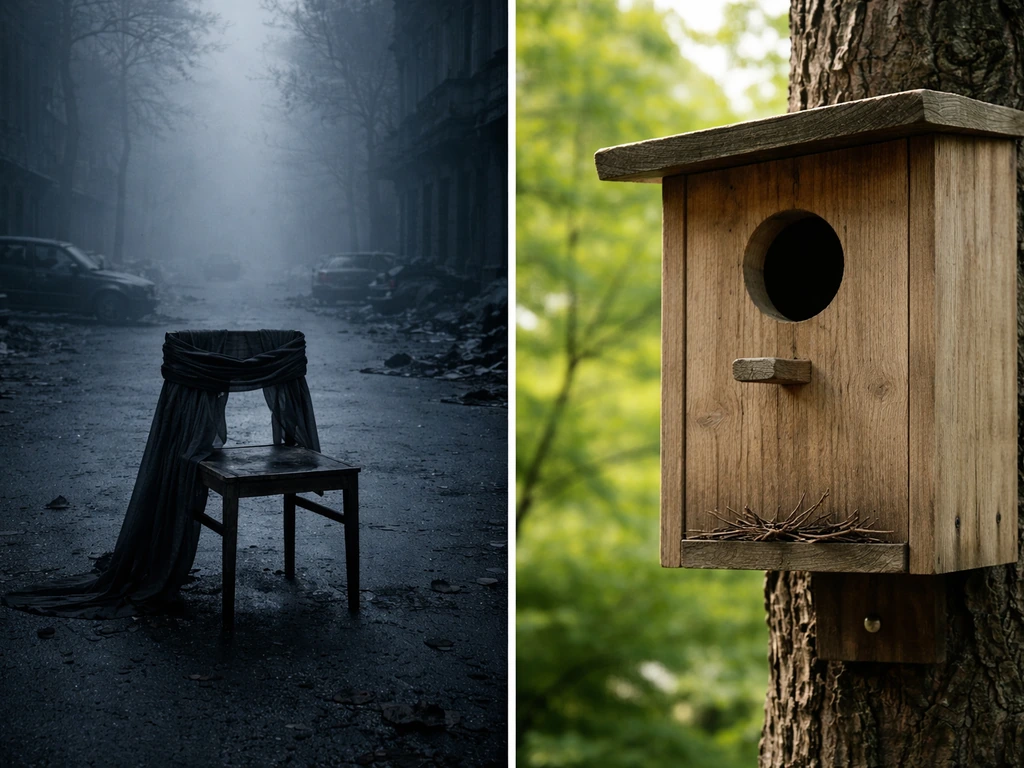
"Bird Box" means two very different things depending on why you're searching. The Netflix film is a post-apocalyptic thriller where mysterious entities wipe out most of humanity. A bird box in the real world is simply a nesting box or enclosure for birds. This article covers both: it explains the film's creature logic first, then shifts to what actually kills or sickens birds in real life, because that's what matters if you're dealing with a real situation right now.
Why the creatures kill in Bird Box
In the film's story, the entities don't chase or physically harm anyone. Their weapon is sight. The moment a person looks at one of them, something in their mind breaks. The effect is described in the film and by director Susanne Bier as a kind of psychic trigger: the creature forces the victim to see something so overwhelming that the person immediately tries to kill themselves. Characters are shown drowning, walking into traffic, and setting themselves on fire seconds after removing their blindfolds.
The film deliberately leaves the exact mechanism unexplained. The entities are referred to as "them" throughout, treated as plural and possibly supernatural or alien. What the victims actually see is never shown to the audience. Screenwriter Eric Heisserer and director Bier kept this intentionally vague, which is part of why the film works: the horror lives in your imagination, not on screen.
There's also a wrinkle in the story's rules: not everyone dies. A subset of people who look at the entities don't die but instead become seemingly devoted followers of the creatures, forcing others to look. This group appears to already have severe mental illness, which the film uses to suggest the creatures' effect works differently on minds that are already in a fragile state. The film never fully resolves why some people are immune or different in this way. In bird box, why are some people not affected remains unclear in the film, but the story hints that mental vulnerability plays a role in bird box why are some not affected.
Beyond the sight mechanism, the creatures also use psychological manipulation to lure victims. They mimic the voices of loved ones to coax survivors into removing their blindfolds. Den of Geek's analysis frames this as intentional psychic manipulation rather than a passive visual effect. The entities aren't mindlessly dangerous; they appear to actively hunt and exploit personal vulnerabilities. The survival logic of the film is simple: keep your eyes covered, don't listen to voices you can't verify, and stay inside.
What actually kills real birds
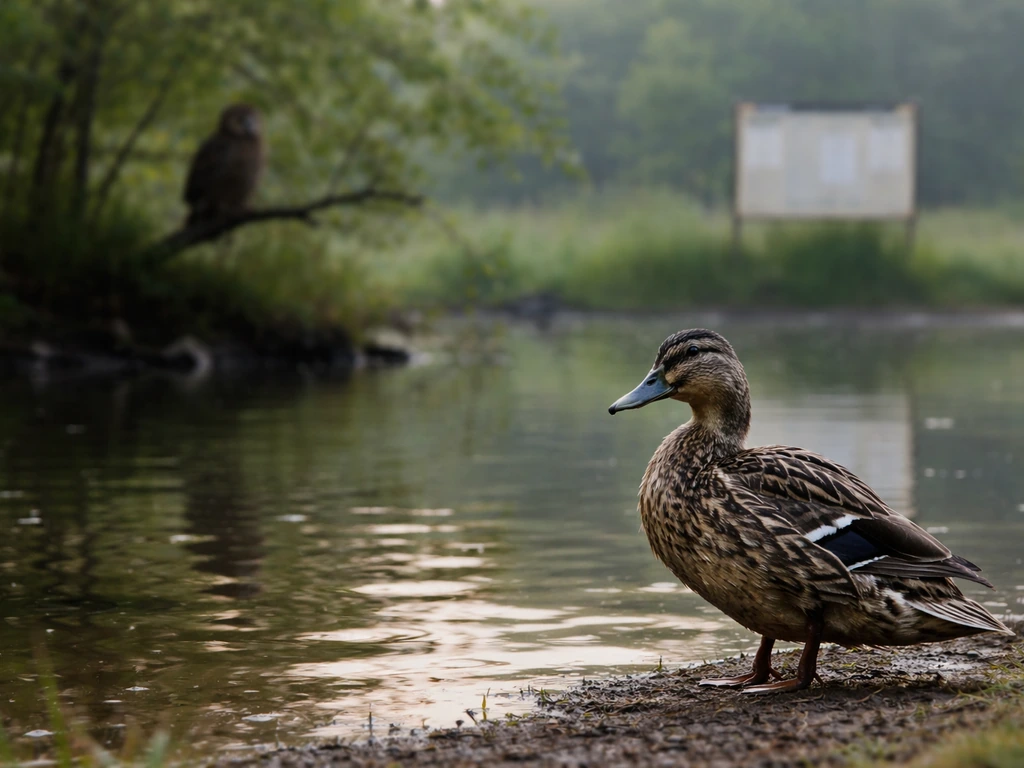
Real bird deaths have concrete, identifiable causes. If you've found dead or sick birds, the most common culprits fall into a few categories: disease outbreaks, predator attacks, window collisions, electrocution, and toxic exposure. A peer-reviewed PMC paper refines estimates of bird collision and electrocution mortality at power lines in the United States, providing evidence that both collision and electrocution contribute to bird deaths window collisions, electrocution. Each leaves different clues.
- Disease (West Nile virus, Highly Pathogenic Avian Influenza/HPAI, salmonella): typically causes multiple birds to die in the same area over a short period
- Predator attacks (cats, hawks, raccoons): usually leave feathers, partial carcasses, or signs of a struggle
- Window collisions: birds found directly below windows, often with no external injuries, sometimes still alive but stunned
- Electrocution at power lines: birds found beneath or near power infrastructure
- Poisoning (pesticides, toxic plants, contaminated feeders): can cause sudden death in multiple birds at once, sometimes with visible neurological symptoms before death
Found sick or dead birds: what's likely going on
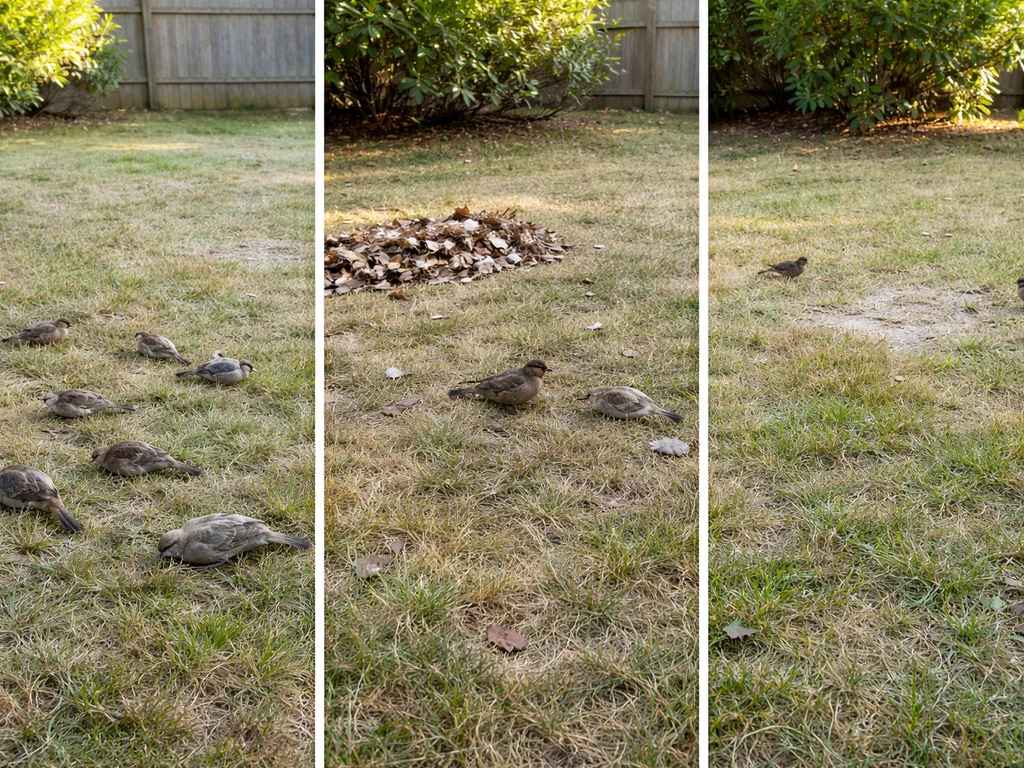
Finding one dead bird is usually not alarming. Birds die individually from all sorts of causes. But finding multiple dead or sick birds in the same place and timeframe is a signal worth paying attention to. Health agencies like the CDC and state wildlife departments use clusters of dead birds as an early warning system for disease outbreaks, particularly West Nile virus and avian influenza. If you're wondering about the “virus” angle from Bird Box, the real-world answer is that dead birds are typically linked to specific infectious diseases like West Nile virus or avian influenza. Both the CDC and agencies like MassWildlife and New Jersey's NJDEP Fish & Wildlife define a reportable cluster as five or more sick or dead birds in one location.
Avian influenza in particular has caused widespread die-offs in waterfowl, gulls, and shorebirds. If you're finding dead birds near a pond, wetland, or coastal area, HPAI is a real possibility. Songbirds dying at feeders in summer often point to salmonella from contaminated feeders or West Nile virus. In either case, the pattern matters more than any single bird.
How to tell poison vs. disease vs. predators
| Cause | What you typically see | Key clue |
|---|---|---|
| Disease (WNV, HPAI, salmonella) | Multiple birds dead or dying, birds acting disoriented or unable to fly | Several birds affected in the same spot over days |
| Predator attack | Feathers scattered, partial carcass, bite/claw marks | Evidence of a struggle; single bird more common |
| Window collision | Bird found directly below a window, minimal blood, may be stunned | Location directly under glass; may recover if left alone |
| Electrocution | Bird found beneath power lines or near electrical equipment | No other obvious injury; location is the main clue |
| Poisoning/pesticide | Sudden death in multiple birds, tremors or seizures before death | No signs of trauma; feeders or treated lawn nearby |
Look at the location, the number of birds affected, and the condition of the bodies. A single bird with a broken neck found below your living room window is almost certainly a window strike. Five dead crows in your yard over two days with no signs of trauma points to disease. Scattered feathers and a few drops of blood near your fence suggest a cat or hawk. These patterns help you decide whether to report, clean up, or both.
What to do today for bird safety
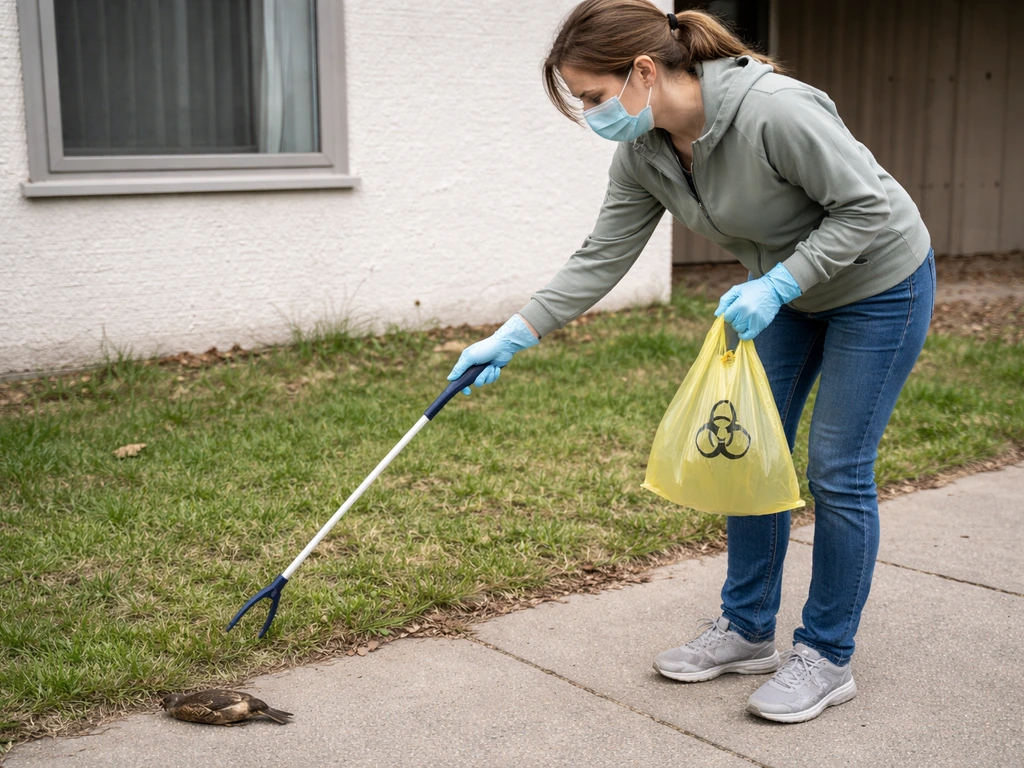
Safe cleanup if you find a dead bird
- Don't touch the bird with bare hands. The CDC is explicit about this: avoid direct contact with any sick or dead bird.
- Put on disposable gloves before handling. If you don't have gloves, use an inverted plastic bag over your hand to pick up the carcass.
- Place the bird directly into a sealed plastic bag, then into a second bag if possible.
- Dispose of it in your regular trash unless your local wildlife agency asks you to hold it for testing.
- Wash your hands thoroughly with soap and water after removing gloves.
- Don't clean bird feeders in your kitchen or any food prep area. Take them outside and use a diluted bleach solution.
Preventing bird deaths around your home
- Apply window collision deterrents: decals, tape strips, or exterior screens placed on the outside of glass make windows visible to birds. The USGS recommends spacing markers no more than 2 inches apart vertically and 4 inches apart horizontally.
- Clean bird feeders and bird baths every one to two weeks with a 10% bleach solution to prevent salmonella buildup.
- Keep feeders away from windows (either very close, within 3 feet, or far away, beyond 30 feet) to reduce collision risk.
- Keep cats indoors, especially during nesting season in spring and early summer.
- Avoid using pesticides on your lawn and garden during peak bird activity periods.
- Check bird boxes regularly for signs of parasites, mold, or dead nestlings, and clean them out each fall.
When to call a professional
You don't need to report every dead bird you find. But certain situations call for a call to your local wildlife agency, a licensed wildlife rehabilitator, or a vet. For handling carcasses and cleaning up after disasters, CDC advises using appropriate PPE and following general disposal guidance, and it recommends contacting local or state officials for specific disposal instructions when needed CDC advises using appropriate PPE when handling carcasses and contacting local or state officials for specific disposal instructions.
- Five or more dead or sick birds in one location: report to your state wildlife agency or department of health. Most states have an online reporting form specifically for this.
- Dead waterfowl, gulls, or shorebirds: these species are priority targets for HPAI testing. Report them even if the number is small.
- A bird that is alive but grounded, unable to fly, or acting disoriented: contact a licensed wildlife rehabilitator in your area. The National Wildlife Rehabilitators Association has a locator tool.
- Dead birds near a feeder you share with a backyard flock or poultry: contact your state department of agriculture. Avian influenza can spread from wild birds to domestic poultry.
- If you've handled a dead bird without gloves and develop flu-like symptoms: contact your doctor and mention the exposure. While human infection from bird flu is rare, it's worth flagging.
When you call or submit a report, note the species (or your best description), the number of birds, the location, when you first noticed the problem, and any symptoms you observed before death. Wildlife biologists use this information to identify outbreaks early. You may not hear back unless they need more detail, but the report still contributes to surveillance efforts that protect both birds and people.
The Bird Box creatures are a compelling piece of fiction built around a simple, terrifying idea: that sight itself can be weaponized. Real bird deaths are far less mysterious and far more manageable. If you are dealing with a real situation and wondering why the bird box monster can't go inside, focus on the actual causes like predators, window strikes, or disease outbreaks why can't the bird box monster go inside. Whether the problem is disease, predators, or a hazard you can fix this weekend, knowing what to look for puts you in a position to actually do something about it.
FAQ
In Bird Box, do the creatures kill by attacking or by making people see something?
They kill through forced exposure, the moment someone looks at them the psychological effect becomes immediate and drives self-harm. The film avoids showing what is seen, so the “mechanism” is intentionally ambiguous, it is not portrayed as a physical bite, claw, or weapon.
Why do some people survive or seem unaffected in Bird Box?
The film suggests mental vulnerability may determine how strongly the effect hits, but it does not provide a clear, reliable rule. If you are asking for real-world parallels, there is no equivalent “immunity” pattern with birds, so focus on concrete causes like disease clusters, window strikes, or predators.
Could hearing the creatures’ voices be as dangerous as looking at them?
In the story, voices from loved ones are used to push survivors to remove blindfolds, implying that the manipulation is behavioral rather than lethal hearing on its own. In real life, dead or sick birds should never be treated as supernatural, prioritize identifying illness or hazards, then report a cluster if it fits outbreak criteria.
If I found one dead bird, should I assume an outbreak?
Usually no. One bird can die from many causes without indicating a local outbreak. A key decision point is whether you see multiple sick or dead birds in the same place within a short timeframe, and whether there are signs that match common hazards like window strikes or predator injury.
What if the birds are acting strangely but none are dead yet?
Strange behavior can still indicate illness or a hazard, but your next step is to document what you observe and whether others are affected nearby. If you notice several birds in the same area showing similar symptoms, report it, because officials track patterns, not just bodies.
How can I tell window collisions from predators or disease?
Window strikes often leave signs like birds on the ground near glass, sometimes with limited external trauma details, while predators usually leave scattered feathers, blood, or partial remains. Disease clusters are more about the number, timing, and the location than a single obvious wound, consistency across multiple birds is the red flag.
Do I need to clean up dead birds myself, or should I only report?
If it is a small, isolated case you may remove it with gloves and avoid creating dust, but for clusters it is better to contact your wildlife agency or a rehabber first. They can tell you the safest cleanup approach based on suspected cause and local disease risk.
What details make a report more useful to wildlife agencies?
Provide species (or best guess), count, exact location, first noticed time, and any symptoms you observed (for example, lethargy, inability to fly, abnormal discharge). If possible, include whether the birds were near windows, feeders, water, or pets, since those clues help triage causes quickly.
Is it safe to touch or move sick birds?
Generally avoid handling, because some causes can spread to people and other animals, and you can also get bitten or scratched. Use a barrier like gloves, keep distance, and contact a wildlife rehabilitator or vet for guidance when symptoms suggest illness or multiple birds are involved.
What should I do if birds are dying near my house during summer at feeders?
Start by checking feeder sanitation and what else is happening in the area, for example nearby standing water, recently added feed, or changes in weather. Then look for patterns, if multiple birds show illness around the same feeder in a short window, report it rather than assuming it is only a feeding issue.
If I’m worried about Bird Box-style “exposure equals death,” what is the correct mindset for real birds?
Treat it as a normal, solvable wildlife safety problem, not a supernatural exposure scenario. Focus on identifying the likely real cause and reducing risk by avoiding contact, preventing hazards like window strikes, and reporting clusters so health and wildlife teams can respond.
Next Article
Why Bird Box Monster Can’t Go Inside: Real Reasons
Debunks the Bird Box monster myth and explains real bird entry rules, access points, and how to keep birds safe.