
Birds attack people almost exclusively because they feel threatened, not because they dislike you personally. The overwhelming majority of bird attacks happen during nesting season when a bird is protecting eggs, chicks, or a mate. Once you understand what's driving the behavior, you can almost always avoid or de-escalate it without putting yourself or the bird at risk.
Why Bird Attack Human: Causes, Warnings, and What to Do

Maya Chen
28 May 2026
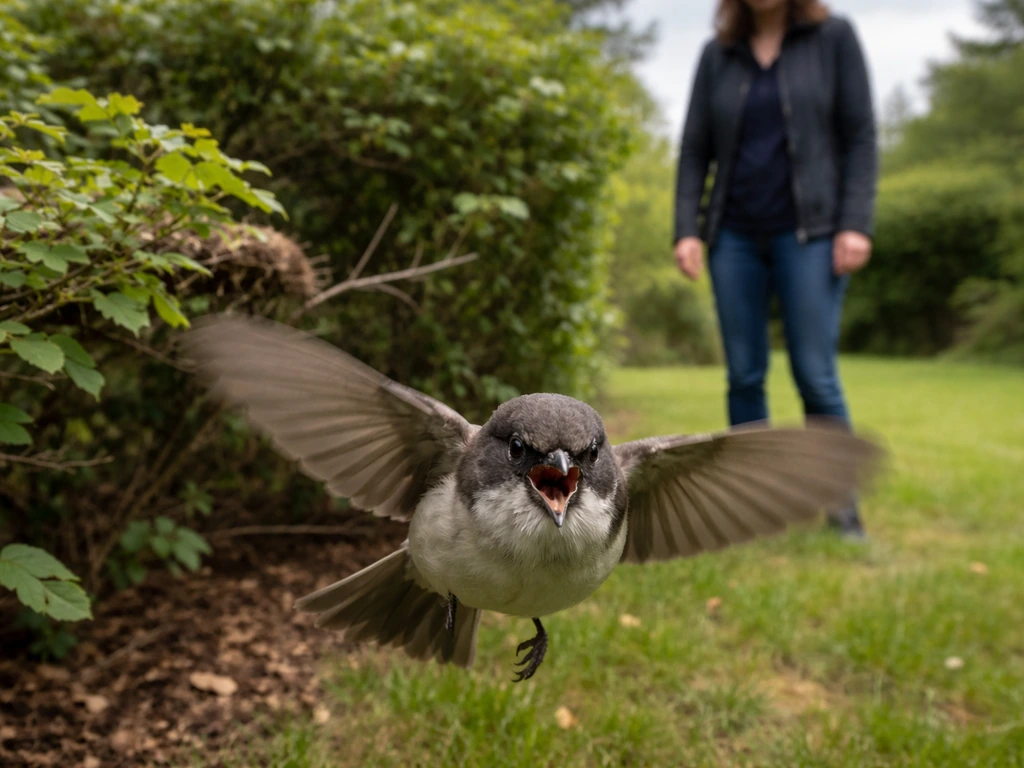
Why birds behave aggressively toward people
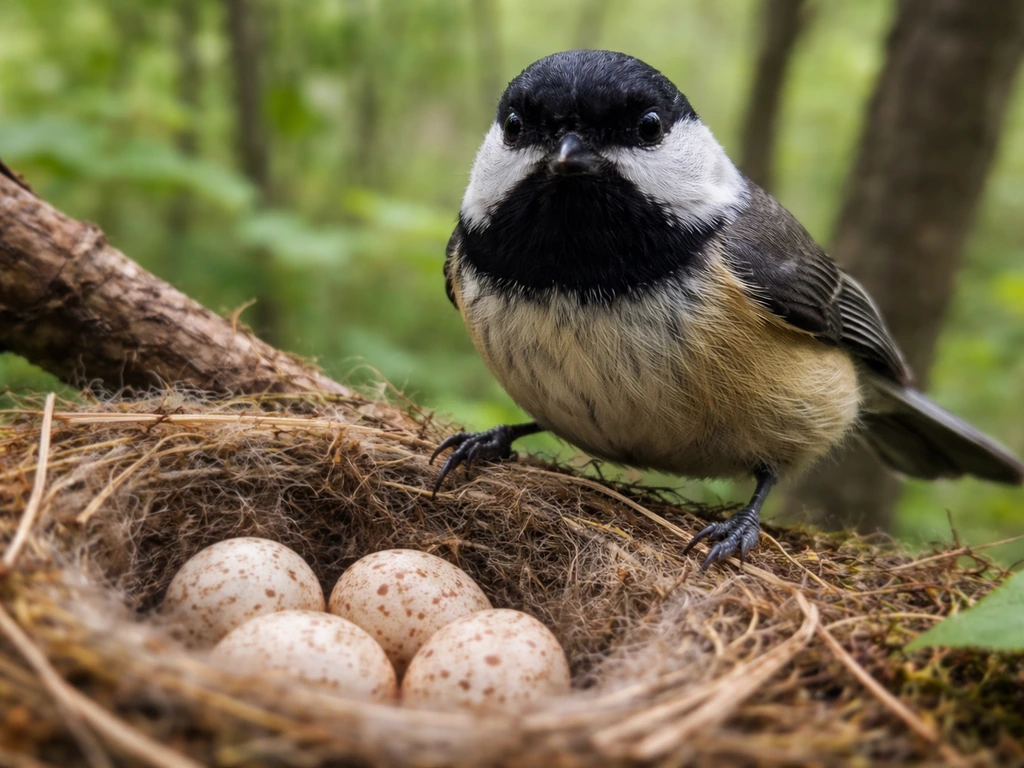
The single biggest driver is nest defense. From roughly January through August, many bird species become intensely protective of their nesting territory. This window covers most of the common species people complain about: Canada geese, red-winged blackbirds, mockingbirds, crows, gulls, and raptors like red-tailed hawks or great horned owls. When you wander too close to a nest, the bird doesn't see a person going about their day. It sees a large predator threatening its offspring.
Beyond nesting, here are the other real reasons birds act aggressively toward humans:
- Resource guarding: geese and gulls will chase or peck if you're too close to their food source, especially in parks where they've been fed regularly.
- Mate competition: some species, particularly parrots in captivity, become aggressive during breeding season toward people they perceive as rivals for a bonded partner.
- Mistaken identity: raptors and swallows have been documented swooping at shiny objects or helmets, apparently treating them as territorial rivals.
- Habituation to humans: birds that have been fed by people lose their natural wariness and become bolder, sometimes escalating to pecking when food isn't delivered.
- Injury or illness: a bird that is injured, disoriented, or sick may strike out defensively when approached because it can't flee. This is one situation where unusual aggression is actually a warning sign worth paying attention to.
The folklore that aggressive birds are 'rabid' or 'mean' is simply wrong. Birds cannot carry the rabies virus. Aggression in a wild bird almost always has a logical, observable cause rooted in survival instinct. The exception is a bird behaving in a genuinely disoriented or erratic way, which can occasionally signal illness, including avian influenza in certain species.
How to tell what type of attack you're dealing with
Before a bird goes into full defensive mode, it almost always gives you warning. Recognizing those signals early lets you back off before anything escalates.
Common warning behaviors include loud alarm calls directed at you, the bird flying closer in short passes without making contact, fanned tail feathers, raised wings, or a goose lowering its neck and hissing. Raptors and crows may perch overhead and call repeatedly. A bird doing a broken-wing display (dragging a wing along the ground as if injured) isn't attacking you at all. It's trying to lure you away from a nest. Follow the lure away from the area and it will stop.
The species involved tells you a lot about what to expect. Some birds are also known for attacking pigeons, especially when defending territory or food sources birds that attack pigeons. Canada geese are the bird most likely to actually make physical contact with people during a defensive charge. They can bruise you with their beaks and beat you with their wings.
Raptors and dive-bombing swallows or martins typically swoop close to your head without making contact, but their talons can cause real cuts if they do connect. Some people ask, “what bird attacks eagles,” but most reports involve raptors mobbing larger birds to protect a nest or territory Raptors and dive-bombing swallows or martins. Crows and mockingbirds tend to focus on harassment: loud, persistent, repetitive, but rarely resulting in injury.
Parrots in a captive setting bite hard and can cause serious puncture wounds.
A lone male Canada goose feeding or resting near a path is worth giving extra space. That individual may already be in a highly defensive state. If you spot a goose acting territorial and start looking around, you'll usually find a nest or goslings within a short distance.
What to do in the moment to avoid an attack
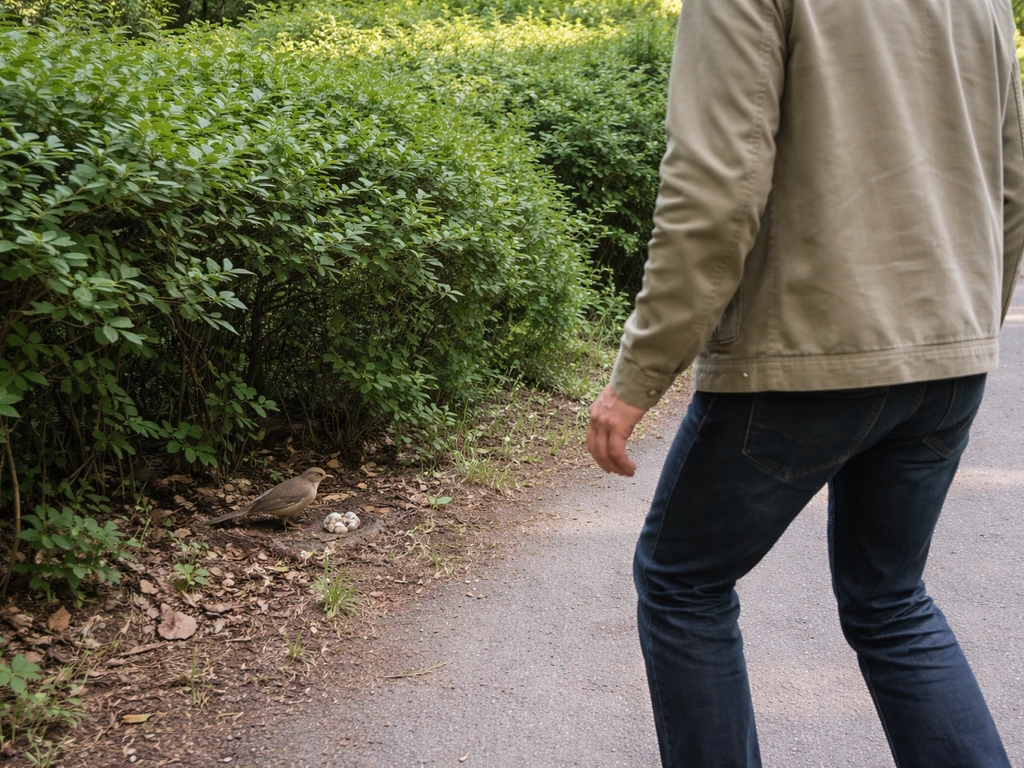
Your goal is to communicate that you're not a threat and to remove yourself from the bird's defended zone without triggering a chase response. These steps work across almost all species:
- Stop moving toward the bird or nest the moment you notice warning behavior. Standing still briefly can de-escalate a lot of situations on its own.
- Back away slowly and calmly. Do not run. Running triggers a pursuit response in geese especially, and it signals that the bird's tactic is working, which reinforces the behavior.
- Keep facing the bird as you back away. Direct eye contact can feel threatening to some species, so avoid staring, but keeping the bird in your peripheral vision means you're not turning your back (which signals vulnerability and sometimes triggers a charge).
- Hold something above your head if you have it available. An open umbrella, a bag, a stick with a cloth tied to it, even a raised arm changes your profile and makes you appear larger and less easy to swoop at. The U.S. Fish and Wildlife Service specifically recommends carrying an open umbrella in areas with swooping birds.
- Protect your head and eyes if a swoop connects. A hat, raised arm, or bag can absorb a talon strike. Cyclists and runners in known raptor or swooping-bird areas should wear a helmet.
- Leave the immediate area entirely once you've backed off enough for the bird to settle. Continuing to linger near a nest will restart the cycle.
With geese specifically: do not feed them, do not wave at them, and if a goose lowers its head and extends its neck toward you, that's the final warning before a charge. The Washington Department of Fish & Wildlife warns that Canada geese are aggressive defenders of their nests and young, so you should not approach too closely because they may charge and inflict bruises with their beaks and wings do not feed them, do not wave at them. Back away steadily and give it a wide berth.
Prevention: how to reduce repeat encounters
If a bird has attacked you once in a particular spot, it will almost certainly do it again if you return during the same nesting season. The nest doesn't move, and the bird's memory of you as a threat is good. The most effective prevention is the simplest: change your route or avoid the area until the nesting season ends.
When changing your route isn't practical, these longer-term strategies reduce conflict:
- Post a sign warning others about the nesting bird. This reduces the number of people stumbling into the defended zone, which reduces how often the bird has to defend, which over time can lower its overall stress level.
- Stop feeding birds in the area entirely. Habituation to human food makes birds bolder and more likely to escalate toward people.
- Keep pets on a short leash and close to your side near known nesting areas. Dogs and cats that move independently look like predators to nesting birds.
- Wear a hat or carry an umbrella as a matter of routine if you pass through areas with known swooping species during nesting season.
- For geese in parks or on commercial property: the Humane Society notes there's no single quick fix. Long-term management at the site level (modifying habitat, using decoys, limiting food availability) is more effective than trying to directly confront or shoo individual birds.
Nesting season aggression is genuinely temporary. Most birds completely stop defensive behavior once chicks leave the nest, usually within a few weeks. Waiting it out is a legitimate strategy.
If you get pecked or scratched: first aid and when to get help

Most bird encounters that result in physical contact produce minor injuries: a bruise from a goose wing, a small scratch from a talon, a surface puncture from a beak. Treat these the same way you'd treat any minor wound from an animal.
- Wash the wound immediately and thoroughly with soap and running water for at least several minutes.
- Apply an antiseptic if you have one available.
- Cover with a clean bandage.
- Monitor for signs of infection over the next several days: increasing redness, warmth, swelling, pus, or red streaking from the wound.
The infection risk from a bird peck or scratch is real but generally low if you clean the wound promptly. Bird beaks and talons carry bacteria, and puncture wounds (from a beak especially) can trap bacteria inside the tissue, so depth matters. If a bird has made contact around your eyes, treat it as higher risk because eye injuries can become serious quickly bird attack human eye. If the wound is deep, if you haven't had a tetanus shot in the last five years, or if you're immunocompromised, it's worth checking in with a healthcare provider.
Rabies is not a concern with birds. However, if the bird that scratched or pecked you appeared sick, disoriented, or was behaving in an unusual way before the encounter, mention that to a healthcare provider and note the species if you know it. Avian influenza and other bird-associated diseases are a consideration in those specific circumstances, though transmission to humans through a scratch is rare.
When to involve wildlife authorities
There are two situations where you should contact your local wildlife rehabilitation center, animal control agency, or state wildlife department rather than trying to handle things yourself.
The first is when the bird appears injured or ill. A bird that is on the ground and can't fly, that is behaving erratically, that looks disoriented, or that is acting aggressive without any obvious nest or territorial trigger may be sick or injured. Do not approach it, handle it, or try to care for it yourself. State health departments and wildlife agencies consistently advise against contact with sick or dead wild birds, particularly given avian influenza concerns in species like geese and raptors. Call your local wildlife rehabilitator or animal control and describe what you're seeing.
The second situation is chronic, escalating aggression that creates a genuine safety problem: a nesting pair of geese on a heavily-used path that charges every passerby, or a raptor that has repeatedly made contact with people in the same area. These are management problems, not situations to resolve by confronting the birds directly. Wildlife agencies and licensed nuisance wildlife control operators have legal authority and the right tools to handle relocation or deterrence where it's warranted. Attempting to move a nest yourself is both ineffective and illegal for most protected species in the U.S.
The core thing to remember: a bird attacking a human is almost always doing exactly what a healthy, functioning bird is supposed to do. In rare cases, some birds will also attack other birds when defending territory or competing for resources a healthy, functioning bird is supposed to do. If you're wondering why would a bird attack a human in the first place, the key is usually that it feels threatened or is protecting nestlings or territory. It's protecting something. Respect that, give it space, and in most cases the problem resolves itself within a season.
FAQ
Do birds really never carry rabies, so should I ignore rabies after a bird peck or scratch?
Rabies is not transmitted by birds, so rabies post-exposure treatment is generally unnecessary after a bird scratch or peck. The practical concern is bacterial infection from the wound, especially with deep punctures, punctures near the eye, or if your tetanus vaccination is not up to date.
What should I do in the moment if a bird starts flying at my head but keeps hovering and not making contact?
Treat hovering as a warning phase, increase your distance and move sideways or back without sudden movements. Keep your face and hands away from the bird, and leave the area in the direction that creates the largest separation from its defended zone.
Are there specific body signals that make an attack more likely, even if I did not intend to bother the bird?
Yes. Stopping to stare, taking photos from close range, blocking a path near the nest, or reaching toward the bird can make you feel more threatening. If a goose lowers its head and extends its neck, or a bird’s wing posture looks raised, those are your cues to back away immediately.
If I have to pass through a location where birds are aggressive, what is the safest route strategy?
Choose an alternate path that avoids the defended corridor, then give a buffer well before you reach the nest area. If alternatives are not available, pass quickly but calmly, do not run, and avoid shortcuts that put you between the bird and its nest.
Should I protect pets during nesting season if geese or raptors are present?
Keep pets on a short leash and close to you, because off-leash dogs and cats can trigger a chase or nest defense. Walk pets on the far side of the route when possible, and avoid letting them sniff the area where chicks or eggs may be hidden.
What’s the difference between a luring ‘broken wing’ display and a real attack?
A luring display usually involves movement on the ground that looks injured, paired with guidance away from the nest area. If the bird is doing that, you should not swat or grab it, instead walk away in the direction it seems to want you to go until it stops.
If a bird hit or scratched me, how do I decide whether it needs urgent medical care?
Get prompt medical evaluation if the wound is deep, bleeding heavily, located near the eye, you cannot clean it well, you are immunocompromised, or you are overdue for tetanus (typically more than 5 years for many wounds). Eye-area injuries deserve faster assessment because complications can develop quickly.
How do I handle wound cleaning after a bird puncture, beak, or talon scratch?
Rinse thoroughly with clean running water right away and use gentle soap on surrounding skin. For punctures, avoid repeatedly probing the hole, and watch for worsening redness, swelling, warmth, pus, fever, or red streaking over the next day or two.
If the bird seemed sick or disoriented, should I report it even if it only made minor contact?
Yes. Note the species if you can, what it was doing before it approached (erratic, uncoordinated, unusually tame), and where it happened. Call local wildlife or animal control, because authorities may need to assess disease risk, including avian influenza in certain circumstances.
What if birds repeatedly attack the same spot, but there is no visible nest I can find?
Persistent, escalating aggression can still be nest-related or territory-related even if you cannot see eggs or chicks. Avoid that exact location during the season and report repeated incidents to local wildlife agencies so they can determine what site features are triggering the behavior.
Is it ever okay to move a nest or relocate a problem bird yourself?
In most places, taking eggs or moving nests is prohibited for protected species, and attempting DIY relocation can fail or increase risk to both you and the birds. Use licensed nuisance wildlife control or the appropriate state wildlife department for deterrence options and, when legally required, authorized removal.
Next Articles
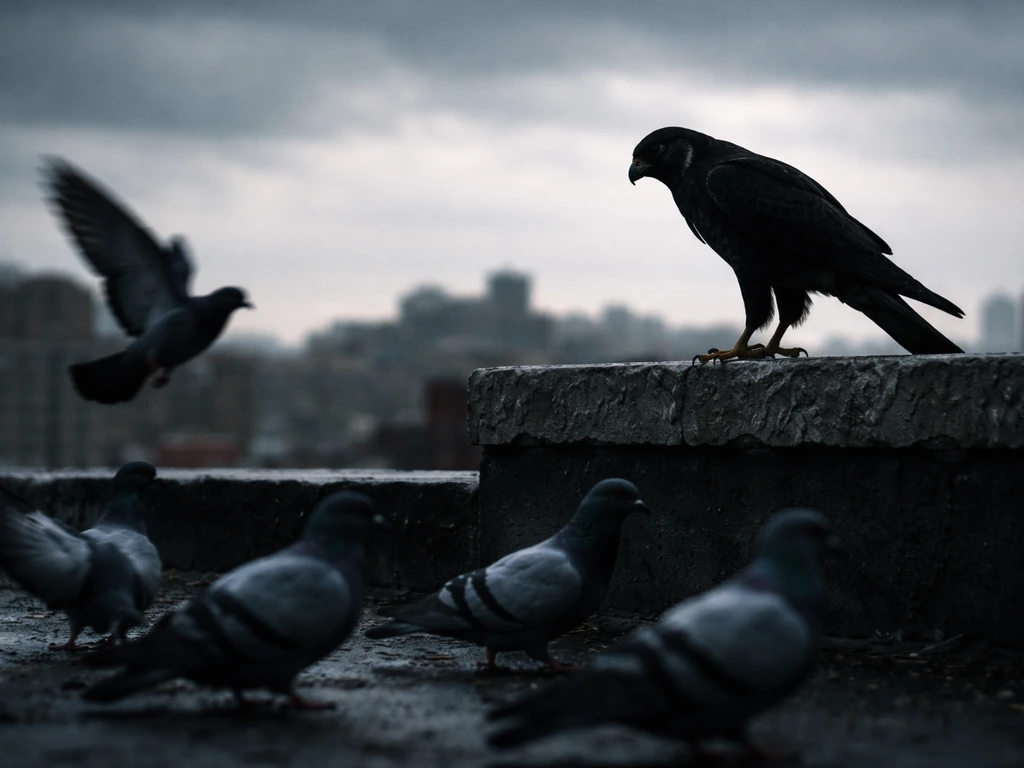
What Bird Attacks Pigeons? How to Identify and Stop It
Identify the bird that attacks pigeons fast, stop attacks now, and prevent repeats with safety and health guidance.
Which Bird Attacks the Human Eye and What to Do Now
Learn which birds peck near eyes and the exact first aid steps, plus when to get urgent eye care.
What Bird Attacks Other Birds? Culprits and Safety Tips
Find the bird likely behind attacks on other birds, tell predation vs aggression, and deter safely at your feeder.