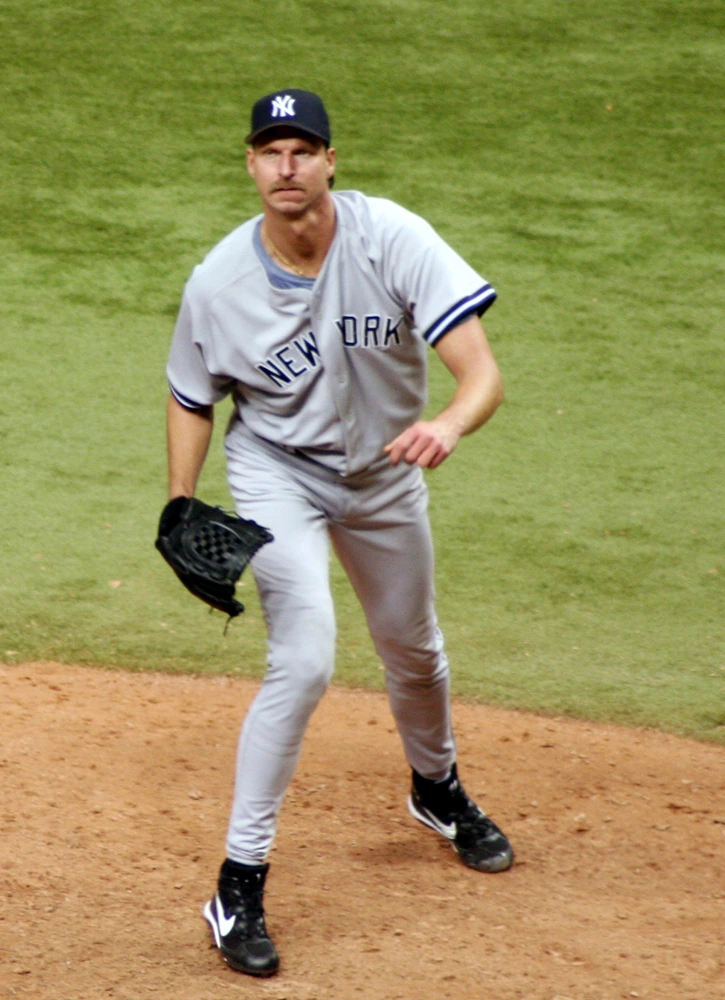
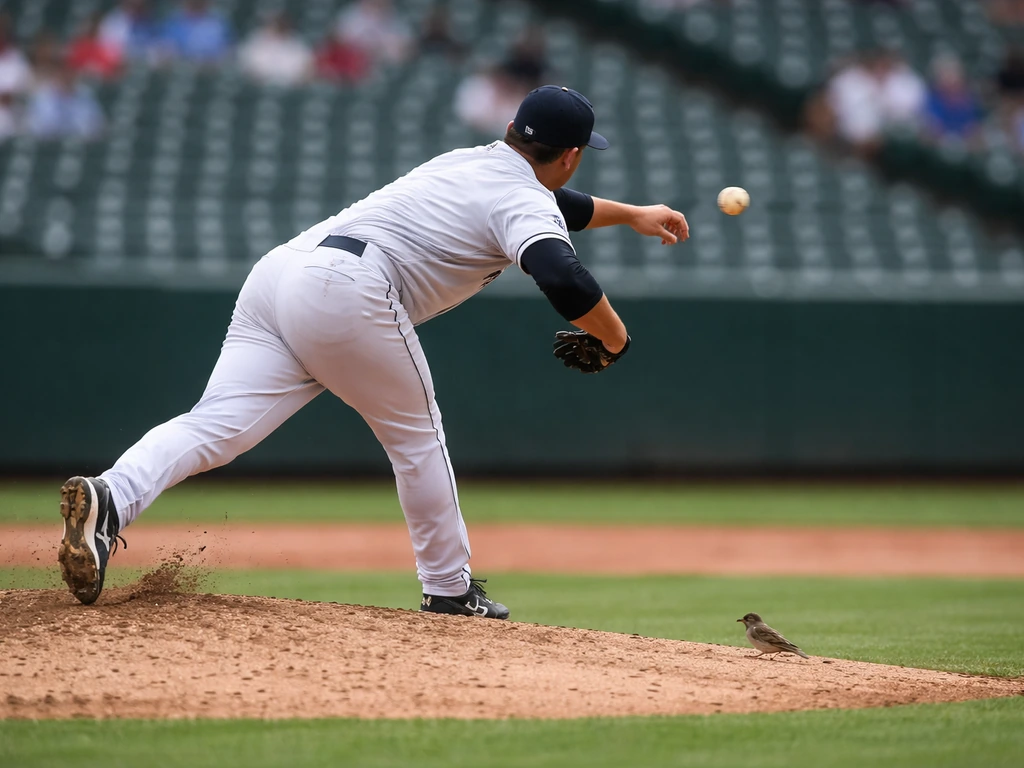
The most famous answer to 'who hit a bird while pitching in the MLB' is Randy Johnson. On March 24, 2001, during a spring training game between the Arizona Diamondbacks and the San Francisco Giants in Tucson, Johnson threw a fastball that collided mid-air with a dove that had flown across the field. The bird disintegrated on impact. The umpire ruled it a 'no pitch,' meaning the pitch simply didn't count, because nothing in the official rulebook explicitly covered what to do when a thrown ball strikes a bird in flight. It remains one of the most surreal moments in baseball history.
Who Hit a Bird While Pitching in the MLB and What to Do

Maya Chen
14 Apr 2026
Who 'hit a bird' can mean very different things
Before going further, it's worth clarifying what someone searching this phrase might actually be asking. There are at least three separate situations wrapped up in the phrase 'hit a bird while pitching.' First, they may be asking about a specific MLB incident involving a real player (that's the Randy Johnson story). Second, they may be asking generally whether a baseball has ever hit a bird during live play and what happened. Third, and most practically relevant to this site, they may be someone who was pitching, throwing, or swinging at something and their throw or motion accidentally struck a bird nearby, and now they want to know what to do. All three are valid questions, and this article addresses all of them.
The Randy Johnson moment is well-documented. If you want the exact date and full breakdown of the play, when Randy Johnson hit the bird is worth reading on its own. The short version: it happened in spring training, the umpire called no pitch, and Johnson was not penalized in any way. It was freak timing.
There's also a separate question many people have about that incident: did Randy Johnson actually kill the bird? Yes. The collision at that velocity left nothing to save. But that outcome is not typical of every bird strike in a sports context, and the answer matters a lot for what you do next.
What MLB rules actually say about hitting a bird
MLB's Official Baseball Rules don't have a dedicated rule for birds flying onto the field. What they do have is broad umpire authority, umpires are empowered to make judgment calls on situations the rulebook doesn't explicitly address, using common sense and fair play as the guiding standard. That's what happened in the Randy Johnson incident: the umpire had no specific rule to apply, so he used his discretion and called no pitch.
The general umpire manual interpretation for balls that strike birds or animals on the field is that the ball remains live and in play, as though the contact never happened. That means if a batted ball hits a bird and bounces into the stands, it's still ruled according to where it ends up, not where it was before it hit the bird. But a pitched ball striking a bird before it crosses the plate is a different scenario, the umpire can and should call no pitch, because the batter had no fair chance to respond to a pitch that was altered mid-flight.
So the rulebook answer is: umpires have discretion, batted balls stay live, and pitched balls that strike birds mid-flight are almost certainly going to be called no pitch. There's no automatic dead ball, no penalty to the pitcher, and no automatic strike or ball called.
What to do immediately if you hit a bird
If the bird in your situation is still alive after being struck, the first few minutes matter. Here's what to do and what to avoid:
- Stop and approach slowly. A stunned bird may look dead but be in shock. Give it 30 to 60 seconds before touching it.
- Do not pick it up bare-handed. Use a cloth, glove, or paper towel to create a barrier between your hands and the bird. This protects both you and the bird.
- Place it in a small cardboard box with air holes and a folded cloth or paper towels at the bottom. Keep it dark and quiet — darkness reduces stress significantly.
- Keep it away from people, noise, pets, and direct sun. A cool, quiet area is best.
- Do not give it water, food, or try to treat it yourself. Well-intentioned feeding can cause aspiration or worse.
- Do not attempt to 'set' a broken wing or examine injuries beyond a basic visual check.
- Call a licensed wildlife rehabilitator as soon as possible. In the US, you can find one through the National Wildlife Rehabilitators Association or your state fish and wildlife agency.
If the bird appears dead, don't assume it is. Birds can go into a state called tonic immobility after severe impact, they look limp and unresponsive but may recover. Give it 10 to 15 minutes in a safe, dark, quiet box before making that call.
When to call a wildlife professional or vet
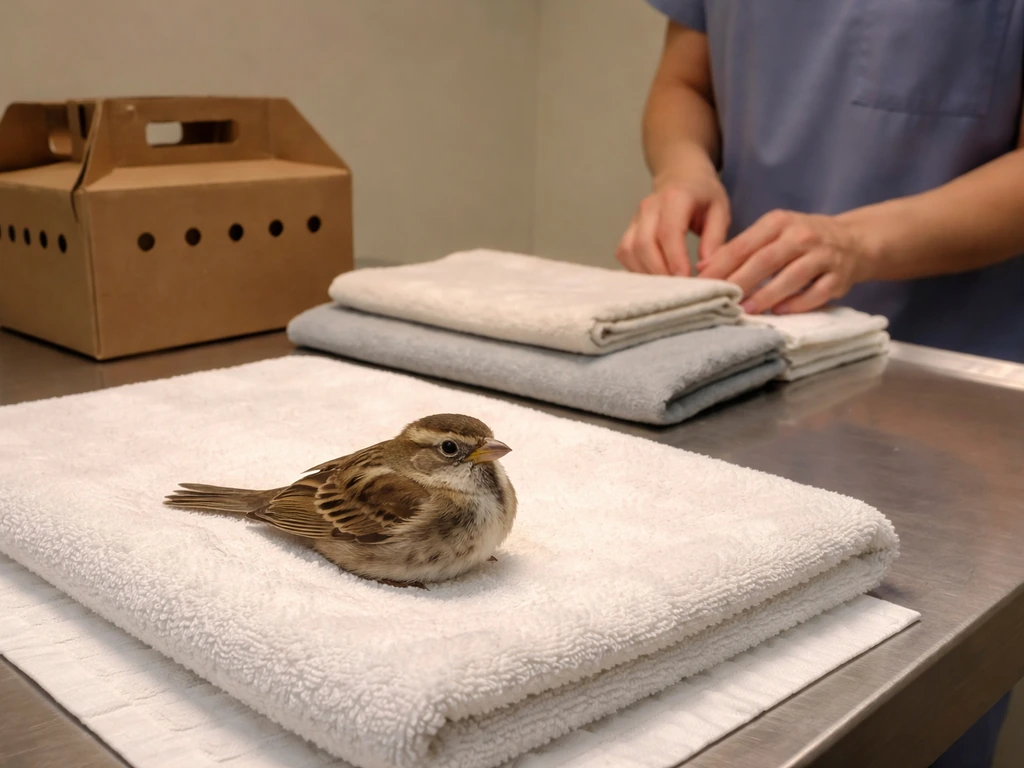
You should call a wildlife rehabilitator or avian vet any time a wild bird has been struck by an object and is not flying away on its own within a few minutes. Signs that a bird needs professional help include: sitting on the ground with eyes closed, lying flat, visible bleeding, a wing held at an abnormal angle, labored breathing, or no response when gently approached.
If the bird is a protected migratory species (which most songbirds, raptors, and doves in the US are, under the Migratory Bird Treaty Act), you are legally required to hand it over to a licensed rehabilitator rather than attempt treatment yourself. Possession of a wild bird, even temporarily for care, can technically require a permit, which is another reason to contact a professional quickly rather than try to nurse it at home.
For a raptors (hawks, owls, falcons), call a raptor-specific rehabilitator if possible. These birds have powerful talons and beaks, and even injured raptors can cause significant injury to untrained handlers.
Common myths about bird strikes worth clearing up
The Randy Johnson incident gave a lot of people the impression that any bird struck by a ball at speed is automatically killed. That's not accurate. The velocity of a Randy Johnson fastball (around 98 mph) is exceptional. Most casual throws, pitches in recreational leagues, and sports equipment impacts happen at much lower speeds, and birds can and do survive these strikes. Shock and internal injury are still serious, but survival is absolutely possible with prompt care.
Another common fear is that touching or being near a struck bird automatically exposes you to disease. This overstates the risk substantially. Casual, brief contact with a wild bird does not meaningfully transmit disease to healthy adults in most circumstances. The real concerns are more specific, and they're covered in the next section.
A third myth is that a bird lying still on the ground after a strike is definitely dead. As mentioned above, tonic immobility and shock can make a bird appear dead when it is not. Don't walk away or dispose of a bird without giving it time and checking carefully.
Bird-related health risks that are actually worth your attention
The real risks from handling a struck bird are specific and manageable. Here's what actually deserves attention:
- Bites and scratches: Even small birds can break skin. Any bite or scratch that breaks the skin should be washed thoroughly with soap and water immediately, then monitored for signs of infection. Raptors and larger birds can cause serious lacerations.
- Blood and fluid exposure: If you handle a bird that is bleeding or has bodily fluids on its feathers, wash your hands and any exposed skin thoroughly afterward. Avoid touching your face, eyes, or mouth during handling.
- Salmonella and Campylobacter: These bacteria are present in wild bird droppings and, less commonly, on feathers. They're transmitted via the fecal-oral route, meaning the main risk is not washing hands before eating or touching your face. Basic hand hygiene eliminates most of this risk.
- Histoplasmosis: A fungal infection found in soil enriched by large accumulations of bird droppings over time. This is a risk in confined areas with heavy fecal buildup (like attics or old barns), not from brief contact with a single bird outdoors.
- Avian influenza (bird flu): The current H5N1 strain has caused concern, and close contact with infected birds is a real but low-probability risk for most people in recreational sports settings. If you're handling sick-looking waterfowl or poultry, wearing a mask and gloves is reasonable. For most small songbirds and doves, the risk is very low.
The practical takeaway: use a barrier when handling, wash your hands thoroughly afterward, and don't touch your face until you've done so. That covers the vast majority of real risk.
Aftercare and how to reduce the chance of it happening again
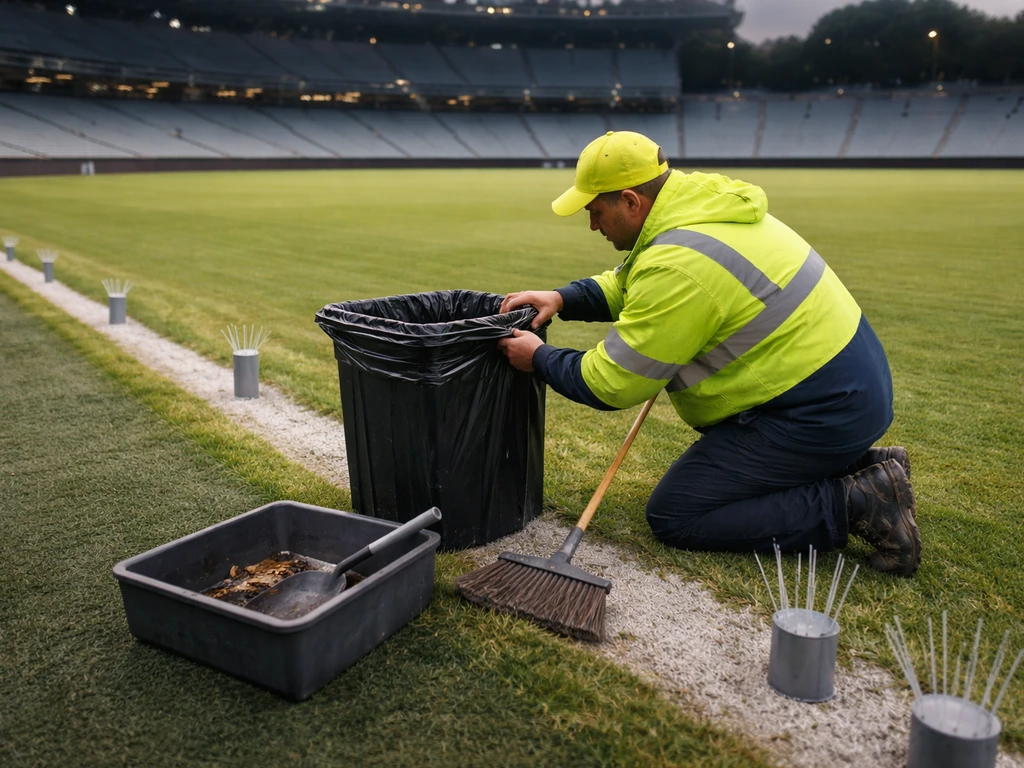
If you're in a sports setting where birds are regularly present near playing areas, there are a few things worth doing to reduce the chance of a repeat incident. This is more relevant for outdoor recreational fields, school ball parks, and community sports facilities than for professional MLB stadiums, but the principles apply broadly.
- Remove food attractants: Bird seed near fields, uncovered trash, standing water, and insect-heavy ground cover all attract birds. Eliminating these reduces how often birds fly low across playing areas.
- Use visual deterrents: Reflective tape, flash tape, or predator decoys (like owl silhouettes) placed around the perimeter of a field can reduce bird presence, especially for sparrows, starlings, and pigeons.
- Time your play: Birds tend to be most active at dawn and dusk. If bird presence is a repeated problem at a specific field, shifting practice times slightly can reduce frequency of encounters.
- Pause play if a bird lands on the field: This is both the safe and the kind thing to do. Most birds will leave on their own within a minute or two if given space and if noise is reduced briefly.
- Educate players: Coaches in youth sports especially should make sure players know not to chase, throw at, or approach birds on the field. This prevents intentional strikes and keeps everyone safer.
It's also worth knowing that the Randy Johnson moment is genuinely unusual in professional sports. Golfers have also had bird encounters during play, and the general principle across sports is similar: pause, assess, handle with care, and continue once the field is clear. If you're curious about the specific rules in other sports contexts, what happens when a golf ball hits a bird is a good parallel example of how sports governing bodies handle these rare situations.
A note on keeping context in perspective
If you landed on this article because of a sports injury question (your own arm, shoulder, or physical condition from a pitching motion), that's a separate matter entirely. For example, is Sue Bird hurt is a question about an athlete's physical health, not about bird safety at all. This site focuses on bird welfare and bird-related health risks, so for sports medicine or injury questions, a sports physician or physical therapist is the right resource.
The core answer remains: Randy Johnson is the MLB player most famously associated with hitting a bird while pitching, the umpire called it a no pitch using discretionary authority, and the bird did not survive. If you or someone else has struck a bird in a sports context today, use a barrier to handle it, place it in a dark quiet box, call a wildlife rehabilitator, wash your hands, and don't try to treat it yourself. That's the practical path forward.
FAQ
If the bird is hit very close to the plate, is it still treated like a “no pitch”?
Yes, contact can still be a “no pitch” situation even if the bird is close to the plate, the key is whether the bird is struck mid-flight before the batter gets a fair chance to react. Umpires typically use judgment based on the ball’s trajectory and timing, so you should not expect the same call if the bird is hit after it clearly becomes a different play type.
Does a bird strike ever turn into a live ball play where the runner or batter can advance?
Unlike many game rules, this does not function like a standard replayable call. If play stops and the umpire rules no pitch, the ball does not become a live ball play under typical MLB interpretations, and you should be prepared for the sequence to restart as the plate appearance continues according to the umpire’s call.
How does the call differ if the bird gets hit by a pitch versus a batted ball?
If the bird bounces out of the immediate area but the ball is already in a continuing play, umpires generally treat batted-ball contact differently than a pitched-ball strike. For pitched balls that hit a bird before the plate, expect no pitch. For batted balls that hit a bird and then go somewhere, where the ball ultimately ends is usually what determines the play outcome.
What should I check first if a bird is still moving but looks stunned?
You should not attempt to “determine severity” by pressing on the bird or forcing it to move. Start with a barrier, place it in a dark quiet box, keep handling minimal, and look for red flags like abnormal wing position, visible bleeding, labored breathing, or lack of recovery after a short period.
What if I’m at a ballpark and want to help right away, do I still have to transfer it to a licensed rehabilitator?
Yes. If you are at a venue and the bird is protected, even holding it briefly for care can create legal and logistical problems. A safer approach is to notify stadium staff, pause the area, and call the nearest licensed wildlife rehabilitator so the bird can be transferred appropriately.
How long should I wait before deciding the bird is actually dead?
Wait about 10 to 15 minutes before concluding it is dead, but do not keep it out indefinitely if it does not recover. If it still is not responding to a calm environment and is not getting up normally, treat it as injured and contact a professional.
If this happens during a game, what information should I collect besides the fact that a bird was struck?
You can record the approximate time, location, and what happened (pitch type if known, angle, whether it was mid-flight, and what the umpire called). Avoid chasing or handling again, because unnecessary handling increases stress to the bird and also increases your exposure risk.
Can I give the bird water or feed it before a rehabilitator arrives?
If the bird is alive but cannot fly and you must move it for safety, use a barrier and keep it contained. Avoid feeding, giving water by hand, or giving any medication. Those steps can worsen injuries and can be especially harmful to certain bird species.
Besides washing hands, what are practical steps to protect other people or pets nearby?
Disinfecting hands and avoiding face-touching is the right first response for most people, but also keep pets away and prevent other bystanders from touching the bird. If there is visible blood, focus on careful cleanup and re-wash your hands after any contact with contaminated surfaces.
If the struck bird might be a raptor, what should I do differently than with songbirds?
The safest approach is to avoid direct handling and use a barrier, since raptors can injure handlers even if they seem weak. If you see a hawk, owl, falcon, or any bird with strong talons, prioritize a raptor-specific rehabilitator and keep your distance while arranging transport.
Next Article
Did Randy Johnson Kill a Bird? The Evidence and Facts
Fact-checking the rumor that Randy Johnson killed a bird: what’s claimed, what records show, and why it spread.