The most common things that kill pet birds are things owners never suspect: nonstick cookware fumes, avocado, window collisions, toxic cleaning sprays, and poor ventilation. Most of these deaths are preventable once you know what to look for. Knowing the leading causes of bird deaths helps you focus on prevention where it matters most. This guide covers every major risk category, what the real danger level is, and what you can do today to reduce your bird's exposure. In addition to the obvious physical dangers, there are many other risks that can also explain what can kill a bird.
Things That Can Kill Your Bird: Immediate Risks and Prevention

Maya Chen
3 May 2026
Immediate hazards inside your home and yard
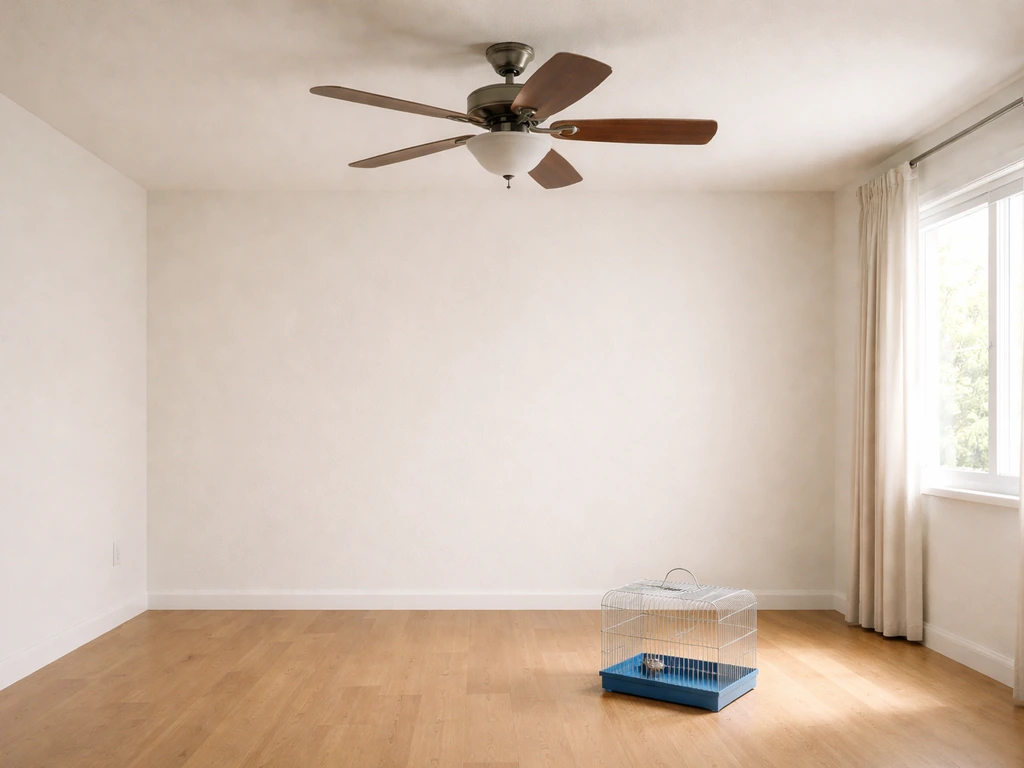
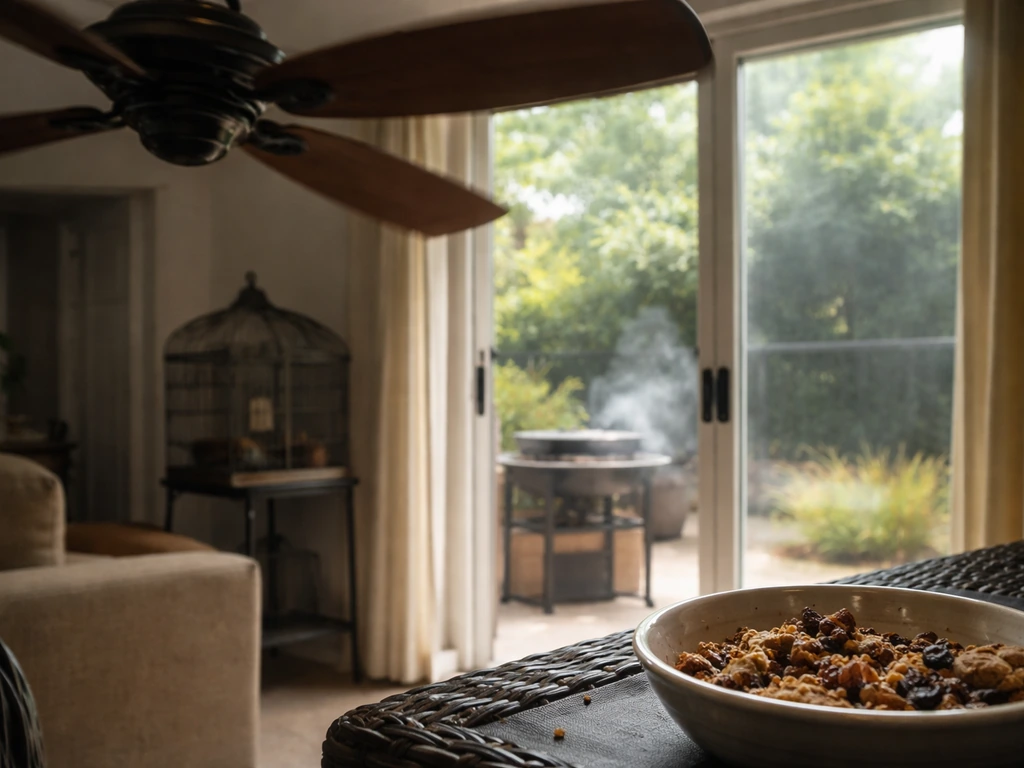
Physical dangers are responsible for a shocking number of bird deaths, and many of them happen fast. Ceiling fans are one of the biggest killers inside the home. A fan that seems to be slowing down is still moving fast enough to strike a bird in flight, and the injuries are usually fatal. If you are wondering what can kill a bird instantly, this is why fast-moving hazards like ceiling fans should be treated as emergency-level risks what can kill a bird instantly reddit. If your bird is ever out of the cage, the fan should be off.
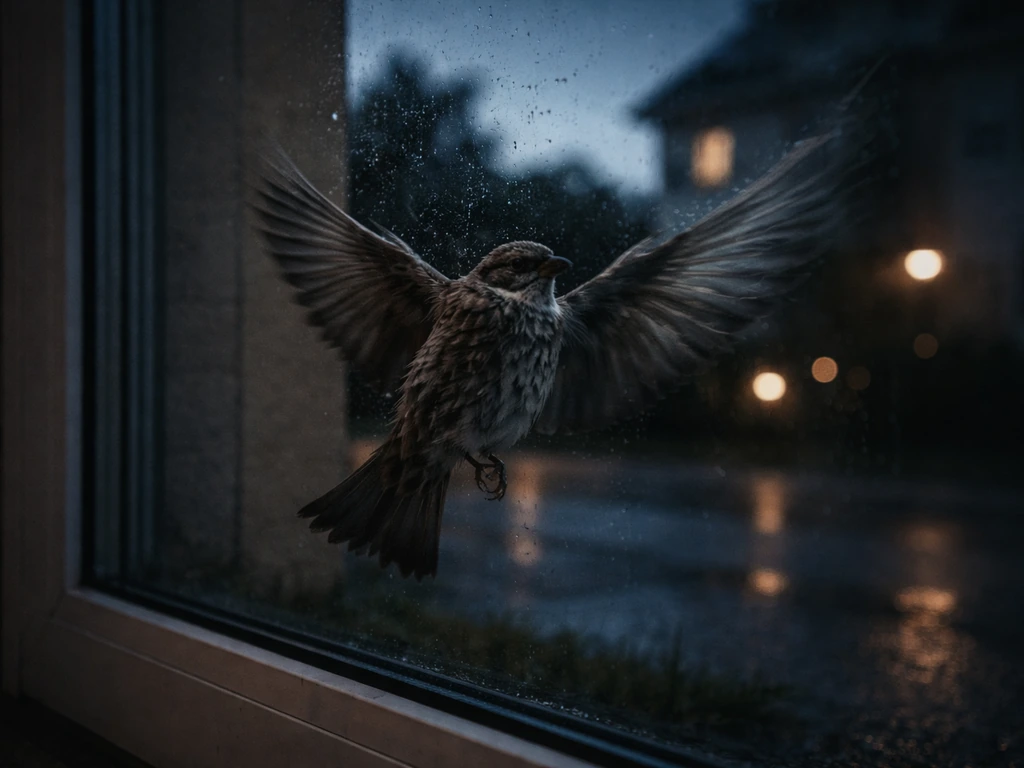
Window collisions are another underappreciated killer. Birds cannot see glass and will fly into it at full speed, thinking the reflection of sky or trees is open space. Even when a bird gets up and flies away after a hit, it may die hours later from internal head hemorrhages. Adding window decals, screens, or external netting breaks up the reflection and is genuinely effective at preventing these strikes. A field-experiment study in The Wilson Journal of Ornithology evaluates visual signals, including methods applied near windows, for preventing bird-window collisions.
Drowning hazards are easy to overlook. Open toilets, sinks filled with water, fish tanks, and even a pot of water on the stove can drown a bird that lands or falls in. Burns are also a real risk: birds landing on hot stovetop burners, toasters, or open ovens are injured or killed every year. When your bird is out, keep the kitchen off-limits or closely supervised.
Outdoors, vehicles, power lines, and predators (more on those below) present constant risks for free-flighted or escaped birds. Even a bird in an outdoor cage is vulnerable if the cage is not predator-proofed with secure latches and wire that a cat or raccoon cannot pull apart.
Toxic foods and fumes: the invisible killers
Foods that can kill your bird
Avocado is one of the most dangerous foods you can give a bird. While it causes only mild problems in dogs and cats, it can be severely toxic and even deadly in birds. The FDA specifically calls out birds as particularly vulnerable, and the Merck Veterinary Manual confirms caged birds appear more sensitive to avocado than other species. Keep all avocado, including guacamole, off the table when birds are present.
Chocolate is another serious risk. Its toxic compounds, theobromine and caffeine, are quickly absorbed from the gut and distributed throughout the body. Even a small amount of dark chocolate can cause neurological signs, seizures, and death in a small bird. Because even dark chocolate in small amounts can be dangerous, keep all chocolate well out of reach of your bird. Onions, garlic, fruit pits, apple seeds, alcohol, caffeine, and xylitol (an artificial sweetener found in many products) are also toxic.
Fumes and airborne toxins
This is where most bird owners are caught completely off guard. Birds have a uniquely efficient respiratory system that moves far more air per unit of body mass than mammals do. That efficiency is also what makes them so vulnerable to airborne toxins. The same mechanism that made canaries useful in coal mines is what makes your bird so sensitive to fumes you cannot even smell.
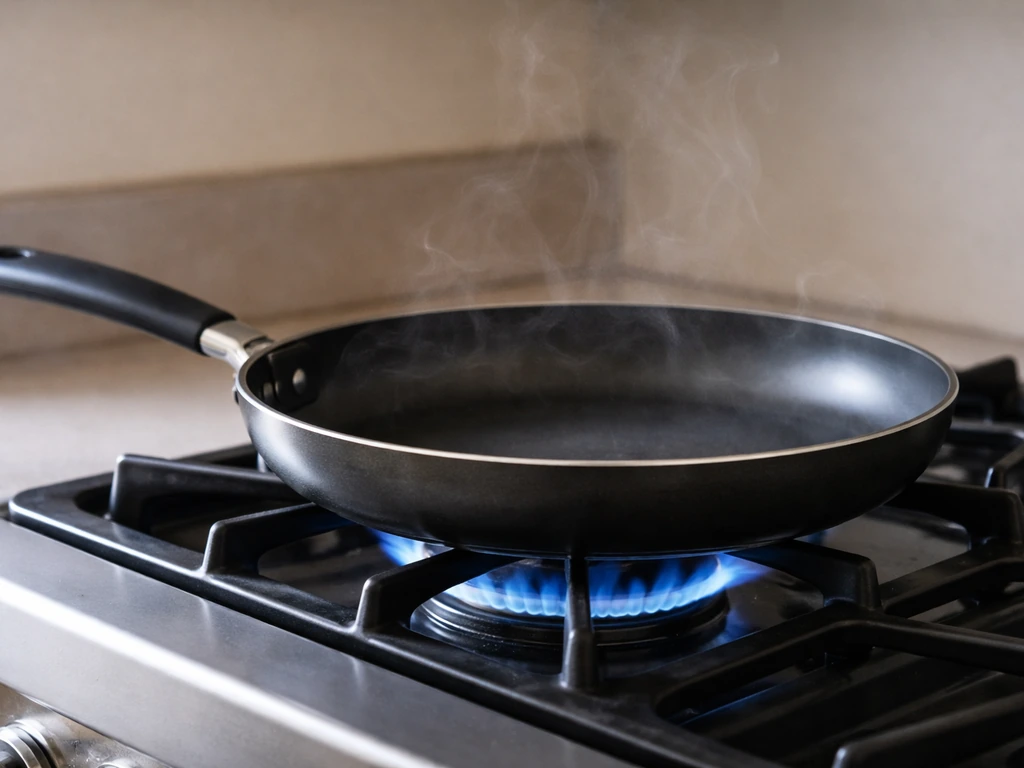
Nonstick cookware coated with PTFE (polytetrafluoroethylene, sold under the Teflon brand and others) is one of the most well-documented killers of pet birds. When these pans are overheated, they release an odorless, colorless gas that can kill a bird almost instantly. Cornell University documented a case where ducks died within approximately 12 hours of a PTFE-coated heat lamp being installed in a closed room. The Merck Veterinary Manual states the only clinical sign in pet birds can be acute death. There is no warning. Switch to stainless steel, cast iron, or ceramic cookware and eliminate PTFE-coated items from your kitchen entirely.
Other fume hazards include tobacco smoke (which causes chronic respiratory disease and skin problems with ongoing exposure), scented candles, incense, essential oil diffusers, aerosol sprays of any kind, hair dye, nail polish and nail polish remover, deodorants, perfumes, and air fresheners. Even a single use in the same room as a bird can cause labored breathing, neurological signs, or sudden death.
Household cleaning chemicals are equally dangerous. Bleach, ammonia, oven cleaners, toilet bowl cleaners, and similar products release fumes that can cause immediate respiratory distress in birds. Always move your bird to a different room and ventilate thoroughly before cleaning with any of these products.
Dangerous plants, pesticides, and safe-looking objects
Many common houseplants and garden plants are toxic to birds if chewed or ingested. Philodendron, pothos, dieffenbachia, lilies, daffodils, oleander, azaleas, and rhododendrons are all potentially harmful. Birds explore with their beaks constantly, so any plant within reach is a chewing target.
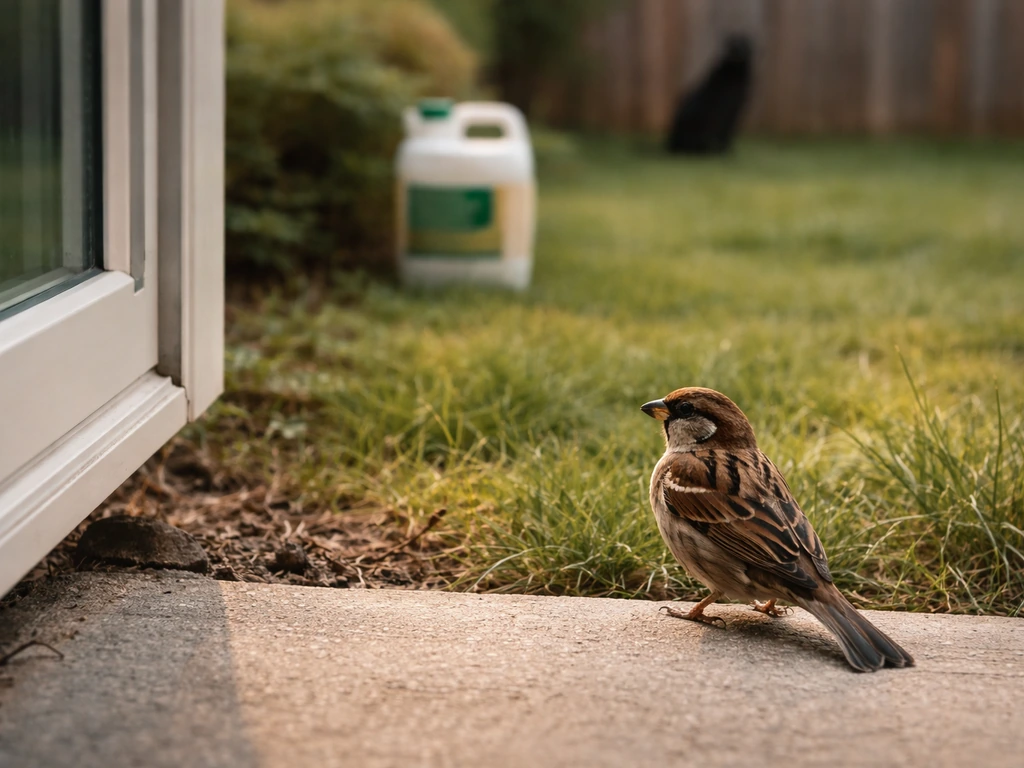
Rodenticides and pesticides are a major outdoor hazard, including for birds kept in yards or aviaries. Anticoagulant rodenticide toxicity is particularly insidious because clinical signs, including spontaneous hemorrhage, may not appear until three to five days after ingestion. By the time you see symptoms, the bird has already absorbed a potentially lethal dose. Never use rodenticide baits anywhere a bird can access them, and be cautious about lawn and garden chemicals in areas where birds forage or bathe.
Heavy metals are another less obvious hazard. Lead and zinc toxicity can come from sources that look completely harmless: old paint, galvanized wire in cages, weighted toys, costume jewelry, stained glass decorations, and even some mini-blinds. Birds with blood lead levels above 60 µg/dL are more likely to develop neurological disease and have a poor outcome. Check every toy, cage component, and accessory with a critical eye.
Dirty birdbaths and contaminated water sources deserve a mention here too. Standing water quickly becomes a breeding ground for bacteria and algae, and birds that drink or bathe in it can become seriously ill. Clean and refill birdbaths every one to two days during warm weather.
Environmental and physiological causes that are easy to miss
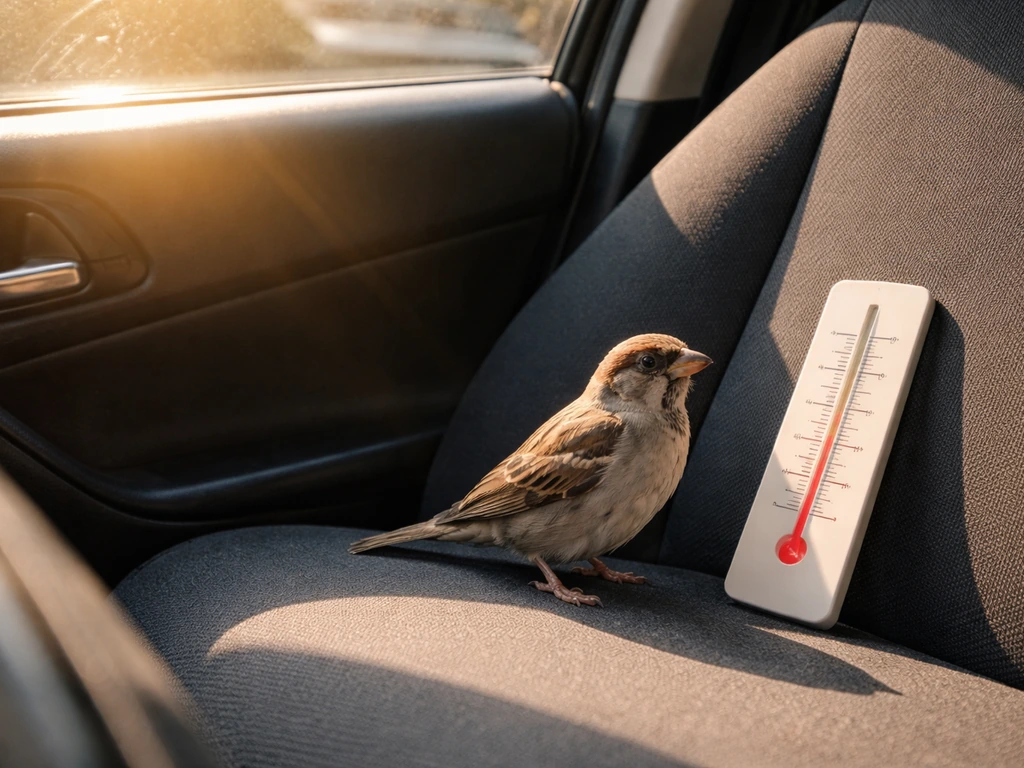
Heat stroke can kill a bird within minutes. Birds cannot sweat, and their thermoregulation relies heavily on behavior and airflow. A bird left in a car, near a sunny window, or in a poorly ventilated room on a hot day can overheat rapidly. Temperatures above about 90°F (32°C) become dangerous quickly, especially without shade or airflow.
Cold stress is the flip side. Drafts from windows, air conditioning vents, or cold nights can drop a bird's body temperature dangerously, particularly for tropical species that have no tolerance for cold. A bird sitting fluffed up and unresponsive at the bottom of the cage is often in thermoregulatory crisis.
Dehydration kills quietly. Birds need access to fresh water at all times. A water dish that tips over, freezes, or gets fouled with droppings and is left that way for even a day can be enough to cause serious problems in a small bird. Check water sources twice daily.
Diet-related illness is chronic and cumulative but very real. A bird fed only seeds is almost certainly deficient in vitamin A, calcium, and other critical nutrients. Over time, this leads to immune suppression, organ damage, and shortened lifespan. Transitioning birds to a diet based on quality pellets supplemented with fresh vegetables dramatically reduces this risk.
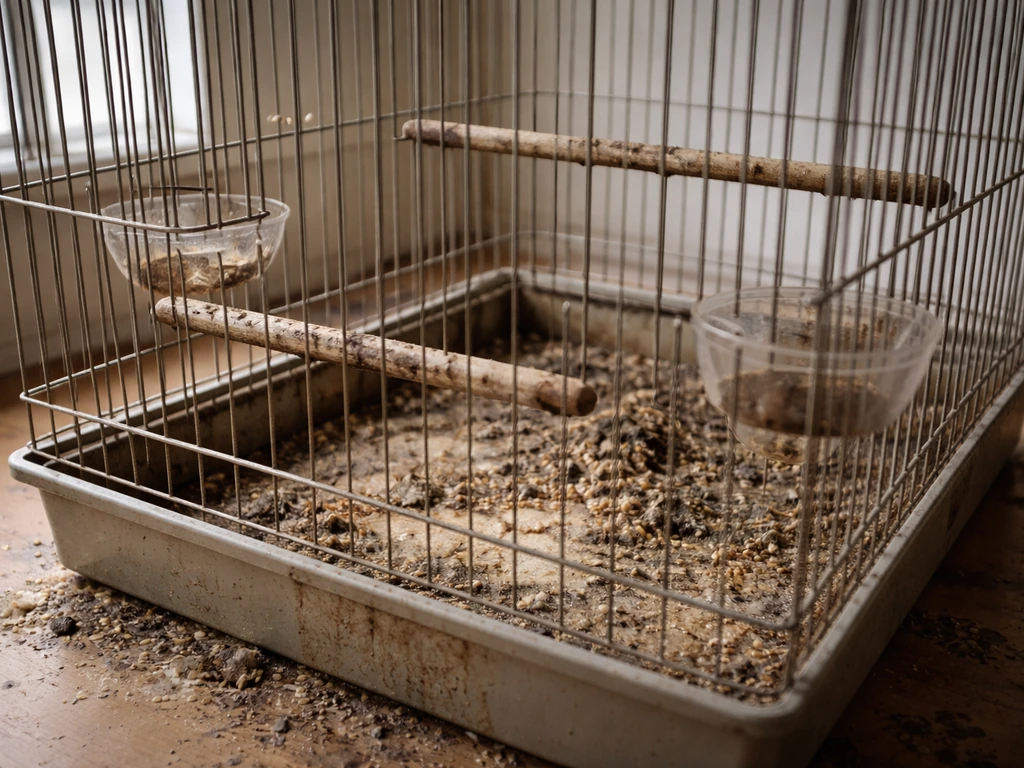
Poor ventilation causes a different kind of slow harm. Stale air, high ammonia levels from accumulated droppings, and mold spores from damp bedding all damage the respiratory tract over time. Good airflow (without direct drafts on the bird) and regular cage cleaning are not optional.
Chronic stress from overcrowding, incompatible cage-mates, lack of sleep, or constant disturbance suppresses the immune system and makes birds far more susceptible to infections they would otherwise fight off. Birds need roughly 10 to 12 hours of undisturbed darkness each night.
Predators and other animals
Cats are one of the leading killers of birds, and this applies to pet cats interacting with a pet bird as much as it does to outdoor feral cats. A cat does not have to bite or claw a bird to kill it. Cat saliva contains bacteria (notably Pasteurella) that cause rapidly fatal infections. A single scratch or light bite that breaks the skin requires immediate veterinary attention and antibiotic treatment. Do not assume a bird that looks fine after a cat encounter is actually fine.
Dogs vary widely in temperament, but even a gentle dog can injure or kill a bird through rough play, stepping on it, or knocking over a cage. Small birds are particularly fragile. The safest approach is never allowing unsupervised contact between your bird and any dog.
Wild predators, including hawks, owls, raccoons, and opossums, are serious threats to birds in outdoor aviaries or cages. Raccoons are clever enough to open many standard cage latches and strong enough to pull cage wire apart. Hardware cloth (welded wire) with at least 16-gauge thickness and secure, padlocked latches are the standard for predator-resistant outdoor enclosures.
Disease risks and how birds actually get sick
New birds are the single biggest disease risk you can introduce to an existing flock. Newly acquired birds or birds that have been to shows, pet stores, or any location with other birds are most likely to be carrying infectious disease, often with no visible symptoms yet. A 30-day quarantine in a separate room (not just a separate cage) with separate food and water dishes and no shared airflow is the minimum standard before introducing a new bird.
Chlamydiosis (parrot fever, caused by Chlamydia psittaci) is one of the more common and serious bacterial infections in pet birds. It can cause lime-green or yellow-green feces due to liver involvement, along with lethargy, nasal discharge, and labored breathing. It is also transmissible to humans, which makes it worth taking seriously. Any bird with these droppings changes should see an avian vet promptly.
Parasites are another real concern, particularly protozoal infections like giardiasis, which is commonly reported in cockatiels. Mites can affect budgerigars and passerines, though feather mites are less commonly a problem in well-managed indoor pets. Regular fecal checks with your avian vet catch most of these early.
Dirty cages, shared water dishes, and contact with wild birds through open windows or outdoor exposure are the main transmission routes for most infectious diseases. A cleaning schedule that includes daily spot-cleaning of droppings, weekly full cage washing, and monthly disinfection with an appropriate avian-safe product cuts disease transmission significantly.
Knowing what sick looks like is critical because birds instinctively hide illness until they cannot anymore. By the time a bird looks visibly sick, it has usually been unwell for a while. Any deviation from normal behavior should be taken seriously: changes in droppings (color, consistency, volume), reduced vocalization, fluffed feathers, sleeping more than usual, sitting on the cage bottom, or losing weight are all warning signs.
How to assess your bird's risk right now and prevent deaths going forward
Start with the highest-probability killers and address them today. Start with the highest-probability killers and address them today 10 things that can kill your bird. Walk through your home and ask yourself these questions.
- Do you own any nonstick cookware, appliances, or items with a PTFE coating? If yes, replace them or commit to never using them near your bird.
- Are there aerosol sprays, candles, incense, essential oil diffusers, or air fresheners used in the same space as your bird? Move them permanently to rooms with no airflow to the bird's space.
- Does your bird have access to avocado, chocolate, onions, fruit pits, alcohol, or xylitol-containing products? Remove all of these from the bird's environment.
- Are ceiling fans off every time the bird is out of the cage? Make this a hard rule.
- Is your bird's cage in a kitchen or near a stove? Move it. Fumes from cooking, even without nonstick pans, can be hazardous.
- Are there open water hazards (toilets, sinks, buckets, pots) the bird can access when out? Establish no-fly zones or close bathroom and kitchen doors.
- Does your bird's cage have adequate ventilation without direct drafts?
- Is your bird on a diet of only seeds? Start transitioning to pellets and add fresh vegetables daily.
- Have you recently added a new bird without a 30-day quarantine? Separate them now.
- Are there cats, dogs, or outdoor predator access points near the cage? Reassess physical security.
What to monitor every day
- Droppings: any change in color (especially bright green, yellow-green, or bloody), consistency, or volume
- Behavior: less active, less vocal, sleeping in unusual positions, sitting on the cage floor
- Posture: fluffed feathers, labored breathing, tail bobbing with each breath
- Food and water intake: reduced eating or drinking
- Weight: a kitchen scale weekly will catch weight loss before it becomes a crisis
When to get emergency veterinary care immediately
Do not wait to see if things improve if you notice any of these: labored or open-mouth breathing, inability to perch or stand, sudden collapse or weakness, suspected exposure to fumes or toxic substances, a cat bite or scratch that broke the skin, or seizures. These are life-threatening emergencies. Birds deteriorate faster than most people expect, and waiting even a few hours can make the difference between survival and death. Find an avian-certified vet before you need one so you are not searching in a crisis.
| Hazard | Risk Level | What to Do Today |
|---|---|---|
| PTFE/nonstick fumes | Extreme (can kill in minutes) | Replace all nonstick cookware and appliances with PTFE-free alternatives |
| Avocado ingestion | Extreme | Keep all avocado products completely away from birds |
| Chocolate ingestion | High | No chocolate or products containing theobromine anywhere near birds |
| Aerosols, cleaners, and chemical fumes | High | Use all sprays and cleaners in rooms birds cannot access; ventilate fully |
| Ceiling fans | High (when bird is out) | Enforce a strict fan-off rule during out-of-cage time |
| Cat or dog contact | High | Supervise all interactions; treat any cat scratch as a medical emergency |
| Window collisions | Moderate to high | Apply window decals, screens, or external netting |
| Rodenticides and pesticides | Moderate to high | Remove all baits from bird-accessible areas |
| Heavy metal exposure (lead, zinc) | Moderate to high | Inspect all cage components, toys, and accessories |
| Seed-only diet | Moderate (cumulative) | Transition to quality pellets with fresh vegetable supplementation |
| New bird without quarantine | Moderate (infectious risk) | Quarantine all new birds for 30 days in a separate room |
| Dirty cage and water | Moderate | Daily spot-clean, weekly full wash, monthly disinfection |
FAQ
If my bird seems fine after being in the same room as fumes, can I wait and see?
Yes. Even brief exposure to PTFE fumes or other airborne irritants can be fatal, so if you turned on or overheated a PTFE pan (or used an aerosol or scented product) while your bird was in the room, move the bird to fresh air immediately and contact an avian vet for guidance, even if the bird seems “okay” at first.
What’s the safest way to clean with bleach, ammonia, or oven cleaner around a bird?
Do not rely on a partial move or “crack the door” approach. Put the bird in a different room with closed doors, and ventilate the cleaning area (fans and open windows) for long enough that the smell and visible fumes are gone before bringing the bird back.
Are window decals enough to prevent window collisions?
Use physically bird-proof barriers rather than “safety tricks.” For windows, decals help most, but for high-risk households (many daily flights, high windows, multiple mirrors), pair decals with screens or exterior netting, and cover reflective surfaces so the bird cannot line up a full-speed strike.
How do I judge heat-stroke risk if my home doesn’t feel that hot?
Birds can overheat on warm days even at temperatures that do not feel extreme to people, especially in direct sun, near a bright window, or in a parked car. If you suspect heat stress, reduce temperature fast with cool (not icy) ambient airflow, offer water, and seek avian care urgently, because decline can happen within minutes.
What water problems should I check beyond “is there water in the cage”?
Thawed or tipped water isn’t the only issue. Also watch for clogged bowls with droppings, algae films, and moldy water, and clean the dish thoroughly at every refill because biofilm can keep sickening the bird even when the water “looks” clean.
What’s the safest way to switch from a seed-heavy diet to pellets and veggies?
If you use a pellet diet transition, do it gradually over weeks to reduce refusal and nutrient imbalance. Keep the bird’s current foods available during the switch, monitor droppings and body weight, and avoid changing other variables (new toys, new bedding, new household products) at the same time.
My bird’s outdoor cage is “sturdy,” what should I inspect to be sure it is predator-proof?
Not necessarily. A cage can look intact but still be unsafe if latch hardware is weak, spacing allows paws to hook through, or the wire is chewable. Check latch strength, wire gauge, and the presence of predator-proof measures whenever your bird is outdoors, even for a short time.
What does a proper 30-day quarantine require besides putting a new bird in a different cage?
Quarantine should be in a separate room with separate airflow conditions, not just the same room with another cage. Keep separate food and water dishes, wash hands and change clothes after handling new birds, and do not share toys between birds during quarantine.
What should I do if my cat scratches or nicks my bird, even if it seems minor?
If a cat scratch or bite breaks skin, treat it as urgent regardless of how small the wound seems. Birds can worsen rapidly due to infection risk, so contact an avian vet immediately for assessment and antibiotics planning, and do not wait for symptoms to develop.
If my bird ate a tiny amount of chocolate, is it ever safe to monitor at home?
Chocolate risk depends on dose, bird size, and type, and there is no “safe guess” for a pet bird. If ingestion is suspected, call an avian vet or emergency clinic right away for dose-based advice, and do not try home remedies to “soak it out.”
How often should I monitor droppings to catch illness early?
Fecal or illness-related changes can be missed if you only check once a day. If you want early detection, spot-check droppings at least twice daily, note color and volume changes in a simple log, and confirm any persistent change (more than 24 to 48 hours) with an avian vet.
Is checking water once per day usually enough for birds during extreme weather?
Yes. Birds can become dehydrated quickly if a dish tips, freezes, is fouled, or the bird is not drinking due to illness or stress. As a practical step, check water twice daily and confirm the bird drinks (watch briefly), not just that the dish contains water.