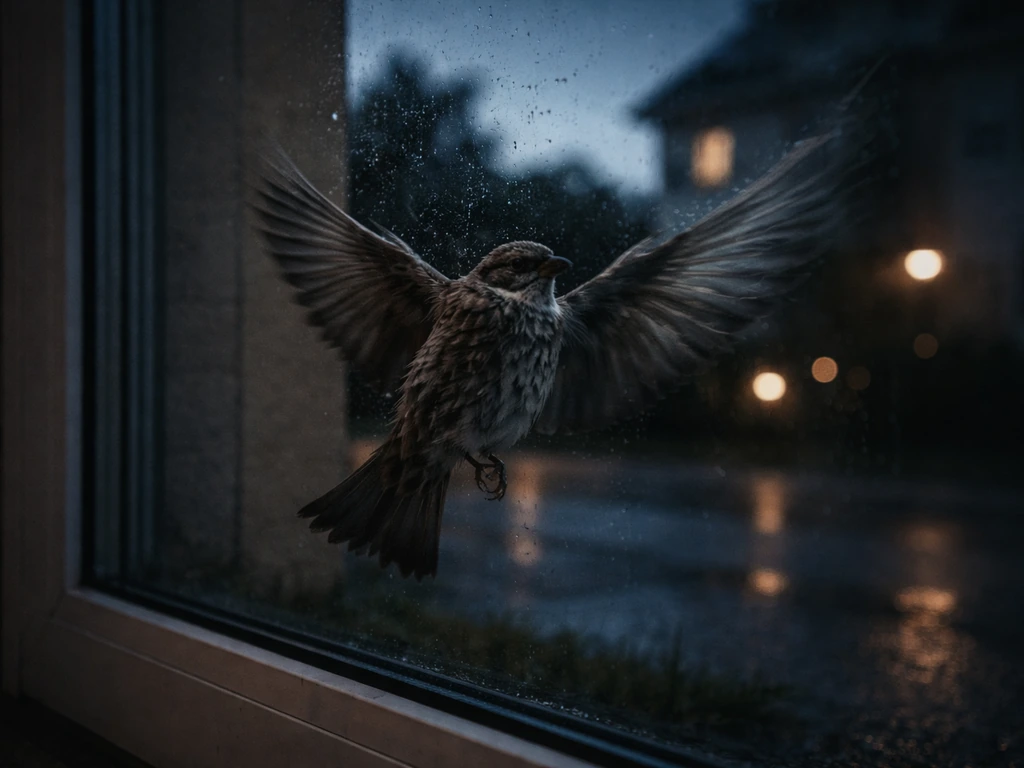
Birds die from a surprisingly wide range of causes, and most of them are preventable. Whether you're a backyard birder who found a stunned sparrow under your window, a pet bird owner worried about household hazards, or someone trying to make your yard safer, the threats are real and worth knowing. This guide covers what actually kills birds, from the obvious to the overlooked, and tells you exactly what to do if you're facing the problem right now.
What Can Kill a Bird: Causes, Myths, and Immediate Steps

Maya Chen
13 Apr 2026
What actually kills birds (and what doesn't)
Before getting into specifics, it helps to understand the landscape. The leading causes of bird deaths fall into a few broad categories: human-built infrastructure, toxic exposures, predators, disease, and environmental extremes. A lot of what people assume kills birds (like rice at weddings, or handling a nestling) turns out to be myth. The real killers are things most people walk past every day without thinking twice.
For pet bird owners, the risk profile looks different than for wild birds, but there's a lot of overlap, especially around toxins and fumes. If you want a focused rundown for pet owners specifically, the 10 things that can kill your bird article is worth reading alongside this one.
Human-caused hazards: windows, vehicles, power lines, and fences
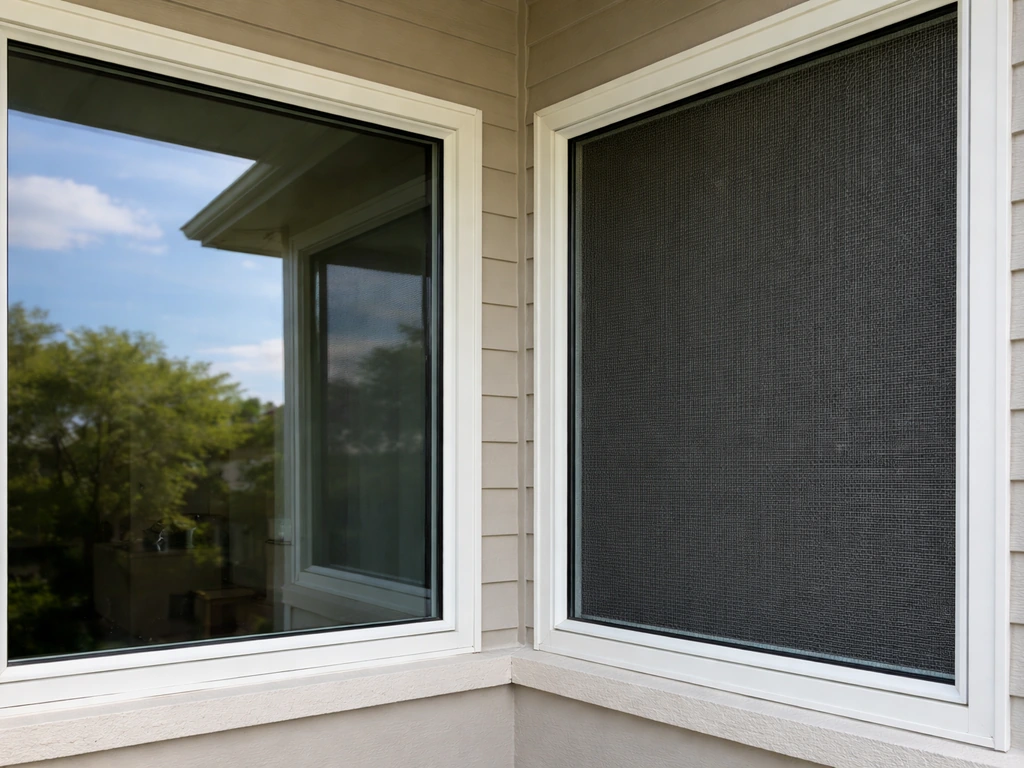
Window collisions are the second leading direct, human-caused bird mortality source in the United States, according to U.S. Fish and Wildlife Service guidance. Birds can't see glass the way we do. They fly toward a reflection of sky or trees and hit the window at full speed. The impact causes internal trauma and brain injury. Some birds die instantly; others are stunned and die minutes or hours later, often from internal bleeding or becoming easy prey while they're disoriented.
Canada's government bird collision FAQ points out that injured birds also have a harder time feeding after a collision, so even a bird that survives the initial impact may slowly starve or get picked off by a predator. The window doesn't have to kill directly to be the cause of death.
Vehicles kill enormous numbers of birds annually, particularly ground-foraging species and raptors that hunt roadside edges. Power lines are a significant electrocution risk for larger birds like hawks, eagles, and owls that perch across two conductors simultaneously. Fences, especially barbed wire, trap and injure birds, and poorly maintained netting around gardens can snare wings and legs.
On the prevention side, if you're putting up collision netting on windows, it must be drawn taut across the glass surface. Loose or sagging netting can actually make things worse by entangling birds rather than deflecting them. Feeder placement matters too: evidence-based guidance suggests placing feeders either very close to the window (within about 1 meter, so birds can't build up enough speed to injure themselves) or farther away, though distance placements beyond 10 meters haven't been thoroughly tested in controlled studies.
Toxic threats: foods, chemicals, fumes, and pesticides
Dangerous foods
Several common human foods are genuinely toxic to birds. Avocado contains persin, a compound that causes heart and respiratory failure in birds. There is no antidote, which makes prevention the only real option. Questions like how much avocado will kill a bird don't have a reassuring answer: even small amounts can be fatal.
Chocolate contains theobromine and caffeine, both of which are toxic to birds. Similarly, how much chocolate can kill a bird depends on the type and the bird's size, but dark chocolate and baking chocolate are especially dangerous at very low doses. Onions and garlic cause red blood cell damage leading to severe anemia in birds. Caffeine from coffee and tea, alcohol, and tobacco products round out the list of common household items that can kill.
The safest rule: if it's not specifically formulated for birds, don't let your pet bird eat it without checking first.
Fumes and airborne chemicals

Fumes are one of the most underestimated killers for pet birds. Non-stick cookware coated with PTFE (polytetrafluoroethylene, sold under brand names like Teflon) releases toxic gases when overheated, typically above 260 to 300 degrees Celsius. Birds have highly efficient respiratory systems that absorb airborne substances much more readily than mammals, which makes them extremely vulnerable. Onset of symptoms is sudden, respiratory distress escalates quickly, and birds can die within minutes of exposure. University of Illinois veterinary researchers describe this as a rapid, often fatal event with very little warning.
Other household chemical fumes that are dangerous to birds include ammonia, bleach, aerosol sprays, scented candles, incense, and cigarette smoke. Any strong fume in an enclosed space is a risk. Keep birds in well-ventilated areas away from the kitchen, and never use non-stick cookware at high heat if your bird is anywhere nearby.
Pesticides and rodenticides
Anticoagulant rodenticides are a serious threat to birds of prey and scavengers. When a rat or mouse eats rodenticide bait and then dies, any bird that eats that animal absorbs the poison too. Anticoagulant rodenticides interfere with blood clotting, causing spontaneous internal bleeding. Obvious signs in an affected raptor include bleeding from the mouth. Treatment with Vitamin K can help if caught early, but many birds aren't found in time.
Pesticide-treated insects and seeds are another route of exposure, particularly during planting season and after spraying programs. If you're seeing multiple dead birds in your yard in a short time period, pesticide or rodenticide exposure should be near the top of your list of suspects.
Safe vs. unsafe: a quick comparison

| Item | Safe for Birds? | Notes |
|---|---|---|
| Avocado | No | No antidote; even small amounts can be fatal |
| Chocolate (especially dark) | No | Toxic at very low doses |
| Onion and garlic | No | Causes red blood cell damage and anemia |
| Caffeine (coffee, tea) | No | Toxic; can cause cardiac issues |
| Alcohol | No | Toxic to the nervous system |
| Tobacco products | No | Nicotine is highly toxic to birds |
| Non-stick (PTFE) cookware fumes | No | Can kill in minutes when overheated |
| Ammonia and bleach fumes | No | Severe respiratory damage |
| Anticoagulant rodenticides (secondhand) | No | Causes internal bleeding in raptors and scavengers |
| Plain cooked rice or pasta | Generally yes | Common myth: not harmful to birds |
| Fresh vegetables (non-toxic) | Generally yes | Avoid alliums (onion, garlic, leeks) |
Predators and physical dangers
Domestic and feral cats are among the most significant human-associated causes of bird mortality. Research published in Conservation Evidence frames keeping cats indoors or in outdoor enclosures as the practical, evidence-based mitigation for predation. Studies of owned outdoor cat density show measurable relationships with reduced bird richness in urban areas, which means more outdoor cats generally equals fewer birds.
A 2007 study published in ScienceDirect found that collar-mounted deterrents like the CatBib reduced predation rates when used consistently, but the study was clear that complete confinement is the only guaranteed prevention. A bell on a collar helps somewhat but is not a substitute for keeping cats indoors.
Dogs can injure or kill birds too, particularly ground-nesting species and injured birds that can't escape. Beyond direct predation, physical entrapment is a real hazard: birds get stuck in loose netting, wire mesh, decorative string, and fishing line. Drowning is a risk for birds that enter water features with steep or slippery sides and can't get out. Extreme heat, cold snaps, and dehydration during droughts kill significant numbers of birds every year, especially young birds and small species with fast metabolisms.
Diseases and parasites: how birds get sick
Birds are susceptible to a range of bacterial, viral, and parasitic infections. Avian influenza (bird flu) is the highest-profile example right now. H5N1 strains have caused widespread mortality in wild bird populations and backyard flocks since 2022, and the CDC actively advises backyard flock owners blank" rel="noopener noreferrer">to wear PPE when handling potentially infected birds or contaminated materials. If you have a backyard flock, biosecurity decisions should follow USDA APHIS guidance, and PPE use should continue until there are no infected birds, eggs, feces, or contaminated litter on your property. USDA APHIS’s “blank" rel="noopener noreferrer">Defend the Flock” resource center brings together biosecurity information and free tools from USDA and other experts.
Salmonella outbreaks at bird feeders kill significant numbers of songbirds each year, particularly Pine Siskins and Common Redpolls. The bacteria spreads through contaminated droppings on feeder surfaces. Other common diseases include Mycoplasmal conjunctivitis (house finch disease), trichomoniasis (a parasitic infection common in pigeons and doves), and aspergillosis (a fungal infection often triggered by stress or poor ventilation).
Dirty living conditions are a major risk multiplier. For pet birds in particular, a poorly maintained enclosure dramatically increases disease risk. Can a dirty cage kill a bird is a question with a straightforward answer: yes, indirectly, through bacterial and fungal buildup that compromises respiratory health and immune function over time.
Parasites including mites, lice, and internal worms weaken birds and make them more vulnerable to secondary infections and predation. Overcrowded feeders and roosting sites accelerate parasite transmission significantly.
What to do immediately if a bird is in danger or found dead
If the bird is alive and injured
- Don't give the bird food or water. Wildlife rehabilitators are consistent on this point: feeding an injured bird can cause aspiration, choking, or metabolic problems. Unless a licensed rehabilitator specifically tells you to, withhold food and water.
- Use a clean, soft cloth or towel to gently pick up the bird. Minimize handling time. Be aware that some birds, especially herons and shorebirds, may attempt to strike or stab with their beak, so approach from behind and cover the head if possible.
- Place the bird in a cardboard box with ventilation holes. Line the bottom with a clean cloth. Keep it in a quiet, dark, warm location. Darkness reduces stress significantly.
- Call a licensed wildlife rehabilitator or wildlife rescue organization in your area. Do not attempt to treat or keep a wild bird at home. In most countries, holding wild birds without a permit is illegal.
- If you suspect avian influenza or disease exposure, wear gloves and a mask when handling the bird and wash your hands thoroughly afterward.
If the bird is dead
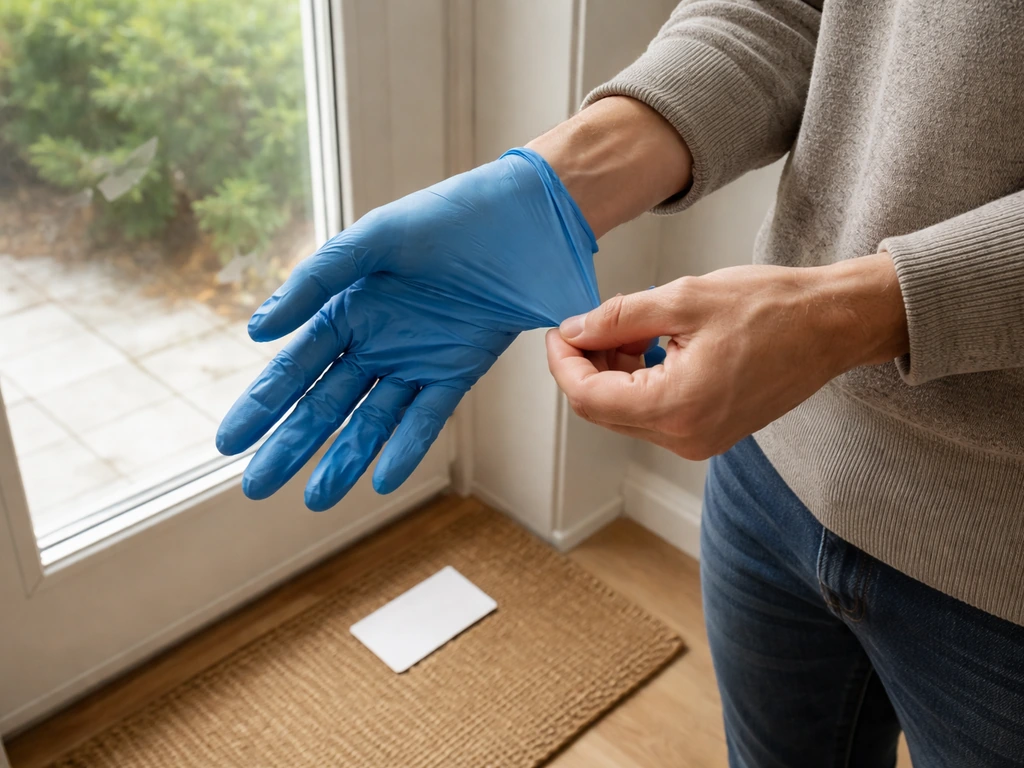
Do not handle a dead bird with bare hands. Wear disposable gloves. If you find multiple dead birds in the same area over a short period, this may indicate a disease outbreak, pesticide event, or rodenticide poisoning. Contact your local wildlife agency or animal control. If you need to dispose of the bird, double-bag it and place it in the trash, or follow your local agency's instructions. Wash hands thoroughly after any contact.
If you found the bird near a window, note the location so you can address the collision hazard. If you found a raptor with signs of bleeding, report it to a wildlife rescue organization and mention the possibility of rodenticide exposure. There is sometimes a narrow window for effective treatment. For situations where death was sudden and unexplained, the article on what can kill a bird instantly covers the specific causes of rapid death in more detail.
People often search community forums to compare notes on this topic, and you'll find a lot of firsthand accounts in threads covering what can kill a bird instantly Reddit discussions, though veterinary and rehabilitator guidance should always take priority over anecdotal advice.
Prevention checklist: making your home and yard safer
Most bird deaths near human environments are preventable. The following steps apply to different situations: indoor bird owners, backyard birders, and anyone near roads or windows.
For indoor bird owners
- Replace non-stick (PTFE-coated) cookware with stainless steel or cast iron. This is the single most impactful kitchen change you can make for a pet bird's safety.
- Never use aerosol sprays, air fresheners, scented candles, or incense in rooms where birds are kept.
- Keep birds out of the kitchen entirely during cooking.
- Clean the cage at least once a week. Disinfect with bird-safe cleaners; avoid ammonia or bleach in enclosed spaces.
- Keep all toxic foods (avocado, chocolate, onion, garlic, caffeine, alcohol) completely out of reach.
- Take your bird for annual vet check-ups with an avian veterinarian. Many diseases are caught early through routine exams.
For backyard and outdoor bird safety
- Apply window collision deterrents: films, external screens, or closely spaced window stickers (markings should be no more than 5 cm apart horizontally and 10 cm vertically to be effective). Install any netting taut, not loose.
- Keep cats indoors or in a secure outdoor enclosure. If outdoor access is unavoidable, use a collar-mounted deterrent consistently, but understand this only reduces, not eliminates, predation risk.
- Avoid using anticoagulant rodenticides (rat and mouse poisons) in or around your property. Use snap traps instead.
- Stop using broad-spectrum insecticides in your yard, especially during nesting season. These remove the insect food supply and can poison birds directly.
- Clean bird feeders every one to two weeks with a mild bleach solution (1 part bleach to 9 parts water), rinse thoroughly, and let dry before refilling.
- Add a shallow water dish with a rough-surfaced ramp or rocks so birds can exit easily. Change the water daily to prevent mosquito breeding and bacterial growth.
- During heat waves, provide shade and fresh water. During cold snaps, consider a heated birdbath and high-fat foods like suet.
For a broader look at hazards you may not have considered, the things that can kill your bird resource covers additional risks in a format useful for both pet bird owners and backyard birders. Running through that kind of checklist once a season takes less than ten minutes and can make a real difference.
FAQ
How can I tell whether what killed a bird was a poison versus a collision or disease?
If a bird dies soon after a sudden exposure, prioritize the exposure timeline over symptoms. For example, non-stick cookware or strong fumes often cause rapid respiratory collapse within minutes, while many toxicoses cause a slower decline. When you call a wildlife agency or avian vet, tell them what happened “within the last hour” (cookware used, spray used, smoke exposure, feeder cleaned, recent pesticide use) to help them narrow the likely cause quickly.
What should I do immediately after finding multiple dead birds in the same area?
Do not use home disinfectants on a dead bird or contaminated materials unless the label specifically allows that use. For wildlife die-offs, the safer move is to wear disposable gloves, double-bag the remains, and keep pets and people away from the area until your local wildlife agency advises on next steps. If you have a backyard flock, isolate it from the suspected site and treat the area as potentially contaminated until a professional tells you otherwise.
I found a bird that looks sick or poisoned, can I give something at home to help?
Avoid “natural” or home remedies as first aid. For suspected poisoning, birds often need fast veterinary care, and the only reliably useful action before transport is to stop further exposure and keep the bird warm, quiet, and isolated. Do not force-feed liquids, do not induce vomiting, and do not give food or supplements unless a vet instructs you, because the wrong substance can worsen respiratory or bleeding risks.
If only one bird hits my window, does that mean the hazard is low?
Yes, especially for window collisions. If you only see one bird, it can still be part of a collision pattern. Check for other impacts within 24 to 48 hours, and inspect nearby shrubs and lighting. Turn off or reduce interior lights at night during peak seasons, and cover or treat the most-used windows even if you have not heard birds hitting them.
Is there any “small amount is okay” rule for human foods that can kill birds?
No, even if the food seems “safe” in small tastes. Many toxic effects depend on the bird species, the bird’s body size, and how fast it ate, so a small amount that looks harmless can still be fatal. When in doubt, remove the item and switch to species-appropriate seed or formulated treats.
Will a bell on my cat stop it from killing birds?
For cats, bells can reduce some attacks, but they do not reliably prevent hunting. The most effective option is keeping cats indoors, or using a secure outdoor enclosure. If a cat must go outdoors temporarily, increase supervision, use a verified deterrent consistently, and place bird-safe habitats further from the cat’s line of approach.
How can I make a backyard pond or bird bath safer if birds keep getting trapped?
For water features, the risk is not only drowning, it is also exhaustion and inability to climb out. Add shallow, textured escape ramps (grippy surfaces) or a small ramp at the edge so birds can get out quickly. Keep landscaping trimmed near water so birds can walk away instead of getting trapped in steep-sided or slippery areas.
Can bird deaths happen from pesticide use even if I did not spray birds directly?
Yes. Even without visible pesticides, birds can pick up residues on seeds, insects, or soil after treatments. If you recently sprayed plants or treated for pests, stop feeding temporarily, remove contaminated seed, and allow time for residues to dissipate as directed by the product label. If you see a sudden drop in bird activity or multiple carcasses within a day or two, treat it as a likely chemical exposure and report it.
What’s the safest way to clean after a disease outbreak at a feeder?
If you suspect an illness, do not clean the area by dry sweeping. Instead, wear gloves, keep people and pets away, and carefully bag droppings and soiled materials so you do not aerosolize particles. Use professional guidance for what disinfectant to use and how long to keep the area restricted, because incorrect cleaning can spread pathogens.
Next Article
Leading Causes of Bird Deaths: Identify and Prevent Risk
Break down the leading causes of bird deaths and use a field checklist to spot and prevent window strikes, toxins, disea