
There are more ways to lose a bird than most owners realize, and a lot of them happen fast. Some kill within minutes. Others grind a bird down over weeks in ways that look like nothing until it's too late. This guide covers the 10 most realistic, high-impact causes of bird death, how each one actually works, what warning signs to look for, and what you can do right now to stop it from happening. If you want a broader look at what can kill a bird across every category, that's a good starting resource too, but here we're going deep on the 10 that matter most.
10 Things That Can Kill Your Bird: Immediate Safety Guide

Maya Chen
4 Apr 2026
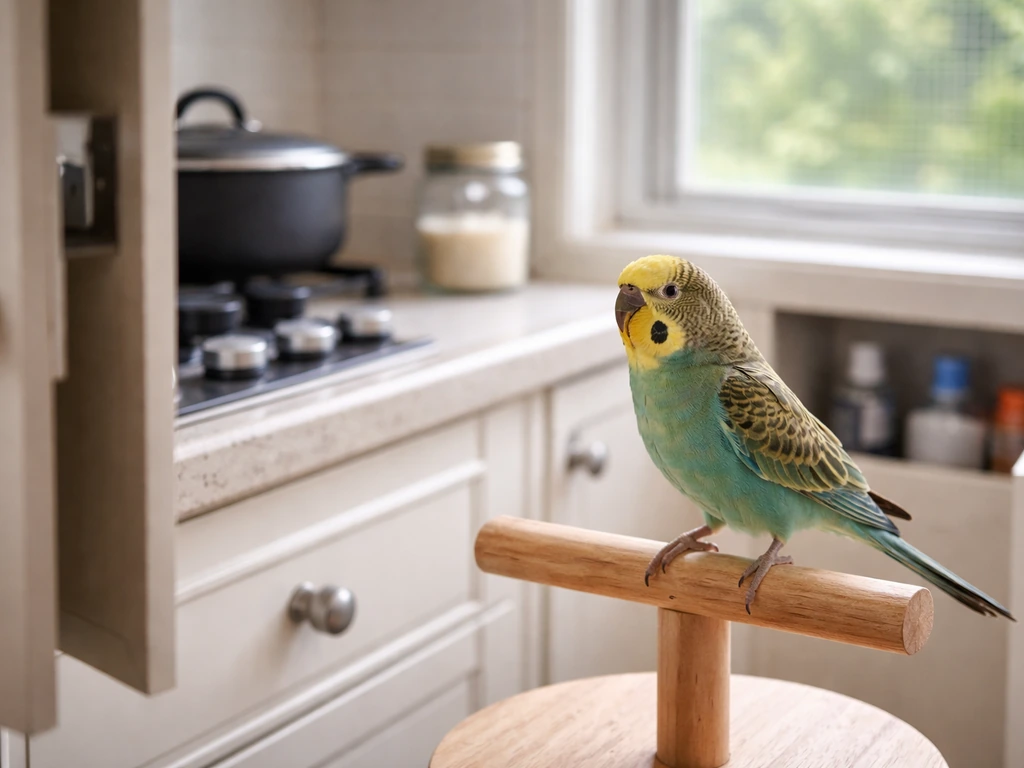
The "instant" killers: hazards that can end things in minutes
When people search for what can kill a bird instantly, they're usually alarmed by something they just saw or heard. That alarm is warranted. A handful of hazards can kill a healthy bird in under an hour, sometimes in seconds. These are the ones you need to know cold.
1. Toxic fumes from non-stick cookware (PTFE/Teflon)
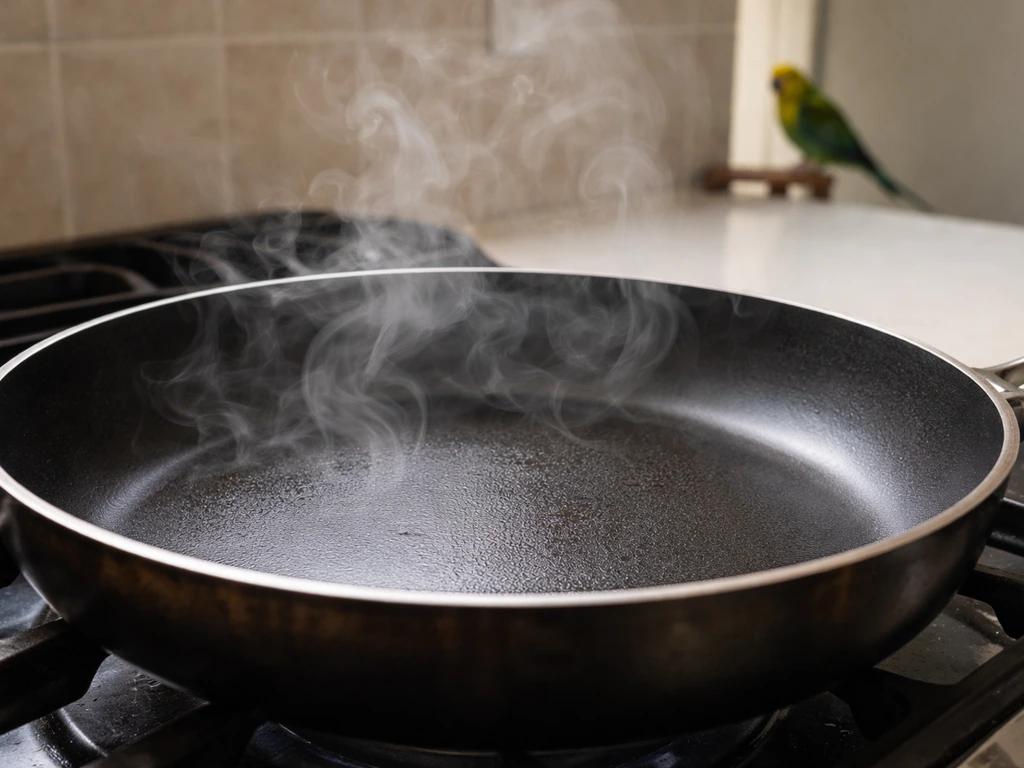
This is the one that catches owners completely off guard. When non-stick pans coated with polytetrafluoroethylene (PTFE, sold as Teflon and other brands) overheat past roughly 500°F (260°C), they off-gas fumes that are invisible, odorless, and lethal to birds within minutes. A bird's respiratory system is so efficient at extracting gases from air that what barely bothers a human destroys a bird's lungs almost instantly. Birds have been found dead on their perch while the owner was cooking in the next room. Any overheated non-stick surface is a risk: pans, drip trays, waffle makers, air fryers with non-stick baskets, even some self-cleaning ovens. Replace all non-stick cookware with stainless steel or cast iron, and always cook in a well-ventilated kitchen away from your bird.
2. Avocado toxicity
Avocado contains a fungicidal compound called persin that is harmless to humans but highly toxic to birds. It damages the heart muscle and causes respiratory distress, weakness, and fluid accumulation around the heart and lungs. Death can occur within 24 to 48 hours of ingestion, sometimes faster with larger amounts. The flesh, skin, pit, and leaves of the avocado plant are all considered toxic. If you're wondering how much avocado will kill a bird, the honest answer is that even small quantities pose a serious risk and no safe threshold has been established. Never feed avocado or leave guacamole, avocado toast, or any avocado-containing food within a bird's reach.
3. Chocolate
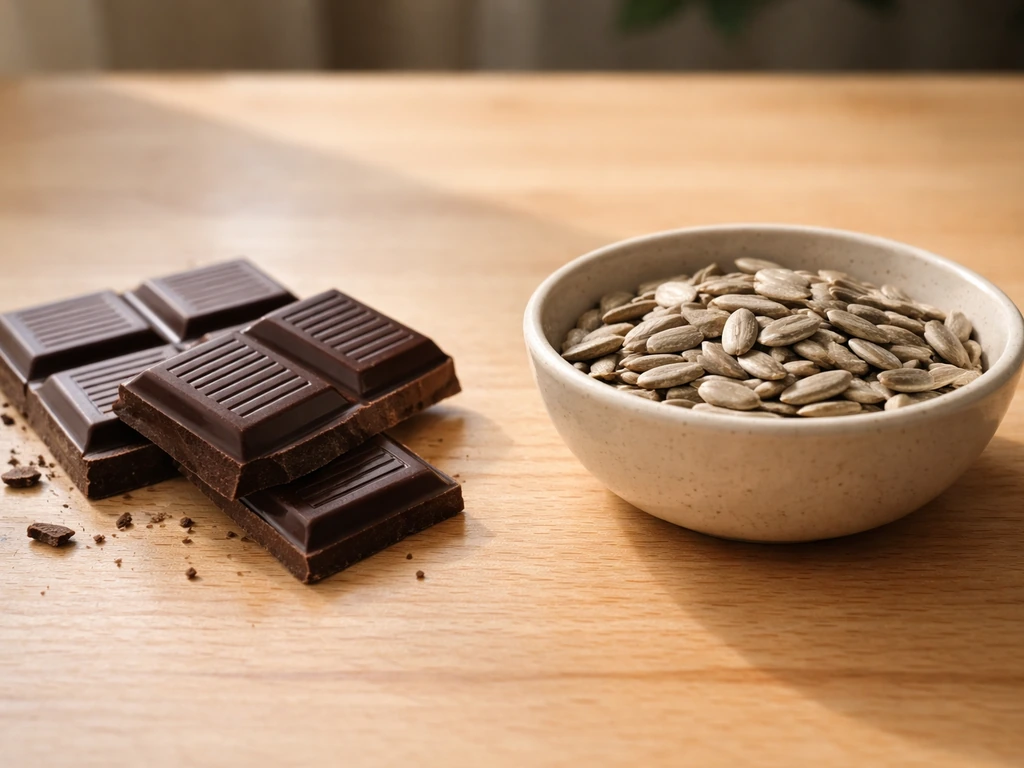
Chocolate contains theobromine and caffeine, both of which birds metabolize far more slowly than humans. The result is a toxic buildup that causes vomiting, tremors, seizures, internal bleeding, and cardiac failure. Dark chocolate and baking chocolate are more dangerous than milk chocolate by concentration, but all forms are risky. If you want to understand exact dose risks, the research on how much chocolate can kill a bird makes it clear there is no reliably safe amount. A bird that has eaten any chocolate needs veterinary attention immediately.
Natural causes that still kill quickly
4. Heatstroke and overheating
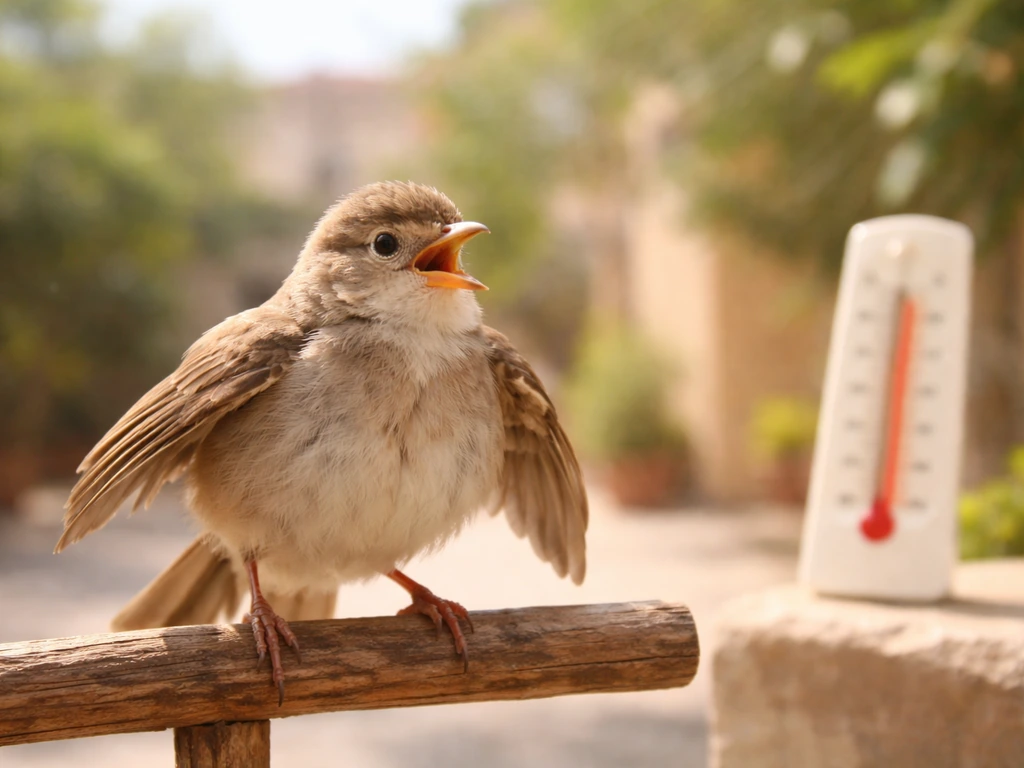
Birds cannot sweat. They cool themselves through panting and holding their wings away from their body, and those mechanisms only work up to a point. When a bird gets too hot, its core temperature rises fast and organ failure follows quickly. Heatstroke can kill within an hour in extreme cases. Watch for open-mouth panting, wings held out from the body, lethargy, and loss of balance. As a rough rule of thumb, when temperatures climb quickly above 80°F, pet birds may begin showing these warning signs. Direct sun through a car window, a closed room in summer, or a cage placed near a heat vent can all trigger this. If you see signs of overheating, move the bird to a cool, shaded area immediately and mist its feet and legs lightly with cool (not cold) water. Get to an avian vet fast.
5. Sudden cold exposure and hypothermia
The flip side of heat is equally deadly. A bird that gets wet and is then exposed to a draft or cold air can go into hypothermia shockingly fast. Small birds lose heat rapidly because of their high surface-area-to-volume ratio. This happens most often when birds are misted and then left near an open window, or when the power goes out overnight in winter. A hypothermic bird will fluff its feathers, become very still, stop eating, and lose its grip on the perch. Warmth must be restored gradually, not with a heat lamp at close range. Keep the cage away from drafts and air conditioning vents year-round.
Toxic substances and household chemicals
6. Airborne household toxins
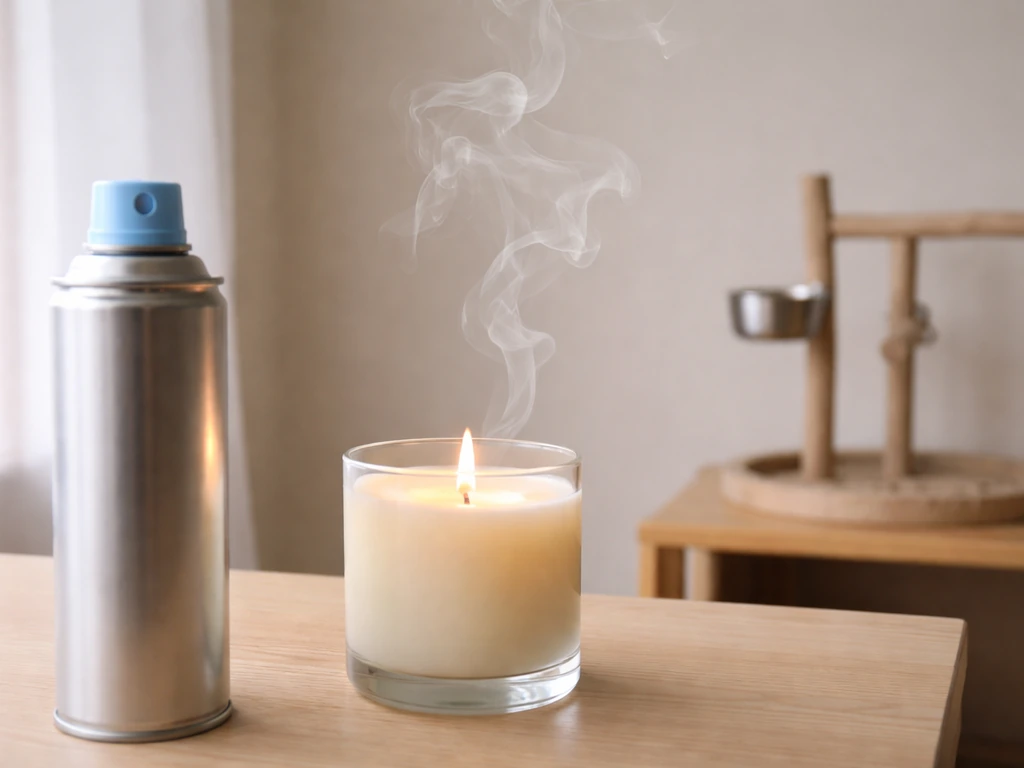
Beyond Teflon, there is a long list of airborne substances that can kill a bird through inhalation. Aerosol sprays (hairspray, deodorant, cleaning sprays), scented candles, incense, cigarette and vape smoke, plug-in air fresheners, and even heavily scented cleaning products can all damage a bird's respiratory system. Carbon monoxide from a faulty furnace or blocked flue is another invisible killer. Birds were historically used in coal mines as early warning systems for toxic gases, precisely because their systems react faster than ours. The practical rule: if you wouldn't want to inhale it heavily yourself, your bird should not be in the room when you use it. Ventilate thoroughly and keep your bird out until the air has fully cleared.
Trauma from the environment
7. Window collisions, ceiling fans, and falls
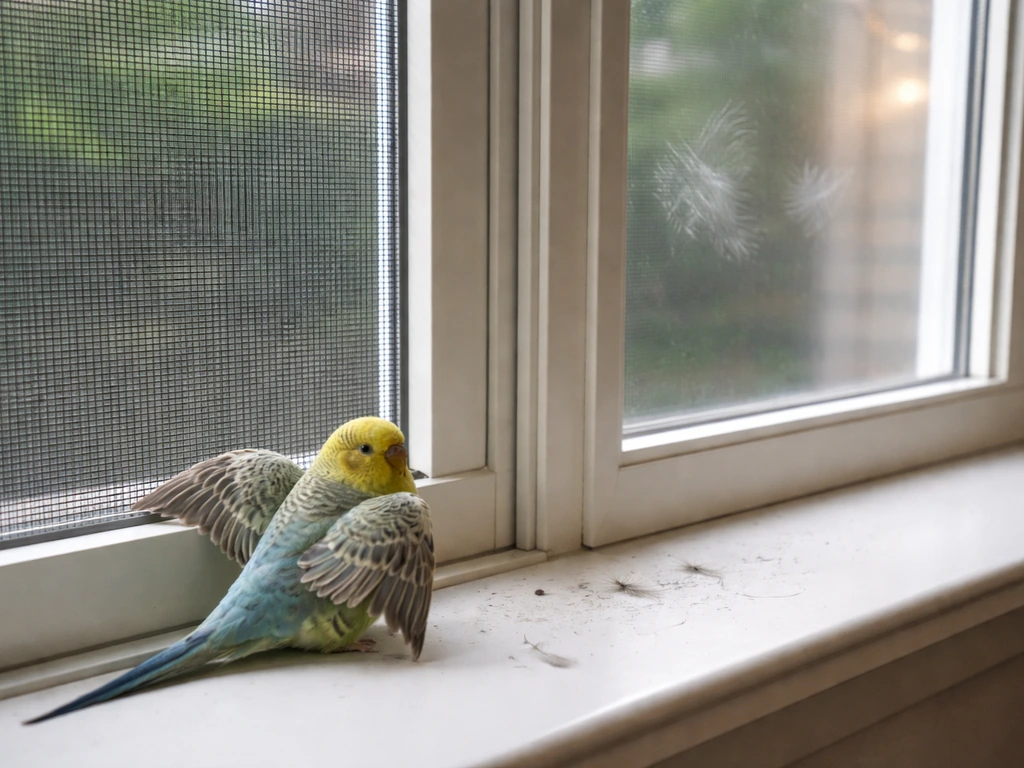
Traumatic injury is one of the most common emergencies in pet birds. Flying into a wall, window, or mirror at full speed causes blunt force trauma to the skull and brain. A ceiling fan left running while a bird is out of its cage is one of the most preventable killers in the hobby. Falls from height matter too, especially in young or clipped birds that misjudge a perch or get startled. According to veterinary guidance, traumatized birds should be treated with survival as the immediate priority. If a bird has had a collision, contain it in a quiet, dark, warm space and get it to an avian vet as soon as possible. Turn ceiling fans off whenever your bird is out. Cover windows with decals or blinds during free-flight time.
Electrocution and burns
8. Electrical cords and heat sources
Pet birds are instinctively driven to chew, and an electrical cord is exactly the kind of thing they investigate with their beak. Chewing through a live wire causes electrocution and thermal burns to the mouth, tongue, and throat. Birds can also land on a hot stovetop burner, step onto a space heater, or get too close to a heat lamp. Thermal injuries from electrocution and chewing are a documented reason birds end up in emergency veterinary care, and the outcome without fast treatment is often fatal. Any bird that has been burned or electrocuted needs urgent care immediately, even if it seems to be walking around. Internal injuries and delayed cardiac effects are real. Bird-proof your space before every out-of-cage session: tuck or cover cords, block the kitchen, and keep heat sources behind barriers.
Predators and outdoor dangers
9. Cats, dogs, and other animals
A cat does not have to break a bird's skin to kill it. Cat saliva contains Pasteurella bacteria, and a single puncture wound, or even a scratch from a claw, can cause a systemic bacterial infection that kills a bird within 24 to 48 hours. Dogs can crush a bird in an instant with bite force, even playing gently by their own standards. Outdoor birds face hawks, owls, raccoons, and opossums. Even inside, territorial attacks between birds of different species or size mismatches can cause fatal injuries. If a cat has made any contact with your bird, treat it as a medical emergency regardless of how the bird looks. Get to an avian vet for antibiotics within hours. For prevention: supervise all multi-pet interactions without exception, and never let a bird outside unsupervised.
Disease, parasites, and stress-related mortality
10. Disease, chronic stress, and dirty living conditions
This category kills more birds than most owners want to admit, because it happens slowly and is often preventable. Psittacosis (Chlamydia psittaci), Pacheco's disease, proventricular dilatation disease (PDD), and aspergillosis (a fungal respiratory infection) are among the most common fatal avian diseases. Parasites including mites and worms can weaken a bird until it can no longer maintain basic body functions. But one of the biggest silent killers is chronic stress, which suppresses immune function and makes birds vulnerable to every pathogen they encounter. A question many owners ask is can a dirty cage kill a bird, and the answer is yes: ammonia from droppings, mold from wet food, and bacterial growth in uncleaned water dishes all cause direct respiratory damage and disease. Clean the cage thoroughly at least once a week, change water daily, and quarantine any new bird for 30 days before introducing it to your existing flock. Annual avian vet checkups catch subclinical illness before it becomes fatal.
How these 10 compare: speed and prevention at a glance
| Hazard | Speed of death | Key prevention step |
|---|---|---|
| PTFE/non-stick fumes | Minutes | Replace non-stick cookware entirely |
| Avocado toxicity | Hours to 2 days | Never allow avocado near your bird |
| Chocolate ingestion | Hours | Seek vet care immediately after any ingestion |
| Heatstroke | Under 1 hour in extremes | Keep temps stable, never leave in hot car/room |
| Hypothermia | Hours | Block drafts, keep cage away from vents/windows |
| Airborne household toxins | Minutes to hours | Use all sprays/chemicals away from the bird |
| Trauma (windows, fans, falls) | Instant to hours | Fan off during free flight, cover windows |
| Electrocution/burns | Instant to hours | Cover all cords, block kitchen access |
| Cat/dog attack | Instant or within 48 hrs | No unsupervised contact, vet care if any contact |
| Disease/parasites/stress | Days to weeks | Clean cage, annual vet checks, quarantine new birds |
What to do right now: emergency checklist and prevention steps
If something has already happened, or you think it has, move quickly. If you suspect a poison-related emergency, contact the ASPCA Animal Poison Control Center for 24/7 animal poison help by phone blank" rel="noopener noreferrer">24/7 animal poison help (phone support). Birds mask illness and injury until they can no longer compensate, so by the time you notice something is wrong, the window is often narrow. Here's what to do in an emergency and how to prevent repeat incidents. For a broader overview of the leading causes of bird deaths across wild and pet populations, that resource can help you understand the bigger picture.
Emergency: what to do right now
- Stay calm and contain your bird in a small, quiet, dark, warm box or carrier. Darkness reduces stress and metabolic demand while you get help.
- Call an avian vet or wildlife rehabilitator immediately. Do not wait to see if your bird "gets better" on its own. Time is critical.
- If toxic fume exposure happened, move the bird to fresh air immediately and get to a vet even if the bird looks fine.
- If a cat or other animal made contact with the skin, treat it as an emergency. Describe exactly what happened so the vet can start antibiotics fast.
- If you suspect heatstroke, move to a cool area and lightly mist the feet and legs with cool water. Do not submerge or use ice.
- Do not force food or water into an injured or collapsed bird. It can cause aspiration.
- If it is after hours, search for a 24-hour emergency exotic animal clinic in your area. Many avian vets have after-hours lines for established patients.
- Bring any packaging of a suspected toxic substance with you to the vet so they know exactly what you're dealing with.
Prevention: what to change today
- Remove or replace all non-stick cookware, drip trays, and non-stick-coated appliances.
- Never give your bird avocado, chocolate, alcohol, caffeine, onion, garlic, or fruit pits.
- Turn off ceiling fans before opening the cage. Make it a non-negotiable habit.
- Cover or secure all electrical cords before every free-flight session.
- Keep your bird in a room with stable temperature away from drafts, windows, and direct sun.
- Use sprays, candles, and cleaning products only in rooms your bird never enters, and ventilate fully.
- Supervise all interactions between your bird and other pets, always.
- Clean the cage, perches, food dishes, and water dishes on a strict weekly (or more frequent) schedule.
- Quarantine any new bird for a minimum of 30 days before contact with your existing bird.
- Schedule an annual wellness check with an avian vet, even if your bird seems healthy.
One thing worth knowing: many of these deaths are preventable with small, practical changes to your daily routine. If you've been curious about specific hazards beyond this list, some owners go looking for answers on forums and want to verify what they read, which is why checking what can kill a bird instantly on Reddit often leads people toward veterinary sources for confirmation. That's a good instinct. The core message here is simple: birds are physiologically different from mammals in ways that make many common household items much more dangerous to them than they look. Knowing exactly which hazards are real, how they work, and what to do about them puts you in a position to actually keep your bird alive and healthy for the long term. And if you want to revisit all 10 hazards in a condensed format, the article on things that can kill your bird is a useful reference to bookmark.
FAQ
What should I do right away if I suspect my bird was poisoned or exposed to fumes?
If a bird has any possible toxin exposure, bring the label or packaging to the vet and do not guess the amount or try home remedies. Keep the bird warm, reduce stress, and separate it from other pets, but avoid “forcing” water or food. For inhaled toxins (smoke, sprays, CO), move the bird to fresh air first if it is safe for you, then go immediately.
My bird looks fine after I overheated a non-stick pan, should I still call the vet?
Do not wait for visible symptoms if you cooked with non-stick or another overheating hazard. Bird lungs can be injured fast, and early signs can be subtle. Ventilate, remove the bird from the area, and contact an avian vet even if the bird seems okay, especially if there was odor, visible smoke, or you noticed rapid breathing.
Is it safe to use air fresheners, candles, or sprays if the smell is mild?
Birds can inhale scented products and smoke at levels that may not bother humans. If you use aerosols, candles, incense, or plug-in diffusers, set up a separate “no birds” zone and ventilate until the air is cleared. Keep the bird out during use and for a period long enough that you no longer smell it strongly in the room.
What are the best ways to prevent window, mirror, and fan collisions during free-flight?
For windows and mirrors, cover or remove reflective surfaces during free-flight, and secure all ceiling fans before the bird is out. For windows, use blinds or decals, but also manage flight paths so the bird does not go toward glass at speed. Prevention is faster than emergency care.
What is the safest first-aid temperature approach for heatstroke versus hypothermia?
For overheating, cool gradually. Move the cage to shade, mist feet and legs lightly with cool (not cold) water, and avoid dunking or applying ice. For freezing or hypothermia, warm gradually by providing a stable, gentle heat source away from drafts, then seek avian care if the bird is fluffed, very still, or refusing to perch normally.
My cage smells normal, can poor hygiene still harm my bird?
A “dirty cage” is more than smell. Ammonia from droppings and respiratory irritation from dust, old bedding, or wet food residue can trigger illness even before you see obvious droppings problems. Aim for daily spot cleaning, water changes every day, and a deeper clean schedule consistent with your setup and bird count.
My cat scratched my bird lightly, should I treat it as an emergency?
A single cat scratch or puncture should be treated as urgent even if the wound looks small, because infections can escalate quickly. Rinse gently with clean water if you can do it without stressing the bird, then go to an avian vet for antibiotics as soon as possible. Do not rely on topical-only treatment.
My bird chewed a cord and seems okay. Does it still need emergency treatment?
If a bird is found after an electrical incident, assume there may be internal injury even when the bird can walk. Keep the bird warm and in a quiet place, then get urgent avian evaluation. Avoid immediate food or water until a clinician advises, because weakness and swallowing issues can occur.
How can I tell if my bird is stressed in a way that could make it sick?
Chronic stress can look like “behavior issues” rather than illness, but it still increases susceptibility to infections. Common stress triggers include constant handling, loud noise, poor sleep, unstable flock dynamics, and inadequate enrichment. Improve routine consistency first, then reduce stressors before adding new treatments.
What does proper quarantine for a new bird actually include in practice?
If you need to quarantine a new bird, use a true separation plan: separate cage, separate tools, and strict hand hygiene between birds. Keep airflow from one to the other managed (not shared drafts), and watch closely for respiratory signs. Quarantine works only if you prevent cross-contamination.
Next Articles

Bird Causes Plane Crash? Risk, Mechanisms, Myths, Prevention
Whether bird strikes can cause plane crashes, how they happen, real risk data, debunked myths, and prevention steps

Can a Plane Crash Because of a Bird? Facts and Safety
Understand if a bird strike can crash a plane, what it damages, how often it happens, and what airports do to prevent it

Can a Bird Crash a Plane? Risks and What to Do
Can a bird crash a plane? Learn how bird strikes happen, real risk levels, and what to do if one occurs.