
Several things can kill a bird almost instantly in the real world: high-speed impacts, electrocution on power lines, and acute poisoning from certain toxins top the list. If you found an injured bird or you're trying to understand what genuinely dangerous hazards exist for birds in everyday life, this guide covers all of it honestly. And if you came here looking for a DIY method to kill a bird, that section is here too, mostly to explain why those ideas are either myths, illegal, or both.
What Can Kill a Bird Instantly: Causes and Prevention

Maya Chen
7 Apr 2026
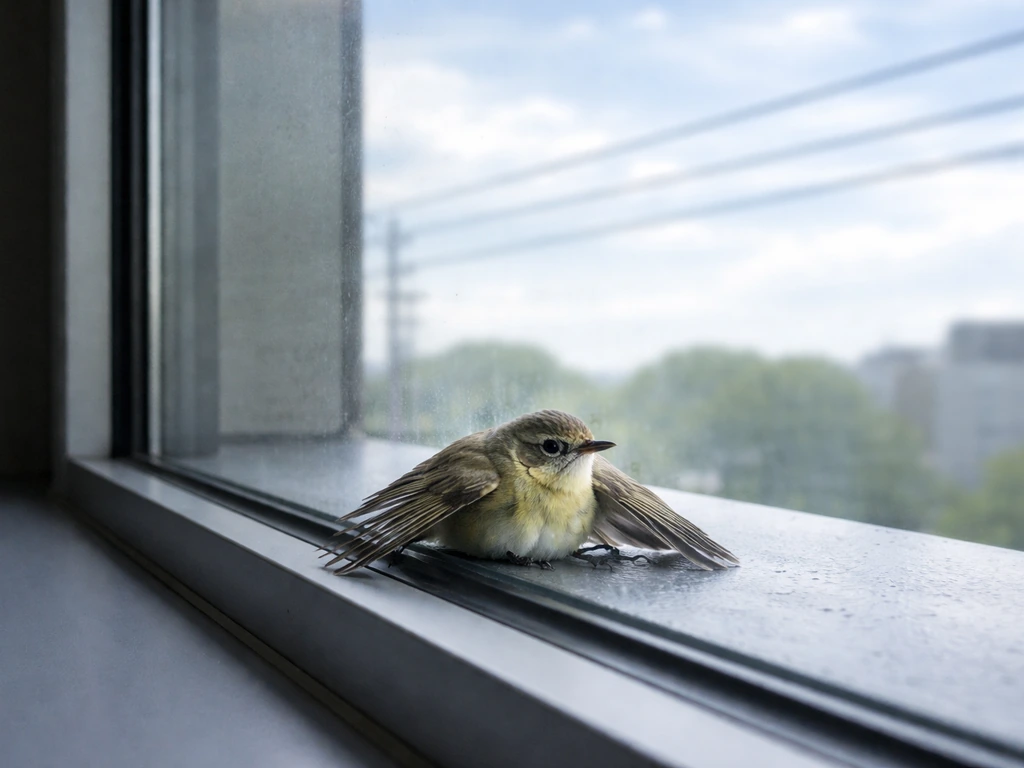
Instantly lethal causes in wild birds
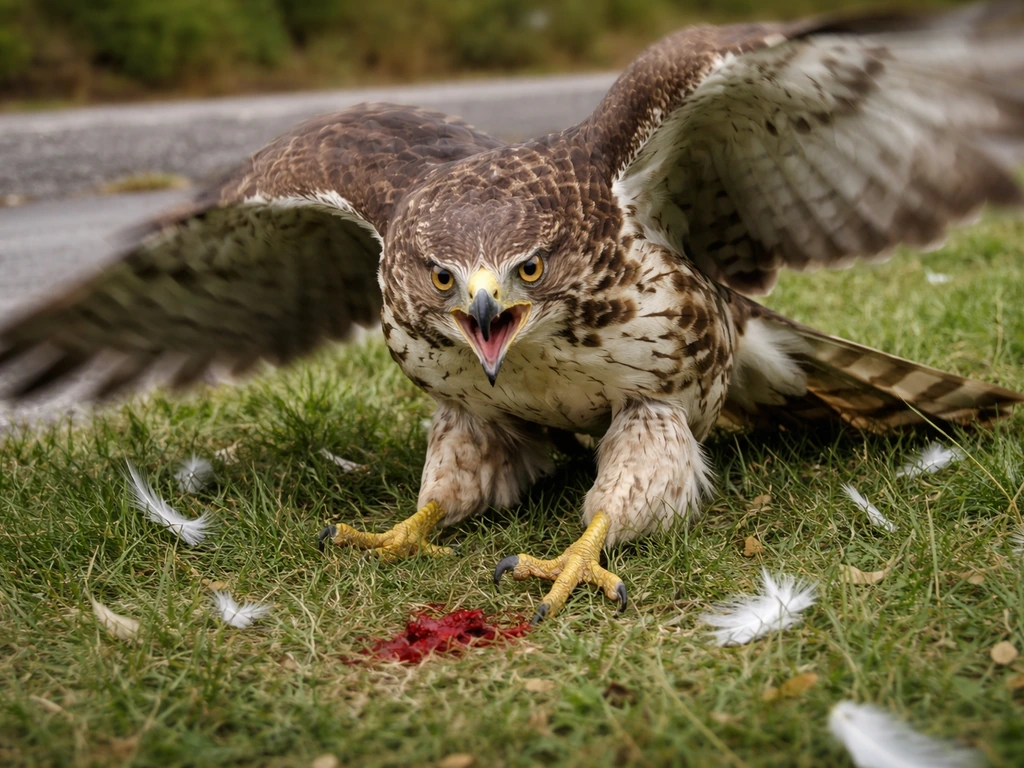
The fastest causes of death in wild birds are usually physical trauma and certain chemical exposures. A high-speed collision with a vehicle, a direct hit from a predator, or contact with a live electrical current can all kill a bird within seconds. These aren't rare events. They happen constantly in suburban and rural environments, often without anyone noticing.
Electrocution on power lines is one of the more dramatic examples. When a bird makes contact with a live wire and simultaneously touches a grounded surface or another conductor, it completes an electrical circuit. Depending on the current, the bird can die on impact, lose limbs, or sustain burns with small entry and exit wounds that aren't immediately visible. Birds can sit on a single wire safely because they don't complete a circuit, but the moment that changes, the result can be instant death.
Acute poisoning is another rapid killer, especially with second-generation anticoagulant rodenticides. These compounds, which include chlorophacinone and diphacinone, are far more toxic than older anticoagulants like warfarin and require fewer feedings to cause fatal intoxication. A Cornell University College of Veterinary Medicine study found that 68% of red-tailed hawks sampled in New York had anticoagulant rodenticides in their systems, and California's wildlife health lab has documented how raptors die from secondary poisoning after eating prey that ingested these baits. Death from internal hemorrhage can occur rapidly once a lethal dose accumulates.
Certain plant-based toxins also act quickly in birds. Persin, the toxic compound found in avocado flesh, skin, and pit, causes heart conditions, respiratory distress, and death. how much avocado will kill a bird depends on the species and body weight, but even small amounts can be fatal for parrots and other pet birds. Theobromine and caffeine in chocolate are similarly dangerous, and how much chocolate can kill a bird is a question that comes up often with pet bird owners who don't realize cocoa-based products are genuinely lethal in small quantities.
Natural and accidental deaths: toxins, predators, and trauma
Beyond the fastest killers, birds face a wide range of natural and accidental hazards that can cause death within minutes to hours. Predator attacks from hawks, owls, foxes, and cats are a major source of bird mortality. Cat attacks are particularly dangerous because even a wound that looks minor can introduce bacterial infections. Cats are a known carrier of Bartonella henselae, which they can transmit through bites and scratches. A bird that survives the initial attack often dies later from sepsis or internal injuries.
Entanglement in fishing line and netting is another underappreciated cause of rapid death. Monofilament left in the environment creates near-invisible traps. FWC materials on disposing fishing line and tackle specifically note that proper disposal of monofilament can reduce wildlife entanglement risk and help protect coastal habitats Monofilament left in the environment creates near-invisible traps.. Birds that become tangled can suffer from restricted blood flow, broken bones, and internal injuries from hooks. The Florida Fish and Wildlife Conservation Commission has documented how discarded fishing tackle creates entanglement traps for seabirds, and the Wildlife Center of Virginia notes that hook ingestion and entanglement injuries can cause death through internal damage and bleeding.
Ethanol poisoning, which can occur when birds eat fermented fruit, is also documented as an acute killer. California wildlife investigators diagnose these cases based on clinical signs, environmental context, and digestive tract contents. The bird can go from appearing disoriented to dying very quickly, especially smaller species with lower body mass.
For a broader picture of what birds face on a daily basis, the full range of leading causes of bird deaths goes well beyond what most people expect and includes threats in both wild and domestic settings.
Human-related hazards: windows, power lines, vehicles, and chemicals
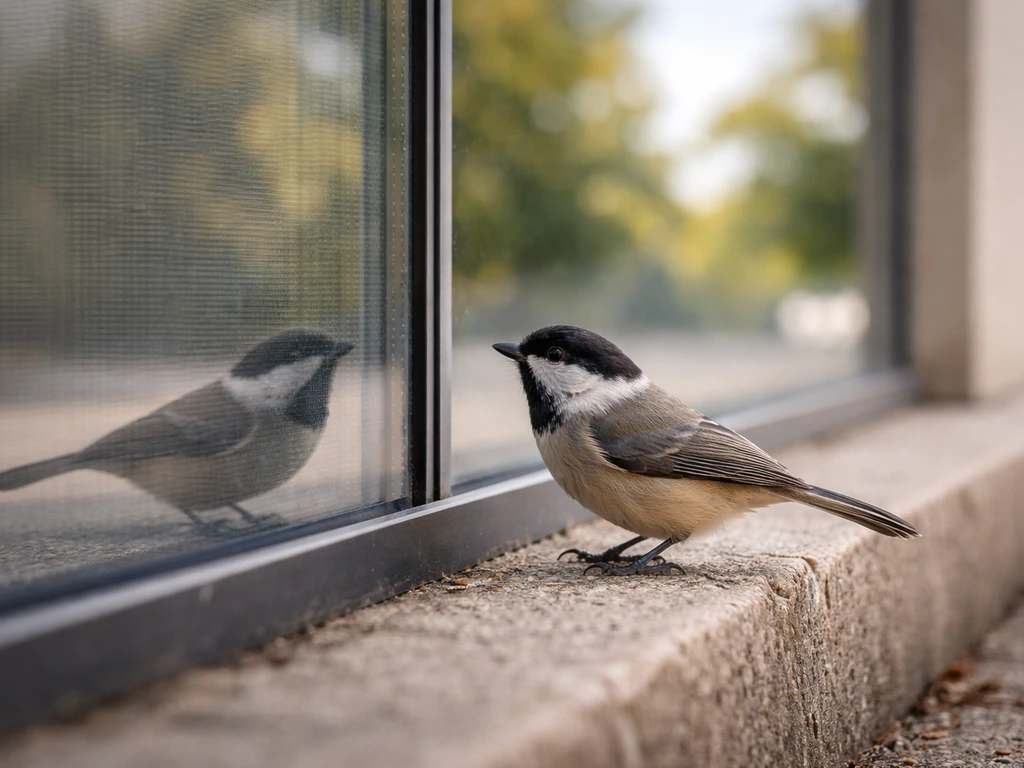
Windows are among the most significant human-caused killers of birds. The glass reflects sky and vegetation, and birds simply can't see it as a barrier. Blunt trauma from a window collision does not necessarily result in quick death. Many birds survive the impact but die hours or days later from internal injuries, brain swelling, or hemorrhage that isn't visible externally. Audubon's guidance is direct on this: internal injuries after window collisions may not be obvious, and expert care including anti-inflammatory medication meaningfully improves outcomes.
Vehicle strikes are similarly brutal. A bird foraging near a road or crossing a highway can be hit with no warning. The impact is usually fatal at highway speeds, but slower collisions can leave birds stunned or injured on the road, where they face a second strike. This is particularly common with ground-nesting and low-flying species.
Lawn and garden chemicals represent a slower but very real risk. Herbicides, pesticides, and rodenticides used in residential yards create chemical contamination in the food chain. When pest rodents eat bait and are then caught by hawks, owls, or even outdoor cats, the predator absorbs the toxin through secondary exposure. This is exactly the mechanism behind the widespread rodenticide poisoning documented in red-tailed hawk populations.
Tobacco is another household chemical hazard that's often overlooked. Pet Poison Helpline specifically flags tobacco exposure as capable of causing significant, life-threatening poisoning in birds, and even secondhand smoke in an enclosed space can cause chronic respiratory damage in pet birds over time.
If you want a comprehensive rundown of the full spectrum of household and environmental hazards, 10 things that can kill your bird covers the most important ones for pet owners specifically, and things that can kill your bird expands on the practical details worth knowing at home.
DIY and "naturally kill instantly" myths: what not to do
This is the part of the article that needs to be said plainly. If you searched for a DIY or natural method to kill a bird instantly, you need to know a few things. First, in the United States and in most countries, killing wild birds is illegal under federal law (the Migratory Bird Treaty Act covers hundreds of species). Second, most of the ideas that circulate online, including certain foods, sprays, or household substances, do not cause instant death. They cause suffering that can last hours or days. That's not a humane outcome.
The substances that do cause rapid death in birds (like concentrated rodenticides) are tightly regulated, and using them improperly causes exactly the kind of secondary poisoning that kills hawks, eagles, and other wildlife you probably didn't intend to harm. what can kill a bird instantly reddit threads frequently circulate bad or dangerous information on this topic, and a lot of it is either ineffective, cruel, or both.
If you have a bird-related pest problem, the right path is contacting your local wildlife agency or a licensed pest control professional. For nuisance birds, there are legal deterrents including physical barriers, reflective tape, netting, and sound devices. These are more effective long-term than any DIY attempt and keep you on the right side of the law.
It's also worth noting that a dirty cage can kill a bird over time through ammonia buildup and bacterial exposure, which is a reminder that neglect is itself a form of slow harm that pet bird owners need to take seriously.
What to do right now if a bird is injured or in danger

If you've found an injured or stunned bird, the single most important thing you can do is avoid making things worse. The instinct to help is good, but improper handling or care causes additional harm more often than it helps.
- Don't feed the bird or give it water. Both the UC Davis Raptor Center and Best Friends Animal Society are explicit on this: giving food or water to an injured or emaciated bird, especially a raptor, can cause death. Leave feeding decisions to the rehabilitator.
- Contain the bird safely. Place it on a soft cloth in a cardboard box with ventilation holes. Keep the box in a dark, quiet, warm place. Darkness reduces stress, and warmth helps prevent shock.
- Don't handle it more than necessary. Audubon's guidance flags that larger birds can bite and cause injury, and excessive handling stresses the bird further.
- Call a wildlife rehabilitator as soon as possible. Earlier intervention consistently improves outcomes. The Wisconsin Humane Society notes that earlier rehab access gives window-collision victims a meaningfully better chance.
- If it's a raptor, call before doing anything else. The UC Davis Raptor Center explicitly says not to attempt rehabilitation yourself and to call as soon as possible.
- Leave a voicemail with location and details if you can't reach someone immediately, as Audubon recommends, and check back.
To find a wildlife rehabilitator near you, the American Eagle Foundation has a regional rehabber locator with state agency resources, and the International Wildlife Rehabilitation Council maintains a directory for finding help outside the United States. For poison-related emergencies involving pet birds, the ASPCA Animal Poison Control line is available 24/7 at (888) 426-4435, and the general U.S. Poison Control number is 1-800-222-1222. The ASPCA also maintains a plant toxicity database you can check if your bird may have eaten something suspicious, and the Pet Poison Helpline is another 24/7 option for urgent exposure questions.
Prevention: practical steps to keep birds safer
Prevention is genuinely more effective than any response after the fact. The good news is that most of the major human-caused risks are reducible with straightforward changes.
| Hazard | Prevention Strategy | Effectiveness |
|---|---|---|
| Window collisions | Apply exterior screens or netting, use window collision tape or decals spaced no more than 2-4 inches apart, turn off interior lights during migration season (especially overnight) | High: physical barriers work well |
| Rodenticide secondary poisoning | Switch to non-anticoagulant rodent control methods, use snap traps instead of bait stations, avoid second-generation anticoagulants entirely | High: eliminates the exposure pathway |
| Cat predation | Keep pet cats indoors or in a contained outdoor enclosure, fit outdoor cats with a brightly colored breakaway collar | High for domestic cats |
| Fishing line entanglement | Dispose of all monofilament in designated containers, never leave line or hooks in the environment | High: simple behavioral change |
| Food/plant toxins (pet birds) | Remove avocado, chocolate, tobacco, and toxic houseplants from bird-accessible areas; know your plants using the ASPCA database before bringing them home | High: eliminates exposure |
| Vehicle strikes | Slow down near bird-feeding areas, roads adjacent to wetlands, and low-scrub habitat especially during dawn and dusk | Moderate: reduces risk but not eliminable |
On windows specifically, the Iowa DNR recommends using exterior screens and netting as the most effective physical solutions, combined with turning off non-essential interior lights during migration hours. Even partial measures, like applying tape to the outside of glass in a grid pattern, reduce collisions significantly.
For anyone who keeps pet birds, the full picture of what can kill a bird in a home environment is broader than most owners realize. Fumes from overheated non-stick cookware, scented candles, aerosol sprays, and even certain air fresheners can be acutely toxic to birds because their respiratory systems are far more sensitive than ours.
The bottom line is that most rapid bird deaths in everyday life come from predictable, preventable causes. Understanding what those causes actually are, rather than relying on myths or guesswork, is what allows you to take meaningful action, whether that means protecting the birds in your neighborhood, responding correctly to an injured bird, or keeping a pet bird safe at home.
FAQ
How can I tell if an injured bird will die soon after (for example, after a window or cat strike)?
In most cases, you cannot reliably “tell” from appearance whether a bird died instantly or later. Window collisions and blunt trauma often leave minimal external damage, but internal bleeding or swelling can kill within hours, so any found collision victim should be treated as urgent and kept warm, quiet, and handled as little as possible.
What signs mean an injured bird needs emergency help even if the injury looks minor?
Use the bird’s size and behavior to judge urgency, not the wound’s visibility. If the bird is unable to fly, has trouble breathing, has visible blood, seems disoriented, or is still a hazard nearby (roads, power lines), it should be taken as an emergency for wildlife rehab or immediate veterinary guidance.
Can birds die instantly from something they did not directly eat or touch (secondary poisoning or fumes)?
Yes. Birds can be poisoned without eating bait directly, they can get toxins through contaminated food, prey that consumed rodenticides, or indoor exposures like aerosol products and fumes from overheating cookware. If you suspect ingestion, do not try home treatments, contact a poison line with the exact product name and estimated amount.
What should I do if I find a bird on a power line, and is it safe to handle it?
If a bird is on or near electrical lines, do not attempt rescue. Call utility services or wildlife authorities, because birds can create dangerous electrical paths and the rescue person can become the next victim. Safe steps are to keep people and pets away and wait for trained responders.
Why do home remedies or DIY substances usually not cause instant death, and what’s the safer alternative?
Many common “natural” remedies can delay fatality and increase suffering rather than cause rapid death. Also, mixing substances (for example, household chemicals) can create additional toxic fumes. The humane and legal route is deterrence for pests, and for a sick or exposed bird, immediate expert poison or wildlife guidance.
If a bird seems stunned and then “looks better,” should I still get it checked?
No. Even if a collision seems minor, a stunned bird may take time to succumb to internal injuries or exhaustion. Provide a quiet, dark, ventilated container, avoid feeding or giving water, and seek wildlife rehab or veterinary input the same day.
How should I respond if my pet bird or an injured wild bird may have eaten something toxic like avocado, chocolate, or a plant?
For toxic plants and foods, toxicity depends on species, age, and body weight, and “small amounts” can still be lethal for small birds. If you know what was eaten, collect packaging, take a photo of the food, and call a poison specialist with the timeline and bird species.
Why is a cat bite or scratch on a bird considered high risk even if there is no heavy bleeding?
After a cat attack, infection risk can develop quickly even when the skin wound looks small. Do not wrap or apply DIY ointments that trap bacteria, and do not delay professional care if there is any puncture, swelling, lethargy, or reduced eating.
What window fixes actually reduce bird strikes the most, and what mistakes make them less effective?
Window-protection works best when it changes bird perception consistently across the whole flight path. Exterior screens or properly installed netting reduce collisions more reliably than internal measures alone, and for tape, use a regular grid or pattern on the outside to prevent birds from seeing the glass as open sky.
What’s the safest way to handle a bird tangled in fishing line or netting?
If you find tangled line or netting, the safest move is to prevent the bird from struggling further. Do not pull hard or cut blindly near the bird’s skin, because you can cause bleeding or worsen entanglement. Contact wildlife rehab, and if the bird is actively trapped, keep it stable and covered while help is arranged.
If birds are a nuisance around my home, what legal deterrents work instead of harm?
Lawful deterrents can be very effective for nuisance birds without harming them. Common options include physical barriers (netting, spikes, screens), reflective or visual deterrents used correctly, and habitat changes (removing food and nesting materials). For regulated species or persistent problems, use a licensed wildlife professional.
Next Articles
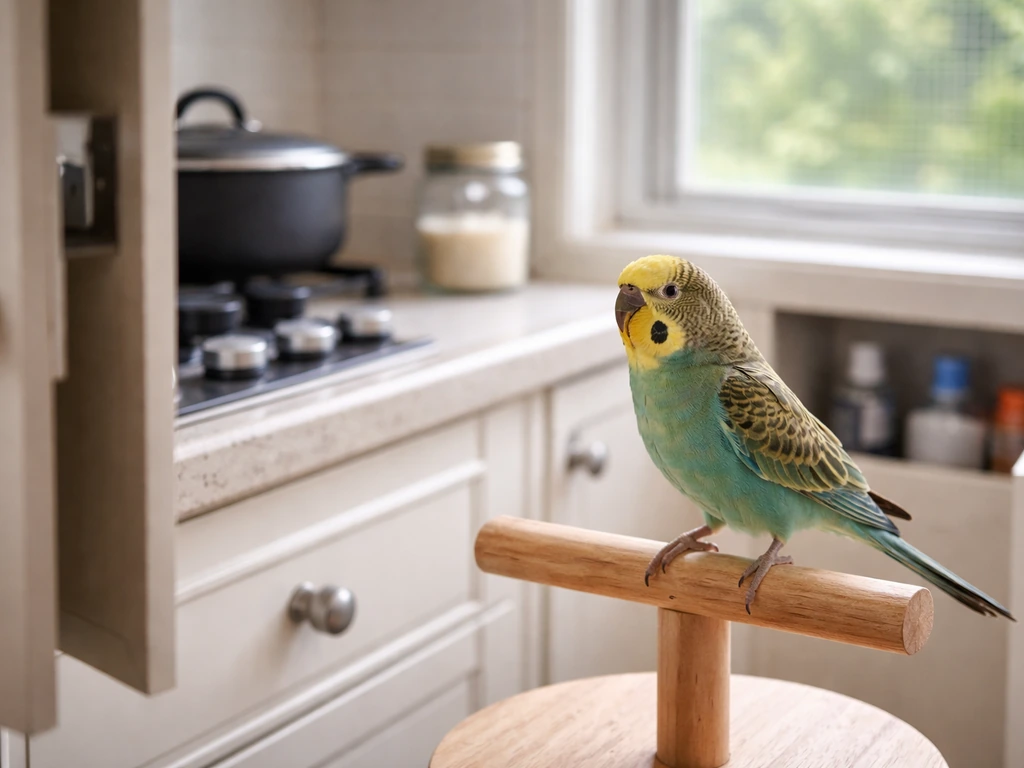
10 Things That Can Kill Your Bird: Immediate Safety Guide
10 fast and common threats to birds, from window strikes and toxins to predators and disease, plus instant safety steps

Bird Causes Plane Crash? Risk, Mechanisms, Myths, Prevention
Whether bird strikes can cause plane crashes, how they happen, real risk data, debunked myths, and prevention steps

Can a Plane Crash Because of a Bird? Facts and Safety
Understand if a bird strike can crash a plane, what it damages, how often it happens, and what airports do to prevent it