
The leading causes of bird deaths in the real world are cats, building and window collisions, vehicles, and habitat loss, in that order of scale. Outdoor and feral cats alone kill somewhere between 1.3 and 4 billion birds every year in the United States. That number is so large it can be hard to take seriously, but multiple independent studies land in roughly the same range. After cats come building collisions (365 to 988 million birds per year), then vehicle strikes (89 to 340 million per year). Beyond those top three, power lines, pesticides, disease, and predators all contribute meaningfully. The good news is that most of these causes are ones you can actually do something about.
Leading Causes of Bird Deaths: Identify and Prevent Risk

Maya Chen
12 Apr 2026
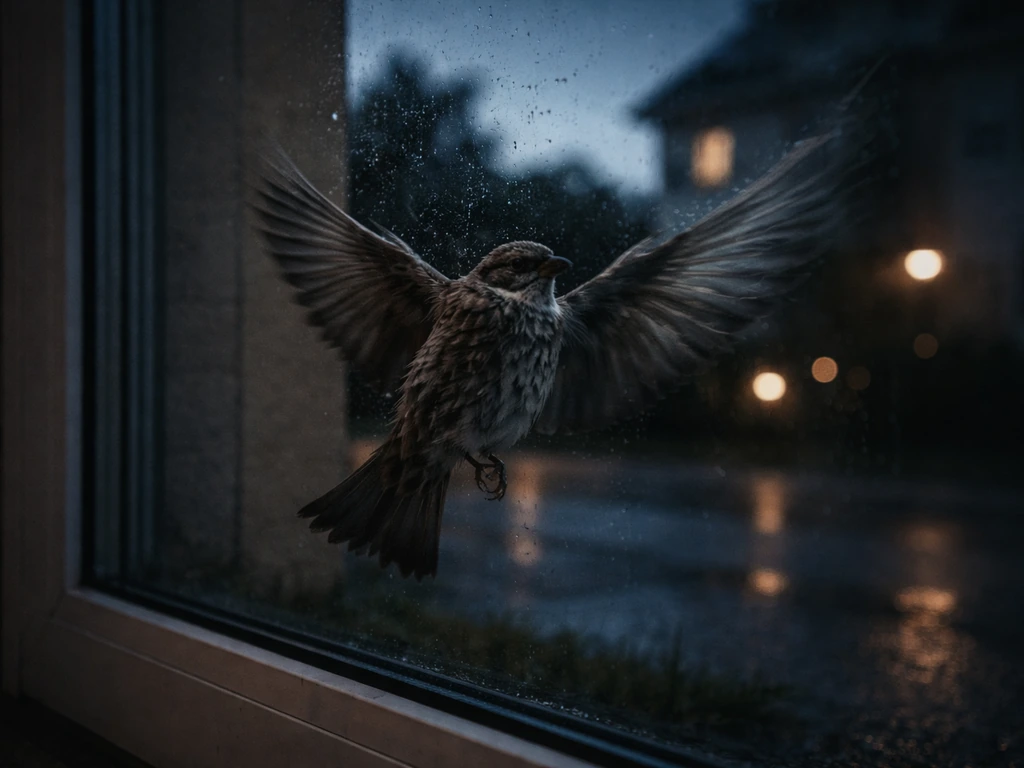
The top causes of bird deaths, ranked
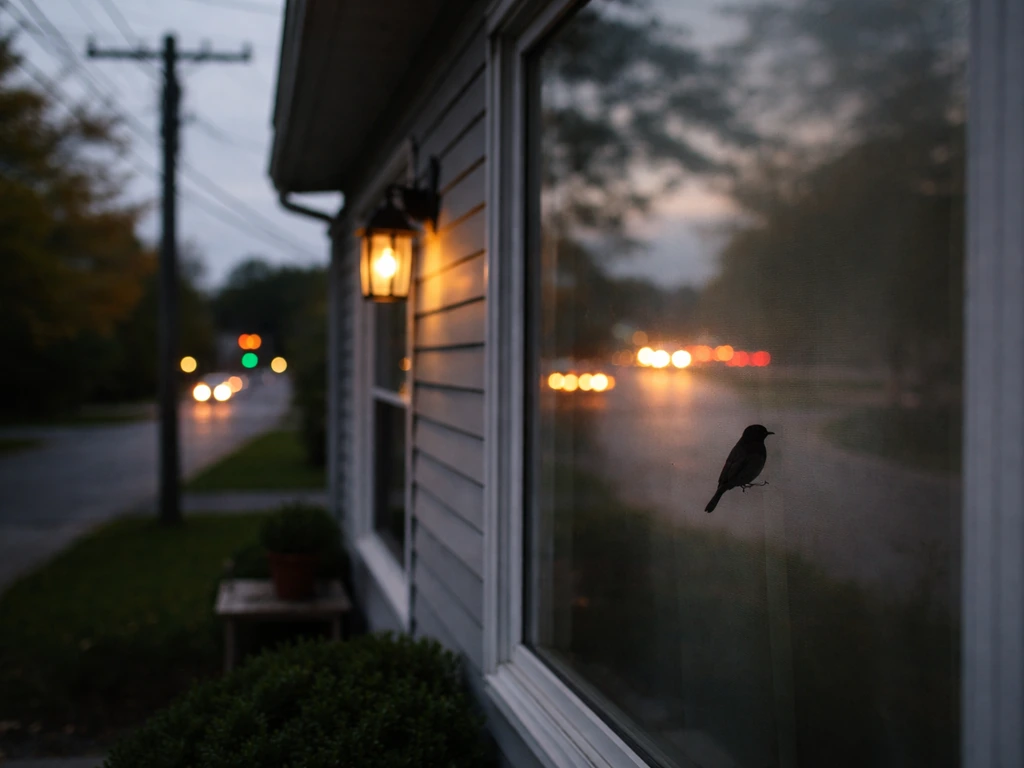
Looking at the full picture, human activity drives a huge share of bird mortality. USGS research found that blank" rel="noopener noreferrer">collisions with man-made objects account for roughly 32% of all human-related bird deaths. When you combine that with cat predation, you are looking at the two biggest drivers by a wide margin. Understanding what can kill a bird in practice means recognizing that most threats come from everyday human environments, not exotic poisons or rare diseases.
| Cause | Estimated U.S. Deaths Per Year | Preventable? |
|---|---|---|
| Cats (outdoor/feral) | 1.3–4.0 billion | Yes, strongly |
| Building/window collisions | 365–988 million | Yes, with treatments |
| Vehicle strikes | 89–340 million | Partly |
| Power line collisions/electrocution | Tens of millions (variable) | Partly |
| Pesticides and rodenticides | Tens of millions | Yes, with safe practices |
| Disease and parasites | Variable, can be large | Partly |
| Habitat loss and food scarcity | Chronic, large-scale | Partly, long-term |
Human-built hazards: windows, vehicles, power lines, and light
Windows and buildings
Window collisions are one of the most preventable large-scale killers of birds. The Iowa DNR estimates that smaller residential buildings account for 99% of collision sites, and that the average home kills about 2 birds per year. Multiply that across tens of millions of homes and you get numbers in the hundreds of millions annually. One important thing people miss: many birds that appear to recover after a window strike and fly off actually die later from internal injuries. Assuming they are fine and doing nothing is a mistake.
The fix is applying external visual markers that birds can detect. USFWS specifies markers spaced no more than 2 inches vertically and 2 inches horizontally. Products like Feather Friendly window tape follow exactly this logic, and one building that applied this kind of treatment saw a 95% reduction in collisions. Window screens and other barriers have been shown to reduce collisions by up to 80% in some studies. If you want a full breakdown of options, the USFWS Bird-Friendly Home Toolkit is the clearest guide available.
Artificial light during migration

Lights from buildings disorient migrating birds at night, drawing them into glass and structures they cannot see. The Lights Out approach, which encourages building owners to turn off excess exterior lighting during spring and fall migration, has real data behind it. Turning off roughly half the lights at Chicago's McCormick Place reduced bird mortality at that site by 59%. A study at the Chicago Field Museum context found an average 83% reduction in collision kills when lights were minimized. If you own or manage a building, this is a zero-cost intervention during migration months (roughly March through May, and August through November in most of the U.S.).
Vehicles
Vehicle collisions rank among the top five direct causes of bird mortality in the U.S., with USFWS citing 89 to 340 million birds killed per year. Birds that nest or forage near roadsides, especially in tall grass or low vegetation in highway right-of-ways, are particularly vulnerable. USFWS specifically flags roadside nesting habitat as a risk factor. Infrastructure solutions like wildlife underpasses and fencing have been shown to cut wildlife-vehicle collisions dramatically, with some projects reporting reductions of more than 90%.
Power lines
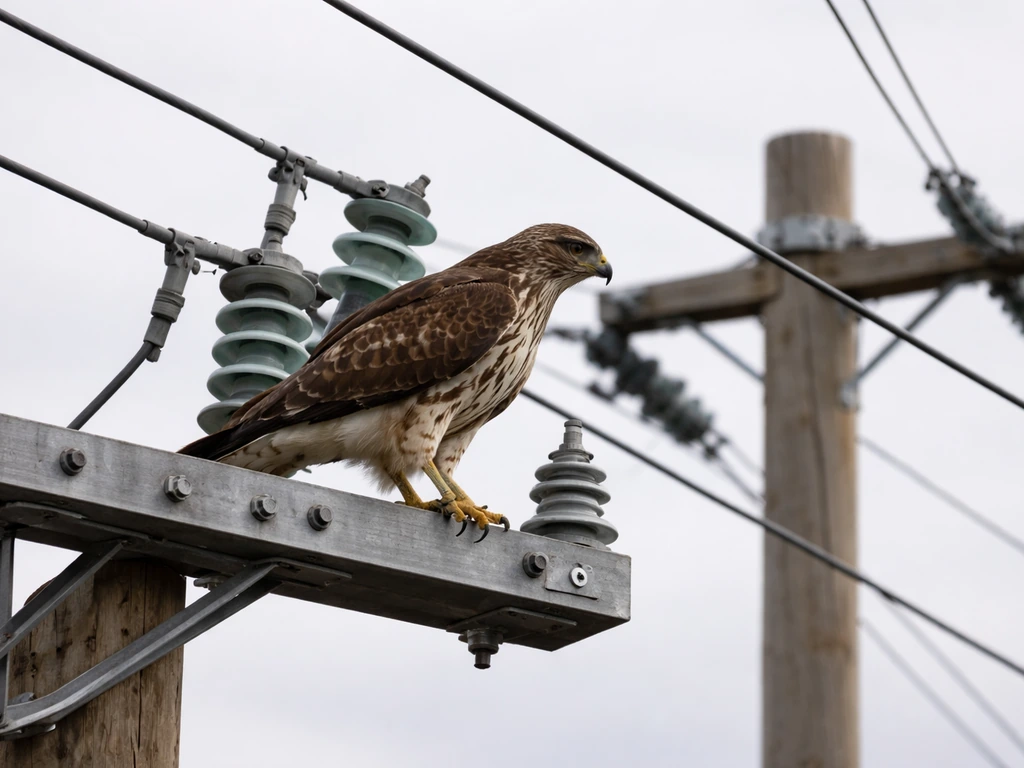
Power lines cause bird deaths through both collision and electrocution. The scale is harder to pin down precisely because study methods vary a lot, but raptors and large birds are disproportionately affected because of their wingspan. Utility companies in many states have retrofitting programs to add perch guards and insulation to high-risk poles. If you notice a pattern of birds dying near power infrastructure in your area, that is worth reporting to your local utility.
Predation, habitat loss, and competition
Outdoor and feral cats are the single largest direct human-related cause of bird deaths in the U.S. by a huge margin. The Nature Communications estimate of 1.3 to 4 billion birds per year is staggering, and it is driven mostly by feral cats rather than well-fed pet cats, though pet cats that roam outdoors do contribute. USFWS treats predation as a major driver and recommends practical management approaches including keeping pet cats indoors. This is one of the highest-leverage actions any individual can take.
Beyond cats, native predators like hawks, owls, and snakes play a natural role that is part of a healthy ecosystem, not a problem to solve. What does create problems is habitat degradation: loss of native plants reduces insects, which reduces food for insectivorous birds, which drives population declines over time. Invasive species outcompeting native vegetation, urban sprawl eliminating nesting sites, and agricultural monocultures removing diversity all contribute. These are longer-term drivers, but planting native species in your yard is a concrete, immediate step that helps.
Disease and parasite mortality
Diseases can kill individual birds and trigger mass mortality events. The main ones worth knowing about are West Nile virus, Highly Pathogenic Avian Influenza (HPAI H5N1), trichomoniasis, aspergillosis, and Salmonella. CDC surveillance data shows West Nile virus has been detected in over 300 bird species in the U.S. since 1999. It spreads via mosquitoes, meaning warm-weather die-offs near standing water are a classic indicator.
HPAI H5N1 is the current high-profile concern. USDA APHIS runs a wild bird surveillance program to track its spread. If you find multiple dead waterfowl or raptors together, HPAI is on the differential. CDC recommends wearing gloves and avoiding touching sick or dead wild birds, and advises keeping children under 5 away from any birds or their environments during an outbreak. If you have five or more dead birds, Illinois DPH and other state agencies recommend specific disposal protocols and PPE to reduce the risk of spreading the virus.
Trichomoniasis, a protozoan parasite, has an incubation period of 5 to 28 days and commonly affects birds that share feeders. You will often see affected birds with difficulty swallowing or a swollen throat area. Aspergillosis is a fungal respiratory disease caused by inhaling Aspergillus spores. When birds are exposed to an overwhelming spore load, often from moldy food or damp environments, they can die rapidly from respiratory distress. Confirming it requires histopathology or culture, so it is a diagnosis made by a lab or vet, not in the field.
For pet bird owners, cage hygiene is more important than many people realize. A dirty cage creates exactly the kind of warm, moist, organic-matter-rich environment where fungal and bacterial pathogens thrive.
Toxic exposures: household hazards, pesticides, smoke, and metals
Toxins are a particularly important category for pet bird owners, because birds are physiologically very sensitive to airborne and ingested toxins. Here is a rundown of the main ones.
Rodenticides and pesticides
Anticoagulant rodenticides are a serious secondary poisoning risk for raptors and other birds that eat rodents. The delayed-onset mechanism is what makes them especially dangerous: clinical signs often do not appear until 3 to 7 days after ingestion, so birds may eat poisoned rodents and show no immediate symptoms, only to collapse days later. Pennsylvania Game Commission notes that signs are non-specific, including lethargy, loss of appetite, and eventually internal bleeding. There are typically no rapid blood tests available for birds to confirm anticoagulant exposure, which makes field confirmation difficult. EPA-registered rodenticides have tamper-resistant station requirements for some categories, partly to reduce non-target wildlife exposure.
Pesticide spraying can cause sporadic bird deaths, often occurring shortly after application. If you find dead birds following agricultural or lawn chemical applications in your area, that timing is a significant clue. EPA has risk-mitigation frameworks specifically for rodenticides that include monitoring for non-target wildlife exposure.
Smoke and air quality
Birds have extremely efficient respiratory systems, which makes them highly sensitive to airborne irritants. Tobacco smoke is a documented killer. FDA warns that it can cause respiratory changes in birds that mirror serious pediatric illness and can be fatal. Non-stick cookware coatings (polytetrafluoroethylene, or PTFE) releasing fumes when overheated are one of the most well-known things that can kill a bird almost instantly. Candles, aerosols, air fresheners, and paint fumes all pose real risks to pet birds in enclosed spaces.
Toxic foods and plants
For pet bird owners, certain common foods are genuinely dangerous. Chocolate is toxic to birds, and if you are wondering how much chocolate it actually takes to harm a bird, the answer depends on the bird's size and the type of chocolate, but the threshold is low enough that no amount should be considered safe. Avocado is another one, and how much avocado is dangerous for a bird is a common question, with persin (the toxic compound) found in the flesh, skin, and pit. Both are best treated as complete no-go items.
Heavy metal toxicity, particularly from lead and zinc, is also worth noting. Birds can ingest lead from fishing sinkers, old paint chips, or contaminated soil. Zinc toxicity often comes from galvanized cage hardware. For a broader look at the full range of household dangers, a complete list of things that can kill your bird covers many categories people overlook.
How to figure out what's killing birds in your area
Finding dead birds is alarming, but the pattern and context usually point you toward the most likely cause. Here is a practical checklist for working through it.
- Count the birds and note the species. A single dead bird near a window is almost certainly a collision. Multiple birds of different species spread over a wide area suggest disease or a pesticide event.
- Check the location. Dead birds at the base of windows or glass panels: collision. Dead birds near a road or parking lot: vehicle strike. Dead birds clustered near a feeder: disease (trichomoniasis, Salmonella, or aspergillosis are common). Dead birds near power poles: electrocution.
- Check the timing. Deaths occurring within 24 to 48 hours of a pesticide application nearby are a strong indicator of acute pesticide exposure. Deaths with a 3 to 7 day delay could suggest anticoagulant rodenticide poisoning. Deaths during spring or fall migration near glass or lit buildings point to collision.
- Look for physical signs on the body. Obvious trauma (broken neck, blood on feathers, contusions) suggests collision or predator attack. No external trauma with internal bleeding or bruising suggests rodenticide. Swollen throat or crop suggests trichomoniasis. Respiratory symptoms or sudden death in a bird kept indoors near fumes suggests inhalation toxicity.
- Note weather and season. Cold snaps can cause starvation or hypothermia in weakened birds. Wet conditions increase fungal spore loads. Mosquito season correlates with West Nile risk.
- If you find five or more dead birds together, especially waterfowl or raptors, treat it as a potential HPAI event. Wear gloves, do not handle them with bare hands, and contact your state wildlife agency or USDA APHIS for guidance on testing.
- Report dead birds to your local health department or wildlife agency. CDC surveillance for West Nile virus and HPAI relies on exactly this kind of citizen reporting.
If you are dealing with a pet bird rather than a wild bird die-off, the calculus changes. You want to think through recent environmental changes: new cookware, candles, cleaning products, changes in diet, or any new items in the bird's space. For a comprehensive review of household-level threats, 10 things that can kill your bird is a useful resource to work through systematically.
Prevention steps you can take right now
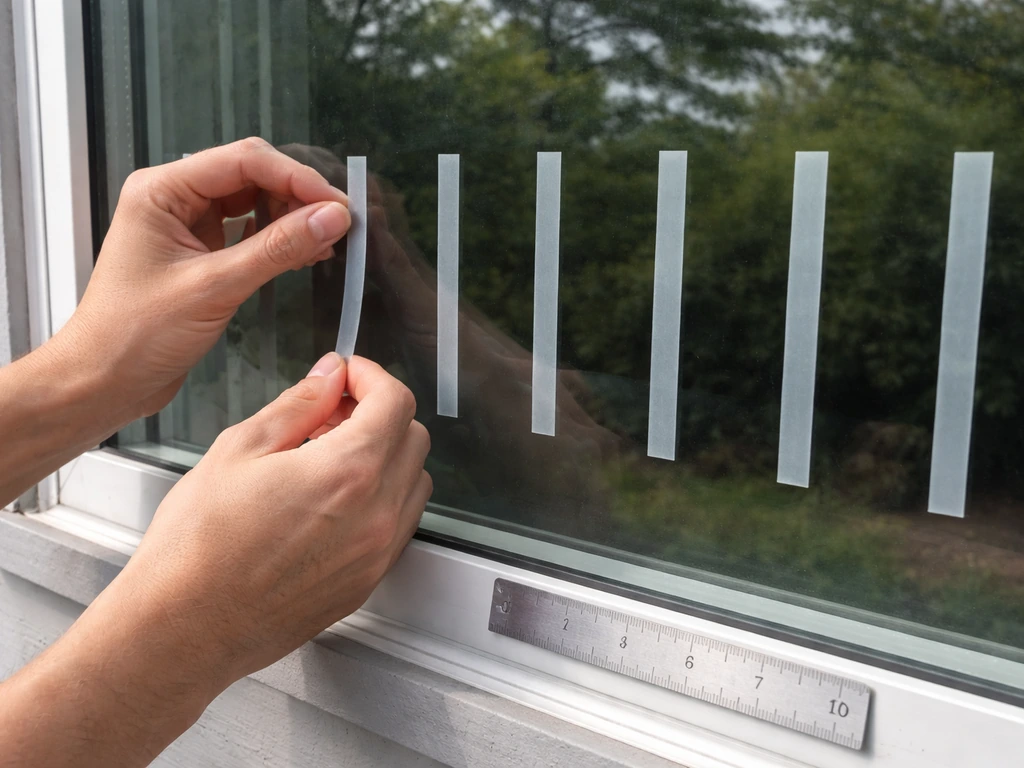
Most of these do not require special equipment or significant cost. They just require knowing what to do.
- Apply window collision deterrents using the 2x2 inch rule: external markers spaced no more than 2 inches apart vertically and horizontally. Frosted film, tape strips, or collision alert decals all work if they follow this spacing. A single hawk decal in the center of the window does not.
- Keep pet cats indoors or in a secured outdoor enclosure. This is the single highest-impact action most pet owners can take for bird conservation.
- Turn off or dim exterior building lights during migration months, roughly March through May and August through November.
- Stop using anticoagulant rodenticides or switch to bait stations that prevent non-target wildlife access. First-generation anticoagulants or snap traps are less dangerous to birds of prey.
- Remove standing water that breeds mosquitoes, especially during West Nile season in summer.
- Plant native species in your yard. Native plants support native insects, which are the food base for most songbirds.
- Clean bird feeders and baths at least once a week, more often during warm weather. Contaminated feeders are a vector for trichomoniasis and Salmonella.
- If you have pet birds indoors, eliminate PTFE-coated cookware, avoid aerosols and scented candles near their space, and never smoke around them.
- Move feeders either within 3 feet of a window (so birds cannot build up enough speed to be injured if they do hit it) or more than 30 feet away from any glass.
- If you manage roadside habitat, mow after nesting season when possible, and avoid creating attractive ground-nesting habitat directly adjacent to high-speed roads.
If you want to go deeper on any specific threat, community discussions around what can kill a bird often surface real-world scenarios and edge cases that official sources do not always cover. And if you are dealing with a sick or injured bird right now, your first call should be to a local wildlife rehabilitator or avian vet, not a general-practice clinic.
FAQ
What should I do first if I find one dead bird in my yard or on my street?
If you find a single dead bird, focus on immediate safety and pattern tracking rather than diagnosis on your own. Wear gloves, keep pets and kids away, bag the carcass, and contact a local wildlife rehabilitator or public health agency for guidance, especially if you suspect disease or there are multiple dead birds nearby.
Do bird feeders increase the risk of bird deaths, and how can I use feeders more safely?
Feeding more birds does not automatically mean more deaths, but it can raise disease risk when conditions are poor. Clean and disinfect feeders and water sources regularly, remove old or wet seed, avoid overcrowded areas, and consider using feeder designs that reduce spillage because damp residue supports pathogens.
If a bird hits a window and flies off, should I still take action?
After a window collision, do not assume the bird is fine because it flew away. Injuries can show up later as lethargy, disorientation, or difficulty breathing. If you see the bird again, keep it in a safe, quiet box with good ventilation and contact a rehabilitator for next steps.
What’s the most practical way to reduce building lights during migration if I can’t turn everything off?
For Lights Out, target the brightest exterior areas and avoid illuminating areas where birds concentrate during migration, such as vegetation edges and open paths. Use timers or motion sensors where possible, and ensure interior lights are minimized near windows during peak migration windows.
Why do some wildlife-vehicle mitigation projects work better than others?
Wildlife underpasses help most when paired with guidance fencing so animals know where to cross. If you’re managing a site, prioritize “both sides” solutions, roadside vegetation management (reduce tall grass in right-of-ways), and speed reduction near known crossing areas.
Are collars with bells or deterrents enough to stop cat predation?
Cats are not managed only by “having a collar,” and bells do not reliably prevent hunts. The highest-impact option is keeping cats indoors, ideally with supervised outdoor time using cat enclosures or leashed walks, and removing incentives like easy perches or access routes to bird hotspots.
How can I reduce bird deaths near roads without harming nesting birds?
Yes, but the timing matters. If you mow or trim roadside vegetation during the wrong season, you can remove nesting cover or push birds into higher-risk areas near traffic. Coordinate with local guidance, and avoid major clearing during peak nesting where possible.
If I notice a cluster of dead birds near power lines or a road, what details should I include when reporting it?
Reporting helps most when you provide context: approximate location, dates, number of birds, species if known, and whether multiple carcasses are found within a short distance. For power lines and roadways, also note if birds are dropping near a specific pole or stretch of line so utilities can assess high-risk segments.
After a die-off, what cleaning steps reduce the chance of spreading disease to other birds?
Clean up bird-safe materials, not just carcasses. Remove spilled seed, drain standing water, and check for mold or dampness around feeders. For potential disease exposure, use gloves, disinfect hard surfaces, and follow local disposal instructions rather than discarding carcasses in household trash without guidance.
If rodenticide is the cause, why do dead birds sometimes appear days after the poisoning?
Anticoagulant rodenticide risks often involve delayed collapse, so you might not see immediate symptoms in a raptor or scavenger. The prevention move is switching to alternatives where feasible, using professional-grade baiting in tamper-resistant stations, and eliminating accessible poisoned rodents by coordinating with pest managers.
How do I tell whether lead in the environment is the cause, and what should I do safely?
If you suspect lead exposure, consider multiple sources, not just obvious ones. Remove access to lead-based fishing weights, scrape or cover deteriorating painted surfaces, and test soil or aquarium-style substrate when contamination is plausible. In bird cases, diagnosis and chelation decisions must be made with an avian vet.
What indoor hazards are most likely to kill a pet bird quickly, even if the exposure seems brief?
For pet birds, “safe ventilation” is not enough if a product can release toxic fumes. Avoid cooking or heating nonstick coatings (like PTFE) beyond safe temperatures, and treat aerosols, candles, and air fresheners as high-risk in enclosed rooms. If symptoms start, stop exposure immediately and seek avian veterinary care.
If I suspect an infectious outbreak (like multiple dead waterfowl), can I safely handle the carcasses myself?
Avoid handling sick or dead wild birds with bare hands because pathogens can spread through contact and contaminated surfaces. For HPAI-type events, follow state instructions for PPE and disposal, and do not bring carcasses into home areas. If cleanup is needed, do it with guidance from local authorities.
What’s the safest way to transport an injured wild bird or a pet bird to a professional?
If a bird is injured, transport matters. Put the bird in a dark, quiet container with breathable ventilation, minimize food and water during transport, keep the bird warm but not overheated, and contact an avian vet or wildlife rehabilitator for pickup timing.
What should I do with feeders if I suspect trichomoniasis in my local birds?
If trichomoniasis or similar illnesses are suspected from shared feeders, stop communal feeding for a short period and sanitize feeding equipment thoroughly. Replace seed, reduce crowding, and consider using separate feeding stations so birds do not congregate at one point.