
Even a small amount of chocolate can seriously harm or kill a bird. There is no safe threshold, and the idea that "just a tiny bite" is fine is one of the most dangerous misconceptions in pet bird care. If your bird just ate chocolate, the short answer is: contact an avian vet or a 24/7 animal poison hotline right now, before you finish reading this article.
How Much Chocolate Can Kill a Bird: Dose, Symptoms, First Aid

Maya Chen
11 Apr 2026
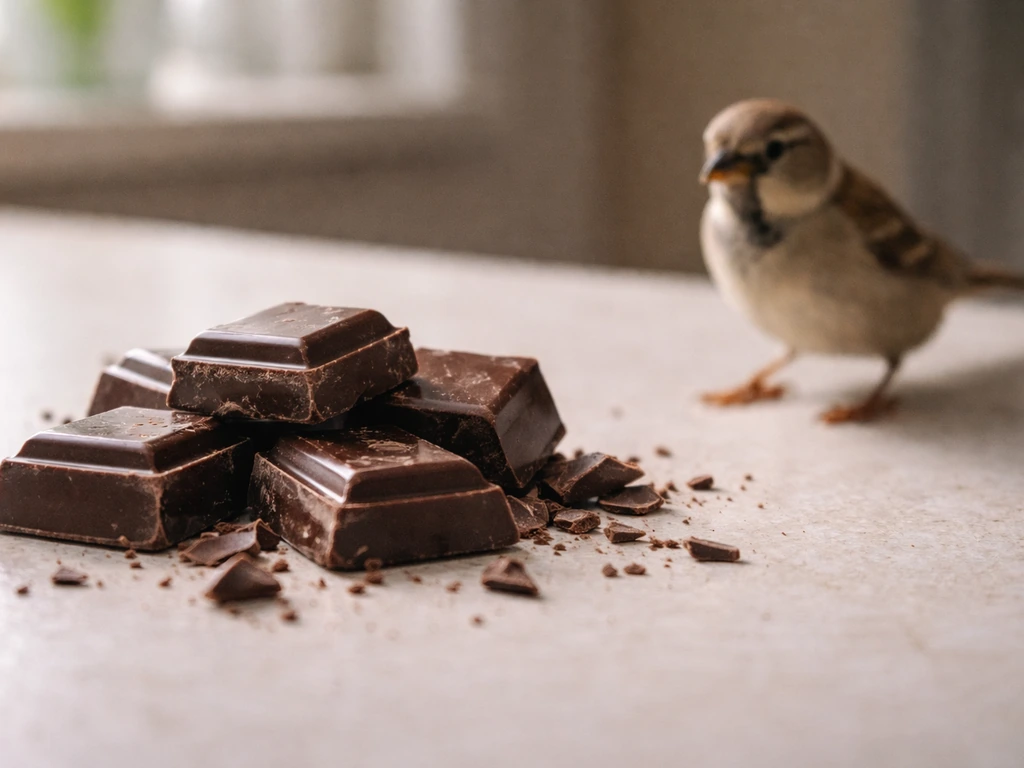
Why chocolate is so dangerous for birds
Chocolate contains two closely related compounds: theobromine and caffeine. Both belong to a class called blank" rel="noopener noreferrer">methylxanthines, which are rapidly absorbed from the gut and spread throughout the body. In birds, these compounds hit two systems especially hard: the central nervous system and the heart. The result is a combination of neurological overstimulation and dangerous cardiac arrhythmias, which is why chocolate toxicosis can escalate from mild discomfort to death faster than many owners expect.
There is no antidote. Treatment is entirely supportive, meaning a vet manages the symptoms (seizures, heart rhythm problems, fluid loss) while the toxins work their way out of the body. That process can take 24 to 48 hours, and in serious cases birds need to stay in a clinic for monitoring the entire time. That reality alone should reframe how you think about chocolate around pet birds.
If you want a broader picture of the household hazards that threaten pet birds, things that can kill your bird covers the full landscape well, but chocolate deserves its own close look because the dose-response relationship is so steep and so poorly understood by most owners.
How much chocolate can actually harm or kill a bird
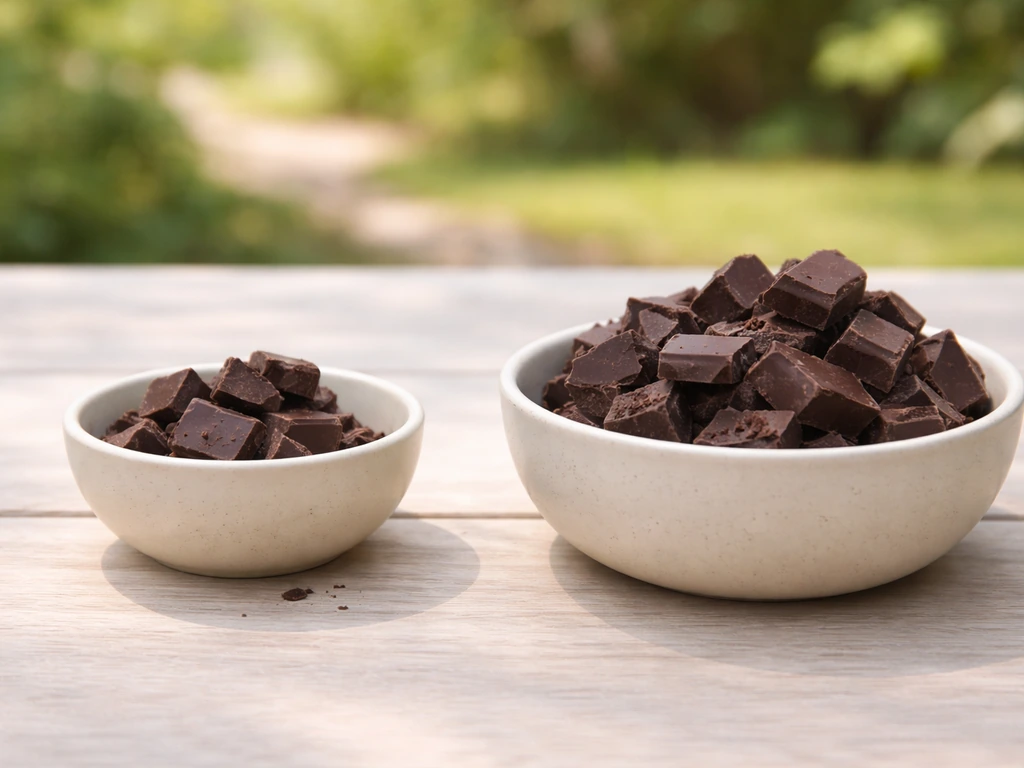
Here is where things get complicated, but also where the numbers become genuinely useful. The toxicity is driven by total methylxanthine load (theobromine plus caffeine combined), measured in milligrams per kilogram of the bird's body weight. Based on what veterinary toxicologists use for mammals, mild signs can appear around 20 mg/kg of combined methylxanthines, serious signs at 40 to 50 mg/kg, and seizures at around 60 mg/kg. Birds are generally considered more sensitive than dogs or cats, so these figures likely represent a ceiling, not a floor, for avian patients.
To make those numbers concrete, you need to know how much methylxanthine is in the chocolate your bird ate. The concentrations vary dramatically by type:
| Chocolate type | Approx. methylxanthine content | Methylxanthines per 1 oz (28 g) |
|---|---|---|
| Cocoa powder (dry) | ~28.5 mg per gram | ~798 mg per oz |
| Dark / semisweet chocolate | ~5.3–5.6 mg per gram | ~150–160 mg per oz |
| Milk chocolate | ~2.3 mg per gram | ~64 mg per oz |
| White chocolate | Negligible | Essentially zero |
Now apply those numbers to a real bird. A budgerigar (parakeet) weighs roughly 30 to 40 grams. At the 20 mg/kg threshold for mild signs, that bird would need to absorb only 0. 6 to 0.
8 mg of combined methylxanthines before you might see early symptoms. A single small nibble of dark chocolate (even 0. 1 to 0. 2 grams) delivers 0.
5 to 1. 1 mg of methylxanthines, which puts a small bird well into the risk zone. For a larger bird like an African Grey (around 400 g), the math is more forgiving but still not safe: 400 g at 20 mg/kg means 8 mg total triggers mild signs, which is just 0. 05 grams of cocoa powder or about half a gram of milk chocolate.
What this means in plain terms: there is no "safe" nibble size for small birds, and even medium-to-large birds face real risk from amounts that look trivial to a human. Any chocolate exposure should be treated as a potential emergency.
Factors that change how dangerous the exposure is
The dose numbers above are estimates, and several real-world factors can push risk higher or lower. Understanding them helps you communicate clearly with a vet.
- Bird size: A 30-gram budgie needs far less chocolate to reach a dangerous dose than a 1-kilogram macaw. Smaller birds have almost no margin.
- Chocolate type: Cocoa powder and baking chocolate are the most dangerous by weight. Dark chocolate is next. Milk chocolate is lower risk but not safe. White chocolate contains negligible methylxanthines but may contain other harmful ingredients like sugar and fat.
- Amount consumed: More chocolate means more methylxanthines absorbed. Even if the type is "lower risk," a large quantity is still dangerous.
- Speed of treatment: The faster a vet intervenes (within 1 to 2 hours of ingestion), the better the chance of limiting absorption before full distribution through the body.
- Pre-existing health: Birds that are already ill, elderly, or immunocompromised have less physiological reserve to handle the cardiovascular and neurological stress.
- Mixed products: Chocolate-covered items (raisins, nuts, dried fruit) introduce additional toxins. Raisins are toxic to birds independently. Always tell your vet exactly what product was eaten, not just "chocolate."
It is also worth noting that product composition varies by brand and batch. The mg/g figures in the table above are averages. Any calculation you do is an estimate, which is one more reason to call a professional rather than try to self-triage at home.
Symptoms to watch for, and how fast they can appear
Symptoms can begin within one to four hours of ingestion, depending on how much was eaten and how quickly it was absorbed. They tend to follow a progression from mild to life-threatening:
- Early signs: vomiting, loose or watery droppings, increased thirst, restlessness
- Moderate signs: hyperactivity or agitation, rapid breathing, visible trembling or muscle twitching
- Serious signs: rapid or irregular heartbeat (you may notice the bird's chest moving fast), loss of coordination, weakness, difficulty perching
- Severe signs: seizures, collapse, loss of consciousness, coma
- Outcome without treatment: death
The tricky part with birds is that they instinctively mask illness, so by the time you notice obvious symptoms, the toxin load may already be significant. Do not wait for symptoms to appear before calling for help. If you know your bird ate chocolate, act immediately.
If you are ever unsure whether something your bird encountered could be causing a rapid decline, what can kill a bird instantly explains which exposures carry the highest risk of sudden collapse, which helps put chocolate's timeline in perspective.
What to do right now if your bird ate chocolate
Step 1: Stay calm and move the bird to a safe, warm spot
Remove your bird from the area where the chocolate is. Place it somewhere quiet and warm (around 85 to 90°F / 29 to 32°C if possible) to reduce stress and help maintain body temperature, which can become unstable during toxicosis.
Step 2: Do NOT induce vomiting
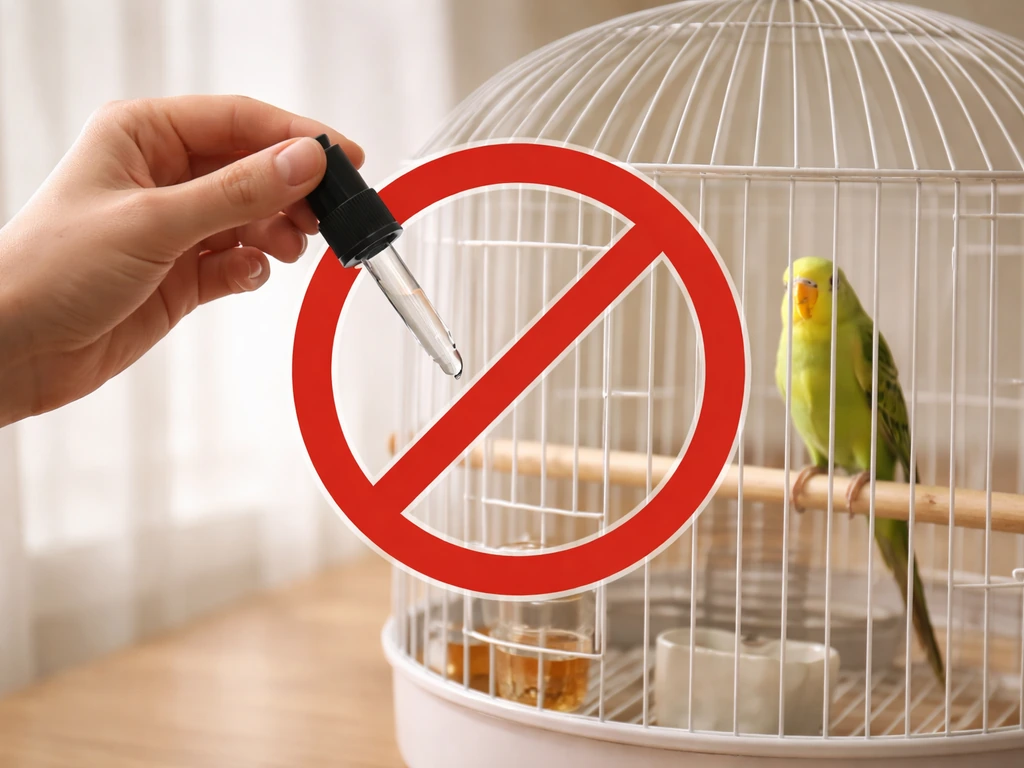
This is critical. Do not attempt to make your bird vomit. Unlike dogs, birds do not vomit easily, and attempting to force it can cause aspiration or injury. Activated charcoal administration also requires veterinary supervision because of risks like electrolyte abnormalities. Do nothing invasive without professional guidance.
Step 3: Call a vet or poison hotline immediately
Contact one of these right away: your avian veterinarian, the Pet Poison Helpline (available 24/7 by phone and chat), or the ASPCA Animal Poison Control Center (888-426-4435 in the US). Have the following information ready: your bird's species and approximate weight, the type and brand of chocolate eaten, your best estimate of how much was consumed, and when it happened. The more specific you are, the better the guidance you will get. Note that poison services operate by phone and chat only, not email, so call rather than message.
Step 4: Get to an avian vet if advised
If the poison helpline or your vet recommends coming in, go immediately. Do not wait to see if symptoms develop. Time is the most important variable here. Treatments like activated charcoal (to reduce absorption), IV fluids, anti-seizure medications, and cardiac support all work better the earlier they are started. In serious cases, your bird may need to stay at the clinic for 24 to 48 hours of monitoring.
Comparing chocolate types: which ones are most dangerous
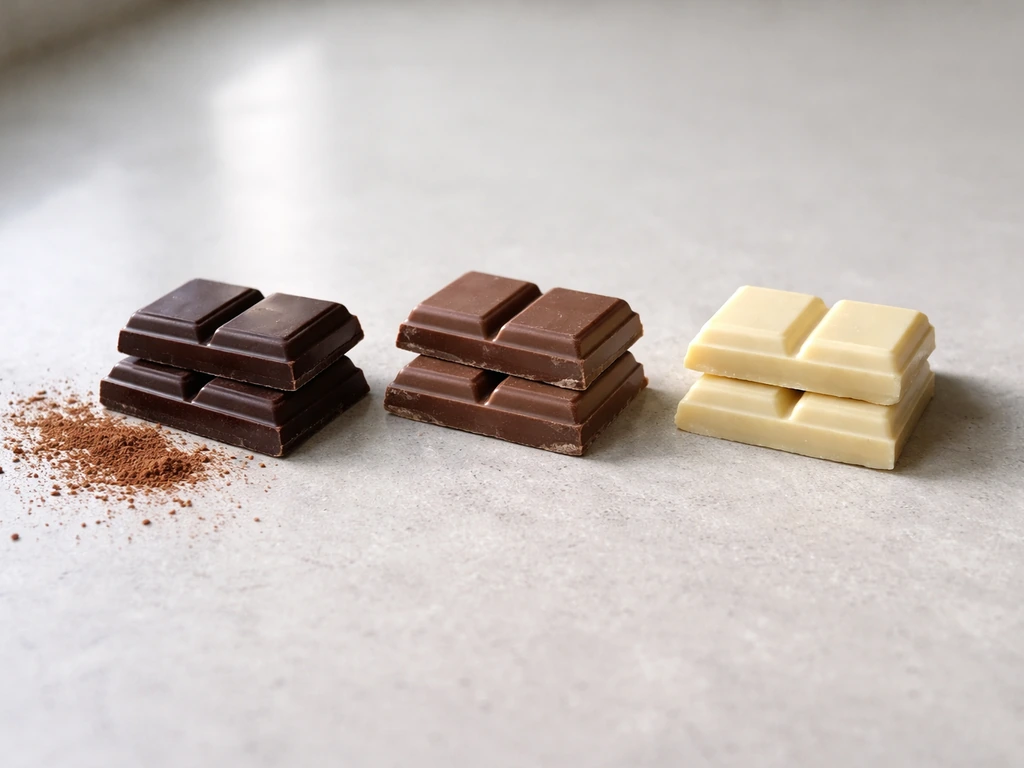
People often assume that "just milk chocolate" or "white chocolate" is safe for birds. This comparison puts the risk in clearer perspective. White chocolate is the least dangerous from a methylxanthine standpoint, but that does not mean it is safe overall (high fat and sugar content can cause other problems). And cocoa powder, which might be in a baked good your bird finds on the counter, is extraordinarily concentrated.
| Chocolate type | Risk level | Why | Verdict |
|---|---|---|---|
| Cocoa powder / baking cocoa | Extremely high | ~28.5 mg/g methylxanthines — highest concentration | Even a few milligrams is dangerous for small birds |
| Baking/dark chocolate | Very high | ~5.3–5.6 mg/g — small amounts reach toxic dose fast | No safe quantity for any pet bird |
| Semisweet chips | High | Similar to dark chocolate | Avoid completely |
| Milk chocolate | Moderate-high | ~2.3 mg/g — lower but not negligible | Still toxic; do not assume small amounts are fine |
| White chocolate | Low (methylxanthines only) | Negligible theobromine/caffeine content | Not toxic from methylxanthines, but other ingredients may cause issues; still not a recommended treat |
The takeaway: the darker and more "pure" the chocolate, the more dangerous it is by weight. But no form of chocolate belongs anywhere near a pet bird's diet.
Preventing chocolate exposure in a bird household
Prevention is straightforward once you treat chocolate like the toxin it is. Birds are curious foragers, and they will investigate anything left on a countertop, table, or open bag. The habits that protect them are the same habits that protect toddlers from household hazards.
- Store all chocolate, cocoa powder, and baking ingredients in closed cabinets or drawers, not on counters or tables where a free-flying bird could land.
- Never eat chocolate while your bird is out of its cage. A bird can swoop in and grab a piece faster than you can react.
- Educate everyone in the household, including children and guests, that chocolate is toxic to birds, not just "not great for them."
- Be especially cautious around holidays (Easter, Christmas, Valentine's Day) when chocolate is more likely to be left out in decorative bowls or gift boxes.
- Check the ingredients of any commercial bird treat you buy. Some "flavored" products use cocoa or chocolate derivatives.
- Keep your avian vet's number and the Pet Poison Helpline number posted somewhere visible in the kitchen.
Safer treat alternatives
Birds do not need chocolate. They are perfectly happy with treats that are actually safe. Fresh fruits like apple slices (seeds removed), banana, mango, and melon are enjoyed by most species. Leafy greens, cooked plain rice, and small amounts of cooked egg are also well tolerated. The key is variety and moderation, not mimicking human food. If you want to give your bird something special, stick to foods that have a track record in avian nutrition rather than sharing what you are eating.
Avocado is another common kitchen item that people sometimes assume is healthy and bird-safe because it is "natural." It is not. How much avocado will kill a bird walks through that risk in the same detail as this article covers chocolate, and it is worth reading if you cook with avocado at home.
Busting the "just a little won't hurt" myth
The most dangerous belief bird owners carry is that a small amount of a toxic food is harmless. For chocolate and small birds, the math does not support that. A 30-gram budgie can reach the threshold for mild methylxanthine toxicity from a crumb of dark chocolate, and the margin between "mild signs" and "serious signs" is not large. The dose-response curve is steep.
This is not about being alarmist. It is about understanding that birds are physiologically very different from humans and even from dogs. What a human metabolizes without noticing can overwhelm a bird's system entirely. Leading causes of bird deaths makes clear that accidental poisoning from household foods and chemicals is a significant and preventable category of avian mortality.
Chocolate belongs on the same mental list as what can kill a bird: a real, well-documented hazard, not a theoretical one. Treating it that way, every time, is the only habit that actually protects your bird.
Keeping the bigger picture in mind
Chocolate is one item on a longer list of foods and household hazards that bird owners need to actively manage. If you have recently adopted a bird or are reviewing your home setup, 10 things that can kill your bird is a practical starting point for auditing the full range of risks. And if you are ever unsure whether a specific behavior, environment, or item is dangerous, a dirty cage can kill a bird is a good example of how even subtle, chronic hazards deserve the same attention as acute ones like chocolate.
The bottom line is that bird ownership requires knowing which human foods are off-limits, and chocolate is near the top of that list. The moment you see or suspect your bird has eaten any amount of it, call a professional. In a CatAdvice discussion about a cat that drank chocolate milk, owners also described chocolate-toxicity concerns and the need to act promptly and blank" rel="noopener noreferrer">call a professional even when the exposure seems small. Do not wait for symptoms. Do not guess at whether the amount was "enough" to matter. Act immediately, and let a vet make that call with the actual numbers in front of them.
For more community-sourced perspectives and real owner experiences with toxic exposures, what can kill a bird instantly, discussed on Reddit aggregates some of the most commonly shared concerns and serves as a useful reality check on what bird owners actually encounter day to day.
FAQ
Does the “type” of chocolate matter, or is any chocolate equally dangerous for birds?
Any chocolate with cocoa or cocoa solids can be dangerous, but risk is higher with darker, more cocoa-rich products and items like cocoa powder. White chocolate has little to no theobromine compared with dark chocolate, yet it can still cause other problems (high fat and sugar), so it should still be treated as a potential emergency if ingestion is suspected.
My bird ate chocolate, but only a tiny crumb. Should I watch at home for a few hours instead of calling?
No. Symptoms can start within 1 to 4 hours, and birds often mask illness. If ingestion is known or strongly suspected, call a vet or a 24/7 poison service immediately, then follow their instructions on whether home monitoring is appropriate.
If my bird seems normal right now, does that rule out chocolate poisoning?
Not reliably. Early stages may be subtle, and life-threatening heart effects can develop after the toxin is absorbed. A temporary “normal” period does not mean the exposure was harmless, especially for small birds.
Should I estimate the dose from the package label, or is that too inaccurate to be useful?
Use label information if you have it, but assume it is an estimate. Cocoa content varies by brand and batch, and the amount actually eaten may be hard to judge (including chocolate that melted, smeared, or was partially swallowed). Provide your best estimate to the poison service, and be prepared to bring the bird in if they recommend it.
Is it ever safe to induce vomiting or rinse the crop if a bird ate chocolate?
Do not attempt it. Birds do not vomit easily, and forcing vomiting can cause aspiration or injury. Do not do home “detox” steps like syringing water or food either, unless a vet specifically directs you.
Can activated charcoal help if I administer it at home right away?
Usually not without veterinary guidance. While activated charcoal may reduce absorption, giving it incorrectly can lead to aspiration, incorrect dosing, and electrolyte problems. Poison control or your avian vet should tell you whether it is appropriate and how to do it safely.
What if I do not know the exact time the chocolate was eaten?
Give a time range, not an exact moment. Poison services can work with “around lunchtime” or “within the last few hours,” and the guidance may still change based on how long ago it likely happened and how much was eaten.
Does chocolate in baked goods (cookies, brownies) change the risk compared with plain chocolate?
It can. Baked goods can involve concentrated cocoa powder, mixed chocolates, and additional ingredients that may worsen dehydration or stomach upset. Also, portion size is harder to judge, so treat ingestion of any cocoa-containing food as a potential exposure and share the specific product with the vet.
My bird might have gotten into chocolate-dipped treats or chocolate frosting. Do I include the coating if it was mostly scraped off?
Yes, include it. Even small amounts of cocoa solids on a beak, toes, or feathers can be swallowed during preening. If you can see residue or suspect the bird licked it off, report that and do not assume the “off-chance” exposure was too small to matter.
Are seizure signs and heart problems the only symptoms I should look for?
No. In addition to neurologic signs and abnormal heart rhythm or weakness, expect possible vomiting-like symptoms (even if the bird does not truly vomit), lethargy, tremors, or dehydration. Report any abnormal breathing, marked restlessness, or collapse immediately, not after symptoms “settle.”
What should I do in the first 10 minutes after I find out about the exposure?
Move the bird away from the food source, keep it calm and warm (around 85 to 90°F / 29 to 32°C if possible), and gather information for the call: species, approximate weight, type/brand of chocolate, estimated amount, and time of exposure. Then contact your avian vet or poison service right away.
Can I wait until morning if this happened overnight?
If you suspect chocolate ingestion, do not wait. Poison guidance is available 24/7, and earlier treatment is typically more effective. Overnight delays are risky because toxin effects and heart changes can progress.
If multiple birds are out together, how do I handle it when only one likely ate chocolate?
Assume the others may have had access until you are sure. If you cannot confirm which bird ate it, contact poison help with counts and weights and ask whether each bird needs evaluation based on likelihood and exposure evidence (who was near the item, who had access to the bag or countertop).
Next Articles
How Much Avocado Will Kill a Bird: Risk and First Aid
Practical risk guide on how much avocado can harm birds, symptoms, what to do now, and safer alternatives.
What Can Kill a Bird Instantly: Causes and Prevention
Real causes of rapid bird death and myths behind instant kills, plus safe steps to rescue, report, and prevent hazards.
10 Things That Can Kill Your Bird: Immediate Safety Guide
10 fast and common threats to birds, from window strikes and toxins to predators and disease, plus instant safety steps