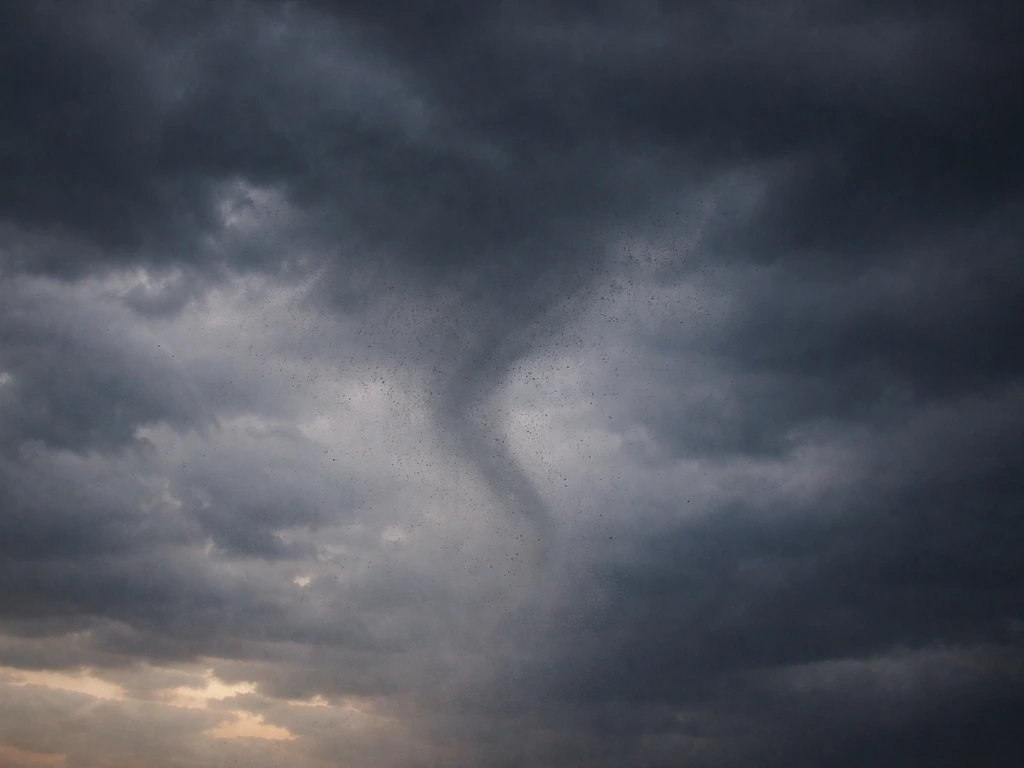
A 'bird fart tornado' is storm-chasing slang for a tiny, weak, short-lived tornado-like spinup, the kind that barely registers compared to a real supercell tornado. Think of it as the meteorological equivalent of a sneeze: a brief gustnado or minor spinup that forms along a thunderstorm's outflow or gust front, lasts maybe a few seconds to a minute, and then disappears. It's not a scientific term, it's not a biological event involving actual birds, and it has nothing to do with bird droppings raining down from the sky. While a bird fart tornado is just slang, you do not need to worry about whether a fart can kill a bird can a fart kill a bird. That said, if you landed here because you watched a massive flock of birds swirl overhead and got pelted with droppings in the process, keep reading, because that's a real thing and there's genuinely useful information below.
What Is a Bird Fart Tornado? Meaning, Risks, and Cleanup

What 'bird fart tornado' actually means (and the myth behind it)
The phrase shows up regularly on storm-chasing forums and weather hobbyist sites. Sky-Chaser likewise uses the term "bird fart tornado" to describe a brief, weak tornado-like gustnado spinup that is small compared with more intense tornadoes blank" rel="noopener noreferrer">the phrase shows up regularly on storm-chasing forums and weather hobbyist sites. blank" rel="noopener noreferrer">A classic use case: a chaser reports a 'bird-fart tornado' shortly after a supercell feature moves through, meaning a brief, underwhelming spinup that barely qualifies as a tornado. Weather sites like Weather.com describe the underlying phenomenon, a gustnado, as a quick spinup along a thunderstorm's gust front rather than a true tornado connected to a rotating mesocyclone. Storm chasers adopted 'bird fart' as colorful shorthand for just how weak and fleeting these events are.
So there's no myth to bust about birds actually causing tornadoes. The phrase is just slang. If you are wondering what makes a bird explode, it helps to separate myths and slang from real biological and environmental factors that could actually explain unusual bird behavior bird fart tornado. Where the confusion creeps in is when people see large flocks of birds moving in tight, swirling formations (a murmuration of starlings is the classic example) and describe it as tornado-like. That's fair as a description, but it's a biological behavior, not a weather event. The two occasionally get conflated online, especially when storm activity and heavy bird movement happen at the same time.
Why birds cluster and drop in certain weather and conditions
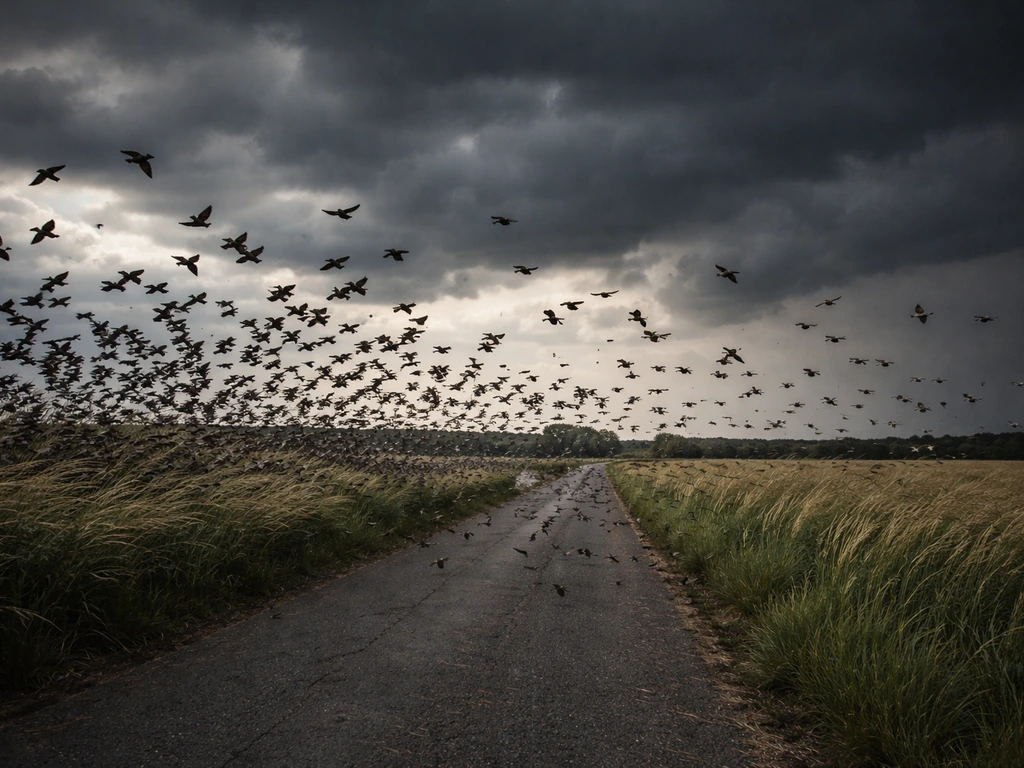
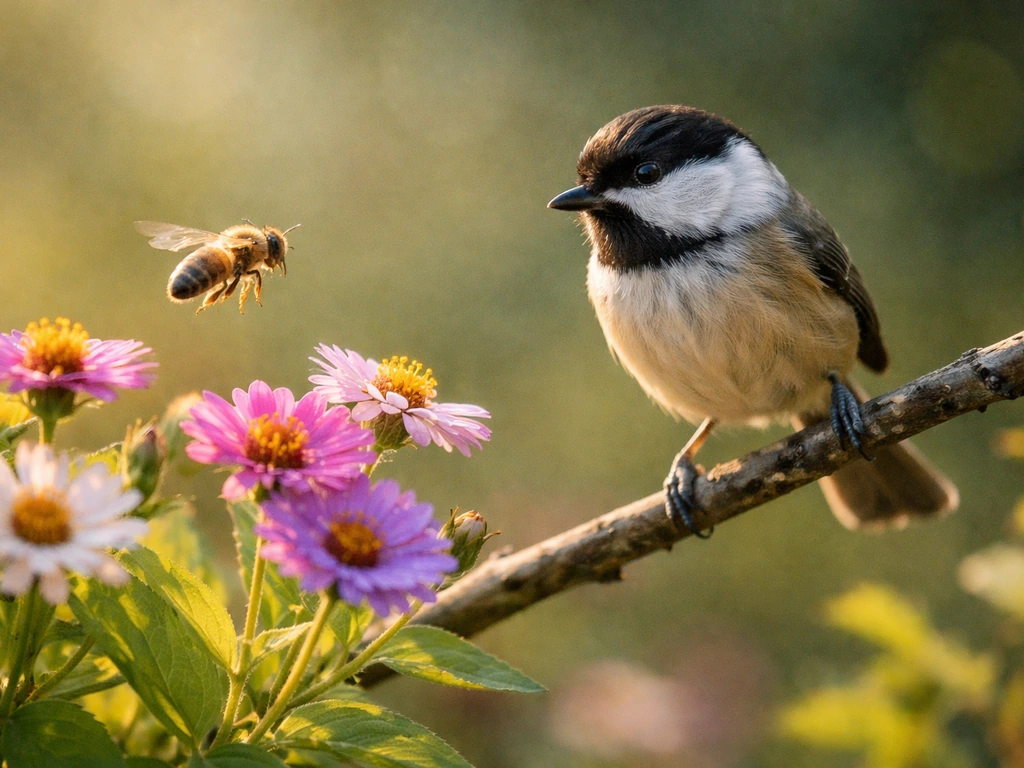
Birds are keenly sensitive to atmospheric pressure changes. Before and after storms, you often see sudden, concentrated bird activity: large flocks flying low, roosting together in unusual numbers, or moving through an area quickly. Starlings, blackbirds, and grackles are particularly famous for forming dense, swirling murmurations that can look eerily tornado-like from below. These formations are predator-avoidance behavior, not storm-chasing.
Thermal updrafts also concentrate birds. Raptors and larger soaring birds ride rising warm air in tight circles, which from the ground can look like a spinning column. Migratory corridors funnel thousands of birds through narrow geographic areas, especially during spring and fall. When a roost of tens of thousands of birds suddenly takes flight and passes over a parking lot or backyard, the volume of droppings falling in a short window can genuinely look like it came out of nowhere, giving the 'tornado' impression.
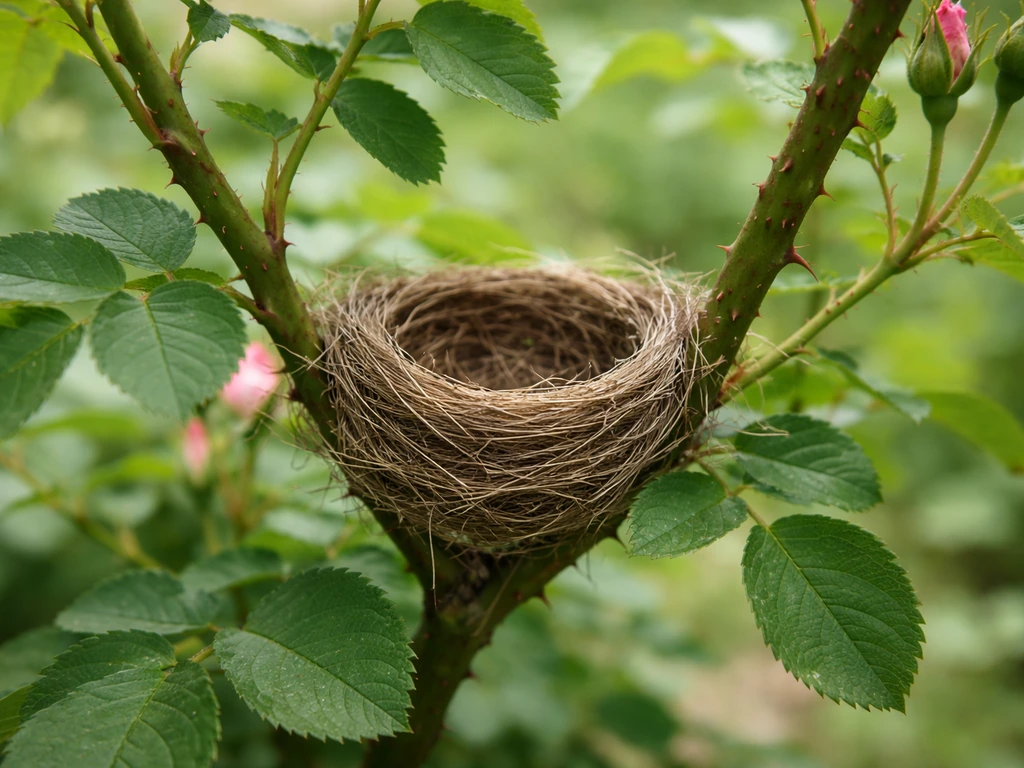
Roosting is the other big driver. Birds often return to the same trees, power lines, or building ledges night after night. A single large roost can deposit a surprising amount of waste in one concentrated area. This isn't random, it's habitual and predictable once you know where to look.
Real health risks from bird droppings
Bird droppings can carry pathogens, and this is worth taking seriously rather than dismissing. The main concerns at a general public level are fungal and bacterial. Histoplasma capsulatum, the fungus responsible for histoplasmosis, grows in soil enriched by bird (and bat) droppings. Breathing in disturbed spores is how infection happens, and it's more of a risk when droppings are old and dry rather than fresh. Cryptococcus neoformans, another fungus, is associated with pigeon droppings specifically. Bacterial concerns include Salmonella and Campylobacter, which can be present in fresh droppings.
For most healthy adults, a passing exposure outdoors is low risk. The risk climbs significantly in enclosed or poorly ventilated spaces where droppings accumulate, or when dry sweeping or vacuuming aerosolizes the material. Immune-compromised individuals, infants, and people with existing respiratory conditions face higher risk from the same exposure. Eye or mucous membrane contact with fresh droppings is also a specific concern and warrants washing immediately.
It's worth noting that concerns about gases from bird droppings exist in a related context: owners of pet birds sometimes worry about what their birds breathe in an enclosed space. Whether a rat would kill a bird depends on the species and situation, but rats can be opportunistic predators in some settings would a rat kill a bird. The respiratory hazard from droppings is primarily from dried, aerosolized particles rather than gas emissions, which is a useful distinction to keep in mind.
Got hit? How to clean up safely right now
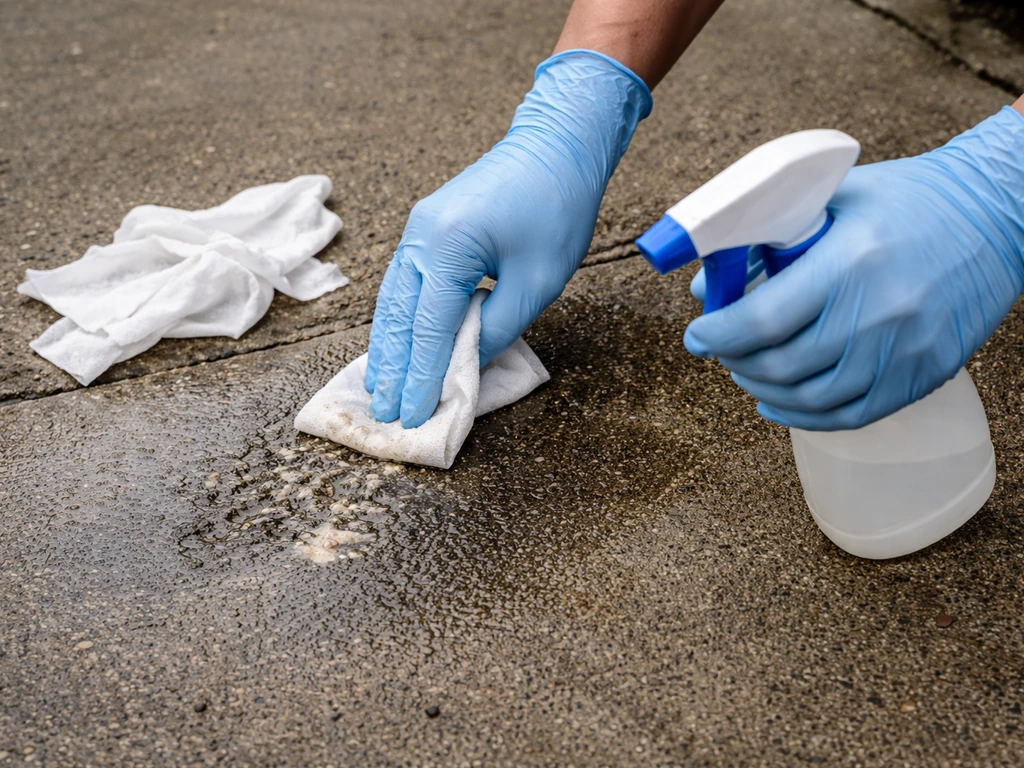
If you've been hit by bird droppings or found a heavy accumulation, here's the practical cleanup sequence:
- Don't dry sweep or vacuum. This is the most important rule. Dry disturbance aerosolizes fungal spores and bacteria directly into your breathing zone. Wet the area first.
- For small amounts on skin or clothing: rinse with water immediately, then wash with soap. Avoid touching your face or eyes before washing your hands.
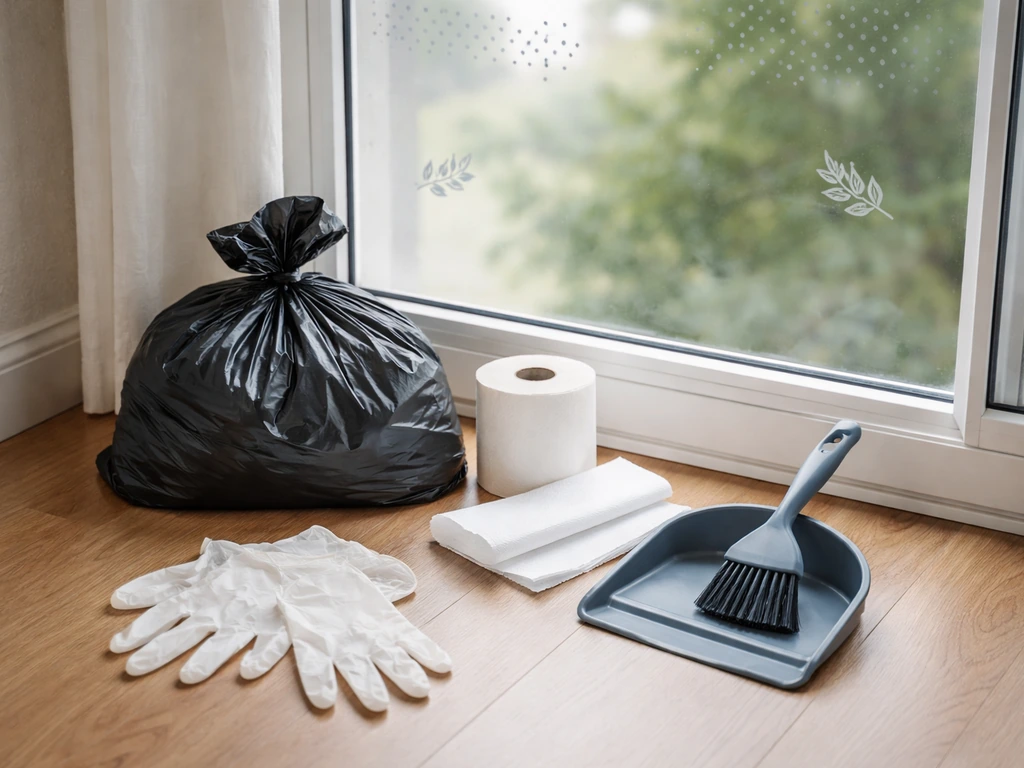
- For surfaces outdoors (patio, car, sidewalk): mist the droppings lightly with water or a diluted disinfectant spray to dampen them, then wipe up with paper towels or disposable cloths. Bag and discard.
- For larger accumulations (a roost area, a ledge, under a tree): wear disposable gloves and, if the area is enclosed or the accumulation is significant, an N95 respirator. Dampen thoroughly before disturbing anything.
- Use a diluted bleach solution (1 part bleach to 9 parts water) or a commercial disinfectant approved for organic material to clean the surface after removing bulk droppings.
- Wash your hands thoroughly with soap and water after any cleanup, even if you wore gloves.
- Bag all used gloves, paper towels, and disposable materials in a sealed plastic bag before placing in the trash.
For clothing that was hit, pre-rinse before putting it in the washing machine. Wash separately from other items on a hot cycle if the fabric allows it.
When to actually worry and when to call a professional
Most outdoor bird dropping encounters don't require more than the cleanup steps above. But there are specific situations where the risk is genuinely higher and you should either escalate your protective measures or call in a professional remediation service: If you are wondering, "can a bee sting kill a bird," the answer depends on the severity of the sting and whether anaphylaxis occurs genuinely higher.
- Large accumulations in enclosed or poorly ventilated spaces (attics, crawl spaces, wall cavities, barns). This is the highest-risk scenario for inhaling fungal spores.
- Accumulations measured in inches rather than specks. Heavy roost deposits that have been building up for months or years are much more likely to harbor Histoplasma.
- You or someone in your household is immune-compromised, on chemotherapy, has HIV, or has a chronic lung condition. Even moderate exposures carry more risk in these cases.
- Eye exposure to fresh droppings: rinse thoroughly with clean water for several minutes and consult a doctor if irritation persists.
- You develop respiratory symptoms (cough, fever, shortness of breath) within 3 to 17 days of a significant exposure to bird or bat droppings. Histoplasmosis can mimic flu symptoms. Tell your doctor about the exposure.
- The affected area is a shared space (playground, HVAC intake, water source area) where contamination could spread to others.
Professional wildlife remediation companies handle large-scale bird dropping cleanup regularly. They have the right respiratory protection, containment procedures, and disposal methods to do it without spreading contaminants. For attic or enclosed-space cleanups especially, the cost of hiring a pro is usually worth it compared to the risk of a DIY job gone wrong. If you're unsure about the scale of the problem, getting a professional assessment first is a reasonable call.
How to prevent heavy bird dropping buildup around your home
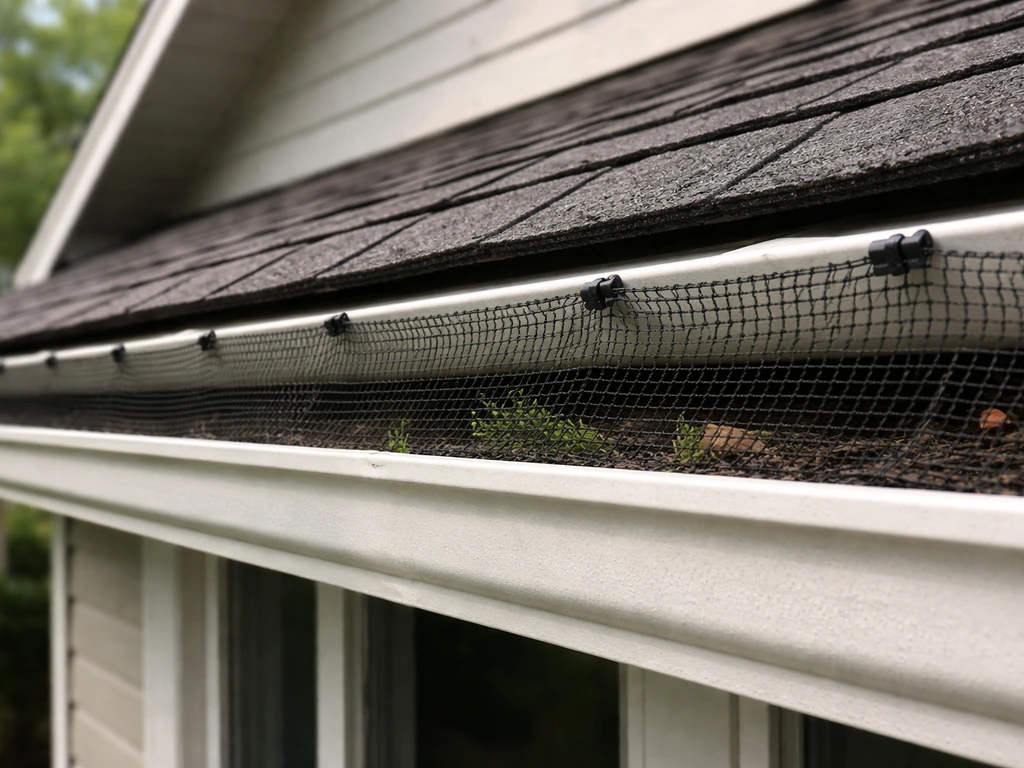
Prevention is much easier than repeated cleanups. The goal is making your property less attractive as a roosting or congregating site, without harming the birds. However, bird droppings can affect plants, so if you are wondering will a bird nest kill a plant, it depends on where the nest is and how much buildup happens.
- Install physical deterrents on ledges, roof peaks, and railings: bird spikes (blunt plastic or stainless steel strips) make landing uncomfortable without injuring birds.
- Use bird netting to block access to attic vents, eaves, or covered areas where birds are nesting or roosting. Install it before nesting season begins (late winter to early spring in most of the US).
- Remove food sources. Unsecured garbage, outdoor pet food, and spilled birdseed on the ground attract both birds and the insects they feed on. Clean up spills promptly.
- Trim back tree branches that hang directly over frequently used outdoor spaces like patios, decks, and driveways. This won't eliminate the problem but it reduces the volume hitting those surfaces.
- Cover outdoor furniture and vehicles with tarps during periods of high bird activity, particularly during migratory seasons (spring and fall).
- For persistent roosting on specific structures, reflective tape, predator decoys (owl silhouettes with moving parts work better than static ones), or motion-activated water sprinklers can be effective deterrents.
- Seal gaps in roof soffits, fascia boards, and attic vents with hardware cloth or appropriate mesh before birds establish a roost inside. Once birds are nesting, removal timing is legally restricted in many areas because of migratory bird protections.
- If you have a bird bath or feeder and want to keep it while reducing health risk, clean the bath every two to three days and the feeder weekly with a diluted bleach solution, rinse thoroughly, and allow to dry before refilling.
Consistent deterrence is more effective than reactive cleanup. Once birds establish a roost as a habit, they return to the same spot reliably. Breaking that habit early, or blocking access before it starts, is the most practical long-term strategy. If you're dealing with a stress response in a pet bird rather than a wild bird problem, that's a different set of concerns entirely and worth exploring separately, as stress in captive birds can present its own health risks. Stress can be dangerous for some birds, so if your pet seems unwell or unusually reactive, it's worth discussing with a vet stress in captive birds. In pet birds, severe stress or breathing-related injuries can be serious, so if you suspect an air sac rupture, it is an emergency that needs veterinary care right away stress response in a pet bird.
FAQ
If someone says “bird fart tornado,” should I be worried about something toxic falling from the sky?
It can, because a “bird fart tornado” is just slang for a weak, short-lived spinup like a gustnado. The actual health risk people notice usually comes from bird droppings and debris associated with birds being concentrated in the same place and time, not from any kind of fart or biological event.
How can I tell a bird flock swirl from a real tornado or a gustnado?
Look for the mismatch in timing and behavior. Weather spinups (gustnados) form briefly along storm outflow and typically move with the storm feature. Bird swirls or tight flocks (like starlings) are biological patterns that can persist and reoccur regardless of whether a tornado-like spinup is present.
Can I get pelted with droppings even if there is no tornado?
Yes, the “droppings everywhere” effect can be real even without a tornado. Large roost takeoffs or migratory surges can produce a brief, heavy window of waste in a localized area, especially under power lines, tree canopies, or building ledges where birds habitually gather.
Is it safer to hose bird droppings or to dry sweep them?
Dry, disturbed droppings are the main problem because they can become airborne dust. If you have to clean, avoid dry sweeping and use damp methods instead, then ventilate the area. The highest-risk scenario is enclosed spaces where particles accumulate.
When does cleanup move from “home care” to “call a professional”?
For most people after an outdoor incident, a basic rinse and washing is enough. Escalate protection or consider professional help when the buildup is extensive (for example, attic, HVAC intake area, or months of accumulation), when dust is visible, or when anyone cleaning has asthma or a weakened immune system.
What should I do if bird droppings get in my eyes?
If you got droplets in your eyes, flush immediately with clean water or saline for several minutes, and remove contact lenses right away if applicable. If you develop persistent irritation, redness, pain, or vision changes, get medical care rather than waiting.
Odor is strong in my garage. Does that change how I should clean?
If you can smell strong ammonia-like odors or see heavy contamination in a confined area, assume higher airborne particle risk. Odor alone does not guarantee a specific pathogen, but it usually signals abundant material, so use respiratory protection, contain the area, and avoid spreading dust.
What protective gear is actually useful for bird dropping cleanup?
Wear gloves and eye protection, and if you are dealing with old, dry buildup or any dust, use a properly fitted respirator rated for particulates. Regular dust masks may not seal well, so fit matters, especially in attics and other enclosed spaces.
What’s the best way to prevent repeat roosting without harming the birds?
Yes, roost prevention often works better when you address entry points early. Target the specific perching or landing spots (ledge, wire, or tree line) and remove food attractants, but avoid lethal measures unless local rules require it and you are using approved wildlife guidance.
Why do birds act strange right before a storm if there isn’t a tornado?
Yes, bird activity can be intense before and after storms without any storm-related spinup occurring at your location. Sudden movements can reflect pressure changes, wind shifts, and temperature gradients that affect where birds fly and feed, so don’t treat bird behavior as proof of a tornado event.