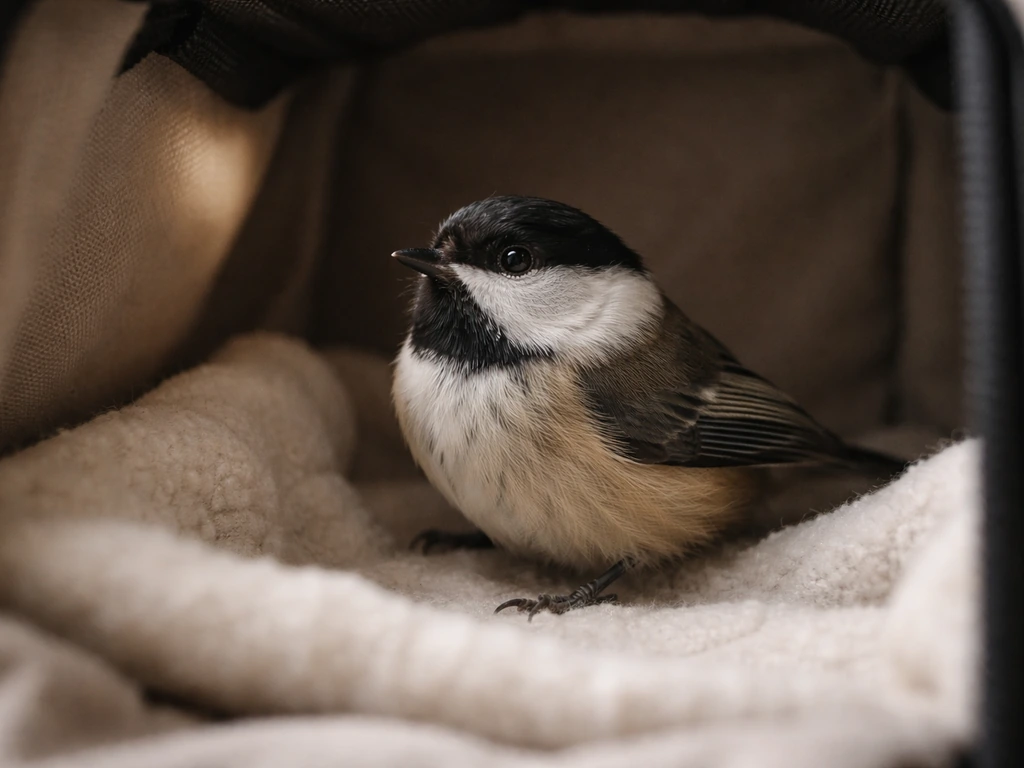
Yes, rats can and do kill birds. If you are wondering about other unusual claims like whether a fart could kill a bird, it is extremely unlikely and there is no credible reason to treat it as a real threat can a fart kill a bird. It is not a rare freak event. Rats are opportunistic predators and scavengers, and under the right conditions, they will go after eggs, nestlings, chicks, and even small adult birds. A US Forest Service camera study on artificial open and cavity nests reported rodents, including rat-associated predators, as potential nest predators alongside other species blank" rel="noopener noreferrer">camera studies on artificial open and cavity nests documented rodents as potential nest predators. That said, a healthy adult bird out in the open is not easy prey, so context matters a lot. The risk is highest when birds are confined, nesting, very young, or injured, and lowest when they have space to escape and no nest to defend. If you are also wondering about unusual bird-related events, see what is a bird fart tornado for a quirky example of how strange bird behavior claims can spread online.
Would a Rat Kill a Bird? Signs, Risks, and Prevention

When rats would actually target birds
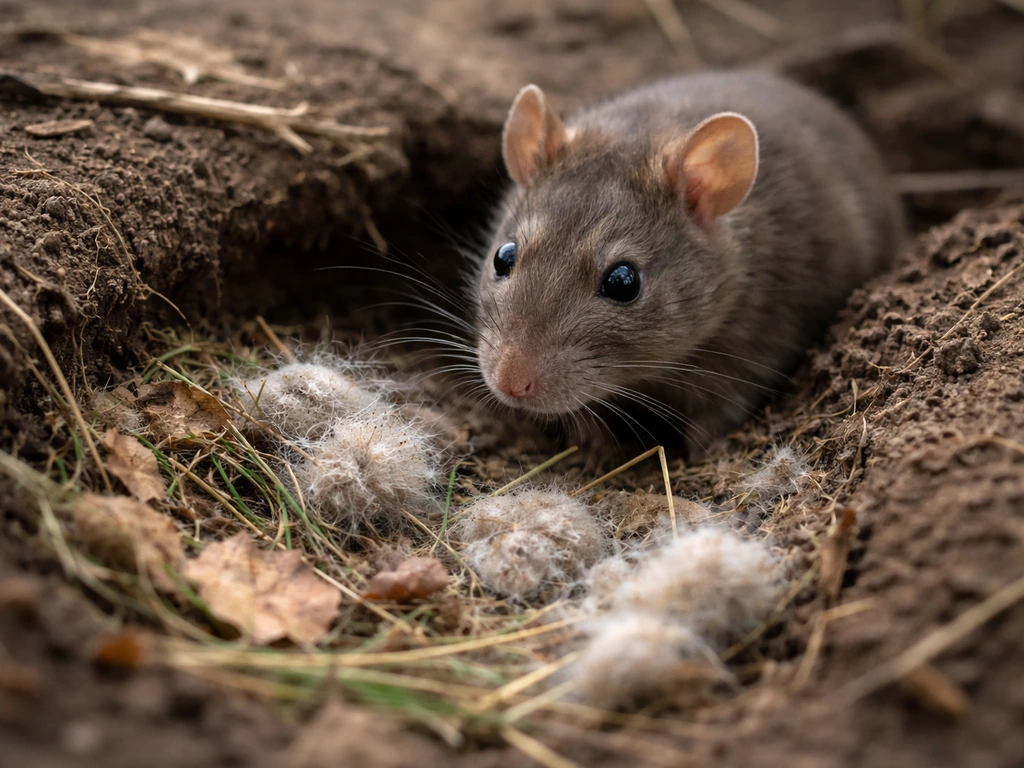
Rats are omnivores with flexible diets. They eat seeds, insects, garbage, and yes, young birds and bird eggs when they can access them. The Washington Department of Fish and Wildlife explicitly lists young birds and eggs as part of what rats living near people will eat. But rats are also risk-averse, so they need opportunity and some degree of cover or darkness before they get bold enough to attack.
The conditions that make a rat attack more likely include:
- Access to an active nest: Rats climbing trees, gutters, or vines can reach cup nests and cavity nests. Research on Xantus's murrelets found nest predation by black rats at 96% before eradication, dropping to just 3% after rats were removed.
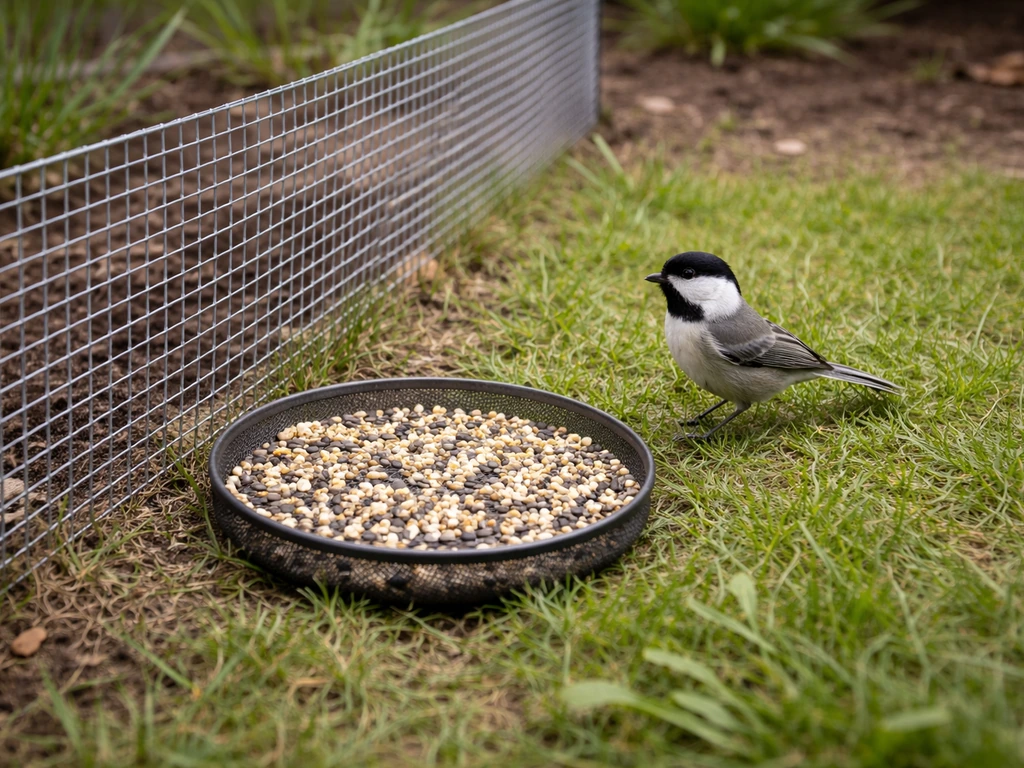
- Ground-level food attractants: Bird feeders that scatter seed on the ground draw rats in, and rats that are already present will range further and become bolder.
- Young or injured birds: Nestlings and fledglings that cannot fly are extremely vulnerable. Rats will kill them on the ground or directly in the nest.
- Confined or caged birds: Pet birds in aviaries and cages cannot escape. A rat that gets inside an aviary can kill multiple birds in a single night.
- Nighttime and low-light conditions: Rats are nocturnal by nature, and most attacks on nests happen after dark when parent birds have limited ability to detect or flee threats.
- Dense cover near nesting areas: Overgrown vegetation, woodpiles, and cluttered sheds give rats the concealment they need to approach nests without being spotted by other predators.
What a rat attack looks like and likely outcomes
If you find evidence of a disturbed nest, knowing what to look for can tell you whether a rat was involved versus a cat, hawk, or snake. Rat attacks leave fairly specific signs. Studies on artificial nests have consistently documented characteristic tooth marks on eggshells left behind by rats. Rats tend to bite into eggs and lap the contents rather than carrying the whole egg away, so you often find crushed or gnawed shells still at the nest site.
For nestlings, a rat attack typically means the chicks are simply gone, with possible small feather traces and disturbed nest material. Rat droppings near or in the nest area are a strong indicator. If an adult bird was attacked, you might find scattered feathers and a blood trace but no body, since rats will drag prey to a burrow or hidden spot to eat.
For pet birds in cages, the outcome is often more obvious and more severe. A rat that gets through cage bars (or even reaches through them) can bite feet and toes, sometimes fatally. Birds may die from trauma, blood loss, or shock even if the wound looks minor, which is why any post-attack bird needs a vet visit immediately regardless of how it looks on the outside.
Compared to other predators: cats and hawks usually remove the bird entirely or leave obvious large feathers and gore; snakes swallow prey whole with minimal mess; raccoons tend to tear apart nests dramatically. Rats leave gnawed eggshells, small droppings, and disturbed but partially intact nest structure.
Backyard birds vs. pet birds: the risk is not the same
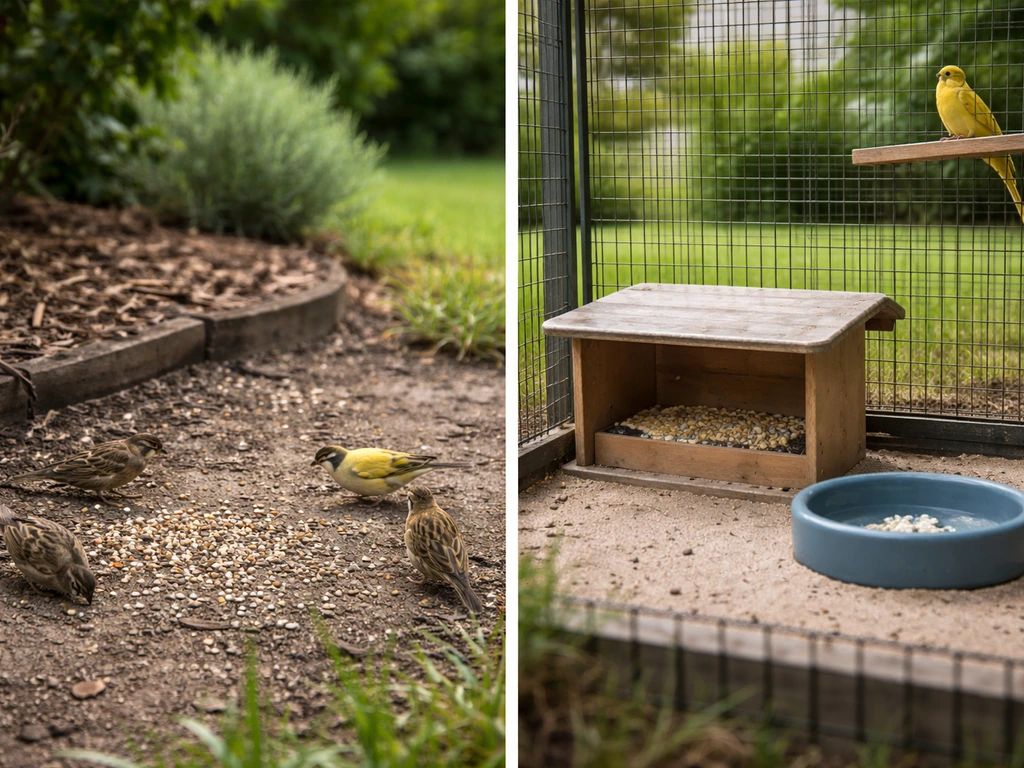
The setting changes everything. Here is a practical comparison across the most common scenarios people face:
| Setting | Risk Level | Most Vulnerable | Key Factor |
|---|---|---|---|
| Backyard ground feeders | Medium | Ground-feeding species, fledglings | Spilled seed attracting rats |
| Tree or shrub nests | Medium-High | Eggs and nestlings | Rat climbing ability and nest height |
| Ground-level nests (cavity or burrow) | High | Eggs, chicks, incubating adults | Direct rat access with little escape |
| Aviaries and outdoor cages | High | All caged birds | Confinement prevents escape |
| Indoor pet bird cages | Low-Medium | Small birds near cage bars | Depends on how rat-proof the home is |
| Seabird and island nesting colonies | Very High | Eggs, chicks, and adults | No evolved defense against rats |
Wild birds in open backyards face moderate risk, mostly to their eggs and chicks. A will-a-bird-nest-kill-a-plant question often comes up because nests can block light, trap moisture, or involve materials that change the spot’s conditions will a bird nest kill a plant. Healthy adult songbirds can usually detect and flee a rat. Pet birds and birds in enclosed aviaries face the highest risk because they cannot escape. Island-nesting seabirds are the most devastated by invasive rats, as they evolved with no rat predators and have no defensive instincts for them.
Health risks that come with rats near birds
Even when rats do not directly kill a bird, their presence around nesting sites and bird enclosures creates real health hazards for both the birds and you. Rats carry a serious list of pathogens, and you do not need a bite to be exposed.
Disease risks for people
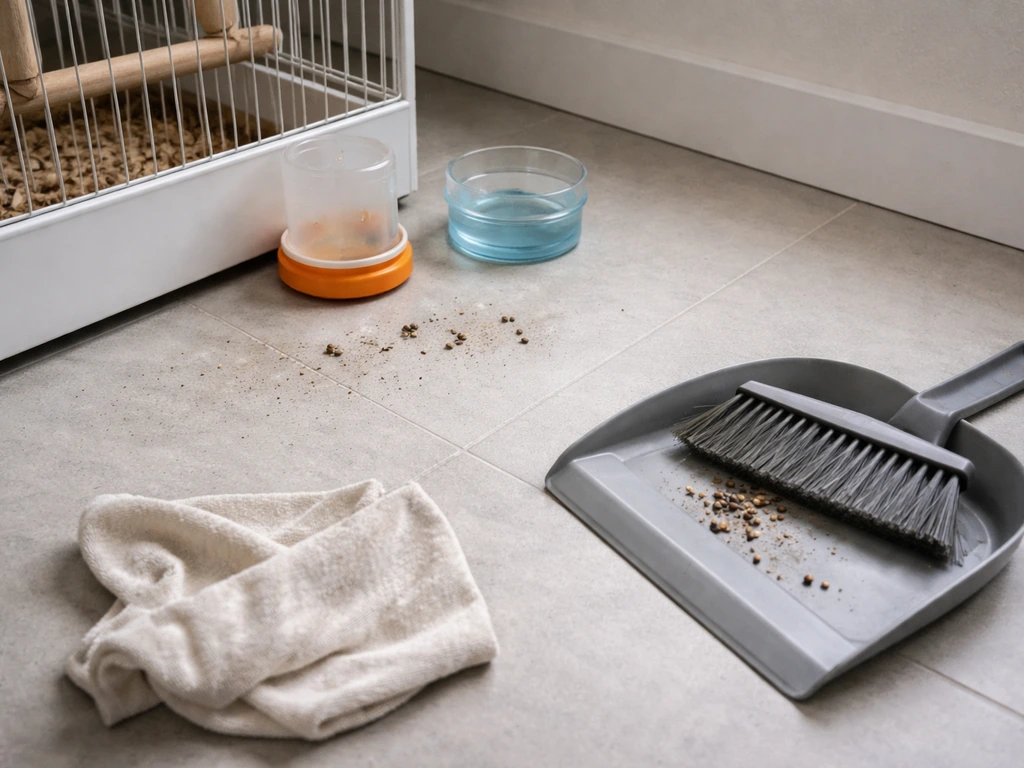
- Leptospirosis: Spread through rat urine. If infected animals are not fully treated, they can shed the bacteria in urine for up to three months. Contaminated water and soil near bird baths or feeders are a common exposure route.
- Hantavirus: Transmitted through contact with rodent urine, droppings, and saliva, including breathing in contaminated dust when cleaning rat-affected areas.
- Salmonella: Rats contaminate food and water sources. Bird feeders that attract rats can become contamination points.
- Plague: Acquired through bites from infected rodent fleas. When rats die from plague, their fleas look for new hosts, which increases human and pet exposure.
- Rat-bite fever: Can occur from direct contact with a rat, and crucially, rats that carry the bacteria do not look sick.
- Rat lungworm disease (Angiostrongylus cantonensis): Rats, including Rattus rattus and Rattus norvegicus, are the definitive hosts for this parasitic nematode, which can cause eosinophilic meningitis in people.
Risks for pet birds specifically
Rats reaching pet bird enclosures can leave droppings and urine in food and water dishes, creating direct contamination risk. A bird that was grabbed or bitten by a rat faces serious infection risk even from a small wound, because rat mouths carry bacteria that can cause rapidly progressing infections in birds. Lafeber Vet's avian first-aid guidance is clear: get a bird to a vet immediately after any attack, even if it looks fine, because internal injuries and infections are not always visible.
Stress itself is a real threat to bird health, and if you read about whether stress can kill a bird, you will see that the physiological shock from a predator encounter can be fatal even without physical injury. Stress can worsen the effects of predator encounters, so it is wise to treat a scared or recently attacked bird as urgent too stress can kill a bird.
What to do right now to protect your birds
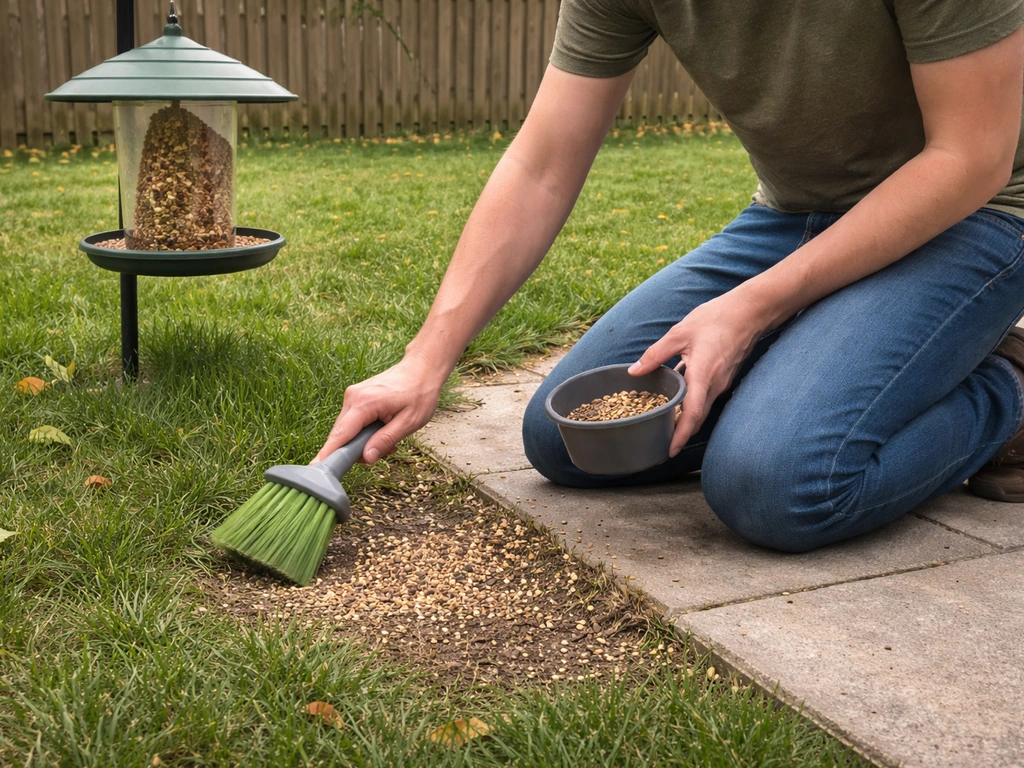
If you have seen rats near your birds, or found evidence of nest predation, here are the immediate steps to take today.
- Remove food attractants. Take down or temporarily remove bird feeders, or switch to feeders with trays that catch fallen seed. Spilled seed on the ground is one of the top reasons rats move into a yard. King County Public Health specifically links improper bird feeder management to increased rat presence.
- Store bird food in sealed metal or heavy plastic containers. Cardboard and thin plastic are not rat-proof. The University of Missouri Extension recommends rat-proof construction for any place food is stored.
- Seal gaps and entry points. Rats can squeeze through openings the size of a quarter. The CDC and MU Extension both state that any opening larger than 1/4 inch should be closed. Use hardware cloth (19 or 24 gauge), metal sheeting, or lath metal screen, not foam or wood, which rats chew through easily.
- Screen aviary and cage hardware. Replace standard chicken wire with 1/4-inch hardware cloth on all outdoor bird enclosures. Rats can bite through chicken wire and can reach through larger openings to grab a perched bird.
- Clear cover near nest sites. Cut back overgrown shrubs and vines near birdhouses or known nest spots. Remove woodpiles and debris that give rats concealment and travel routes.
- Raise nest boxes. Mounted birdhouses on smooth metal poles with baffles are significantly harder for rats to climb than wooden posts or trees with nearby vegetation.
- Eliminate water sources for rats. Fix dripping outdoor faucets and empty standing water containers. Do not leave pet water dishes out overnight.
- Clean up fallen fruit, compost, and garbage. Open compost piles and uncovered trash are rat magnets. Secure bins with tight-fitting lids.
Safe deterrents and when to bring in help
Not all rat control methods are safe around birds, and that matters if you are trying to protect birds while also eliminating rats.
What works and what to avoid
- Snap traps: The most effective and bird-safe option when placed inside a covered bait station or enclosed box where birds cannot access them. Never leave snap traps exposed in the open.
- Hardware cloth exclusion: The gold standard for long-term prevention. It is physical, permanent, and completely safe for birds.
- Electronic (zap) traps: Effective and contained. Place them inside stations or in enclosed areas birds cannot enter.
- Rodenticide (rat poison): Avoid this if you have birds, especially raptors or other wildlife visiting your yard. Secondary poisoning is a well-documented risk. Owls and hawks that eat poisoned rats can die. This is a hard no for bird-friendly yards.
- Glue traps: Not recommended. They can trap non-target animals including small birds and cause significant suffering.
- Ultrasonic repellers: Not proven effective and not harmful, but do not rely on them as a primary method.
When to call pest control
If you have a significant infestation, are finding rat burrows, or cannot locate and seal all entry points yourself, contact a licensed pest control professional. The CDC recommends calling pest control specialists for areas you cannot safely reach or clean. Contact your local or state health department if you are concerned about disease exposure from a rat infestation, particularly if you have found dead rats or significant contamination near bird enclosures.
When to call a vet
For pet birds, the rule is simple: if your bird was in the same space as a rat, or shows any sign of having been grabbed (missing feathers, a small wound, limping, abnormal droppings, or just sitting fluffed and quiet), get to an avian vet the same day. Air sac rupture can be fatal in birds, so any sudden breathing distress or suspected internal trauma should be treated as an emergency can an air sac rupture kill a bird. The MSD Veterinary Manual lists inability to use wings, unusual discharge, and inactivity after trauma as red flags. Do not wait to see if the bird improves on its own. Internal injuries and bacterial infections from rat contact move fast in small birds. A similar quick escalation of symptoms is also discussed in guides on what makes a bird explode, where rapid, hidden changes can be deadly even when you cannot see anything obvious right away internal injuries.
For injured wild birds, do not handle the bird without protective gloves and do not attempt to feed or treat it yourself. The CDC advises against touching sick or dead birds found in your yard. Contact a licensed wildlife rehabilitator or wildlife rescue service in your area as soon as possible.
The bottom line: rats can absolutely kill birds, and the risk is real enough to act on today. But it is also very manageable. A bee sting can kill a bird in some cases, especially if the bird has an allergic reaction or the sting causes severe swelling can a bee sting kill a bird. Remove food attractants, seal entry points with proper hardware cloth, use covered snap traps if you have a confirmed rat problem, and get any attacked bird to a vet immediately. Wildlife Damage Management (Extension) also recommends rodent exclusion steps such as screening vents with 1/4-inch hardware cloth and maintaining physical barriers, including footing extensions, to deter burrowing rodents blank" rel="noopener noreferrer">seal entry points with proper hardware cloth. Those four steps will cover most situations most people face.
FAQ
If I only saw a rat near a bird feeder, does that mean the rat will kill birds there?
Not necessarily. Rats often forage near feeders, but the higher danger is when a bird cannot access escape routes or has something at ground level to defend. If you notice droppings under feeders, gnaw marks, or rats lingering at nesting areas, treat it as a real risk and remove accessible food sources until the area is secured.
How can I tell whether a missing nestling was taken by a rat versus another predator?
Look for the pattern more than one clue. Rat activity commonly produces partially disturbed nest structure, small droppings near the nest, and gnawed egg shells with tooth marks. Cat and larger predators more often leave large, obvious feathers, while snakes usually leave fewer external signs because prey is swallowed.
Do rats only attack at night, or can they do it in daylight?
They are more likely to be bold at dusk and night, but they can attack in daylight when there is cover, few disturbances, and easy access to nests or cages. If you are seeing daytime rat activity around birds, assume there is active opportunity and increase exclusion and sanitation immediately.
Will a rat kill an adult bird, or is it mainly eggs and babies?
Rats more often target eggs, nestlings, and chicks because they are easier to subdue and harder to escape. Attacks on small adults can happen, especially if the bird is injured, sick, or confined (for example, in an enclosure). A healthy adult bird with open space is less likely to be attacked.
What should I do if I find an egg with tiny holes or a “watery” mess in the nest?
That pattern can fit rat feeding, since rats may bite into eggs and lap the contents, leaving gnawed shells on site. Remove access opportunities by cleaning the area and securing food, then monitor nearby nests for droppings and repeated disturbances before you assume it was just one accident.
Are snap traps safe for birds, and how should I place them?
They can be, if you use covered snap traps and position them so birds cannot reach or perch on them, such as along walls or behind protective barriers. Place traps where you see rat travel (edges, burrow entrances) and keep them out of open flight paths to avoid accidental contact with pet birds.
Can I use poison bait if I have pet birds or wild birds around?
Be cautious. Many rodenticides can be dangerous to birds directly or indirectly if birds consume contaminated bait or prey. The article recommends working with pest control for significant infestations, and in bird-heavy areas that is the safer choice because professionals can use bird-safe methods and proper placement.
If my pet bird was not bitten, do I still need an emergency vet visit after rat exposure?
Yes, same-day care is still recommended if the bird shared the space with a rat or shows any signs of grabbing or trauma, such as missing feathers, limping, limping posture, abnormal droppings, sudden fluffed quiet behavior, or even a small wound. Internal injury and fast infection in small birds can occur without dramatic external changes.
What are the biggest early warning signs of internal injury in birds after trauma?
Watch for sudden breathing difficulty, inability to use wings, unusual discharge, marked inactivity, or persistent weakness. Even if the bird looks “mostly fine,” these signs can indicate serious internal injury such as air sac damage, which needs rapid veterinary evaluation.
Should I feed or re-home wild birds after a rat attack to “help them recover”?
Avoid handling and do not attempt home feeding or treatment. Stress and improper handling can worsen outcomes, and there is also infection risk from sick animals. The safer step is to contact a licensed wildlife rehabilitator or wildlife rescue service promptly.
How do I reduce risk to nesting birds while still controlling rats?
Use exclusion and sanitation as the first line. Remove food attractants (including spilled seed and garbage access), seal entry points with hardware cloth sized to prevent rat entry, and keep traps or control efforts in secured locations that birds cannot access. This reduces the “opportunity” side while you work through rat elimination safely.
What if I see rat burrows near my aviary or nesting area, but I cannot locate every entry point?
Assume there are hidden routes and do not guess. If you cannot safely reach or seal all gaps, contact a licensed pest control professional. In parallel, focus on keeping birds away from the contact zone until the enclosure and entry points are secured.
Can Stress Kill a Bird? What to Do and When to Worry
Learn if stress can kill birds, spot urgent symptoms, reduce stress fast, and know when to call an avian vet.