
The most common things that can kill a bird suddenly around homes and neighborhoods are window strikes, electrocution from power lines or exposed wiring, toxic fumes from non-stick cookware and cleaning chemicals, and acute poisoning from pesticides or toxic foods. These aren't internet myths: they're documented, well-studied causes of rapid bird death that happen every day in ordinary backyards and households. If you're reading this because you just found a bird and need to know what to do, scroll down to the section on first steps. If you're trying to prevent future deaths, the checklist near the end will help you fix the most dangerous hazards today.
What Can Kill a Bird Instantly: Reddit Myths vs Facts

Maya Chen
13 May 2026
Why people search this question (and what's actually going on)
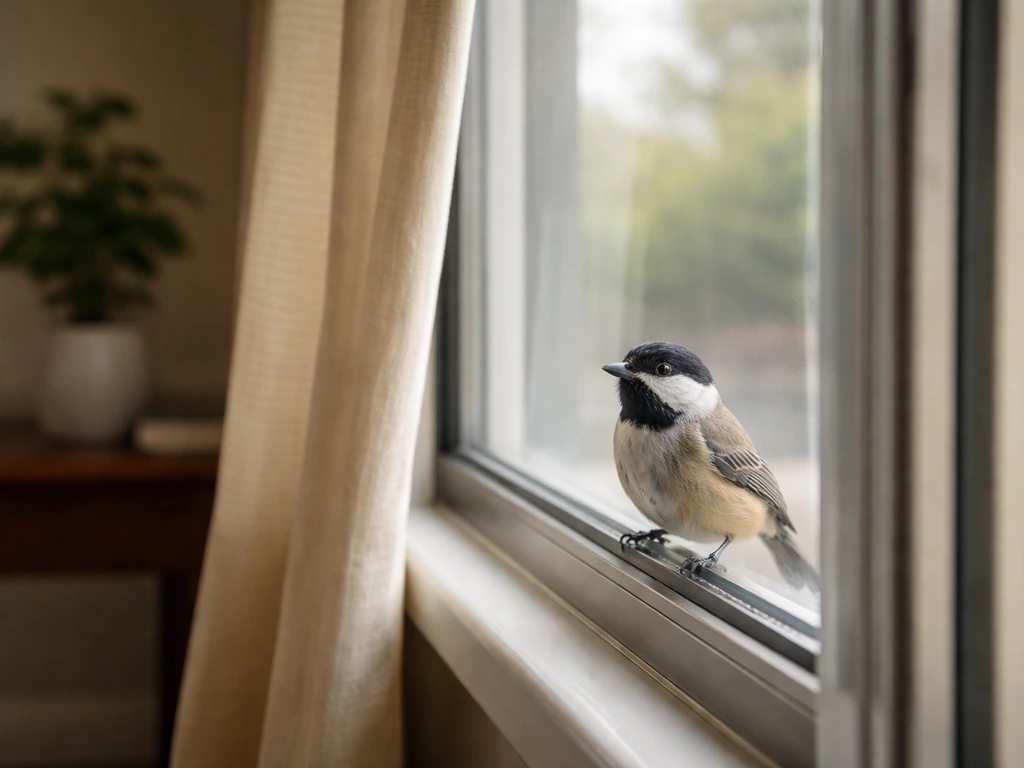
Most people who search "what can kill a bird instantly" on Reddit or anywhere else are not asking for harmful reasons. If you are wondering what can kill a bird instantly, it helps to know the most common hazards that cause rapid, real-world death. Most people who search this are trying to figure out what happened and how to prevent it next time what can kill a bird instantly. They've usually just found a dead or dying bird in their yard, near a window, or under a power line, and they want to understand what happened. Others are pet bird owners panicking after a cooking incident or chemical exposure. A smaller group are trying to protect birds proactively and want to know what hazards are most dangerous.
It's worth being upfront: intentionally harming wild birds is illegal under the Migratory Bird Treaty Act in the United States, and many species of pet birds are protected under additional laws. This article isn't going to help anyone harm a bird. What it will do is give you real, evidence-based answers about what causes sudden bird death so you can prevent it, respond to it, or understand what you're dealing with.
Common causes of sudden death: what the evidence actually shows
Some causes of bird death are gradual and take days. Others can kill within minutes to a few hours. Here are the ones with genuinely rapid timelines.
Window and glass strikes
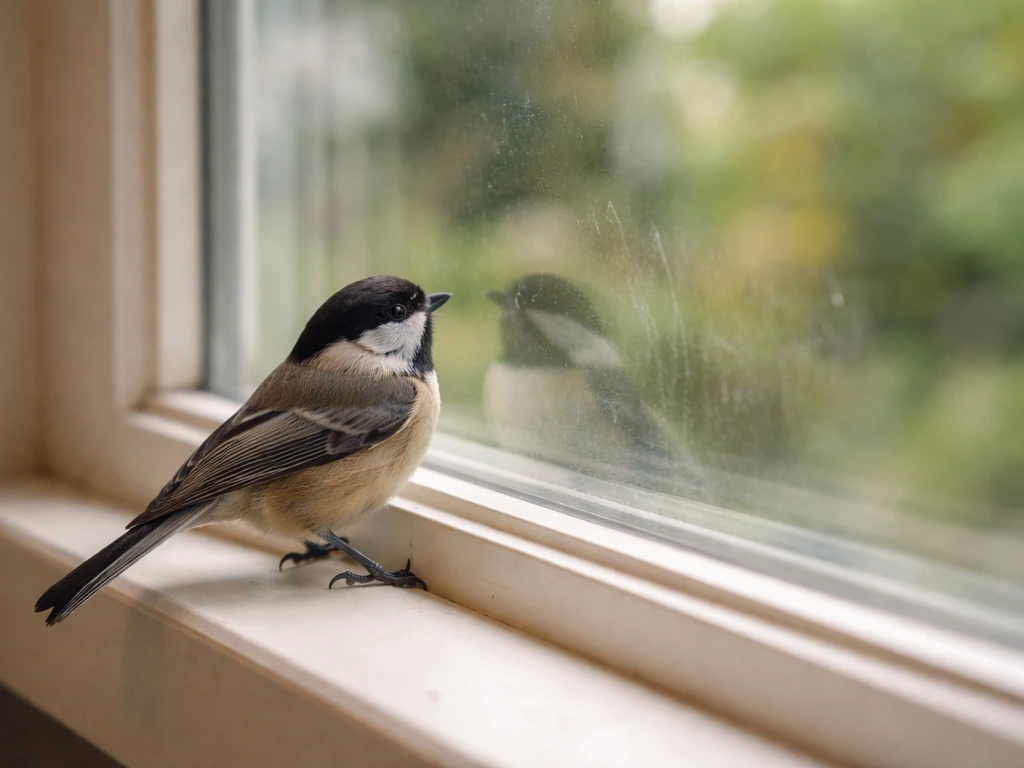
This is one of the most underappreciated killers of wild birds. Birds don't understand glass: they see a reflection of sky or trees and fly straight into it at full speed. Tufts Wildlife Clinic notes that these impacts cause severe internal injuries that aren't always visible from the outside. Research cited by Flathead Audubon suggests 54 to 76% of window collisions are fatal, and many birds that look "just stunned" are already dying from internal trauma. If a bird doesn't recover within a couple of hours, it's a medical emergency.
Electrocution

Electrocution kills birds instantly when they bridge an electrical circuit, typically by contacting an energized part of a power line or electrical component while also touching a grounded surface. According to USGS, this can happen when a bird's wings contact both an energized conductor and a grounded object at the same time, or when it touches two conductors simultaneously. Larger birds with wider wingspans are at higher risk from utility infrastructure, but household electrical cords can pose a similar danger to pet birds.
Toxic fumes, especially from non-stick cookware
This one surprises a lot of people. Polytetrafluoroethylene (PTFE), the coating on most non-stick pans, releases toxic fumes when overheated, typically above 500°F (260°C). Birds have an extremely efficient respiratory system that makes them much more sensitive to airborne toxins than mammals. Cornell University documented cases of sudden death in birds exposed to PTFE fumes, with respiratory distress and neurological signs preceding death. The Merck Veterinary Manual notes that for pet birds, acute PTFE fume poisoning can present with sudden death as the only clinical sign. This means the bird doesn't give you much warning.
Chemical fume exposure from cleaning products
Bleach, ammonia-based cleaners, aerosol sprays, and air fresheners all pose acute risks to birds, particularly pet birds kept indoors. Merck warns that mixing bleach and ammonia produces chloramine gas, which can cause acute respiratory distress and pulmonary edema within 12 to 24 hours. Even using these products in an enclosed room near a bird can be enough to cause serious harm. Smoke inhalation, including from fires or even heavy cooking smoke, is another documented cause of sudden death in birds.
Overheating and heat stress
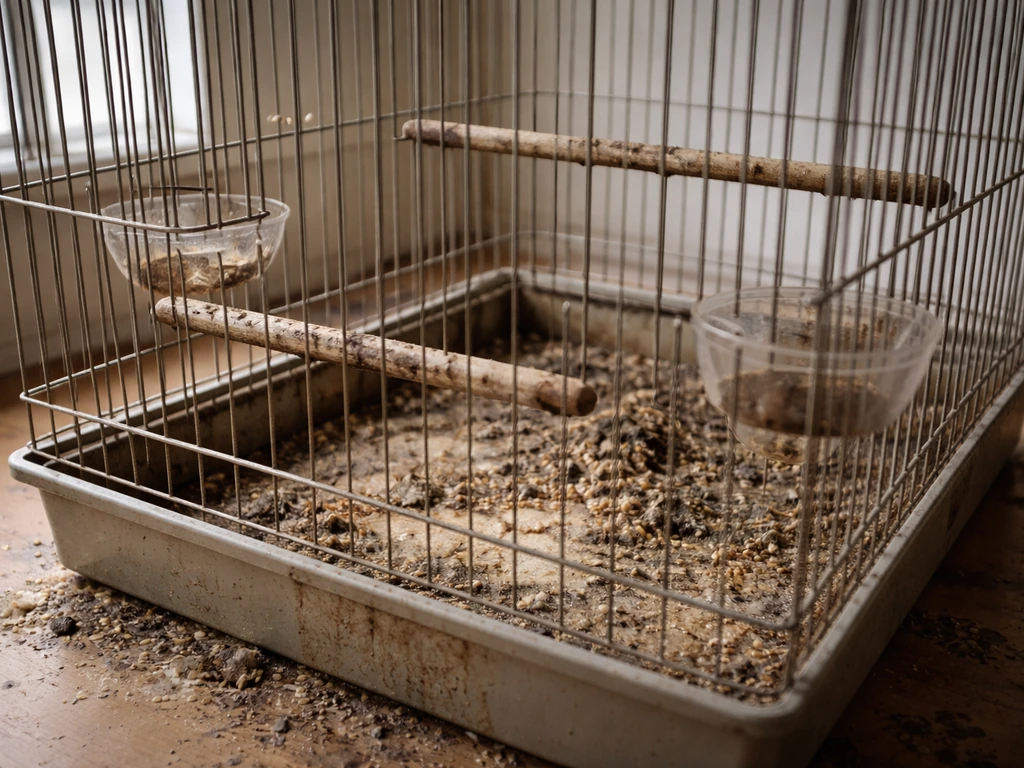
Birds can die from heat exposure surprisingly quickly. A bird left in a parked car, or a pet bird in a cage placed in direct sunlight without shade or water, can overheat within minutes on a warm day. A dirty cage can also harm a pet bird by exposing it to waste and irritants, which is another reason to clean and dry the cage regularly a pet bird in a cage placed in direct sunlight without shade or water. Wild birds caught in extreme heat events are similarly vulnerable. Unlike mammals, birds can't sweat, so they rely on panting and behavioral cooling, which stops working fast when ambient temperatures are extreme.
Acute pesticide and rodenticide poisoning
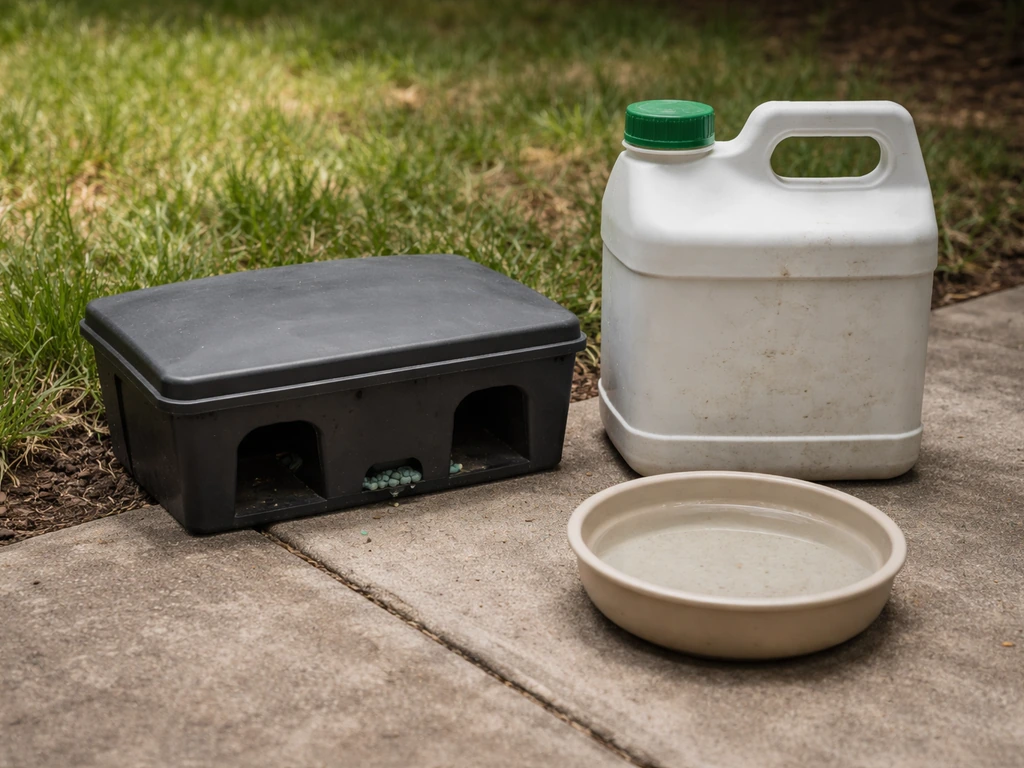
Some pesticides, particularly organophosphates and carbamates, can kill birds rapidly after ingestion or skin contact. These work by disrupting the nervous system and can cause death within minutes to hours. Anticoagulant rodenticides like brodifacoum work differently: Cornell University and the Pennsylvania Game Commission both note there's typically a 3 to 5 day delay between ingestion and the onset of bleeding and visible signs. So if a bird dies suddenly near rodent bait, an acute-acting pesticide is more likely the cause than a standard anticoagulant rodenticide.
High-risk hazards to check around your home and neighborhood today
Most sudden bird deaths are preventable. Here are the specific hazards worth checking right now, along with what you can do about each one.
- Windows and glass doors: Large, reflective, or clear glass is the biggest single hazard for wild birds near homes. Apply ABC-recommended window treatments (bird tape, external screens, or patterned decals with spacing no wider than 2 by 4 inches) to break up the reflective surface. The American Bird Conservancy has tested many products, and spacing matters: widely spaced single decals don't work nearly as well as properly spaced patterns.
- Power lines and electrical boxes: If you have utility infrastructure on your property and notice frequent bird activity nearby, contact your utility provider about avian protection measures. Exposed wiring on outdoor fixtures is also a hazard, especially for curious pet birds.
- Non-stick cookware in a home with pet birds: Overheating any PTFE-coated pan, pot, or appliance (including some waffle irons and drip pans) can release lethal fumes. If you keep pet birds, switch to stainless steel, cast iron, or ceramic cookware, and always ventilate your kitchen.
- Cleaning products and aerosols: Don't use bleach, ammonia-based cleaners, aerosol air fresheners, or scented candles in rooms where pet birds are kept. Store chemicals securely so wild birds (and pets) can't access them.
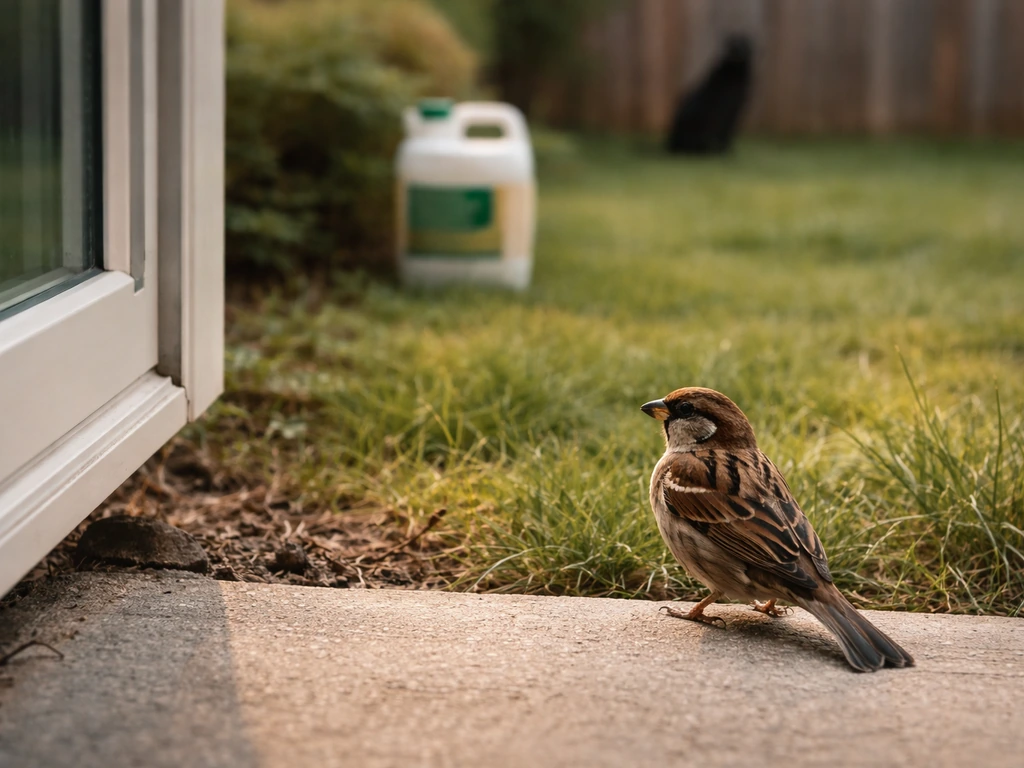
- Pesticides and rodenticides in yards and gardens: Organophosphate pesticides used on lawns and gardens can kill birds that eat treated insects or vegetation. If you use rodenticides, use tamper-resistant bait stations that limit access by non-target species, and avoid second-generation anticoagulant rodenticides when possible.
- Vehicles: Birds can be struck by cars in driveways and parking lots, especially low-flying species. Be aware in dawn and dusk hours when bird activity is highest.
- Heat exposure: Never leave a bird (wild or pet) in a closed vehicle, a cage in direct unshaded sunlight, or in a room without ventilation during hot weather.
Poisoning risks: toxic foods, plants, and household products
For pet bird owners especially, what's in your kitchen and medicine cabinet matters. Some foods that are harmless to people are acutely toxic to birds. 10 things that can kill your bird. If you are wondering about specific foods like avocado, avoid letting birds eat them because the dose and preparation can be unpredictable and dangerous how much avocado will kill a bird. If you are wondering how much chocolate can kill a bird, the safest move is to assume any chocolate can be dangerous and keep it away from birds.
| Toxic substance | Risk level | Speed of harm | What to do |
|---|---|---|---|
| Avocado (persin toxin) | High | Hours to 1-2 days | Keep all avocado away from pet birds; contact avian vet immediately if exposed |
| Chocolate (theobromine) | High, varies by type | Hours | Dark chocolate and baking chocolate are highest risk; no chocolate at all for birds |
| Xylitol (artificial sweetener) | High | Hours | Found in gum, candy, baked goods; keep away from birds entirely |
| PTFE/non-stick fumes | Extreme | Minutes to hours | Remove bird from area immediately, ventilate, emergency vet visit |
| Bleach/ammonia fumes | Very high | Hours | Remove bird from area, fresh air, call avian vet |
| Organophosphate pesticides | Very high | Minutes to hours | Remove from exposure, emergency vet immediately |
| Anticoagulant rodenticides | High (secondary) | 3-5 days (delayed) | Prevent access; if suspected, vet consultation |
| Toxic plants (e.g., oleander, lily of valley) | Varies | Hours to days | Keep out of reach; call avian vet if ingested |
If you suspect your pet bird has been exposed to any toxic food or fume, don't wait for symptoms to get severe. Birds hide illness well and can deteriorate very fast. Call an avian vet immediately. The Association of Avian Veterinarians recommends keeping a list of hazardous household items away from birds as a standard precaution, not just a reaction to an incident.
Found a bird dead or dying: what to do right now
If the bird is alive but injured or stunned
- Don't try to give it food or water, and don't attempt to treat it yourself. This is one of the most common mistakes and it can cause additional harm.
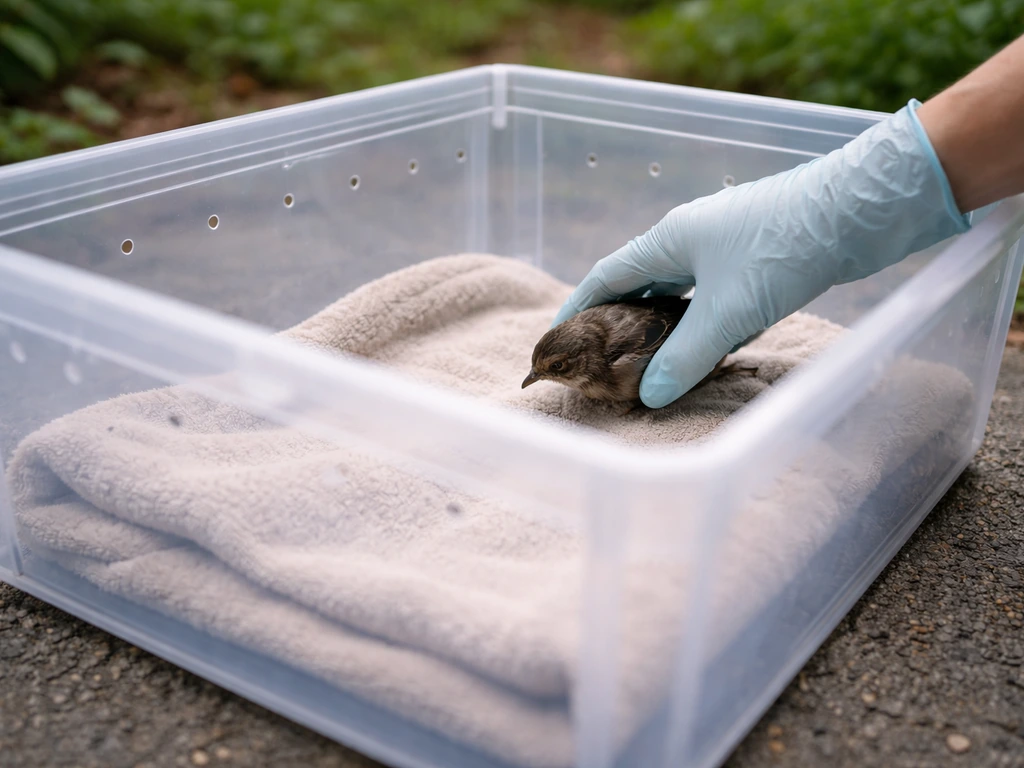
- Place the bird gently in a small cardboard box lined with a soft cloth or paper towel. Put a few small holes in the box for ventilation.
- Keep the box warm, dark, and quiet in a safe indoor space, away from pets and children. The dark environment reduces stress.
- Check every 30 minutes. If the bird is recovering from a mild stun, it may right itself and become more alert within 30 to 60 minutes.
- If it hasn't recovered within 2 hours, or if you see bleeding, inability to hold its head up, obvious wing or leg injury, or labored breathing, take it to a licensed wildlife rehabilitator or avian vet immediately.
If the bird is dead
Don't handle a dead bird with bare hands. The CDC, Maryland Department of Health, and Massachusetts health authorities all recommend using gloves or an inverted plastic bag as a barrier. If you need PPE for collecting or disposing of a carcass (particularly during any active bird flu surveillance period), gloves and a mask are recommended, with handwashing afterward. The CDC states there's no confirmed risk of infection from simply handling a dead bird with proper precautions, but the guidance exists because carcasses can carry pathogens.
If you find multiple dead birds in the same area, that's a potential public health or environmental signal. Report it to your state wildlife agency or local animal control. They can determine whether testing for West Nile virus, avian influenza, or pesticide contamination is warranted.
When to call a wildlife rehabilitator or avian vet
- The bird hasn't recovered from a window strike within 2 hours
- The bird is bleeding, has an obvious fracture, or can't hold its head up
- You suspect toxic fume or chemical exposure in a pet bird
- You suspect pesticide poisoning (seizing, extreme weakness, sudden collapse)
- Multiple birds are dead or dying in the same location
- A pet bird has eaten something from the toxic foods list
Myths worth correcting: what doesn't kill instantly (and bad advice to ignore)
Reddit threads about bird deaths often contain a lot of misinformation. Here are the most common ones worth clearing up.
- "Anticoagulant rodenticides kill birds instantly": They don't. Cornell and the Pennsylvania Game Commission confirm there's a 3 to 5 day delay between ingestion and onset of bleeding. A bird found dead near rodent bait likely died from something else, or ingested the poison days earlier.
- "A small amount of chocolate is fine for birds": It's not. Merck notes that the toxic compound theobromine is present in all chocolate, with baking chocolate and dark chocolate carrying the highest concentrations. No amount is safe for a bird.
- "Birds can shake off non-stick fume exposure if you open a window": Once a bird shows signs of PTFE toxicity (labored breathing, weakness), it needs emergency veterinary care, not just fresh air. The Merck Veterinary Manual notes that sudden death can be the only sign, meaning there may not be time to wait.
- "If a bird flies away after a window hit, it's fine": Not necessarily. Tufts reports that birds can appear to recover and fly off while still carrying serious internal injuries. A bird that seems dazed but flies away could still die within hours.
- "Dead birds always have an obvious cause": Many birds found dead show no external signs of the cause. Internal trauma, fume exposure, and poisoning can all cause death with no visible wound or obvious explanation.
Prevention checklist: reduce sudden-death risks starting today
Most of what kills birds suddenly around homes is fixable. This checklist gives you a practical starting point, whether you're a pet bird owner, a backyard wildlife watcher, or just someone who found a dead bird and wants to prevent it from happening again. American Bird Conservancy recommends using window screens, painted designs, bird tape, or decals, and using window treatments properly to deter collisions.
- Apply bird-safe window treatments to large glass surfaces, using properly spaced decals or external screens (gaps no wider than 2 inches by 4 inches per American Bird Conservancy guidance).
- If you own pet birds, replace all non-stick (PTFE-coated) cookware with stainless steel, cast iron, or ceramic alternatives. Check other appliances like drip pans, waffle irons, and heat lamps too.
- Never use aerosol sprays, bleach, ammonia-based cleaners, or scented candles in rooms where pet birds live. Always ventilate any room before returning a bird to it after cleaning.
- Store pesticides, rodenticides, and all garden chemicals in sealed containers, inaccessible to birds and wildlife. Use tamper-resistant bait stations if rodent control is necessary.
- Remove toxic houseplants from homes with pet birds, and check your yard for toxic species if you feed or host wild birds.
- Never feed birds chocolate, avocado, xylitol-containing foods, onions, or alcohol, even in small amounts.
- Keep bird feeders and birdbaths clean to prevent disease spread, which can compound vulnerability to other hazards.
- In summer, ensure pet birds have shade and fresh water at all times, and never place cages in direct sunlight without escape from the heat.
- Keep the number of a local wildlife rehabilitator and an avian vet saved in your phone so you're not searching in an emergency.
- If you find multiple dead birds in the same area, report it to your state wildlife agency rather than disposing of them yourself.
The more you know about what genuinely kills birds fast versus what's exaggerated online, the better positioned you are to actually protect them. Window strikes, fume exposure, electrocution, and certain poisons are real, documented, and preventable. Most other dramatic "instant kill" claims you'll find on Reddit are either misinformation or refer to extreme scenarios that aren't relevant to everyday bird safety. Focus on the real hazards, and you'll make a meaningful difference.
FAQ
If I find a bird that hit a window, how long should I wait before getting help?
Yes, and the practical rule is to treat it as a medical emergency. If a bird strikes a window and stays on the ground, lies on its side, has trouble breathing, or cannot right itself within a couple of hours, contact an avian vet or wildlife rehabilitator. Keep it warm and in a dark, quiet box (no food or water by mouth), because waiting “to see if it recovers” can be too late.
What should I record if I suspect the bird died from something specific?
Instead of trying to “diagnose instantly,” document what you can safely observe. Take a quick note (location, time, whether there was glass nearby, any smoking or fumes in the area, and whether the bird was near electrical cords or rodent bait). If it is a pet bird, also note any recent cooking or cleaning changes. This helps a vet or wildlife agency narrow down the likely cause.
What should I do in the first 10 minutes if I suspect fumes or overheated non-stick caused the problem?
If you have a pet bird, the safest approach is prevention and rapid control of the environment. Remove the bird from the room immediately if you smell smoke, overheated non-stick pans, strong cleaner odors, or aerosol sprays. Ventilate, turn off any heat source, and use fresh air before you reintroduce the bird. Do not “wipe the air” with air fresheners or leave the bird in the same space to see if symptoms start.
What window fixes actually reduce future bird collisions?
For window strikes, the most effective immediate fixes usually focus on reducing the bird’s ability to see reflection. Options include installing external solutions (like window screens or decals applied to the outside), adding lines or patterns at visible spacing, and covering large panes during peak migration hours. The key detail is external or strategically patterned placement, because simple interior curtains or blinds may not break the reflection the way you expect.
How do I reduce electrocution risk for a pet bird at home?
Electrocution risk is real even without obvious contact with a power line. For pet birds, keep cages and perches away from dangling cords, avoid letting the bird reach electrical outlets, and secure power strips so they cannot be bridged. If a bird is found near an outlet, do not touch it directly, shut off power if you can do so safely, and treat it as a burn or electrical exposure emergency.
If a bird dies near rodent bait, how can I tell whether it was anticoagulant versus an acute pesticide?
Do not assume a “slow” timeline if you are using rodent control. Anticoagulant rodenticides often have a delay, but acute-acting pesticides can cause symptoms or death within minutes to hours depending on exposure route and dose. If you find a bird dead near bait, prioritize calling an avian vet or contacting local poison control for guidance specific to the product name, not just the category.
Is leaving a bird in a shaded car ever safe?
Yes, a parked car is a major risk, and shade alone does not make it safe. Temperature can rise quickly even on moderately warm days, and a bird cannot cool effectively. If you see a pet bird or wild bird trapped in a car, move it to a cooler, shaded, well-ventilated area immediately and get veterinary help for heat stress.
What’s the safest way to handle and report dead birds if I find more than one?
When handling a dead bird, avoid bare-skin contact and use a barrier like gloves or an inverted plastic bag, then wash hands thoroughly. If you are seeing multiple dead birds, avoid sweeping or disturbing remains in ways that create dust, and contact local animal control or your wildlife agency for instructions on reporting and possible testing. This reduces both infection risk and environmental disturbance.
How can I prevent PTFE fume exposure if I cook with non-stick pans around my bird?
Overheating non-stick cookware can produce fumes that harm birds quickly, and the risk is higher when a bird is in the kitchen at the same time. Use the lowest heat setting you need, never leave pans unattended, and keep pet birds out of the kitchen during cooking, especially when searing or preheating. If you see any signs like open-mouth breathing, tail-bobbing, or lethargy, treat it as urgent and call an avian vet.
Next Articles

Things That Can Kill Your Bird: Immediate Risks and Prevention
Real household and outdoor hazards that can kill birds, plus immediate prevention steps and urgent vet symptom guide.
Can a Dirty Cage Kill a Bird? Risks, Signs, and Fixes
Yes. Dirty cages can kill birds via ammonia fumes, mold toxins, infections, and irritation. Learn signs, fixes, and safe
What Can Kill a Bird: Causes, Myths, and Immediate Steps
Learn what can kill a bird, debunk myths, and get immediate safety steps plus prevention for homes and yards.