Yes, a paintball gun can kill a bird. It won't always, but the conditions matter a lot: a direct hit at close range, especially to the head, eye, or chest, can be fatal. Even at longer distances, a paintball strike can fracture bones, cause internal bleeding, damage eyes, and leave a bird in serious distress that leads to death hours or days later. This is not a toy versus bird scenario where the bird definitely walks away fine.
Can a Paintball Gun Kill a Bird? Real Risks and What to Do

Maya Chen
19 May 2026
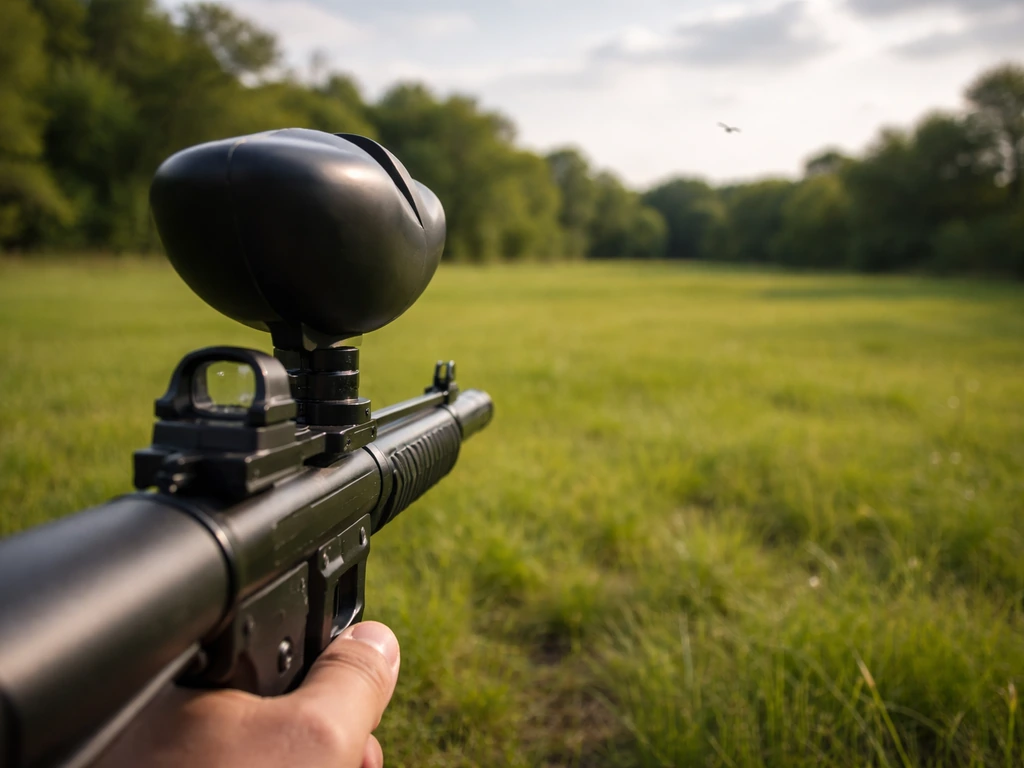
The real physics: how much energy does a paintball carry?
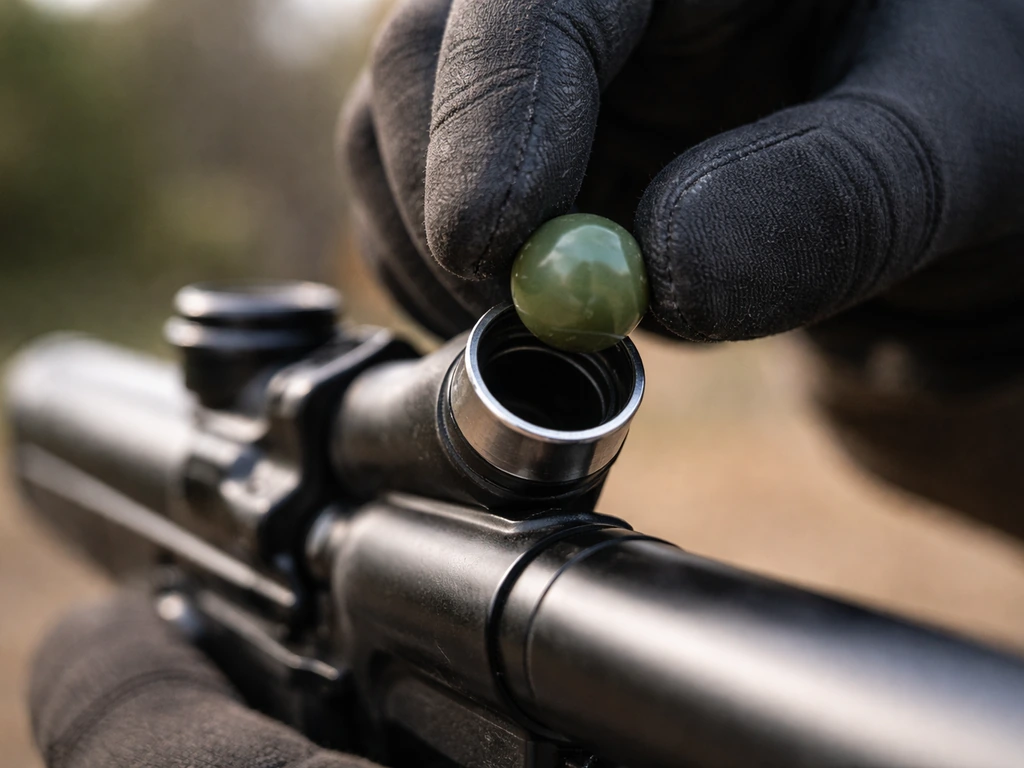
A standard paintball marker fires a blank" rel="noopener noreferrer">0. 68-inch gelatin sphere at roughly 280 to 300 feet per second (about 85 to 90 meters per second). Most paintball fields cap velocity at 280 fps for player safety; indoor fields may limit it further to 220 to 250 fps. At 280 fps, a paintball carries a meaningful amount of kinetic energy, enough to leave large bruises on human skin through clothing.
The specific “how many fps” question matters because higher muzzle velocity increases kinetic energy and the chance of lethal injury. Now compare that to a small bird weighing 1 to 4 ounces, with fragile hollow bones, thin skin, and organs packed into a tiny body cavity. The same hit that stings a person can shatter a bird's wing, crack ribs, or rupture internal organs.
Distance reduces velocity and energy, which matters, but doesn't make a hit safe. A paintball fired at 50 feet still delivers enough force to cause serious blunt trauma to a bird. The pellet doesn't need to penetrate; blunt force alone is the injury mechanism. Think of it like being hit with a fast-moving marble-sized rubber ball. For a creature the size of a sparrow or a pigeon, that's a significant impact.
Injury mechanics and when it turns fatal
The location of the hit determines a lot. A glancing blow to the back or tail feathers is very different from a direct strike to the head, eye, or sternum.
| Hit Location | Likely Injury | Fatality Risk |
|---|---|---|
| Head / Skull | Concussion, skull fracture, brain hemorrhage | High |
| Eye | Rupture, permanent blindness, ocular trauma | High (blindness = death in wild) |
| Chest / Sternum | Fractured keel bone, internal bleeding, lung damage | Moderate to High |
| Wing | Fracture, joint damage, inability to fly | Moderate (death without care) |
| Leg / Foot | Fracture, soft tissue damage | Lower but still serious |
| Glancing body hit | Bruising, feather loss, pain | Lower, but shock still possible |
Eye trauma from projectiles is well-documented as a severe injury category, even in larger animals. For a bird, a direct eye hit from a paintball is almost certainly blinding, and a blind wild bird cannot feed or avoid predators. That makes it effectively a death sentence without human intervention. Respiratory trauma is another hidden risk: if the chest takes a hard hit, a bird can develop breathing difficulty quickly, which is a veterinary emergency.
Shock is also a genuine mechanism of death in birds. Birds have high metabolic rates and body temperatures around 103 to 106°F. Trauma drives them into shock faster than mammals, and the stress response alone can be fatal in already-weakened birds. A bird hit by a paintball might fly off and appear fine, then die from internal bleeding or shock hours later in a bush somewhere.
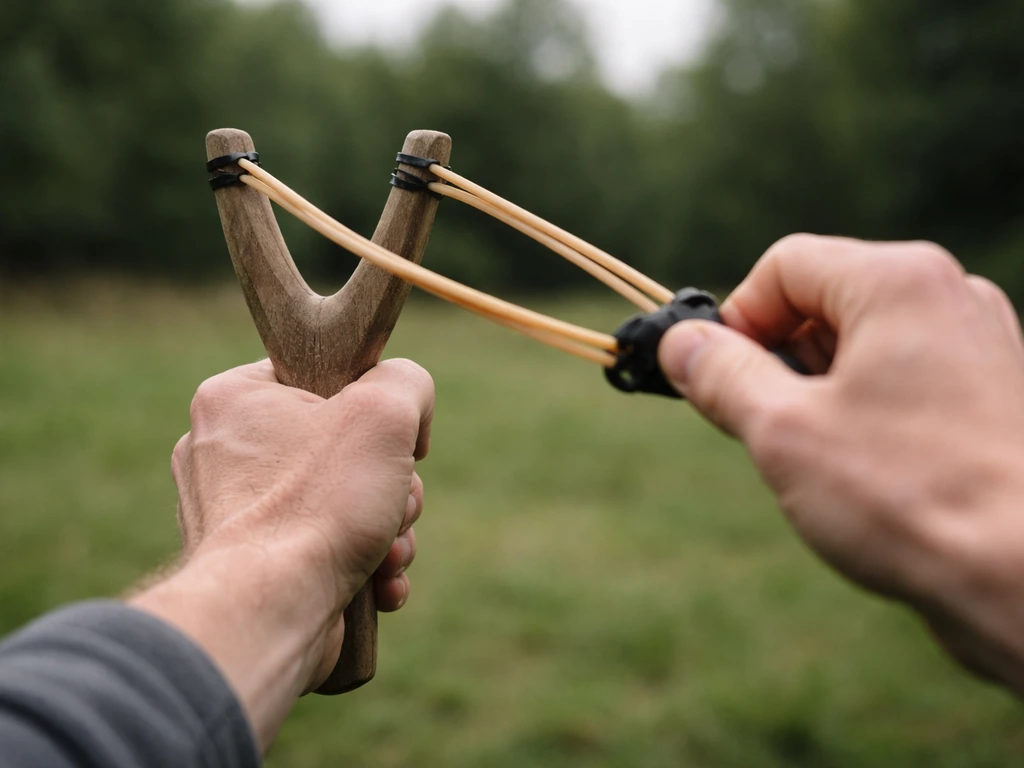
For context, similar concerns apply across the projectile spectrum. A BB from a Red Ryder or a slingshot pellet can also injure or kill birds, and the physics principles are the same: mass, velocity, and hit location determine the outcome.
The British Waterfowl Association’s first aid guidance also warns that pellet or lead exposure can be deadly, because even a single pellet can kill a bird through poisoning risk A BB from a Red Ryder or a slingshot pellet can also injure or kill birds.
A slingshot pellet can also deliver enough impact to injure or kill a bird, depending on speed and where it hits. A Red Ryder can also injure or kill a bird depending on distance and where it hits. Paintballs are larger and often slower than steel pellets, but the sheer size of the projectile (0. 68 inches) means a lot of blunt force gets transferred on contact.
What to do right now if a bird was hit
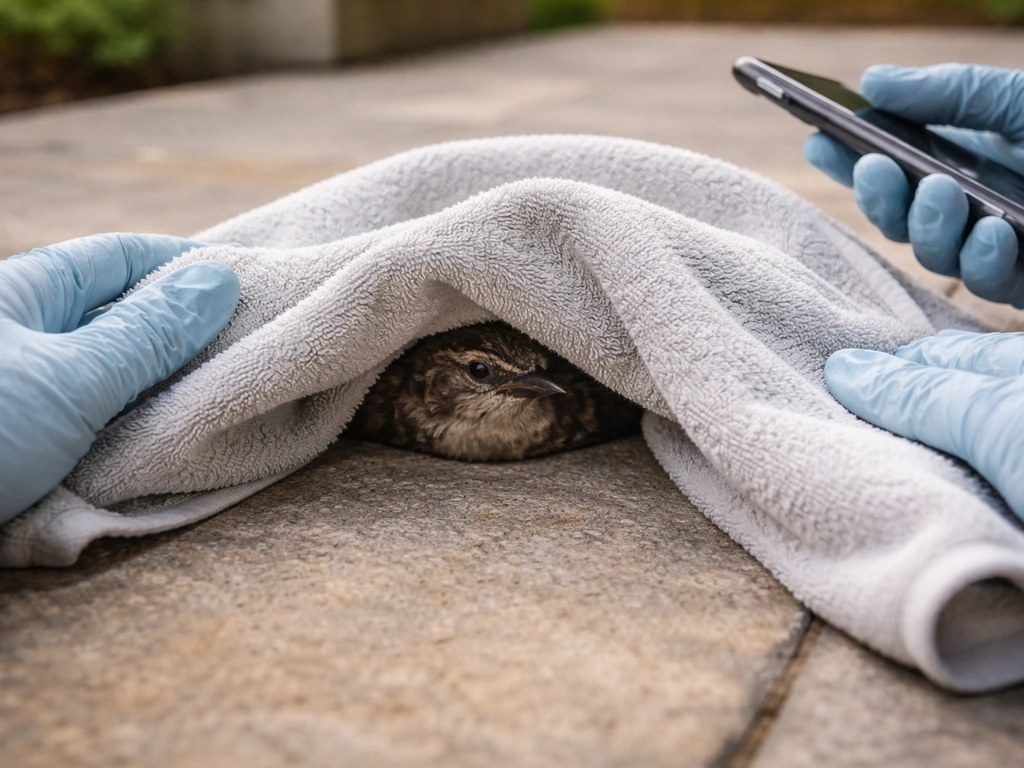
If you shot near a bird and it went down or is behaving abnormally, here's what to do immediately. Do not just walk away and assume it's fine.
- Observe from a few feet away first. Don't rush in. Note if the bird is standing, flopping, unable to fly, bleeding, or sitting hunched and still. A hunched posture with eyes half-closed is a major distress sign.
- If the bird is clearly injured (on the ground, not flying, visibly bleeding), you need to contain it. Get a cardboard box or a hard-sided carrier with a lid. Line it with a small cloth or paper towel for grip.
- Approach slowly and quietly. Use gloves or a light cloth to gently pick up the bird. Cover its head lightly with the cloth to reduce stress; birds calm faster in the dark.
- Place the bird in the box and close it. Poke a few small air holes if they aren't already there. Keep it in a warm (around 85°F), dark, and quiet room away from pets, children, and noise.
- Do not give the bird food or water. A traumatized bird can aspirate liquids easily, and feeding it wrong can make things worse. Warmth and darkness are the two most important things right now.
- Call a wildlife rehabilitator or avian vet immediately. Do not wait to see if the bird 'gets better on its own.'
Emergency signs that mean you need a vet right now
- Visible bleeding that isn't stopping
- Labored or open-mouth breathing
- Head tilting, circling, or seizure-like movements
- Complete inability to stand or grip
- Eyes closed and unresponsive to sound
- Obvious wing or leg hanging at a wrong angle
If the bird is breathing with difficulty, the priority is minimizing handling and stress. Place it in the dark box, call the vet, and do not keep opening the box to check on it. Every time you open it, you increase its stress load.
How to find help and transport the bird safely
Finding the right person to call depends on the type of bird. For raptors (hawks, owls, eagles), look for a licensed raptor rehabilitator in your state, as these birds often require specialists. For songbirds and common backyard birds, a general wildlife rehabilitator or an avian vet will do.
- Call your nearest wildlife rehabilitation center. Search 'wildlife rehabilitator near me' or use the NWRA (National Wildlife Rehabilitators Association) or IWRC (International Wildlife Rehabilitation Council) finder tools.
- Contact your local humane society or animal control: they often have emergency wildlife contacts even if they don't handle wildlife directly.
- Call a local avian vet. Not all vets treat wild birds, but many will do emergency stabilization or direct you to someone who can.
- If you're in California, the NorCal Raptor group offers emergency raptor hotlines. Tufts Wildlife Clinic (508-839-7918) handles songbird inquiries in the New England area. Regional resources vary, so a quick search by your state will find local lines.
When you transport the bird, keep the box level and avoid sudden movements. Keep the car warm and the radio off. Don't let passengers hold the box on their lap and repeatedly open it. The goal is to deliver the bird to a professional with as little additional stress as possible. A warm, dark, quiet box in a calm car ride is the right approach.
One important legal note: handling wild birds, even to help them, may technically require a permit under the Migratory Bird Treaty Act (MBTA). The intent when you're rescuing an injured bird is understood as different from possession, but be transparent with the rehabilitator about what happened. They are there to help the bird, not to report you, and getting the bird proper care is the priority.
The legal side: shooting birds with paintball guns
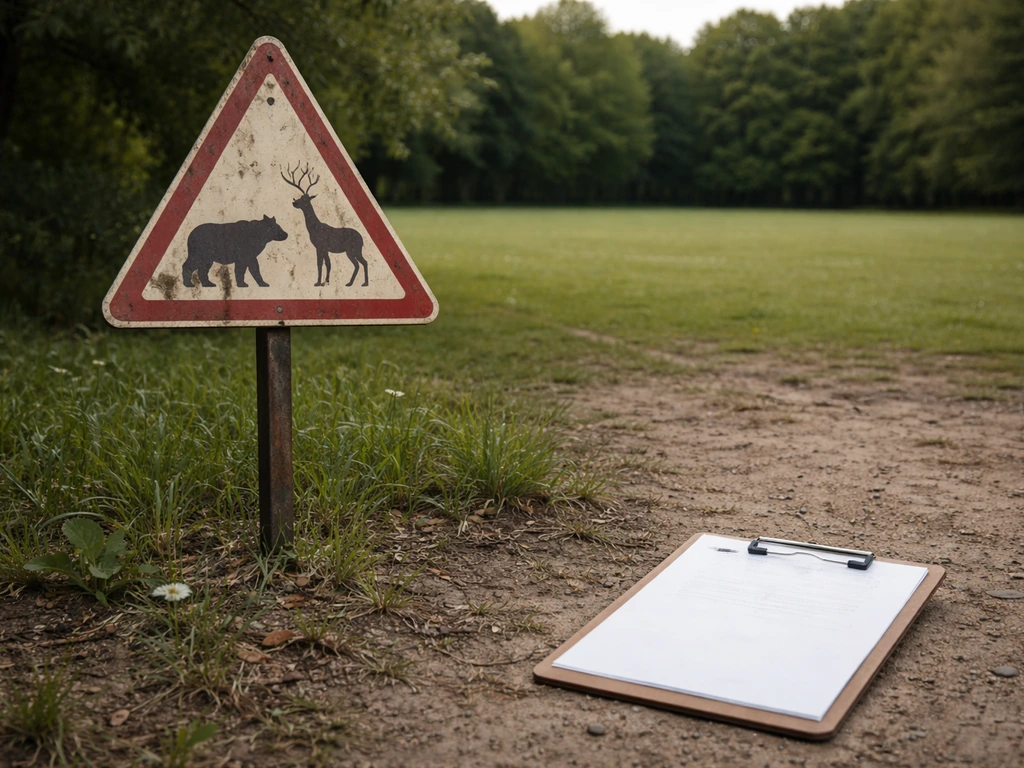
This matters and you should know it clearly. The Migratory Bird Treaty Act makes it unlawful to pursue, hunt, shoot, wound, kill, or capture migratory birds without a permit. If you are asking, "can you shoot skye's bird," the legal answer is that shooting or harming migratory birds without a permit can be unlawful, even if the bird survives shoot, wound, kill, or capture migratory birds. The list of covered species is long and includes most common wild birds: sparrows, pigeons, crows, herons, raptors, waterfowl, and hundreds more. The U.S. Fish and Wildlife Service defines 'take' broadly, and it includes harm and harassment, not just direct killing.
Shooting a migratory bird with a paintball gun can constitute an illegal 'take' under federal law, even if the bird survives. Penalties under 16 U. S. C.
§ 707 include fines and potential forfeiture of equipment used. On top of that, many states have their own wildlife protection statutes with separate penalties. Local ordinances in many municipalities also prohibit discharging BB guns, pellet guns, or air-powered devices in residential or urban areas.
City of King’s urban archery ordinance example lists “BB gun, pellet gun, air rifle” among weapons where discharging or shooting may be prohibited except for limited authorized exceptions like target ranges or law enforcement/property protection [Local ordinances in many municipalities also prohibit discharging BB guns, pellet guns, or air-powered devices in residential or urban areas. ](https://www. ci. king.
nc. us/vertical/sites/%7BF66D84C7-020F-42FF-9AB2-093062E31F9B%7D/uploads/2025/?? /CityofKingUrbanArchery_Ordinance. pdf).
The intersection of federal, state, and local law means you could face multiple violations from a single incident.
Better ways to deal with birds: non-lethal deterrence that actually works
If you're dealing with birds in an unwanted area and were considering a paintball gun as a deterrent, there are safer, legal, and more effective options. Most of these cost almost nothing and don't put you at legal risk.
- Reflective tape and visual deterrents: Strips of mylar tape, old CDs hung on strings, or aluminum foil strips reflect light and move in the breeze. Birds find the unpredictable flashing deeply unsettling and avoid the area. This works well for gardens, eaves, and outdoor dining areas.
- Bird netting: Physical exclusion is the most reliable method. Cover fruit trees, garden beds, or roof spaces with netting to block access without harming birds.
- Predator decoys: Plastic owls or hawk silhouettes can work in the short term. Move them regularly because birds figure out a stationary decoy quickly.
- Sonic/ultrasonic devices: These emit sounds that deter birds. Effectiveness varies, but they're a useful part of a combined approach.
- Bird spikes: For ledges, railings, and roof edges where roosting is the problem, spikes are humane and highly effective. They don't injure birds; they just make the surface uncomfortable to land on.
- Habitat modification: Remove food sources, cover trash, and trim trees that provide favored perches. Removing the attractant is more effective long-term than any scare device.
Combining two or three of these methods works far better than any single approach. If reflective tape is paired with a predator decoy that gets moved every few days, birds will reliably avoid the area. None of these carry legal risk, none cause injury, and most cost under $20 to set up.
The bottom line is straightforward: a paintball gun can seriously injure or kill a bird, the legal consequences of doing so can be significant, and there are practical alternatives for every common bird-deterrence scenario. If you are asking specifically about a Nerf gun, the key issue is that any small projectile can still cause lethal trauma under the right (or wrong) conditions. If a bird has already been hit, warm, dark, quiet containment and a fast call to a wildlife rehabilitator are the two things that give it the best chance of surviving. If you are trying to figure out whether you can kill an old bird with a paintball, the safest move is to avoid harm and use legal non-lethal deterrents instead kill old bird.
FAQ
If a bird flew away after being hit, is it still possible it could die later?
Yes, even without visible blood or broken feathers. Birds can die later from internal bleeding, blunt-force trauma, or shock, especially after hits to the head, eye, chest, or sternum. If the bird looks stunned, wonky, unusually quiet, or keeps one wing tucked, treat it as injured and call a wildlife rehabilitator.
What signs tell me the bird is actually injured after a paintball hit?
A single glancing strike can still cause severe injury. If you see the bird holding its head oddly, losing balance, limping, tail drooping, open-mouth breathing, or no longer responding normally, do not assume it is fine. Keep handling to a minimum and get it to a professional.
What should I do in the moment if I find the bird and it seems alert but not normal?
Do not try to “check” the bird by repeatedly opening the box or handling it more than necessary, and avoid giving food or water. Wildlife rehabilitators typically assess breathing and injuries on arrival. If the bird is actively struggling or the eye looks damaged, limit movement and focus on stable, quiet transport.
Is it safe for me to pick up the bird, and should I use gloves or a towel?
Gloves help reduce contact stress and reduce the chance of disease transmission, but the more important factor is minimizing handling time. Use a towel or soft cloth for gentle restraint only if you must move it, and never delay calling a rehabilitator while you “collect evidence” or take prolonged videos.
Does using a lower-powered paintball setting make it safe for birds?
Yes. Many people underestimate risk from “slower” projectiles. Even at reduced speed, pellet size and hit location still make blunt trauma possible, including eye damage. If your goal is deterrence, using projectiles is both ethically risky and can be illegal.
What should I do if the bird is bleeding or struggling to breathe?
If the bird is bleeding, breathing hard, or unable to stand, that is an emergency. Reduce stress immediately, use the dark box, keep it warm in a calm environment, and contact an avian vet or wildlife rehabilitator for intake instructions.
Who should I contact if I cannot find a wildlife rehabilitator immediately?
If you cannot find a rehabilitator right away, call an emergency avian vet or an emergency wildlife hotline in your area, or contact a local humane society for triage guidance. The key is fast direction, because internal injuries and shock can worsen quickly.
How do I transport an injured bird to maximize its chance of survival?
Yes, temperature and transport conditions matter. Keep the box level, avoid sudden car movements, keep the environment warm (not hot), and keep noise and light low. Do not leave the box in direct sun or a freezing car, because that can worsen shock.
If the bird survives, can I still get in trouble legally?
Because the Migratory Bird Treaty Act covers broad “take” definitions, even an incident where the bird survives can create legal exposure. If you are unsure whether the species is migratory, you should still assume it could be protected, and you should be transparent with the rehabilitator about what happened.
What are safer, legal alternatives if birds are in a yard or on a roof?
If you are using paintballs for deterrence, switch to non-projectile methods. Common lower-risk options include reflective tape, predator decoys used on a schedule, motion-activated lights, or removing attractants (food sources, standing water, exposed trash). These generally avoid the injury risk from projectile impacts.
Does the recommended contact person differ for hawks, owls, and songbirds?
For raptors, many general facilities will still route you correctly, but you should try to reach a licensed raptor rehabilitator when possible. Raptors have different needs than songbirds, and the right handler can be time-sensitive.
Next Article
Can a Slingshot Kill a Bird? Risk, Injuries, and Safer Options
Can a slingshot kill a bird? Learn injury risks, what affects harm, legal issues, and safer humane alternatives.