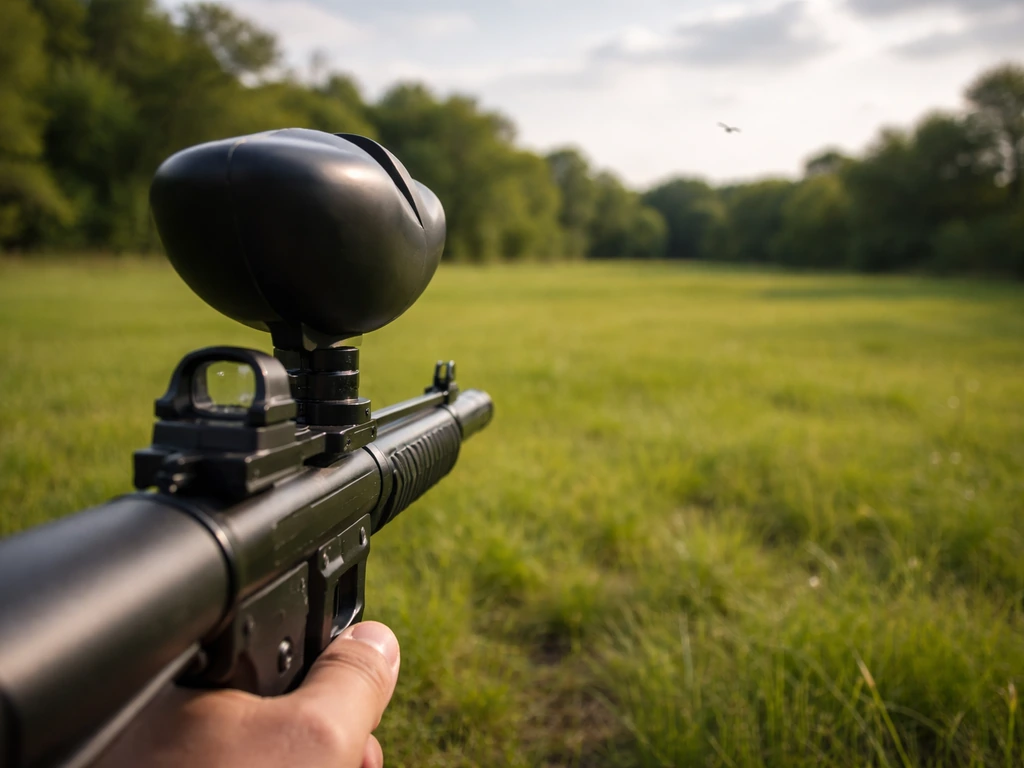
No, you should not shoot Skye's bird, and in almost every realistic scenario doing so is either illegal, unsafe, or both. Even at 200 fps, shooting or otherwise harming a bird can still cause illegal harm, dangerous injury, and prolonged suffering. Whether 'Skye's bird' is a pet that belongs to someone named Skye or a wild bird you're dealing with on your property, shooting it creates serious legal exposure, real physical risk, and there are always better options available to you today.
Can You Shoot Skye’s Bird? Safe and Legal Options

Maya Chen
21 May 2026
What 'Skye's bird' actually means, and why it matters
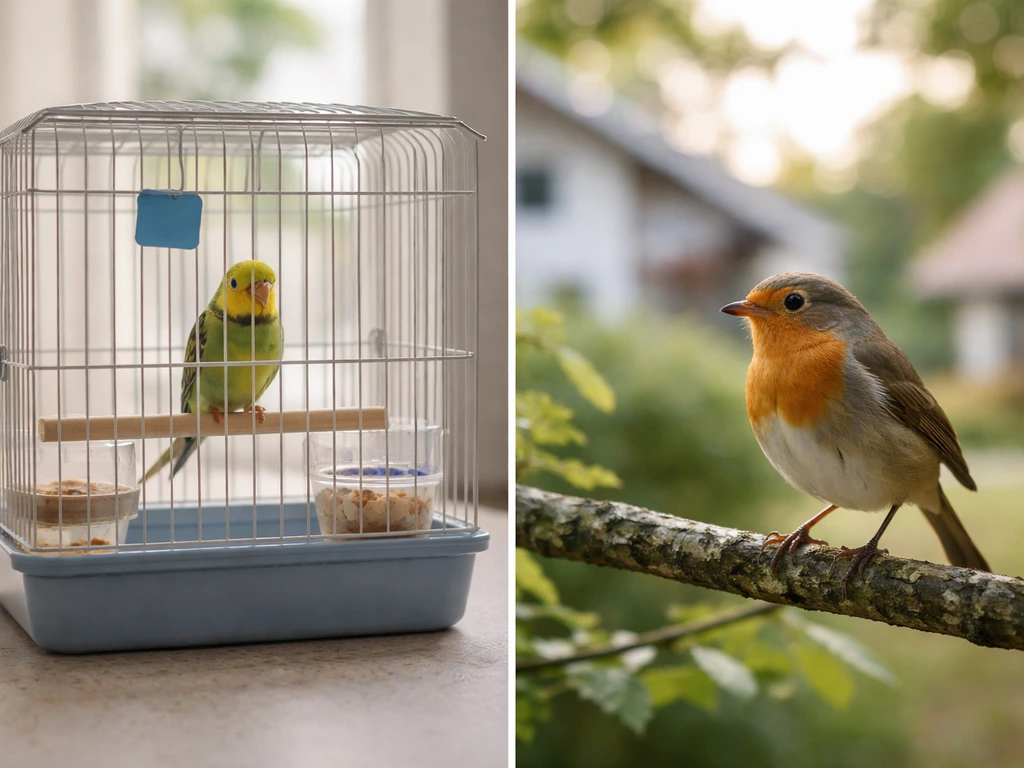
The phrase 'Skye's bird' doesn't refer to a recognized species. It most likely means one of two things: a pet bird owned by a person named Skye, or a wild bird that someone in your community has nicknamed or associated with that name. That distinction changes everything about how you should handle the situation.
If it's a pet, you're looking at someone's property. Shooting it would be destruction of private property on top of any animal cruelty charges, and the owner has legal recourse against you. Look for signs of ownership: a leg band or ID tag, tame behavior like approaching people without fear, or the fact that the bird showed up near a home rather than a natural habitat.
If it's a wild bird, the situation is governed by wildlife protection law. Most wild birds in the US are covered by the Migratory Bird Treaty Act, which defines 'take' broadly to include pursuing, shooting, wounding, killing, trapping, capturing, or collecting a bird, including any attempt to do so. That's a federal law, not just a local ordinance. In the UK, the Wildlife and Countryside Act 1981 makes it an offence to intentionally kill, injure, or take any wild bird. The EU's Birds Directive covers all naturally occurring wild species. Wherever you are, the legal presumption runs against you.
When in doubt, treat the bird as wild. The U.S. Fish and Wildlife Service advises that if you find a bird and aren't sure of its status, your job is to assess whether it needs help and then contact a licensed wildlife rehabilitator, not to intervene yourself.
Is shooting a bird ever safe or humane? The real risks
Even setting aside the legal side, shooting at a bird carries genuine risks to you, people nearby, and other animals. Projectiles from air guns, BB guns, and pellet guns don't disappear after they miss. Emergency department data shows air guns are frequently implicated in serious open wounds to the head, neck, trunk, and extremities. A ricochet or overshoot in a yard, near a building, or around other pets is a real hazard.
On the humane side, a small projectile hitting a bird rarely produces a clean, immediate result. It more often wounds the animal and causes prolonged suffering. Learn more about what FPS can kill a bird and why projectile-based “nuisance control” is so unreliable and dangerous. Washington State's Department of Fish and Wildlife explicitly states that a typical .177 pellet or BB gun is not an acceptable device for humanely addressing nuisance wildlife. The same logic applies to slingshots and similar improvised approaches.
There's also a disease risk if you end up handling a wounded or dead bird. Wild birds can carry avian influenza without showing symptoms, and the CDC advises avoiding unprotected exposure to sick or dead wild birds entirely. If you do need to handle one, use gloves and a face covering at minimum. The New York State Department of Health recommends treating any dead wild bird as potentially infected and avoiding contact.
The legal picture is clear, and not in your favor
Let's be direct about this. Under U.S. federal law, shooting a migratory wild bird without specific authorization is a federal offense. State laws add another layer: California, Washington, and most other states have their own restrictions on discharging air guns or firearms near wildlife. In the UK and EU, intentional killing of any wild bird without a specific licence is a criminal offence. Licences that do permit lethal control, like the UK's air safety bird licence, are narrowly defined and issued for very specific purposes. 'I didn't want it around' is not a qualifying reason.
If the bird is a pet and you shoot it, you're likely looking at criminal mischief, property destruction, and potentially animal cruelty charges depending on your jurisdiction. The owner can also pursue civil liability against you.
Bottom line: there is no common, everyday scenario where an unlicensed private individual can legally shoot a bird, wild or owned by someone else. It also means you should not treat questions like whether a paintball gun can kill a bird as a legitimate way to remove a bird can a paintball gun kill a bird. If you're frustrated enough to be searching for whether you can shoot it, that's a signal to step back and use one of the options below. If you’re asking, can a Nerf gun kill a bird, the safer answer is that you should not shoot it and should use legal, non-harm options or contact licensed help.
If the bird is causing a problem right now, here's what to do
If the bird is acting aggressively, making noise, damaging property, or posing some kind of immediate nuisance, there are safe and legal steps you can take today.
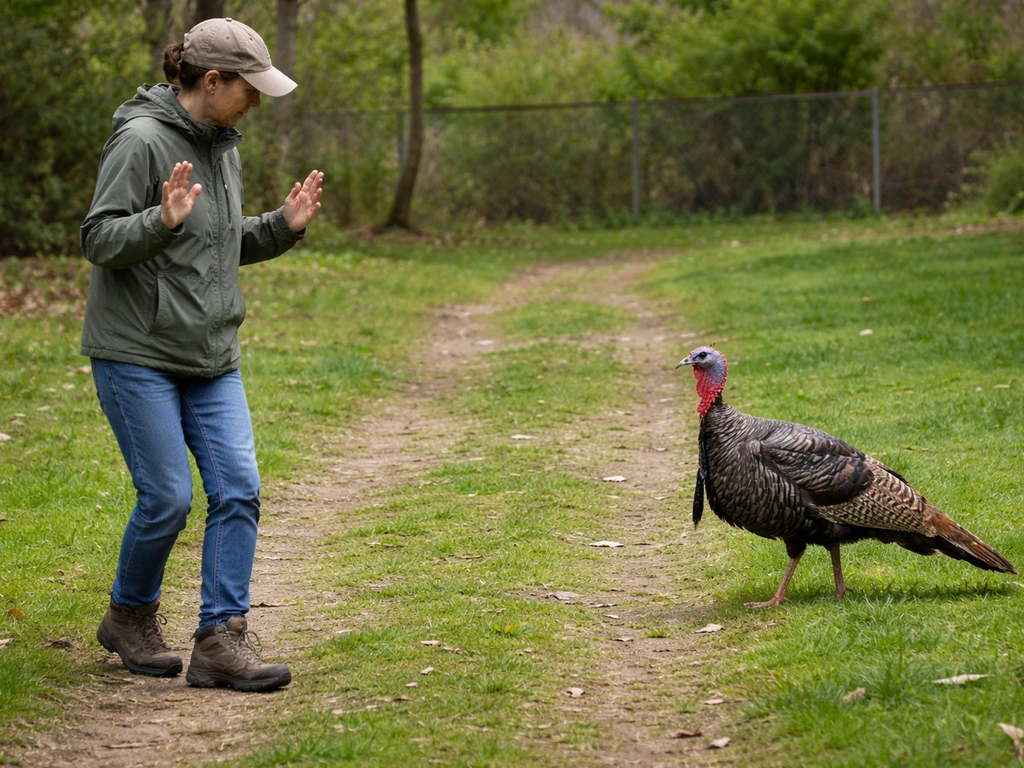
- Back away from the bird and give it space. Most bird aggression, especially during nesting season, stops when you move out of the bird's perceived territory.
- If it's inside a building, open windows and doors on one side to give it a clear exit. Don't chase it, which causes panic and injury.
- If it's a pet that wandered in, contain it calmly in a room and contact local animal services or post in neighborhood groups to find the owner.
- If it's outside and damaging crops or property, contact your local wildlife damage control agency or a licensed pest management professional. They have legal tools you don't.
- If a pet of your own (like a cat or dog) is in immediate danger, remove your pet from the area first, then reassess.
Washington Department of Fish and Wildlife specifically recommends contacting a local wildlife damage control company, veterinarian, or animal shelter if you lack the training or authorization to handle the situation yourself. If you need urgent, humane help right now, start by contacting a licensed wildlife damage control company rather than considering lethal control. That's the right escalation path.
If the bird looks sick or injured
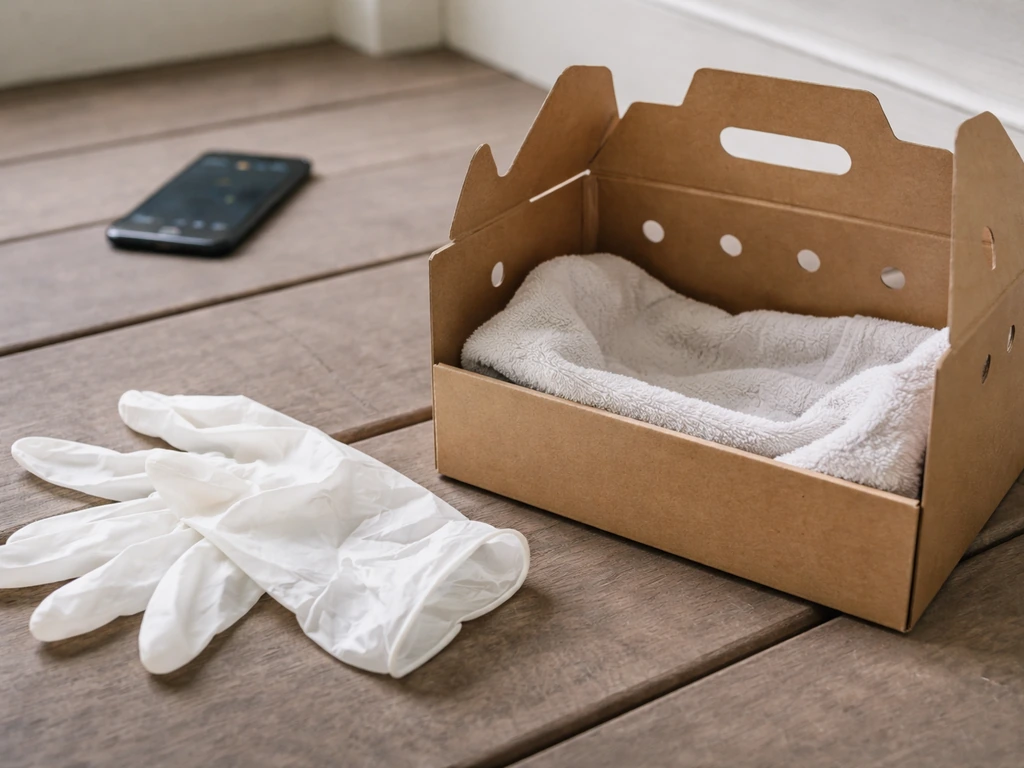
A bird that's sitting on the ground, not flying away, or behaving oddly may be sick or injured. Your instinct might be to help it directly, but the best action is to contact a licensed wildlife rehabilitator. The U.S. Fish and Wildlife Service and state agencies like Washington WDFW both emphasize that licensed rehabilitators are the appropriate resource, not members of the public acting alone.
If you genuinely can't reach a rehabilitator quickly, Massachusetts Audubon recommends placing the bird in a secure, ventilated box out of sight of people and pets, with as little handling as possible, while you keep trying to reach a professional. Don't give it food or water unless a rehabilitator specifically instructs you to.
Tufts Wildlife Clinic is clear that raising or keeping a wild bird in captivity without a state or federal permit is illegal, even if your intentions are good. Find a rehabilitator, hand it off, and let the professionals take over.
For disease safety: if you must handle the bird, wear disposable gloves and wash your hands thoroughly afterward. Avoid touching your face. During periods of elevated avian influenza risk, Michigan's MDARD guidance for wildlife handlers recommends a mask or respirator and eye protection as well.
Long-term fixes: keeping birds away without harming them
If the root problem is that a bird keeps coming back to an area where it's not wanted, deterrence and exclusion work far better than any attempt at lethal control, and they're legal.
- Physical exclusion: netting, hardware cloth, or wire mesh to block access to nesting sites, eaves, rafters, or garden areas. The RSPB notes netting is one of the most effective tools, though it must be installed and maintained carefully to avoid trapping birds.
- Visual deterrents: reflective tape, predator decoys (owls, hawks), or moving objects near problem areas. Rotate them regularly so birds don't habituate.
- Sound deterrents: distress calls or predator calls played intermittently. These are most effective when combined with visual deterrents.
- Habitat modification: remove food sources like open compost, pet food left outside, or bird feeders near areas where the bird is unwanted.
- Garden netting: protect fruit trees and vegetable beds with fine mesh netting secured at the edges so birds can't get underneath.
- Professional bird-proofing: for persistent problems with buildings or commercial spaces, a licensed pest management company can install spike strips, tension wires, and other long-term deterrents legally and effectively.
If you're still thinking about acting yourself, read this first
If you've read everything above and you're still considering shooting the bird, here's a practical decision path to work through before you do anything.
- Confirm what you're dealing with. Is this definitely a wild bird or possibly someone's pet? Check for leg bands, tags, or unusual tameness. If there's any doubt, assume it's protected.
- Identify the species if you can. Use a free identification app like Merlin to determine if it's a migratory or protected species. Most birds you'll encounter fall under federal protection.
- Call your local wildlife agency before doing anything. In the US, contact your state's department of fish and wildlife. In the UK, contact the RSPB or the relevant authority. Explain the situation and ask what legal options exist.
- Ask about depredation permits or control orders. In specific circumstances, lethal control of certain species is authorized through permits. A wildlife officer can tell you whether that applies to your situation.
- If immediate professional help is unavailable, use non-lethal deterrents in the meantime and document the problem (photos, dates, damage) so you have a record if you do pursue official action.
- Contact a licensed wildlife damage management specialist. These professionals have legal tools, training, and authorization that private individuals don't. They're the right resource when the problem is persistent and serious.
The pattern here is consistent: every legitimate path runs through licensed professionals, not through personal improvised action. This same principle applies whether you're dealing with a bird causing property damage or looking at related scenarios involving projectile weapons and birds. In other words, a red Ryder air rifle is still a projectile weapon, and shooting can harm or kill birds in ways that create serious legal and safety risk projectile weapons and birds. The impulse to handle it yourself with a gun, pellet rifle, or slingshot creates more problems than it solves, legally, physically, and in terms of actually resolving the situation. That includes questions like can a slingshot kill a bird.
If there's a genuine, documented nuisance or damage problem, the authorities have mechanisms to help you. The starting point is always a phone call to your local wildlife agency, not a decision made in frustration in your backyard.
FAQ
What if I’m only trying to scare the bird, not kill it, can you shoot Skye’s bird for that purpose?
Shooting could be treated as “take” even if you miss or only intend to scare it. The safe/legal move is to avoid any action that could injure the bird, then document what it is doing (location, times, specific damage or threats) and contact local wildlife damage control or your wildlife agency for an approved plan.
How can I tell if Skye’s bird is a pet or a wild bird before taking any action?
If the bird has any leg band, tag, or appears tame and approaches people, assume it is a pet or owned bird. Instead of shooting, contact the owner if you can identify them, or call a local avian rescue/veterinary clinic for guidance on safe capture and reporting.
What should I do if the bird is injured, grounded, or seems sick but I think it’s on my property?
If a “wild” bird shows up very near your home, it still may be protected, and disease risk is higher if it is injured. For a sick or grounded bird, use a secured, ventilated container and contact a licensed wildlife rehabilitator rather than attempting to restrain it yourself.
If the bird is damaging my property, what are legal non-harm options I can try instead of shooting?
Yes, even non-lethal contact can create liability if you harm an animal or destroy property. Check for nuisance solutions that use exclusion (netting, screens), sanitation, and habitat modification, then only use approved devices if your local agency authorizes them.
Who should I contact first when a bird is a nuisance or seems injured, animal control or a rehabilitator?
Most wildlife agencies have specific reporting lines for nuisance wildlife and injured birds, but the correct call depends on your situation. If it is immediate danger or you cannot secure the area safely, call animal control or the police non-emergency line, and if it is injury or suspected illness, call a licensed wildlife rehabilitator.
What if I already found a dead bird, can I clean it up myself?
If you find a dead bird, do not handle it barehanded, and keep kids and pets away. Use disposable gloves, place it in a sealed bag or container, then follow your local health or wildlife guidance for reporting and disposal.
How high is the disease risk if I touch a wounded or dead wild bird?
Avian influenza and other pathogens are a reason to minimize contact and avoid face touching, but it is not your only concern. If the bird has blood, feathers with debris, or signs of injury, treat it as potentially infectious, ventilate the area, and wear appropriate protection while waiting for professional advice.
Does having a firearm or air gun permit mean I can legally shoot Skye’s bird?
Even if you have a permit to discharge a weapon, it usually does not automatically authorize harming migratory birds or protected species. Confirm with your local wildlife agency whether lethal control is authorized for your specific bird species and circumstances.
What if the bird is nesting or has chicks on my property, can I remove it?
If a bird is nesting on your property, removal may be restricted by wildlife laws and timing. The best approach is to contact your wildlife agency for a nest-specific plan, which often focuses on exclusion after fledglings leave or on authorized relocation methods.
If the bird keeps coming back, will feeding or baiting it so it leaves work, instead of shooting?
Do not feed it “to make it come closer,” since feeding can increase repeat visits and attract more birds. Use deterrents that remove attractants (trash cover, pet food indoors, secure compost) and then apply exclusion or habitat changes.
What if the bird is acting aggressively and won’t stop, is lethal action ever justified?
If the bird is actively threatening people, causing direct injury, or creating an immediate safety problem (for example, repeatedly attacking someone), treat it as an emergency and contact the right local authority. Even then, professionals will usually use containment or approved deterrence rather than shooting.
Next Article
Can a Paintball Gun Kill a Bird? Real Risks and What to Do
Can a paintball gun kill a bird? Learn real injury risks, safety steps after a shot, and legal alternatives.