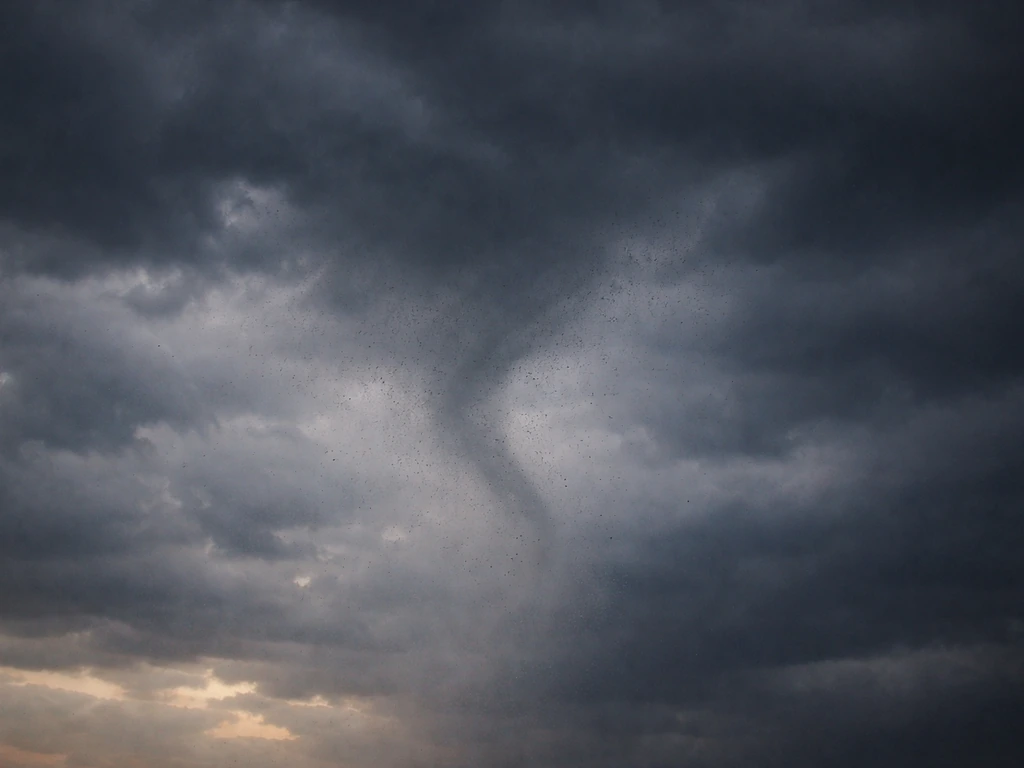
Yes, stress can kill a bird, but almost never in the way most people picture it. A single loud noise or a brief handling session doesn't typically drop a healthy bird dead on the spot. What stress does is trigger a hormone cascade that, if prolonged or layered on top of an existing problem like an infection, injury, or poor nutrition, can push a bird into a physical crisis it can't recover from. Many people also wonder whether nesting can affect plants, and the answer depends on the type of bird and how the nest is placed will a bird nest kill a plant. The more urgent question is usually not "did stress cause this" but "what is actually going on right now, and does this bird need help today?"
Can Stress Kill a Bird? What to Do and When to Worry

Maya Chen
29 May 2026
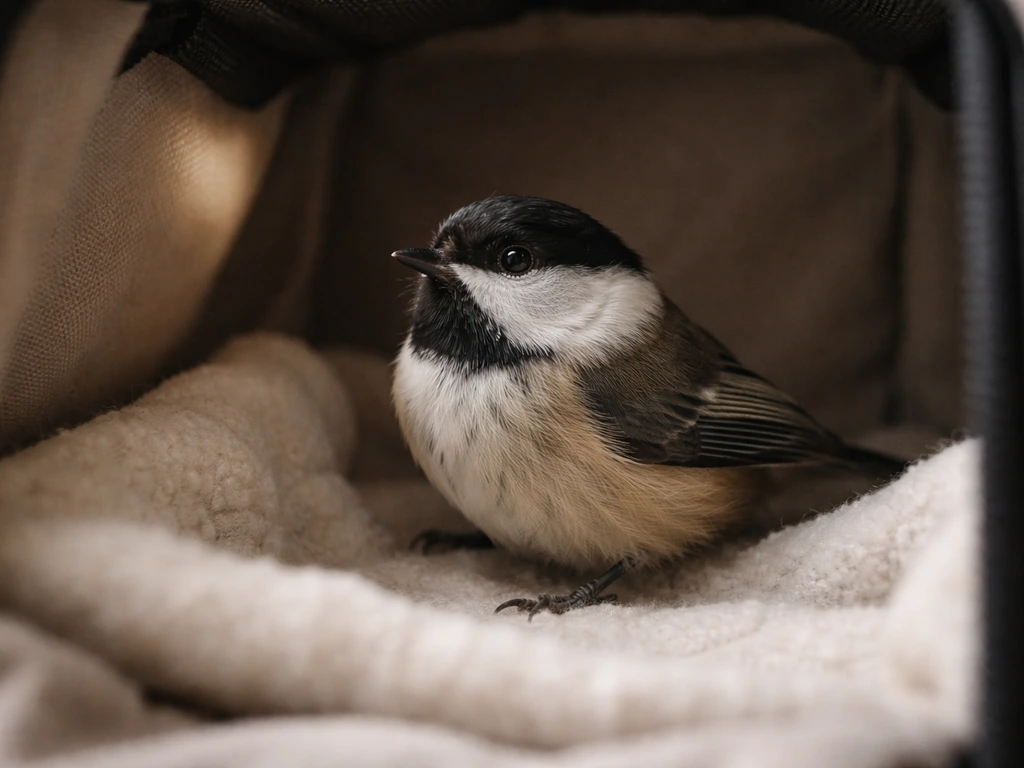
What stress actually does to a bird's body
When a bird perceives a threat, its hypothalamic-pituitary-adrenal (HPA) axis activates and releases corticosterone, the avian equivalent of cortisol. This is a survival hormone. In the short term it does useful things: raises blood sugar for quick energy, increases cardiovascular output, and briefly shifts immune activity toward immediate defense. That's why a bird can survive a genuine predator encounter and fly away.
The problem is the "prolonged" part. If corticosterone stays elevated, the bird diverts energy away from immune function, digestion, thermoregulation, and tissue repair. A bird that is chronically stressed is a bird whose defenses are quietly being dismantled. Add an underlying respiratory infection, a parasite load, poor husbandry, or a traumatic injury, and that bird is now in serious danger. Stress is usually the accelerant, not the spark.
Stress behavior vs. signs that something is seriously wrong
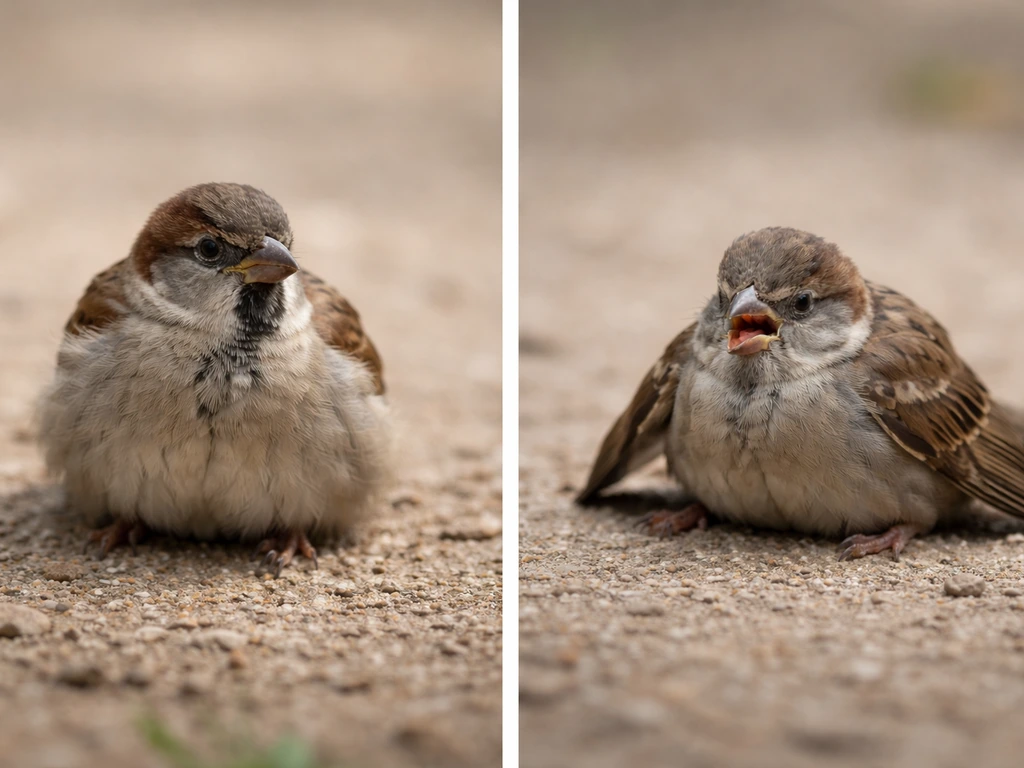
A stressed but otherwise healthy bird typically shows predictable behaviors: rapid breathing that settles within minutes, alarm calls or sudden silence, fluffed feathers, pressing against a corner, or wide, fixed eyes. These are normal acute stress responses. They should resolve once the trigger is removed and the bird is in a quiet, safe space.
What you don't want to see is any of the following. These are not "just stress" signs and they warrant immediate escalation to an avian vet or wildlife rehabilitator.
- Open-mouth breathing that continues after the trigger is removed
- Tail bobbing with every breath (indicates serious respiratory effort)
- Inability to stand, grasp a perch, or hold the head up
- Tremors, twitching, circling, or seizure-like movements
- Bleeding that hasn't stopped
- Rapid, labored breathing with a hunched posture
- Complete unresponsiveness or extreme limpness
- Gasping or wheezing sounds
Open-mouth breathing is a good example of where context matters. Some raptors will open-mouth breathe briefly as a fear response when a human is close. But persistent open-mouth breathing, especially with tail bobbing and fluffing, is a respiratory emergency, not a personality quirk. Persistent open-mouth breathing, especially with tail bobbing and fluffing, is a respiratory emergency, not a personality quirk, and it can also be seen in serious issues like an air sac rupture. When in doubt, treat it as an emergency.
The most common stress triggers (and why they matter)
Knowing what triggered the stress helps you know how much danger the bird is actually in. These are the situations that most commonly drive people to search for answers.
- Window strikes: The bird isn't "stressed" in a psychological sense, it likely has a concussion. Shock and neurological injury are the real risks here.
- Predator encounters: Even without physical injury, prolonged pursuit or cornering by a cat or dog spikes corticosterone sharply. Cat saliva is also directly toxic to birds even from a light scratch.
- Excessive or rough handling: Especially dangerous with small birds, sick birds, or newly acquired pets that aren't tame. Restraint is genuinely frightening.
- Loud or sudden noises: Fireworks, construction, loud music. Usually short-term but can be chronic in poorly placed cages.
- Relocation and transport: Moving a bird to a new environment disrupts everything: visual cues, temperature, smells, social context. Expect days to weeks of adjustment.
- Social disruption: Removing a bonded companion, adding a new bird, or changing the owner can cause prolonged stress in social species like parrots and finches.
- Temperature instability: Too cold suppresses immune function; overheating is an emergency. Birds don't regulate body temperature the same way mammals do.
- Light cycle disruption: Irregular or excessive artificial light disrupts sleep and hormonal rhythms, contributing to chronic low-grade stress.
- Inadequate food and water: Even short periods of deprivation are stressful and dangerous for small birds with fast metabolisms.
What to do right now to reduce stress safely
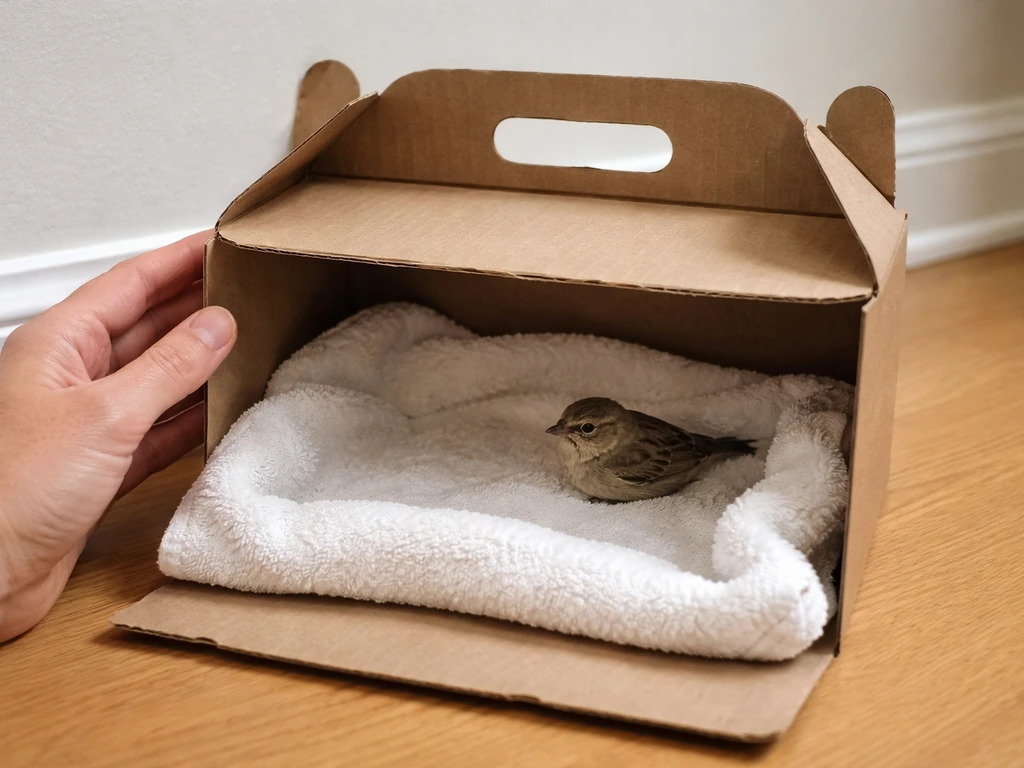
If you have a bird in front of you that is clearly distressed, here is the most useful sequence of actions. These steps apply to both pet birds and wild birds you've found and aren't sure what to do with.
- Stop handling it. Put the bird in a small, covered cardboard box or carrier lined with a soft cloth or paper towel. Minimal handling is the single most important step.
- Make it dark. Cover the box or dim the light. Darkness reduces visual stimulation and quickly lowers acute stress response.
- Make it quiet. Move the box away from TVs, other pets, children, and traffic noise. A bathroom or closet works well short-term.
- Stabilize the temperature. The ideal range for a pet bird is roughly 70 to 80°F. A sick or injured bird may need it warmer, around 85 to 90°F, but do not use direct heat sources on the bird itself. Place a heating pad on low under half the box so the bird can move away from heat if needed.
- Don't force food or water. Especially for a wild bird or a bird that just had a traumatic event, trying to give water can cause aspiration. For a pet bird with known access to its food and water, make sure those are available but don't force anything.
- Give it time. A window-strike bird that is breathing normally should show clear improvement within a few minutes to an hour. If it doesn't, that's your escalation signal.
- Watch and assess. Check on the bird quietly every 15 to 20 minutes without disturbing it. You're looking for improvement: the bird becoming more alert, standing, looking around. You're watching for deterioration: anything from the red-flag list above.
For a window-strike bird specifically: place it in a covered box in a quiet, warm location. After about one hour, take the box outside and open it. If the bird flies away, great. If it doesn't, contact a wildlife rehabilitator immediately. Do not keep a wild bird in a box for hours hoping it will recover on its own.
When "stress" is actually something far more dangerous
One of the most important things to understand is that many symptoms people attribute to stress have specific, urgent, and treatable causes. Calling it "stress" and waiting can be fatal. If you ever hear the term "bird fart tornado," it is almost always a misunderstanding, and persistent symptoms still need proper, hands-on first aid and a vet or wildlife rehabilitator check. Here are the most common ones.
Toxin exposure

Overheated non-stick cookware (PTFE/Teflon) is one of the most common and deadly hazards for pet birds. When heated above about 500°F, fluorinated gases are released that cause severe lung hemorrhage and edema in birds. A bird near an overheated pan may show sudden weakness, difficult breathing, wheezing, anxious behavior, and can be found dead in its cage with little warning. A key part of answering what makes a bird explode is recognizing that sudden, fatal crises are often triggered by hidden toxins or overheating. Other toxin sources include aerosol sprays, scented candles, air fresheners, cigarette smoke, rodenticides (which can cause seizures, tremors, and limb weakness), and pesticides. If you are asking whether a rat could kill a bird, the safer assumption is that it may cause trauma or toxin exposure and the bird needs urgent help. If there's any chance of chemical exposure, get the bird into fresh air immediately and contact a vet.
Overheating and heat stroke
Birds in direct sunlight, hot cars, or poorly ventilated spaces can overheat rapidly. Heat stroke presents similarly to stress: open-mouth breathing, panting, weakness. But it is an emergency. Move the bird to a cool area, offer water if it's alert enough to drink safely, and get veterinary help.
Traumatic injury and shock
Window strikes, cat attacks, and collisions can cause internal injuries that aren't visible. A bird that looks stunned may have a brain injury, internal bleeding, or organ damage. The supportive care steps above are appropriate first aid, but they're not treatment. Shock from trauma requires professional evaluation.
Disease and infection
Birds hide illness extremely well, a survival adaptation that means by the time a bird looks sick, it's often already seriously ill. Respiratory infections, bacterial septicemia, and parasitic disease can all look like "stress" in early stages: fluffed feathers, quietness, reduced appetite, lethargy. A bird that isn't improving within a few hours of being placed in quiet, warm, stable conditions should be seen by a vet, not watched for another day.
Starvation and dehydration
Small birds have extremely fast metabolisms. A sparrow or finch can become critically weak from just one to two days without food. A bird found on the ground that is too weak to fly may simply be starving or severely dehydrated, conditions that are often combined with hypothermia. These are not stress problems, they're physiological emergencies.
A quick comparison: stress response vs. emergency signs

| What you observe | Likely explanation | What to do |
|---|---|---|
| Rapid breathing that settles within 5 minutes | Acute stress response | Remove trigger, provide quiet dark space |
| Open-mouth breathing lasting more than 10 minutes | Respiratory compromise or overheating | Treat as emergency, call vet or rehabber |
| Fluffed feathers, eyes closing, but responsive | Stress, cold, or early illness | Warm dark quiet space, monitor closely |
| Tremors, twitching, circling, or seizures | Toxin exposure, head injury, or neurological disease | Immediate veterinary attention |
| Bird improves and flies after 1 hour in dark box | Window strike concussion, resolved | No further action needed |
| Bird still unable to stand after 1-2 hours | Serious injury or illness | Wildlife rehabilitator or avian vet now |
| Sudden weakness near a kitchen or with aerosols present | Possible PTFE/toxin exposure | Fresh air immediately, emergency vet |
Long-term prevention and knowing when to call for help
For pet bird owners, chronic stress is just as much of a risk as acute events. The goal is an environment that matches the bird's natural needs as closely as possible. Here are the pillars of a low-stress setup.
- Consistent light-dark cycles: 10 to 12 hours of darkness per night for most species. Irregular light disrupts hormones and sleep.
- Stable temperature: Keep pet birds in the 70 to 80°F range and away from drafts, air conditioning vents, and direct sun through windows.
- Social needs met: Highly social species like parrots need daily interaction or a companion. Isolation is genuinely stressful and chronic.
- Environmental enrichment: Foraging toys, varied perches, and mental stimulation reduce boredom-related stress in captive birds.
- Routine feeding: Same times, same foods, with clean water always available. Small birds should never go more than a few hours without access to food.
- Non-toxic household environment: No non-stick cookware overheating, no aerosol sprays near the bird, no scented candles in the same room.
- Gradual introductions: New environments, new people, and new birds should be introduced slowly with the bird able to retreat and feel safe.
For wild birds, the most important thing to remember is that your job is stabilization and handoff, not treatment. A wild bird in your hands should be in a covered box in a warm, quiet space within minutes, not being offered bread and water on your kitchen table. Most regions have licensed wildlife rehabilitators who can be found through a quick search for "wildlife rehabilitator near me" or through your local animal control agency.
Clear triggers for calling an avian vet or wildlife rehabilitator
You don't need to second-guess yourself if any of these are true. These are the moments to make the call rather than wait and see.
- Any difficulty breathing that persists beyond 10 to 15 minutes of being in a calm environment
- The bird cannot stand, grasp, or hold its head up
- Seizures, tremors, circling, or neurological-looking behavior
- Bleeding that doesn't stop within a few minutes of gentle pressure
- No improvement after one to two hours of supportive care (warmth, dark, quiet)
- Known or suspected exposure to toxins, chemicals, or non-stick cookware fumes
- A change in droppings that is dramatic or prolonged (watery, bloody, absent)
- The bird has not eaten in more than 24 hours for a pet, or is visibly emaciated
- A cat or dog made physical contact with the bird, even a light scratch
Stress is real, it can contribute to a bird's death, and it's worth taking seriously. But the practical takeaway is this: a stressed bird in a quiet, dark, warm space with no additional threats will almost always show you within an hour whether it needs more help than you can give. Your job is to minimize further harm, watch closely, and know when it's time to hand off to someone with the right tools. That combination of calm, quick action and clear escalation thresholds is what actually saves birds.
FAQ
How long should I watch a stressed bird before calling it an emergency?
If a bird appears to be “dying from stress” shortly after a brief scare, the more likely causes are an underlying hidden problem (infection, parasites, injury) or a new hazard you may not notice (overheating, fumes, toxins). Use the response window logic: put the bird in a quiet, warm, dark space and recheck within about 30 to 60 minutes. If breathing is not normalizing, if it is getting weaker, or if symptoms persist beyond an hour, treat it as more than stress and escalate.
Can stress kill a bird over days or weeks, not just right away?
Chronic stress is usually a “slow burn,” so it rarely kills instantly. Look for a pattern, such as repeated days of fluffed feathers, reduced appetite, persistent hiding, ongoing rapid breathing, or trouble regaining normal behavior after routine handling. If the bird’s condition is trending worse over 24 to 48 hours, or not improving after removing the trigger, it needs professional evaluation.
How can I tell stress symptoms from breathing emergencies?
Stress signs overlap with respiratory and heat problems, so temperature and breathing pattern matter. Persistent open-mouth breathing, tail bobbing, wheezing, or any rapid breathing that does not settle within minutes is a red flag. Heat issues often come with being in a hot location, weakness, and panting. If you are unsure, handle it as a respiratory or heat emergency rather than “calm it down and wait.”
Does picking up my pet bird “cause stress that kills,” and how do I handle it safely?
Yes, bird-to-people handling can look like a stress event, but the key distinction is duration and intensity. Brief handling that ends quickly typically causes an acute stress response that resolves. If the bird is struggling, vocalizing intensely, repeatedly fluffs and presses into corners, or shows any sustained breathing difficulty during or after handling, stop and switch to a low-stress stabilization approach and contact a vet or rehabilitator.
What should I do first if I find a wild bird that looks stressed?
If you have a wild bird, the safest “first move” is stabilization, warmth, and reduced stimulation, not feeding and watering right away. A quick test is whether it can regain normal posture and quiet breathing in the covered box. Do not keep it in a box for hours. If it does not fly off after the short window for window strikes, contact a rehabilitator immediately.
My bird opens its mouth when people are near, is that always an emergency?
Open-mouth breathing can happen briefly as a fear response in some raptors, but persistent open-mouth breathing with tail bobbing and fluffing should be treated as an emergency. Even if the bird seems alert, abnormal breathing is a higher-priority signal than behavior alone. When in doubt, you should escalate to an avian vet or rehabilitator.
What if I think the bird was exposed to smoke or a pesticide?
After a hazard exposure, time matters. For suspected fumes or toxins (smoke, aerosols, scented products, rodenticide risk, chemical odors), move the bird to fresh air immediately, avoid using additional chemicals around it, and seek urgent veterinary or rehabilitator guidance. Do not wait for “stress” to pass.
Should I offer water or food to a stressed bird while I wait for help?
Feeding the bird is not always helpful and can be harmful if it is overheated, in respiratory distress, or too weak to swallow safely. The practical rule is to focus on warmth, quiet, and monitoring first. If the bird is not alert enough to drink safely, do not force fluids, instead contact a professional for appropriate first aid.
When does “low-stress care” stop being enough for a sick pet bird?
For pet birds, a “quiet, stable conditions” check is useful, but it is not a substitute for diagnosis. If symptoms do not improve within the short stabilization window, or if you notice specific danger signs like open-mouth breathing, weakness, sudden collapse, or worsening appetite over a day, escalate promptly. Chronic stress also warrants husbandry review, because poor nutrition, incorrect lighting, and inadequate ventilation can silently stack with stress hormones.
A bird hit a window or was attacked, it seems stunned but calm. Is that still urgent?
Shock and internal injury can present as quietness or stiffness, and those are not “fixed” by calming. If the bird had a collision, cat attack, or window strike, assume internal trauma may exist even if there are no visible wounds. Keep it warm and quiet, minimize handling, and get professional evaluation urgently.
Next Article
What Is a Bird Fart Tornado? Meaning, Risks, and Cleanup
Explain what bird fart tornado slang means, health risks from droppings, safe cleanup tips, and prevention to stop it.