No, the monsters in Bird Box cannot be killed. Neither the 2014 novel by Josh Malerman nor the 2018 Netflix film nor the Barcelona spin-off shows any character successfully harming or destroying the entities. The only survival strategy the story ever offers is simple and brutal: never look at them.
Can the Monsters in Bird Box Be Killed and What’s Real

Maya Chen
24 May 2026
What Bird Box and the monsters actually are
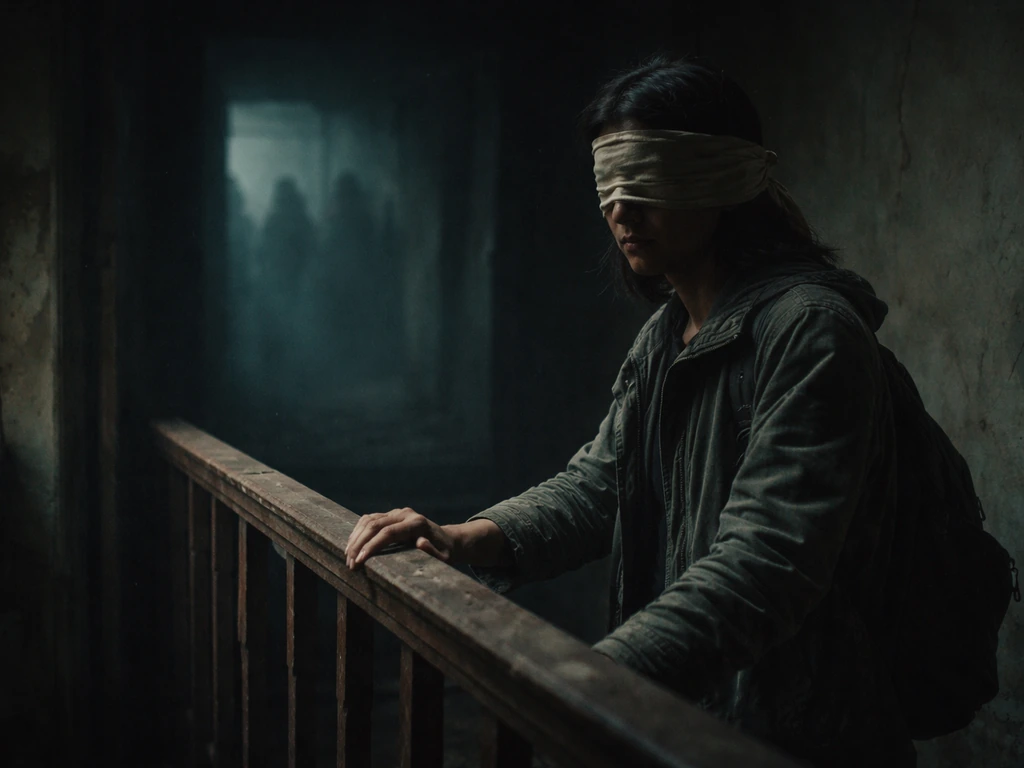
Bird Box is a post-apocalyptic horror story, first a novel and then a Netflix film, in which mysterious entities appear worldwide and trigger suicidal behavior in anyone who sees them. The creatures are never fully explained, never clearly shown on screen, and never given a scientific name or origin. The title comes from a specific survival tactic: survivors keep small birds in a box because the birds react with visible agitation when an entity is nearby, acting as a living alarm system. ScreenRant likewise notes that while the films avoid solid answers, dialogue and the novel's bird-use show how survivors react and avoid the entities survivors discover bird-use (in the book) as part of avoiding them.
So when people search 'can the monsters in Bird Box be killed,' they're asking about these fictional antagonists, not an actual bird species or a real-world hazard. It's worth clearing that up because this site normally deals with real threats to birds, and those questions are worth taking seriously too.
Can they be killed? What the story's canon actually says
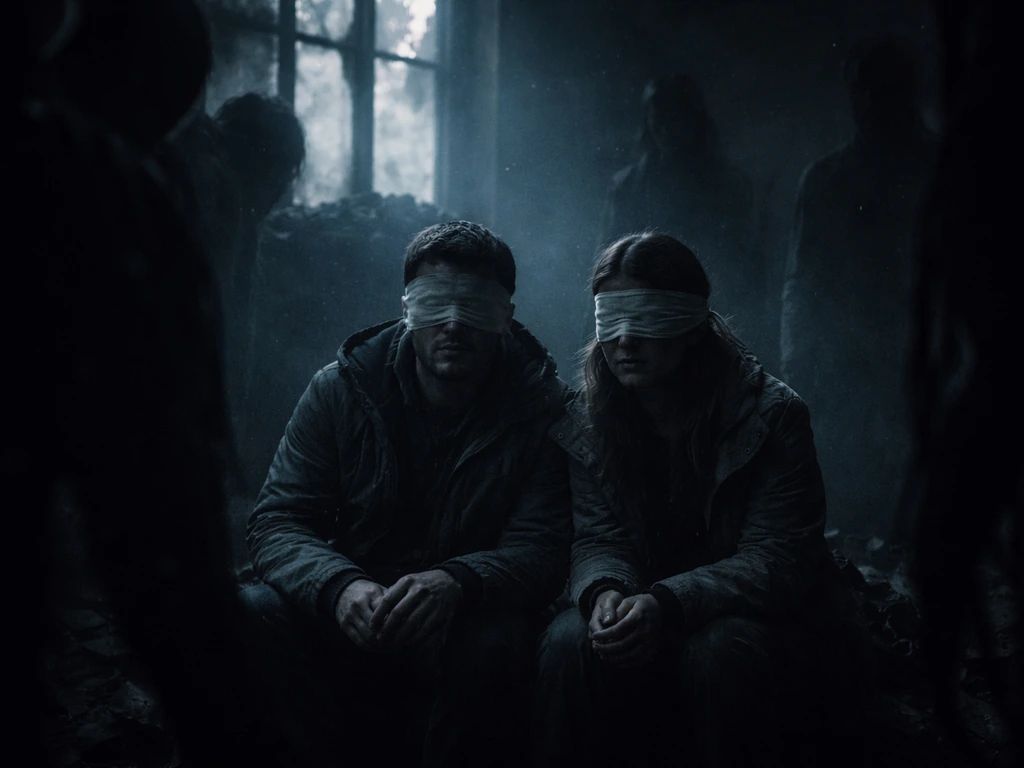
The short version: no weapon, no trap, no plan ever kills one. Across the novel, the film, and Bird Box: Barcelona, no character manages to destroy or even significantly confront an entity. Every attempt at direct engagement ends in disaster for the human involved. The story treats the creatures as a force of nature, not a monster you can fight. That is why the creatures in Bird Box kill, even when there is no conventional way to fight back force of nature.
The cause-and-effect is straightforward in both the book and the film: seeing the entity compels the viewer to kill themselves. For more on why this suicidal compulsion happens in the story, see why do people kill themselves in Bird Box. It doesn't matter if the person is armed, physically strong, or otherwise prepared. Olympia's death in the film is a direct example of this, she fails to look away in time and the outcome is immediate. The creatures don't need to be physically dangerous in a conventional sense because the damage happens through perception alone. In the Bird Box story, the entities kill people by forcing them to commit suicide when they are seen.
The Barcelona spin-off does introduce a wrinkle: certain individuals described as 'seers' can look at the entities without being driven to suicide, and are instead mentally influenced to serve them. In Bird Box: Barcelona, some people can survive because they are able to look at the entities without being forced into suicide some people can look at the entities.
In Bird Box: Barcelona, some of these seers are not affected the same way because they can look at the entities without being driven to suicide certain individuals described as 'seers'. This doesn't give those characters a path to killing the entities either. It just creates a different kind of threat dynamic.
In real life, it is not about whether you can force a monster inside, but about protecting birds from hazards you can actually control protect birds from hazards.
How survivors actually deal with them: the avoidance logic
Since killing the entities is off the table, the entire survival strategy in Bird Box is built around avoiding sight of them. Here's how that plays out across the story:
- Staying indoors behind barricaded windows and doors, with all visual access to the outside blocked
- Wearing blindfolds whenever venturing outside, accepting total loss of vision as the price of safety
- Using birds in a box as a warning system, the birds become agitated when entities are nearby, giving survivors a few seconds to react
- Navigating by sound during outdoor travel, including following the sound of birds and water when moving through dangerous terrain
- In the film, Tom removes his blindfold briefly during a river sequence to navigate a rapid, accepting the risk to save the group
The logic of the story is essentially that you cannot overpower what you cannot fight. The only win condition is avoiding exposure entirely. This is consistent throughout the original novel and the film adaptations.
Real-world bird threats that people sometimes confuse for something worse
If you ended up here because you're worried about something actually happening to birds, that's a completely different and much more solvable problem. Real birds face serious threats every day, and some of them are surprisingly common and preventable.
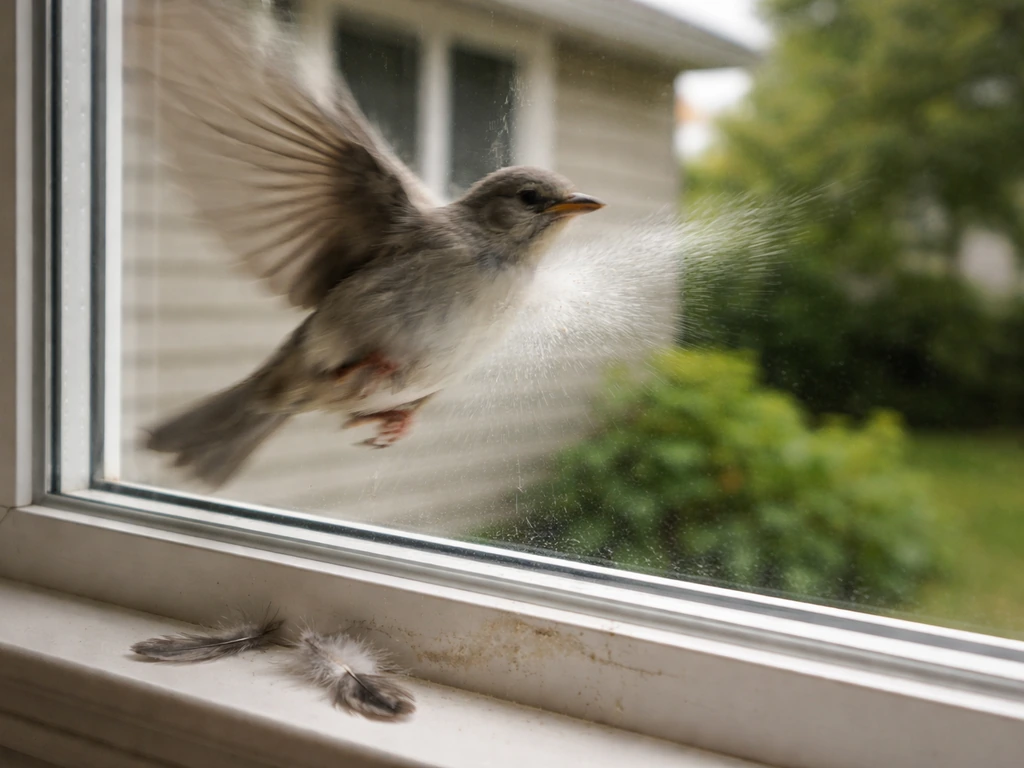
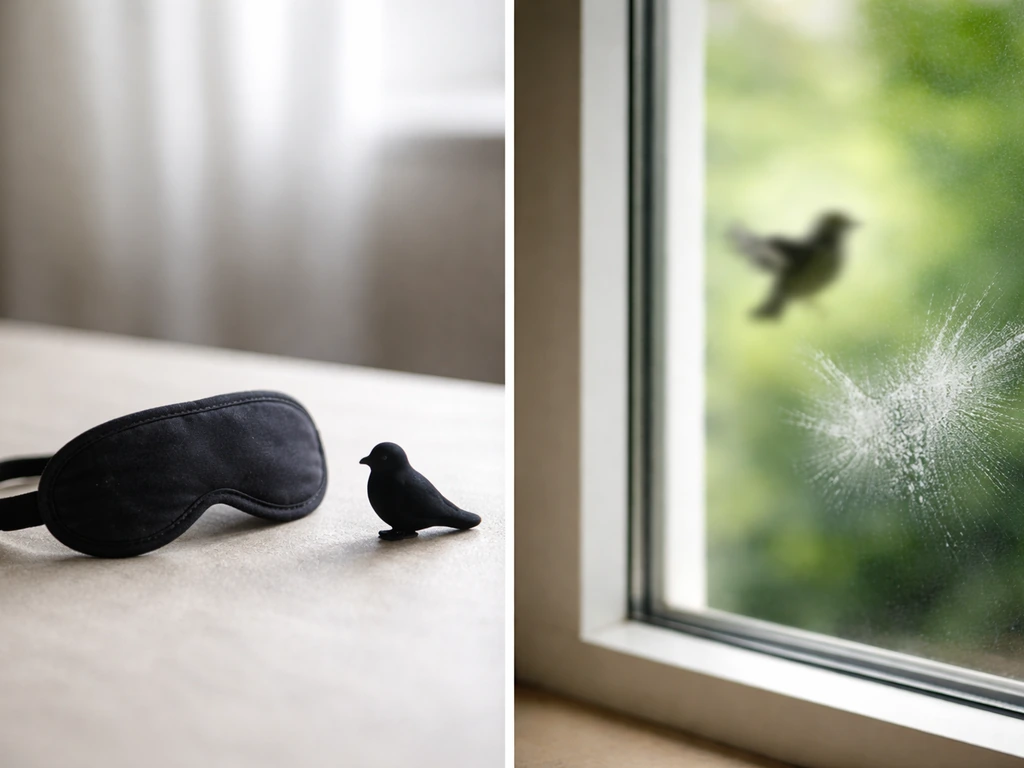
Window collisions are one of the biggest killers. The Smithsonian estimates that more than 30 birds die from flying into windows every single second in the United States. That adds up to somewhere between 600 million and 1 billion birds per year. Glass is transparent or reflective, birds simply don't see it as a barrier, and the impact is often instantly fatal.
blank" rel="noopener noreferrer">Avian influenza (bird flu) is another real threat that causes widespread mortality in both wild and domestic birds. If you're wondering what virus is behind Bird Box, the answer is that the story isn't based on a specific real-world pathogen. The USDA describes it as a contagious viral disease that moves through flocks quickly. Unlike the fictional Bird Box entities, bird flu is something you can actually respond to and reduce the spread of.
Other common causes of bird death include outdoor cats, power line collisions, pesticide and rodenticide poisoning, and habitat loss. None of these are mysterious or invisible. They're predictable, documented, and addressable.
Practical steps you can take right now to protect birds
If you want to actually reduce bird deaths around your home or property, these are the highest-impact, most immediate things you can do:
- Apply window collision deterrents: use decals, bird-safe films, or external screens on windows that birds frequently strike. The pattern needs to cover the whole pane, not just a small sticker in the corner. Audubon Pennsylvania recommends spacing marks no more than 2 inches apart horizontally or 4 inches apart vertically.
- Turn off or dim unnecessary lights at night, especially during spring and fall migration seasons. Artificial light disorients migrating birds and increases collision risk significantly.
- Keep feeders either very close to windows (within 3 feet) or very far away (more than 30 feet). At close range, birds can't build up enough speed to be seriously injured if they hit glass.
- Reduce or eliminate pesticide and rodenticide use in your yard. Secondary poisoning from rodenticides kills raptors and scavengers, including owls and hawks.
- If you have outdoor cats, keep them inside. Domestic cats are responsible for billions of bird deaths per year in the U.S. alone.
- If you find a bird that appears to have survived a window strike, place it in a dark, quiet box and give it an hour to recover before releasing it outdoors away from the window.
A quick comparison: Bird Box monsters vs. real bird threats
| Threat | Real or fictional? | Can it be stopped? | What actually works |
|---|---|---|---|
| Bird Box entities | Fictional | No | Avoidance only (blindfolds, birds as alarm) |
| Window collisions | Real | Yes | Deterrent films, decals, repositioning feeders |
| Avian influenza | Real | Partially | Isolation, biosecurity, reporting to vet/officials |
| Outdoor cats | Real | Yes | Keep cats indoors |
| Rodenticide poisoning | Real | Yes | Eliminate rodenticide use, use traps instead |
| Light pollution during migration | Real | Yes | Turn off lights at night during migration periods |
When to call in a professional
Some bird situations genuinely require expert help, and trying to handle them yourself can cause more harm than good.
If you find an injured bird with visible bleeding, a broken wing, or one that can't stand or fly, contact a licensed wildlife rehabilitator. Audubon, the RSPB, and the U.S. Fish and Wildlife Service all give the same advice: call before you act. Moving an injured bird incorrectly can worsen its injuries or stress it fatally. Most areas have a local wildlife rehab center you can reach through a quick search or by calling your state fish and wildlife agency.
If you keep chickens, ducks, or other domestic poultry and notice sudden unexplained deaths or signs of illness (lethargy, swelling around the head, discolored combs, respiratory distress), contact a veterinarian and report it to your state animal health officials immediately. The USDA recommends isolating sick birds right away and not waiting to see if they improve on their own. Avian influenza spreads fast, and early reporting gives officials a chance to contain it.
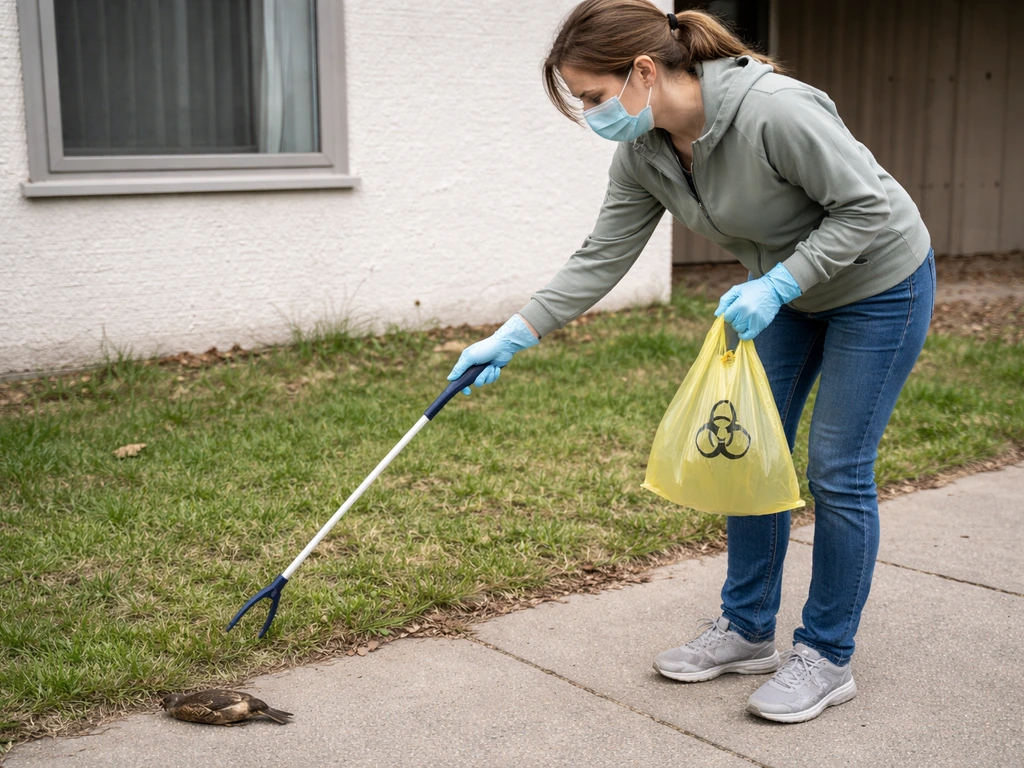
If you discover multiple dead wild birds in one location, don't touch them with bare hands. The CDC advises avoiding unprotected contact with sick or dead birds entirely. Call your local wildlife agency or animal control to report it. They can assess whether it signals a disease outbreak or a localized hazard like a nearby toxic spill.
The bottom line: Bird Box's monsters are unkillable by design, and the story only survives through avoidance. Real threats to birds are the opposite, they're specific, documented, and almost always reducible with the right steps. Whether you came here for the movie answer or a real bird safety question, you now have both.
FAQ
In Bird Box (including Barcelona), is there any loophole that lets someone kill the entities?
No. Even in the spin-off, the “seers” are not shown destroying the entities, they are just not forced into suicide in the same way. The story uses them to change the threat dynamic, not to introduce a workable kill method.
If someone in Bird Box has weapons or training, why don’t they work?
The story’s rule is not about being strong or having gear, it is about whether the person’s eyes take in the entities. That is why characters can be armed or prepared and still fail, the compulsion triggers from perception rather than physical confrontation.
What is the practical purpose of the birds in Bird Box, and does it change the outcome?
In Bird Box, the birds in the box function as an early warning mechanism because they react before the characters make direct visual contact. If you are asking about survival logistics, that means the “winning” tactic is reacting to the warning and avoiding exposure, not trying to shoot or trap anything.
Is there any step-by-step plan in the story that reliably prevents harm after you suspect the entities are nearby?
The films never establish a step-by-step countermeasure like “use X to neutralize Y,” so there is nothing reliable to try. In-story, the only consistent “win condition” is preventing anyone from being forced to look, meaning you treat the entities as an exposure hazard rather than an opponent.
Can you survive by not looking directly, for example avoiding reflections or screens?
Some viewers ask whether you could win by looking indirectly, like through reflections or recordings. The story does not clearly give a safe method that guarantees avoidance, so the safest interpretation is still no deliberate viewing, even if the entity is not fully seen.
I came here because I’m worried about real birds, not the movie. Does Bird Box suggest anything I should do for bird safety?
If you encounter the question because you are worried about real birds, do not transfer the movie logic to wildlife safety. Use bird-safe prevention first (especially window collision reduction and controlling actual disease risks) rather than assuming any kind of “natural monster” behavior is involved.
What should I do if I think I found an injured bird, and what’s the most common mistake to avoid?
If an injured wild bird seems to be rapidly worsening or bleeding, handle it only by minimizing stress, place it in a secure box, and contact a licensed wildlife rehabilitator. The key edge case is that “helping” can make things worse if you move the bird without proper guidance.
If I find several dead birds at the same location, should I try to dispose of them myself?
When you see multiple dead wild birds in one area, the decision point is reporting and avoiding contact, not cleaning it up yourself. Disease risk can be real even when the deaths look localized, so contact local wildlife or animal control for assessment.
If I have chickens or other poultry, what are the red flags that mean I should report immediately rather than wait?
For people keeping poultry, sudden unexplained deaths are a trigger to act quickly. The practical step is isolating sick birds and contacting a veterinarian and state animal health officials immediately, especially if there are signs consistent with fast-spreading disease.
Next Article
Why Do Bird Box Creatures Kill and What to Do Now
Explains why Bird Box creatures kill in-story and gives real steps for finding dead or sick birds safely today.