
There is no virus in Bird Box. The film and novel never name a pathogen, and no real-world disease called the 'Bird Box virus' exists. The threat in the story is a mysterious entity, not a biological agent you can test for, treat, or catch from a bird. If you landed here because you saw dead or sick birds and worried something movie-level was happening, keep reading, because real avian diseases do cause sudden die-offs, and knowing which ones matter is actually useful.
What Is the Virus in Bird Box? Realistic Answer and Facts

Maya Chen
27 May 2026
Bird Box the film vs. a real disease called Bird Box
Bird Box is a Netflix film (and a novel by Josh Malerman) in which people die by suicide after seeing some kind of entity. Netflix's own synopsis describes 'a mysterious force that decimates the world's population' and says simply that 'if you see it, you take your life.' That's it. There is no named virus, no identified pathogen, and no biological mechanism. The spin-off Bird Box Barcelona frames the same threat as 'mysterious entities that manipulate emotions,' again with no disease name attached. So if you searched for 'the virus in Bird Box,' you are looking for something the story deliberately never defines.
There is also no real avian disease or wildlife illness called 'Bird Box virus' in any veterinary, CDC, or USDA database. The name comes from the film, not from ornithology or epidemiology.
What the movie is actually implying, biologically speaking
The story leans heavily on a psychological rather than virological model. A doctor character in the film hypothesizes that the effect is tied to psychological or genetic predisposition, not infection. The entities don't spread through contact, contaminated water, or respiratory droplets. There is no incubation period, no fever, no tissue damage. The 'mechanism' is visual exposure to something incomprehensible, which triggers a fatal psychological response in most people while leaving others (those with certain mental states) unaffected.
In other words, the story is drawing more on horror and existential dread than on actual epidemiology. The birds in the film serve as an early-warning system, reacting to the entities before humans do, which is a nod to real-world canary-in-a-coal-mine concepts, but the birds aren't vectors and they aren't infected. In the Bird Box story, the entities are not a real pathogen, so the film's “why” is about psychological horror rather than an infectious disease process birds in the film serve as an early-warning system.
Real avian viruses people confuse with the Bird Box idea
People who find dead birds in their yard or hear about a local die-off sometimes search 'Bird Box virus' because the image of sudden, unexplained bird deaths maps onto the movie. Here are the actual pathogens behind those events.
Avian influenza (bird flu)
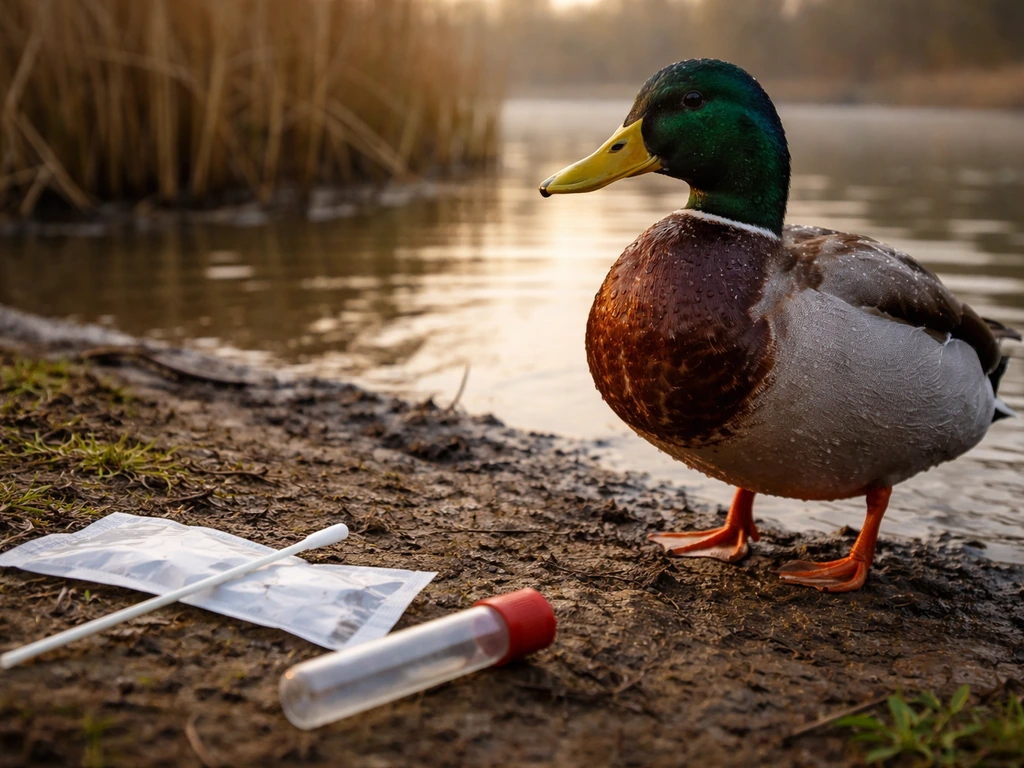
The CDC describes avian influenza as disease caused by avian influenza A viruses, with subtypes like A(H5) currently circulating in wild birds across the U.S. and causing outbreaks in poultry and, more recently, dairy cattle. Wild birds can carry it without looking sick, which is one reason surveillance matters. This is a real, testable pathogen with known transmission routes and confirmed human cases (rare, but documented). It's the closest real-world parallel to a 'mysterious force spreading through birds.'
Exotic Newcastle disease
USDA APHIS notes that exotic Newcastle disease has an incubation period of 2 to 15 days and can cause sudden death with highly variable clinical signs. WOAH (the World Organisation for Animal Health) describes transmission through contact with feces, respiratory discharges, and contaminated equipment or clothing. It spreads through flocks quickly and is considered one of the most serious poultry diseases globally. It is not transmissible to humans in any meaningful way under normal contact.
Avian botulism
This one gets confused with viral disease because it causes mass die-offs, especially in waterfowl. It's caused by the soil bacterium Clostridium botulinum, not a virus. USGS and Cornell's wildlife health resources describe the hallmark as progressive flaccid paralysis, with death from respiratory or cardiac failure. You cannot tell it's botulism just by looking at a dead bird. Lab testing is required to confirm it.
Avian salmonellosis
Michigan DNR documents die-offs around bird feeders, particularly in house sparrows, from salmonellosis. Symptoms range from sudden death to a 1 to 3 day illness with depression, unsteadiness, shivering, loss of appetite, and abnormal droppings. Dirty feeders are a major driver. This is one of the most common reasons backyard birders find multiple dead birds in a short period.
| Disease | Cause | Spread to Humans? | How You Know Birds Are Affected |
|---|---|---|---|
| Avian influenza (H5N1, etc.) | Influenza A virus | Rare but documented | Sudden deaths, respiratory signs, surveillance testing |
| Exotic Newcastle disease | Paramyxovirus | Very rare (mild conjunctivitis possible) | Sudden death, nervous signs, respiratory distress |
| Avian botulism | Clostridium botulinum toxin | No (different botulinum type) | Flaccid paralysis, 'limberneck' in waterfowl |
| Avian salmonellosis | Salmonella bacteria | Yes, via contact/contamination | Die-offs at feeders, lethargic birds, abnormal droppings |
| West Nile virus | Flavivirus (mosquito-borne) | Yes, via mosquitoes (not birds directly) | Dead corvids/raptors, neurological signs |
How bird illness and sudden mortality actually work
One thing that surprises people is how quickly birds can go from appearing healthy to dead. Birds hide illness as a survival instinct, so by the time you see a bird acting sick, it's often already seriously compromised. That's why a die-off can look sudden and unexplained even when the cause is a well-documented disease that's been building for days.
The cause of death in a wild bird almost never looks obvious from the outside. USGS is explicit about this: confirming the cause of death requires laboratory tests. Appearance alone won't tell you if it's avian influenza, Newcastle disease, botulism, or something environmental like pesticide exposure. That distinction matters because it affects how you respond and whether you need to report it.
What to do if you find sick or dead birds today
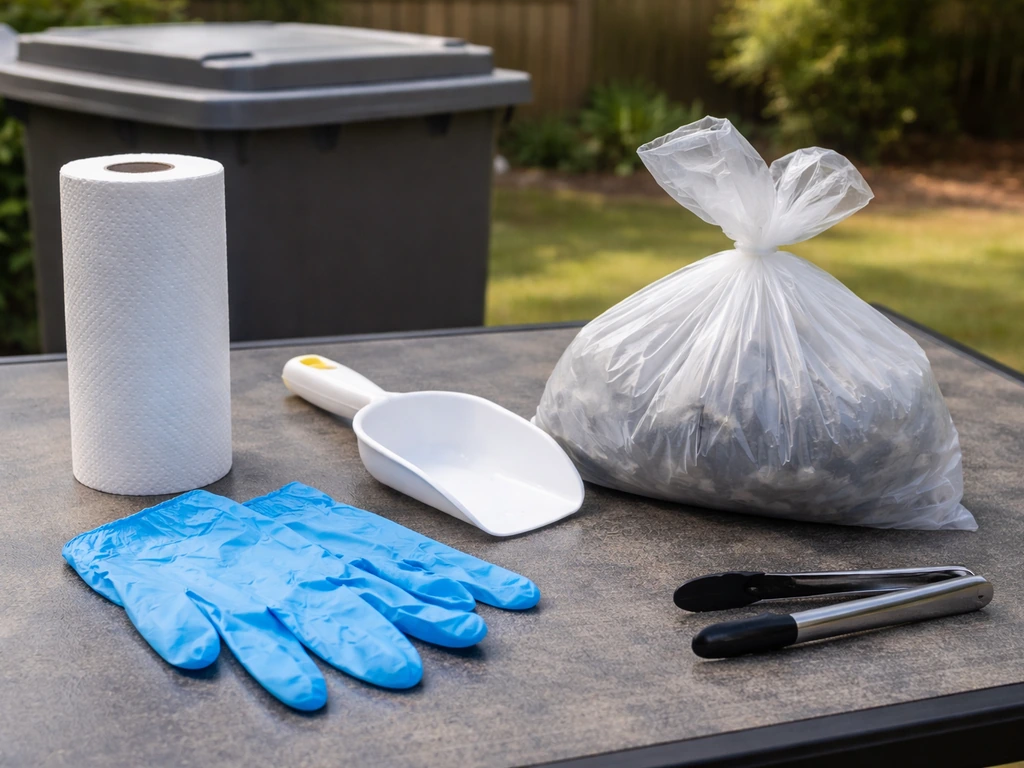
Finding one dead bird in your yard is not typically cause for alarm, but finding multiple dead birds, especially of the same species, in a short timeframe is worth reporting. USDA APHIS’s “Defend the Flock” guidance also instructs backyard owners to isolate sick birds and report signs of illness to a veterinarian and/or a state/federal animal health official. Here's the practical sequence.
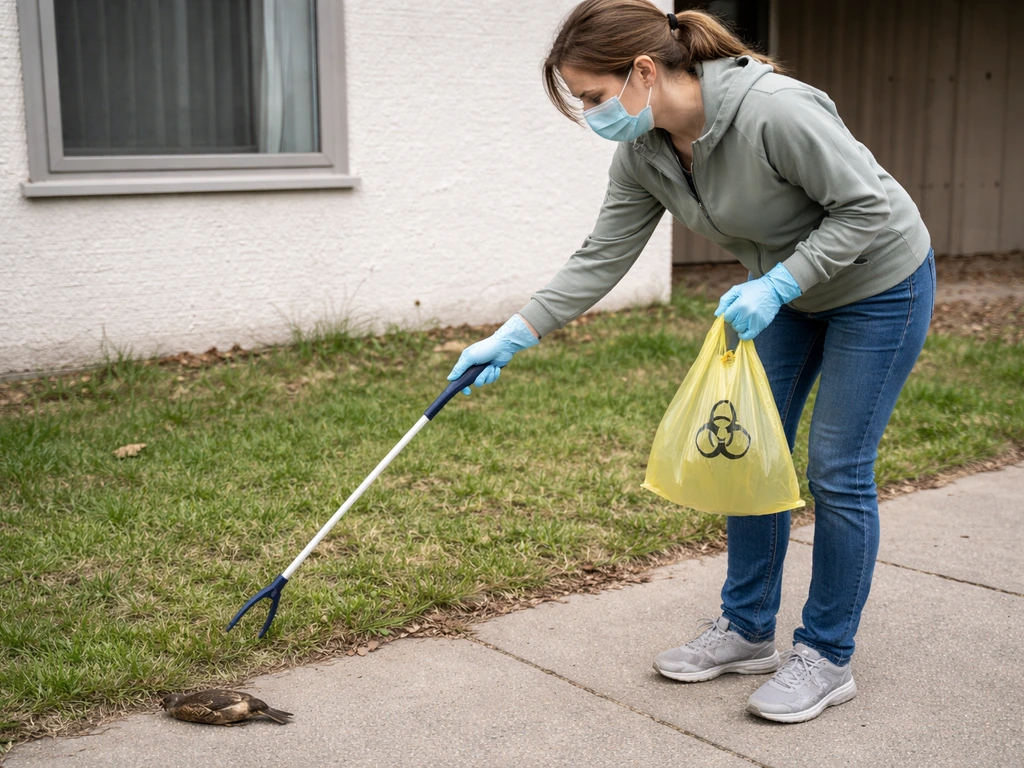
- Don't touch the bird with bare hands. CDC advises avoiding bare-handed contact with dead animals and any contaminated material. Use disposable gloves or invert a plastic bag over your hand.
- If you need to move or dispose of the bird, double-bag it and wash your hands thoroughly with soap and water afterward.
- If there are multiple dead birds or you suspect avian influenza, call USDA's Healthy Birds hotline at 1-866-536-7593 or contact your state animal health official. USDA APHIS actively wants these reports for surveillance.
- For suspected West Nile virus (especially dead crows or ravens), check your local or state health department's dead-bird reporting line. CDC notes that dead-bird reports support early detection of West Nile and avian influenza.
- If you keep backyard chickens or other poultry and you've had contact with a sick or dead wild bird, isolate your flock and contact a veterinarian or state poultry specialist as quickly as possible.
If there's any situation where you might generate aerosols or splashing (disposing of a large number of carcasses, for instance), CDC guidelines recommend adding eye protection and a surgical mask to your PPE.
Practical prevention for backyard birds and your household
Most backyard bird disease problems are preventable with consistent basic hygiene. These aren't complicated steps, but they do need to be regular habits rather than one-time actions.
- Clean feeders at least monthly. South Carolina DNR recommends scrubbing feeders to remove seed hulls, waste, and mold buildup, which are the main drivers of salmonellosis and other bacterial diseases at feeding stations.
- Discard wet or clumped seed immediately. Mold grows fast in damp seed and can make birds sick.
- Rake or clean up seed debris under feeders regularly. Accumulated hulls on the ground become a disease reservoir.
- Keep backyard poultry separated from wild birds as much as possible. USDA APHIS specifically advises preventing contact between domestic flocks and wild birds to reduce avian influenza risk.
- Wash your hands after handling feeders, bird baths, or anything birds have contacted before touching your face or food.
- If you have pet birds indoors, don't bring wild birds or feathers inside, and keep windows and ventilation separate from outdoor bird activity.
USDA's biosecurity guidance for backyard flock owners is essentially: don't 'haul disease home.' That means being careful what you bring onto your property (used equipment, visitors who've been around other birds, wild bird contact), and being equally careful about what leaves it if you suspect illness.
Can you test for the 'Bird Box virus,' and what's the actual risk to humans?
No. There is no 'Bird Box virus' to test for because it doesn't exist as a real pathogen. What you can do is test for actual avian diseases if you have sick or dead birds. You can also look up whether a specific bird disease described by public health sources might be killing birds in your area test for actual avian diseases. USDA APHIS and state animal health labs run surveillance testing on wild and domestic birds for avian influenza and Newcastle disease. If you find dead birds and want them tested, your state wildlife agency or veterinarian can submit samples.
The human risk from the real avian diseases listed above is genuinely low under normal circumstances. Avian influenza is the one to watch most carefully: the CDC monitors it actively, and human cases have occurred through close, direct contact with infected birds or heavily contaminated environments, not from casual backyard exposure. Newcastle disease can occasionally cause mild conjunctivitis in people with very close contact with infected birds (mainly poultry workers). Salmonella from bird feeders is a real but manageable risk controlled almost entirely by hand-washing. West Nile is spread by mosquitoes, not birds themselves, so removing a dead crow carries negligible risk if you use gloves.
The short version: the movie's threat is fictional and untestable. In Bird Box, the monster is not a biological pathogen, so it does not follow the usual “go inside” rules tied to viruses or infections. In the Bird Box story, there is no real pathogen, so the monster does not kill in a medically defined way like an actual virus would fictional and untestable. The real threats to birds are well-documented, genuinely testable, and largely preventable through hygiene, reporting, and keeping wild and domestic birds separated. If you're worried about something you found in your yard, call USDA's hotline or your state wildlife agency rather than searching movie plots for answers.
FAQ
Is there any official test or diagnosis for the “Bird Box virus”?
You generally cannot. The story never identifies a pathogen, so there is no “Bird Box virus” test, no confirmed incubation window, and no recommended treatment. If you have sick or dead birds, treat it as a possible real wildlife disease and contact your state wildlife agency or a veterinarian about submitting samples for lab testing.
If the movie’s virus is fictional, what do dead birds most often mean in real life?
Yes, the most likely causes of rapid bird die-offs in the real world are specific diseases like avian influenza, Newcastle disease, botulism, or bacterial infections such as salmonellosis. Appearance alone is not enough, so testing is what distinguishes them, especially when birds died in a short timeframe.
When should I report bird die-offs instead of assuming it was random?
Multiple dead birds, especially the same species, in a short period is the key trigger to report. One dead bird is often more plausibly environmental or random. When reporting, note the species, approximate count, date and time first noticed, and whether birds were found near feeders, water sources, or pooled debris.
What should I do if I find dead birds at home, and what should I avoid?
Do not handle carcasses barehanded. Use gloves, avoid disturbing feathers or waste, and place material in a sealed bag or container if you are coordinating with a lab. If you need to dispose of many birds, keep activities downwind and avoid creating dust or splashing, since aerosols can increase exposure to some pathogens.
Should I stop feeding birds if I see dead birds near my feeder?
Do not rely on feeder removal alone as your only step. While cleaning and disinfecting feeders and changing dirty water help reduce salmonellosis risk, disease surveillance still matters for die-offs. Stop feeding temporarily until you can clean and restart safely, especially if multiple birds die after visiting the same feeder.
Is there a realistic chance people can catch something from dead birds?
Yes, but only for certain close exposures. Avian influenza and Newcastle disease are risks mainly with close, direct contact with infected birds or heavily contaminated environments. For most homeowners, the practical risk reduction is hygiene (hand-washing after bird contact), wearing gloves when handling carcasses, and keeping domestic poultry separate from wild birds.
Do I need a mask or eye protection when cleaning up after bird deaths?
Using gloves and washing hands is usually sufficient for routine backyard contact. If you are cleaning or disposing of many carcasses, or doing anything that creates dust, splashes, or aerosols, consider additional protection like eye protection plus a face mask per CDC-style guidance for potential aerosol-generating tasks.
How do I get dead birds tested, and what information do labs need?
If birds look sick or you find clusters of dead birds, confirm locally what to submit and where. Your state wildlife agency or animal health lab can often provide collection instructions (container type, storage conditions, and whether to include feeder/water samples). Taking careful notes helps lab teams prioritize what to test.
Why can bird illnesses look sudden even when they are caused by real diseases?
Yes. The “birds died first” idea is a common reason people assume a contagious “spread,” but even real diseases do not always look like a textbook infection curve. Birds hide illness, so by the time you notice symptoms, the birds may have been ill for days, making events look sudden even when they are not.
What extra precautions should backyard flock owners take if wild birds die nearby?
If you share property with chickens, ducks, or other poultry, treat die-offs as a biosecurity event. Keep wild birds away, avoid shared equipment between flocks and outdoors, and do not allow visitors who handle poultry elsewhere to enter your area without precautions. When there is a die-off nearby, separate and restrict access.
Next Articles

Can the Monsters in Bird Box Be Killed and What’s Real
Answer if Bird Box monsters can be killed, then switch to real bird safety steps to prevent actual harm.
Why Do Bird Box Creatures Kill and What to Do Now
Explains why Bird Box creatures kill in-story and gives real steps for finding dead or sick birds safely today.
Why Bird Box Monster Can’t Go Inside: Real Reasons
Debunks the Bird Box monster myth and explains real bird entry rules, access points, and how to keep birds safe.