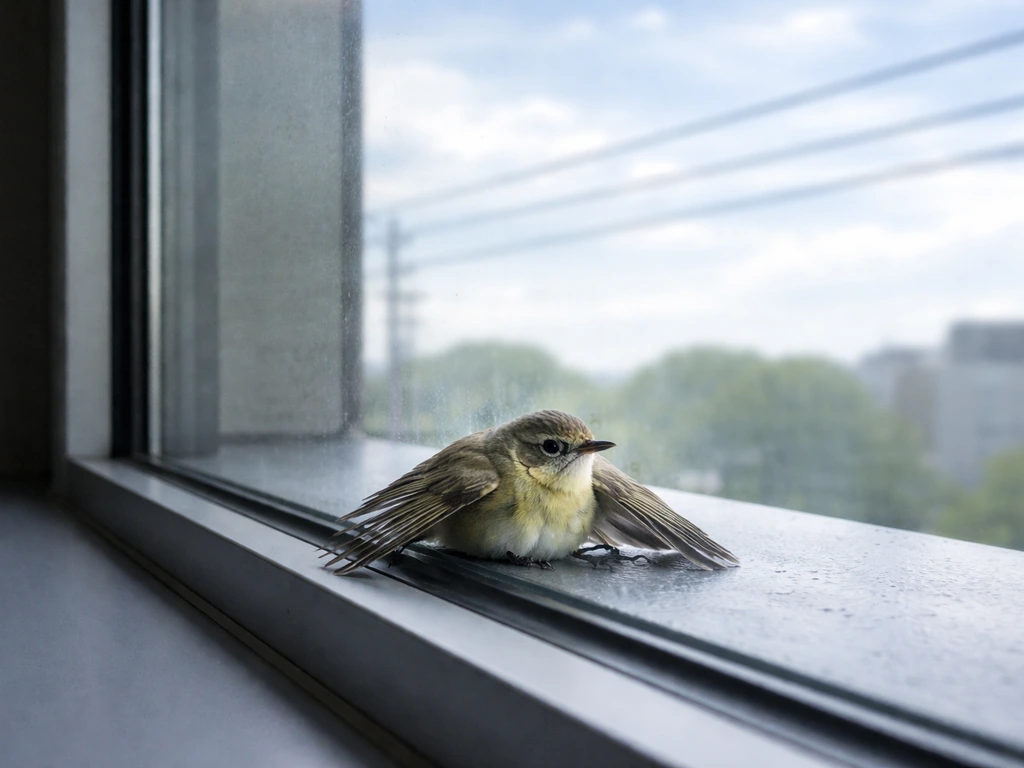
The honest answer is: there is no single safe amount of avocado for a bird. Even a small portion of the flesh can cause serious signs in sensitive species, and in budgerigars specifically, published veterinary data shows that 1 gram caused distress and 8.7 grams of mashed avocado fruit caused death within 48 hours. To put that in perspective, a budgie weighs about 25–35 grams total. So we are not talking about large quantities here. If your bird just ate avocado and you are trying to figure out whether to panic, the short answer is: call a vet or poison control now and do not wait to see what happens.
How Much Avocado Will Kill a Bird: Risk and First Aid
Maya Chen
11 Apr 2026
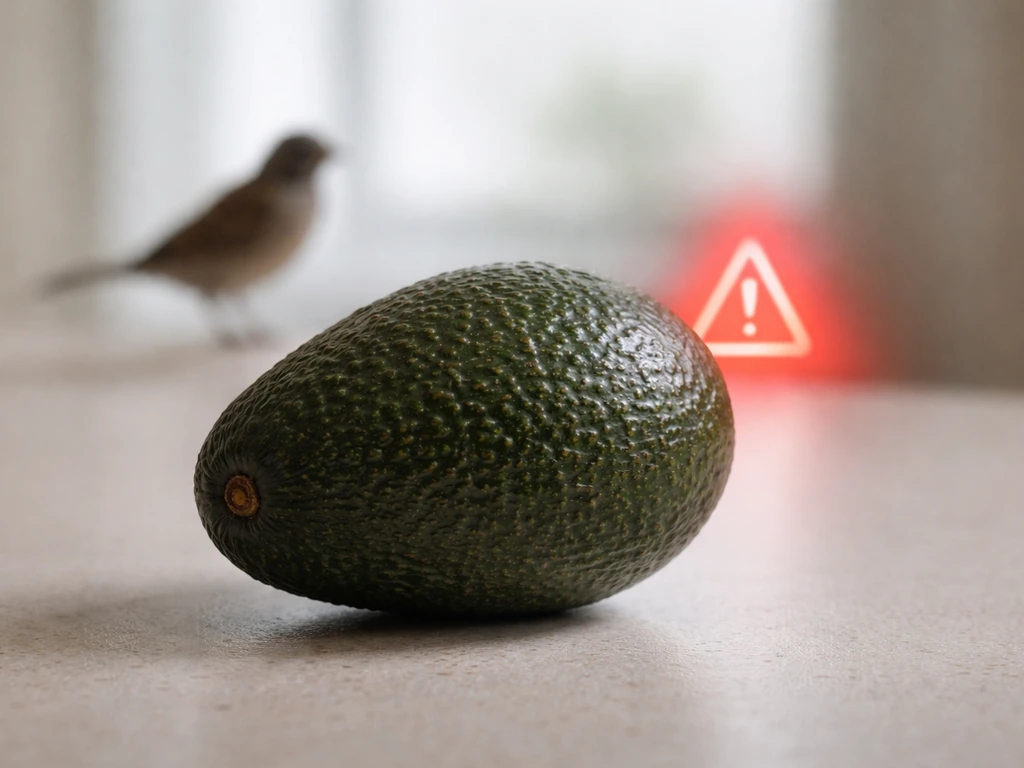
Why avocado is actually dangerous for birds
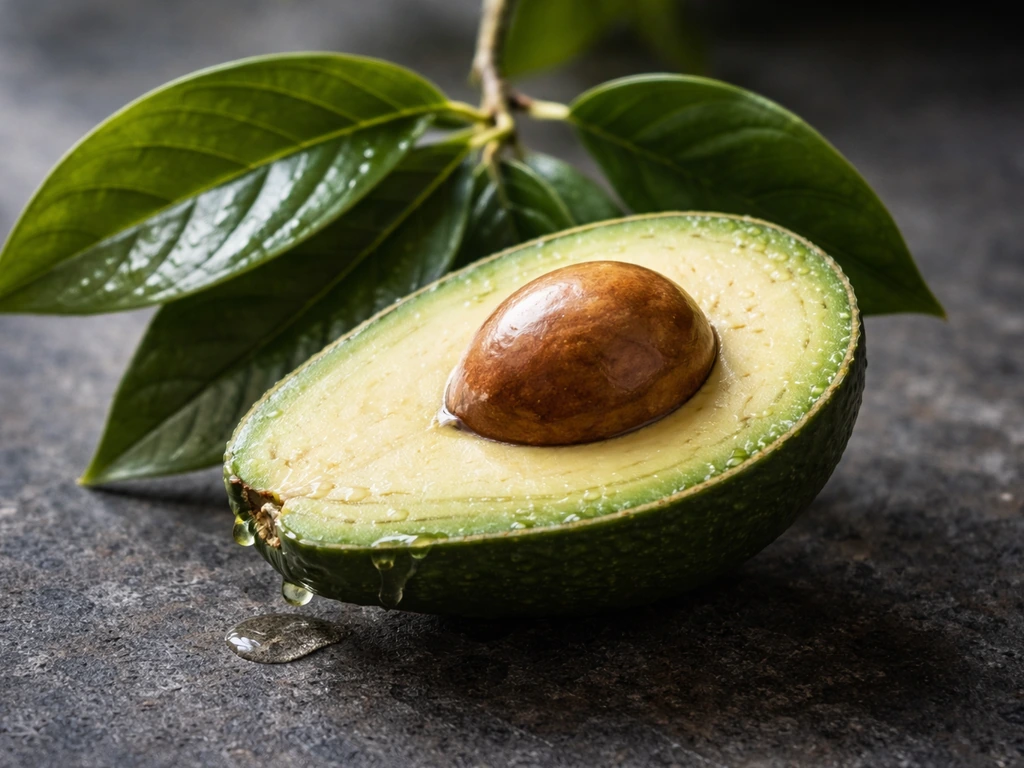
The toxin responsible is called persin. It is a fat-soluble compound found naturally in the avocado plant, and it is not just in the pit or the skin. Persin is present in the leaves, bark, fruit flesh, skin, and seeds. That means a bird does not need to chew on a pit to be at risk. Nibbling the flesh off your plate or a countertop is enough.
In birds, persin is associated with myocardial necrosis, meaning it causes damage to heart muscle tissue. It also affects the lungs, leading to fluid accumulation around the heart and respiratory system. This is not a simple stomach upset. It is a cardiac and respiratory toxicity that can escalate quickly, which is why avocado sits near the top of any list of what can kill a bird when it comes to food hazards.
Species sensitivity matters a lot here. Budgerigars are known to be highly sensitive to persin. Canaries appear less sensitive, though still at risk. Larger parrots may tolerate a trace exposure better than a small finch, but no species has been proven safe. The ASPCA lists signs including weakness, depression, feather pulling, and agitation, which reflects how differently birds can respond even to the same exposure.
What "how much" actually depends on
People searching for a precise lethal dose number are usually hoping there is a clear threshold, like "under X grams is fine." There is not. The dose that causes harm depends on several interacting factors, and ignoring any one of them can lead you to underestimate the risk.
- Species and individual sensitivity: Budgerigars are among the most sensitive; other species vary considerably and have not all been studied.
- Body weight: A 30-gram budgie eating 1 gram of avocado is consuming more than 3% of its body weight in a toxic food. The same amount fed to a 500-gram Amazon parrot is proportionally much less, though still not safe.
- Which part was eaten: The flesh has persin, but the skin and seeds contain it in higher concentrations. Leaves and bark are also toxic if the bird has access to an avocado plant.
- Whether it was seasoned: Avocado prepared for human consumption often contains salt, garlic, onion, or lime, all of which add their own toxicity risks on top of persin.
- How quickly help was sought: Clinical signs typically begin around 12 hours after ingestion. Death can occur within 1 to 2 days. The window for effective support is narrow, so timing matters enormously.
The Merck Veterinary Manual data on budgerigars is the most specific published reference we have for birds: 1 gram of avocado fruit caused agitation and feather pulling, and 8.7 grams caused death within 48 hours. These are grams of raw fruit flesh, not milligrams of purified persin. Treat these numbers as rough indicators for very small birds, not precise thresholds you can apply to every species. If you are curious how this compares to other food toxins in birds, the dose-vs-species complexity is similar to how much chocolate can kill a bird, where size and species also shift the risk significantly.
Symptoms to watch for after avocado ingestion
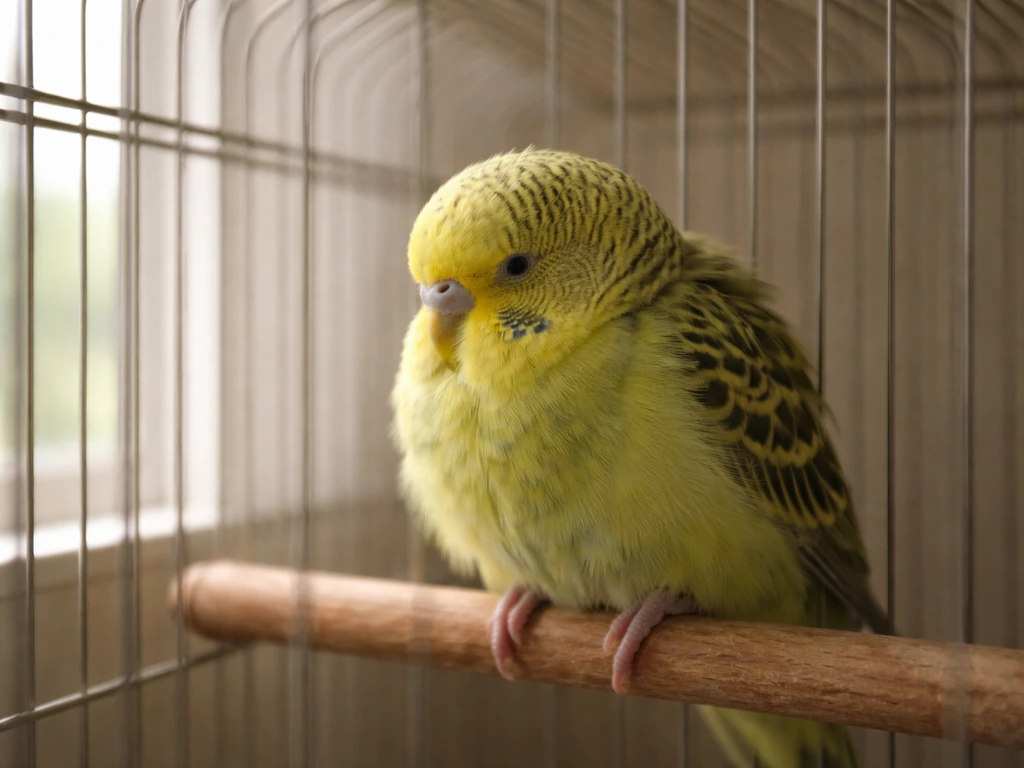
Signs may not show up immediately. The typical onset window is around 12 hours after ingestion, sometimes sooner. This delay can create a false sense of security. A bird that looks fine two hours after eating avocado is not necessarily in the clear.
Early or mild signs
- Unusual quietness or lethargy
- Fluffed feathers or hunched posture
- Reduced interest in food or water
- Agitation or restlessness
- Feather pulling or repetitive movements
Emergency signs (act immediately)
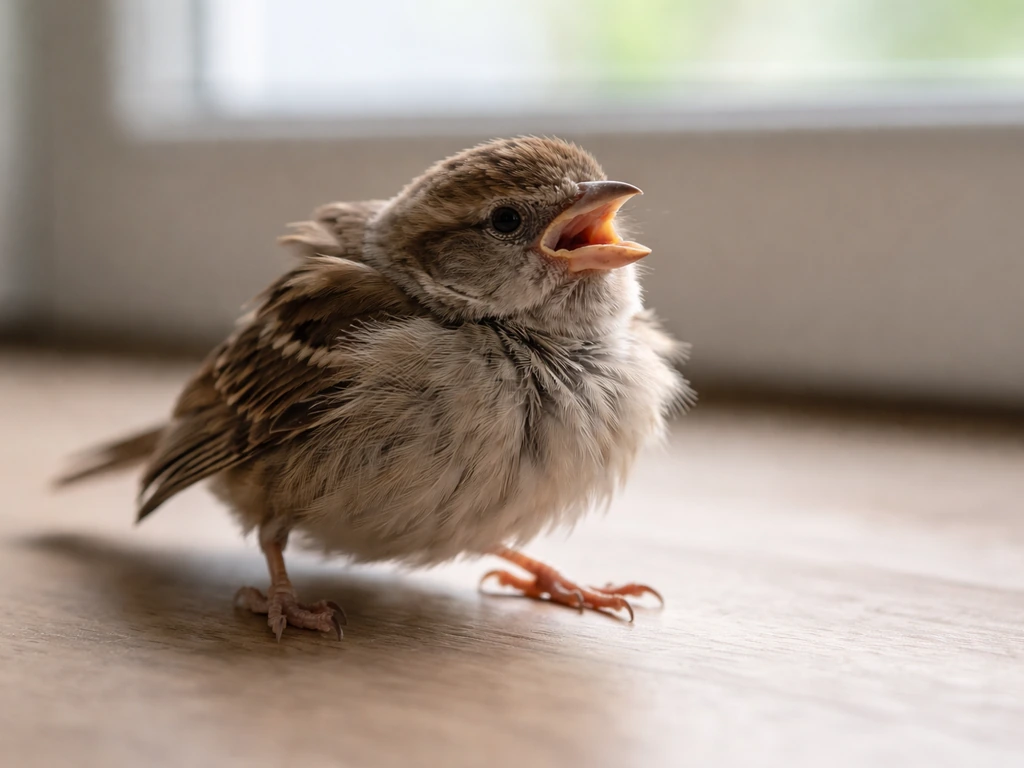
- Labored or open-mouth breathing
- Inability to perch or maintain balance
- Visible swelling around the chest or abdomen
- Collapse or sudden inability to move
- Blue or pale coloring around the beak or extremities
- Unresponsiveness
The emergency signs reflect the cardiac and respiratory damage persin causes. Fluid around the heart and lungs compresses the bird's ability to breathe and circulate blood. By the time you see open-mouth breathing or collapse, the situation is already critical. This is why avocado toxicity in birds belongs in the same urgency category as what can kill a bird instantly: the timeline from symptom onset to death can be very short.
What to do right now
If you are reading this because your bird just ate avocado, follow these steps in order.
- Remove all avocado immediately. Take away the food, wipe the beak gently with a damp cloth if there is visible residue, and move the bird away from the source. Do not let it continue eating.
- Do not induce vomiting or give any home remedies. Birds have a different digestive anatomy than mammals, and attempting to force vomiting can cause additional harm. Do not give milk, oil, bread, or anything else unless a vet specifically directs you to.
- Call a vet or poison control right now. Do not wait to see if symptoms develop. The ASPCA Animal Poison Control Center is available at (888) 426-4435 around the clock. The Pet Poison Helpline also offers 24/7 phone and chat support. Both will ask you for the bird's species, approximate weight, how much was eaten, and what part of the avocado it consumed, so gather that information before you call.
- Note the time of ingestion as accurately as possible. This helps the vet understand where in the 12-to-48-hour window your bird currently sits.
- Keep the bird warm and calm. Stress worsens cardiac and respiratory symptoms. Minimize handling, keep the environment quiet, and maintain a warm temperature (around 85–90°F if the bird appears weak) while you arrange emergency care.
- Get to an avian vet in person if possible. There is no antidote for avocado poisoning. Treatment is supportive, meaning the vet may provide fluids, oxygen support, or medication to reduce fluid accumulation. That level of care cannot happen at home.
The most common mistake people make is watching and waiting. Because symptoms can take up to 12 hours to appear, owners sometimes assume the bird is fine and do nothing. By the time visible signs show up, the internal damage may already be severe. Avocado toxicity in birds is not a "wait and see" situation. Understanding what can kill a bird instantly from a community perspective reinforces this point: real bird owners who have been through it consistently say they wish they had called sooner.
Avocado vs other common bird hazards
To put avocado's risk level in context, here is how it compares to a few other household hazards. Avocado is considered one of the more dangerous food items because the toxic mechanism directly targets the heart and lungs, unlike some other foods where the risk is more dose-dependent or reversible.
| Hazard | Primary toxic mechanism | Risk level for birds | Is there an antidote? |
|---|---|---|---|
| Avocado (persin) | Myocardial necrosis, fluid around heart/lungs | High, especially for small birds | No |
| Chocolate (theobromine) | Cardiac stimulation, nervous system | High, dose-dependent | No (supportive only) |
| Caffeine | Cardiac arrhythmia | Moderate to high | No |
| Salt (excess) | Dehydration, kidney stress | Moderate | No |
| Onion/Garlic | Hemolytic anemia | Moderate to high | No |
Avocado stands out because even a small amount relative to body weight can trigger the toxic cascade, and the heart-muscle damage component makes it harder to reverse than some other poisonings. This is why experienced avian vets place it alongside the most serious leading causes of bird deaths related to owner-managed environments.
Safe fruit alternatives and how to prevent this from happening again
Birds benefit from fruit in their diet, so removing avocado does not mean fruit is off the table entirely. There are plenty of safer options that provide similar nutritional value without the persin risk.
- Mango (flesh only, no skin or pit): rich in vitamins A and C, well-tolerated by most pet birds
- Papaya: easy to digest and commonly recommended by avian vets for its enzyme content
- Blueberries and strawberries: high in antioxidants, small enough to offer as individual treats
- Watermelon (seedless): high water content, good for hydration
- Apple (flesh only, no seeds): seeds contain cyanogenic compounds so always remove them
- Pear (flesh only, no seeds): similar to apple in terms of safety profile
For prevention, the key is keeping all avocado out of the bird's environment entirely, not just the flesh. If you eat avocado at home, keep the bird in another room. Dispose of peels, pits, and scraps in a covered bin the bird cannot access. If you grow an avocado plant, keep it completely out of reach since the leaves and bark carry persin too. Avocado is one of those items where the entire plant is a hazard, not just the part humans eat.
It is also worth doing a full audit of your bird's environment if avocado was accessible. If the bird found avocado once, it may have also had access to other hazardous items. A useful reference for that kind of review is this guide on things that can kill your bird, which covers a broader range of household risks worth checking off your list.
If you keep a bird in a kitchen or dining area, a cage environment audit is also worth doing. Can a dirty cage kill a bird walks through sanitation risks that compound the danger when a bird is already weakened by a toxic exposure. A stressed or poisoned bird is far more vulnerable to secondary threats from an unclean environment.
For a broader reference on bird-proofing your home, the full rundown in 10 things that can kill your bird is worth keeping bookmarked. Avocado is one item on that list, but there are common household hazards people miss until something goes wrong.
The bottom line on avocado and birds
There is no safe dose of avocado for a bird. The best available data shows that even 1 gram of avocado flesh caused distress in budgerigars, and under 9 grams caused death. For a bird that weighs 25 to 35 grams, those are tiny amounts. If your bird ate avocado and you do not know how much, treat it as an emergency and contact a vet or poison control immediately. Do not wait for symptoms. Do not try home remedies. The treatment window is narrow and supportive care from a professional is the only real option. Going forward, keep avocado and every part of the avocado plant completely out of your bird's environment.
FAQ
What should I do if I do not know how much avocado my bird ate?
Even if you cannot estimate the amount, assume it is potentially serious. Contact an avian vet or poison control immediately, and be ready to describe what form was eaten (flesh, skin, pit, plant leaves) and how long ago it happened. Time matters because signs can start around 12 hours after ingestion.
Are there any home remedies I can use after a bird eats avocado?
No. Do not try to induce vomiting, offer milk, or use home “counter” remedies. For persin-related avocado toxicity, the correct approach is professional guidance and supportive care, since damage involves the heart and lungs, and waiting or DIY treatments can delay effective intervention.
My bird looks okay right now, do I still need to call a vet?
Even if symptoms are mild at first, do not wait for them to worsen before calling. Early signs can be subtle, and the problem can involve internal heart and lung effects before obvious breathing trouble or collapse.
Can persin affect birds if they only nibble the pit, peel, or plant leaves?
Yes. Birds can be exposed from the pit, the flesh, and parts of the plant such as leaves and bark. Persin is not confined to one edible section, so chewing on a countertop scrap or climbing near an avocado plant can still be risky.
If it was just a tiny lick or smear, is it still dangerous?
If the bird ate only a tiny lick or a small smear, risk may be lower, but there is still no guaranteed safe amount. The practical decision is to call for guidance immediately, especially for small species (like finches) or known high-sensitivity birds (like budgerigars).
How long after eating avocado should I watch for symptoms?
Yes, because onset is delayed. A bird that seems fine a couple of hours after ingestion may develop signs later, so monitoring does not replace getting veterinary advice.
What symptoms mean it is an emergency versus “mild” exposure?
Not reliably. Signs such as weakness, depression, feather pulling, agitation, open-mouth breathing, or collapse should be treated as emergency indicators, but the absence of obvious symptoms early on is not reassuring given the delayed timeline.
What information should I have ready when I call poison control or the vet?
What to report helps the vet decide urgency and what monitoring or treatment to plan. Tell them your bird’s species and approximate weight, the time of ingestion, what part was eaten, whether it was raw or mashed, and the bird’s behavior changes since then.
If my bird stopped eating and spit it out, should I still seek advice?
Contact is still important even if you think the bird stopped eating and the mouthful was small. Persin exposure can come from fragments and residue, and the internal timeline can continue after the last bite.
What is the best way to prevent avocado exposure in a home with birds?
For prevention, remove the entire hazard, not just the fruit: keep peels, pits, and scraps in a sealed bin, prevent access to countertops and trash, and keep the avocado plant (including leaves and bark) out of reach. Also consider separating kitchen time from cage time so accidental crumbs do not happen during cooking or cleanup.
Next Article
What Can Kill a Bird Instantly: Causes and Prevention
Real causes of rapid bird death and myths behind instant kills, plus safe steps to rescue, report, and prevent hazards.